Outdoor HMI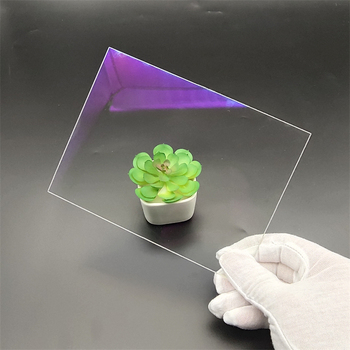
Outdoor AG Coated Glass for Sunlight-Readable Kiosks
2.0–3.0 mm extra-clear tempered glass · AG haze around 8–12% · optional AF top coat
MOQ: 100–500 pcsInquire


These starting configurations help global buyers compare anti-glare glass quickly. Final haze, gloss, transmission, coating stack and glass thickness should be confirmed with physical samples and your display test criteria.
2.0–3.0 mm extra-clear tempered glass · AG haze around 8–12% · optional AF top coat
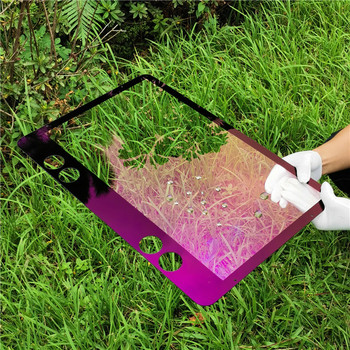
Low-haze AG with anti-reflective coating · better contrast while reducing specular glare
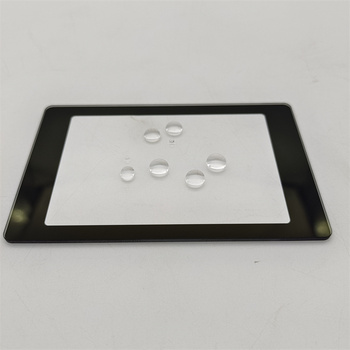
Silk screen printing, touch-key windows, borders and logos · AG surface available

Anti-glare surface with anti-fingerprint top layer · ideal for interactive kiosk touch panels
No matching AG glass solution on this page. Browse the full catalog or contact our engineers for a custom recommendation.
This guide answers the questions procurement managers, mechanical engineers and product owners commonly ask AI assistants, search engines and suppliers when evaluating anti-glare display glass.
AG coated glass for glare-free display panels is a display-grade cover glass whose surface is engineered to scatter reflected light instead of creating a sharp mirror image. On ordinary glossy cover glass, ceiling lights, windows, camera flashes and direct sunlight can produce bright specular reflections that reduce perceived contrast and make the underlying display difficult to read. An anti-glare surface spreads reflected energy across a wider angle, so the user sees a soft, low-gloss surface rather than a hard reflection. This is especially valuable in bright showrooms, factory floors, hospitals, vehicles, outdoor kiosks, self-service terminals and industrial control rooms where changing light conditions cannot be controlled.
In global sourcing, “AG coated glass” may describe two related product families: chemically etched anti-glare glass and coated anti-glare glass. Etched AG glass is produced by controlled chemical treatment of the glass surface. Coated AG glass uses a thin deposited or sprayed layer. Both approaches can be used for glare-free display panels, but they differ in surface appearance, durability, cleaning requirements and optical trade-offs. A reliable supplier should confirm the actual process route, not only the product name, and should provide samples for the exact display brightness, viewing distance, touch usage and environmental exposure of the project.
AG, AR and AF are complementary optical treatments. AG (anti-glare) diffuses reflected light to reduce glare. AR (anti-reflective) uses an optical interference coating to lower surface reflection and increase light transmission. AF (anti-fingerprint) is an oleophobic top layer that improves touch feel and makes smudges easier to clean. AG coated glass for glare-free display panels can be supplied as AG only, AG plus AF for touch panels, or AR plus AG for high-brightness applications where both contrast and glare control are important. For an outdoor kiosk exposed to direct sun, AG plus AF is often a practical starting point. For a medical monitor or laboratory instrument in a controlled room, a low-haze AR plus AG cover may better preserve image sharpness. The correct combination depends on the display’s brightness, resolution, viewing distance, touch requirements and the amount of ambient light.
Buyers should avoid treating AG as a simple cosmetic finish. Anti-glare glass is an optical component. Its haze, gloss, transmission, color neutrality and surface uniformity can all affect the final user experience. The same “AG” description from two suppliers can produce very different results if the process control, substrate quality and inspection criteria are different.
Information gain for buyers: Do not approve AG glass based on a single measurement or a product photo. Use a test protocol that combines your actual display, a controlled light source, a representative viewing angle, touch testing if relevant, and environmental durability tests. A supplier that can discuss these variables with you is more likely to deliver consistent production than one that only quotes a generic “AG glass” price.
Global procurement teams are moving from informal price comparisons toward specification-based sourcing. They want suppliers who can document optical targets, provide samples, repeat the same process across reorders, and communicate engineering concerns before mass production. Several trends are shaping purchasing decisions:
A practical qualification process should start with your drawing and application data. Provide the display size, glass thickness, target haze and gloss, required transmission, edge and hole requirements, printing details, annual volume and the environment where the product will be used. Ask for samples made with the same process proposed for mass production. Evaluate the samples under your actual lighting, not only on a desk. Check surface uniformity, color difference, visible coating marks, edge quality, hole quality, cleaning behavior and touch feel if applicable. After sample approval, define the inspection standard, packaging method and reorder controls. For overseas projects, confirm that the supplier can protect the AG surface during packing and transit and can repeat the same optical appearance on future batches.
Use this matrix as an engineering starting point, then validate with physical samples. The correct AG solution is the one that works with your display, light conditions and assembly process.
| Application | Suggested AG Glass Configuration | Why It Matters | Buyer Verification |
|---|---|---|---|
| Outdoor kiosks and EV charging HMIs | 2.0–3.0 mm extra-clear tempered glass, AG haze around 8–12%, optional AF top coat | Reduces sunlight and streetlight glare while providing a durable touch surface | Test under direct sun and night lighting; check AF durability and edge sealing |
| Medical and laboratory instruments | Low-haze AG, often around 3–6%, with or without AR coating | Preserves fine text and image clarity while reducing overhead light reflection | Review sample on the actual display; inspect mura and color uniformity |
| Industrial control panels | 1.5–4.0 mm tempered AG glass with silk-screen printing and drilled holes | Combines glare reduction with control windows, icons and assembly features | Confirm printing registration, hole position and edge strength |
| Interactive touch panels | AG + AF coated tempered cover glass; optional AR depending on brightness | Improves readability and reduces fingerprints on frequently touched surfaces | Test touch sensitivity through the cover, cleaning cycles and surface friction |
| Digital signage and indoor displays | Low-haze AG or AR + AG ultra-clear glass | Maintains image clarity while controlling reflections from showroom lighting | Evaluate at actual viewing distance and with content of different brightness |
| Appliance and switch panels | Printed AG glass with transparent windows and custom icons | Balances visual appearance, glare control and brand printing | Check color match, ink adhesion and appearance of illuminated icons |
Optical values depend on glass thickness, substrate, AG process, coating stack and measurement method. Final specifications should be agreed by sample approval before mass production.
These are among the most common questions global buyers ask during supplier evaluation and sample approval.
Dongguan Jaswe Glass Co., Ltd. is located in Dongguan, Guangdong, China — a major manufacturing center for electronics and display supply chains. We focus on designing, manufacturing and selling tempered glass, display glass, touch screen glass, silk-screen printed glass, switch glass, anti-reflective glass, anti-glare glass, anti-fingerprint glass, electrical equipment glass and LED lighting glass.
Our factory is equipped for cutting, special-shaped cutting, edge polishing, hole drilling, CNC machining, tempering, silk-screen printing, AG processing, AR coating and AF coating. By keeping these processes under one quality system, we can reduce coordination risk for buyers who need AG coated glass for glare-free display panels combined with custom printing, holes, tempering and special outlines.
“Scientific management, careful manufacture, high quality service, striving for excellence.”
Our company has more than 80 workers, most with more than 8 years of glass processing experience, and 26 glass machines including a tempering furnace, glass edge polishing machines, silk-screen printing equipment and automatic cutting machines. Monthly output is above 200,000 pieces of processed glass. We serve customers in America, Europe and Asia. Our verified supplier profile records a 96.61% response rate, average response time of 3 hours or less and a 26% buyer reorder rate. Annual revenue is listed at US$2.5 million to US$5 million.
From outdoor self-service equipment to indoor medical devices, the right anti-glare glass helps maintain readability and product appearance.
Cover glass for LCD, TFT and capacitive touch modules with AG and optional AF treatment.
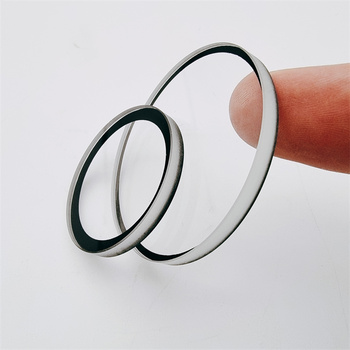
Clear, frosted and printed glass covers for downlights, panels and linear fixtures.
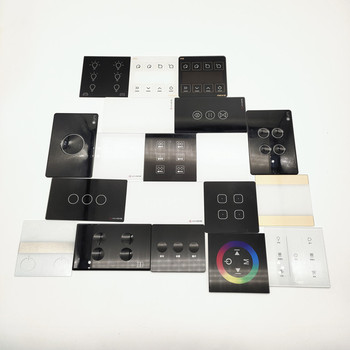
Printed switch plates and smart control panels with glare-controlled surfaces.
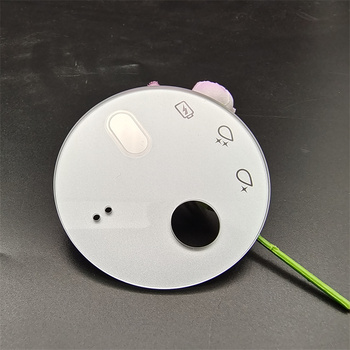
Control panels for kitchen, laundry and household devices with custom printing.

Meter windows and HMI covers for electrical equipment and control systems.
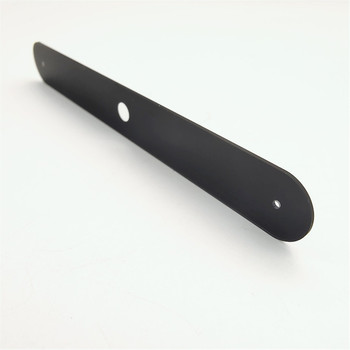
Printed lens covers and display windows with precision cut-outs.
Our quality approach is built around sample approval, in-process inspection and clear engineering communication for international buyers.
Inspection at cutting, edging, tempering, printing, AG processing and coating stages before packing.
Average response time of 3 hours or less and a 96.61% response rate for buyer messages.
Repeat business from lighting, electronics and appliance buyers across America, Europe and Asia.
Send your drawing, display application and optical targets. Our engineers will recommend a practical AG coated glass configuration and discuss sampling before mass production.
info@jasweglass.com

