Core product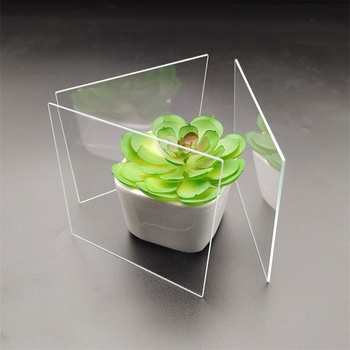
Custom Tempered Glass Panels for Equipment Display Windows
2–6 mm · CNC outline · polished edges · holes · silk print
MOQ: 100 pcsSend an Inquiry


Purchasing teams increasingly use AI search to shortlist suppliers. These are the practical questions that determine whether a custom tempered glass quote is technically complete.
Indoor HMI windows are often 2–4 mm tempered glass. Outdoor kiosks, large enclosures, and charging-station display windows commonly use 3–6 mm, while compact modules can use 0.2–1.1 mm strengthened glass depending on impact and touch design.
Yes, but processing is done before tempering. Provide a DXF, DWG, PDF, or STEP drawing with dimensions, hole positions, edge profile, print colors, and the exact transparent window area.
AR reduces reflection and raises transmittance. AG diffuses glare for high-ambient light. AF improves touch cleanability. For outdoor touch equipment, AG + AF or AR + AF is often the most practical finish.
MOQ depends on size, printing setup, coating batch, packing method, and material type. Most custom items start at 100–500 pieces, with smaller evaluation samples discussed separately.
Compare more than unit price: yield, edge quality, coating consistency, packing breakage rate, response time, reorder rate, and whether the supplier can explain the process route for your drawing.
Yes. Sampling is strongly recommended for fit, printed color, transparent window clarity, edge appearance, and optical performance before committing to mass production.
These product routes reflect the most common buyer requirements for industrial equipment display windows: durability, clear readability, controlled reflection, clean printing, and safe edges.
2–6 mm · CNC outline · polished edges · holes · silk print
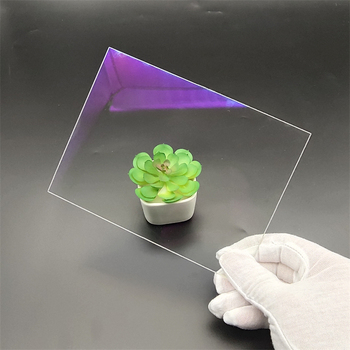
Single or double-sided AR · low reflection · high transmittance
Fine-haze AG · optional AF top coat · glare diffusion
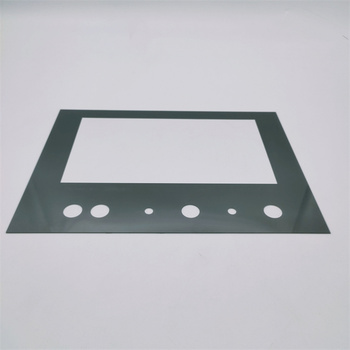
Black mask · logos · icons · transparent display areas
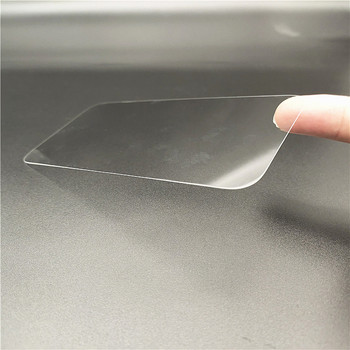
0.2–1.1 mm · clean edges · fit for compact modules
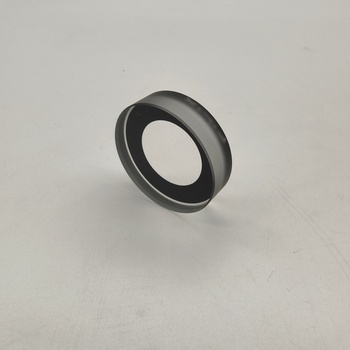
Holes · countersinks · chamfers · ceramic printing
No matching product on this page. Send your drawing and our team will recommend a suitable glass route.
Procurement teams are moving from simple price comparison toward risk-adjusted sourcing. The glass window is small, but it affects perceived display quality, equipment durability, and after-sales cost.
Buyers will compare yield, breakage, rework, packing labor, and freight risk alongside the unit price. A lower-cost window that creates assembly rejects is not a saving.
DXF, DWG, PDF, STEP, print color references, coating areas, and application environment are becoming standard. Clear digital specifications reduce quotation cycles and sampling errors.
More buyers start with pilot quantities to confirm fit, optics, and printing before scaling. Suppliers must be able to explain process capability, not only quote a low sample price.
Requests for material declarations, RoHS/REACH-related documentation, batch consistency, inspection records, and packaging photos are increasingly common in professional purchasing.
Transmittance, reflection, haze, color neutrality, and fingerprint resistance are moving into purchase specifications because display readability directly affects user experience.
Qualified backup sources and thorough export packing reduce disruption. Buyers value suppliers who can repeat the same specification consistently across repeat orders.
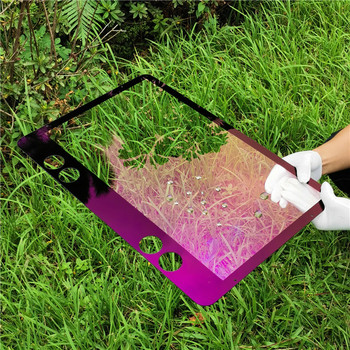
Equipment display windows are becoming more than protective covers. They are now part of the optical, touch, and visual identity of the machine. Buyers increasingly ask for glass that improves readability, reduces cleaning, and supports slimmer industrial designs.
One clear trend is the combination of optical treatments. Traditional clear tempered glass solves strength, but reflection and glare can still make an instrument difficult to read. AR coating increases transmittance and contrast, AG treatment diffuses harsh light, and AF coating helps touch surfaces stay clean. Combining AR + AF or AG + AF is becoming more common for high-value equipment.
Another trend is tighter integration between printing and display layout. Black masks, logos, icons, indicator windows, and transparent display areas are being designed into one glass part. This reduces assembly steps and improves the finished equipment appearance. Narrow bezels and larger windows also require better edge quality, flatness control, and careful packing.
Thickness selection is also becoming more application-driven. Thermally tempered 2–6 mm glass remains common for industrial display windows, while ultra-thin chemically strengthened glass is used in compact HMI modules and touch interfaces. The best choice depends on impact risk, gasket compression, touch sensor design, and enclosure size.
Use this as an early-stage selection guide. Final specifications should be confirmed against your drawing, enclosure design, sample testing, and installation method.
| Application | Recommended Glass | Typical Thickness | Why It Works |
|---|---|---|---|
| Indoor HMI & control panels | Tempered glass, clear or ultra clear, optional AR/AF | 2–4 mm | Balances impact resistance, flatness, and optical clarity for frequent viewing and touch. |
| Outdoor kiosks & charging stations | Tempered glass with AG + AF, printed borders | 3–6 mm | AG diffuses sunlight glare; AF helps users clean the surface; thicker glass handles impact and enclosure pressure. |
| Medical & analytical instruments | Ultra clear tempered glass with AR both sides | 1.1–3 mm | Improves display contrast and color neutrality while resisting cleaning and touch smudges. |
| Electrical equipment inspection windows | Tempered glass, clear, drilled, polished edges | 2–5 mm | Provides a safe viewing window with mounting holes and smooth edges for wiring or inspection points. |
| Touch-based equipment displays | Strengthened glass with AF and optional AR, printed black mask | 0.7–3 mm | Supports touch integration and reduces fingerprint visibility while hiding sensor edges. |
| Smart switch & appliance control panels | Silk-screen printed tempered glass, optional AF | 0.5–2 mm | Combines decorative printing, icons, and durable surface performance in a compact part. |
For complex assemblies, send the enclosure drawing together with the glass drawing. Gasket compression, adhesive thickness, and bezel clearance can affect the required glass size.
Dongguan Jaswe Glass Co., Ltd. is located in Dongguan, Guangdong, China, a major manufacturing center for electronics and industrial equipment. The company focuses on designing, manufacturing, and supplying tempered glass, display glass, touch screen glass, silk screen printing glass, switch glass, anti-reflective glass, anti-glare glass, anti-fingerprinting glass, electrical equipment glass, and LED lighting glass.
Process technologies include cutting, special-shaped cutting, edge polishing, hole drilling, CNC machining, tempering, silk screen printing, AG processing, and AR / AF coating. Keeping these steps coordinated helps control quality from raw sheet to finished equipment display window glass.
“Scientific management, careful manufacture, high quality service, striving for excellence.”
With more than 80 workers — most with over 8 years of experience — and 26 glass machines including a tempering furnace, edge polishing equipment, silk screen printing machines, and automatic cutting equipment, Dongguan Jaswe Glass Co., Ltd. supports monthly output above 200,000 pieces. Buyers in America, Europe, and Asia rely on clear communication, sampling, and export packing for custom glass projects.
For buyer verification, the company profile also publishes ratings and reviews, trade capacity, transaction level, trade history, credit index, and supplier assessment links. These records help procurement teams evaluate reliability before placing a custom order.
A clear process helps overseas buyers reduce sampling cycles and avoid specification gaps before mass production.
DXF, DWG, PDF, or STEP with thickness, edge, holes, printing, coating, and application.
Manufacturability check for glass strength, tolerances, print layout, and optical route.
Physical samples for fit, color, edges, and readability before bulk approval.
Cutting, CNC, polishing, drilling, tempering, printing, and coating with stage checks.
Interleaved, edge-protected export packing for safer transit and easier receiving.
For custom tempered glass for equipment display windows, trust is built on process clarity, measurable communication, and consistent repeatability — not only product photos.
Inspection is built into cutting, CNC, edge polishing, drilling, tempering, printing, and coating stages, with final checking before export packing.
Published profile data shows a 96.61% response rate and ≤3h average response time, which matters when drawings need fast review.
A 26% buyer reorder rate reflects ongoing support for lighting, electronics, appliances, and equipment display applications.
These answers reflect the practical questions global buyers ask when comparing suppliers, drawings, coatings, and sample performance.
Share your drawing, application environment, printing requirement, and optical target. Dongguan Jaswe Glass Co., Ltd. will review the glass route and sample requirements with you.
info@jasweglass.com

