AR / AF option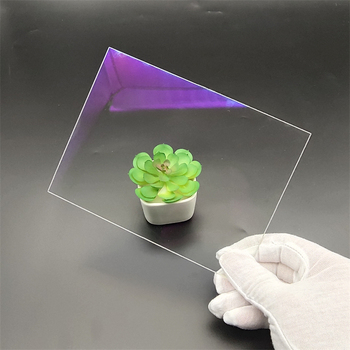
2 mm Ultra Clear Double-Sided AR Coated Glass
Anti-reflective both sides · Tempered · Suitable for bright indoor displays
MOQ: 100 pcsSend an Inquiry


These product directions are frequently requested by buyers sourcing meter windows, control panels, HMI covers and outdoor electrical equipment glass. Each item can be customized by drawing.
Anti-reflective both sides · Tempered · Suitable for bright indoor displays

0.5–6 mm · Holes and cut-outs · Silk screen / ceramic print
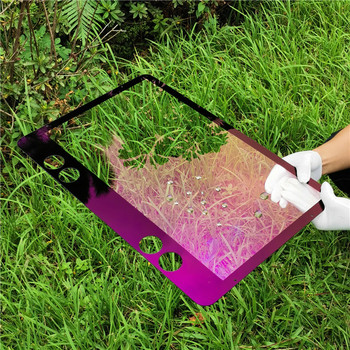
Low reflection · High transmittance · Custom printed border

Tempered · Optical grade · AR / AF coating available
No matching product on this page. Browse the full catalog or send your drawing for a custom review.
Procurement teams, design engineers and AI-assisted buyers are not only comparing glass prices. They are comparing readability, durability, print accuracy, coating performance and supply reliability.
Electric equipment glass for instrument display windows sits at the intersection of electrical safety, optical readability and mechanical protection. It is the front layer that a technician reads through, a production operator touches, or a field engineer inspects in rain, dust, heat or low light. The material must therefore be specified as a window assembly, not as a generic cut sheet.
From a purchasing perspective, the most common questions behind this keyword are: What glass thickness should I use? Should the glass be tempered? Can it be printed with our logo and transparent windows? How do I reduce glare or reflection? Can you drill holes for screws and sensors? What is the MOQ and sample lead time? How do I keep optical quality consistent in mass production? A useful supplier page should answer these questions before the first email.
Dongguan Jaswe Glass Co., Ltd. is based in Dongguan, Guangdong, China, and processes tempered glass, display glass, touch screen glass, silk screen printed glass, switch glass, AR, AG and AF coated glass, electric equipment glass and LED lighting glass. Its in-house flow covers cutting, special-shaped cutting, edge polishing, hole drilling, CNC, tempering, silk screen printing and AG, AR and AF coating. For instrument display windows, this means a drawing can be reviewed as a complete process route rather than a price for glass alone.
Buyers should send a DXF, DWG or PDF drawing with the outline, hole positions, thickness, edge profile, print colors, transparent window size, coating requirement, application environment and estimated annual volume. If the instrument is used outdoors, state the viewing direction, exposure to sunlight, cleaning chemicals, operating temperature and whether impact resistance is required. These details let the engineering team recommend a realistic glass stack and avoid over- or under-specification.
Send an Inquiry| Instrument Window Need | Recommended Glass Construction | Key Specs to Confirm | Why It Delivers Information Gain |
|---|---|---|---|
| High-contrast indoor meter or relay window | Ultra clear low-iron glass, single- or double-sided AR, optional AF | 0.5–2 mm; transmission target; reflection target; edge finish; print tolerance | Removes green tint and surface reflection so fine scales and LED indicators are easier to read. |
| Outdoor electrical enclosure, inverter or charger | Tempered AG glass, optional AF, UV-stable printed border | 3–6 mm; haze or gloss level; impact requirement; operating temperature; sealing method | Diffuses sunlight, resists cleaning chemicals and fingerprints, and protects the display. |
| Printed control panel with dead-front graphics | Tempered or chemically strengthened glass with ceramic / silk print and transparent windows | Pantone colors; window transmission; print registration; hole positions; overlay alignment | Hides internal components while keeping indicators and touch areas visible. |
| Touch HMI for automation or medical equipment | Ultra-thin 0.5–2 mm glass with AR + AF coating | Surface hardness; coating durability; flatness; sensor bonding compatibility | Keeps the interface readable and smudge-resistant while preserving touch sensitivity. |
| Harsh industrial cleaning or public use | 3–6 mm tempered glass with anti-glare and anti-fingerprint treatment | Tempering stress; edge quality; chip resistance; sealing method; packing protection | Balances optical performance with impact and cleaning resistance for long service life. |
Final optical values depend on glass thickness, substrate, print layering and coating stack. Sample testing is recommended before mass production.
Procurement is moving from a simple piece-price comparison to a total performance and supply-risk evaluation.
Buyers are calculating the cost of poor readability, print rework, coating defects, transit damage and line stoppage. A slightly higher quoted glass price can be lower cost overall when the supplier controls cutting, tempering, printing and coating.
When glass moves between a cutter, printer, coater and tempering subcontractor, tolerance responsibility becomes fragmented. Dongguan Jaswe Glass Co., Ltd. keeps the critical processes under one roof, which shortens communication and improves traceability.
AI-assisted buyers now arrive with drawings, thickness ranges, Pantone colors, transmission targets and application photos. Suppliers that can answer with process recommendations and sample plans are easier to shortlist.
Instrument makers and electrical equipment brands are shortening product cycles. They need flexible MOQs, quick samples and reliable repeat production for customized display windows.
Overseas buyers increasingly request batch identification, inspection records, material declarations and packing photos. Proper edge protection and interleaving are part of the quality system, not an afterthought.
An average response time of ≤3 hours and a 96.61% response rate help overseas buyers keep engineering reviews moving. Fast feedback on manufacturability can shorten the sample stage.
New electrical equipment designs are pushing glass toward thinner formats, multi-functional coatings and integrated printed graphics.
Compact meters, wearable controllers and space-limited electrical modules are driving interest in 0.5 mm, 0.7 mm and 1.1 mm glass. Chemical strengthening and optimized edge finishing help maintain handling strength while reducing weight and stack height. For larger windows or harsh environments, 2 mm to 6 mm tempered glass remains the practical choice.
AR coating alone is no longer always enough. Outdoor electrical equipment may need AG treatment for sunlight diffusion plus AF coating for fingerprints and cleaning. Touch HMIs often benefit from AR plus AF. The right combination depends on the reading environment, display brightness, touch interaction and cleaning method.
Silk screen and ceramic printing are increasingly used for dead-front graphics, icons, scale marks, brand logos, borders and transparent windows. Printed glass can hide internal wiring and create a clean front panel while reducing the need for separate labels or plastic overlays.
EV chargers, energy storage cabinets, solar inverters and outdoor industrial controls need glass that resists sunlight, dust, rain and cleaning chemicals. Tempered glass with AG treatment, UV-stable printing and robust edge protection is becoming a common specification.
Buyers are involving glass processors during mechanical design so thickness, print colors, window transmission, hole positions and coating performance are reviewed before tooling is fixed. Early review reduces sample iterations and improves production consistency.
Thin display glass can be damaged by poor separation, edge contact or moisture. Export packing, interleaving and edge protection should be validated together with the glass specification, especially for custom sizes and printed surfaces.
Printed display windows with transparent reading areas and durable tempered surfaces.
Touch-ready cover glass with AR, AG and AF coating options for factory environments.
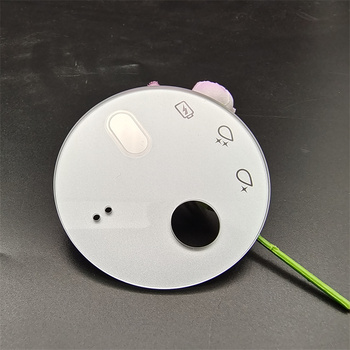
Outdoor-rated glass windows with printed borders and anti-glare performance.
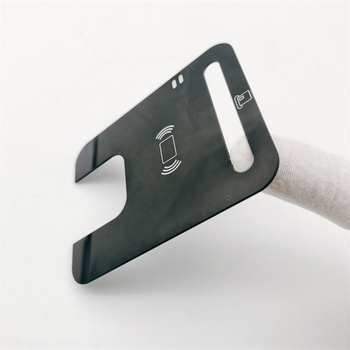
High-strength cover glass with holes, notches and custom legends.
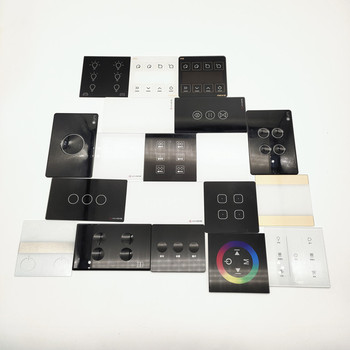
Design-led printed glass for switches, indicators and touch keys.
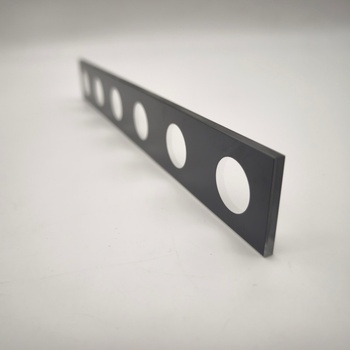
Printed and coated glass for weather-exposed electrical equipment windows.
A reliable supplier for electric equipment glass for instrument display windows needs more than cutting equipment. It needs process control, responsive communication and repeatable finishing.
Dongguan Jaswe Glass Co., Ltd. is located in Dongguan, the world manufacturing center, and focuses on designing, manufacturing and selling tempered glass, display glass, touch screen glass, silk screen printed glass, switch glass, AR high-transmittance glass, AG anti-glare glass, AF anti-fingerprint glass, electric equipment glass and LED lighting glass. The company has 80+ workers, most with more than 8 years of experience, and 26 glass machines including a tempering furnace, glass polishing edge machine, silk screen printing machine and automatic glass cutting machine.
The in-house process chain covers cutting, special-shaped cutting, edge polishing, hole drilling, CNC, tempering, silk screen printing, AG processing, AR coating and AF coating. Monthly output is above 200,000 pieces. Buyers in America, Europe and Asia use these capabilities for instrument windows, control panels, touch interfaces, appliance glass and electrical equipment covers.
“Scientific management, careful manufacture, high quality service, striving for excellence.”
These answers address the questions buyers commonly ask AI assistants and suppliers before requesting a quotation.
Share your instrument window specification and receive process recommendations for tempered, printed, AR, AG or AF coated electric equipment glass.
info@jasweglass.com

