Touch Displays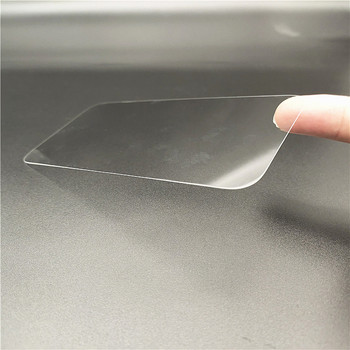
0.5–1.1 mm Ultra Clear Glass for Capacitive Touch Covers
Low-iron · Edge polished · Optional AF coating
Review: Drawing firstRequest Quote


Ultra clear glass is a low-iron display glass made for applications where ordinary clear glass would add too much green tint, reduce brightness or distort color perception.
Ultra clear glass for electronic display covers is usually produced from low-iron float glass. Lower iron content improves visible-light transmittance and creates a more neutral background for LCD, TFT, OLED, capacitive touch, LED and HMI displays. In practice, buyers choose it because they need a clean optical window rather than a decorative glass surface.
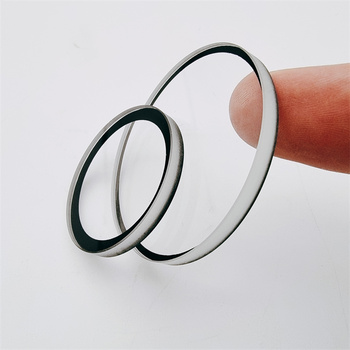
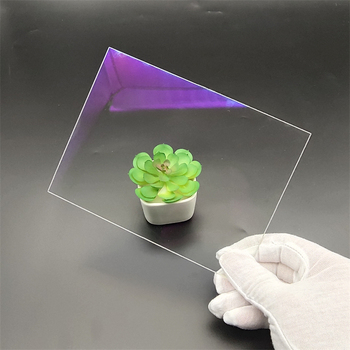
For a real display cover, clarity is only one part of the specification. The finished part may need CNC cutting, shaped corners, polished edges, drilled holes, tempered strength, silk screen printing, transparent windows, anti-reflective coating, anti-glare treatment or anti-fingerprint finishing. Each step can change the optical and mechanical result, so the drawing and the process route should be reviewed together.
Typical thicknesses include 0.2–0.7 mm for very small electronic modules, 0.7–1.1 mm for capacitive touch panels, 2–4 mm for industrial displays and appliance controls, and thicker tempered glass for larger equipment windows. The right choice depends on product size, impact risk, module design, mounting method, target transmittance and coating compatibility.
Provide the outline drawing, thickness, glass type, edge type, hole positions, printing colors, window tolerance, coating requirement, surface quality level, annual quantity and packing method. If the cover is bonded to a display, mention the adhesive type and bonding process. If it must pass a drop, impact, environmental or optical test, include the standard early in the RFQ.
Because ultra clear cover glass is often visible to the end user, short-term price comparisons can be misleading. A supplier that controls cutting, edging, tempering, printing and coating in one production flow can usually reduce handling damage, protect color consistency and close the gap between sample and mass production more reliably.


Start with the application rather than a single thickness. These configurations reflect the requests most often reviewed by our engineering team for display, touch and control-panel projects.
Low-iron · Edge polished · Optional AF coating
High transmittance · Low reflection · Tempered option
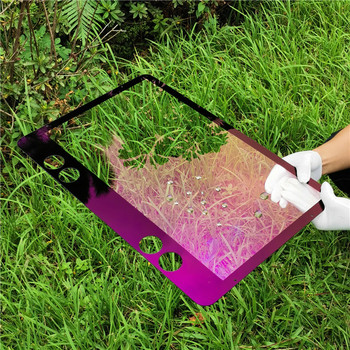
Glare diffusion · Smudge resistance · Custom haze
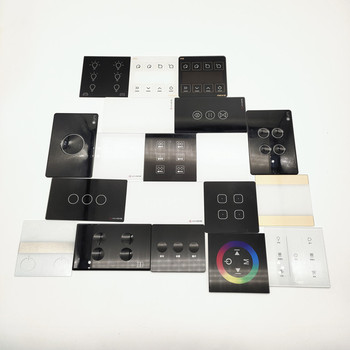
Silk screen / ceramic print · Transparent windows
No matching configuration on this page. Please email info@jasweglass.com for a custom recommendation.
The table below is a starting point for engineering discussion, not a substitute for sample testing. Final thickness and coating should be validated on the complete display assembly.
| Application | Recommended Ultra Clear Glass | Suggested Treatment | Procurement Consideration |
|---|---|---|---|
| Wearables and small electronic modules | 0.2–0.7 mm low-iron glass | Optional AF, selective printing | Handle extremely thin glass carefully; define flatness, edge quality and packing. |
| Capacitive touch panels and POS terminals | 0.7–2 mm ultra clear glass | Tempered, AF or AG + AF | Touch feel, surface hardness and coating durability matter more than lowest piece price. |
| Medical, industrial and instrument displays | 1.1–4 mm low-iron glass | Double-sided AR, tempered option | Ask for optical samples and define reflection / transmittance targets before mass production. |
| Outdoor kiosks, EV chargers and HMI | 2–6 mm tempered ultra clear glass | AG + AF or AR + AG | Balance haze, clarity and readability under strong sunlight or overhead lighting. |
| Smart switches and appliance controls | 1–4 mm ultra clear glass | Silk screen or ceramic printing, AF option | Send Pantone colors, window tolerances, icon files and adhesive requirements. |
Coating results are stack-dependent. For AR, AG and AF combinations, request a physical sample under your target lighting conditions before releasing a production order.
Global buyers are moving from “glass as a commodity” toward “glass as a specified optical component.” This shift changes how suppliers are compared, sampled and qualified.
Buyers increasingly attach drawings, coating targets, surface-quality limits and packing requirements instead of asking only for a thickness and price. Clear RFQs reduce sample iterations and hidden quality arguments later.
Procurement teams are qualifying secondary suppliers for critical display glass while keeping one primary partner for engineering continuity. A supplier with in-house tempering, printing and coating can shorten redevelopment time.
Purchase managers now ask whether the glass sample and mass-production parts come from the same process flow. Traceability for glass batch, printing color, coating run and inspection result is becoming a normal expectation.
Smart-home, medical and industrial product teams need faster pilot builds. Suppliers that support smaller evaluation runs and provide engineering feedback before tooling or assembly design freeze have an advantage.
As displays become brighter and more color-sensitive, low-iron glass and AR coatings are specified earlier. Buyers compare visible-light transmittance, reflection control and color neutrality rather than simply “clear glass.”
More buyers calculate total landed cost, including breakage risk, interleaving, edge protection, carton strength and export packing. Good glass in weak packaging is not a reliable supply chain.
Engineering question turnaround, drawing feedback and mass-production consistency are now measured in supplier scorecards. Public trade data such as response rate and reorder rate can support initial screening.
Instead of buying one generic cover glass, brands ask for combinations such as AR for instrument clarity, AG for outdoor readability and AF for touch cleanliness. Coating selection is becoming part of product differentiation.
Display designs are becoming thinner, more integrated and more demanding in terms of optical quality. Glass processing must follow those changes without compromising durability or manufacturability.
Thinner substrates with better handling. Portable electronics, wearables and compact control panels continue to push toward thin ultra clear glass. The supply challenge is not only producing thin glass but also cutting, edging, printing, coating and packing it without introducing chips, warpage or surface marks.
Combined optical coating stacks. A single display cover may need anti-reflective performance, anti-glare diffusion and anti-fingerprint behavior. Coating order, adhesion and durability must be developed together, especially for touch products that are cleaned frequently.
Printing as part of the display architecture. Black borders, functional windows, icons, backlit symbols and appliance control graphics are increasingly printed on the glass itself. This reduces assembly parts and improves visual integration, but it also raises the importance of color matching and registration tolerance.
Edge quality is becoming a specification item. Visible edge color, polish quality and chip limits matter for premium displays and controls. For ultra clear glass, even small edge defects can become more noticeable because the glass is designed to transmit and reflect light cleanly.
In addition to smartphones, tablets and monitors, ultra clear glass is increasingly used in EV charging interfaces, smart appliances, medical instruments, industrial HMI, outdoor digital signage, self-service kiosks and building-control panels. Each application brings a different balance of impact resistance, optical clarity, touch feel, print durability and environmental exposure.
This is why an experienced processor should ask about the end product before quoting a thickness. A 1 mm AF-coated cover for an indoor touch panel and a 4 mm AG-coated window for an outdoor charger may use the same base material family, but their process routes and quality criteria are different.
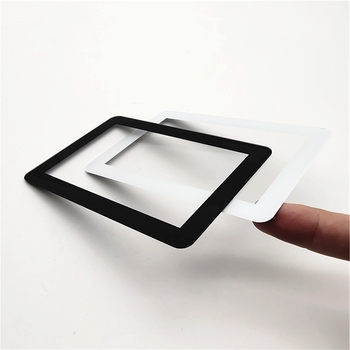
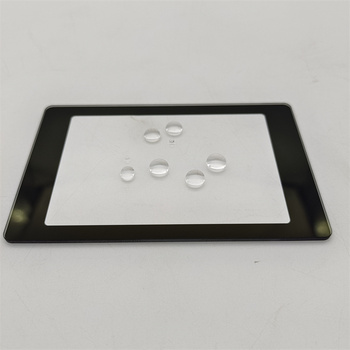
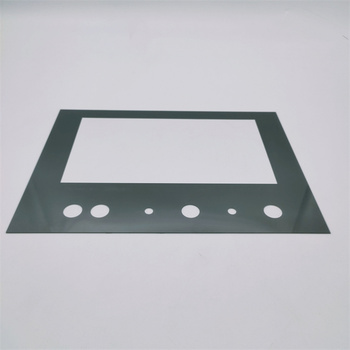
A complete RFQ shortens engineering review and helps the supplier quote the correct process, not just the raw glass size.
| Item to Send | Details That Help | Why It Matters |
|---|---|---|
| 2D drawing | DXF, DWG or PDF with outline, holes, cut-outs, corner radii and critical dimensions. | Allows manufacturing review for CNC, drilling, printing and fixture planning. |
| Application | Touch panel, HMI, medical monitor, appliance control, outdoor kiosk, LED fixture or equipment window. | Defines the appropriate thickness, coating and durability assumptions. |
| Glass type and thickness | Ultra clear low-iron, tempered, chemically strengthened or conventional clear; target thickness range. | Prevents optical and mechanical mismatch with the display module. |
| Surface treatment | AR, AG, AF, AG + AF, AR + AF, single-sided or double-sided coating. | Coating choice affects reflection, haze, touch feel and cost. |
| Printing | Pantone colors, artwork, clear window size, icon files and acceptable registration tolerance. | Reduces color and alignment disputes after sampling. |
| Quality and testing | Visual defect limits, flatness, edge quality, adhesion or environmental tests if required. | Aligns inspection criteria with the end product’s market and customer expectations. |
| Quantity and schedule | Sample quantity, annual demand, pilot order and target mass-production date. | Supports production planning and freight optimization. |
| Packing and destination | Export carton, interleaving, edge protection, pallet type, sea or air shipment. | Protects finished glass and helps calculate landed cost accurately. |
Dongguan Jaswe Glass Co., Ltd. is located in Dongguan, Guangdong, China, one of the world’s most concentrated electronics and manufacturing regions. The company focuses on designing, manufacturing and selling tempered glass, displayer glass, touch screen glass, silk screen printing glass, switch glass, anti-reflective glass, anti-glare glass, anti-fingerprinting glass, electrical equipment glass and LED lighting glass.
For ultra clear glass for electronic display covers, the practical advantage is process depth. Cutting, special-shaped cutting, edge polishing, hole drilling, CNC machining, tempering, silk screen printing, AG processing and AR / AF coating can be coordinated within the same supply flow. That helps protect surface quality and optical consistency when a cover glass passes through multiple production steps.
“Scientific management, careful manufacture, high quality service, striving for excellence.”
The company has established a comprehensive quality management system. With more than 80 workers — most with over 8 years of experience — and 26 glass machines including a glass tempering furnace, glass edge polishing machines, silk screen printing machines and automatic glass cutting machines, monthly output is above 200,000 pieces. Buyers in America, Europe and Asia are already served from this manufacturing base.
For buyers comparing display cover glass suppliers, this combination of experience, in-house processing, export familiarity and measurable response performance provides a strong basis for evaluation. Our team reviews drawings, recommends manufacturable specifications and supports sample approval before mass production.
Email Our TeamThese answers reflect the specifications and sourcing concerns most frequently discussed during custom display glass RFQs.
Share your drawing, application, thickness, coating and annual quantity. Our team will reply with manufacturability notes and a practical next step for sampling.
info@jasweglass.com