Thin Touch Stack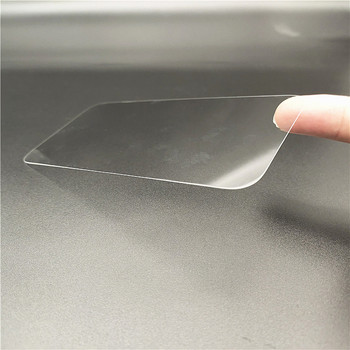
0.7 mm Chemically Strengthened Ultra Clear Cover Glass
Low-iron substrate · Double-sided AR · AF top coat · CNC holes and radii
MOQ: 100–500 pcsInquire



These are practical starting points for global buyers researching CNC cut ultra clear glass for touch screen panels. Final thickness, strengthening and coating should be confirmed with an engineering review and physical samples.
Low-iron substrate · Double-sided AR · AF top coat · CNC holes and radii

Silk screen / ceramic print · Display window · AF coating
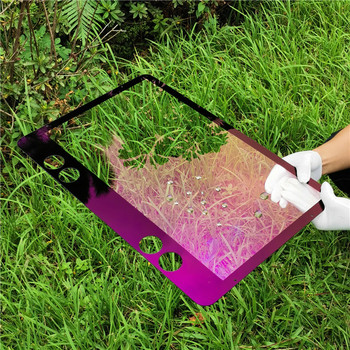
Anti-glare surface · Anti-fingerprint · Kiosk and industrial HMI
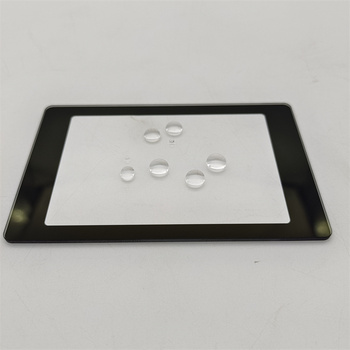
Precision slots · Countersinks · Industrial and marine display covers
No matching configuration on this page. Please send your drawing to info@jasweglass.com or use the inquiry button for a custom review.
The keyword sounds technical, but the buying decision is practical: fit, clarity, durability, coating compatibility and repeatable supply.
For a procurement engineer, “CNC cut ultra clear glass for touch screen panels” describes a finished cover-glass component, not a raw sheet. The project usually starts with a low-iron, ultra clear glass substrate, then moves through CNC cutting, edge polishing, hole drilling, optional strengthening, silk screen printing and optical coating. The finished panel must fit the enclosure, protect the display, and preserve the optical performance of the touch module. It may also need a printed black border to hide adhesive or busbars, a transparent display window, and an anti-fingerprint surface for daily touch use.
The search intent behind this keyword is usually more specific than “glass supplier.” Global buyers want to know whether the supplier can hold outline and hole tolerances, control edge chips, keep transmittance high, apply AR or AG coating without color shift, and repeat the same quality after the sample is approved. Many AI-assisted research sessions begin with a simple question about thickness or price, but the real decision is about process control across cutting, edging, strengthening, printing, coating and packing. A supplier that can explain these steps clearly is usually easier to qualify than one that only quotes a lower piece price.
Dongguan Jaswe Glass Co., Ltd. processes these panels in Dongguan, China, inside the electronics manufacturing supply chain. Because cutting, special-shaped cutting, CNC shaping, edge polishing, drilling, tempering, silk screen printing, AG processing and AR / AF coating are handled under one quality system, buyers avoid the gaps that appear when a glass sheet is cut by one vendor, coated by another and packed by a third. That matters most on thin glass, printed windows, countersinks and coated touch surfaces, where handling marks or small dimensional errors become visible defects at assembly.
Ultra clear glass, also called low-iron glass, matters most at the edges and in light-colored products. Standard float glass can show a green tint when viewed from the edge or through the panel, and that tint can affect the appearance of white, gray or pastel product designs. For touch panels used in appliances, medical devices, POS terminals and industrial controls, low-iron substrate supports neutral color, stable transmittance and better visual consistency under white or neutral LEDs. It also helps when the same panel design is used across different display brands and color temperatures.
Use this checklist during RFQ review. It helps align the drawing, the touch module and the assembly process before tooling or samples begin.
| Specification Decision | What to Define in the Drawing or RFQ | Why It Matters for Touch Panels |
|---|---|---|
| Glass substrate | Low-iron ultra clear glass, supplier grade, visible tint expectation, transmittance target and any color tolerance under D65 or neutral LED light. | Neutral color and stable transmittance keep the display image consistent and avoid a green edge on light-colored enclosures. |
| Thickness | 0.5 mm, 0.7 mm, 1.1 mm, 2.0 mm, 3.0 mm or another agreed thickness; include the sensor stack and optical bonding method. | Thin glass reduces weight and supports compact capacitive touch designs; thicker glass improves rigidity and resistance for industrial or outdoor products. |
| CNC outline | DXF or DWG outline, corner radii, notches, slots, step edges, camera windows and the reference datum for inspection. | CNC shaping determines fit to the enclosure, gasket compression and display alignment. Clear datum planning reduces assembly disputes. |
| Holes and countersinks | Position, diameter, depth, chamfer, tolerance and whether the hole is for a button, sensor, screw, camera or light pipe. | Hole position affects assembly and stress concentration. Countersinks and chamfers should be reviewed before strengthening. |
| Edge quality | Polished, matte, pencil, flat, beveled or stepped edge; chip acceptance criteria, roughness and handling protection. | Edge quality influences breakage risk, touch-panel drop performance and the visual finish seen by the end user. |
| Strengthening | Chemical strengthening for thin glass or thermal tempering for thicker glass; required strength level and break-pattern expectation. | Strengthening helps the cover survive impact and handling. The process route must be compatible with holes, printing and coating. |
| Printing | Pantone or RAL color, print side, display window size, icon details, registration tolerance and ceramic versus organic ink preference. | Printed borders hide components and adhesive, while windows and icons define the user interface. Registration affects perceived quality. |
| Optical coating | AR single-sided or double-sided, AG haze and gloss level, AF top coating, coating side, and compatibility with OCA or optical bonding. | Coating choice controls reflection, glare and fingerprints. Coating side must be agreed before sampling to avoid bonding problems. |
| Packaging | Interleaving paper, edge protectors, moisture barrier, carton labels, pallet pattern and any buyer-specific handling standard. | Coated and printed glass can be damaged by abrasion or moisture. Packaging directly affects incoming yield and assembly line uptime. |
Final optical values depend on glass thickness, substrate, printing, coating stack and measurement method. Always approve a physical sample before mass production.
Price remains important, but qualified buyers now evaluate process visibility, yield, documentation and supply continuity alongside the piece price.
Many buyers still prefer dual sourcing for risk control, but they are reducing the number of process handoffs inside each supply chain. A CNC-cut glass panel that is also printed, strengthened and coated by one supplier has fewer handling steps and fewer quality disputes. When buyers ask about future procurement, they increasingly ask for process route clarity, first-article inspection, packaging validation and repeat-order consistency rather than only a per-piece quotation.
Custom touch panels for medical devices, industrial controls, smart home products and commercial kiosks often require smaller batches and more variants than consumer electronics. Buyers are planning for more frequent model changes and shorter product life cycles. This favors suppliers that can keep drawings, print colors, coating recipes and inspection criteria organized across repeat orders. For CNC cut ultra clear glass for touch screen panels, the ability to manage many outlines and coating combinations matters as much as raw cutting speed.
Experienced procurement teams now compare the total landed yield, not just the quoted price. A lower-cost panel that arrives with edge chips, coating scratches or dimensional drift can create rework, line stoppages and missed delivery dates. Buyers are asking suppliers to define chip acceptance, transmittance, haze, print registration, flatness and packaging protection. In some programs, a slightly higher piece price with a stable process and clear inspection record is the better commercial decision.
Touch panels used in medical, automotive-adjacent, security and industrial products often need batch traceability. Buyers are asking for material lot information, production date, coating batch, inspection records and carton labels that match the purchase order. Dongguan Jaswe Glass Co., Ltd. supports project-specific documentation requirements when they are discussed before production. Clear traceability reduces the time needed to investigate any incoming inspection issue.
AR, AG and AF coatings are no longer treated as cosmetic upgrades. Buyers want to know how the coating behaves after cleaning, abrasion, humidity exposure and optical bonding. For touch screen panels, coating compatibility with OCA or OCR bonding can affect bubbles, delamination and rework. A practical procurement plan should include sample bonding tests, not only visual inspection. Engineering teams should confirm which side receives the coating and whether the bonding surface must remain uncoated.
Global buyers are placing more emphasis on delivery reliability after several years of freight and material volatility. They are sharing 8–12 week forecasts, reserving capacity for repeat models and asking for buffer stock on high-running items. For custom glass, this requires early confirmation of thickness, print colors and coating schedules. Suppliers with in-house cutting, tempering, printing and coating can often control lead time better than trading intermediaries.
Requests for RoHS or REACH-related material documentation, packaging declarations and process evidence are becoming more common, especially in Europe and North America. Buyers should confirm the exact document set during RFQ. Sustainability claims should be specific and verifiable: glass waste reduction, energy use, packaging recyclability and process yield are better discussion points than general statements. A supplier that can answer these questions clearly is easier to include in a long-term approved vendor list.
Design teams are asking for thinner stacks, stronger edges, more integrated printing and optical coatings that survive real-world use.
Capacitive touch panels for compact devices continue to move toward 0.5 mm to 1.1 mm glass. The challenge is not only making the glass thin; it is maintaining edge strength after CNC shaping and drilling. Edge polishing, chip acceptance criteria and strengthening route all affect the final yield. Buyers should avoid specifying a very thin glass and a complex outline without reviewing the edge and hole design with the glass processor.
AR coating reduces surface reflection and improves contrast. AG treatment diffuses reflected light for outdoor and bright indoor environments. AF coating repels fingerprints and makes cleaning easier. In product development, these treatments are increasingly combined into one coating stack. The trend is toward application-specific optical stacks rather than a generic “anti-glare” or “anti-reflective” label. For example, a large outdoor kiosk may use AG plus AF, while a medical monitor may prioritize AR and neutral color.
Printed glass is being used to create dead-front control panels where icons and windows appear only when the display or backlight is active. This requires tight print registration, compatible ink systems and careful control of transparent windows. For touch panels, printed areas must not interfere with sensor sensitivity or display visibility. Buyers should provide artwork with clear layer information, color codes and tolerance expectations.
Modern touch panels often include camera windows, sensor openings, light pipes, USB ports, screw holes, countersinks and stepped edges in a single glass part. CNC processing makes this possible, but each feature changes the stress distribution. Engineering review before production helps identify areas that may need a larger radius, a different edge treatment or a revised strengthening sequence. This is particularly important for ultra clear glass because surface and edge defects are easier to see.
As display contrast requirements rise, more touch panels are optically bonded. The glass surface must be flat, clean and compatible with the chosen adhesive. Coating side, print side and surface energy all matter. Buyers should discuss bonding requirements early, because a coating that improves touch performance may need to be excluded from the bonding area. A supplier who understands both glass processing and bonding requirements can help avoid late-stage redesign.
Product development cycles are shorter, so buyers need fast feedback on manufacturability. DXF review, tolerance feedback and sample planning can save weeks. In the future, digital batch records, QR labels and inspection reports are likely to become more common in custom glass sourcing. The most valuable supplier relationship is not only a source of glass, but a source of process knowledge that helps the buyer release a reliable product.
Based in Dongguan, the center of China's electronics supply chain, Dongguan Jaswe Glass Co., Ltd. designs, manufactures and exports tempered glass, displayer glass, touch screen glass, silk screen printing glass, switch glass, anti-reflective glass, anti-glare glass, anti-fingerprint glass, electric equipment glass and LED lighting glass.
Our process capability covers cutting, special-shaped cutting, edge polishing, hole drilling, CNC, tempering, silk screen printing, AG processing, AR coating and AF coating. Most of our 80+ workers have more than 8 years of hands-on experience, which matters on tight-tolerance jobs such as ultra-thin cover glass, multi-color printed windows and coated touch panels where small handling errors become visible defects.
With 26 glass machines, including a glass tempering furnace, edge polishing equipment, silk screen printing machines and automatic cutting equipment, monthly output exceeds 200,000 pieces. We serve customers in America, Europe and Asia and work with buyers who value stable quality, clear communication and repeat-order consistency.
"Scientific management, careful manufacture, high quality service, striving for excellence."
Good glass quality is not a single final inspection. It is the result of process control at cutting, CNC, edging, strengthening, printing, coating and packing.
Substrate, thickness, outline, holes, edge chips, print registration and coating appearance can be checked at defined stages before packing.
Average response time within 3 hours and a 96.61% response rate help buyers keep sample and production schedules moving.
A 26% buyer reorder rate reflects the importance of keeping drawings, print colors, coating requirements and packaging stable across orders.
A transparent workflow for overseas buyers who need predictable quality, clear communication and a documented path from sample to mass production.
Drawing, thickness, edge type, holes, printing, coating, application and estimated annual quantity.
Manufacturability check, tolerance review and process route recommendation within hours.
Physical samples for fit, color, optical performance and bonding compatibility approval.
Batch production with in-process inspection at cutting, edging, tempering, printing and coating stages.
Interleaved, edge-protected export packing designed to protect printed and coated glass surfaces.
These answers reflect the questions purchasing teams, engineers and product managers most often ask during supplier qualification.
Share your DXF, DWG or PDF, target thickness, surface treatment and annual quantity. Our glass engineers will review the design before sampling.
info@jasweglass.com

