Control panel overlay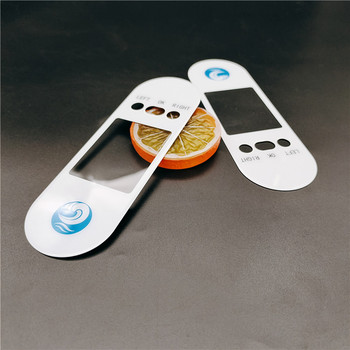
Silk Printed Tempered Glass Panel with Adhesive
0.5–2 mm · Printed icons · Ready to assemble
MOQ: 200 pcsSend an Inquiry

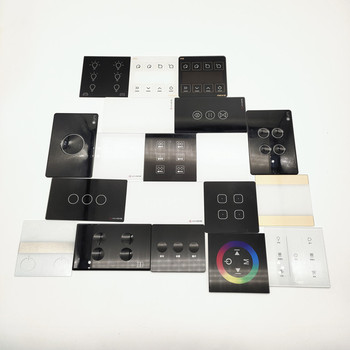

Procurement teams rarely search for a generic “printed glass panel.” They need confidence in print registration, glass safety, hole placement, optical windows, coating compatibility, MOQ, packaging and supplier reliability. This guide answers those higher-intent questions in one place.
Buyers need clarity on thickness, tolerance, glass type, print colors, transparent window size, edge profile, hole positions and mounting method before quoting.
Control panels must resist cleaning, touch wear, impact and thermal cycling. Tempered glass and correctly cured printing reduce the risk of breakage and ink failure.
Engineering replies, sample speed, MOQ, mass-production control, export packing and reorder rate often matter more than the lowest unit price.
AR anti-reflective, AG anti-glare and AF anti-fingerprint treatments can be combined with printing to improve readability, touch feel and display contrast.
| High-Intent Buyer Question | What the Supplier Should Clarify | Information Gain for the Purchasing Team |
|---|---|---|
| Can the print align with touch keys and display windows? | Print registration method, artwork file format, color sequence, window tolerance and first-article approval. | Prevents icon misalignment, light leakage and assembly rework after the panel is bonded to the housing. |
| Will the glass be tempered before or after printing? | Ink type, firing or curing route, tempering sequence and compatibility with the chosen color system. | Helps buyers compare long-term ink durability instead of only comparing visual appearance in a sample photo. |
| What is the real cost of breakage? | Edge quality, hole spacing, packaging, handling, thickness and transport method. | Total landed cost includes replacement, inspection and line stoppage — not just the price per piece. |
| Can one panel combine print, coating and adhesive? | Coating side, protective film, adhesive type, release liner and assembly sequence. | Reduces the number of suppliers and avoids mismatched surfaces during final assembly. |
| How do we verify the factory before the first order? | Process list, equipment, sample approval, quality records, response rate and buyer references. | Gives the sourcing team practical evidence beyond a supplier description. |
These product directions are commonly requested by buyers sourcing HMI covers, smart switch plates, appliance panels, instrument windows and industrial control interfaces. Every item is made to drawing.
0.5–2 mm · Printed icons · Ready to assemble
Printed icons · Touch-key windows · Custom outline
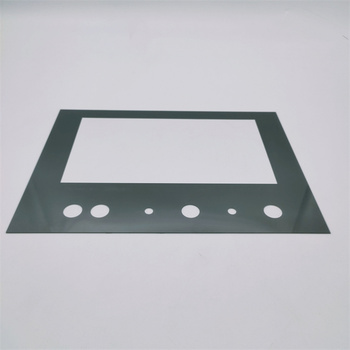
0.5–6 mm · Printed · Holes and cut-outs
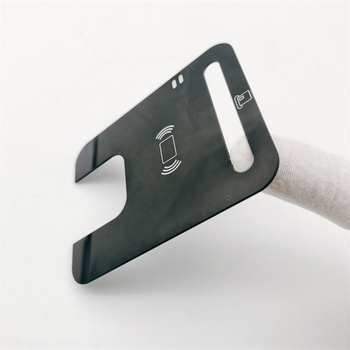
High strength · Drilled hole · Custom print
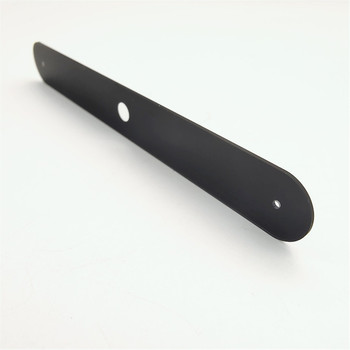
CNC holes · Multi-color print · Edge polished
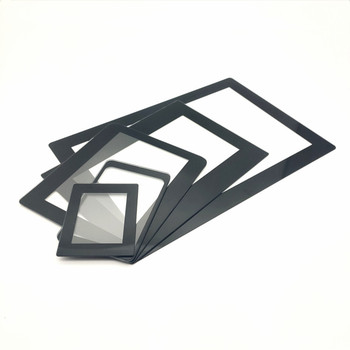
0.5–4 mm · Black mask printing · Window
No matching product on this page. Browse the full catalog for more options or send your drawing for a custom review.
Use this checklist during RFQ review. It helps design, quality and purchasing teams ask the same questions before samples are made.
| Specification Area | What to Define | Why It Matters for Control Panels |
|---|---|---|
| Glass substrate | Clear float, ultra clear low-iron or tinted glass; visible light transmission target if relevant. | Ultra clear glass reduces the green edge tone that can be visible on light-colored appliances and white HMI housings. |
| Thickness | 0.7–1.1 mm for thin overlays; 2–4 mm for HMI and appliance panels; 4–6 mm or more for larger industrial covers. | Thickness affects impact resistance, weight, print opacity, touch sensitivity and housing depth. |
| Tempering | Thermal tempering for safety glass; edge quality and hole spacing must be suitable for the process. | Tempered glass is stronger and breaks into smaller fragments, which is important for equipment safety and product liability review. |
| Silk screen printing | Artwork in vector format, Pantone colors, print sequence, transparent window, border width and hidden circuitry area. | Print registration affects icon alignment, light leakage and appearance after assembly. Define which surface is printed. |
| Holes and cut-outs | Diameter, position, edge distance, countersink requirement and whether the hole is for a button, sensor, camera or screw. | Holes are processed before tempering; poor placement can increase breakage risk during production and installation. |
| Edge profile | Flat, pencil, beveled, stepped or matte edge; visible or hidden edge after assembly. | Edge finish influences handling safety, fit, appearance and the risk of chipping during packing and transport. |
| Optical coating | AR anti-reflective, AG anti-glare, AF anti-fingerprint or a combination; specify the coated side. | Coatings can improve display contrast, outdoor readability and touch cleanliness, but they must be compatible with the printing process. |
| Mounting method | Adhesive tape, VHB tape, gasket, frame, bracket or optically clear adhesive; release liner and protective film. | The mounting method affects flatness, stress, repairability and what the final assembly line needs to receive from the glass supplier. |
| Packaging | Interleaved paper, EPE foam, edge protection, moisture barrier, carton strength and pallet pattern. | Printed and coated surfaces are vulnerable to scratches. Export packaging should match the shipping route and handling conditions. |
Final specifications should be confirmed on the approved drawing and sample. Optical values, print colors and tolerances can vary by substrate, ink system, coating stack and lighting conditions.
The buying process for silk screen printed tempered glass is becoming more technical and more evidence-based. Suppliers that answer engineering questions before the inquiry will win more qualified projects.
Buyers will compare breakage, inspection, replacement and line-stoppage risks — not only the unit price per piece. Edge quality and packaging become part of the commercial evaluation.
Product teams expect quick engineering review, sample photos, dimensional reports and short iteration loops before committing to mass production. Slow sampling is a competitive disadvantage.
More buyers send DXF, DWG and 2D drawings with Pantone colors, transparent windows and assembly notes. This shifts the buying conversation from product photos to manufacturability.
Buyers need traceability for print colors, coatings, glass lots and process changes. A clear approval history reduces risk when a panel is used across multiple production lines and markets.
Many brands keep a primary and backup supplier. They compare process capability, communication speed, sample consistency and export experience, not only certifications claimed on a website.
Display readability, low reflection, glare diffusion and fingerprint resistance are moving from premium options to standard questions for outdoor, medical and industrial control panels.
Buyers want low-risk trial orders before scaling. A supplier that can support samples, pilot runs and volume production creates a smoother path from design validation to mass production.
Packaging waste, recyclability, coating durability and process consistency will continue to influence supplier selection. Efficient packing also reduces freight damage and shipping cost.
Control panels are becoming more integrated. Glass is no longer only a protective cover; it is part of the user interface, the brand experience and the product’s durability story.
Thin tempered and chemically strengthened glass continues to support slim appliance and HMI designs while maintaining impact and scratch resistance.
Appliance fronts, equipment control consoles and multi-function interfaces are using larger glass panels that combine printing, holes and display windows in one part.
Buyers increasingly combine silk screen printed graphics with AR, AG or AF treatments so the panel looks clean, reads clearly and stays smudge-resistant.
Touch panels and smart switches require surfaces that resist fingerprints and are easy to clean. AF coating can be added to printed glass to improve the daily user experience.
Printed borders, hidden icons, glossy or matte areas and transparent windows help brands create distinctive control interfaces while hiding internal components.
Smart home, EV charging, energy equipment and industrial automation are expanding demand for glass control surfaces that combine durability, touch sensitivity and visual clarity.
Printed switch plates and smart control glass with icon windows.
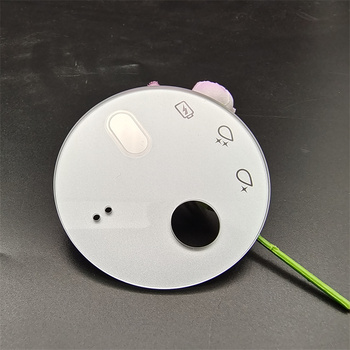
Control panels for kitchen and household devices with printed windows.
Meter windows and HMI covers for electrical and industrial equipment.
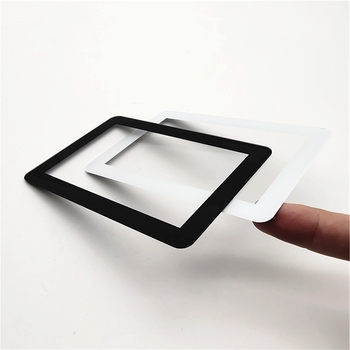
Cover lenses for LCD, TFT and capacitive touch modules.
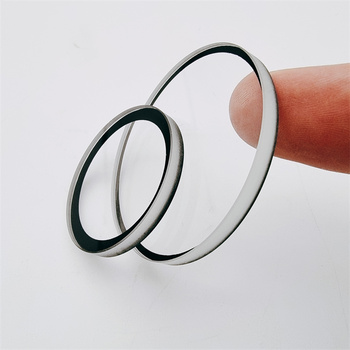
Printed and coated glass for lighting controls and fixtures.
Printed covers with holes and windows for readers and instruments.
 Glass Processing Capability

Dongguan Jaswe Glass Co., Ltd. is located in Dongguan, the world manufacturing center, and focuses on designing, manufacturing and selling tempered glass, displayer glass, touch screen glass, silk screen printing glass, switch glass, anti-reflective glass, anti-glare glass, anti-fingerprinting glass, electric equipment glass and LED lighting glass.
Our process capabilities include cutting, special-shaped cutting, edge polishing, hole drilling, CNC shaping, tempering, silk screen printing, AG processing and AR / AF coating. This allows control panel projects to be reviewed as a complete manufacturing route rather than a single printing step.
“Scientific management, careful manufacture, high quality service, striving for excellence.”
Our company follows a comprehensive quality management system. We have more than 80 workers, most of whom have over 8 years of experience, and 26 glass machines including a glass tempering furnace, edge polishing machine, silk screen printing machine and automatic glass cutting machine. Monthly output is above 200,000 pieces, and we serve customers in America, Europe and Asia.
A clear process helps overseas buyers compare quotations, approve samples and plan production with fewer surprises.
Drawing, thickness, glass type, edge, holes, print colors, coating and annual volume.
Manufacturability check and process route, including tempering and printing sequence.
Physical samples for fit, color, window clarity and optical treatment approval.
Batch production with inspection at cutting, edging, tempering, printing and coating stages.
Interleaved, edge-protected export packing for safe transit and easier receiving.
Our performance data and process information are presented to help procurement teams evaluate capability before placing a custom printed glass order.
Inspection at cutting, edging, tempering, printing and coating stages before packing.
Average response within 3 hours and a 96.61% response rate to buyer messages.
Repeat business from lighting, electronics and appliance buyers across three continents.
These answers address questions global procurement teams often ask before requesting a quotation.
Send your drawing, target thickness, print colors, window dimensions, edge and hole requirements, coating need and estimated annual volume. Our engineers will review manufacturability and recommend the right process route.
info@jasweglass.com