Panel / Downlight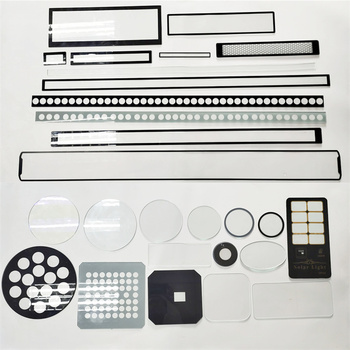
Custom Tempered Flat Glass Sheet for LED Light Panels
1–6 mm clear or ultra clear · polished edge · heat resistant
MOQ: 200 pcsRequest Details
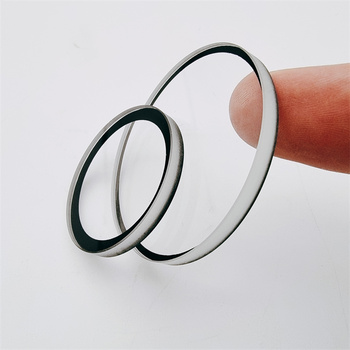
These cover styles are commonly requested by lighting brands, fixture designers and OEM buyers. Every item is made to drawing with custom glass thickness, outline, edge, holes, printing and coating.
1–6 mm clear or ultra clear · polished edge · heat resistant
Low-iron glass · smooth edge · ceramic print · high clarity
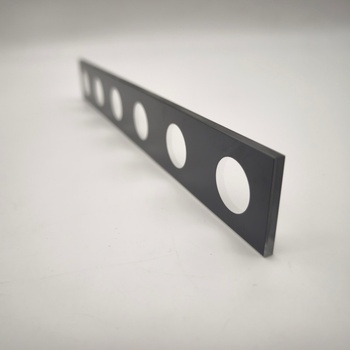
Black print · matte edge · precise length · flat surface
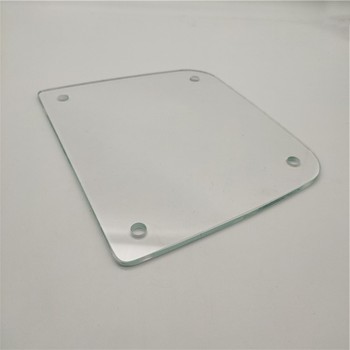
0.5–6 mm · CNC cutouts · low-iron glass · tempered option
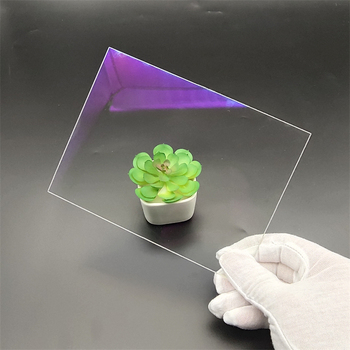
Anti-reflective coating · high transmittance · 2–4 mm
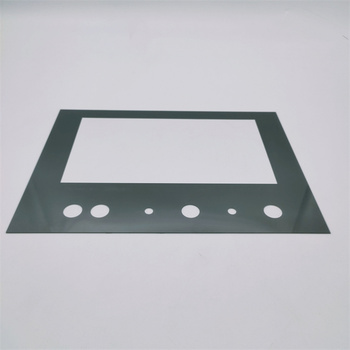
Logos · borders · icons · transparent light windows
No matching LED lighting glass cover on this page. Email info@jasweglass.com for a full product list.
An LED lighting glass cover for lighting fixtures is an optical, mechanical and decorative component. It affects lumen output, glare, color rendering, cleanability, assembly speed and long-term reliability.
Standard float glass has a slight green edge and body tint. Low-iron ultra clear glass reduces that tint, so white LED light stays visually neutral and high-CRI fixtures can deliver the color quality the lighting design promises.
For many downlights and panel lights, 2 mm to 4 mm tempered glass gives a practical balance of strength, flatness and weight. Larger covers, outdoor fixtures and exposed designs may need thicker glass or stronger edge finishing.
Clear glass maximizes light transmission but can reveal the LED source. Frosted or AG treated glass diffuses light and reduces glare. The best choice depends on beam angle, viewing distance, fixture depth and the desired lighting effect.
CNC holes, sensor windows, screw cutouts and irregular outlines must be reviewed before tempering. Polished edges and correctly placed holes reduce chipping and breakage risk during assembly, shipping and end use.
Ceramic or silk screen printing can create black borders, white diffuser zones, logos and icons. AR, AG and anti-fingerprint coatings should be specified by optical target and cleaning environment, then approved with physical samples.
LED luminaires may be cleaned often, exposed to humidity or installed in public spaces. Tempered glass and properly packed edge protection help reduce risk. Export packing should separate glass, protect corners and survive multi-leg transport.
| Cover Type | Best For | Optical / Mechanical Benefit | Specify Before Sampling |
|---|---|---|---|
| Clear Tempered Glass | Panel lights, downlights, industrial fixtures | Good transmission, impact resistance, shape stability | Thickness, edge type, visible area, tempering requirement |
| Ultra Clear Low-Iron Glass | High-CRI lighting, retail, gallery and premium fixtures | Reduced green tint, truer color, cleaner white light | Glass grade, transmission target, printing color, light source |
| Frosted / AG Glass | Glare-sensitive spaces, office, hospitality, outdoor fixtures | Soft diffusion, reduced glare, even luminous appearance | Haze level, transmission target, LED spacing, viewing distance |
| Printed Ceramic / Silk Screen Glass | Decorative borders, logos, icons, light windows | Hides assembly details, improves visual branding | Pantone or matched color, window size, print side, firing process |
| AR Coated Glass | High-end lighting, display lighting, optical clarity | Lower surface reflection, higher effective transmission | Single- or double-sided coating, reflection target, cleaning method |
| CNC Drilled / Cutout Glass | Sensors, mounting screws, directional fixtures, compact designs | Accurate fit, clean assembly, reduced installation errors | CAD drawing, hole diameter, tolerances, edge distance, tempering |
Final optical and mechanical values depend on glass thickness, substrate, coating stack, print coverage and fixture design. Sample approval is recommended before mass production.
Global buyers are using AI search, supplier platforms and engineering data to compare lighting glass covers faster. The winning suppliers are those that answer technical questions clearly and prove process control.
Buyers increasingly ask AI tools for thickness, glass type, coating and MOQ guidance. Clear, structured product data and engineer-written FAQ answers help procurement teams shortlist reliable factories.
Lighting brands want physical samples for light transmission, color, haze and fit before committing to volume. Suppliers that review drawings quickly and offer workable sample quantities reduce project risk.
Purchase price alone is no longer enough. Buyers compare breakage rate, packing quality, lead-time reliability, rework cost and communication speed, because a lower unit price can create higher total cost.
Lighting products sold into Europe, North America and Asia often require material declarations, consistent colors and documented quality checks. Batch traceability and inspection records support long-term buyer confidence.
Many lighting brands are adding or rotating suppliers to improve resilience. Verified process capability, response rate, response time and reorder rate are becoming practical filters during supplier selection.
Glass covers are now specified not only for appearance but also for assembly speed, adhesive area, cleanability and replacement. Buyers want drawings that account for tolerance stack-up and end-user maintenance.
Lighting design continues to move toward thinner fixtures, higher visual comfort and stronger integration between optics, electronics and finish.
Architectural lighting designs increasingly demand flush glass surfaces and narrow borders. Thin glass, tight edge tolerance and controlled flatness help fixtures look clean while maintaining strength where required.
As lighting focuses on visual comfort, glass covers are selected for controlled diffusion, low glare and color neutrality. Frosted and low-iron glass can help maintain the intended color temperature and CRI appearance.
AR coatings reduce unwanted reflection in premium fixtures. AG treatments soften glare in offices and outdoor spaces. Anti-fingerprint coatings improve cleanability for touch-enabled or frequently handled lighting products.
Ceramic printing can hide adhesive lines, screws and PCB edges while creating logos, icons and transparent light windows. This reduces extra parts and gives lighting brands a more integrated visual identity.
Linear wall washers, battens and pendant fixtures require long glass covers with stable flatness, consistent printing and safe packing. CNC cutting and controlled edge work become more important as panel length increases.
Outdoor and industrial fixtures need covers that tolerate cleaning, humidity, temperature changes and UV exposure. Glass type, edge quality, coating durability and packaging should be reviewed together with the fixture sealing design.
A clear specification package helps Dongguan Jaswe Glass Co., Ltd. review manufacturability, recommend the right glass and reduce sampling cycles.
Share the lighting application, LED source, installation environment and target optical effect.
Provide DXF, DWG or PDF with dimensions, holes, cutouts, edge type and tolerance notes.
Select clear, ultra clear, frosted, printed, AR, AG or combined treatment based on the design goal.
Check fit, light appearance, color, print, haze and edge quality before volume production.
Run batch production with in-process checks and export packing suitable for glass covers.


Dongguan Jaswe Glass Co., Ltd. is located in Dongguan, the world manufacturing center, and focuses on designing, manufacturing and selling tempered glass, displayer glass, touch screen glass, silk screen printing glass, switch glass, anti-reflective glass, anti-glare glass, anti-fingerprint glass, electric equipment glass and LED lighting glass.
The company covers key process technologies in-house: cutting, special-shaped cutting, polishing glass edges, drilling holes, CNC, tempering, silk screen printing, AG processing, AR and AF coating. This helps keep quality control close to every critical step and supports custom LED lighting glass cover projects from samples to repeat production.
"Scientific management, careful manufacture, high quality service, striving for excellence."
The company has more than 80 workers, most with more than 8 years of experience, and 26 glass machines including a glass tempering furnace, glass polishing edge machines, silk screen printing machines and automatic glass cutting machines. Monthly output is above 200,000 pieces of glass. Customers are located in America, Europe and Asia.
For LED lighting glass cover projects, the company reviews drawings, glass type, thickness, tempering, edge work, holes, printing, coating and packaging requirements before sampling. For technical questions, contact info@jasweglass.com.
View Company ProfileThese are common questions from global lighting buyers, fixture engineers and procurement teams sourcing custom glass covers.
Share your drawing, fixture type, thickness, finish, printing or coating requirement, annual volume and destination market. Dongguan Jaswe Glass Co., Ltd. will review manufacturability and optical options before sampling.
info@jasweglass.com