CE Certified Display Glass Manufacturers & Wholesalers
Custom tempered, ultra-clear, printed and AR / AG / AF coated display glass for touch panels, HMIs, LED fixtures, instruments and appliance controls — supported by export documentation, engineering review and repeatable production.
What Buyers Should Verify Before Choosing CE Certified Display Glass Manufacturers
In display glass, the word “certified” is often used more loosely than it should be. The CE mark is normally applied to the finished machine, appliance, luminaire, instrument or electronic product that is placed on the EU market — not automatically to a bare cover-glass component. That distinction matters for procurement teams, quality engineers and compliance managers. A credible display glass manufacturer should still make CE marking easier by controlling material composition, dimensional repeatability, optical performance, surface-treatment durability, RoHS / REACH documentation, packaging and change control. In practice, the best wholesalers are not simply selling cut glass. They are supplying CE-ready documentation, traceable process control and predictable quality that your final compliance file can rely on.
Dongguan Jaswe Glass Co., Ltd. works with overseas buyers across North America, Europe and Asia on tempered glass, ultra-clear glass, silk-screen printed glass, switch glass, LED lighting glass and AR / AG / AF coated cover glass. The value of a specialist supplier becomes clear when a project combines thin glass, printed icons, drilled holes, anti-reflective coating and export packing in one drawing. Each process changes the risk profile. A supplier that understands those interactions can shorten sampling, reduce hidden rework and protect the visual performance of the finished device.
Use this guide as a buyer’s working document: compare product routes, review procurement trends, check development directions and use the FAQ to prepare a better RFQ. For final CE marking, always confirm regulatory responsibility with your own compliance engineer.
Buyer verification checklist
- Material grade, thickness tolerance and low-iron glass option
- Edge finish, hole position, breakage risk and handling limits
- Printing color, ink durability and transparent window accuracy
- AR, AG and AF coating specification with sample approval
- RoHS / REACH documentation and change-notification process
- Export packing, label control and batch traceability
Display Glass Products for CE-Regulated and Export-Bound Devices
Each product family below links directly to the live product page. Treat these as starting points, then confirm drawing tolerance, coating stack, printing color and annual volume before mass production.
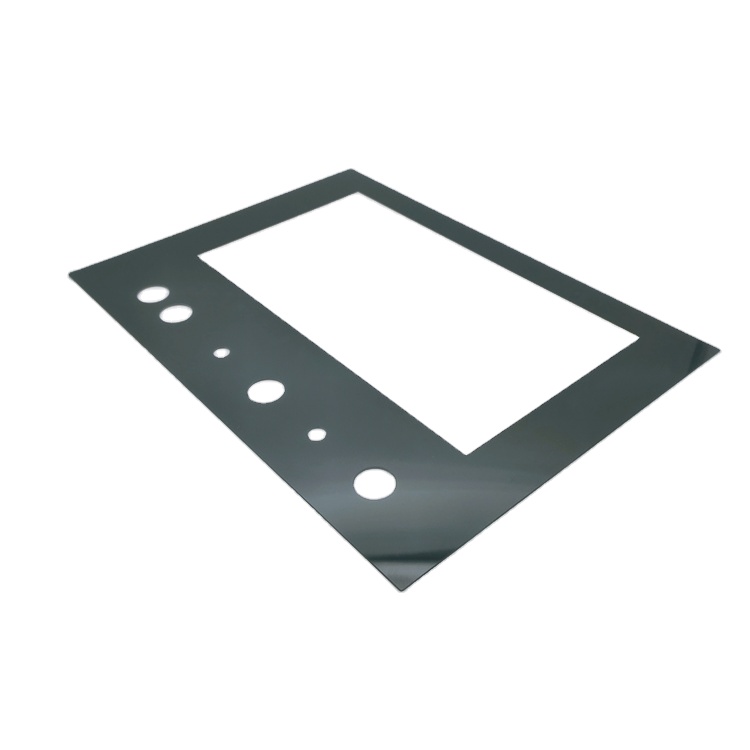
Customized Printed 0.5–6 mm Flat Tempered Glass Screen Protector with Cut Holes
For appliance control panels, industrial HMIs and POS interfaces that need printed borders, icons and accurate cut-outs.
View product →
Customized Ultra Clear 0.5 mm / 0.7 mm Ultra-Thin Tempered Glass
For weight-sensitive display stacks and compact touch products where clarity, flatness and handling control matter.
View product →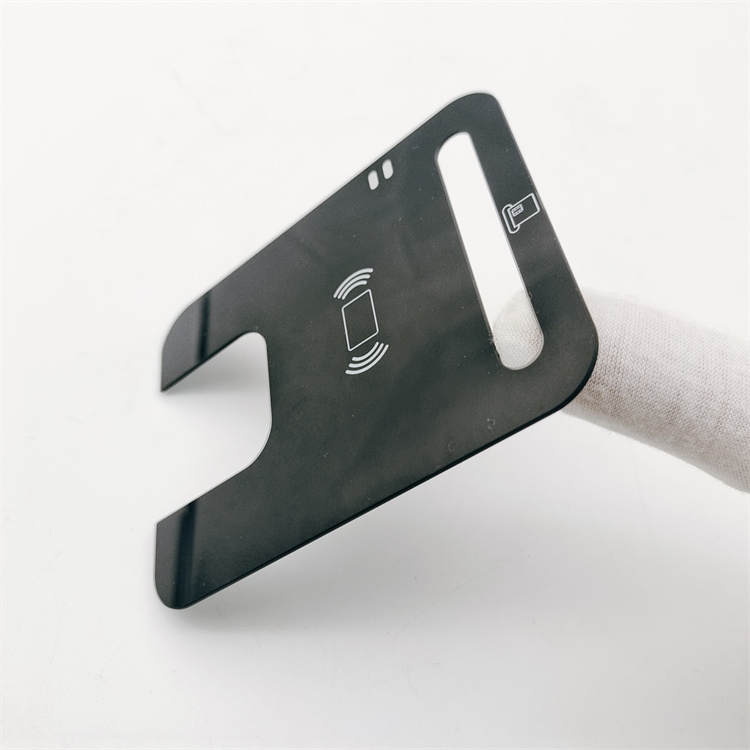
Custom Printed Tempered Glass Cover with Hole for Card Reader Instruments
High-strength decorative cover glass with drilled openings for readers, sensors, keypads and instrument housings.
View product →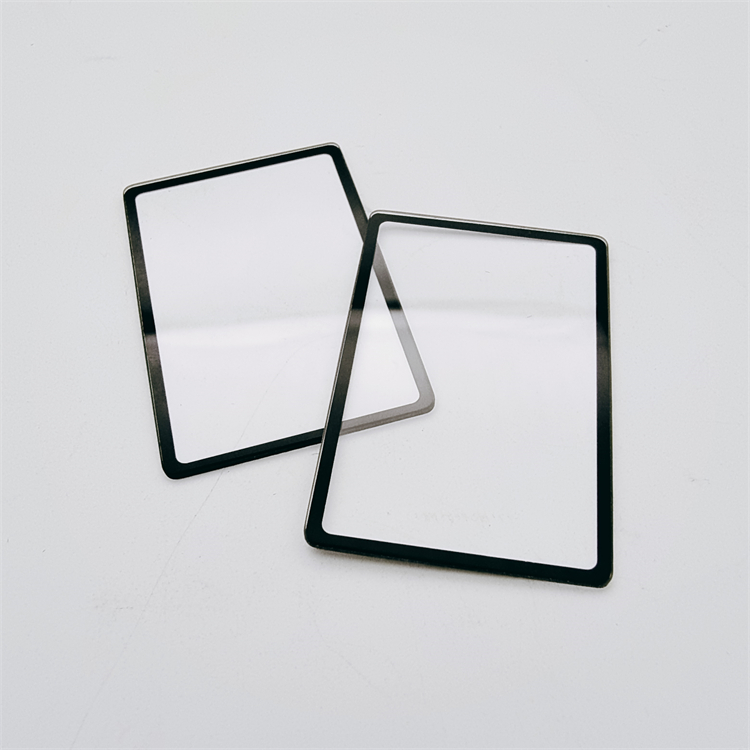
OEM Silk-Screen Printed Tempered Glass Display for Industrial Screens
Multi-color silk-screen printing for display windows, logo areas, borders and appliance or equipment graphics.
View product →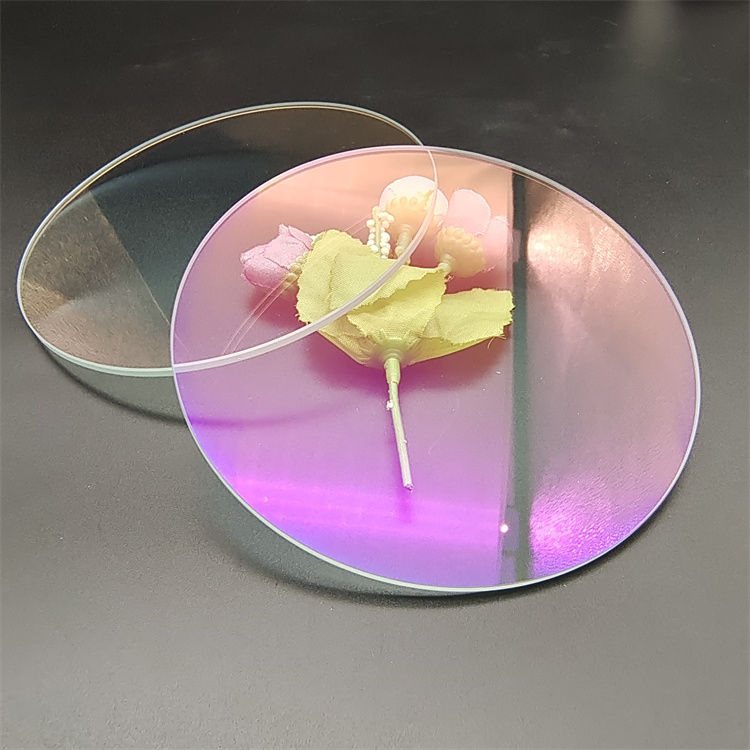
Premium Ultra Clear Anti-Reflective 1–6 mm Flat Tempered Glass
For display windows and covers that need lower surface reflection, stronger contrast and higher visual clarity.
View product →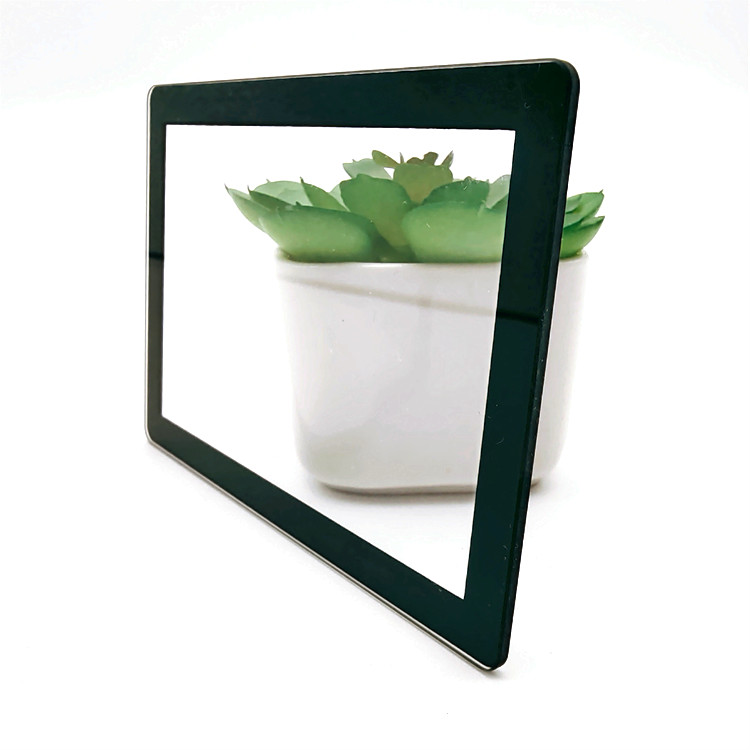
High-Strength 0.5–6 mm Industrial Display Tempered Glass with Printed Design
For equipment windows, industrial instruments and rugged display covers where impact resistance and print control are both required.
View product →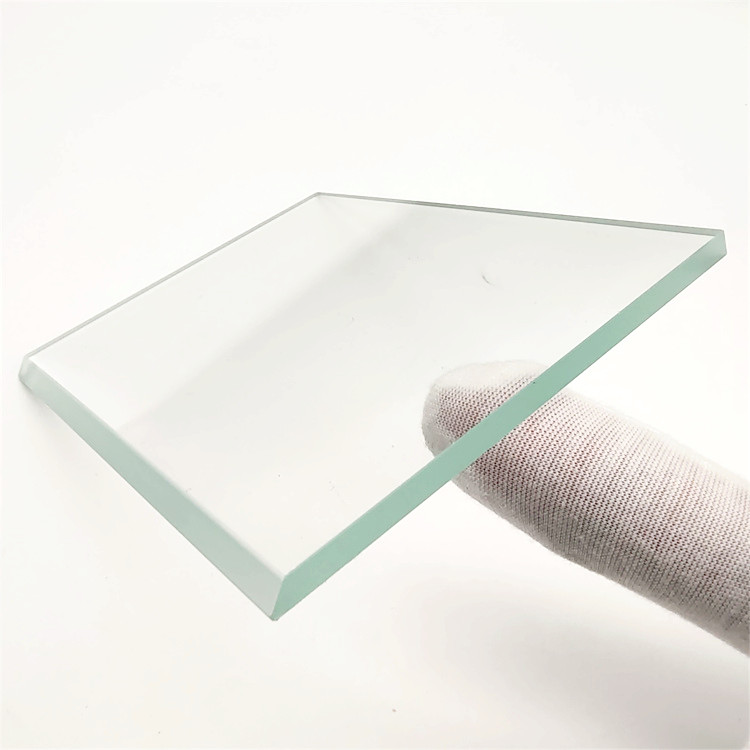
Customized Small-Size 3–6 mm Beveled-Edge Tempered Glass
Compact cover glass for switches, meters, small displays and instrument windows with a refined beveled edge.
View product →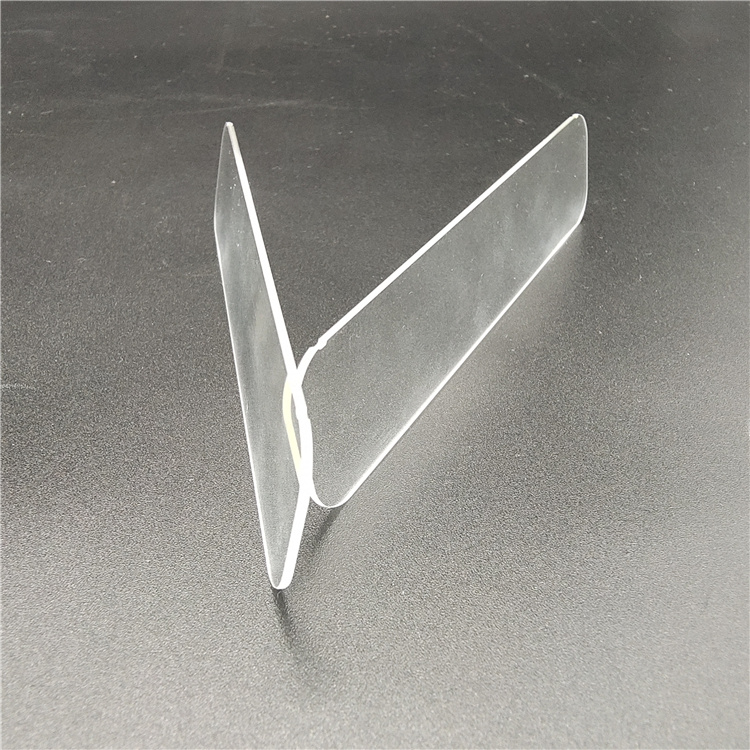
Custom Extra White 0.5–2 mm Low-Iron Tempered and Chemically Strengthened Glass
For LED fixtures and premium display covers where the green tint of standard float glass would affect color harmony.
View product →Match the Glass Route to the User Experience and Compliance File
Selection should start with the environment, the touch method and the visual target — not with thickness alone. Use this recommendation matrix to narrow the RFQ before requesting samples.
High-ambient-light touch displays
Choose ultra-clear glass with AR coating to reduce reflection, or AG treatment where sunlight and overhead lighting create distracting glare. Add AF coating for finger-operated panels.
Review AR tempered glass →Appliance and control-panel covers
Specify printed tempered glass with cut holes, transparent display windows and color-matched borders. This route suits switches, kitchen appliances, meters and equipment controls.
Review printed cover glass →Card readers and payment terminals
Use a high-strength printed cover with a clean drilled hole and durable ink. Confirm edge quality, hole tolerance and adhesive or mounting requirements with your mechanical team.
Review card-reader glass →LED fixtures and lighting covers
Low-iron glass reduces unwanted green tint, while ceramic printing and careful edge finishing support clean light output and premium fixture appearance.
Review low-iron glass →What Is Changing in Display Glass Sourcing from 2025 to 2030
Buyers are moving away from “clear tempered glass” as a single-line specification. The strongest purchasing teams now request measurable optics, documented materials and a supply plan that protects the finished device program.
Documentation-first sourcing
RFQs increasingly include material declarations, RoHS / REACH expectations, coating durability targets and change-notification requirements. Suppliers that can answer these points early become easier to qualify.
Total landed quality cost
Low piece price is less useful if breakage, rework or line stoppage is high. Procurement teams are comparing inspection data, packing protection, replacement policy and engineering response together.
Dual sourcing with one specification
More brands want a second qualified source without changing the drawing. This requires clear measurement methods for thickness, flatness, transmittance, haze, print color and edge condition.
Measurable optical specifications
“Ultra clear” is being replaced by transmittance, reflection and color-shift targets. AR, AG and AF treatments are specified as a stack, not as a vague surface option.
Samples before scale
Smaller evaluation batches and faster sampling help product teams validate fit, printing, coating and packaging before committing to mass production. Most custom items begin in the 100–500 piece range.
Packaging as part of quality
Thin glass and coated surfaces can be damaged by pressure, moisture and edge contact. Export packing, interleaving, labels and carton configuration are becoming part of the approved quality record.
Where Display Glass Technology Is Moving Next
Product teams are asking for more function in less space: thinner glass, integrated optical treatment, printed touch windows and stronger industrial covers. These directions shape both design and purchasing decisions.
Ultra-thin chemically strengthened glass
Electronic-grade glass from 0.2 mm to 0.7 mm continues to enable thinner devices and lighter touch stacks. Handling, flatness and edge quality become critical during both sampling and volume production.
Integrated AR / AG / AF stacks
Instead of choosing a single treatment, buyers combine low reflection, glare diffusion and anti-fingerprint performance. The coating stack must be tested as a system under the device’s real lighting conditions.
Printed glass with touch windows
Decorative printing, transparent windows and capacitive touch areas are converging into one cover glass. This reduces assembly steps but increases the need for precise registration and color control.
Stronger industrial display covers
Industrial HMIs, outdoor equipment and instrument windows require impact resistance, stable optics and reliable sealing. Thickness choice must be balanced with weight, mounting design and breakage behavior.
Low-iron glass for LED color consistency
As LED lighting and high-end display covers become more color-sensitive, extra-white low-iron glass helps reduce green tint and supports more neutral color reproduction.
Complex CNC geometry and edge finishing
Small holes, notches, steps, bevels and irregular outlines are increasingly common. Good edge geometry is not cosmetic; it affects strength, handling safety and the fit of the finished assembly.
Why Jaswe Glass Is a Practical Partner for CE-Ready Display Glass Programs
Based in Dongguan, the center of China’s electronics supply chain, Dongguan Jaswe Glass Co., Ltd. processes and exports tempered glass, display glass, touch screen glass, silk-screen printed glass, switch glass, AR / AG / AF coated glass, electrical equipment glass and LED lighting glass. The company’s advantage is not a single machine or a single coating line. It is the ability to connect cutting, CNC shaping, edge polishing, hole drilling, tempering, printing and surface treatment under one quality routine.
For overseas buyers, that integration reduces the gaps that appear when a cover glass moves between multiple subcontractors. A printed panel with holes and an AR coating, for example, needs a process route that protects the print, keeps the holes clean and controls optical appearance. Jaswe’s export-focused team can review drawings before sampling, discuss manufacturability and recommend realistic tolerances.
“Scientific management, careful manufacture, high quality service, striving for excellence.”
Performance data from the supplier’s third-party trade profile shows an average response time within 3 hours, a 96.61% response rate and a 26% buyer reorder rate. These are useful signals for procurement teams that need fast engineering answers and evidence of repeat business. The supplier profile also lists 51–100 employees, annual revenue of US$2.5M–US$5M, 26 glass machines and markets in America, Europe and Asia.



In-house process control
Cutting, special-shaped and CNC cutting, edge polishing, hole drilling, tempering, silk-screen and ceramic printing, AG processing and AR / AF coating are kept within a coordinated production flow.
Production scale for repeat orders
With 26 glass processing machines and more than 80 workers, monthly output exceeds 200,000 pieces of processed glass — useful for buyers balancing sampling speed with volume supply.
Fast engineering response
The trade profile records an average response time within 3 hours and a 96.61% response rate, which matters when a drawing needs review before a sample can be released.
Repeat buyer confidence
A 26% buyer reorder rate suggests that quality and communication are strong enough to support repeat programs in lighting, electronics and appliance assembly.
Export-focused location
Dongguan’s electronics supply chain supports access to materials, tooling and technical services. The company serves markets in America, Europe and Asia with export packing experience.
Traceability and inspection mindset
A comprehensive QC routine checks glass at cutting, edging, tempering, printing and coating stages. For CE-support files, batch records and change communication can be discussed during qualification.
From Drawing to Delivery: A Five-Step Path for Custom Display Glass
A clear workflow reduces the risk of costly tooling changes after production begins. The exact schedule depends on size, printing, coating and volume, but the sequence is consistent.
Send requirements
Share DXF, DWG or PDF drawings, thickness, edge type, printing colors, coating requirement, application and annual quantity.
Engineering review
The supplier checks manufacturability, hole placement, glass strength, print registration and the right process route.
Sampling
Physical samples are approved for fit, edge quality, color, transparency and surface treatment before mass production.
Mass production
Batch production follows the approved sample and inspection plan, with checks at cutting, tempering, printing and coating stages.
Packing and shipping
Interleaved, edge-protected export packing helps protect thin glass and coated surfaces during transit and line-side handling.
Display Glass Sourcing FAQ for Export Buyers
These are the questions most often raised by overseas buyers comparing display glass manufacturers and wholesalers.
Is display glass itself CE certified?
Usually, the CE mark applies to the finished product — the appliance, instrument, luminaire, machine or electronic device — rather than to a bare glass component. A display glass supplier can still support the finished product’s CE marking by providing material information, dimensional and optical specifications, RoHS / REACH documentation where applicable, coating details, packaging data and change control. Always confirm final regulatory responsibility with the manufacturer placing the finished product on the EU market.
What thickness should I choose for a display cover glass?
Thickness depends on the device structure and risk profile. Ultra-thin 0.5 mm or 0.7 mm glass suits compact touch products and weight-sensitive displays. A 1–3 mm range is common for appliance controls, instruments and general display covers. Thicker 4–6 mm glass may be relevant for high-strength industrial covers, but it adds weight and changes the assembly design. Confirm impact requirements, mounting method and optical targets before fixing the thickness.
How should I evaluate CE certified display glass manufacturers and wholesalers?
Look beyond a certificate image. Ask for the process list, material grade, thickness tolerance, edge and hole capability, printing standard, coating specification, inspection plan and change-notification process. Request samples that match the real application, and verify whether the supplier controls key steps in-house. For a CE-related program, ask how the supplier handles batch traceability, RoHS / REACH declarations and packaging protection.
What is the difference between AR, AG and AF coated glass?
AR anti-reflective coating reduces surface reflection and can improve contrast and light transmission. AG anti-glare treatment diffuses reflected light so a screen remains more readable under bright overhead or outdoor conditions. AF anti-fingerprint coating is an oleophobic surface layer that helps resist fingerprints and makes cleaning easier. The treatments can be combined, for example AG + AF for touch kiosks or AR + AF for high-clarity touch panels.
Can you produce printed glass with holes, small sizes and beveled edges?
Yes. The product range includes custom printed tempered glass, screen protectors with cut holes, small-size beveled-edge glass, printed covers for card readers and instrument glass. For an accurate quotation, provide the drawing, hole diameters and positions, edge profile, print colors, transparent window size, thickness, coating requirement and estimated annual quantity.
What is the minimum order quantity and how do samples work?
Most custom display glass items start at around 100–500 pieces depending on size, printing, coating and process complexity. Standard clear tempered pieces may be available in smaller quantities for evaluation. Sampling is strongly recommended before mass production because print color, coating appearance, edge quality and fit are easier to approve physically than from a data sheet.
How is fragile coated glass packed for export?
Export packing should protect the glass face, edges and corners from pressure, movement, moisture and surface abrasion. Typical controls include interleaving, edge protection, secure carton separation and clear labels. For coated or printed glass, packing must also prevent contact between the functional surface and hard materials. Confirm packing approval with your supplier before shipment.
How do I start a custom project and request the catalog?
Send your drawing (DXF, DWG or PDF), thickness, edge type, printing colors, coating requirement, application and estimated annual quantity to info@jasweglass.com. The engineering team can review manufacturability before samples are made. You can also use the catalog button on this page to start a live inquiry with the supplier.
Request a CE-Readiness Review and Updated Display Glass Catalog
Share your drawing and application details. The engineering team will review manufacturability and recommend a practical glass route for tempered, ultra-clear, printed, AR, AG or AF cover glass.
- Drawing, thickness, edge and hole requirements
- Printing colors, transparent windows and coating targets
- Estimated annual volume and destination market
Email: info@jasweglass.com · Dongguan Jaswe Glass Co., Ltd.
Need pricing, samples or engineering review?
Get CatalogTypical engineering response within 3 hours during business days.
Experience, expertise, authority and trust note: This guide was prepared around Dongguan Jaswe Glass Co., Ltd.’s display glass product range, in-house process capabilities, export-focused company profile and third-party trade-platform performance data. It is written for B2B sourcing, engineering and compliance teams. Final CE marking, product classification and market access decisions remain the responsibility of the finished-product manufacturer and should be confirmed with qualified regulatory specialists.