CE Certified Flat Glass Supplier & Wholesalers
Wholesale-ready tempered, ultra-clear, printed and AR / AG / AF-coated flat glass for display covers, touch panels, LED lighting, smart switches and industrial instruments. Cutting, CNC, edging, drilling, tempering, printing and coating under one roof.
Eight Flat Glass Products for Wholesale Customization
The fastest way to judge a flat glass supplier is to match a real drawing to a real process route. These eight products represent the current Jaswe Glass custom range: each can be sampled, piloted and scaled as a repeat wholesale program. Product URLs are preserved exactly, and images are displayed in full without cropping.

Customized Small Size 3mm 4mm 5mm 6mm Beveled Edge Tempered Glass
3 / 4 / 5 / 6 mm · beveled edge · small-format tempered panels
Recommended for appliance trims, control windows and compact display covers where polished edges and repeatable tempering are essential.
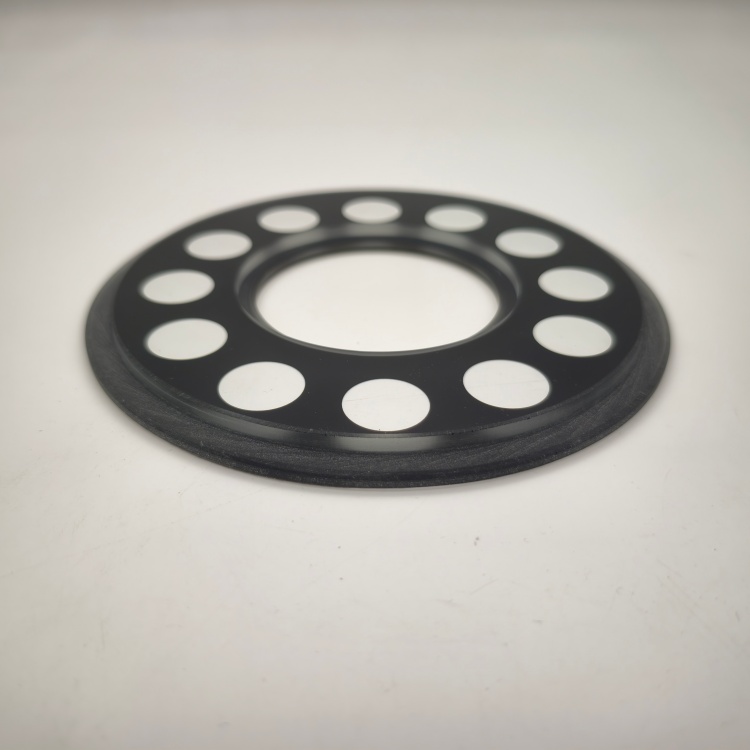
Factory Customized Round Hole Inner and Outer Double Step Edge Printed Tempered Glass for LED Lighting
Round hole · double step edge · printed LED lighting glass
Recommended for LED fixtures, sensor windows and lighting covers that need stepped-hole geometry and clean print registration.
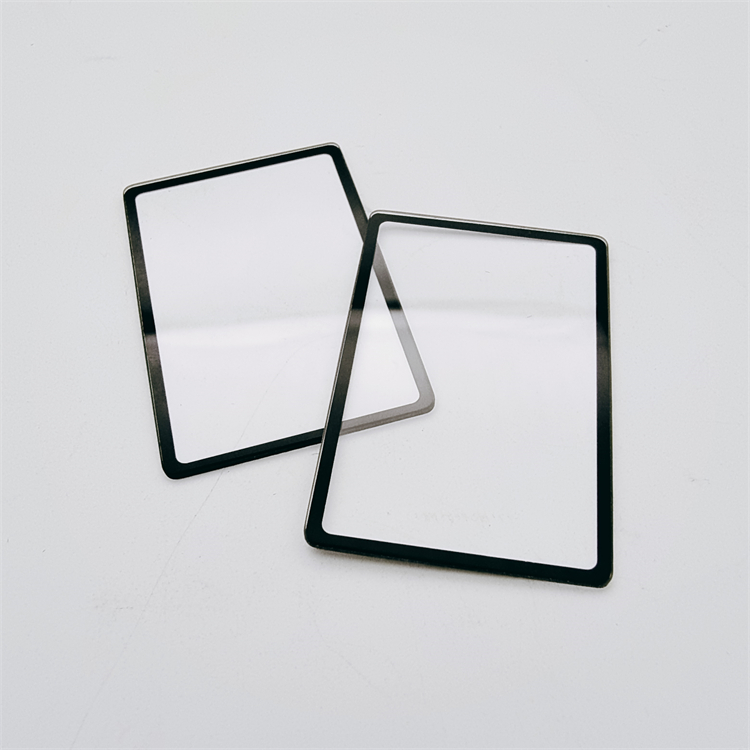
0.5mm 0.7mm 1mm 2mm 3mm Good Price OEM Wholesale Custom Premium Silk Screen Printing Tempered Glass Display Screen Industrial
0.5 / 0.7 / 1 / 2 / 3 mm · silk-screen printing · OEM display glass
Recommended for industrial display screens and appliance windows where thin glass, durable printing and wholesale volume supply intersect.

Factory Customized High Strength 2mm 3mm 4mm 5mm Tempered Black Glass Bulletproof & Decorative Flat Surface
2 / 3 / 4 / 5 mm · black tempered glass · decorative flat surface
Recommended for decorative black panels and high-strength flat components. Exact bullet-resistant or safety performance must be confirmed by the glass build-up and test standard.
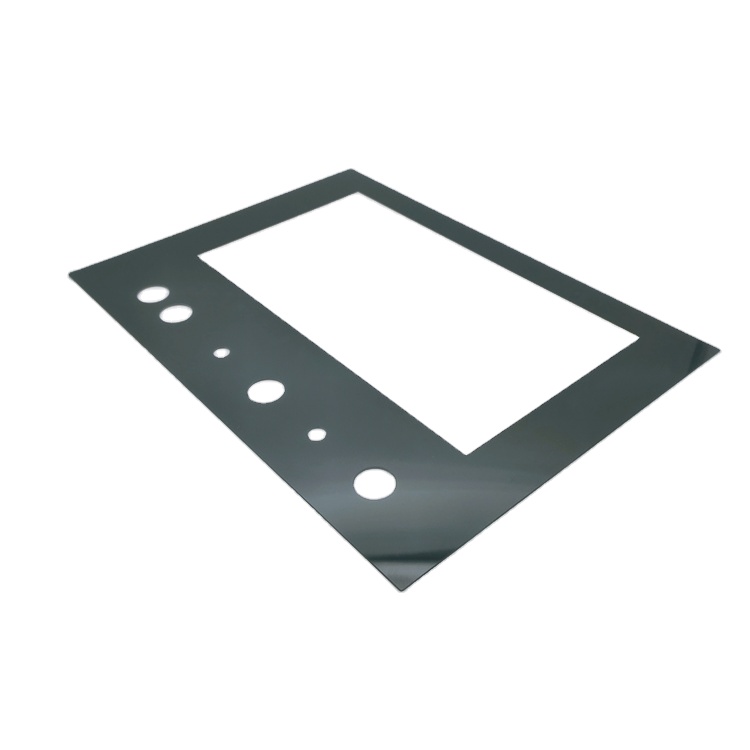
Customized Printed 0.5-6mm Thickness Flat Tempered Glass Screen Protector with Cut Holes
0.5–6 mm · printed · cut holes · flat screen protector glass
Recommended for HMI windows, instrument screens and printed cover glass where precise cut-outs and flatness matter.
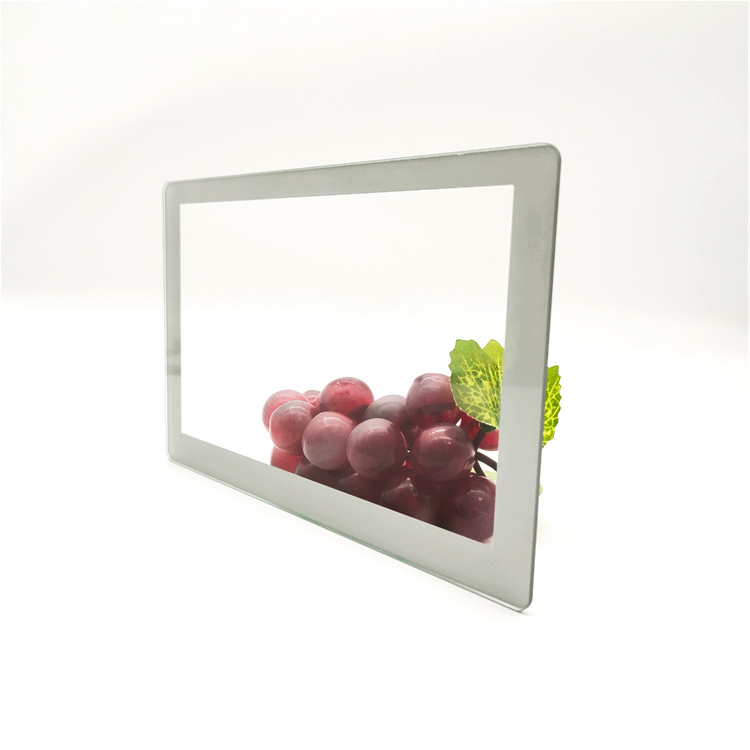
Customized High Strength Anti Glare Frosted Finish Tempered Glass LED/LCD Display Touch Panel for Monitor Screen Protector
Anti-glare frosted finish · high strength · LED / LCD touch panel
Recommended for outdoor and industrial displays where glare, fingerprints or harsh ambient light reduce screen readability.
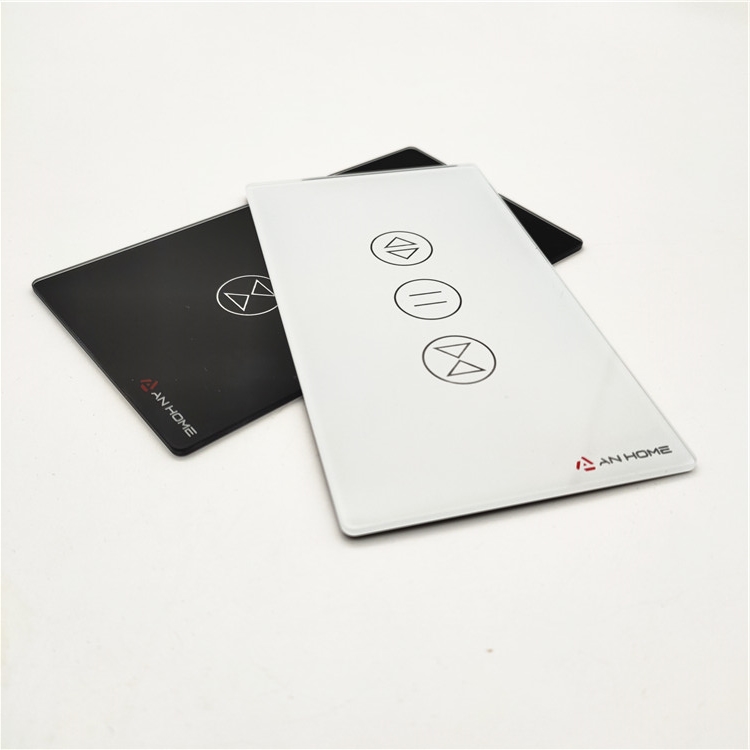
Home Smart WiFi Remote Control Touch Tempered Glass Screen-Printed Glass Switch Glass Panels Curtain Control Glass
WiFi remote · touch control · screen-printed switch glass · curtain control
Recommended for smart home, hotel and commercial switch panels requiring capacitive touch, printed icons and clean wall integration.

Customized Industrial Lighting Solid Flat Ultra Clear Frosted Tempered Glass with Beveled Step Edge
Ultra clear · frosted · beveled step edge · industrial lighting glass
Recommended for industrial lighting diffusers, solid flat covers and fixtures requiring low-iron clarity with refined edge finishing.
CE Certified Flat Glass Supplier & Wholesalers: What the Claim Should Mean
In flat glass, “CE certified” should not be treated as a generic badge that applies to every sheet, coating or printed panel. CE marking is product- and directive-specific. For construction flat glass, the relevant framework may involve standards such as EN 12150 for thermally toughened safety glass, with declaration of performance and factory production control requirements. For display, lighting, switch and industrial equipment glass, the glass may be a component inside a finished product that carries the applicable CE marking; the component’s own documentation depends on the final application and destination market.
A reliable supplier therefore separates three questions: what exact glass specification is being quoted, which directive or standard applies to the end use, and what evidence can be traced to the production batch. This is the practical meaning of working with a CE-oriented flat glass supplier rather than simply buying “CE glass” from a price list.
- Specification lock: Confirm thickness, glass type, edge profile, hole tolerance, print side, coating stack and visible cosmetic criteria before a compliance discussion can be meaningful.
- Documentation trace: Ask for the current declaration, test reports and batch records that match the ordered glass, not a generic catalogue sample.
- Change control: Any change in substrate, tempering furnace route, ink, coating or packing should be approved by the buyer before shipment.
- Market-specific review: EU buyers, North American OEMs and Asian distributors may need different evidence packages even for visually similar glass panels.
Jaswe Glass supports buyers with in-house process records for cutting, CNC, edging, drilling, tempering, silk-screen and ceramic printing, AG treatment and AR / AF coating. CE status is confirmed per order, per construction and per destination requirement before production is released.
Six items to request before approving a CE-related RFQ
- Product family, thickness range and application route
- Applicable directive, harmonized standard or end-product rule
- Current declaration or conformity support document
- Factory and batch traceability for the exact specification
- Coating, ink and print durability test data where relevant
- Written change-control and packaging approval procedure
Why OEM Buyers and Wholesalers Shortlist Jaswe Glass
Dongguan Jaswe Glass Co., Ltd. combines custom glass engineering with a production model built for repeat orders. The company is based in Dongguan, Guangdong — the center of China’s electronics supply chain — and serves buyers in America, Europe and Asia with tempered, ultra-clear, printed, switch, LED lighting, electrical equipment and optical coated glass.
In-House Process Control
Cutting, special-shaped and CNC cutting, edge polishing, hole drilling, tempering, silk-screen and ceramic printing, AG processing and AR / AF coating are managed under one quality system. This reduces the quality gaps that appear when glass moves between subcontractors.
Thin-to-Thick Capability
The current product range covers electronic-grade ultra-thin glass from 0.2 mm up to 19 mm flat tempered glass. The most requested display and touch-cover thicknesses are 0.5, 0.7, 1, 2, 3 and 4 mm.
Fast Engineering Response
Buyers receive manufacturing feedback within hours, supported by 26 glass processing machines, more than 80 workers and monthly output above 200,000 processed glass pieces. Average response time is within 3 hours, with a 96.61% response rate.
Comprehensive QC System
Inspection is performed at cutting, edging, tempering, printing and coating stages before packing. For custom projects, cosmetic limits, print registration, hole positions and edge quality are agreed before mass production.
Export Market Experience
Main markets include America, Europe and Asia. A 26% buyer reorder rate reflects repeat demand from lighting, electronics and appliance supply chains rather than one-off catalogue sales.
Traceable Supplier Profile
The company has an on-site verified supplier profile of 6 years, 51–100 employees, annual revenue of US$2.5M–US$5M and a management principle summarized as: “Scientific management, careful manufacture, high quality service, striving for excellence.”
Cutting, CNC, edging, drilling, tempering, printing, AG and AR / AF coating are coordinated internally.
Useful for wholesale buyers who need fast technical clarification before samples are approved.
Repeat ordering is the practical test of print consistency, edge quality and packaging reliability.
Flat Glass Procurement Trends Shaping 2025–2030
Wholesale buyers are no longer purchasing “a sheet of glass” in isolation. They are buying a repeatable specification, a compliance trail, a packaging method and a supply rhythm that protects their production line.
Compliance-First RFQs
More buyers now attach the destination market, applicable standard and end-product classification to the RFQ. This is especially important for safety glazing, electrical equipment windows and machinery display panels where the glass must be documented as part of the final product.
Multi-Sourcing, Single Specification
OEMs and distributors are qualifying secondary suppliers without changing drawings or cosmetic limits. A stable specification package — DXF, tolerance stack, print colors, coating target and packing standard — makes dual sourcing practical.
Smaller MOQs and Faster Pilots
Procurement teams prefer to validate fit, print and optical performance with a pilot batch before committing to annual volume. For many custom items, 100–500 pieces is the practical starting point, with sample quantities available for evaluation.
Total Landed Cost Focus
Price per piece is only one line in the calculation. Breakage rate, print rework, coating durability, packaging labor and line stoppage often determine the real cost of a flat glass program. Suppliers that control every process step reduce hidden cost.
Forecast-Based Wholesale Programs
Distributors increasingly share a 6–12 month forecast with call-off releases. This allows mixed thickness and coating schedules, safer raw glass planning and fewer emergency air shipments for display, switch and lighting customers.
Traceability and Change Control
Buyers want batch records, approved ink and coating routes, and notification before any process change. For a CE-oriented flat glass supplier, traceability from raw sheet to packed carton is becoming as important as appearance.
What the Next Display, Lighting and Control Panels Need
Flat glass is moving from a passive cover part to a functional optical and interface component. The trends below are directly visible in RFQs for display glass, LED lighting covers, printed switch panels and industrial instrument windows.
Thinner, Stronger Cover Glass
Electronic-grade 0.2–0.7 mm glass is increasingly requested for compact displays, touch modules and lightweight control panels. The challenge is not only thickness but edge quality, flatness and controlled handling during tempering and printing.
Combined AR + AG + AF Stacks
One cover glass may need anti-reflective transmission, anti-glare diffusion and anti-fingerprint easy-clean performance. The right stack depends on viewing distance, ambient light, touch frequency and cleaning chemicals used by the end user.
Fine-Feature Printing and Hidden Windows
Silk-screen and ceramic printing are being used to hide wiring, create display windows, add icons and match appliance colors. Buyers now send Pantone codes, transparent window dimensions and print-side requirements as part of the drawing package.
Smart-Home Switch Glass
WiFi touch switches, curtain controllers and hotel room panels require printed glass with capacitive touch windows, clean icon alignment and consistent adhesive or mounting preparation. This is a growing extension of traditional wall-switch glass.
LED Lighting Glass as an Optical Part
Ultra-clear and frosted tempered glass covers influence light diffusion, color consistency and fixture durability. Designers are combining frosted surfaces, black borders, beveled step edges and drilled holes in one lighting component.
Complex Geometry and Edge Finishing
Rounded corners, step edges, countersinks, slots and double-sided holes are becoming standard in industrial and appliance glass. CNC shaping and controlled edge polishing are essential to prevent chipping and field failures.
AR, AG, AF, Ultra Clear and Printed Tempered Glass
Use this matrix during design review. Treatments can be combined — for example AG + AF for outdoor touch kiosks, or AR + AF for high-transmission touch displays. Final optical values depend on thickness, substrate and coating stack, so sample testing is recommended before mass production.
| Glass Type | What It Solves | Typical Applications | Procurement Note |
|---|---|---|---|
| Ultra Clear / Low-Iron | Removes the green tint of standard float glass for true color and higher clarity. | Display covers, LED lamps, premium appliance panels, optical windows. | Specify transmission, thickness and edge appearance; confirm color under the final light source. |
| AR Anti-Reflective | Reduces surface reflection and increases light transmission and contrast. | Medical and industrial monitors, display windows, camera covers. | State single- or double-sided coating, target reflection and transmission, and test method. |
| AG Anti-Glare | Diffuses reflected light so screens remain readable under strong ambient or outdoor light. | Outdoor kiosks, vehicle HMIs, industrial displays, digital signage. | Choose gloss or haze level by viewing distance; finer haze suits high-resolution screens. |
| AF Anti-Fingerprint | Repels oil and sweat to keep touch surfaces cleaner and easier to wipe. | Capacitive touch panels, smart switches, POS terminals. | Apply as a final surface layer over AR or AG; request abrasion and chemical durability data. |
| Silk-Screen Printed Tempered | Hides wiring, adds logos, icons, borders and transparent display windows. | Switch plates, appliance controls, instrument panels. | Send Pantone codes, print side, window sizes and ink durability requirements with the drawing. |
| Tempered Flat Glass | Improves impact resistance and produces safer breakage behavior than ordinary glass. | Appliance fronts, lighting fixtures, industrial equipment windows. | Confirm thickness, edge profile, hole spacing and the relevant safety-glass performance standard. |
Key information gain for buyers: request one approved “golden sample” plus a written cosmetic limit. This reduces subjective disputes over tiny scratches, print density differences and edge haze — three of the most common causes of rework in custom flat glass supply.
From Drawing to Delivery in Five Controlled Steps
A transparent workflow helps wholesale buyers predict quality, timing and communication. Each step is designed to catch manufacturability issues before they become expensive rework.
Send Requirements
Drawing, thickness, edge, print colors, coating target, application and annual volume.
Engineering Review
Manufacturability check, tolerance review and process route confirmed within hours.
Sampling
Physical samples for fit, print color, edge finish and optical approval.
Mass Production
Batch production with in-process inspection at cutting, edging, tempering, printing and coating.
Packing & Shipping
Interleaved, edge-protected export packing for safer international transit.
What to Include for a Faster, More Accurate Quotation
An RFQ that contains the right details can shorten engineering review and reduce sample revisions. For a CE-oriented flat glass program, link each technical requirement to the evidence or standard the final product must satisfy.
Questions Overseas Flat Glass Buyers Ask Most
These answers are written for OEM project managers, industrial distributors and wholesale buyers comparing custom flat glass suppliers.
Are you a CE certified flat glass supplier?
Jaswe Glass can support CE-oriented documentation discussions for applicable flat glass projects, but CE marking is not a universal stamp for every glass item. The exact directive or standard, end use, thickness, coating, printing and destination market must be confirmed. Buyers should request order-specific documentation before shipment rather than rely on a generic certificate.
Can you supply wholesale quantities and distributor programs?
Yes. With 26 glass processing machines and more than 80 workers, monthly output exceeds 200,000 processed glass pieces. Most custom items start at 100–500 pieces depending on size, printing and coating, and standard clear tempered pieces can be supplied in smaller sample quantities for evaluation.
What glass thicknesses can be processed?
The current range covers ultra-thin electronic-grade glass from 0.2 mm up to 19 mm flat tempered glass. The most requested display and touch-cover thicknesses are 0.5, 0.7, 1, 2, 3 and 4 mm. Glass type, edge work and coating requirement may affect the practical thickness recommendation.
Which processes are completed in-house?
Cutting, special-shaped and CNC cutting, edge polishing, hole drilling, tempering, silk-screen and ceramic printing, AG processing and AR / AF coating are completed under one production system. This helps control quality at each transition and reduces the risk of damage between subcontractors.
What is the difference between AR, AG and AF glass?
AR anti-reflective coating reduces surface reflection to increase transmission and contrast. AG anti-glare treatment diffuses reflected light so screens stay readable under strong ambient light. AF anti-fingerprint is an oleophobic top layer that resists smudges on touch surfaces. They can be combined on one cover glass, but the final stack should be validated on a sample.
How do I start a custom flat glass project?
Send a drawing in DXF, DWG or PDF with thickness, edge type, hole positions, printing colors, coating requirement, application, estimated annual quantity and destination market to info@jasweglass.com. Our engineers review manufacturability and process route before samples are made.
Can printing and optical coating be combined?
Yes. Printed borders, icons and display windows can be combined with AR, AG or AF coating where the process route allows. The buyer should specify print side, coating side, window clarity, fingerprint resistance and any cleaning-chemical exposure so the coating can be scheduled correctly.
How is glass protected during export packing?
Custom glass is normally interleaved and edge-protected for export transit, with carton or crate design adjusted to size, thickness and handling route. Buyers can specify label format, barcode, moisture protection and pallet pattern for distributor warehouses or OEM production lines.
Which markets does Jaswe Glass serve?
Main markets include America, Europe and Asia. The product range covers display glass, touch screen cover glass, LED lighting glass, switch glass, electrical equipment glass, silk-screen printed glass and AR / AG / AF coated glass for industrial and consumer applications.
What reduces rework risk in a custom glass order?
A locked drawing, approved color target, written cosmetic limit, golden sample, confirmed coating side and a clear packaging standard reduce rework risk. For regulated products, link each requirement to the applicable standard or end-product document before mass production begins.
Have a Drawing, Target Price and Annual Volume?
Share your flat glass specification and receive process recommendations for thickness, edge finish, printing, tempering and AR / AG / AF coating. Jaswe Glass supports OEM buyers and wholesalers with samples, pilot batches and repeat production programs.