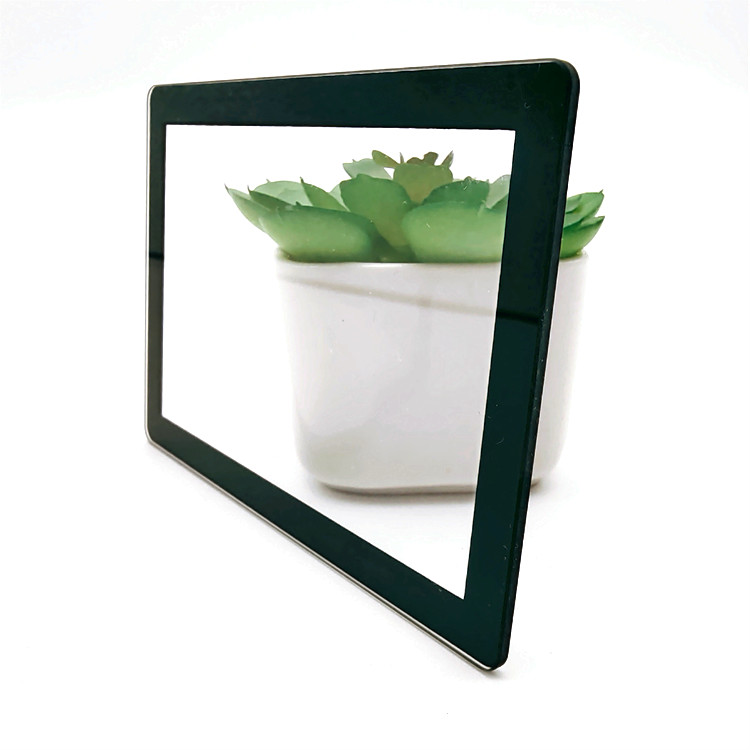
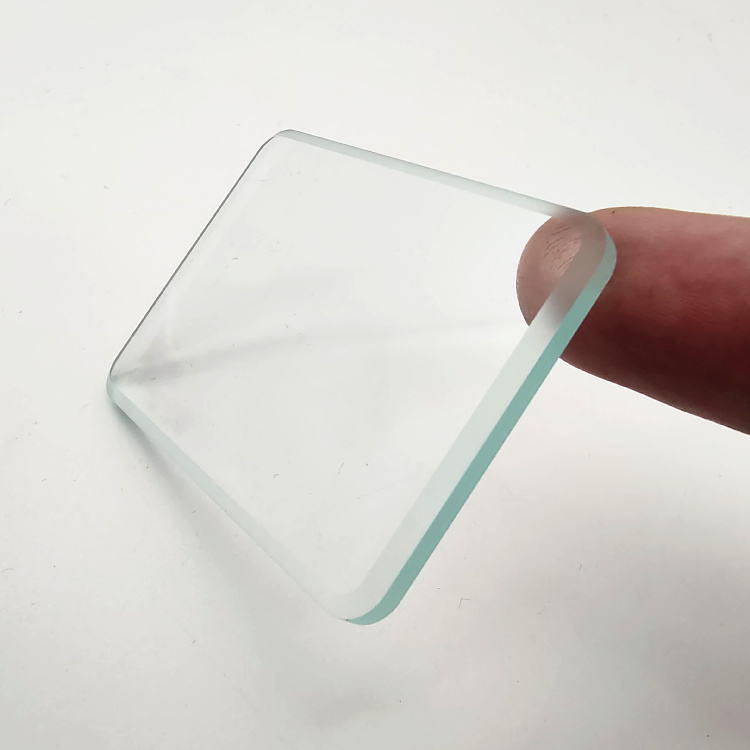
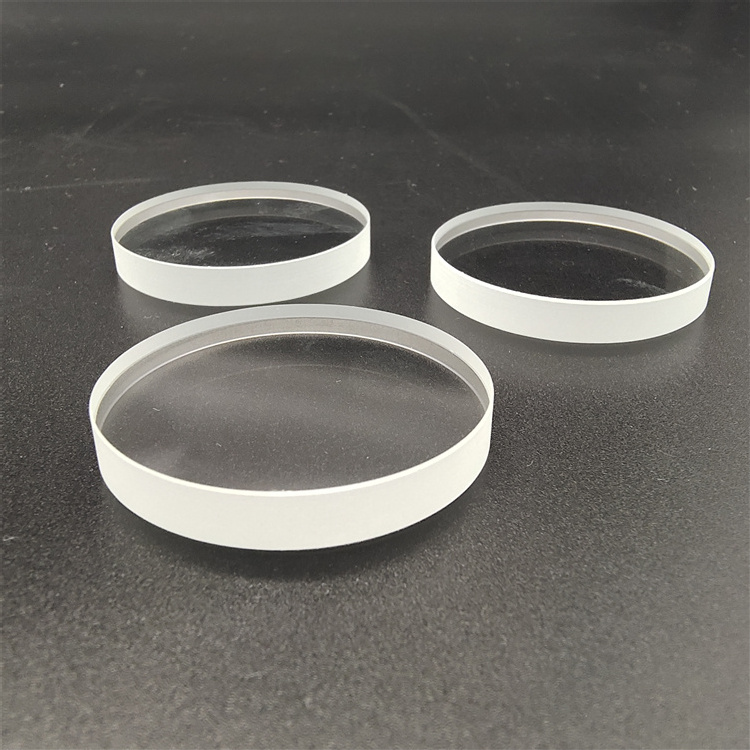
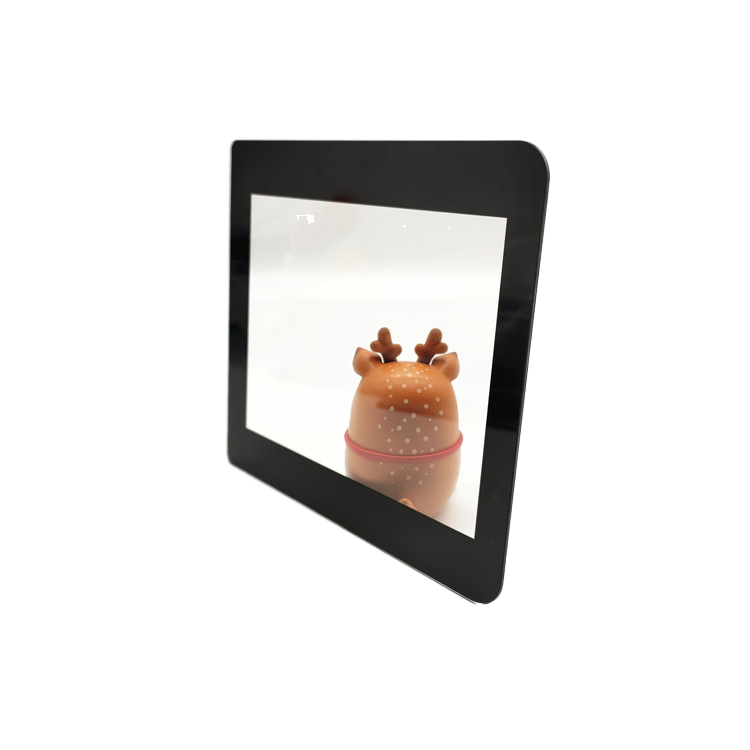
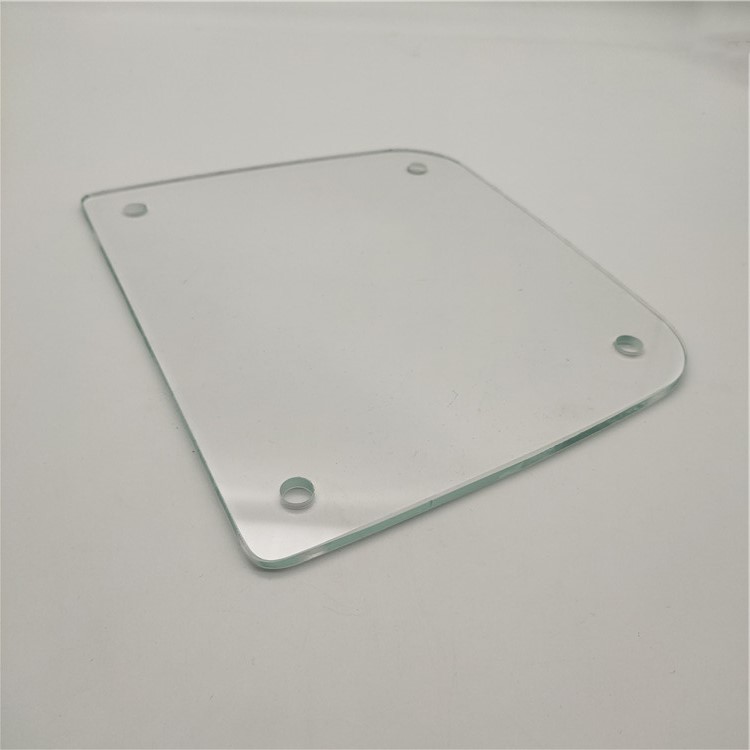
China Best Glass Cover Manufacturers & Wholesaler

Custom tempered, ultra-clear, frosted, printed, and AR / AG / AF-coated glass covers for displays, touch panels, LED lighting, smart switches, and industrial equipment — engineered in Dongguan, China, and supplied to buyers in America, Europe, and Asia.

0.2–19 mm thickness range 200,000+ pcs / month ≤3h average engineering reply 26% buyer reorder rate
Product Recommendations

8 Custom Glass Cover Products for 2025–2026 Sourcing

The eight products below are practical starting points for display, lighting, appliance, switch, and industrial equipment programs. Each item can be customized by drawing, thickness, edge type, holes, printing, coating, tempering, and export packing. Product URLs are retained from the original catalog so buyers can move directly from evaluation to technical review.

E-E-A-T & Production Evidence

Why This China Glass Cover Manufacturer Merits a Closer Look

The word “best” should be a qualification standard, not a slogan. For custom glass covers, buyers should verify experience, in-house process depth, optical competence, response speed, and repeat-order behavior before placing a mass-production order.

80+Skilled workers
26Glass processing machines
200K+Pieces / month output
≤3hAverage engineering reply
96.61%Buyer response rate
26%Buyer reorder rate
Dongguan Jaswe Glass factory and custom glass processing team
Glass processing workshop at Dongguan Jaswe Glass
Tempering and printing equipment at Jaswe Glass

Glass Processing Experience from Dongguan, China

Dongguan Jaswe Glass Co., Ltd. is a glass processing and export supplier based in Dongguan, Guangdong — one of the world’s densest electronics manufacturing clusters. The company processes custom tempered glass, ultra-clear glass, silk-screen printed glass, AR / AG / AF-coated glass, switch glass, electrical equipment glass, and LED lighting glass. This buyer guide is prepared with production and trade-profile information from Jaswe Glass; the figures below refer to the company’s own equipment and public trade record.

Experience on the floor. The company profile lists 51–100 employees, more than 80 production workers, 26 glass processing machines, and monthly output above 200,000 processed pieces. Its trade metrics report a 96.61% response rate, an average reply time of about three hours, and a 26% buyer reorder rate. Those numbers matter because custom glass is a specification-heavy purchase; a fast engineering response often determines whether a new product launch stays on schedule.

Expertise across the process chain. Cutting, CNC shaping, edge polishing, hole drilling, thermal tempering, silk-screen and ceramic printing, AG treatment, and AR / AF coating are managed under one quality system. Keeping these steps in-house reduces the finger-pointing that occurs when glass moves between subcontractors. It also gives buyers a single technical contact for tolerance questions, print color matching, and coating-stack recommendations.

Authority and trust signals. Jaswe serves America, Europe, and Asia, with annual revenue in the US$2.5M–US$5M range. The company’s stated quality philosophy is: “Scientific management, careful manufacture, high quality service, striving for excellence.” For procurement teams, the practical implication is that China sourcing should be evaluated as an engineering partnership — not only as a price comparison.

A qualified glass cover wholesaler should be able to explain how thickness, edge geometry, printing registration, coating durability, tempering, and export packing interact in your application.
LocationDongguan, Guangdong, China
Employees51–100 people
Annual revenueUS$2.5M – US$5M
Main marketsAmerica · Europe · Asia
Thickness range0.2 mm – 19 mm
Supplier statusOn-site verified · 6 years

Public verification: Supplier Assessment · Trade Capacity · Ratings & Reviews · Address: Room 202, Building 1, No. 14 Weige Road, Shipai Town, Dongguan, Guangdong, China.

Future Procurement Trends

2025–2030 Procurement Trends: What Smart Glass Cover Buyers Are Changing

Glass covers are no longer a commodity line item. They sit at the intersection of optical performance, mechanical protection, brand appearance, and user safety. Based on RFQ patterns and production planning discussions across display, appliance, lighting, and industrial programs, four procurement shifts are shaping supplier selection.

From lowest unit price to total landed cost

Buyers increasingly compare yield, breakage, coating durability, packaging cost, and engineering time — not just FOB price per piece. A slightly higher piece price can be cheaper if it reduces incoming inspection, line stoppages, and field returns. Request a landed-cost model that includes tempering loss, printing scrap, transit protection, and replacement risk.

China plus regional assembly, but not China minus process depth

Dual sourcing is now standard for risk management. However, thin tempered glass, multi-color ceramic printing, and AR / AG / AF coating often remain concentrated with qualified Chinese processors because the process chain is capital- and experience-intensive. The effective model is usually a qualified China partner for critical custom covers, backed by local assembly and buffer stock.

Documentation becomes part of the product

Procurement teams now ask for batch records, incoming glass certificates, coating run data, print color approvals, first-article inspection, and packaging validation. For regulated or brand-sensitive products, traceability is as important as the visual sample. Suppliers that can share process data during RFQ shorten qualification cycles and reduce surprise costs.

Optical specs move from “clear glass” to application targets

A cover that looks clear on a desk may fail under outdoor sunlight or a high-brightness HMI. Buyers now specify transmittance, reflection, haze, gloss level, fingerprint resistance, and viewing conditions. Application-based testing — not a generic data sheet — is becoming the basis for AR, AG, and AF decisions.

Product Development Trends

Product Development Trends in Custom Glass Covers

Design teams are asking glass suppliers to solve more than protection. A single cover may need to improve optical clarity, hide wiring, enable touch, resist fingerprints, and survive heat or cleaning chemicals. These four development directions are especially relevant for 2025–2030 product roadmaps.

Thin, stronger, and edge-critical glass

0.2–1.1 mm ultra-thin glass is moving into more display and control applications, but thinness increases handling risk. Beveled, stepped, polished, and matte edges are becoming design features that also protect users and reduce chipping. Buyers should approve edge drawings and handling specifications before mass production.

Multi-layer AR + AG + AF coating stacks

Combined coatings are replacing single-function treatments. A display may need low reflection, glare diffusion, and anti-fingerprint performance at once. The engineering challenge is balancing optical gain with durability and cost. Specifying the stack by viewing environment is more reliable than asking for “better coating.”

Printed smart surfaces and hidden windows

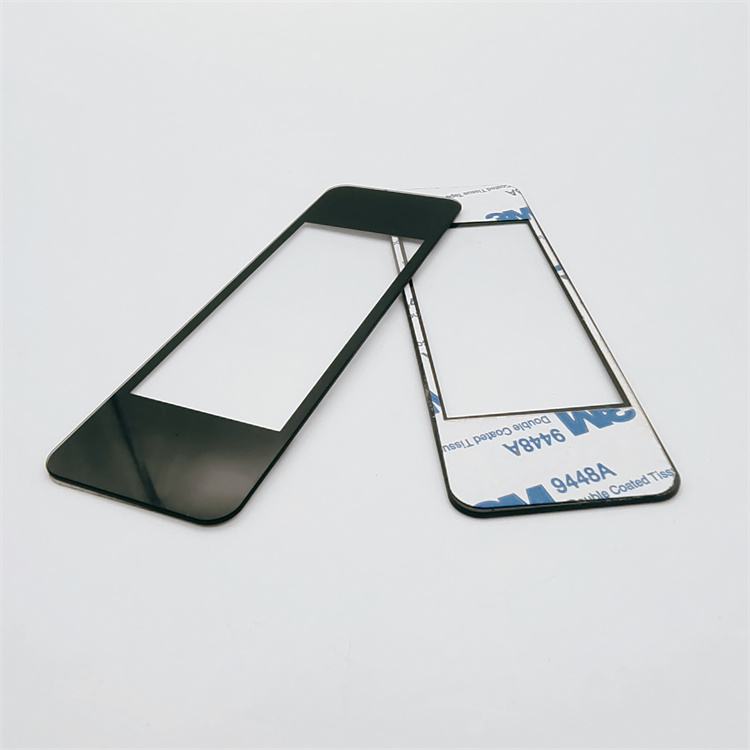
Silk-screen and ceramic printing now hide wiring, create capacitive key windows, provide brand color matching, and define dead-front displays. Holes for sensors, cameras, and LEDs are being combined with printed graphics. This shifts value from glass cutting to artwork control, registration, ink durability, and assembly-friendly tolerances.

Harsher environments and LED thermal demand

LED lighting, outdoor kiosks, industrial equipment, and appliances expose glass to heat, UV, cleaning chemicals, and impact. Tempering plus low-iron substrates plus durable printing and coating can prevent color shift, delamination, and breakage. Buyers should match thickness and coating to the actual thermal and cleaning cycle.

Selection Guide

AR vs AG vs AF vs Ultra Clear: A Buyer’s Selection Matrix

Use this matrix during early design review. Treatments can be combined; for example, an outdoor touch kiosk may require AG for glare, AF for fingerprints, and tempered low-iron glass for safety and color fidelity.

Glass typeWhat it solvesTypical applicationsEngineering tip
Ultra Clear (Low-Iron)Removes the green tint of standard float glass for truer colorDisplay covers, LED lamps, premium appliance panelsPair with white or light-color printing to avoid a greenish edge tone
AR Anti-ReflectiveCuts surface reflection, boosts contrast and transmittanceMedical and industrial monitors, display windows, camera coversSpecify single- or double-sided coating; double-sided gives the largest optical gain
AG Anti-GlareDiffuses glare from sunlight or overhead lightingOutdoor kiosks, vehicle and industrial HMIs, digital signageChoose gloss or haze level by viewing distance — finer haze for high-resolution screens
AF Anti-FingerprintRepels oil and sweat, keeps touch surfaces cleanerCapacitive touch panels, smart switches, POS terminalsApply as the final layer over AR or AG for touch products
Silk Screen Printed TemperedHides wiring, adds logos, icons, and display windowsSwitch plates, appliance controls, instrument panelsSend Pantone codes and transparent window dimensions with your drawing

Final optical values depend on glass thickness, substrate, and coating stack. Sample testing under the real viewing and cleaning conditions is recommended before mass production.

In-House Capability

Where Quality Is Actually Built: 8 Process Controls

A supplier’s equipment list is not a quality system by itself. Still, in-house capability reduces the number of handoffs and makes corrective action faster. Jaswe’s process chain covers cutting, shaping, edge work, drilling, tempering, printing, and optical coating.

Precision & CNC Cutting

Automatic cutting plus CNC shaping for rounds, notches, slots, and irregular outlines.

Edge Polishing

Pencil, flat, beveled, stepped, and matte edges for safe handling and clean appearance.

Hole Drilling

Holes and countersinks for buttons, sensors, cameras, knobs, and mounting screws.

Thermal Tempering

Furnace tempering strengthens glass for impact resistance and safer breakage behavior.

Silk Screen & Ceramic Printing

Multi-color logos, icons, borders, and display windows with color-matching support.

AG Anti-Glare Processing

Diffused matte surface that keeps screens readable under strong ambient light.

AR Anti-Reflective Coating

Optical coating that lowers reflection and raises transmission for brighter displays.

AF Anti-Fingerprint Coating

Oleophobic layer for touch screens — smoother glide, fewer smudges, easier cleaning.

Supplier Scorecard

How to Qualify a Glass Cover Wholesaler Before a Mass-Production PO

Samples are necessary but not sufficient. Use a weighted scorecard to compare engineering response, process control, traceability, packaging, and compliance. A score below 70 should trigger a second audit; below 60 is usually not worth mass production.

Evaluation areaWeightEvidence to requestRed flag
Process control & in-house coverage20%Process route, equipment list, in-house vs outsourced steps, control planMultiple critical steps subcontracted without disclosure
Optical performance & coating durability20%Transmittance and reflection data, haze and gloss level, adhesion or abrasion test recordsCoating claims without a stated test method
Inspection & traceability15%First-article report, batch records, defect standard, packing audit“No need to inspect” language or no batch identification
NPI & tooling speed15%DFM feedback, sample plan, print color approval process, CNC program controlSample lead time not tied to drawing maturity
Export packaging & logistics15%Interleaved and edge-protected packing, transport validation, carton labelingGlass shipped loose or without edge protection
Compliance & communication15%Material declarations, RoHS/REACH request support, response record, English technical contactVague answers on material source or test reports

For critical programs, pair the scorecard with a paid sample build, a video or on-site process walkthrough, and a defined deviation-approval workflow.

Procurement FAQ

Questions Overseas Buyers Ask Most Before Ordering Glass Covers

These answers reflect common RFQ topics for custom tempered, printed, ultra-clear, and AR / AG / AF-coated glass. Final specifications should always be confirmed against your drawing and application.

What thicknesses can custom glass covers be produced in?

The current range covers 0.2 mm ultra-thin electronic glass through 19 mm flat tempered glass. Common display and touch cover thicknesses are 0.5, 0.7, 1.0, 2.0, 3.0, and 4.0 mm; lighting and industrial windows often use 3–8 mm. Final thickness should be chosen against impact, weight, optical, and assembly requirements.

What is the minimum order quantity for custom glass?

Most custom items begin around 100–500 pieces, depending on size, printing, coating, and tempering setup. Standard clear tempered pieces can sometimes be supplied in smaller evaluation quantities. For a new product introduction, ask for a sample plan separate from the mass-production MOQ.

How do AR, AG, and AF coatings differ?

AR reduces surface reflection and increases light transmission; AG diffuses reflected light to reduce glare; AF is an oleophobic top layer that resists fingerprints and makes cleaning easier. They can be combined. Specify the viewing environment and whether the surface will be touched, because that determines the coating stack.

Which processes are actually done in-house?

Cutting, special-shaped and CNC cutting, edge polishing, hole drilling, thermal tempering, silk-screen and ceramic printing, AG processing, and AR / AF coating are part of the in-house process chain. Buyers should still confirm the exact route for their drawing, because very large formats or special treatments may require a defined exception.

What should I send with an RFQ?

Send a DXF, DWG, or PDF drawing; glass thickness; outline and corner radii; edge type; hole and slot positions; printing colors or Pantone references; transparent window dimensions; coating requirements; application; annual volume; and target sample date. A photo of the assembly is also useful when the glass must fit an existing housing.

How do I approve optical quality and print color?

Approve a physical sample under the actual viewing conditions, not only on a monitor. For printing, define the color standard, lighting condition, and acceptable color difference; for coatings, request transmittance, reflection, or haze data plus a durability test appropriate to the cleaning method. Keep the approved sample and limit sample to the production record.

How are glass covers packed for export?

Custom glass should be interleaved, edge-protected, and packed to prevent movement during transit. The pack plan should match size, thickness, coating, and shipping mode. For coated or printed parts, ask for a packaging validation record and clear carton labeling so incoming inspection can match the lot.

How should buyers compare China glass cover suppliers?

Compare engineering response, process depth, inspection records, packaging discipline, and reorder history — not only price. Use a weighted scorecard and a paid or approved sample step. A supplier with fast replies but limited process control can still create expensive line problems.

Can you support small-batch and NPI orders?

Yes, custom programs can begin with engineering review and physical samples before mass production. The best approach is to share the annual forecast plus launch quantity, because tooling, printing screens, and coating setup are affected by volume.

What is the fastest way to start a custom glass cover project?

Use the Inquire Now button, then send your drawing and key specifications, including application, annual volume, and any optical or printing requirements. The engineering team can review manufacturability before sampling and recommend the process route, coating stack, and packing method.

Send Your Drawing for a Glass Cover Engineering Review

Share your specification and we will evaluate thickness, outline, edge, holes, printing, AR / AG / AF coating, tempering, and export packing. For faster review, include the following details with your inquiry.

DXF / DWG / PDF drawing Annual volume & sample date Application, viewing and cleaning conditions
Inquire Now info@jasweglass.com