China Best Glass Lens Factory & Supplier
A practical sourcing guide to custom glass lenses and cover glass for displays, touch panels, LED fixtures, smart switches, appliances and industrial instruments — engineered in Dongguan, China, with in-house cutting, CNC shaping, tempering, printing and optical coating.
Eight Glass Lens & Cover Glass Products for High-Intent Buyers
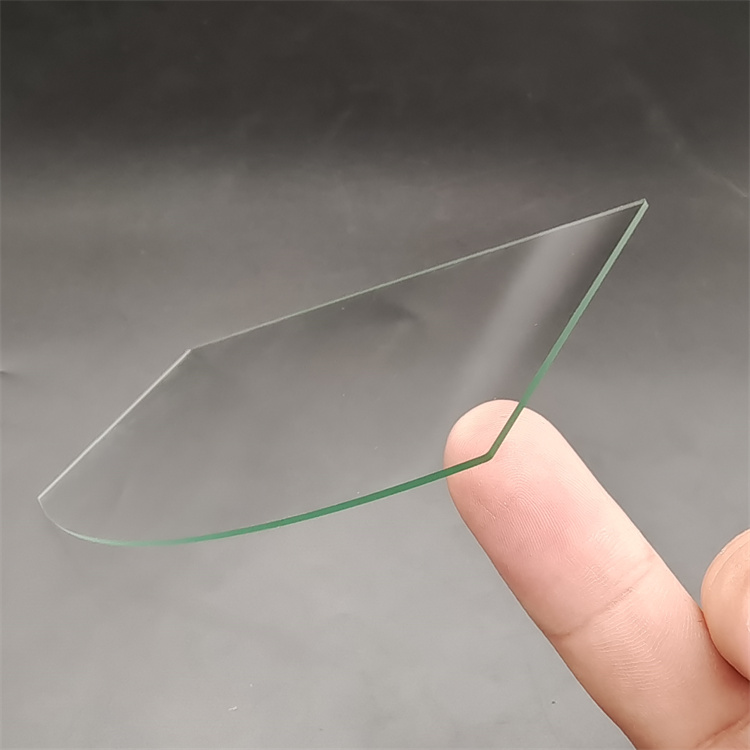
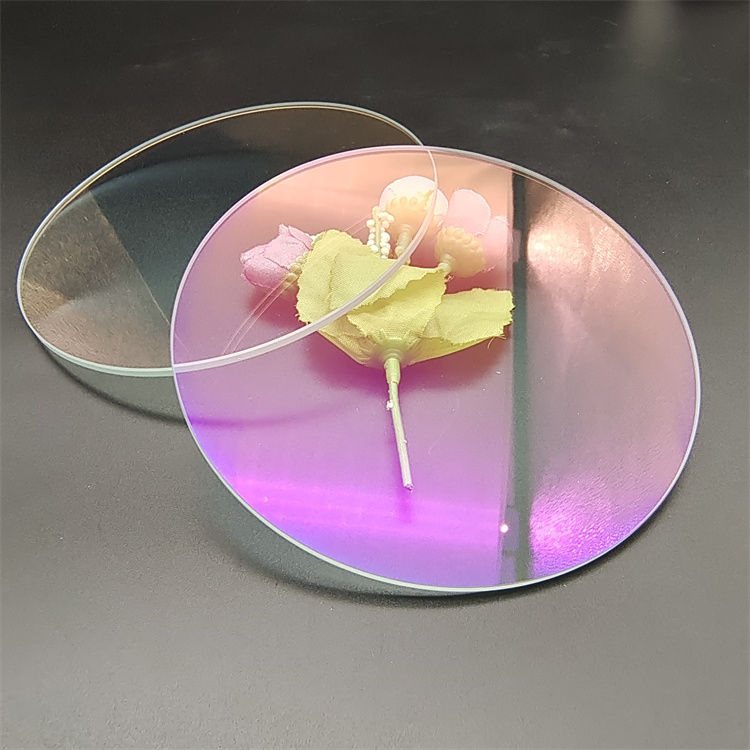
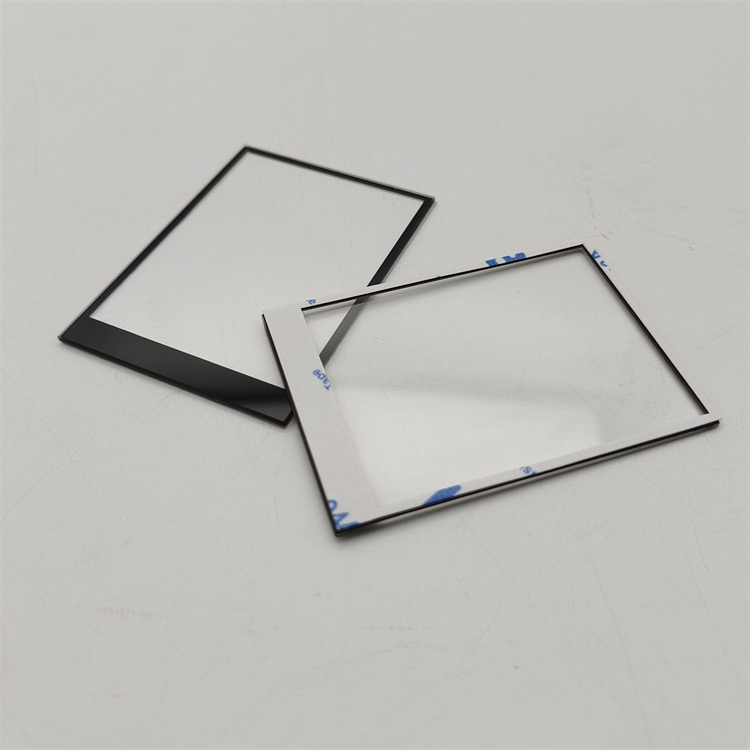
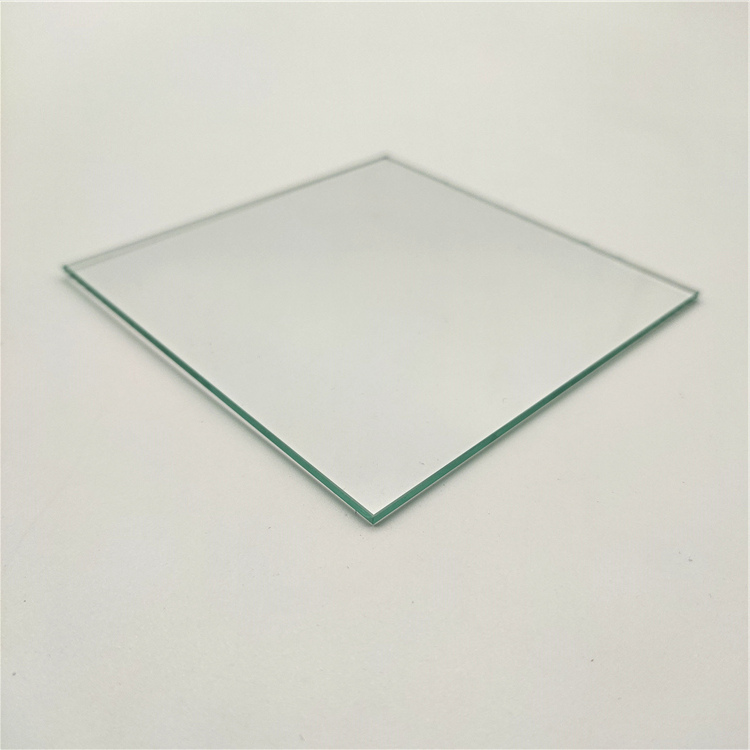
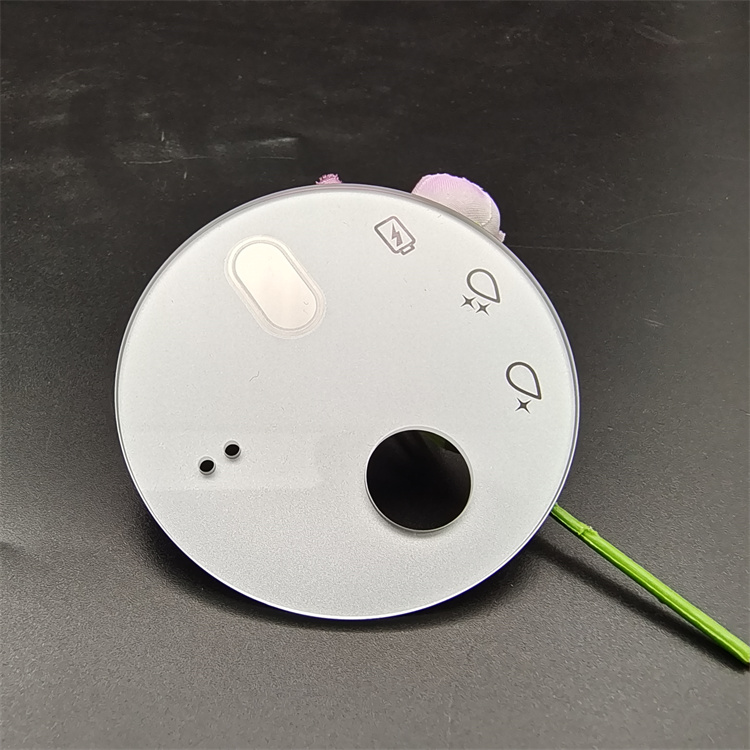
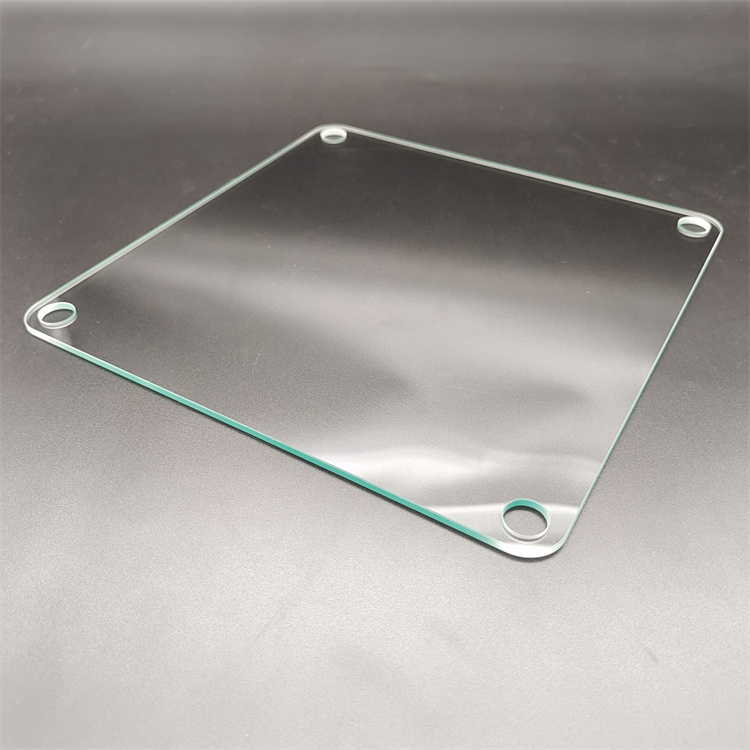
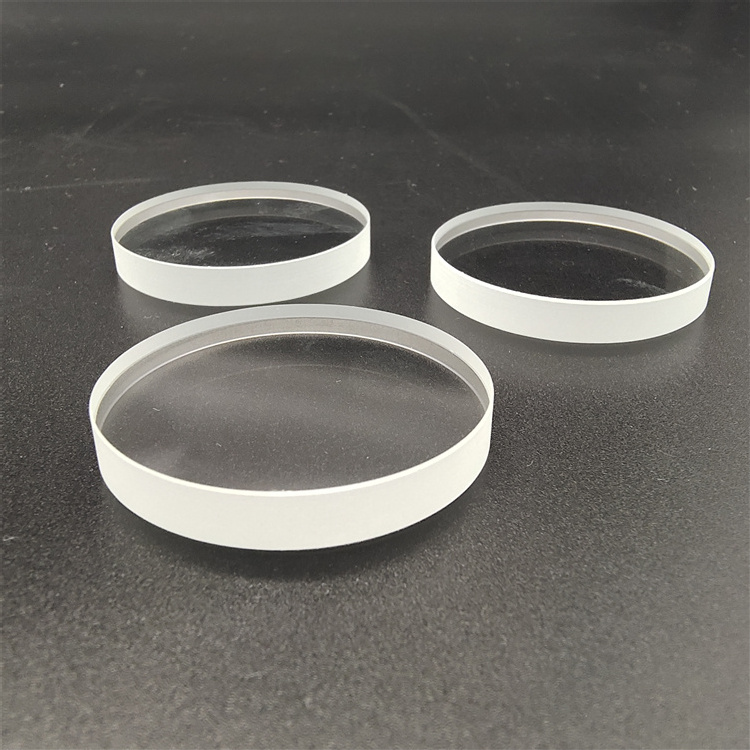
These products cover the most common custom requests: ultra-thin protective glass, anti-reflective display windows, printed control panels, drilled appliance covers, round lamp lenses and decorative glass covers. Each item is made to drawing, so size, thickness, edge work, printing and coating can be reviewed together.

Why the Search for a “China Glass Lens Factory” Has Changed
High-intent buyers are no longer searching only for a low unit price. They are looking for a manufacturing partner that can control optical performance, printed graphics, edge quality, breakage risk and delivery consistency across repeated orders.
In B2B glass sourcing, the phrase glass lens factory is often used more broadly than the camera-lens market implies. Depending on the application, it may refer to a custom display cover lens, a touch-screen glass lens, an LED lighting lens cover, a sensor window, an instrument viewing window or a printed appliance control panel. This matters for SEO and procurement because the same buyer may use different search terms for the same physical part: “glass lens supplier,” “tempered glass cover factory,” “AR coated glass manufacturer,” “custom glass panel supplier” or “touch glass OEM.” The strongest supplier is therefore not the one that ranks for one phrase, but the one that can demonstrate the right process stack and quality evidence for the intended application.
For a serious sourcing team, the decision usually comes down to five practical questions. Can the factory cut and shape glass to the drawing without hiding subcontracting steps? Can it control optical transmission, reflection, haze, color and printing registration? Can it supply a first article that matches the approved sample? Can it protect thin glass during export packing? And can it scale from prototype quantities to monthly production without changing the process route? These questions are more useful than a claim to be the “best” in a generic sense. The best glass lens supplier is the one whose process capability fits the final product, not simply the one with the lowest quotation.
Google’s quality rater guidelines reward content that demonstrates experience, expertise, authority and trust. For industrial glass, that means explaining real manufacturing trade-offs: why ultra-clear low-iron glass may be needed for a white LED cover, why double-sided AR coating can outperform single-sided coating on a display window, why AG treatment may be more important than raw transmittance for an outdoor kiosk, and why print color should be checked after tempering rather than before. Buyers also need transparent signals: in-house processes, inspection stages, response performance, repeat purchase data and a clear path from drawing to sample to mass production.
Dongguan Jaswe Glass Co., Ltd. operates in this exact custom-glass niche. The company is based in Dongguan, Guangdong, China — an electronics and appliance supply-chain cluster — and supplies custom tempered, ultra-clear, silk-screen printed, AR / AG / AF coated glass for displays, touch panels, switches, LED lighting and electrical equipment. Its published profile lists 51–100 employees, 26 glass-processing machines, monthly output above 200,000 pieces and main markets in America, Europe and Asia. Those figures are not a substitute for a factory audit, but they do provide useful context for buyers comparing a specialized processor against a general trading company.
What high-intent buyers evaluate before inquiry
Scale reflects the relative importance of sourcing criteria in custom display-glass programs; it is not a third-party rating.
Which Glass Lens or Cover Glass Should You Choose?
Start with the environment the glass must survive and the optical function it must perform. A smart-switch panel, a sunlight-readable outdoor display and an LED lamp cover may all be “glass lenses” in sourcing language, but they need different substrates, printing, coatings and edge treatment.
Display & Touch Cover Glass
Use ultra-clear tempered glass with AR and AF coating for touch panels, POS terminals, industrial HMIs and consumer displays. Recommended thickness: 0.5–3 mm for compact electronics, 3–4 mm where impact resistance matters.
Outdoor & Industrial HMI Windows
AG anti-glare treatment is usually the priority when sunlight or strong overhead lighting causes reflections. Combine AG with AF for touch use, or AG with AR where both glare diffusion and contrast are needed.
Smart Switch & Appliance Panels
Silk-screen and ceramic printing can hide wiring, define icon windows, add brand color and create a premium flat front. The glass can be tempered after printing so the ink remains durable in daily use.
LED Lighting Lenses & Covers
Round, rectangular and linear glass covers can be printed with black borders, white diffuser windows or decorative patterns. Ultra-clear glass gives cleaner color, while frosted or AG surfaces soften light.
Sensor & Camera Windows
For camera, security and sensor devices, the glass lens window must protect the aperture without degrading image contrast. Specify AR coating, ultra-clear substrate and precise cut-outs for the field of view.
Custom Size & Shape Glass
Rounds, rectangles, triangles, notches, slots and drilled holes can all be produced from a drawing. For first-time buyers, send DXF, DWG or PDF files plus target annual volume so the engineering team can confirm manufacturability.
Six Procurement Shifts Reshaping Glass Lens Sourcing
Purchasing teams are moving from transactional buying toward risk-managed supplier partnerships. The following trends are especially relevant for overseas buyers sourcing custom glass from China.
One Factory Instead of Five Vendors
Cutting, CNC shaping, edging, drilling, tempering, printing and coating under one roof reduce handling damage and finger-pointing. Integrated processing also shortens the sample loop because engineering changes do not need to travel between subcontractors.
Total Landed Cost Replaces Unit Price
Thin glass can fail in transit if packing is weak. Smart buyers now compare breakage allowance, replacement cost, inspection time, freight volume and assembly-line downtime, not just the price printed on the quotation.
Digital Specifications Become Mandatory
DXF, DWG and PDF drawings, Pantone or RAL color references, 2D inspection reports and sample approval photos reduce ambiguity. A supplier that can read and mark up engineering files is usually faster to qualify.
Traceability & First Article Inspection
Repeat orders need consistency. Batch records, material declarations, dimensional reports and retained samples are becoming normal expectations for display, appliance and industrial customers.
Low-Volume Prototyping with Scale-Up
R&D teams need small evaluation batches before committing to tooling and volume. A realistic factory should separate sample validation from mass production while keeping the same process route.
Supply-Chain Resilience
Buyers are looking for backup capacity, stable material sources and predictable communication. Fast engineering replies and repeat-order rates are practical signals of whether a supplier can support a long-term program.
How Glass Lens Products Are Evolving
The next generation of display covers and control panels combines thinner substrates, tighter printing, better optical stacks and more integrated manufacturing data. These changes affect what buyers should specify in 2025 and beyond.
Ultra-Thin 0.2–0.7 mm Glass
Electronic-grade ultra-thin glass is increasingly used in compact devices, protective windows and lightweight appliances. Handling, edge quality and packaging become more important as thickness decreases.
Multi-Layer AR / AG / AF Stacks
One coating rarely solves every optical problem. A display may need AR for contrast, AG for glare control and AF for touch cleanliness. Suppliers must be able to discuss the trade-offs rather than simply quote a coating name.
Printed Windows & Hidden Icons
Silk-screen printing is moving beyond simple logos. Black masks, transparent icon windows, gradients, borders and indicator zones are all integrated into the glass to reduce assembly parts.
Edge-to-Edge Industrial Design
Designers want flatter, cleaner front faces with narrow borders and precise hole positions. CNC shaping, edge polishing and print registration determine whether the assembled product looks premium.
Ceramic Ink Durability
Tempered glass with ceramic printing is valued for appliances and LED fixtures because the printed layer can withstand heat and daily cleaning. Color stability after tempering should be verified on the sample.
Application-Specific Testing
Buyers increasingly test glass against the real environment: sunlight readability, repeated wiping, humidity, thermal stress and drop or impact risk. The specification should match the failure mode that matters.
AR vs AG vs AF vs Ultra Clear: A Practical Buyer’s Guide
Use this matrix during design review. The same glass lens can combine several treatments, but each layer should be justified by the final application.
| Glass Type / Treatment | What It Solves | Typical Application | Buyer Checklist |
|---|---|---|---|
| Ultra Clear Low-Iron Glass | Reduces the green tint of standard float glass and improves color fidelity. | Display covers, LED lamp lenses, white appliance panels, premium switch plates. | Confirm substrate grade, visible edge color and target transmission on the sample. |
| AR Anti-Reflective Coating | Lowers surface reflection and increases contrast, especially under controlled lighting. | Industrial monitors, medical displays, camera windows, optical instrument covers. | Specify single- or double-sided coating; double-sided usually gives the larger optical gain. |
| AG Anti-Glare Finish | Diffuses reflected light so the screen remains readable in sunlight or strong ambient light. | Outdoor kiosks, vehicle HMIs, factory control panels, digital signage. | Choose haze / gloss level based on viewing distance and screen resolution. |
| AF Anti-Fingerprint Coating | Repels oil, sweat and smudges and improves the touch feel. | Capacitive touch panels, smart switches, POS terminals, interactive displays. | Apply as a top layer over AR or AG; check abrasion resistance during sample validation. |
| Silk Screen Printed Tempered Glass | Hides wiring, adds icons and creates transparent display windows or decorative borders. | Appliance panels, switch glass, instrument windows, LED covers. | Send artwork, Pantone codes, window dimensions and tolerance requirements. |
| Drilled & CNC-Shaped Glass | Allows buttons, sensors, screws and connectors to pass through the lens. | Home appliances, industrial instruments, card readers, control boxes. | Check hole-to-edge distance, minimum hole diameter and edge-chip acceptance criteria. |
Final optical values depend on substrate, thickness, coating stack and viewing conditions. Always approve a physical sample before mass production.
Inside Dongguan Jaswe Glass: Integrated Processing, Export Focus
Jaswe Glass is a custom glass processor serving overseas buyers who need tempered, ultra-clear, printed and coated glass for displays, touch panels, LED lighting, smart switches and electrical equipment.
Located in Dongguan, Guangdong, China, Dongguan Jaswe Glass Co., Ltd. sits inside one of the world’s densest electronics and appliance manufacturing clusters. That location supports faster material access, engineering communication and sample iteration for B2B buyers. The company’s published product scope covers custom tempered glass panels from ultra-thin electronic grades through flat tempered display glass, with in-house capabilities for cutting, special-shaped CNC processing, edge polishing, hole drilling, tempering, silk-screen and ceramic printing, AG processing and AR / AF coating.
For buyers, the advantage is not simply that these processes exist. It is that they can be reviewed as one manufacturing system. A printed glass cover that is tempered after printing has different quality requirements from a printed glass that is tempered first. An AR-coated display window must be evaluated with the chosen substrate and print. A thin 0.5 mm cover needs packing that prevents edge chipping during export. These are the details that separate a reliable glass lens supplier from a catalog-only seller.
“Scientific management, careful manufacture, high quality service, striving for excellence.”
Verification matters. The company’s public profile includes ratings and reviews, supplier assessment, trade capacity, transaction level, trade history and a credit index. For procurement teams, these links are a starting point for due diligence and a useful complement to direct samples, factory audits and references.



Comprehensive QC
Inspection at cutting, edging, tempering, printing and coating stages before packing.
Fast Engineering Reply
Average response within 3 hours and a 96.61% response rate to buyer messages.
Repeat Business
A 26% buyer reorder rate across lighting, electronics and appliance programs.
Eight Processing Steps That Determine Glass Lens Quality
From raw sheet to finished cover glass, quality is created at each station. Keeping these steps under one roof makes it easier to control tolerances and resolve issues before shipment.
Precision & CNC Cutting
Automatic cutting and CNC shaping for rounds, notches, slots and irregular outlines.
Edge Polishing
Flat, pencil, beveled, stepped and matte edges for safe handling and clean appearance.
Hole Drilling
Holes and cut-outs for buttons, sensors, cameras, knobs and mounting screws.
Thermal Tempering
Strengthens glass for impact resistance and safer breakage behavior in use.
Silk Screen Printing
Multi-color logos, icons, borders and transparent display windows with color matching.
Ceramic Printing
Durable printed layers for appliance, switch and LED lighting glass panels.
AG Processing
Diffused matte surfaces that keep screens readable under strong ambient light.
AR / AF Coating
Optical AR coating for lower reflection and AF treatment for cleaner touch surfaces.
From Drawing to Delivery in Five Clear Steps
A predictable process is especially important for buyers ordering custom glass from overseas. Every step should produce a document, sample or approval record.
Send Requirements
Drawing, thickness, edge type, printing, coating, application and estimated annual volume.
Engineering Review
Manufacturability check, tolerance review and process route recommendation within hours.
Sampling
Physical samples for fit, color, optical performance and assembly checking.
Mass Production
Batch production with inspection at cutting, edging, tempering, printing and coating stages.
Packing & Shipping
Interleaved, edge-protected export packing designed for thin glass and long-distance transit.
Where Custom Glass Lenses Go to Work
Jaswe Glass supplies custom cover glass for electronic displays, LED lighting, smart home controls, home appliances, industrial instruments and security devices.

Touch & Display Electronics
Cover lenses for LCD, TFT and capacitive touch modules.
LED Lighting Fixtures
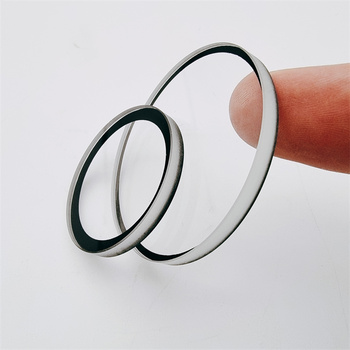
Downlight, panel, linear and wall-washer glass covers.
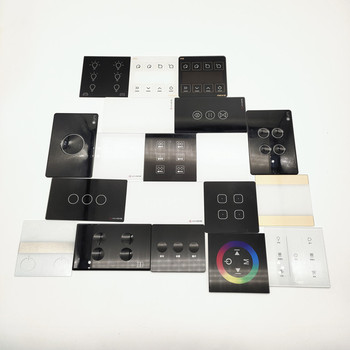
Smart Home & Switches
Printed switch plates and smart control panels with icon windows.
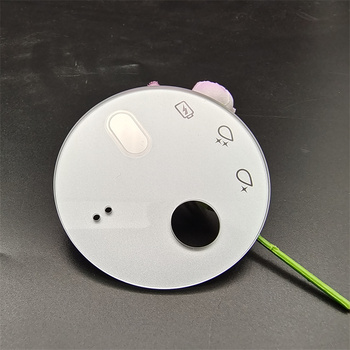
Home Appliances
Control panels for kitchen and household devices.

Industrial Instruments
Meter windows and HMI covers for electrical equipment.
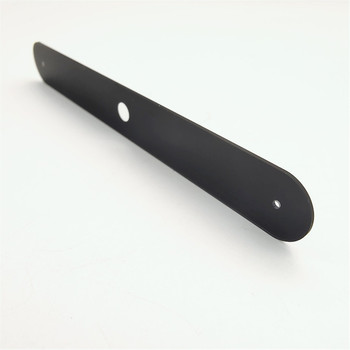
Security & Camera Devices
Printed lens covers with precision cut-outs for sensors and cameras.
What Separates a Real Glass Lens Factory from a Trading Listing?
Use the following evidence-based comparison during supplier qualification. A credible factory should be able to explain where each process happens and how quality is recorded.
| Evaluation Area | Low-Confidence Signal | High-Confidence Evidence |
|---|---|---|
| Process Integration | Quotes every step but cannot explain who performs tempering, printing or coating. | In-house machine list, process flow, workshop photos and sample travel through each station. |
| Optical Performance | Gives a generic “high transmittance” claim without thickness or coating details. | Physical samples, measured transmission / reflection targets and clear AR, AG or AF recommendations. |
| Engineering Communication | Accepts drawings without checking tolerances, hole spacing or print registration. | Marked-up drawing, manufacturability review and process suggestions before quoting. |
| Quality Traceability | No first article report, no retained sample and no inspection record. | Dimensional report, sample approval photo, batch record and defined inspection points. |
| Export Packing | Uses one packing method for all sizes and thicknesses. | Edge protection, interleaving, moisture protection and packing designed for thin glass. |
| Responsiveness | Slow technical replies and unclear ownership of project questions. | Measured response rate, named contact, engineering feedback and repeat buyer activity. |
Common Questions About Custom Glass Lens Sourcing
These questions reflect the typical concerns of overseas buyers evaluating a China glass lens factory for the first time.
Can you customize glass lens size, shape and thickness?
Yes. Custom glass lenses and cover panels can be cut to round, rectangular, triangular or irregular outlines. Thickness ranges from ultra-thin electronic glass to flat tempered glass, with 0.5 mm, 0.7 mm, 1 mm, 2 mm, 3 mm and 4 mm being common for display and control panels. Holes, notches, slots, edge polishing and printing can be included on the drawing.
What is the difference between AR, AG and AF glass?
AR anti-reflective coating reduces surface reflection and can improve contrast and light transmission. AG anti-glare treatment diffuses reflected light so the screen remains readable under strong light. AF anti-fingerprint coating is an oleophobic top layer that resists smudges and improves touch feel. They can be combined on one glass lens depending on the application.
What is the minimum order quantity for custom glass?
Most custom items start at 100–500 pieces depending on size, printing, coating and edge work. Standard clear tempered pieces may be supplied in smaller sample quantities for evaluation. For first-time projects, the most efficient path is to share the drawing, target annual volume and prototype quantity so the factory can recommend a realistic sample plan.
Which processes are completed in-house?
Cutting, special-shaped and CNC cutting, edge polishing, hole drilling, tempering, silk-screen and ceramic printing, AG processing and AR / AF coating are handled as integrated glass processing steps. Keeping these operations coordinated helps control dimensional consistency, print alignment and surface quality.
How should I send an inquiry for a custom glass lens?
Send a DXF, DWG or PDF drawing with dimensions, thickness, edge type, hole positions, printing artwork, color references, coating requirement, application, sample quantity and estimated annual volume. If you have an existing sample or a photo of the assembly, include it. Engineering review is faster when the drawing shows critical tolerances and the environment the glass must survive.
What is the production capacity and lead time?
Jaswe Glass publishes a monthly capacity above 200,000 pieces with 26 glass-processing machines and more than 80 workers. Lead time depends on size, printing, coating, tempering and order quantity. Sampling usually comes first, followed by mass production after sample approval. For planning, confirm the sample schedule and the production schedule separately.
Have a Drawing Ready? Get an Engineering Review.
Share your glass lens drawing, target thickness, printing, coating, application and estimated volume. The Jaswe Glass team can review manufacturability and recommend a practical process route before samples are made.