Industry White Paper · 2025–2026 Sourcing Edition

China Best Impact Resistant Glass Factories & Wholesaler

A practical, E-E-A-T-led guide to selecting a custom tempered glass manufacturer for displays, touch panels, LED lighting, appliance panels and industrial equipment — with engineering criteria, procurement trends and verifiable factory advantages.

Product Recommendations

8 Impact-Resistant Glass Products Recommended by Application

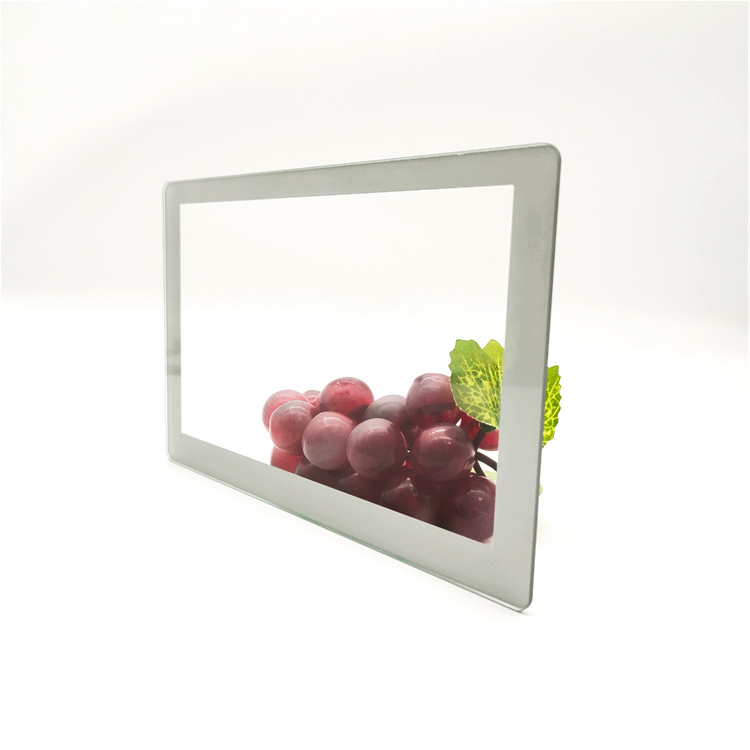
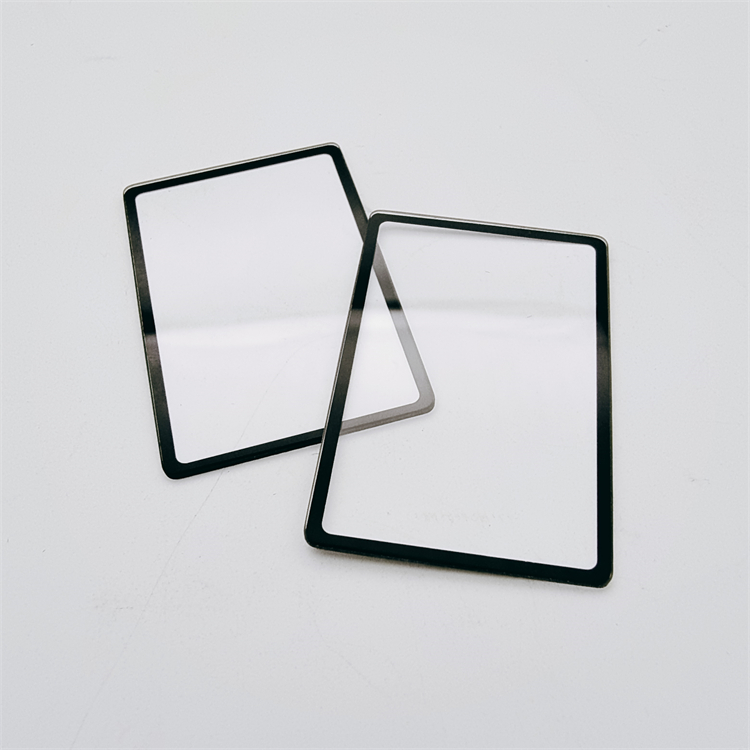
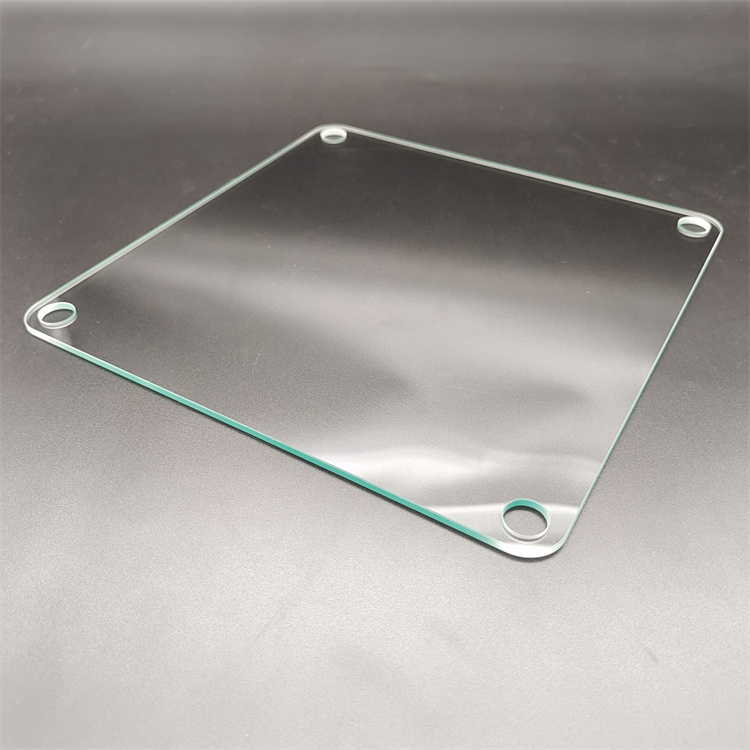
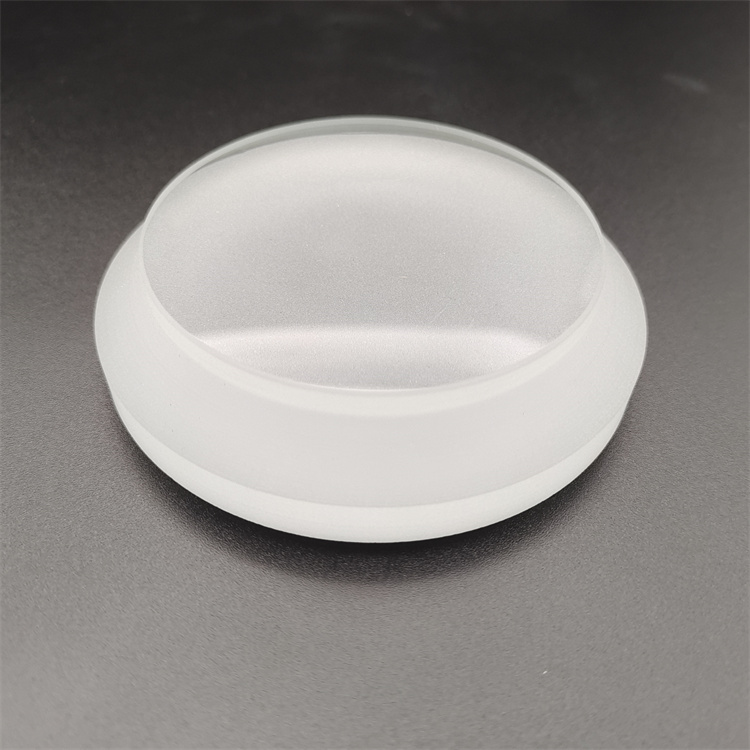
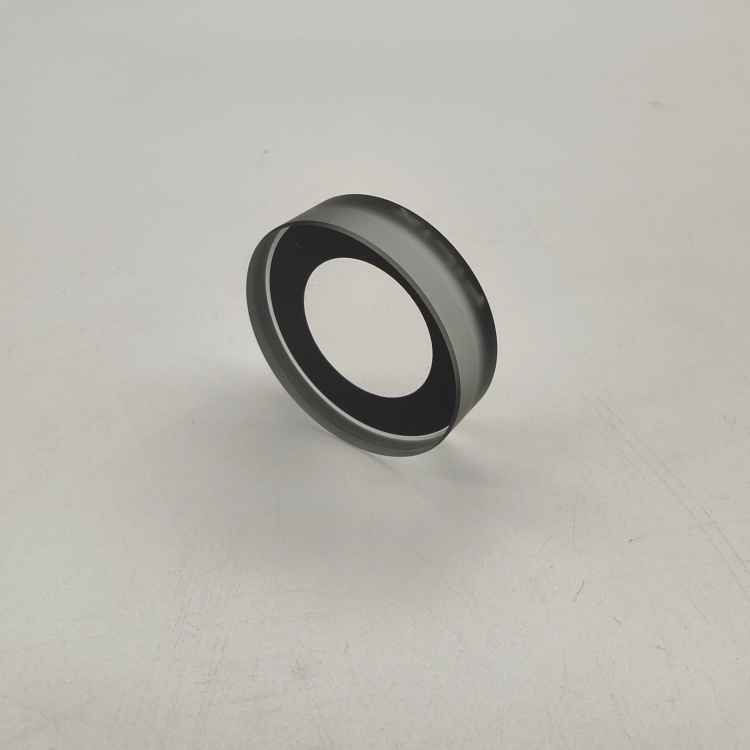
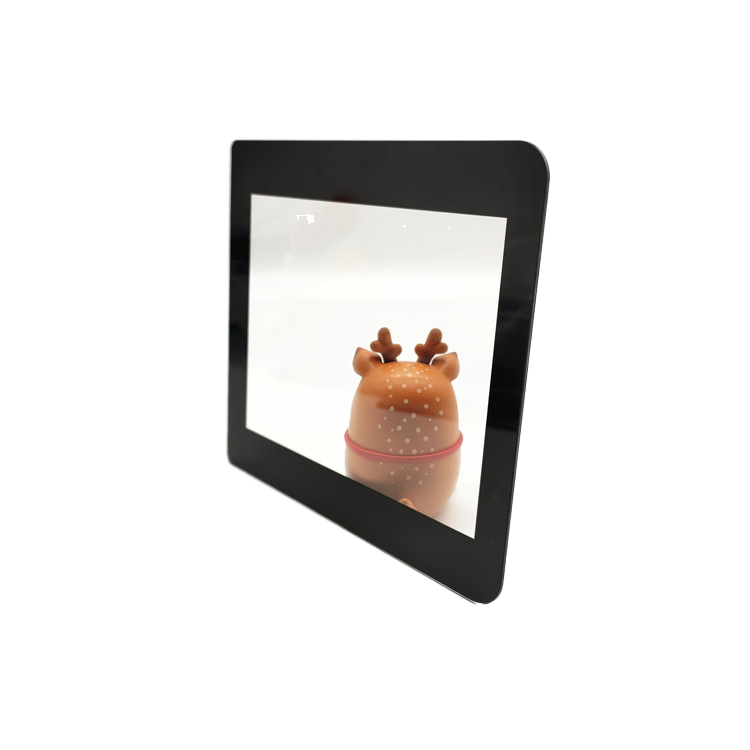
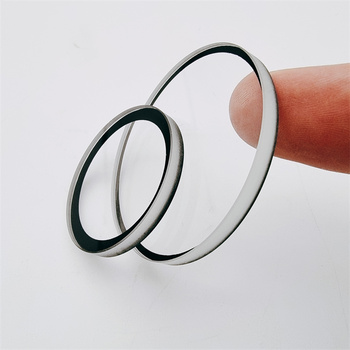
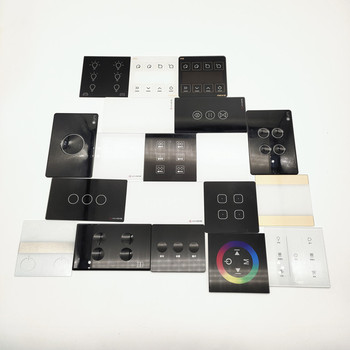
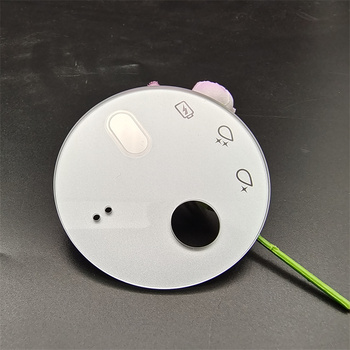
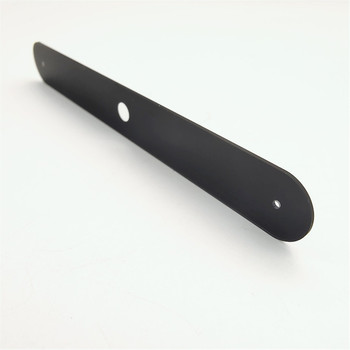
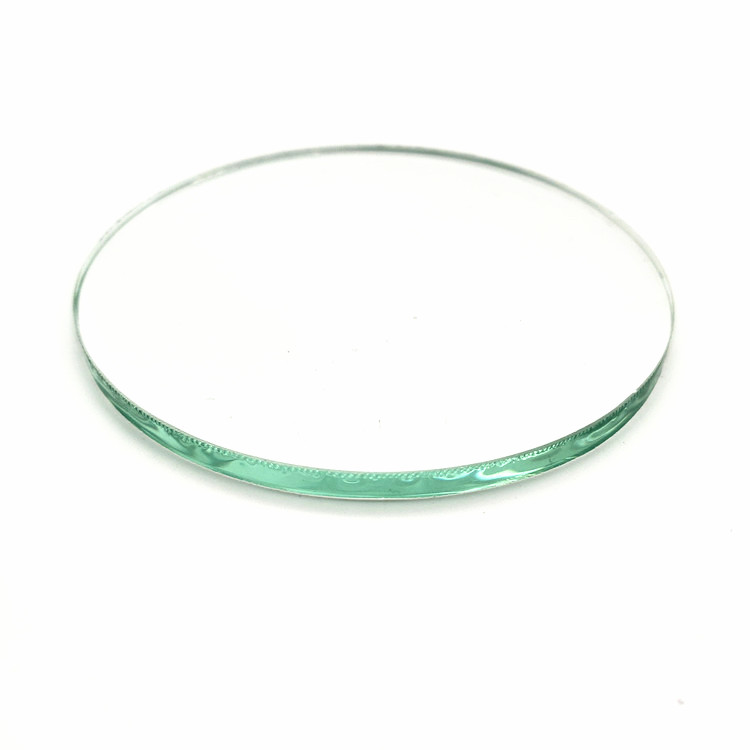
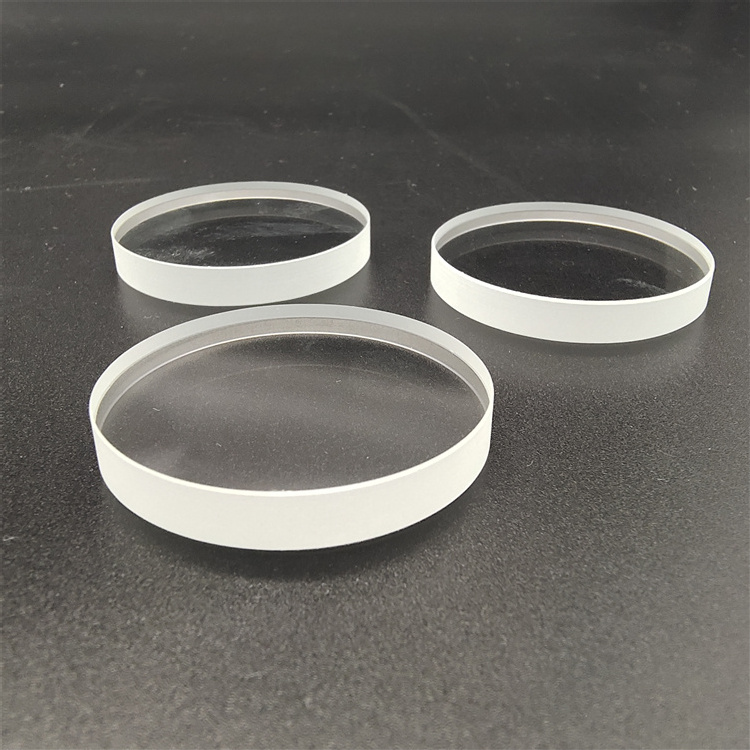
These eight products reflect repeatable demand patterns across display electronics, LED lighting, smart switches, appliance control panels and industrial instruments. Each item can be customized by thickness, outline, edge profile, drilled holes, printing, AR / AG / AF coating, adhesive backing and export packing. Product URLs are preserved exactly; images are displayed in full proportion.

E-E-A-T Sourcing Framework

What “Best” Should Mean for Impact-Resistant Glass

In a category where breakage claims are easy to publish and difficult to verify, the strongest supplier is not the one with the lowest quote or the longest service list. It is the one that can reproduce edge quality, thickness tolerance, stress pattern, coating adhesion, print registration and packing consistency across repeat orders.

For OEM buyers, impact resistance is a system property: glass composition, edge finishing, hole quality, tempering control, coating stack and installation design all influence real-world strength. A factory that understands these interactions can prevent failures before they appear in field returns. A wholesaler that only passes specifications can create hidden cost through chipping, delamination, optical inconsistency and delayed engineering feedback.

Evidence beyond thickness

A 3 mm tempered cover glass can outperform a poorly processed 5 mm panel when edges are polished correctly, holes are stress-relieved and the tempering cycle is stable. Buyers should ask for edge-chip limits, fragmentation pattern records, flatness tolerances, hole-position verification and batch traceability.

Edge and hole quality drive yield

Most breakage starts at a micro-chip, a rough hole wall or an improperly polished contour. For equipment windows, touch panels and LED covers, CNC shaping and controlled edge profiles are not cosmetic details; they directly affect impact durability, assembly fit and safety behavior.

Optical and printed performance must match assembly

AR, AG, AF and silk-screen printing are interdependent. A display window that looks good in a sample may fail when paired with an LCD, touch sensor or LED source. The correct supplier evaluates transmittance, haze, reflection, ink adhesion and registration against the final module.

Factory Data Snapshot

Verifiable Capacity Signals for Wholesale Buyers

Public company-profile data helps procurement teams separate a qualified custom glass factory from a trading intermediary. The figures below reflect the operating profile of Dongguan Jaswe Glass Co., Ltd.

80+Skilled workers
26Glass processing machines
200K+Pieces per month
≤3hAverage engineer response
96.61%Buyer message response rate
26%Reorder rate
Procurement Outlook

2025–2026 Trends Reshaping China Glass Sourcing

Buyers are no longer comparing factories only on unit price. They are evaluating engineering response, process integration, optical consistency and documentation. These four shifts are especially relevant to impact-resistant glass for displays, lighting and industrial equipment.

Integrated factories win over single-process shops

CNC cutting, edge polishing, hole drilling, tempering, printing and coating under one roof shorten lead time and reduce quality gaps caused by cross-subcontracting. For multi-feature glass, integrated process ownership is becoming a procurement requirement rather than a convenience.

Traceability replaces brochure claims

More buyers now request batch records, in-process inspection data and sample approval logs. In impact-resistant glass, traceability connects raw glass, tempering cycle, printing lot and coating batch to the finished product. That data reduces risk during audits and supplier qualification.

Optical performance becomes part of industrial design

AR coating raises contrast and transmittance; AG treatment controls glare; AF coating improves touch cleanliness. As HMIs move outdoors and displays become brighter and thinner, combined optical treatments are moving from premium options to mainstream specifications.

Smaller MOQs, faster sampling, then scale

Many custom projects begin with 100–500 pieces for fit, color and optical approval before mass production. The ideal wholesale partner supports rapid sampling without sacrificing production discipline when annual volume increases to tens or hundreds of thousands of pieces.

Product Development Trends

Where Impact-Resistant Glass Technology Is Moving Next

The next wave of custom glass development is being shaped by thinner device stacks, harsher operating environments and higher expectations for optical clarity. These trends matter for buyers planning 2026 product platforms.

Thinner but stronger

Electronic-grade ultra-thin glass from 0.2 mm to 0.7 mm continues to gain attention for lightweight displays and touch interfaces. Chemical strengthening, edge protection and mounting design become more important as thickness decreases.

Coating stacks become integrated

AR + AG + AF combinations are increasingly specified as one optical stack. Buyers expect consistent color, haze and durability after assembly, not just isolated coating performance on a test coupon.

Printing becomes functional

Silk-screen and ceramic printing now hide wiring, define touch windows, create icons and support brand identity. Registration accuracy and high-temperature ink durability are becoming measurable quality attributes.

Automation and inspection discipline

Automatic cutting, controlled tempering, repeatable printing and structured QC are becoming differentiators. Machine count alone is not enough; buyers should look for stable in-process inspection and clear corrective-action processes.

Buyer Scorecard

A Practical RFQ Scorecard for Impact-Resistant Glass Suppliers

Use this illustrative weighting model during supplier comparison. Adjust the percentages for your application, then request evidence for each category rather than relying on catalog claims.

What to verify before placing a wholesale order

The strongest sourcing decision combines commercial terms with process evidence. A factory that scores well on edge quality, tempering control and optical consistency usually produces fewer field failures than a supplier selected only on piece price.

Ask for sample inspection reports, edge-chip criteria, flatness data, coating adhesion test results, print registration tolerances, packing drawings and a clear change-control process. For repeat orders, request batch identification so that future quality discussions are grounded in facts.

The percentages below are an illustrative buyer scorecard, not a claim about any single supplier.

Edge & hole quality
96%
Tempering control
92%
Print registration
90%
Optical coating consistency
88%
Export packing & traceability
94%
Selection Guide

Tempered, Ultra Clear, AR, AG, AF and Printed Glass: Which Specification Fits?

Impact-resistant glass is often combined with optical or printed functions. This matrix helps OEM buyers align glass type with the real problem the product must solve.

Glass TypePrimary BenefitTypical ApplicationsEngineering Tip
Clear Tempered GlassBalanced strength, clarity and cost for general protectionIndustrial lighting, equipment windows, protective coversSpecify edge profile, hole locations and flatness tolerance before sampling
Ultra Clear Low-Iron GlassReduces green tint for truer color and higher visual purityDisplay covers, LED lighting, premium appliance panelsPair with white or light-color printing to avoid green edge perception
AR Anti-Reflective GlassLowers surface reflection and increases transmittance / contrastMedical monitors, industrial HMIs, camera windowsDecide single- or double-sided coating based on final display brightness
AG Anti-Glare GlassDiffuses reflected light so screens remain readable under strong lightOutdoor kiosks, vehicle displays, industrial controlsSelect haze level by viewing distance and screen resolution
AF Anti-Fingerprint GlassOleophobic top layer resists smudges and improves touch feelTouch panels, smart switches, POS terminalsApply as the final layer over AR or AG for touch-facing surfaces
Silk-Screen / Ceramic Printed GlassHides wiring, defines windows, adds icons and brand graphicsSwitch plates, appliance panels, meter windowsProvide Pantone codes, transparent window dimensions and registration tolerance

Final optical values depend on glass thickness, substrate, coating stack and the display module behind the glass. Sample testing is recommended before mass production.

Factory Advantages

Dongguan Jaswe Glass Co., Ltd.: A Custom Processing Partner for Global Buyers

Based in Dongguan, Guangdong — a major electronics and manufacturing hub — Jaswe Glass processes custom tempered glass, display glass, touch screen glass, silk-screen printed glass, switch glass, AR / AG / AF coated glass, electrical equipment glass and LED lighting glass for buyers in America, Europe and Asia.

Dongguan Jaswe Glass factory video cover
Glass processing workshop of Dongguan Jaswe Glass
Tempering and printing equipment at Jaswe Glass

Most of the company’s 80+ operators have years of hands-on glass processing experience. That depth matters on tight-tolerance work such as ultra-thin 0.2 mm cover glass, multi-color printing with transparent display windows, precision holes and optical coating. The company’s stated principle — “Scientific management, careful manufacture, high quality service, striving for excellence” — aligns with the process discipline required by overseas OEMs.

In-house capabilities cover cutting, special-shaped and CNC cutting, edge polishing, hole drilling, tempering, silk-screen and ceramic printing, AG processing and AR / AF coating. With 26 glass processing machines and monthly output above 200,000 pieces, the factory can support sampling, pilot builds and volume production under one quality system.

Location
Dongguan, Guangdong, China
Employees
51–100 people
Annual Revenue
US$2.5M–US$5M
Main Markets
America · Europe · Asia
Equipment
26 machines incl. tempering furnace
Supplier Status
On-site verified · 6 years

The factory reports an average response time within 3 hours, a 96.61% buyer message response rate and a 26% reorder rate. These signals are useful during supplier qualification, but they should still be validated against your drawing, volume and quality requirements.
Custom Order Workflow

From Drawing to Delivery: Four Control Gates for Wholesale Projects

A transparent workflow reduces misunderstandings between design, procurement and production. Each gate should produce a documented approval or inspection record.

01

Specification and drawing review

Share DXF, DWG or PDF drawings with thickness, edge type, holes, printing colors, coating requirement, application and annual quantity. Review manufacturability before quoting.

02

Sampling and optical approval

Approve physical samples for fit, edge appearance, color, transmittance, haze, reflection and touch behavior. Confirm packaging before mass production.

03

Production and QC gates

Inspect cutting, edging, drilling, tempering, printing and coating stages. Record key tolerances and maintain batch identification for repeat orders.

04

Export packing and delivery

Use interleaved, edge-protected export packing suitable for long-distance transport. Final inspection should match the approved sample and packing drawing.

Applications

Where Custom Impact-Resistant Glass Creates Product Value

Impact-resistant glass is not a single market — it is a platform material. The same factory capability can serve very different product categories when specifications are translated correctly.

Capacitive touch screen cover tempered glass

Touch and display electronics

Cover glass for LCD, TFT and capacitive touch modules, with printing, AR/AG/AF and anti-fingerprint options.

Round ultra clear LED lighting glass cover

LED lighting fixtures

Downlight, panel, linear and wall-washer covers with ultra clear or frosted glass, ceramic borders and drilled holes.

Smart home wall switch glass panels

Smart home and switches

Printed switch plates and smart control panels with icon windows, touch-key areas and durable surface finishing.

Home appliance control panel glass

Home appliances

Control panel glass for kitchen and household devices, with color matching, display windows and adhesive backing.

Industrial instrument display window glass

Industrial instruments

Meter windows and HMI covers for electrical equipment, including printed borders and precision cut-outs.

Printed tempered glass with cut holes for camera and security devices

Security and camera devices

Printed lens covers and windows with tight hole tolerances for sensors, cameras and outdoor enclosures.

Procurement FAQ

Questions Overseas Buyers Ask Most

These answers reflect the practical questions raised by OEMs, distributors and industrial buyers when sourcing custom impact-resistant glass from China.

What makes glass truly impact resistant rather than just thick?

Impact resistance depends on glass composition, edge quality, hole finishing, tempering control, flatness and installation design. A well-processed 3 mm tempered panel can be more reliable than a thick panel with chipped edges or poor stress distribution. Buyers should evaluate edge-chip limits, fragmentation pattern, flatness, hole-position tolerance and batch traceability, not thickness alone.

What glass thicknesses can a custom factory process?

The relevant range for many custom projects is 0.2 mm to 19 mm, depending on substrate and process route. Display and touch covers most often use 0.5 mm, 0.7 mm, 1 mm, 2 mm, 3 mm and 4 mm. Lighting, appliance and industrial panels may use thicker glass where stiffness or safety behavior requires it.

What is the minimum order quantity for custom glass?

Most custom items start at 100 to 500 pieces, depending on size, printing, coating and packing. Standard clear tempered pieces may be supplied in smaller sample quantities for evaluation. For new projects, sampling before mass production is strongly recommended to approve fit, color, optical performance and packaging.

How can a buyer verify factory claims before ordering?

Request sample inspection reports, edge-chip criteria, flatness data, tempering records, coating adhesion tests, color and haze measurements, print registration tolerances and packing drawings. For larger programs, ask for a change-control process and batch identification. This converts broad claims into measurable acceptance criteria.

What is the difference between AR, AG and AF glass?

AR anti-reflective coating reduces surface reflection and can increase transmittance and contrast. AG anti-glare treatment diffuses reflected light so screens remain readable under strong ambient or outdoor light. AF anti-fingerprint coating is an oleophobic top layer that resists smudges on touch surfaces. These treatments can be combined on one cover glass.

Which processes should be controlled in-house?

For complex custom glass, critical steps include cutting, CNC shaping, edge polishing, hole drilling, tempering, silk-screen or ceramic printing, AG processing and AR / AF coating. Keeping these steps under one quality system reduces handling damage and shortens the feedback loop between design and production.

What production capacity and export experience does Jaswe Glass have?

According to its public company profile, Jaswe Glass operates 26 glass processing machines with more than 80 workers and monthly output above 200,000 pieces. It serves buyers in America, Europe and Asia and reports a 96.61% response rate, an average response time within 3 hours and a 26% reorder rate.

How do I start a custom impact-resistant glass project?

Send a drawing in DXF, DWG or PDF with thickness, outline, edge type, hole positions, printing colors or Pantone codes, coating requirement, application, estimated annual quantity and target packaging. The factory should review manufacturability before quoting and recommend a sampling plan for fit, optics and durability.

Have a Drawing Ready? Get an Engineering Review Before You Request a Quote.

Share your thickness, edge profile, printing, coating, application and annual volume. Our glass engineers will review manufacturability and recommend the most reliable process route for your product.

Email: info@jasweglass.com · Custom tempered, ultra clear, printed, AR / AG / AF coated glass

Send an Inquiry