China Best Round Glass Suppliers & Wholesalers
Procurement-grade guidance for custom circular tempered glass, printed panels, AR / AG / AF optical coatings, and scalable OEM / ODM wholesale programs.
Why Round Glass Deserves a Dedicated Sourcing Strategy
Round glass looks like a simple format. In production, a millimetre of eccentricity, a chipped edge, or a coating stack that is incompatible with a printed window can turn a low quoted unit price into a rejected shipment. Buyers comparing China best round glass suppliers & wholesalers should therefore evaluate process control, drawing review, optical consistency, packing discipline and repeat-order behaviour — not only price per piece.
This guide is written as a practical sourcing brief for OEMs, distributors, contract manufacturers and sourcing teams. It combines product recommendations, specification logic, future procurement trends, product development trends, common buyer FAQs and verifiable company strengths from Dongguan Jaswe Glass Co., Ltd. Use it to shortlist suppliers with more confidence and to ask better questions during RFQs.
Capacity, response and reorder indicators are based on the supplier profile and operating data referenced in the original company material. Buyers should still request current samples, inspection records and commercial terms for each project.
8 Round Glass Products Buyers Request Most
These eight items represent common round glass sourcing routes: custom tempered covers, printed windows, step-edge LED glass, small beveled panels, fast-delivery clear sheets, anti-glare touch glass and extra-clear display panels. Every item is made to drawing, so thickness, diameter, holes, edge finish and printing can be reviewed before sampling.
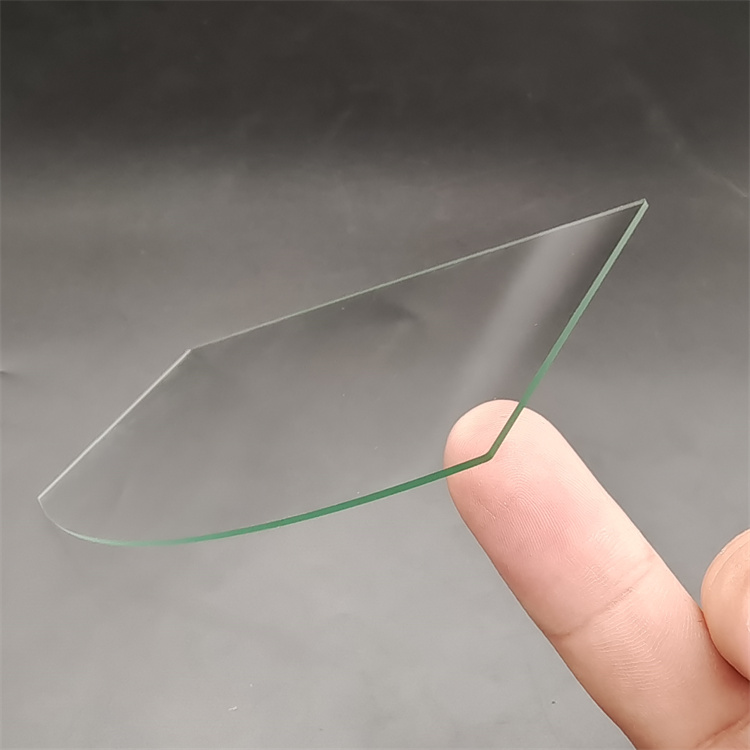
Any Size Custom 0.5/0.7/1/1.5/2/3mm Tempered Glass Screen Protector, Round Rectangle Triangle Customized Tempered Glass OEM ODM
Best for circular cover lenses, display windows and custom-shaped electronic covers that require flexible sizing.
View product details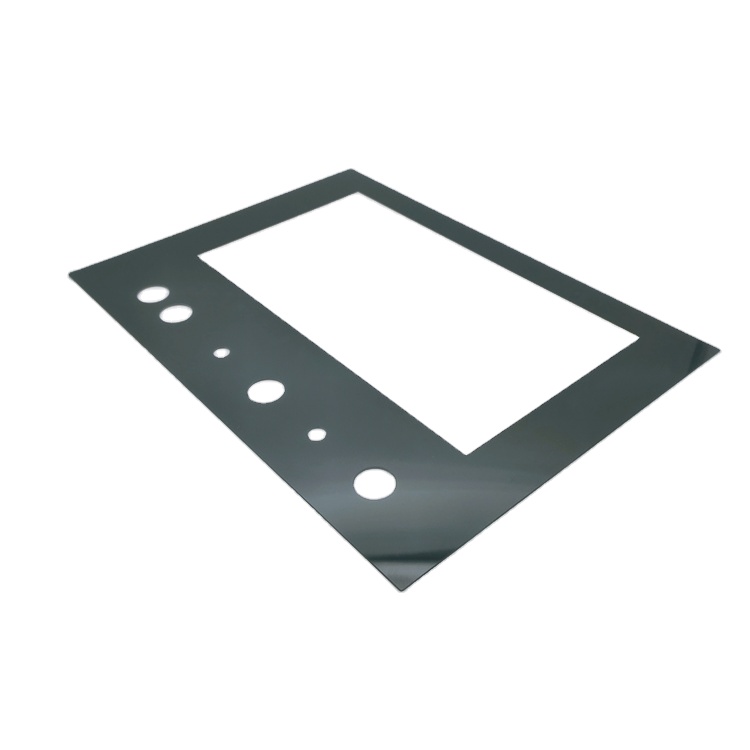
Customized Printed 0.5-6mm Thickness Flat Tempered Glass Screen Protector with Cut Holes
Best for appliance panels, industrial displays and printed windows where cut-outs and ink alignment matter.
View product details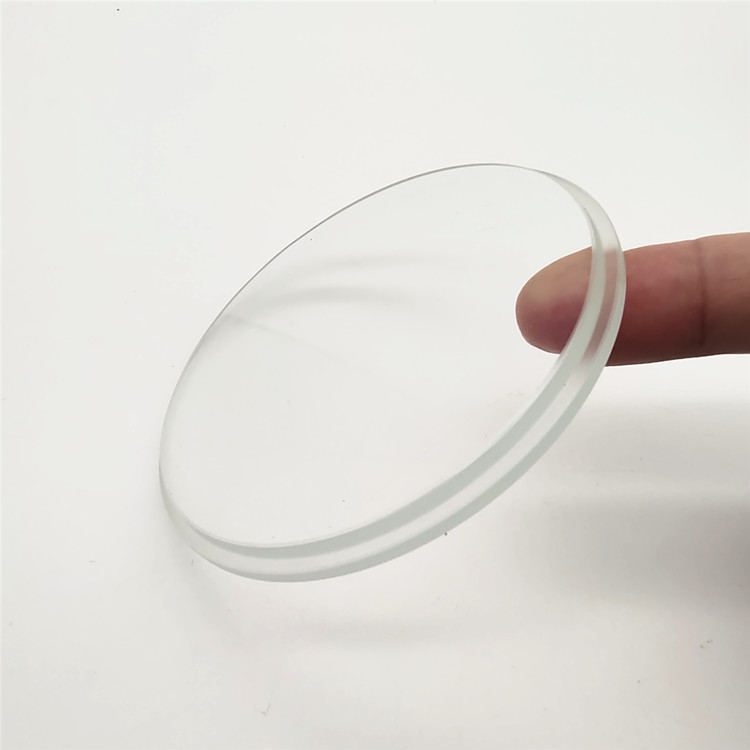
Factory Price 2mm 3mm 4mm 5mm 6mm 8mm 10mm Tempered Step Edge Glass
Best for LED fixtures, equipment windows and assemblies that need a controlled step profile for registration.
View product details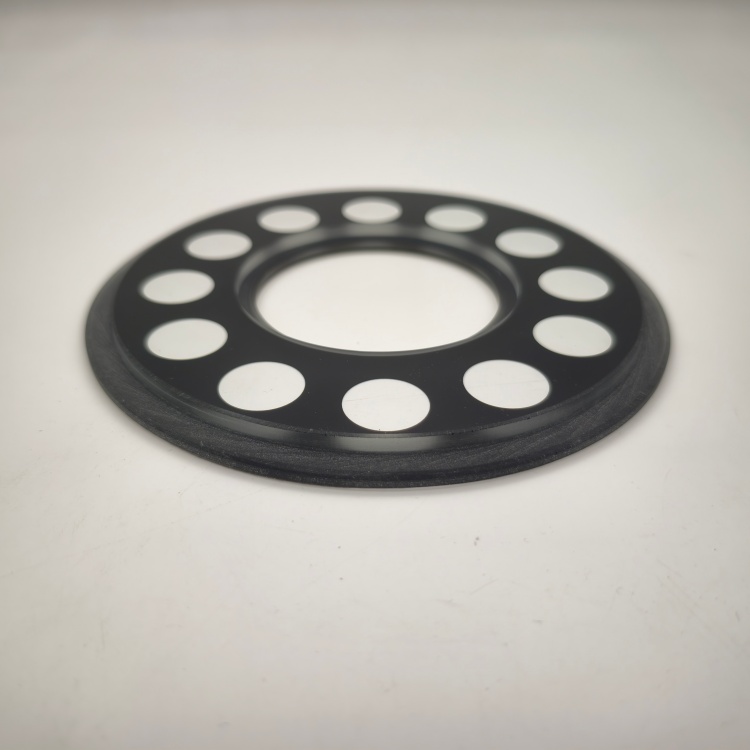
Factory Customized Round Hole Inner and Outer Double Step Edge Printed Tempered Glass for LED Lighting
Best for recessed LED optics, lighting windows and printed round covers with inner and outer edge steps.
View product details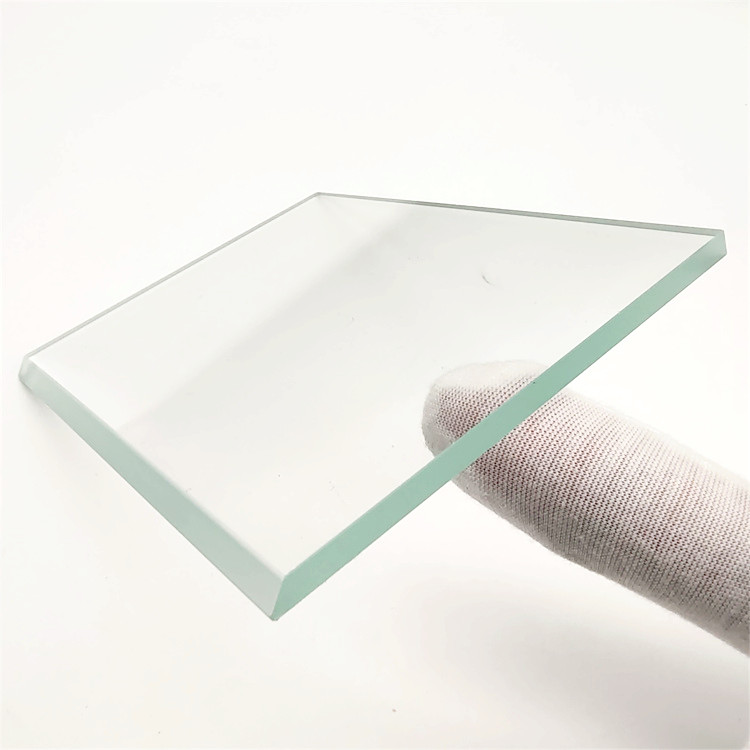
Customized Small Size 3mm 4mm 5mm 6mm Beveled Edge Tempered Glass
Best for compact sensors, small covers and premium products where a clean beveled edge improves handling and appearance.
View product details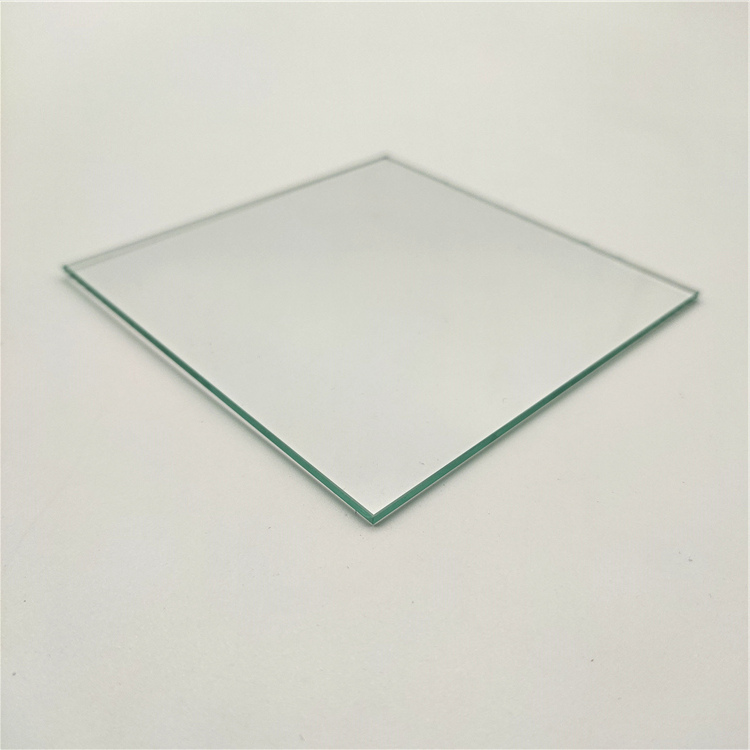
Fast Delivery Custom 1mm Clear Glass Sheet
Best for quick-turn prototyping, clear round sheets, low-volume validation and urgent replenishment.
View product details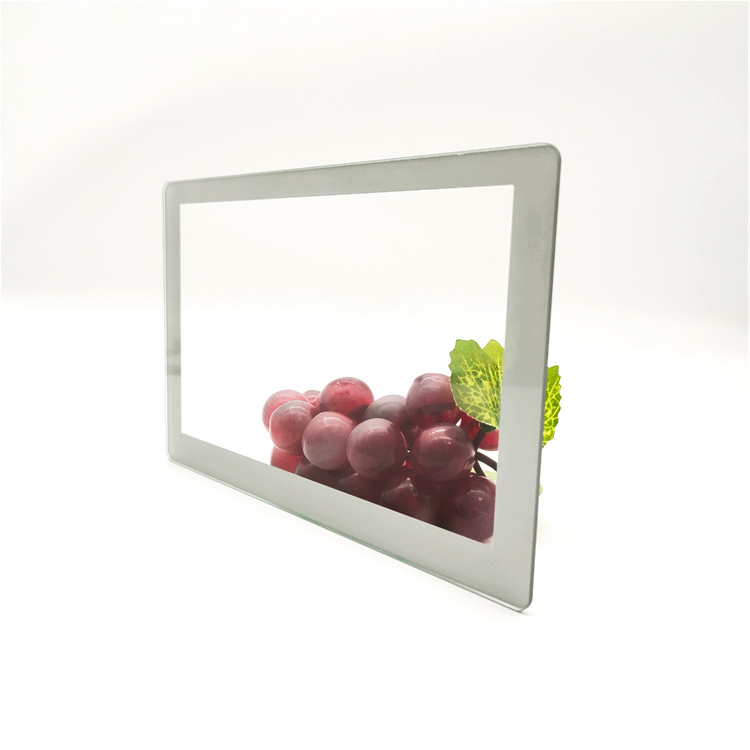
Customized High Strength Anti Glare Frosted Finish Tempered Glass LED/LCD Display Touch Panel for Monitor Screen Protector
Best for outdoor HMI, bright-room monitors and touch panels that need reduced reflection without losing readability.
View product details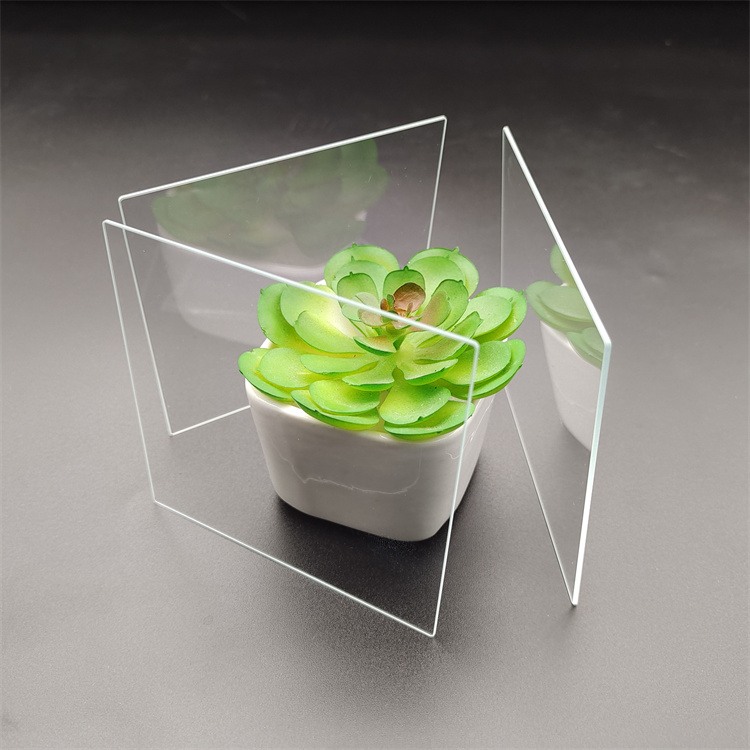
Custom 1mm 2mm 3mm 4mm 5mm Tempered Extra Clear Glass Panel for LCD Screen / LED Light / Electronic Appliance Cover
Best for LCD / LED covers and appliance panels where low-iron clarity supports product aesthetics.
View product detailsWhat Most Round Glass Listings Do Not Tell You
Buyers searching for China best round glass suppliers & wholesalers are usually comparing three things at once: dimensional fit, optical appearance and supply reliability. The details below are where quotations diverge most often.
Tolerance Beyond Diameter
Outer diameter is only the entry ticket. Concentricity, flatness, hole position, step depth and edge chip limits determine whether a round glass panel fits a housing without rework.
Edge Finish Changes Yield
Pencil, flat, beveled, stepped and matte edges are not interchangeable. The edge profile affects assembly clearance, touch comfort, visual quality and the risk of chipping during packing.
Coating Compatibility
AR reduces reflection, AG diffuses glare, and AF repels fingerprints. When two or three treatments are combined, layer order, curing and cleaning methods must be specified before mass production.
Print and Assembly Readiness
Printed windows can fail if ink opacity, transparent window size, adhesive compatibility or colour registration is not reviewed. Buyers should send Pantone references and assembly constraints with the drawing.
Factory, Wholesaler, or Hybrid? Match the Supplier Model to Your Program
The phrase “best supplier” depends on the buying situation. A custom OEM project, a distributor replenishment order and a fast sample request do not need the same partner profile.
Factory-Direct Fabricator
Best for custom round tempered glass, printed windows, AR / AG / AF coatings and step-edge LED covers. Engineering review can catch impossible tolerances before sampling. Expect MOQs from roughly 100 to 500 pieces for custom items, with process routes built around your drawing.
Wholesaler and Stockist
Best for smaller mixed orders, fast fulfilment and standard clear glass sheets. A wholesaler can reduce transaction friction, but buyers should still ask who performs tempering, CNC, printing and coating, and how traceability is maintained.
Hybrid Export Partner
Best for distributors that need factory engineering plus export documentation, consolidated shipments and repeat-order coordination. A hybrid model can combine China manufacturing depth with responsive international account management.
Round Glass Procurement Trends Shaping 2025–2027
Price pressure remains real, but the more important shift is toward lower risk. Procurement teams are adding data, redundancy and engineering feedback into the supplier selection process.
1. Dual Sourcing as a Resilience Requirement
Buyers increasingly qualify a primary round glass supplier and a secondary source for critical covers. The secondary source may be used for samples, surge orders or risk mitigation rather than full volume.
2. Drawing-First RFQs
Suppliers that review DXF, DWG and PDF drawings before quoting reduce later change orders. Expect more procurement teams to request manufacturability feedback, tolerance advice and sample timelines in the first response.
3. Data-Backed Quality Agreements
Visual inspection alone is no longer enough for optical glass. Incoming inspection can include transmittance, haze, coating adhesion, print colour, edge chip limits, flatness and packing drop-test records.
4. Low-Carbon and Low-Iron Material Requests
Brands are asking for clearer low-iron glass, better energy management and recyclable packaging. For display and LED covers, optical clarity and sustainability claims should be supported by sample and process evidence.
5. Smaller Launch Batches, Faster Replenishment
New product launches often begin with smaller quantities than mass production forecasts. Suppliers that support 100–500 piece custom runs while protecting per-piece cost at scale will win more repeat programmes.
6. Supplier-Managed Export Packing
Round glass damage is often a packing problem, not a glass problem. Interleaving, edge protection, moisture barriers and carton strength are becoming part of the quotation review rather than an afterthought.
How Round Glass Products Are Evolving
Round glass is moving from a passive cover part to an interface, optical component and visual brand element. These shifts affect drawings, samples and the supplier capabilities you should qualify.
Thinner Strengthened Glass
Electronic devices continue to push toward 0.2 mm to 1.1 mm glass. Chemical and thermal strengthening routes must match handling, impact and flatness requirements.
Combined Optical Stacks
AR + AG + AF combinations are becoming common for touch panels used in bright environments. Each layer adds value only when it is compatible with the next.
Printed Glass as User Interface
Icons, borders, transparent windows and brand graphics are printed directly on glass. Ceramic ink and silk-screen printing must survive cleaning and assembly.
Miniaturized LED and Sensor Windows
Small round glass with precise holes, step edges and high clarity supports compact lighting, sensors and camera-adjacent covers. Handling and inspection become differentiators.
Round Glass Specification Matrix for Buyers
Use this matrix as an RFQ checklist. It helps separate a general glass wholesaler from a custom round glass supplier that can control the full process route.
| Requirement | Recommended Approach | Buyer Check | Risk if Ignored |
|---|---|---|---|
| Thickness | Specify application, impact expectation and assembly method. Common display and touch covers use 0.5, 0.7, 1, 2, 3 or 4 mm. | Confirm available range and whether tempering or chemical strengthening is required. | Over-thick parts may not fit; under-thick parts may fail handling or impact tests. |
| Diameter and Concentricity | Provide OD, ID, concentricity tolerance and critical fit points on the drawing. | Ask how roundness, flatness and hole position are inspected. | Poor concentricity can cause assembly misalignment and visible gaps. |
| Edge Profile | Choose pencil, flat, beveled, stepped or matte edge based on housing and touch requirements. | Request edge chip criteria and a physical sample for approval. | Edge chips can become breakage points or safety complaints. |
| Holes and Cut-Outs | Review hole position, diameter, edge distance and whether drilling happens before tempering. | Confirm which processes are done in-house and how cracking is controlled. | Late drilling can weaken tempered glass and increase rejects. |
| Tempering | Match thermal or chemical strengthening to thickness and product use. | Ask for impact, fragmentation or breakage-behaviour evidence where applicable. | Weak glass may pass appearance checks but fail in service. |
| Printing | Provide Pantone colours, transparent window size, ink type and durability requirements. | Approve colour, opacity and registration on a physical sample. | Colour mismatch or light leakage can reject a whole batch. |
| Optical Coating | Define AR, AG or AF targets, single or double side, and cleaning expectations. | Check transmittance, gloss or haze with agreed test conditions. | A coating may look correct but fail adhesion, glare or fingerprint tests. |
| Export Packing | Specify interleaving, edge protectors, moisture barrier, carton strength and palletization. | Ask for packing photos and, for critical programs, a drop-test protocol. | Transit damage can erase the savings of a lower piece price. |
Final tolerances and optical values depend on glass thickness, substrate, printing, coating stack and inspection method. Pre-production samples are strongly recommended.
Jaswe Glass: A Dongguan-Based Partner Built for Repeat Round Glass Orders
Dongguan Jaswe Glass Co., Ltd. is a custom glass processing company in Dongguan, Guangdong, China. Its product scope includes tempered glass, ultra-clear display glass, silk-screen printed glass, switch glass, AR / AG / AF coated glass, electrical equipment glass and LED lighting glass.
The company’s factory is located in the electronics supply chain of Dongguan, which supports fast access to materials, tooling and export services. Most of its 80+ operators have over eight years of hands-on glass processing experience — valuable on tight-tolerance work such as ultra-thin 0.2 mm cover glass or multi-colour printing with transparent display windows.
“Scientific management, careful manufacture, high quality service, striving for excellence.”
One-Roof Process Chain
Cutting, CNC shaping, edge polishing, hole drilling, tempering, silk-screen and ceramic printing, AG processing and AR / AF coating can be coordinated under one quality system.
Round and Step-Edge Focus
Circular panels, step edges, inner and outer profiles, small beveled edges and printed LED windows are practical examples of the company’s custom processing range.
Optical Coating Capability
AR anti-reflective, AG anti-glare and AF anti-fingerprint treatments can be specified for displays, touch panels, monitors and outdoor-readable interfaces.
Print and Colour Matching
Icons, borders, transparent windows and logos can be printed on glass. Colour approval should always be completed on a physical sample before mass production.
Quality Checks Before Packing
Inspection is performed at cutting, edging, tempering, printing and coating stages. Export packing can include interleaving and edge protection to reduce transit damage.
Responsive Engineering and Repeat Supply
The company profile indicates an average response within 3 hours, a 96.61% response rate and a 26% buyer reorder rate. Those indicators support procurement teams that need fast technical feedback and repeat-order stability.
Where Custom Round Glass Creates Measurable Value
Round glass is often a small part of the bill of materials but a highly visible part of the user experience. The right supplier reduces assembly friction, returns and brand risk.
Touch and Display Electronics
Cover lenses for LCD, TFT and capacitive touch modules benefit from tempered glass, AR coating and precise hole or window placement.
LED Lighting Fixtures
Round, linear and step-edge glass covers are used for downlights, panels, wall washers and decorative fixtures that need clarity and heat resistance.
Smart Home and Switches
Printed switch plates and smart control panels use tempered glass for wipe-clean surfaces, stable colour and a premium touch feel.
Home Appliances
Control panels for kitchen and household devices require print durability, clear windows and consistent edge quality across production batches.
Industrial Instruments
Meter windows and HMI covers for electrical equipment need scratch resistance, controlled reflection and reliable drilling for indicators.
Security and Camera Devices
Printed lens covers and sensor windows benefit from precise cut-outs, low-reflection surfaces and packing that protects optical areas.
Common Questions About China Round Glass Suppliers & Wholesalers
What makes a round glass supplier in China “best” for a buyer?
What glass thicknesses can be processed for round glass parts?
Can round glass be tempered, printed, drilled and coated at the same supplier?
What is the difference between AR, AG and AF glass?
What is the minimum order quantity for custom round glass?
How do I start a custom round glass project?
What drives the price of custom round glass?
How is round glass protected during export packing?
Can you support wholesalers, distributors and private-label programs?
Request the Round Glass Catalog and Engineering Review
Send your drawing, target thickness, edge profile, printing colours, coating requirement and annual volume. The engineering team can respond with process recommendations, sample guidance and a quotation route.