China Best Round Tempered Glass Suppliers & Wholesalers
Custom round, ultra-clear, printed, AR/AG/AF coated tempered glass for displays, touch panels, smart switches, LED lighting, appliances and industrial instruments — engineered from Dongguan with in-house CNC, tempering, printing and coating.
8 Round Tempered Glass Products Recommended for Global Buyers
Round tempered glass is no longer a simple cut-to-size commodity. Diameter consistency, edge finish, print registration, coating durability and export packing now determine assembly yield. These eight products are practical starting points for buyers comparing China suppliers and wholesalers.
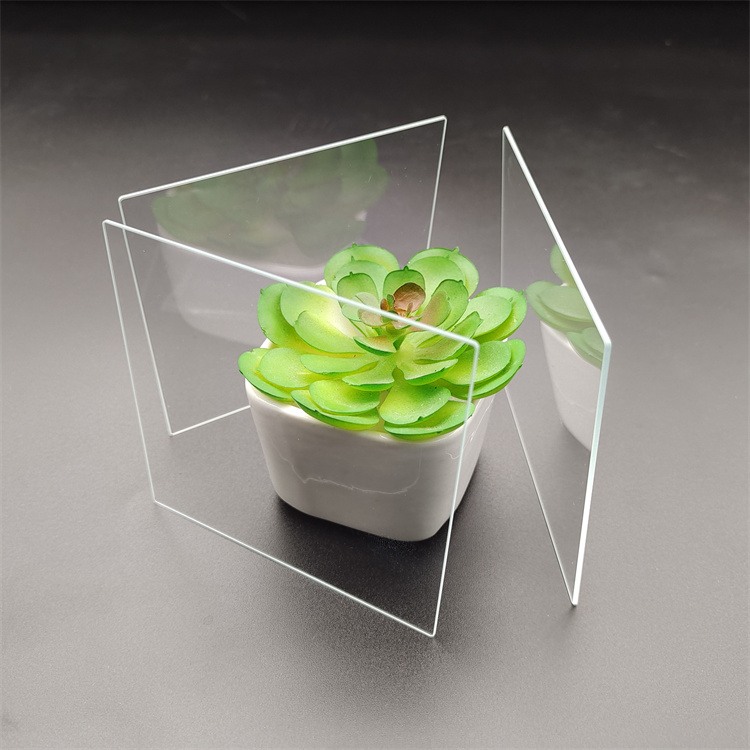
Custom 1mm 2mm 3mm 4mm 5mm Tempered Extra Clear Glass Panel for LCD Screen / LED Light / Electronic Appliance Cover
Extra-clear appearance, 1–5 mm thickness, custom outline, holes and edge finish. Recommended for LCD windows, LED fixtures and appliance cover panels.

Customized Small Size 3mm 4mm 5mm 6mm Beveled Edge Tempered Glass
Small-format precision with beveled edge finishing, 3–6 mm. Suitable for instrument windows, switch covers, sensor windows and compact electronic devices.
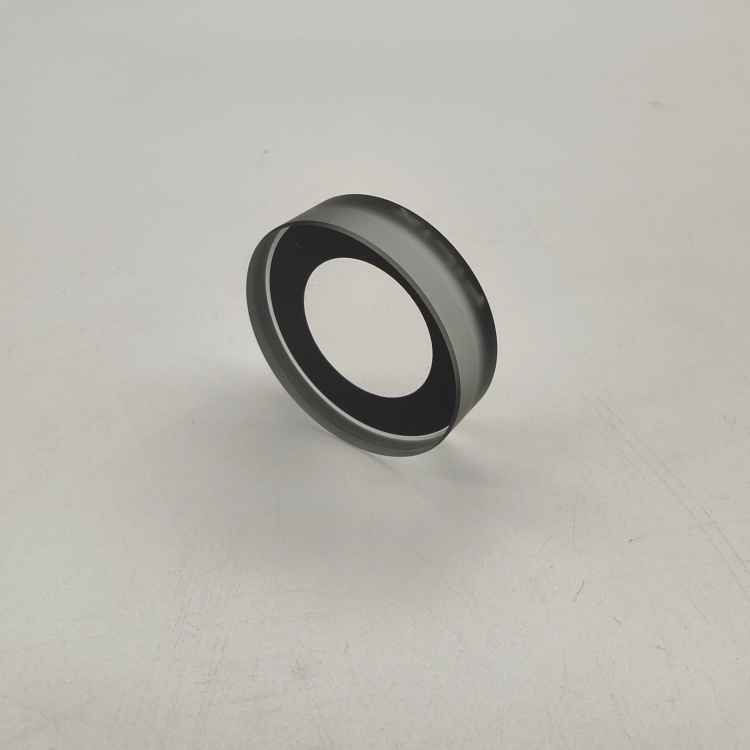
High Quality Small Diameter 10mm Thickness Round Tempered Glass with High Temperature Ceramic Printing
Small-diameter round glass with high-temperature ceramic printing. Recommended for lighting, industrial covers and decorative functional glass where ink durability matters.

Customized Industrial Lighting Solid Flat Ultra Clear Frosted Tempered Glass with Beveled Step Edge
Ultra-clear frosted glass with beveled step edge. Designed for industrial lighting diffusers, architectural fixtures and premium LED luminaires.
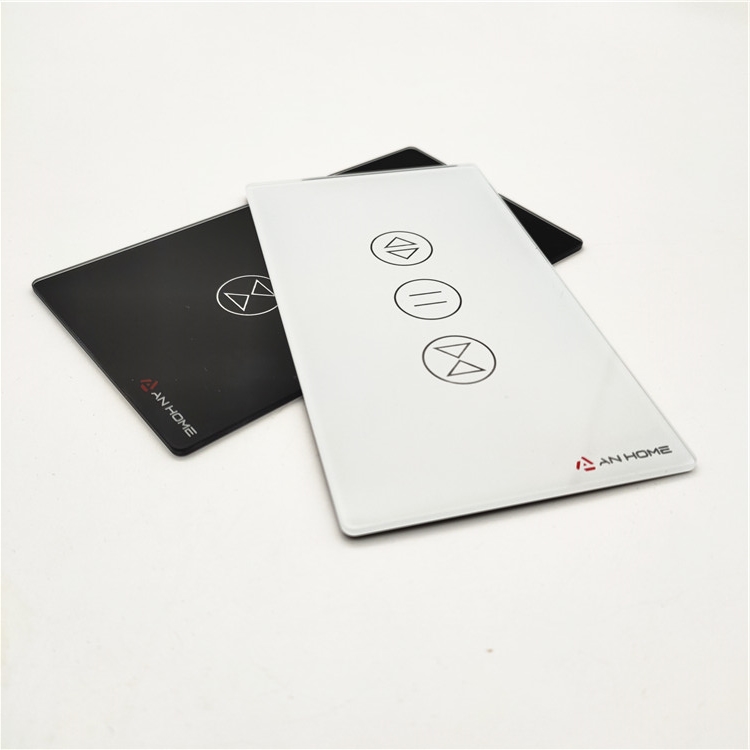
Home Smart WiFi Remote Control Touch Tempered Glass Screen-Printed Glass Switch Glass Panels Curtain Control Glass
Screen-printed touch-key glass panels for smart home and curtain control. Custom icons, colors and transparent touch windows available for OEM programs.
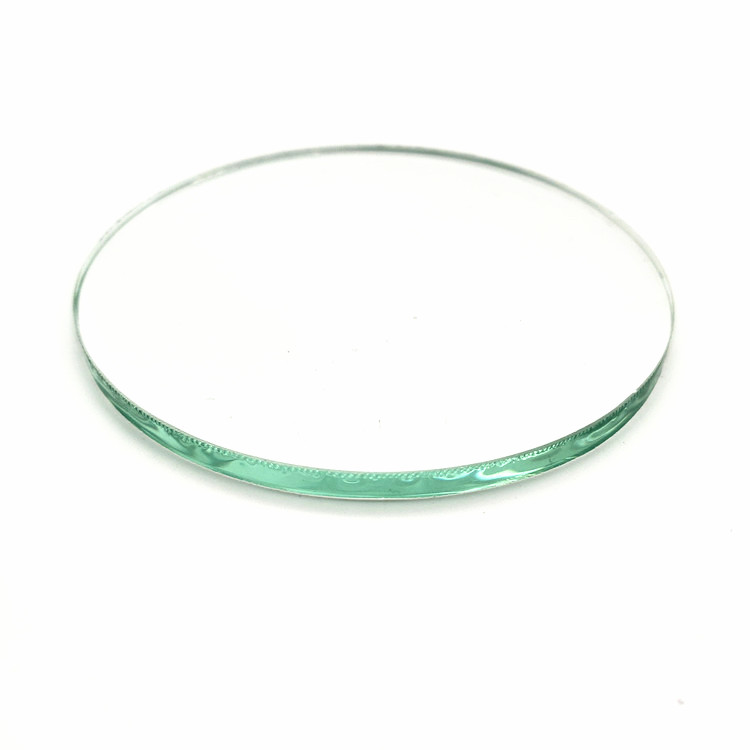
Customized Clear Flat Solid Tempered Glass Pieces 1mm-19mm for Industrial Lighting and Various Applications
Clear flat solid tempered glass from 1 mm to 19 mm. Ideal for buyers needing flexible sizing, edge options and repeatable production across multiple projects.
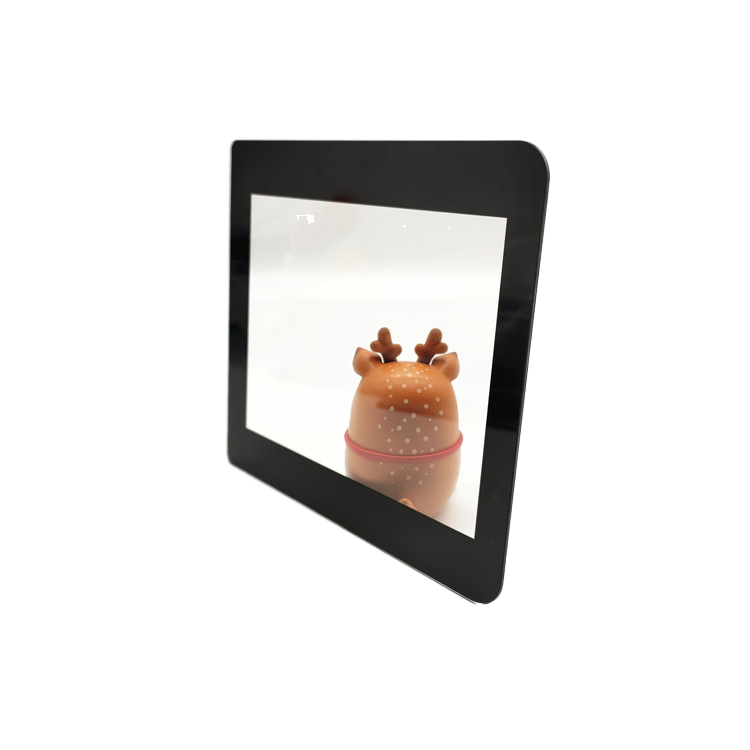
Industrial Use Electronic Glass 1mm/2mm/3mm/4mm Tempered Glass Display Screen Window Protection Cover
Protective tempered glass for industrial displays, instrument windows and electronic equipment. Custom shapes and print windows support clean assembly integration.

Both Sides Anti Reflective AR Coating 1mm 2mm 3mm 4mm Ultra Clear Tempered Glass
Double-sided AR coating on ultra-clear tempered glass. Recommended for high-transmittance display windows, optical interfaces and low-reflection industrial screens.
Why Round Tempered Glass Buyers Are Re-Evaluating China Suppliers in 2025
Round tempered glass sits at the intersection of optics, mechanical durability, electronics integration and brand presentation. It is used in smart home switch panels, industrial HMI windows, LED luminaires, appliance controls, sensor covers and display protection. For procurement teams, the shape is only the starting point. Concentricity, edge chip tolerance, flatness, coating uniformity, print registration and packing discipline decide whether a shipment reaches the assembly line without rework.
China remains the broadest processing ecosystem for custom glass because cutting, CNC shaping, edge polishing, hole drilling, tempering, silk screen printing, ceramic printing, AG treatment and AR/AF coating can be coordinated within a short supply radius. Dongguan is especially relevant because the city sits inside one of the world’s densest electronics manufacturing clusters. That proximity shortens sample cycles, supports faster design iteration and gives buyers access to mature export packing and logistics.
The best China round tempered glass suppliers and wholesalers are not simply the ones with the lowest visible piece price. Experienced buyers now compare total landed quality cost: breakage rate, optical rejection, assembly downtime, replacement freight and communication delay. A supplier that controls its process chain can often reduce total cost even when its unit quote is slightly higher. This is the practical difference between a trading listing and an engineering-led manufacturer.
Total Landed Quality Cost
A small edge-chip rate can erase the benefit of a low piece price. Evaluate yield, replacement cost and assembly-line interruption together.
Coating Compatibility
AR, AG and AF are not interchangeable labels. Ask how the coating stack is applied, tested and protected before shipment.
Batch Consistency
Round glass is both mechanical and optical. Diameter, print position, coating color and edge appearance must repeat from batch to batch.
Packaging Discipline
Breakage often begins in packing. Interleaving, edge protection, carton strength and humidity control should be part of the supplier review.
Future Procurement Trends for Round Tempered Glass Wholesalers
Buyer behavior is shifting from transactional price comparison toward engineering collaboration, traceability and supply continuity.
1. From Piece Price to Total Cost
Wholesalers and OEM buyers are adding breakage, inspection, replacement freight and line stoppage to the scorecard. Suppliers that can document process control win more repeat programs.
2. Smaller, Higher-Mix Orders
Product portfolios are expanding faster than single-SKU volumes. Flexible suppliers that handle 100–500 piece custom runs without losing consistency are increasingly preferred.
3. Coatings Specified Earlier
AR, AG and AF decisions are moving into industrial design and optical validation. Early coating consultation reduces re-sampling and avoids mismatched transmittance targets.
4. Digital Drawings & First-Article Reports
DXF, DWG and PDF drawing review is becoming standard before quotation. Buyers expect dimension reports, color approval and sample confirmation before mass production.
5. Dual Sourcing With Matched Specs
Risk management is pushing buyers to qualify more than one supplier. Clear drawings, coating targets and edge definitions make it easier to keep product quality aligned.
6. Packaging Engineering as Damage Prevention
Export buyers now ask how glass is interleaved, edge-protected and cartonized. Better packing reduces replacement shipments and protects delivery schedules.
7. Response Speed as a Risk Signal
Fast, technically accurate replies indicate a supplier has engineering depth. Slow or generic feedback increases the cost of changes during sampling and scale-up.
8. Verified Performance Over Self-Claims
Response rate, transaction level, trade history and buyer reviews are increasingly used alongside samples. Evidence-based supplier selection is replacing brochure-only evaluation.
How Round Tempered Glass Products Are Evolving
Product trends are being driven by thinner devices, integrated touch interfaces, outdoor readability and brand differentiation.
Thinner Yet Stronger Round Glass
Electronic-grade glass from 0.2 mm upward is enabling slimmer displays and compact controls. Buyers are increasingly asking for thickness control that supports both strength and optical clarity.
Smart Home & Touch Controls
Screen-printed round and shaped glass panels are replacing plastic switch covers in premium smart home products. Custom icons, backlit windows and color matching are key differentiation points.
Integrated AR / AG / AF Stacks
Displays must perform in bright salesrooms, factories and outdoor environments. Combined coatings improve contrast, reduce glare and keep touch surfaces cleaner for longer.
Ceramic Printing & Decorative Durability
High-temperature ceramic printing delivers durable borders, icons and light-blocking windows. It supports designers who want glass to remain functional while carrying brand identity.
Edge Finish as a Design Feature
Beveled, stepped, matte and polished edges are no longer hidden details. They affect safety, perceived quality and assembly fit, especially on exposed round glass components.
Integrated Display & LED Covers
Round cover glass is increasingly combined with display windows, sensor openings and LED diffusion requirements. Suppliers that process holes, printing and coating in-house reduce coordination risk.
How to Specify Round Tempered Glass Without Creating Hidden Cost
A precise drawing is valuable, but process notes are equally important. The following matrix helps buyers ask better questions before placing a sample or mass-production order.
| Specification Area | What the Buyer Should Confirm | Why It Matters | Practical Supplier Check |
|---|---|---|---|
| Glass Substrate | Standard clear, ultra-clear low-iron, tinted or frosted. | Substrate affects edge color, light transmission and perceived premium quality. | Ask for glass samples under the final product lighting, not only under office light. |
| Thickness | 0.2–19 mm range; common display covers at 0.5, 0.7, 1, 2, 3 and 4 mm. | Thickness influences strength, weight, optical distance and assembly fit. | Confirm the processing route for thin glass before assuming standard tempering applies. |
| Outline & Diameter | Outer diameter, tolerance, concentricity, holes, notches and slots. | Round glass often fits into a bezel, gasket or sensor opening where cumulative tolerance matters. | Send DXF, DWG or PDF drawings and identify critical dimensions rather than marking every dimension equally. |
| Edge Finish | Pencil, flat, beveled, stepped, polished or matte edge. | Edge quality affects chip resistance, handling safety and visible product refinement. | Discuss packing contact points and installation method so the edge profile matches handling reality. |
| Holes & Cut-Outs | Hole diameter, position, countersink, window size and edge distance. | Drilling before tempering requires careful planning to reduce breakage risk. | Ask whether holes are processed in-house and how first-article inspection is recorded. |
| Printing | Pantone colors, icon layout, transparent windows, black borders and ceramic ink requirements. | Print registration can be more visible on round glass than on rectangular panels. | Request color proofing and sample approval before mass production. |
| Optical Coating | AR, AG, AF or combined stacks; single-sided or double-sided. | Coating choices change reflection, glare, fingerprint resistance and final visual comfort. | Define the viewing environment: indoor HMI, outdoor kiosk, medical monitor or consumer touch panel. |
| Packaging | Interleaving, edge protection, moisture control and export carton design. | Round glass can roll or contact edges during transit if packing is not engineered correctly. | Ask for packing photos before shipment and confirm carton drop-test expectations when relevant. |
Inside Dongguan Jaswe Glass: An Export-Focused Round Glass Supply Chain
Dongguan Jaswe Glass Co., Ltd. combines cutting, CNC shaping, edge polishing, hole drilling, tempering, silk screen and ceramic printing, AG processing and AR/AF coating under one quality system.
In-House Process Control
Keeping cutting, CNC, edging, drilling, tempering, printing and coating close together reduces handling risk and shortens the loop between sample approval and mass production.
Engineering Review Before Quotation
Drawings can be checked for manufacturability, edge profile, printing clearance and coating compatibility before tooling time is spent on an unworkable specification.
Inspection Across Production Stages
Quality checks are placed at cutting, edging, drilling, tempering, printing and coating stages rather than being delayed until final packing.
Export Communication
Average replies within 3 hours and a 96.61% buyer response rate help overseas teams resolve specification questions without long time-zone delays.
Reorder Confidence
A 26% buyer reorder rate reflects repeat business from lighting, electronics and appliance customers across America, Europe and Asia.
Capacity for Scale
With 26 glass processing machines, more than 80 workers and monthly output above 200,000 pieces, the factory can support both sample validation and volume production.



Located in Dongguan, Built for Custom Glass Programs
Dongguan Jaswe Glass Co., Ltd. is based in Dongguan, Guangdong, China, with 51–100 employees and annual revenue in the US$2.5M–US$5M range. The company supplies custom tempered glass, ultra-clear glass, silk screen printed glass, touch screen cover glass, switch glass, LED lighting glass and AR/AG/AF coated glass to buyers in America, Europe and Asia.
Most of the 80+ operators have more than eight years of hands-on glass processing experience. That depth matters on thin glass, multi-color printing and round formats where handling marks, edge chipping or print drift are difficult to hide during final assembly.
“Scientific management, careful manufacture, high quality service, striving for excellence.”
- LocationDongguan, Guangdong, China
- Employees51–100 People
- Annual RevenueUS$2.5M – US$5M
- Main MarketsAmerica · Europe · Asia
- Equipment26 Machines incl. Tempering Furnace
- Supplier StatusOn-Site Verified · 6 Years
Common Questions About Buying Round Tempered Glass From China
These answers address the specification, sampling and supplier-evaluation questions most frequently raised by overseas buyers.
What glass thickness can Jaswe Glass process?
The current product range covers ultra-thin electronic-grade glass from 0.2 mm up to 19 mm flat tempered glass. The most requested thicknesses for display and touch covers are 0.5, 0.7, 1, 2, 3 and 4 mm. For round glass, the ideal thickness depends on the final diameter, edge profile, installation method and strength requirement.
What is the minimum order quantity for custom round tempered glass?
Most custom items start at 100 to 500 pieces, depending on size, printing, coating and edge process. Standard clear tempered pieces may be supplied in smaller sample quantities for evaluation. For coated or multi-color printed glass, a sample is strongly recommended before mass production.
What is the difference between AR, AG and AF glass?
AR, or anti-reflective coating, reduces surface reflection to improve light transmittance and contrast. AG, or anti-glare treatment, diffuses reflected light so screens remain readable under strong ambient or outdoor light. AF, or anti-fingerprint coating, is an oleophobic top layer that resists smudges on touch surfaces. These treatments can be combined on one cover glass when the application requires it.
Which processes are completed in-house?
Cutting, special-shaped and CNC cutting, edge polishing, hole drilling, tempering, silk screen and ceramic printing, AG processing and AR/AF coating are handled in-house. This integrated process chain reduces the quality gaps that can appear when glass moves between multiple subcontractors.
What is the production capacity and typical lead time?
With 26 glass processing machines and more than 80 workers, monthly output exceeds 200,000 pieces of processed glass. Lead time depends on thickness, size, printing, coating, sample approval and order quantity. Sending a complete drawing early allows the engineering team to recommend a realistic schedule.
How do I start a custom round glass project?
Send your drawing in DXF, DWG or PDF format with thickness, outer diameter, critical tolerances, edge type, hole positions, printing colors, coating requirement, application and estimated annual quantity. Our engineers review manufacturability before samples are made and can recommend process adjustments that reduce cost or handling risk.
How can buyers reduce edge chips and transit breakage?
Specify the edge finish based on how the part will be handled and assembled, confirm critical dimensions, and review packing design before the first shipment. Interleaving, edge protection, carton strength and loading method matter for round glass because movement during transit can create repeated edge contact.
Can samples be provided before a wholesale or OEM order?
Yes. Sampling is normally the step used to confirm fit, color, print registration, edge appearance and optical coating performance. Buyers are encouraged to provide the final application environment so the sample can be evaluated under realistic lighting and assembly conditions. Confidentiality requirements can be discussed during the drawing-review stage.
Ready to Compare China Round Tempered Glass Suppliers?
Send your drawing, thickness, edge requirement, printing colors, coating target and estimated annual quantity. Our engineering team will review manufacturability and recommend a practical process route for your round tempered glass project.
Get a Quote