China Best Scratch Resistant Glass Manufacturer & Suppliers
A procurement and engineering guide for OEMs sourcing custom tempered, ultra-clear, printed, AR/AG/AF coated and scratch-resistant glass from China — written from factory-floor experience, not directory copy.
Eight Recommended Scratch-Resistant Glass Products for Displays, Control Panels, Appliances and LED Lighting
These are representative custom-made products, not fixed catalog stock. Each item can be engineered with tempered substrate, anti-scratch surface treatment, CNC holes, polished edges, silk-screen printing and AR / AG / AF coatings.
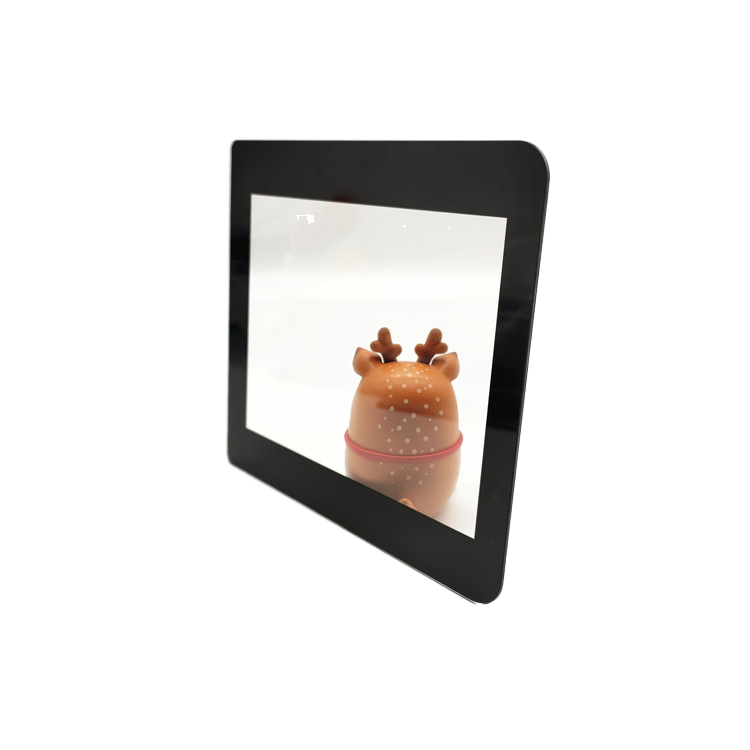
Industrial Use Electronic Glass 1mm/2mm/3mm/4mm Tempered Glass Display Screen Window Protection Cover
For industrial displays where scratches, flatness and edge quality affect yield. Specify low-iron substrate, hard coat and AR / AF options, then approve the scratch test method before mass production.
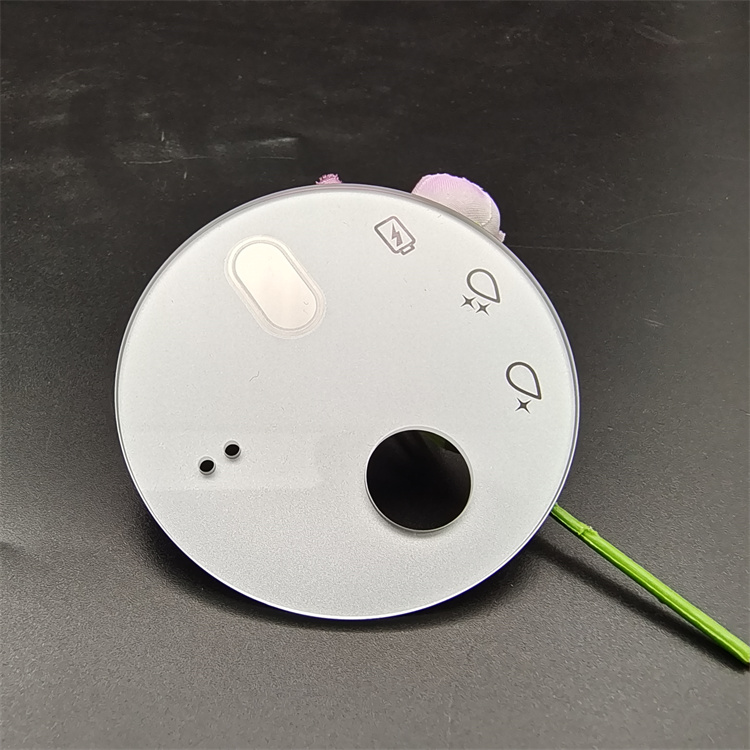
Customized 0.5mm 0.7mm 1mm 2mm 3mm 4mm 5mm 6mm Cut Holes Printed Round Tempered Glass Panels for Home Appliance
Thin printed rounds for appliance interfaces. Scratch resistance should be reviewed together with ink adhesion, transparent window registration and resistance to household cleaning chemicals.
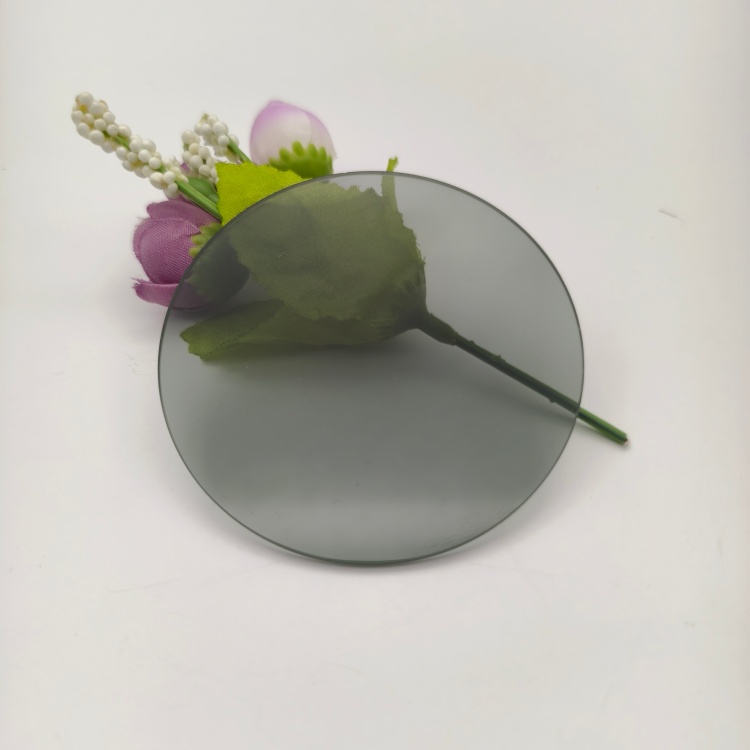
Factory Customized High Strength 2mm 3mm 4mm 5mm Tempered Black Glass Bulletproof & Decorative Flat Surface
High-strength black glass for premium decorative surfaces. Buyers should define gloss level, black density, edge polish and a visible-scratch acceptance limit before tooling.
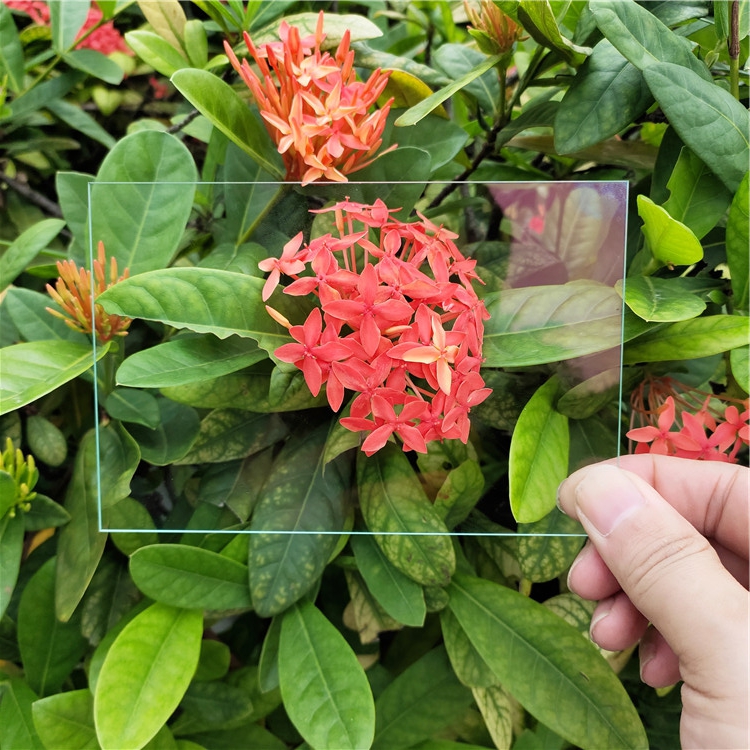
Factory Custom Optical Quality Nano Coating Tempered Anti Reflective AR Glass
An AR cover glass for display windows where glare reduction, transmission and surface cleanliness are critical. Validate reflection, transmission, abrasion and cleaning durability as one coating stack.
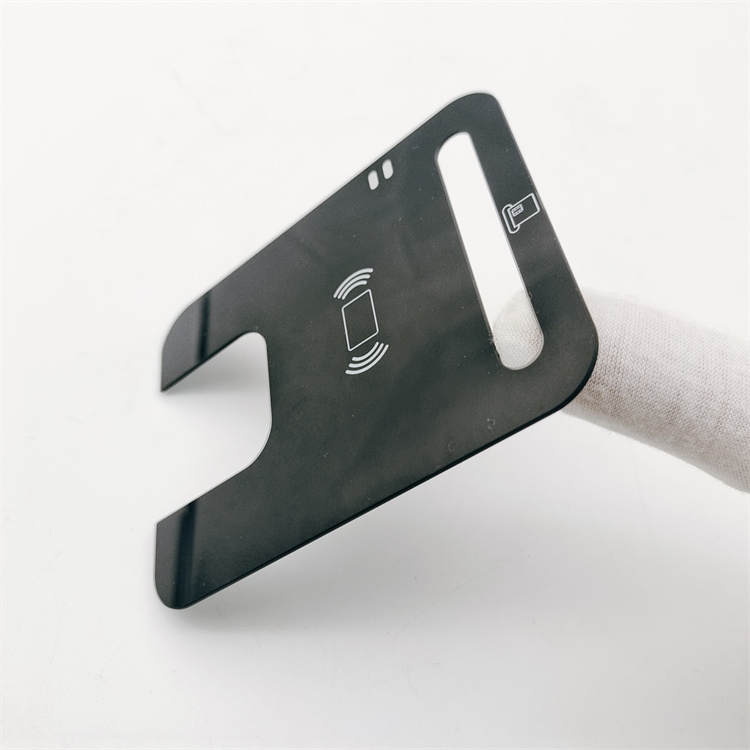
Custom Printed Tempered Glass Panel High Strength Decorative Cover with Hole for Card Reader Instrument
Printed high-strength cover with a precision hole for card readers and instruments. A scratch-resistant window plus registered graphics reduces field failures and keeps interface branding sharp.

Customized Ultra Clear 0.5mm 0.7mm Thickness Ultra Thin Tempered Glass
Low-iron ultra-thin tempered glass for compact electronics and thin display modules. Inspect edge chipping, coating cure and handling marks because thin glass amplifies surface defects.
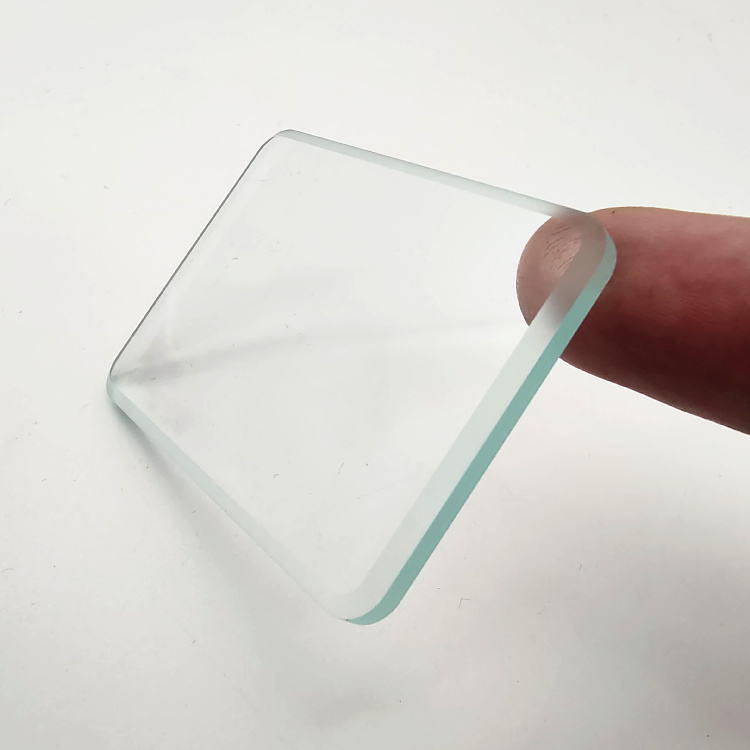
Custom Small Dimensions Tempered Beveled Edge Glass for Sale
Small-format beveled glass for premium controls and housings. Bevel geometry must be specified with edge polish, hole spacing and scratch inspection lighting to avoid visible rework.
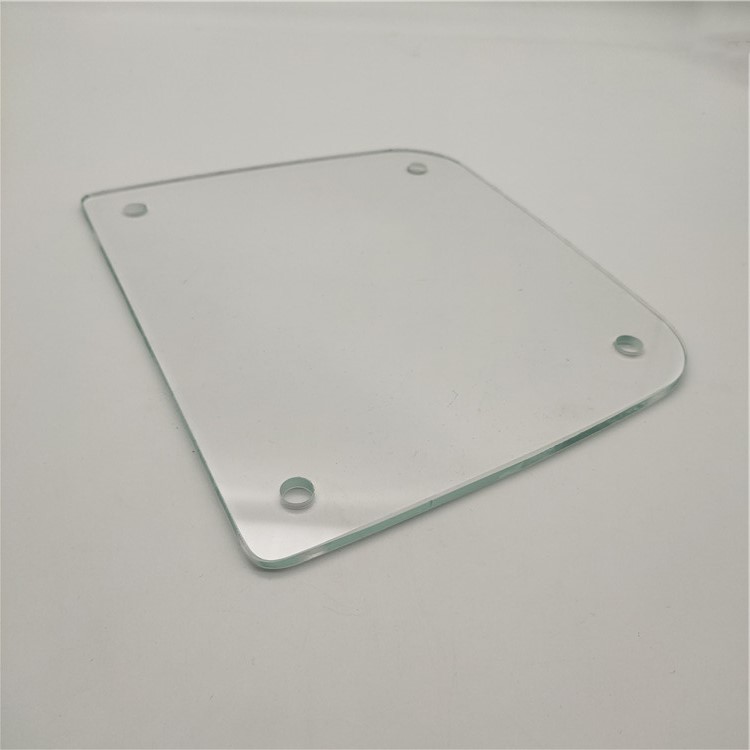
Ultra Clear Tempered Glass Customized Design with Cut Holes for Led Light Cover
Ultra-clear cover glass with cut holes for LED fixtures. Balance light transmission, diffuser requirements and surface hardness; test against the actual cleaning and installation process.
Why Dongguan Jaswe Glass Is Built for Scratch-Resistant Glass Programs
Dongguan Jaswe Glass Co., Ltd. is a custom glass processing manufacturer serving display, touch panel, LED lighting, appliance control, switch and electrical equipment applications. The company processes tempered glass, ultra-clear glass, silk-screen printed glass, AR / AG / AF coated glass and electrical equipment glass from Dongguan, Guangdong, China.
For scratch-resistant projects, experience matters at the process boundary: cutting, CNC shaping, edge polishing, hole drilling, tempering, printing and coating must be controlled together. Jaswe keeps these operations under one roof, with 26 glass processing machines, 80+ workers and monthly output exceeding 200,000 pieces. Buyers also see a 96.61% response rate, average replies within 3 hours and a 26% buyer reorder rate recorded through trade activity.



Scratch-Resistant Glass Is a System, Not a Single Coating
Many supplier pages use “scratch resistant” as a headline. For OEM procurement, scratch resistance must be converted into substrate selection, surface treatment, geometry control, inspection criteria and incoming-handling rules.
The four variables that determine real-world scratch performance
Substrate hardness
Soda-lime, low-iron and specialty glass differ in visible scratch behavior. Tempering improves strength and breakage safety; it does not automatically make the surface scratch-proof.
Surface treatment
Hard coat, AR, AG and AF layers solve different problems. A combined stack must be tested as a stack, because optical gain and abrasion resistance can pull in opposite directions.
Geometry and edges
Holes, bevels, narrow borders and thin sections concentrate stress and become visible defect zones. CNC routing and edge polishing must be qualified with the scratch specification.
Handling and cleaning
Scratches often appear after a good sample is approved. Define interleaving, tray design, gloves, cleaning cloths and chemical compatibility for assembly-line conditions.
Scratch resistance versus impact and optical performance: a buyer’s matrix
| Glass / Finish | Scratch mechanism to control | Do not assume | RFQ evidence to request |
|---|---|---|---|
| Tempered float glass | Surface hardness, edge chipping and handling abrasion | “Tempered” means scratch-proof | Thickness, edge type, tempering record, visual acceptance limit and sample cleaning test |
| Ultra-clear low-iron glass | Surface scratches visible against dark display backgrounds | Low-iron glass is automatically harder | Transmission target, color coordinates, coating compatibility and scratch inspection lighting |
| Hard-coated glass | Coating abrasion, steel-wool resistance and haze change | Coating thickness guarantees durability | Adhesion, abrasion method, haze before/after and cleaning chemical exposure |
| AR anti-reflective glass | Surface cleaning, coating removal and reflected-color shifts | AR coating also improves hardness | Reflection, transmission, adhesion and abrasion report for the finished stack |
| AG / AF coated glass | Glare diffusion, fingerprint repellency and wear on touch areas | AF lasting the life of the product | Contact angle, eraser or abrasion cycles, haze level and touch-surface cleaning test |
| Printed tempered glass | Ink scratching, transparent-window scuffs and registration marks | Printed areas behave like clear glass | Pantone match, ink adhesion, window tolerance and scratch direction test |
Optical values and scratch acceptance levels depend on substrate, thickness, coating stack and the actual cleaning process. Always qualify a physical sample before mass production.
How to write a scratch-resistant glass RFQ that suppliers can quote accurately
Send a drawing in DXF, DWG or PDF, then add the information a glass engineer cannot see on the drawing: application, annual demand, cleaning chemicals, assembly method, handling glove type, print colors, transparent window size, edge finish and acceptable cosmetic limits. For scratch-resistant cover glass, include the test method, illumination angle, sample size and pass/fail definition. A supplier that can review manufacturability and coating sequence before sampling will reduce late-stage rework and improve total cost.
2025–2030 Procurement Trends for Scratch-Resistant Glass Buyers
The buying decision is shifting from unit price to qualified supply: optical performance, scratch durability, traceability and risk control must be compared together.
1. Total landed quality cost replaces lowest piece price
Factories compare incoming inspection yield, rework, line stoppage and customer returns. A scratch specification that is testable is cheaper than repeated sorting.
2. Batch traceability moves into standard RFQs
Glass substrate batch, coating date, printing lot and inspection record help isolate defects. Buyers increasingly ask for data packages, not only certificates.
3. Dual-region sourcing becomes normal
China remains central for custom processing and scale, while buyers qualify a second source for risk. Product drawings and test standards must be portable between suppliers.
4. Manufacturing-ready drawings reduce sampling cycles
CNC constraints, edge polish, hole spacing, print registration and coating masks need to be agreed before sample making. Better inputs create faster quotes and fewer ECOs.
5. Optical and mechanical specs are reviewed together
AR, AG and AF performance cannot be purchased separately from scratch durability. Teams now test transmission, haze, contact angle and abrasion on the same sample.
6. Vendor-managed inventory grows for repeat programs
Stable programs prefer scheduled releases, protective packaging and agreed replenishment triggers over one-off large orders that increase storage and damage risk.
Product Development Trends: Where Scratch-Resistant Glass Is Heading
The next wave of cover glass combines thin substrates, hard surfaces, printed functions and optical treatments in one component.
Ultra-thin chemically strengthened glass
Compact displays and touch interfaces demand 0.2–0.7 mm glass with controlled flatness. Processing and handling become as important as the base material.
Integrated AR + AG + AF stacks
Outdoor displays and industrial HMIs need glare control, low reflection and easy cleaning. Combined stacks must be qualified for abrasion and chemical resistance.
Hard-coated decorative printed glass
Brand colors, icons and display windows are integrated into scratch-resistant panels. The ink, hard coat and substrate must work together through cleaning cycles.
Narrow-border and large-format covers
Appliance panels and digital signage use thinner borders and larger glass areas. CNC accuracy, tempering distortion and packing protection become critical.
Touch-integrated and sensor-window glass
Cut-outs, transparent windows, capacitive touch zones and printed masks are designed together to protect sensors while maintaining a clean surface.
High-alumina and specialty glass exploration
Some premium applications explore higher-strength specialty substrates for improved durability. Buyers should validate availability, processing yield and cost before adoption.
Five Steps from Drawing to Production-Ready Scratch-Resistant Glass
A disciplined sampling and inspection path protects optical performance, scratch acceptance and delivery timing.
Drawing review
Send DXF, DWG or PDF with thickness, holes, edges, printing and coating requirements.
Stack selection
Choose tempered, ultra-clear, printed, AR, AG or AF treatment based on application and cleaning.
Sample and test
Approve fit, color, transmission, reflection, edge quality and scratch test method on physical samples.
Mass production
In-process inspection at cutting, CNC, tempering, printing and coating stages protects batch consistency.
Packing and transit
Interleaved, edge-protected export packing reduces new scratches before the glass reaches the assembly line.
FAQ: Sourcing Scratch-Resistant Glass from China
Practical answers for buyers comparing China scratch-resistant glass manufacturers and suppliers.
Does tempered glass automatically resist scratches?
Can a glass cover be both anti-reflective and scratch resistant?
What thickness should I choose for scratch-resistant cover glass?
What is the minimum order quantity for custom scratch-resistant glass?
How do I verify scratch resistance before mass production?
What files and information should I send for an accurate quote?
Can printing, cut holes, edge polishing and coatings be combined?
How can buyers reduce scratches during shipping and assembly?
Turn Your Scratch-Resistant Glass Drawing into a Quoted, Testable Specification
Share your drawing, thickness, printing, coating and annual demand. The engineering team can review manufacturability, recommend the right tempered / ultra-clear / AR / AG / AF stack and support sampling for display, touch panel, appliance, LED lighting and electrical equipment applications.
Get a Quote