8 Recommended Toughened Glass Products from a China Factory & Exporter
These eight product paths match the searches industrial buyers use most often when comparing a China toughened glass factory: thin tempered cover glass, anti-glare display protection, AR-coated optical glass, black decorative panels, smart switch glass, LED lighting covers and industrial display windows.
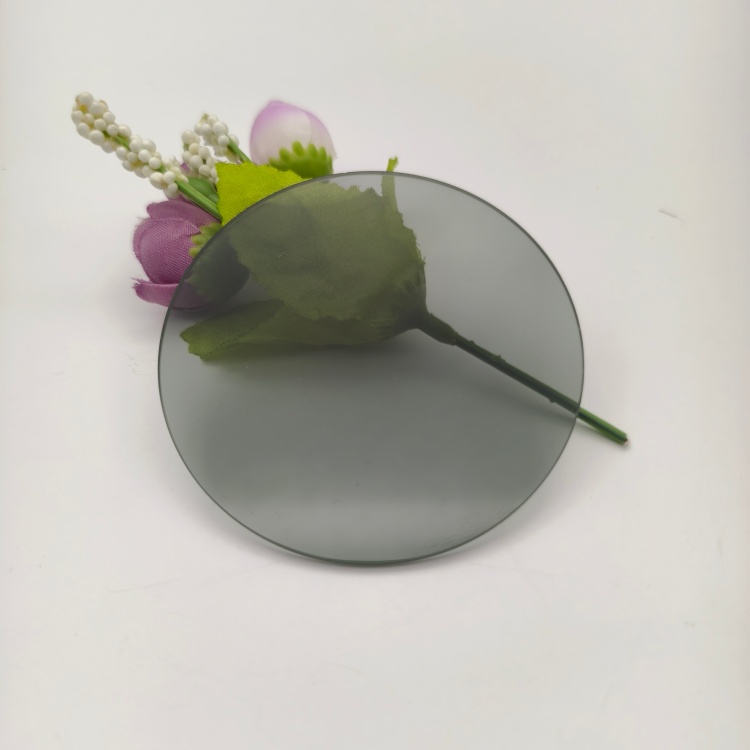
Factory Customized High Strength 2mm 3mm 4mm 5mm Tempered Black Glass Bulletproof & Decorative Flat Surface
Best for impact-resistant decorative panels, appliance fronts and high-strength black glass builds. Custom thickness, printing and flat surface processing.
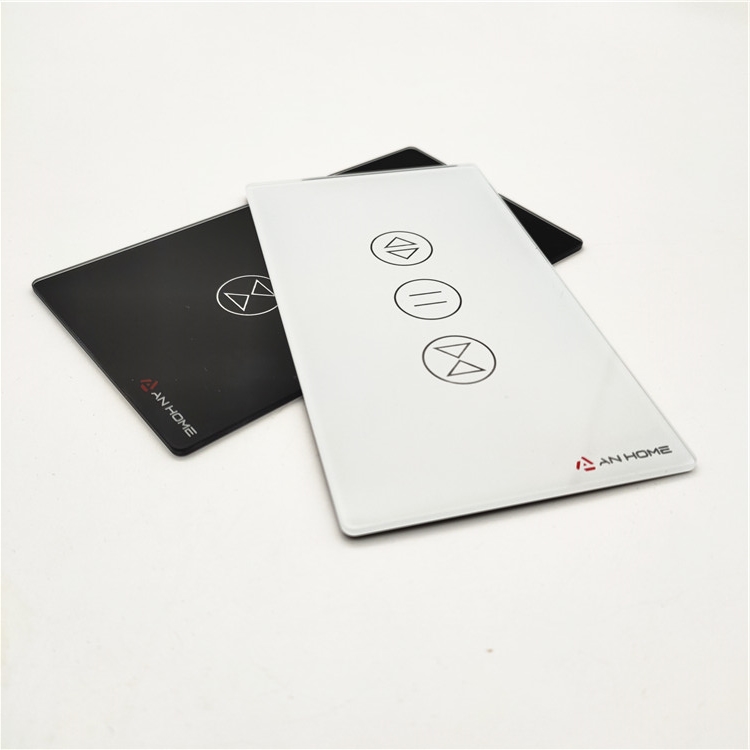
Home Smart WiFi Remote Control Touch Tempered Glass Screen-Printed Glass Switch Glass Panels Curtain Control Glass
Designed for smart home wall switches and curtain-control interfaces; tempered touch glass with printed control windows and clean surface finishing.
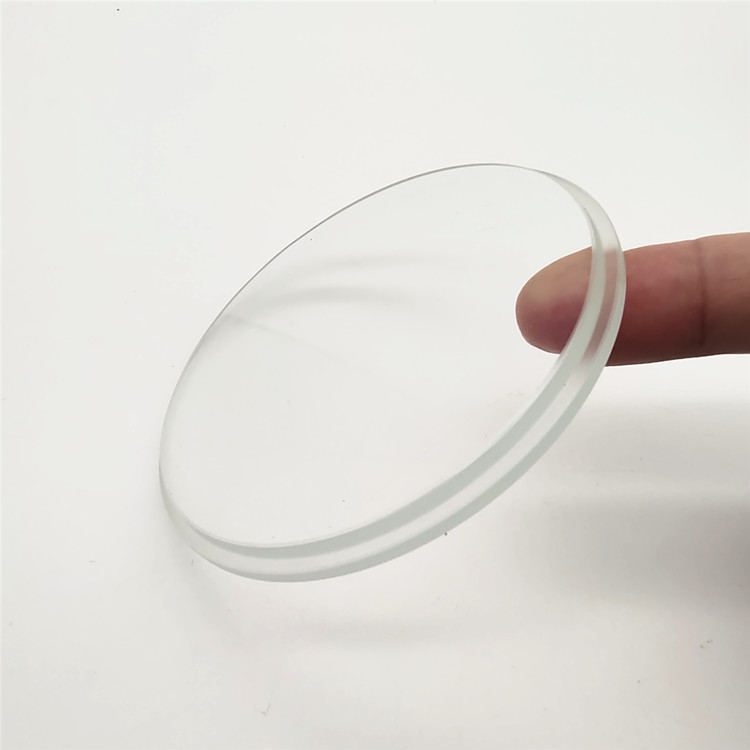
Factory Price 2mm 3mm 4mm 5mm 6mm 8mm 10mm Tempered Step Edge Glass
Cost-controlled step-edge tempered glass for covers, shelves, control windows and industrial panels. Factory pricing supports production-scale purchasing.
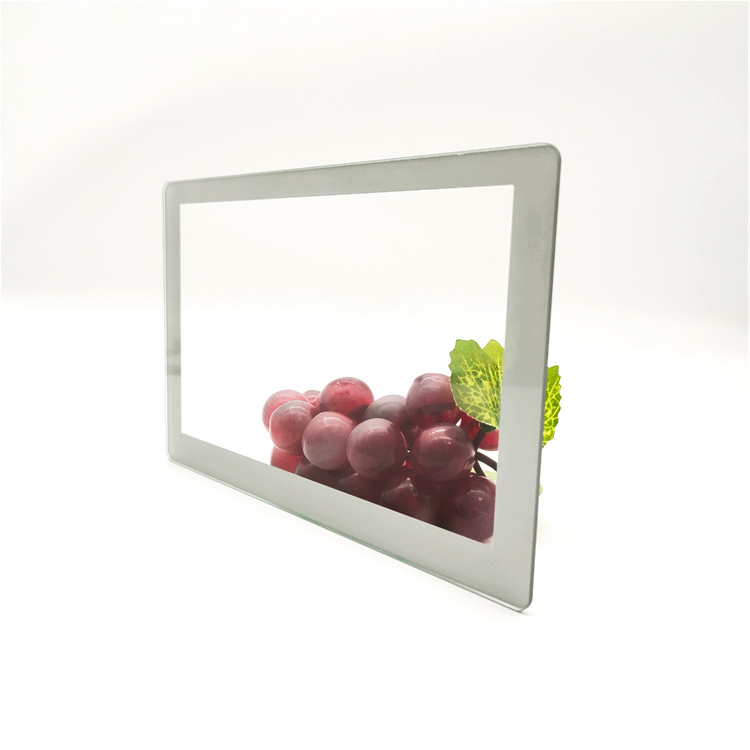
Customized High Strength Anti Glare Frosted Finish Tempered Glass LED/LCD Display Touch Panel for Monitor Screen Protector
Anti-glare frosted tempered glass for LED/LCD display windows, monitors and outdoor touch panels; reduces reflection while keeping icons readable.
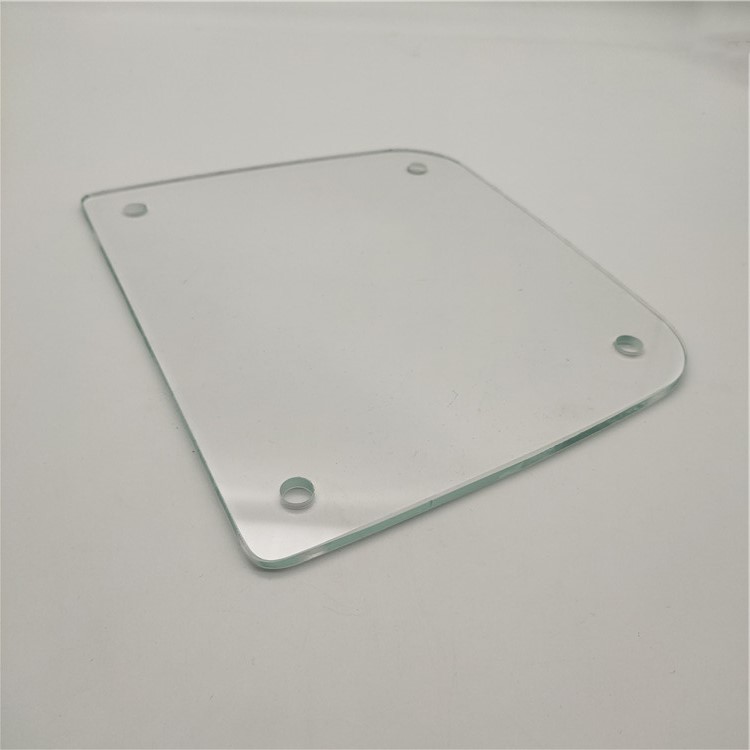
Ultra Clear Tempered Glass Customized Design with Cut Holes for Led Light Cover
Ultra-clear LED lighting cover glass with CNC-cut holes and custom outline. Suitable for high-transparency lighting fixtures and visible electronic components.
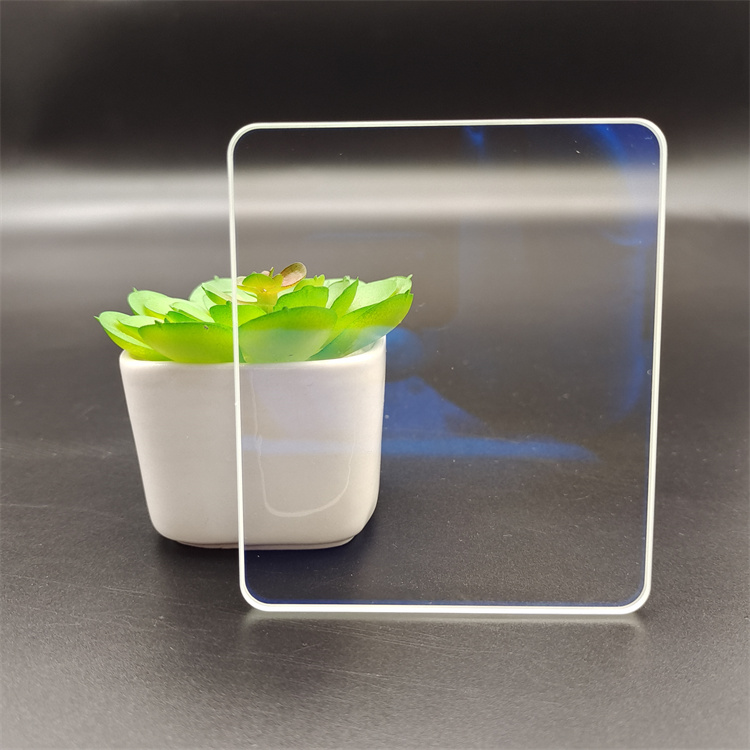
Both Sides Anti Reflective AR Coating 1mm 2mm 3mm 4mm Ultra Clear Tempered Glass
Double-sided AR-coated ultra-clear tempered glass for display stacks where contrast, low reflection and high light transmission are critical.
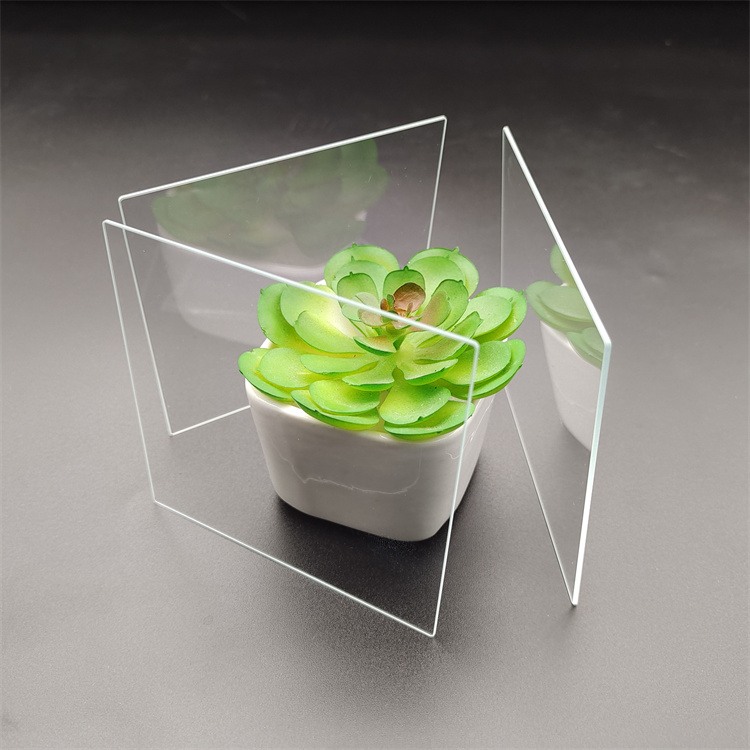
Custom 1mm 2mm 3mm 4mm 5mm Tempered Extra Clear Glass Panel for LCD Screen / LED Light /Electronic Appliance Cover
Extra-clear 1–5 mm tempered glass for LCD screens, LED lights and electronic appliance covers. Custom shapes, printed windows and edge options available.
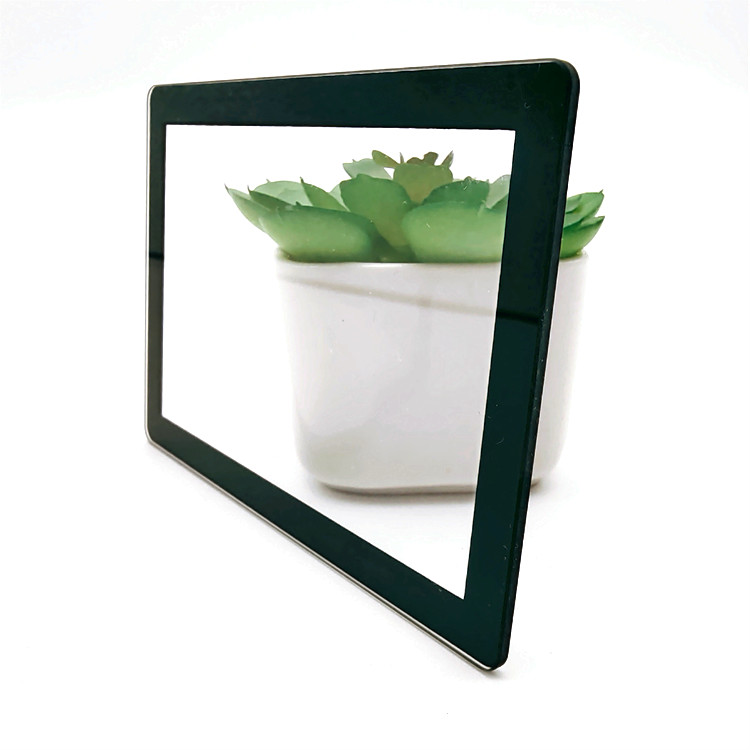
High Quality 0.5mm-6mm Solid Industrial Display Screen Tempered Glass with Printed Design High Strength & Bulletproof Protection
Industrial display screen glass from 0.5–6 mm with printed design, high strength and impact-resistant protection for demanding equipment windows.
Verifiable Capability Signals for Toughened Glass Buyers
For high-intent procurement searches, trust is not built by a slogan. It is built by capacity, response speed, repeat purchase behaviour and the ability to keep critical processes under one roof.
Dongguan Jaswe Glass Co., Ltd. combines custom glass engineering, in-house tempering, printing and optical coating with export communication. The figures below should be used as first-pass supplier filters, then confirmed through drawings, samples and inspection records.
Many operators bring 8+ years of hands-on glass processing experience.
Cutting, edging, drilling, tempering, printing and coating equipment in one factory.
Monthly output exceeds 200,000 processed glass pieces for repeat industrial buyers.
Fast engineering replies help buyers keep sampling and launch schedules moving.
Recorded on our trade profile, supporting due diligence for overseas procurement teams.
Repeat orders from lighting, electronics and appliance buyers across three continents.



Why Jaswe Glass Is a High-Trust China Toughened Glass Factory & Exporter
Based in Dongguan, the center of China’s electronics supply chain, Dongguan Jaswe Glass Co., Ltd. designs, processes and exports tempered glass, display glass, touch screen glass, silk screen printed glass, switch glass, AR / AG / AF coated glass, electrical equipment glass and LED lighting glass. This is a focused glass processing factory model, not a trading page that simply repackages other factories’ catalogs.
Most of our 80+ operators have over eight years of hands-on glass processing experience. That depth matters on tight-tolerance work such as ultra-thin 0.2 mm cover glass, multi-color printing with transparent display windows, step-edge glass, and optical coatings where small handling errors become visible defects. Buyers searching for the best toughened glass factory in China should look for this kind of process depth, not only a low unit price.
With 26 glass processing machines, including a tempering furnace, edge polishing equipment, silk screen printers and automatic cutting lines, monthly output exceeds 200,000 pieces. In-house capability covers cutting, special-shaped and CNC cutting, edge polishing, hole drilling, tempering, silk screen and ceramic printing, AG processing and AR / AF coating. Keeping these steps under one quality system shortens lead time and reduces the quality gaps that appear when glass moves between subcontractors.
The commercial signals are equally practical: 51–100 employees, annual revenue of US$2.5M–US$5M, main markets in America, Europe and Asia, on-site verified supplier status for 6 years, a 96.61% response rate, average response within 3 hours, and a 26% buyer reorder rate. For export procurement, those signals support supplier reliability and communication discipline.
AR vs AG vs AF vs Ultra Clear Toughened Glass
Many buyers search for “toughened glass factory China” when the real specification question is optical: which surface treatment fits the application, viewing environment and touch interaction?
| Glass Type | What It Solves | Typical Applications | Engineering Tip |
|---|---|---|---|
| Ultra Clear (Low-Iron) | Removes the green tint of standard float glass for true color | Display covers, LED lamps, premium appliance panels | Pair with white or light-color printing to avoid a greenish edge tone |
| AR Anti-Reflective | Cuts surface reflection, boosts contrast and light transmission | Medical and industrial monitors, display windows, camera covers | Specify single- or double-sided coating; double-sided coating gives the largest optical gain |
| AG Anti-Glare | Diffuses glare from sunlight or overhead lighting | Outdoor kiosks, vehicle HMIs, industrial HMIs and digital signage | Choose gloss and haze level by viewing distance; finer haze suits high-resolution screens |
| AF Anti-Fingerprint | Repels oil and sweat, keeps touch surfaces clean | Capacitive touch panels, smart switches and POS terminals | Apply as the final layer over AR or AG for touch products |
| Silk Screen Printed Tempered | Hides wiring, adds logos, icons and display windows | Switch plates, appliance controls and instrument panels | Send Pantone codes and transparent window dimensions with the drawing |
Final optical values depend on glass thickness, substrate and coating stack. Sample testing is recommended before mass production, especially for AR, AG and AF combinations.
Future Procurement Trends for China Toughened Glass Buyers
Purchasing teams are moving from catalog comparison to specification-based supplier evaluation. The winners will be factories that can prove process control, communicate engineering limits clearly and support lower-risk sampling.
Verified trade data over brochure claims
Buyers increasingly check supplier assessment, response rate, reorder rate and trade history before requesting samples. A factory page should make verification easy.
Total cost of ownership replaces lowest unit price
Breakage, edge chipping, coating yield, packing quality and communication delays often cost more than a small per-piece price difference. Procurement is shifting toward landed cost and risk cost.
Optical stacks become a normal specification
Instead of asking for “tempered glass,” buyers now specify AR, AG, AF, haze, transmittance, surface energy and the order of coating layers. This is where engineering review adds value.
Early supplier involvement reduces launch risk
DFM review before a drawing is frozen helps avoid impossible tolerances, fragile hole layouts, poor print registration and coating conflicts. The best supplier is a process advisor, not only a cutter.
Small-batch validation and mixed SKU sampling
Buyers validate fit, color, optical performance and packing before scaling. MOQ from 100–500 pieces for custom items supports this trial-first procurement model.
Supply-chain resilience and export packing
Interleaved, edge-protected export packing and clear batch traceability matter as much as the glass itself. Consistent packing protects repeat-order economics.
Toughened Glass Product Trends Shaping the Next Buying Cycle
Glass is becoming a functional interface component: thinner, stronger, clearer, more printable and more optically engineered for touch, display and lighting applications.
Thinner yet stronger cover glass
0.2–0.7 mm electronic-grade glass continues to grow in touch panels, sensors and compact appliances, where weight and stack height matter.
Integrated AR + AG + AF surfaces
Outdoor kiosks and industrial HMIs increasingly require anti-reflective, anti-glare and anti-fingerprint properties on one cover glass.
Printed glass as an interface component
Smart switches, appliance controls and instrument panels use silk screen and ceramic printing to hide wiring, define touch windows and carry branding.
LED lighting covers with CNC features
Ultra-clear LED cover glass with drilled holes, ceramic borders and custom outlines is replacing generic cut glass in higher-value lighting fixtures.
High-strength industrial display windows
Equipment makers want impact-resistant, printable and anti-glare glass windows for harsh or high-use environments, not just simple rectangular covers.
Low-iron ultra-clear glass for premium products
As product aesthetics improve, low-iron glass is replacing green-tint float glass in display covers, LED lamps and premium appliance panels.
How a Custom Toughened Glass Order Works
Clear communication at the drawing stage prevents most quality disputes later. This five-step workflow is designed for overseas buyers who need predictable sampling and production.
Send Requirements
Provide DXF, DWG or PDF drawing, thickness, edge type, printing colors, coating requirement, application and annual volume.
Engineering Review
Manufacturability check covers tooling, tolerances, hole positions, print registration, coating route and sample plan.
Sampling
Physical samples support fit, color and optical approval before mass production begins.
Mass Production
Batch production with in-process inspection at cutting, edging, tempering, printing and coating stages.
Packing & Shipping
Interleaved, edge-protected export packing designed for safe transit and predictable receiving.
Common Procurement FAQ for China Toughened Glass Buyers
These are the questions that most often appear before a buyer requests a sample or releases a purchase order.
What glass thickness can Jaswe Glass process?
What is the minimum order quantity for custom toughened glass?
What is the difference between AR, AG and AF glass?
Which processes are completed in-house?
What is the production capacity?
How do I start a custom glass project?
How is quality controlled before export?
Have a Drawing Ready? Get an Engineering Review.
Share your specifications and receive process recommendations from our glass engineers. Use the quote button to start a conversation about thickness, printing, AR / AG / AF coating, packing and estimated annual volume.
info@jasweglass.com · Dongguan, Guangdong, China