Production-Ready Float-Glass Products for Global Buyers
These eight product families represent the demand patterns we see most often from display, appliance, lighting and industrial OEM buyers. Each link preserves the original product URL so sourcing teams can move from high-level research directly into specification review.
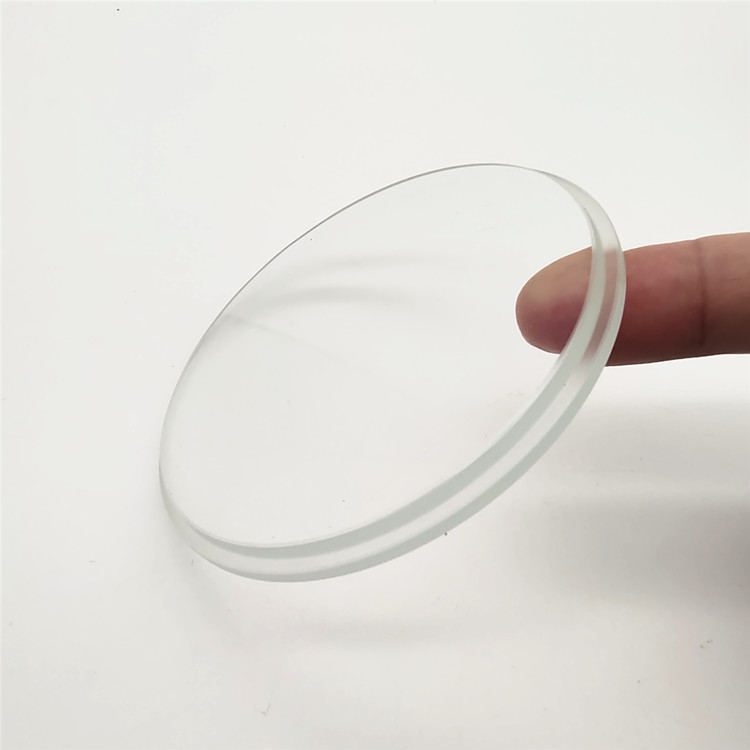
Factory Price 2mm 3mm 4mm 5mm 6mm 8mm 10mm Tempered Step Edge Glass
A practical choice for framed displays, appliance windows and industrial covers where a step-edge profile helps with fit, seating and assembly.
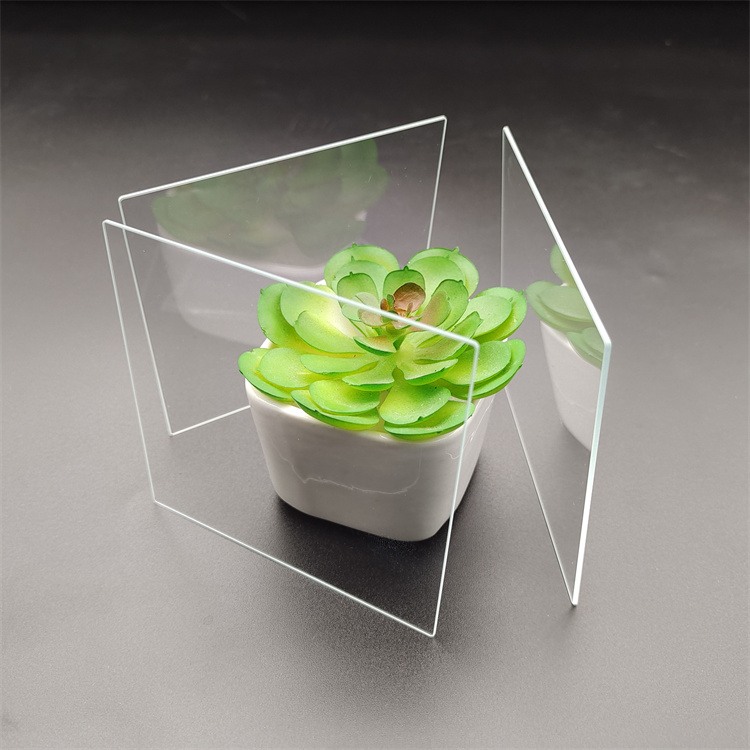
Custom 1mm 2mm 3mm 4mm 5mm Tempered Extra Clear Glass Panel for LCD Screen / LED Light / Electronic Appliance Cover
Low-iron extra clear glass for buyers who need high light transmission, neutral color and a clean cover-glass appearance on LCD, LED and appliance products.
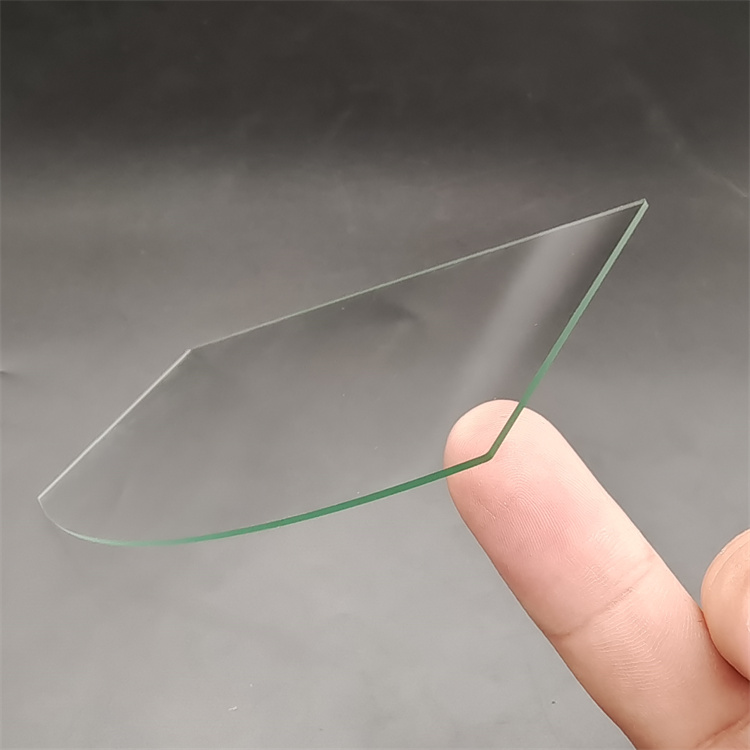
Any Size Custom 0.5/0.7/1/1.5/2/3mm Tempered Glass Screen Protector, Round Rectangle Triangle Customized Tempered Glass OEM ODM
OEM / ODM-shaped ultra-thin tempered glass for compact electronics, control interfaces and display protection, including round, rectangle and triangle outlines.
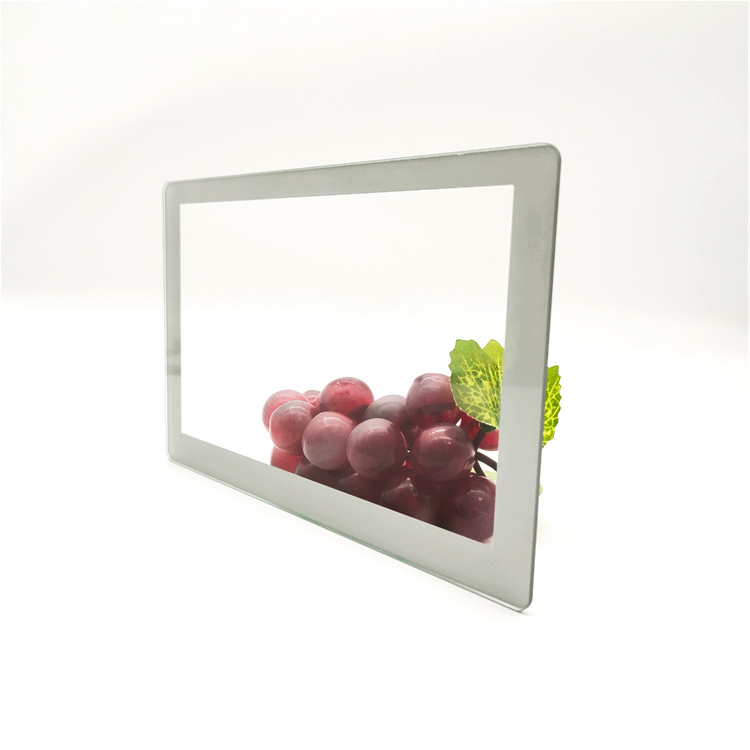
Customized High Strength Anti Glare Frosted Finish Tempered Glass LED/LCD Display Touch Panel for Monitor Screen Protector
AG frosted finish for environments where reflected light reduces readability. A strong fit for outdoor kiosks, industrial monitors and bright retail displays.

Small Size Ultra Thin 0.5mm 0.7mm 1mm Tempered Glass Panel With Adhesive Tape for Screen Protection
Adhesive-backed ultra-thin glass for assembly-friendly screen protection, helping electronics buyers reduce secondary taping steps and handling risk.
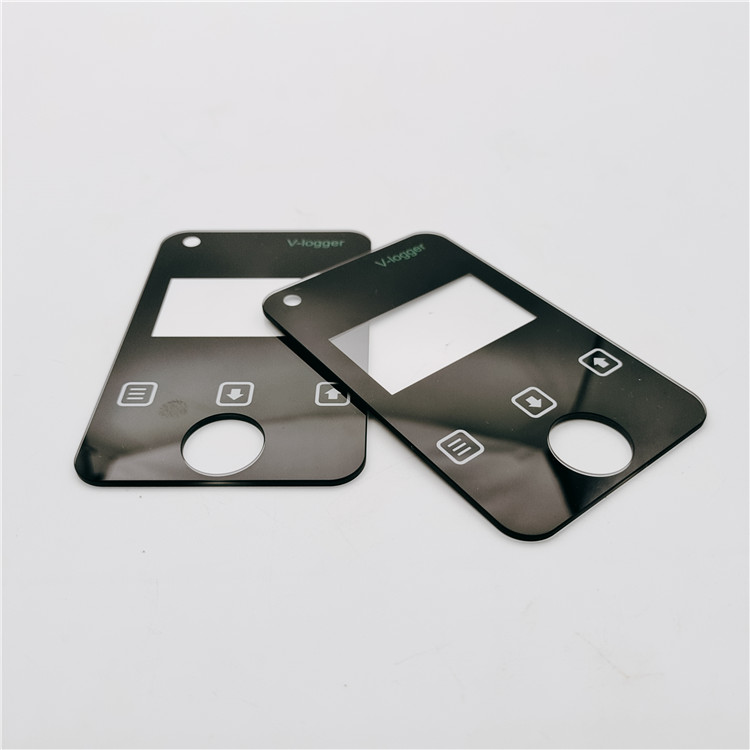
Customized Cut 1mm 2mm 3mm 4mm Instrument Printed Tempered Glass With Holes
Printed instrument glass with drilled holes for controls, sensors and fasteners. Ideal for equipment panels where graphic continuity and dimensional accuracy both matter.

Custom Printed Tempered Glass Panel High Strength Decorative Cover with Hole for Card Reader Instrument
A decorative and protective cover glass for card readers and instruments, combining printed graphics, a functional hole and tempered-glass durability.
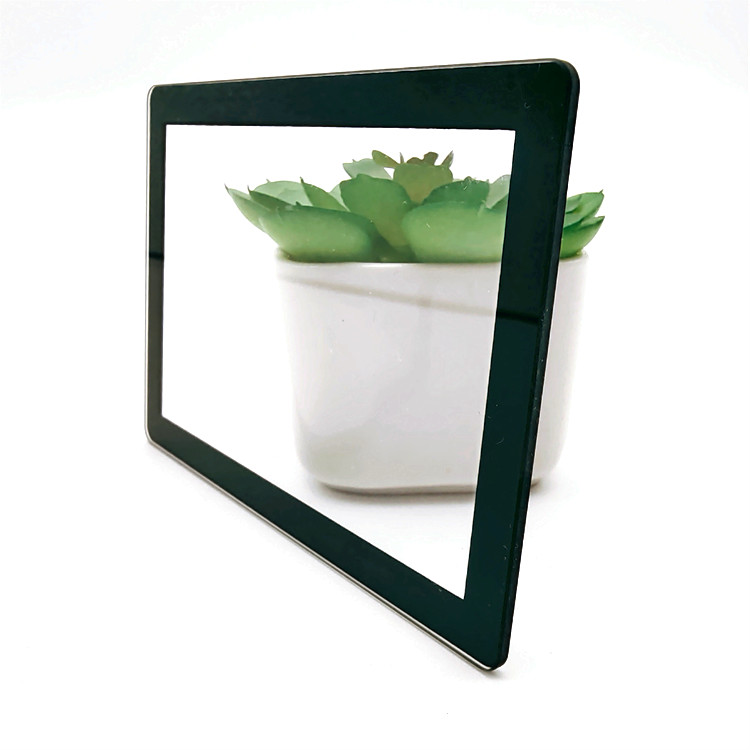
High Quality 0.5mm-6mm Solid Industrial Display Screen Tempered Glass with Printed Design High Strength & Bulletproof Protection
A rugged industrial display cover option for equipment exposed to impact, cleaning, dust and demanding operating conditions. Printed design and high-strength construction are available.
Working from a new drawing, a target BOM cost or a competitor sample? Contact Us for an engineering review before you lock tooling, printing colors or coating specifications.
Capacity Buyers Can Compare, Not Just Claim
For overseas procurement teams, supplier selection is a risk decision. These operating figures describe the production and response foundation behind custom float-glass projects.
What to Buy First: Matching Float Glass to Your Product Roadmap
A top float glass supplier should help buyers reduce the number of iterations between concept, sample and mass production. The fastest route is usually to start from the application environment, not from thickness alone.
Touch & display electronics
Start with 0.5–3.0 mm extra clear float glass when optical clarity and touch response are central. For bright indoor panels, specify AR only after comparing single- and double-sided coating samples on the final display module.
Appliance & smart switch panels
Use printed tempered glass in 1–4 mm for control panels where branding, icon windows and scratch resistance matter. Ceramic ink systems are preferable when the panel will face heat, cleaning chemicals or strong UV exposure.
LED lighting & signage
Choose ultra-clear glass with controlled edge quality for downlights, linear fixtures and wall washers. Buyers should confirm light transmission, cut-out geometry, adhesive compatibility and thermal cycling before moving to volume.
Industrial displays & HMIs
For outdoor or factory environments, AG or combined AR+AG glass helps maintain legibility under strong ambient light. Thickness, impact expectation and enclosure design should be reviewed together, especially for washdown or high-vibration equipment.
How Float Glass Buyers Are Changing Their Sourcing Strategy
Price remains important, but the strongest buyers now compare total landed cost, engineering responsiveness, quality evidence and launch flexibility. These four procurement shifts are already visible in custom display and control-panel projects.
Total landed cost replaces lowest piece price
Experienced buyers now model freight, breakage, incoming inspection, rework and line stoppage alongside the unit price. A supplier with stable tempering, printing and coating control can be cheaper overall even when the quotation is not the lowest.
Earlier supplier involvement before design freeze
Procurement teams are bringing glass processors into DFM discussions earlier. Edge profile, hole spacing, print tolerance and coating stack can affect assembly yield, so waiting until after enclosure design increases cost and delay.
Traceability and change control
Buyers want clear batch records, approval samples and defined change-control steps for glass thickness, ink color and coating performance. This is especially important for medical, automotive-adjacent and industrial programs where requalification is costly.
Flexible MOQ and pilot-to-scale support
Brands are launching more variants with smaller initial batches. Suppliers that support sample evaluation, pilot production and then scale to six-figure monthly output reduce the risk of switching factories between validation and mass production.
What the Next Generation of Float Glass Covers Must Deliver
Product development is moving toward thinner glass, multi-functional coatings and printed glass that functions as part of the user interface. For buyers, this means specification discussions must cover materials, optics, printing and packaging together.
Thinner glass with controlled strengthening
Electronic-grade glass from 0.2 mm to 0.7 mm is increasingly used in compact devices where weight and stack height matter. The challenge is handling, edge quality and process control, not only thickness availability.
Multi-functional optical coating stacks
AR reflection control, AG light diffusion and AF fingerprint resistance are increasingly specified as a combined surface solution. Buyers should validate the coating stack against cleaning agents, stylus use and the final display brightness target.
Printed glass as a brand interface
Ceramic and silk-screen printing now do more than hide wiring. Fine-line icons, transparent windows, gradients and multi-color graphics turn a cover glass into a durable user-interface surface for appliances and smart switches.
Larger, irregular and assembly-ready formats
CNC-cut covers with notches, slots and holes are becoming more common. As formats grow and edges become more visible, edge polishing and export-packing engineering become part of product quality rather than back-end logistics.
Eight Process Controls That Reduce Supply-Chain Risk
Custom float-glass quality is rarely created by one machine. It is the cumulative result of cutting, edging, drilling, tempering, printing and coating all being controlled by one team.
Precision cutting & CNC shaping
Automatic cutting and CNC profiling for rounds, slots, notches and irregular outlines, with drawing review before production.
Edge polishing
Flat, pencil, beveled, stepped and matte edge options for safe handling, clean appearance and reliable fit into enclosures.
Hole drilling
Drilled and countersunk holes for buttons, sensors, cameras, screws and mounting hardware, reviewed against edge-stress limits.
Tempering
Tempering improves impact resistance and creates safer breakage behavior. Process parameters are matched to thickness and geometry.
Silk screen & ceramic printing
Logos, icons, borders, display windows and multi-color graphics with color-matching and transparent-window control.
AG anti-glare processing
Surface diffusion for bright environments, balancing haze, clarity and gloss level against viewing distance and resolution.
AR anti-reflective coating
Optical coating to reduce surface reflection and increase light transmission, improving contrast on display covers.
AF anti-fingerprint coating
Oleophobic surface treatment for touch panels, smart switches and POS terminals, improving glide and cleanability.

Why Overseas Buyers Choose Dongguan Jaswe Glass
Dongguan Jaswe Glass Co., Ltd. is located in Dongguan, Guangdong — one of the world’s densest electronics and appliance manufacturing clusters. This matters for buyers because custom cover glass sits at the intersection of optics, printing, mechanical fit and assembly timing. Being close to the electronics supply chain helps shorten sample feedback, packaging trials and corrective-action loops.
The company processes custom tempered glass, ultra clear glass, silk screen printed glass, AR / AG / AF coated glass, display cover glass, switch glass, LED lighting glass and electrical equipment glass. More than 80 skilled workers and 26 glass processing machines support monthly output above 200,000 pieces.
What differentiates a reliable supplier is not only capacity but consistency. Jaswe’s in-house path covers cutting, CNC shaping, edge polishing, hole drilling, tempering, silk screen and ceramic printing, AG processing and AR / AF coating. Buyers can therefore compare a complete process route instead of managing multiple subcontractors for one cover glass.
Need a Supplier Who Can Review the Drawing, Not Just Quote It?
Send your thickness, outline, edge profile, printing colors, coating requirement and estimated annual volume. The engineering team can recommend a practical process route before sampling.
Contact UsAR vs AG vs AF vs Ultra Clear: Which Float Glass Fits Your Product?
Surface treatment decisions should be made against the final viewing condition, touch interaction and cleaning method. The matrix below is a practical starting point for RFQ discussions.
| Glass option | What it solves | Best-fit applications | Buyer tip |
|---|---|---|---|
| Ultra clear / low-iron | Reduces the green tint of standard float glass and supports truer color reproduction. | LCD/LED covers, appliance panels, premium lighting, touch interfaces. | Pair with light-color printing only after checking edge tone and light transmission on a sample. |
| AR anti-reflective | Lowers surface reflection and increases contrast and apparent brightness. | Monitors, instrument windows, camera covers, high-end display covers. | Compare single- and double-sided AR on the actual display; coating benefits depend on the full optical stack. |
| AG anti-glare | Diffuses reflected light so the screen remains readable under strong ambient light. | Outdoor kiosks, industrial HMIs, vehicle displays, digital signage. | Select haze and gloss by viewing distance; too much diffusion can soften high-resolution content. |
| AF anti-fingerprint | Repels oil and sweat and improves the feel of touch surfaces. | Capacitive touch panels, smart switches, POS terminals, control interfaces. | Validate durability against cleaning agents and stylus or finger use before mass production. |
| Silk / ceramic printed tempered | Hides wiring, carries brand graphics and creates display windows with durable ink. | Switch plates, appliance controls, instrument panels, card readers. | Send Pantone references, window dimensions and hole coordinates together with the drawing. |
Final optical and mechanical values depend on substrate, thickness, coating stack, print design and application environment. Sample approval is recommended before volume production.
Where Custom Float Glass Goes to Work
From consumer-facing electronics to harsh industrial environments, the common requirement is predictable fit, appearance and surface performance after assembly.
Touch & display electronics
Cover glass for LCD, TFT and capacitive touch modules, including extra clear, AR, AG, AF and printed-window options.
LED lighting fixtures
Downlight, panel, linear and wall-washer covers with controlled light transmission, printed borders and clean edge finishing.
Smart home & switches
Printed switch plates and smart control panels where touch feel, icon clarity and fingerprint resistance influence user perception.
Home appliances
Control panels for kitchen and household devices, with ceramic inks, transparent windows and adhesive-ready formats.
Industrial instruments
Meter windows and HMI covers for electrical equipment, including holes, stepped edges and anti-glare surfaces.
Security & camera devices
Printed lens covers, sensor windows and protective glass with precision cut-outs and clean optical apertures.
Six Steps from Drawing to Export-Ready Float Glass
A reliable custom-glass workflow does not hide the difficult questions. It resolves them before mass production begins.
Drawing & specification review
Share DXF, DWG or PDF drawings plus thickness, edge type, printing colors, coating, application and annual volume.
DFM & process routing
Engineering checks hole-to-edge distance, print windows, coating feasibility, tempering limits and handling risk.
Sample approval
Physical samples allow fit, color, edge appearance, optical effect and adhesive compatibility to be approved before tooling or volume.
Material preparation
Float glass is cut, CNC-shaped, edged, drilled and cleaned according to the approved route and order-specific requirements.
Production & in-process QC
Tempering, printing and coating stages are inspected before the next value-added step to reduce hidden defects.
Final inspection & export packing
Finished glass is checked, interleaved and edge-protected for export transit, with packing agreed around size and fragility.
Questions Overseas Buyers Ask Before Ordering Float Glass
These are the commercial and technical questions that most often determine whether a custom glass project moves smoothly from sample to repeat order.
What information should I send for an accurate float-glass quotation?
Send a DXF, DWG or PDF drawing with dimensions, thickness, edge type, hole positions, printing colors or Pantone references, coating requirement, application, target annual quantity and any assembly constraints. If you have an existing sample or a competitor product, that also helps the engineering team identify the correct process route.
Which thicknesses are most common for display and touch covers?
The common range for display and touch covers is 0.5, 0.7, 1, 2, 3 and 4 mm, while ultra-thin electronic glass can start from 0.2 mm and flat tempered glass can go up to 19 mm. The right thickness depends on impact expectation, enclosure design, weight, adhesive and optical requirements.
What is the minimum order quantity for custom processed glass?
Many custom items start at 100 to 500 pieces, depending on size, printing, coating and handling complexity. Standard clear tempered pieces may be supplied in smaller quantities for evaluation. For projects with multiple variants, discuss pilot quantity and mass-production quantity together so the process route is not changed later.
How do AR, AG and AF glass differ in real applications?
AR anti-reflective coating reduces surface reflection to increase transmittance and contrast. AG anti-glare processing diffuses reflected light so screens remain readable under strong ambient light. AF anti-fingerprint coating adds an oleophobic surface that resists smudges on touch panels. These treatments can be combined, but the final stack should be validated on the actual display because clarity, haze and durability interact.
Which processes are completed in-house, and how is quality controlled?
Cutting, special-shaped and CNC cutting, edge polishing, hole drilling, tempering, silk screen and ceramic printing, AG processing, and AR / AF coating are part of the custom glass route. Inspection occurs across cutting, edging, tempering, printing and coating stages before final packing. Buyers can verify supplier profile, trade capacity, transaction level and ratings through the company’s public trade-platform pages.
How do we start a custom glass project with Jaswe?
Email info@jasweglass.com or use the contact button with your drawing, thickness, edge type, printing colors, coating requirement, application and estimated annual quantity. The engineering team reviews manufacturability before samples are made. For urgent projects, state the target sample date, destination country and whether the first order is a pilot run or a mass-production release.
Have a Drawing, BOM or Sample Glass Ready?
Work with a China float-glass supplier that checks manufacturability, optical requirements, printing tolerances and export packing before promising a delivery date. Send your requirements and let the engineering team recommend a practical process route.