China Top Functional Glass Manufacturers & Manufacturer: A Buyer’s Whitepaper for Custom Tempered, Printed, AR, AG and AF Glass
Compare eight production-ready custom glass products, understand the procurement trends reshaping China sourcing, and use an engineering-led checklist to qualify the right functional glass manufacturer.
For displays, touch panels, LED lighting, appliances, switches and industrial instruments.
8 Custom Functional Glass Products Recommended for Global B2B Buyers
These eight products cover the strongest repeat-buyer demand patterns: ultra-thin tempered glass, 1–19 mm clear flat glass, printed appliance panels, low-iron chemically strengthened glass, beveled small-format glass, silk-screen display glass and double-sided AR coated glass. Product URLs are preserved for direct specification review.
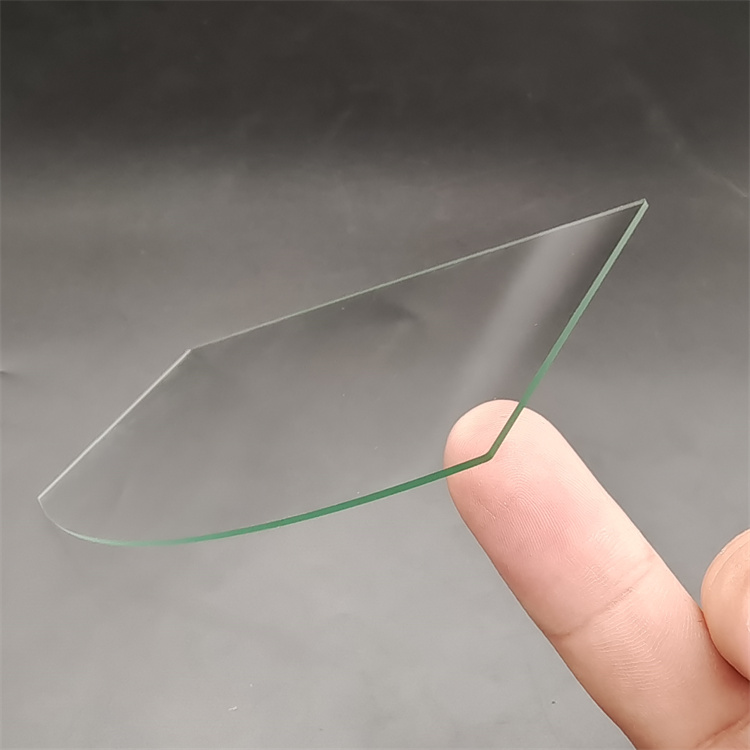
Any Size Custom 0.5/0.7/1/1.5/2/3 mm Tempered Glass Screen Protector — Round, Rectangle & Triangle OEM/ODM
Flexible thickness range and custom outlines for screen protection, small displays and electronic covers.
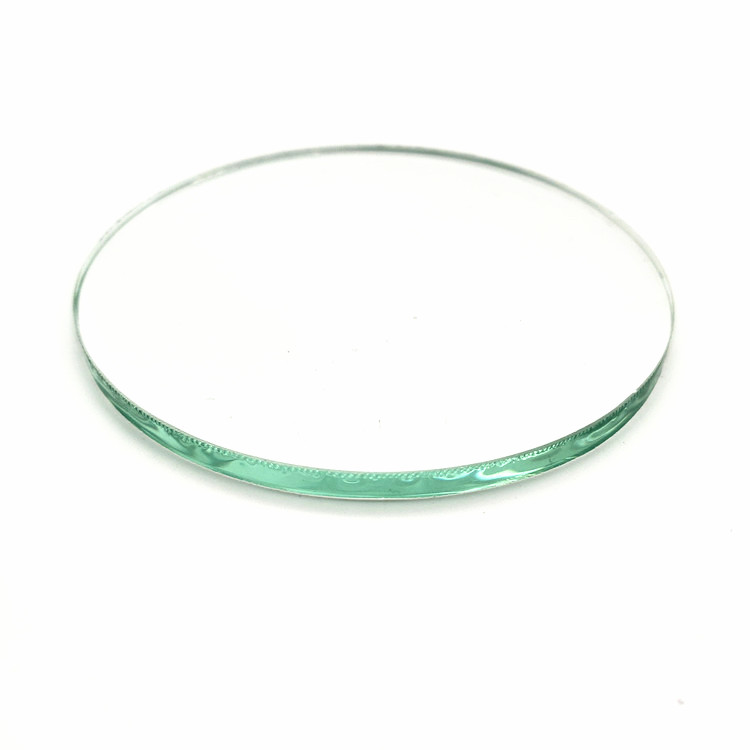
Customized Clear Flat Solid Tempered Glass Pieces 1–19 mm for Industrial Lighting and Various Applications
A practical specification for LED fixture covers, industrial lighting windows and clear protective panels.
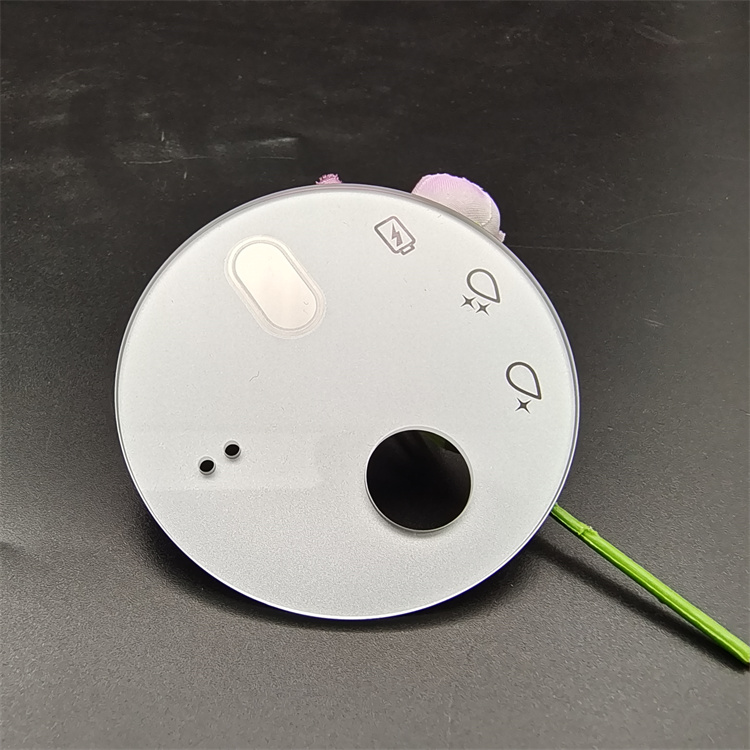
Customized 0.5–6 mm Cut-Hole Printed Round Tempered Glass Panels for Home Appliances
Printed borders, transparent windows and drilled holes for appliance control panels and touch interfaces.
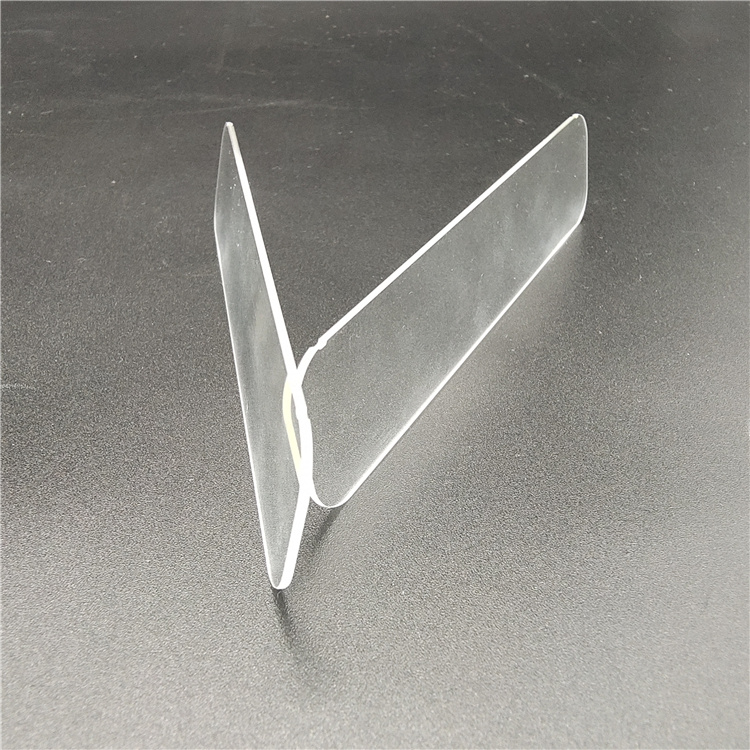
Custom Extra White 0.5/1/1.5/2 mm Low Iron Tempered Glass — Chemical Strengthened
Extra-white low-iron glass for display covers where green tint and colour shift are unacceptable.

Customized Ultra Clear 0.5 mm / 0.7 mm Thickness Ultra-Thin Tempered Glass
Thin-gauge glass for compact electronics, touch windows and lightweight optical cover assemblies.
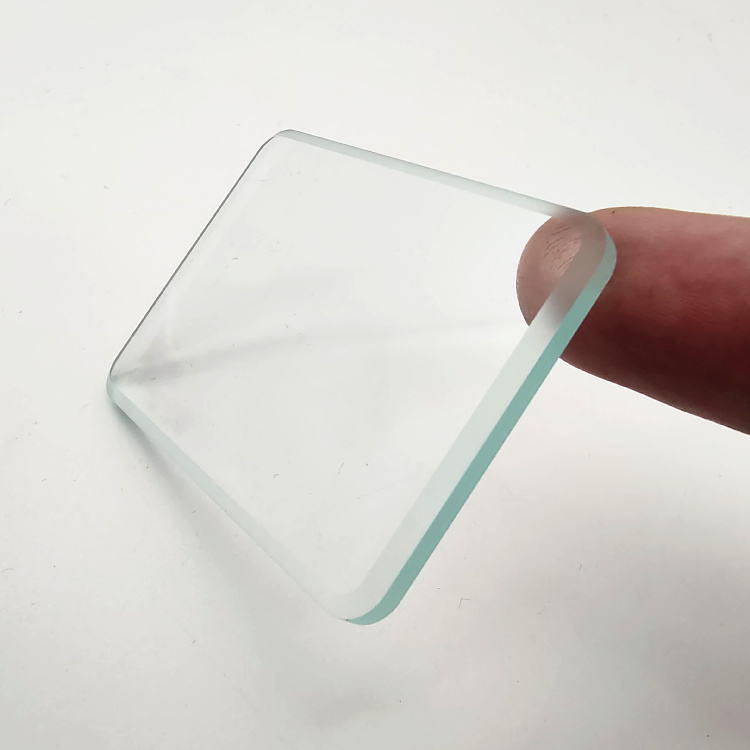
Custom Small Dimensions Tempered Beveled Edge Glass for Sale
Small-format tempered glass with polished beveled edges for instrument windows and premium covers.
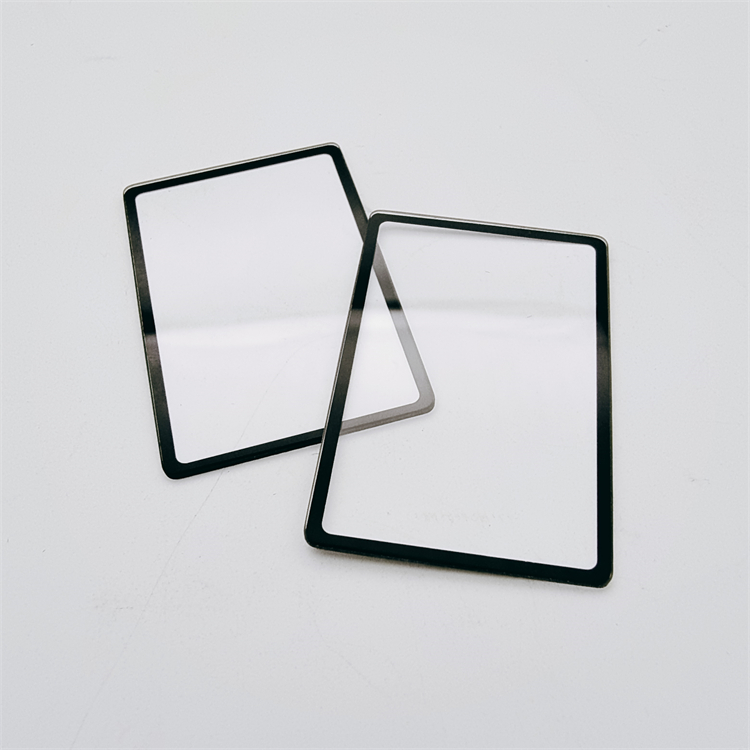
0.5–3 mm OEM Wholesale Custom Silk Screen Printing Tempered Glass Display Screen for Industrial Use
Multi-colour printing for logos, borders, icons and masked display windows on industrial panels.
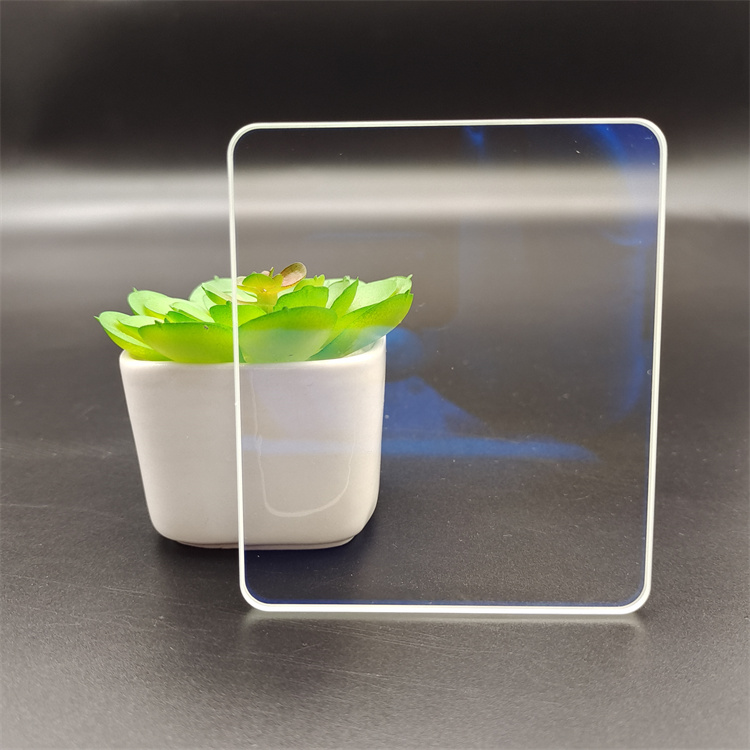
Both Sides Anti-Reflective AR Coating 1/2/3/4 mm Ultra Clear Tempered Glass
Double-sided AR coating for high-transmittance display windows, instruments and camera covers.
Manufacturing Evidence, Not Just Marketing Claims
For buyers comparing China top functional glass manufacturers & manufacturer partners, production data matters more than brochure language. The figures below reflect the operating profile of Dongguan Jaswe Glass Co., Ltd. and the kind of evidence a serious supplier should be able to discuss openly.
What “Functional Glass” Really Means in a Custom B2B Program
Functional glass is not a single commodity. It is a specification-led engineered component that must perform an optical, electrical, mechanical or decorative function inside a finished product. In display and touch applications, the glass may need 0.2–4 mm thickness, low-iron composition, chemically strengthened surfaces, anti-reflective coating and anti-fingerprint treatment. In lighting and appliance applications, the same supplier may need to deliver 1–19 mm clear flat glass, printed borders, precise cut holes and heat-resistant ceramic ink.
That breadth is why the search for a China top functional glass manufacturer should not be reduced to price per square metre. The better question is whether the factory can control the full chain: raw sheet selection, CNC cutting, edge profiling, hole drilling, tempering, silk-screen printing, AR / AG / AF coating, inspection and export packing. When these steps are split among subcontractors, tolerance drift and colour inconsistency become much harder to trace.
Jaswe Glass operates in Dongguan, Guangdong — a location inside China’s electronics and appliance supply chain. The company processes tempered glass, ultra-clear glass, printed glass, switch glass, LED lighting glass, instrument glass and coated optical glass. Its published range covers ultra-thin electronic-grade glass from 0.2 mm up to 19 mm flat tempered glass, with 0.5, 0.7, 1, 2, 3 and 4 mm among the most requested thicknesses for display and touch covers.
How to Compare China Top Functional Glass Manufacturers & Manufacturer Partners
A top-tier functional glass supplier should be judged by process integration, application engineering, quality evidence and communication speed — not by one impressive machine photo.
Integrated processing
Can cutting, CNC shaping, edging, drilling, tempering, printing and coating be controlled under one quality system?
Application engineering
Does the supplier ask about viewing distance, light transmission, surface reflection, touch feel, bonding and cleaning chemicals?
Quality evidence
Are dimensions, edge chips, holes, print colour, coating adhesion and packing verified at defined stages?
Response speed
Can the engineering team review a drawing quickly and explain manufacturability before sampling begins?
AR, AG, AF, Ultra Clear or Printed Tempered: Choose by Function
Specify the problem the glass must solve. The coating or glass type should follow the application, not the other way around.
Ultra clear low-iron glass
Best for: display covers, LED lamps and premium appliance panels. Design note: pair low-iron substrate with light print colours to avoid edge tint and colour shift.
AR anti-reflective coating
Best for: medical monitors, industrial HMIs and camera windows. Design note: double-sided AR usually delivers the largest contrast gain; confirm intended viewing side.
AG anti-glare treatment
Best for: outdoor kiosks, vehicle displays and factory-floor terminals. Design note: match haze level to viewing distance and pixel density.
AF anti-fingerprint coating
Best for: capacitive touch panels, smart switches and POS terminals. Design note: AF is often the final layer over AR or AG for a smoother touch feel.
Silk-screen printed tempered glass
Best for: switch plates, appliance controls and instrument panels. Design note: provide Pantone references, icon files and transparent window dimensions.
Chemically strengthened ultra-thin glass
Best for: compact electronics and lightweight touch assemblies. Design note: thinner glass demands tighter handling discipline and thoughtful edge design.
Recommended Configurations by End-Use Application
Use these starting points to narrow your RFQ before requesting samples. Final thickness, coating and printing should always be confirmed with engineering drawings.
Industrial lighting
1–19 mm clear flat tempered glass, optional printed borders and cut holes. This is a strong fit for LED fixture covers and high-bay lighting windows.
Display and touch panels
0.5–4 mm ultra-clear tempered glass with AR, AG or AF coatings. Combine low reflection with anti-fingerprint performance for touch interfaces.
Home appliances
Printed round or rectangular panels with drilled holes, transparent windows and adhesive-ready backs. Ceramic ink is preferred for heat and fade resistance.
Smart switches
Silk-screen printed tempered glass with icons, black borders and touch-key windows. Check surface flatness and print registration on small formats.
Industrial instruments
Small beveled-edge glass with printed masking, AR coating or anti-glare treatment for readable meter windows in bright environments.
Screen protection / OEM
0.5–3 mm custom-shaped tempered glass with round, rectangle or triangle outlines. Ideal for early-stage product ranges needing flexible sizing.
Product Procurement Trends Reshaping Functional Glass Buying
Buyers are not simply shifting away from China; they are becoming more technical about how they source from China. The winning suppliers will be those that make specifications, traceability and sampling easier.
China plus one, but China remains the process hub
Dual sourcing is increasing, yet China still concentrates cutting, tempering, printing and coating capability. Buyers are qualifying a primary and a backup supplier without duplicating every process.
Specification-led sourcing
Purchase teams now request optical values, coating stacks, edge standards, print tolerances and packing methods in the RFQ, not after the sample arrives.
Traceability and batch consistency
Repeat orders expose colour drift and edge variation. Batch records, glass source control and retained samples are becoming normal buyer expectations.
Coating convergence
AR + AG + AF combinations are moving from premium projects into mainstream outdoor displays, smart home panels and industrial touch interfaces.
Faster sampling, smaller launches
Lower initial volumes and faster product cycles reward suppliers that can quote quickly, review drawings early and support practical MOQ flexibility.
Packaging as part of quality
Chipped edges and surface scratches often occur after production. Export-grade interleaving, edge protection and carton validation are becoming part of supplier scoring.
Product Development Trends for Functional Glass
The next generation of functional glass will be judged by how well it combines thinness, optical clarity, touch performance and decorative precision.
Thinner, stronger chemically strengthened glass
0.2–0.7 mm substrates are improving with better strengthening control, enabling lighter covers and compact electronic designs.
Multi-layer optical coatings
AR, AG and AF treatments are increasingly combined to deliver low reflection, glare diffusion and smudge resistance on one surface.
Decoration integrated with touch
Silk-screen and ceramic printing are moving closer to touch-key windows, hidden icons and seamless black borders for smart switches.
Automation and sustainability
Automated cutting, inspection and packing reduce variation while buyers ask more questions about glass waste, recyclability and process documentation.
An Engineering Checklist Before You Place a Custom Glass Order
Use this checklist when comparing China top functional glass manufacturers & manufacturer partners. It helps separate a capable custom processor from a supplier that only forwards quotations.
1. Drawing review before quotation
Confirm thickness, outline, corner radius, holes, edge type and printing windows. A serious supplier will flag fragile features before quoting.
2. Thickness and tolerance capability
Ask which thicknesses are routine and which require special handling. Verify measurement methods for length, width, hole position and flatness.
3. Edge, hole and breakage control
Inspect chips, micro-cracks and polishing quality. Tempered glass performance depends heavily on edge quality before strengthening.
4. Coating durability and optics
Request sample testing for adhesion, haze, transmittance, reflection and cleaning resistance. Confirm single- or double-sided coating orientation.
5. Printing colour control
Approve Pantone references under defined lighting. Ask how ink thickness, curing and batch colour consistency are controlled.
6. Packing and traceability
Review export packing drawings and inspection records. Retained samples and batch identification simplify future reorders.



Why Dongguan Jaswe Glass Co., Ltd. Fits the Profile of a Reliable Functional Glass Manufacturer
Dongguan Jaswe Glass Co., Ltd. is a glass processing company based in Dongguan, Guangdong, China. It supplies custom tempered glass, ultra-clear glass, silk-screen printed glass, anti-reflective glass, anti-glare glass, anti-fingerprint glass, touch screen cover glass, switch glass and LED lighting glass to buyers in America, Europe and Asia.
The company reports 51–100 employees, including more than 80 skilled workers in production, with many operators bringing over eight years of hands-on glass processing experience. Its 26 glass processing machines support monthly output above 200,000 pieces. That combination matters on difficult jobs such as ultra-thin 0.2 mm cover glass or multi-colour printing with transparent display windows, where small handling errors become visible defects.
“Scientific management, careful manufacture, high quality service, striving for excellence.”
For overseas buyers, the practical advantage is access to one supplier for cutting, CNC shaping, edge polishing, hole drilling, tempering, silk screen and ceramic printing, AG processing and AR / AF coating. That integrated model shortens lead time and removes the quality gaps that appear when glass moves between subcontractors. The company also records a 96.61% response rate, average response time within three hours and a 26% buyer reorder rate — useful operational signals when comparing manufacturers.
From Drawing to Delivered Custom Glass
A transparent workflow gives overseas buyers predictable quality, clear communication and fewer surprises between sample approval and mass production.
Send requirements
Share drawing, thickness, edge type, printing colours, coating requirement, application and annual volume.
Engineering review
Manufacturability checks, process route and practical recommendations are prepared before sampling.
Sample approval
Physical samples verify fit, colour, edge quality and optical performance for sign-off.
Production & packing
Batch production with in-process inspection, then interleaved, edge-protected export packing.
Custom Functional Glass Procurement FAQ
Common questions from overseas buyers evaluating China top functional glass manufacturers & manufacturer partners for display, lighting, appliance and industrial projects.
QAre you a manufacturer or a trading company?
Dongguan Jaswe Glass Co., Ltd. is a glass processing manufacturer in Dongguan, China, with in-house cutting, CNC, edging, drilling, tempering, printing and coating capability. This matters because process responsibility stays inside one quality system.
QWhat is the minimum order quantity for custom glass?
Most custom items start at 100 to 500 pieces, depending on size, printing and coating. Standard clear tempered pieces can be supplied in smaller sample quantities for evaluation before mass production.
QWhat glass thicknesses can be processed?
The practical range covers ultra-thin electronic-grade glass from 0.2 mm up to 19 mm flat tempered glass. The most requested thicknesses for display and touch covers are 0.5, 0.7, 1, 2, 3 and 4 mm.
QWhat is the difference between AR, AG and AF glass?
AR anti-reflective coating reduces surface reflection and increases transmittance. AG anti-glare treatment diffuses reflected light for readability under strong ambient light. AF anti-fingerprint coating is an oleophobic top layer that resists smudges on touch surfaces. They can be combined on one cover glass.
QWhat information is needed to quote a custom glass project?
Send a DXF, DWG or PDF drawing with thickness, outline, holes, edge type, printing colours, coating requirement, application and estimated annual quantity. Include Pantone references and transparent window sizes for printed panels.
QHow is quality controlled before shipment?
Inspection is applied at cutting, edging, tempering, printing and coating stages before packing. Buyers can discuss measurement criteria for dimensions, holes, edge chips, print registration, coating appearance and export packing during the RFQ stage.
Have a Drawing Ready? Get an Engineering Review.
Share your specifications and receive practical process recommendations for tempered, ultra-clear, printed, AR, AG or AF functional glass. The earlier engineering review starts, the fewer costly iterations appear later.
Contact UsEmail: info@jasweglass.com · Dongguan Jaswe Glass Co., Ltd. · Room 202, Building 1, No. 14 Weige Road, Shipai Town, Dongguan, Guangdong, China