China Top Stepped Glass Supplier & Wholesaler

Custom tempered, ultra-clear, printed, and AR/AG/AF-coated stepped glass for LED lighting, touch displays, smart switches, appliance panels, and instrument windows — engineered in Dongguan, China, and supplied at wholesale scale with drawing-based DFM review.

Product Recommendations

8 Stepped Glass Products for Wholesale Programs

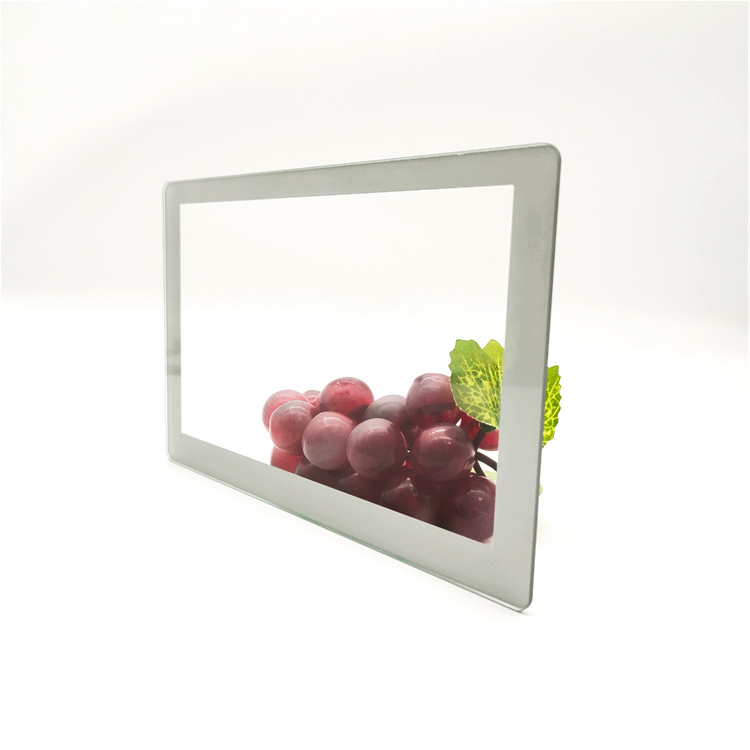
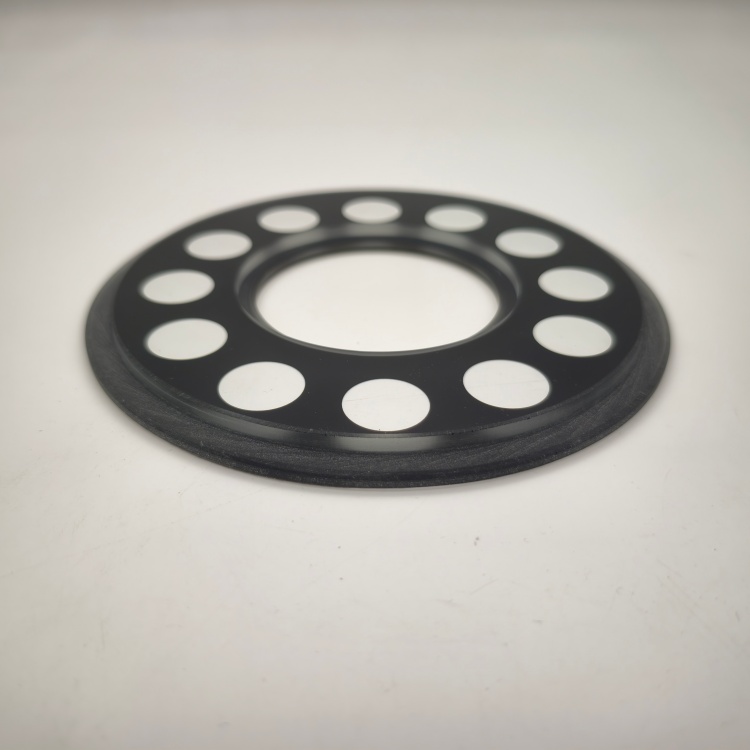
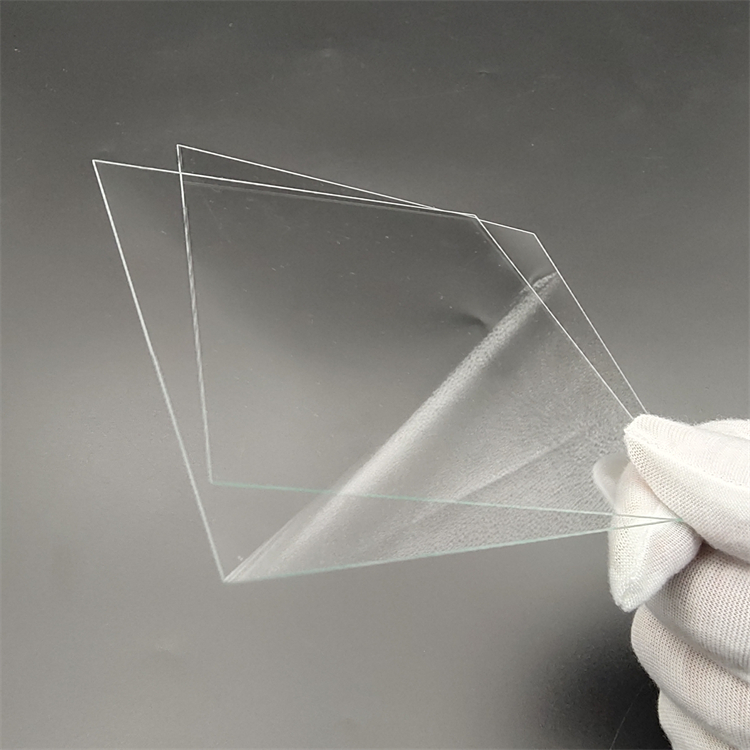
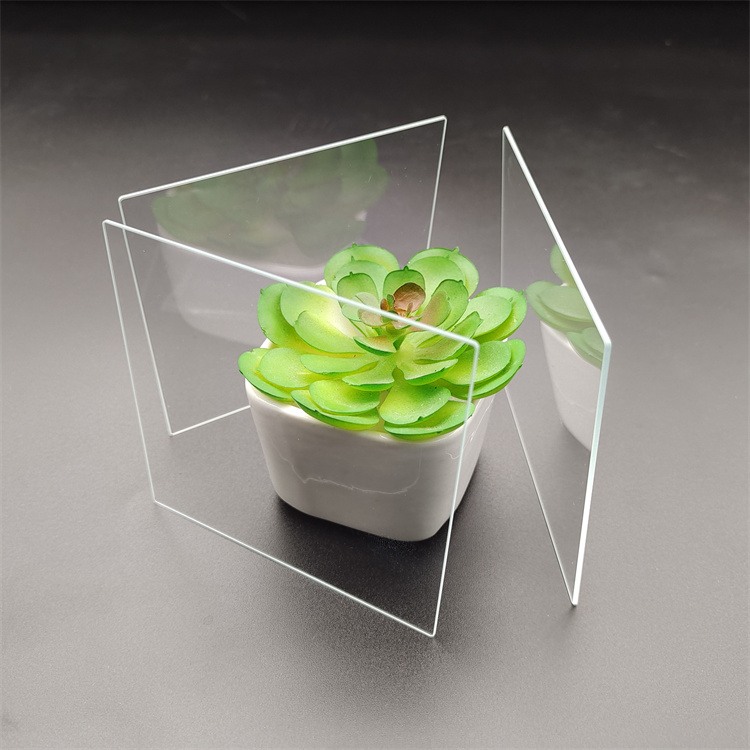
The shortlist below is built around real interface problems: appliance control windows, ultra-thin adhesive-backed covers, frosted industrial lighting glass, anti-glare touch protection, double-step LED windows, printed card-reader covers, low-thickness clear panels, and extra-clear 1–5 mm cover glass. Each product link is retained so buyers can compare specifications, request samples, and confirm whether the edge geometry should be single-step, double-step, beveled, flat-polished, or combined with printing and optical coating.

80+ Skilled glass workers
26 Glass processing machines
200K+ Pieces per month
≤3h Average engineering response
Engineering Insight

What Makes Stepped Glass Different from Standard Cut Glass?

In a display, lighting fixture, or control panel, glass rarely fails because it is simply “too thin.” It fails at the interface. A flat polished edge that looks acceptable in a sample photo can create a visible light leak, an assembly gap, a stress point, or a rejected fit once the glass meets the bezel, gasket, display stack, diffuser, or housing. That is why serious buyers treat stepped glass as a drawing-defined component, not a commodity sheet with a decorative edge.

Stepped glass — also described as step-edge glass, double-step cover glass, or a stepped tempered glass panel — removes material from the perimeter or around a window so the glass can sit flush against a mating part, accept an insert, hide an LED strip, create a controlled light aperture, or protect a printed interface. The step may be polished, matte, frosted, or printed; it may appear on one or both faces; and it can be combined with drilled holes, radius corners, ceramic printing, adhesive tape, and AR/AG/AF optical coatings.

For procurement teams, the useful question is not only “What thickness do you recommend?” It is “Which mating condition must the edge satisfy?” This guide is compiled by the engineering and export team at Dongguan Jaswe Glass Co., Ltd., a Dongguan-based processor of custom tempered, ultra-clear, printed, and coated glass. Our production experience shows that the most efficient quotation begins with the mating housing drawing, the display stack, the light diffuser, or the gasket model — not just an outline dimension.

0.2–19 mmProcessed glass thickness range
Step / bevel / flatEdge geometry options
Cut to coatIn-house process chain
Dongguan Jaswe Glass factory team reviewing custom stepped glass production
Factory tour: cutting, CNC shaping, edge polishing, tempering, printing, coating, and inspection under one quality system.
Selection Matrix

Step Geometry and Edge Selection Guide

Use this table to align the glass drawing with the assembly. Final feasibility depends on thickness, substrate, outline, hole positions, print coverage, coating stack, and the mating part tolerance.

Edge / Step Configuration What It Solves Typical Applications What to Specify
Flat polished edge Provides a clean, safe edge for general cover glass where a step is not required. Display covers, appliance windows, LED panels, instrument covers. Glass thickness, edge finish, corner radius, and chip tolerance.
Beveled edge Softens the visual transition and reduces handling risk on exposed perimeters. Premium appliance panels, lighting covers, decorative covers. Bevel width, bevel angle, polish quality, and print clearance.
Pencil / round edge Delivers a smooth tactile edge for products that are touched or handled. Smart switches, touch panels, control interfaces. Edge radius, surface finish, and compatibility with printing.
Single-step edge Creates a recess for flush mounting, gasket seating, or housing location. LED lighting windows, control panels, instrument display windows. Step depth, step width, transition radius, polished or matte finish.
Double-step edge Supports two mating levels, a light aperture, or a more complex bezel relationship. Round LED covers, lighting fixtures, layered display assemblies. Both step depths, order of operations, and inspection reference planes.
Step + printed window Combines fit control with branding, icons, light masking, and transparent viewing areas. Appliance controls, card readers, smart switches, HMI panels. Pantone colors, window size, print side, registration tolerance, and ink durability.
Step + AR / AG / AF coating Adds optical performance or touch-surface benefits to a fit-critical glass part. Outdoor displays, medical monitors, touch kiosks, industrial HMIs. Coating side, reflection or haze target, AF requirement, and sample approval.

An engineering review is recommended before tooling or mass production. For faster quotation, include the mating housing drawing, not only the glass outline.

Supplier Advantages

Why Global Buyers Shortlist Dongguan Jaswe Glass

A supplier claim is not evidence. In stepped glass, evidence looks like verifiable equipment, in-house process control, responsive engineering replies, stable printing, reliable coating, export-ready packing, and repeat business from buyers who understand the cost of a failed assembly.

Dongguan Supply-Chain Access

Located in Dongguan, Guangdong, inside China’s electronics and display supply chain. This proximity supports faster material coordination, sample iteration, and export communication for display, appliance, and lighting projects.

In-House Process Chain

Cutting, special-shaped and CNC cutting, edge polishing, hole drilling, tempering, silk-screen and ceramic printing, AG processing, and AR/AF coating are handled under one roof, reducing quality gaps between subcontractors.

Production Scale

More than 80 workers and 26 glass processing machines support monthly output above 200,000 pieces. That capacity matters for wholesale programs that combine multiple thicknesses, print colors, and coating requirements.

Responsive Engineering

Average response time is within 3 hours, with a reported 96.61% buyer response rate. Fast clarification on step depth, print registration, coating side, and drawing completeness prevents late-stage redesign.

Quality Control by Stage

Inspection is applied at cutting, edging, tempering, printing, and coating stages before packing. For stepped glass, this helps confirm step geometry, edge chips, print registration, window clarity, and coating appearance.

Export Experience and Repeat Buyers

Main markets include America, Europe, and Asia. A reported 26% buyer reorder rate reflects repeat demand from lighting, electronics, and appliance brands rather than one-off sample activity.

Supplier Performance Snapshot

Useful signals for a wholesale buyer comparing a China stepped glass supplier: response speed, repeat business, production scale, and process coverage. These indicators do not replace sample testing, but they help qualify a supplier before a drawing review.

Buyer response rate96.61%
Repeat buyer rate26%
Skilled workforce80+
Monthly output capacity200K+ pcs
Procurement Outlook

Future Procurement Trends for Stepped Glass, 2025–2030

Wholesale buyers are moving away from “lowest piece price” as the only decision rule. The direction is toward specification certainty, total landed cost, dual sourcing, faster engineering loops, and traceability across printing and coating. These shifts change how a buyer should compare a China stepped glass supplier with regional alternatives.

From Catalog Buying to Drawing-Based Sourcing

Stepped glass is increasingly purchased from a controlled drawing package rather than a generic size list. Buyers who send DFM-ready files, mating housing drawings, step depth, corner radii, print files, and coating specifications shorten the quotation cycle and reduce sample revisions. In the future, suppliers who can interpret a stack-up and challenge an incomplete drawing will be more valuable than suppliers who only quote per square meter.

Dual Sourcing with One Inspection Standard

Many brands will keep a China processing partner for scale, process depth, and coating integration while adding a regional source for selected items. The procurement challenge is consistency: the same step depth, edge polish, print color, and surface treatment must be measured against one golden sample. Buyers should define inspection planes, viewing conditions, and packaging standards before splitting volume between suppliers.

Total Landed Cost Replaces Unit Price Alone

For stepped and printed glass, the cheapest quotation can become expensive when step geometry causes assembly rejection, printing requires rework, breakage increases, or packing is inadequate for export transit. A stronger procurement model compares unit price with yield, sample cycle, engineering response, lead time, replacement cost, and the risk of a line stop. That is where in-house process control and early DFM feedback create measurable value.

Product Evolution

Product Development Trends Shaping Stepped Glass

The next generation of display, lighting, appliance, and control products is pushing cover glass in four directions: thinner stacks, more integrated printing, more optical function, and more complex outlines. The step edge is no longer a cosmetic detail; it is part of the mechanical and optical design.

Thinner Covers, Stricter Flatness

0.5 mm, 0.7 mm, and 1 mm glass is increasingly specified for compact devices, adhesive bonding, and weight reduction. As thickness falls, handling, flatness, edge quality, and adhesive compatibility become more important than raw impact resistance alone.

Printed, Coated, and Stepped in One Part

Buyers want one component to hide wiring, define a window, carry branding, reduce reflection, diffuse glare, and resist fingerprints. This favors suppliers who can combine silk-screen printing, ceramic inks, AR, AG, AF, and step-edge processing without losing registration.

Smart Surfaces and Hidden Illumination

Smart switches, appliance panels, and lighting fixtures use stepped glass to create light chambers, icon windows, and flush touch surfaces. Double-step edges and printed light masks allow designers to control where light appears and where it is blocked.

Larger, More Complex Outlines

Rectangular panels remain common, but rounds, slots, holes, asymmetric corners, and stepped perimeters are growing. CNC shaping and reliable drilling are becoming baseline expectations for buyers who need a finished cover glass, not a cut sheet.

Applications

Where Stepped Glass Creates the Most Value

Stepped glass is most useful where fit, light control, and interface durability meet. These four application groups account for a large share of custom wholesale demand.

Round double step edge glass for LED lighting fixtures

LED Lighting Fixtures

Round, linear, and custom covers with step edges, printed borders, frosted diffusion, and light apertures.

Anti glare tempered cover glass for touch displays and industrial monitors

Touch Displays and HMI

Cover glass for industrial monitors, kiosks, and touch panels where anti-glare, AF, and precise outlines matter.

Printed tempered glass for smart switches and appliance control panels

Smart Switches and Appliances

Printed panels with icon windows, touch keys, black borders, and stepped perimeters for flush assembly.

Printed tempered glass cover with hole for card reader instruments and security devices

Instruments and Card Readers

High-strength covered windows with drilled holes, printed graphics, and dimensionally controlled outlines.

Order Workflow

How a Wholesale Stepped Glass Order Moves from Drawing to Delivery

A transparent workflow reduces surprises. The exact route depends on thickness, step geometry, printing, coating, and volume, but the sequence below is the normal starting framework for a custom program.

01

Drawing and DFM Review

Send the glass drawing, mating housing drawing, thickness, edge type, print colors, coating requirement, and annual volume. Engineering reviews manufacturability before a quote is finalized.

02

Material and CNC Cutting

The substrate is selected for clarity, thickness, and application. Cutting and CNC shaping create the outline, holes, slots, and radius corners required by the finished part.

03

Step Edge, Drilling, and Polishing

Step depth, step width, and edge finish are formed according to the mating condition. Polished, matte, beveled, pencil, or flat edges are chosen for fit, appearance, and handling safety.

04

Tempering and Printing

Tempering strengthens the glass. Silk-screen or ceramic printing adds borders, icons, windows, and branding. Print side and registration are confirmed before mass production.

05

Coating and Final Inspection

AR, AG, and AF treatments are applied where specified. Inspection checks step geometry, edge condition, print registration, window clarity, coating appearance, and packing readiness.

06

Packing and Export Shipping

Interleaved, edge-protected export packing is planned around part size, coating, printing, and transit method. Clear labeling helps the buyer receive, inspect, and assemble with fewer handling risks.

Procurement FAQ

Stepped Glass Buying Questions Asked by Overseas Buyers

These answers are written for sourcing managers, product engineers, and brand owners comparing a China stepped glass supplier or wholesaler.

What is stepped glass, and when should I specify it?
Stepped glass is a custom processed glass part with a recessed edge, step, or multi-level perimeter formed by CNC and edge processing. Specify it when the glass must sit flush against a housing, locate into a gasket, create a controlled light window, hide an LED strip, accept an insert, or align with another layer in a display stack. If a standard flat edge already fits the bezel, a step may add cost without adding value.
Which thicknesses and step depths can you produce?
The processed range covers ultra-thin electronic glass from 0.2 mm up to 19 mm flat tempered glass, with 0.5 mm, 0.7 mm, 1 mm, 2 mm, 3 mm, and 4 mm among the most requested cover-glass thicknesses. Step depth and step width should be derived from the mating part, gasket, print clearance, and assembly tolerance. Send a DXF, DWG, PDF, STEP, or dimensioned sketch for engineering review before assuming a specific step depth.
Can stepped glass be tempered, printed, and coated?
Yes. A single part can combine CNC shaping, hole drilling, edge polishing, tempering, silk-screen or ceramic printing, AG processing, AR coating, and AF coating. The sequence matters: print side, coating side, step location, and tempering requirements can affect yield and appearance. For best results, define the optical function and the assembly contact surface before samples are made.
What is the minimum order quantity for wholesale stepped glass?
Most custom items start at 100 to 500 pieces, depending on size, outline complexity, printing, coating, and packing. Standard clear tempered pieces can be supplied in smaller sample quantities for evaluation. For a wholesale program with multiple variants, buyers should discuss annual volume, color changes, and coating combinations early so the sampling plan and production routing are realistic.
How should I prepare a drawing for quotation?
Include the glass outline, thickness, corner radii, hole positions and diameters, step location, step depth, step width, edge finish, print side, Pantone colors, transparent window size, coating requirement, application, estimated annual quantity, and packing expectation. Add the mating housing or gasket drawing if available. The most common delay in quotation is not the glass drawing itself, but missing information about how the edge must interact with the assembly.
How is quality controlled on step edges and printed windows?
Inspection is applied at multiple stages, including cutting, edging, drilling, tempering, printing, coating, and packing. Buyers should agree on the golden sample, viewing conditions, measurement reference planes, acceptable edge condition, print registration limit, window clarity, and coating appearance. For stepped glass, checking only the overall length and width is not enough; the step geometry and mating surface must also be verified.
What is the typical lead time for a custom order?
Lead time depends on drawing readiness, thickness, CNC complexity, printing colors, coating type, quantity, and current production scheduling. Clear tempered parts usually move faster than multi-layer printed and coated parts. A realistic schedule should be set after engineering review and sample approval, not from a headline lead-time claim. Fast response matters most at the quotation and sample stage, where design changes are least expensive.
How can buyers reduce risk when switching to a new supplier?
Start with a drawing-driven sample, approve a golden sample, lock the print file and coating specification, and record the inspection method. Run a small production batch before full volume, especially for stepped edges combined with printing or AR/AG/AF coating. Keep revision control on the drawing and packaging specification. A supplier that asks detailed questions before quoting is usually safer than one that quotes immediately without reviewing the assembly context.

Send Your Stepped Glass Drawing for an Engineering Review

Share your drawing, annual volume, edge geometry, printing requirement, and coating target. Our team will review manufacturability and recommend a practical process route. For a faster response, include DXF, DWG, PDF, STEP, or a dimensioned sketch with the mating housing drawing.

info@jasweglass.com