Eight Touch Panel Glass Products for Custom Programs
These eight product families are practical starting points for lighting, display, appliance, switch and industrial enclosure projects. Every item is made from a drawing, so thickness, outline, holes, edge profile, printing and coating should be confirmed during engineering review.
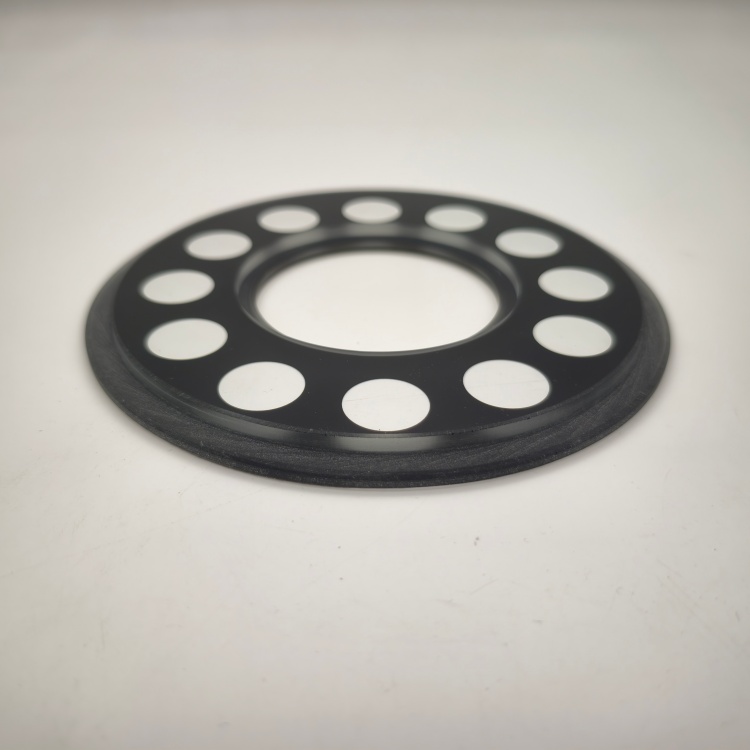
Factory Customized Round Hole Inner and Outer Double Step Edge Printed Tempered Glass for LED Lighting
A good fit for luminaires and LED fixtures that need a clean printed border, stepped edge geometry and controlled hole placement for assembly.
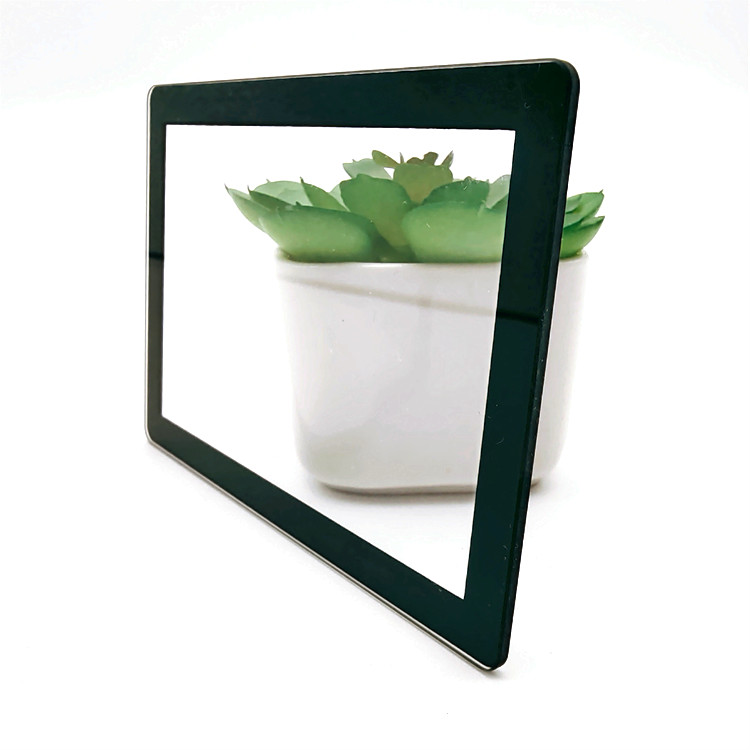
High Quality 0.5mm-6mm Solid Industrial Display Screen Tempered Glass with Printed Design High Strength & Bulletproof Protection
Designed for equipment windows and industrial displays where impact resistance, printed graphics and stable optical quality matter.

Customized Ultra Clear 0.5mm 0.7mm Thickness Ultra Thin Tempered Glass
For compact electronic devices where low weight, high transmittance and tight dimensional control are more important than thickness.
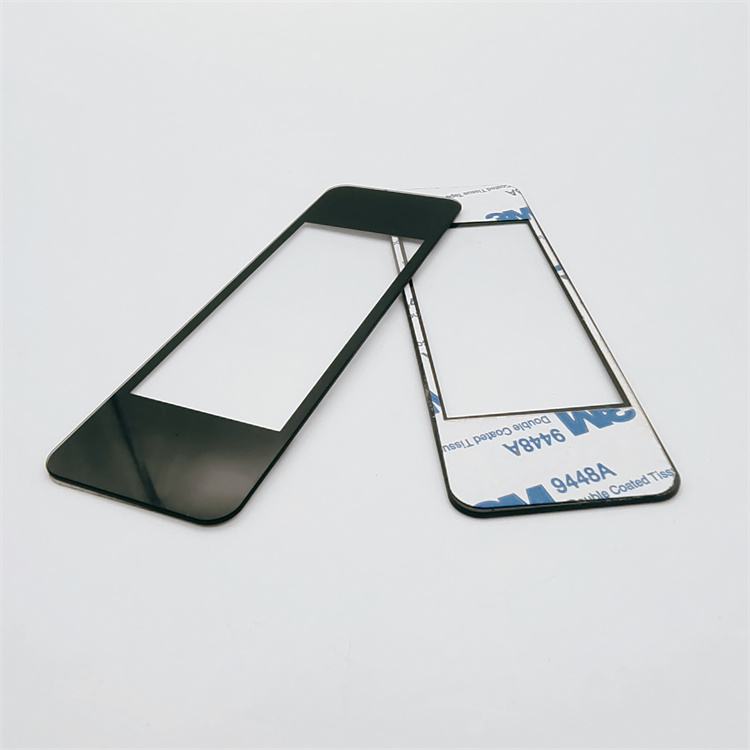
Ultra Thin 1mm Tempered Glass with 3M Tape for Screen Cover Glass
Useful when your assembly team wants a cover glass supplied with adhesive already applied, reducing handling steps and bonding variation.
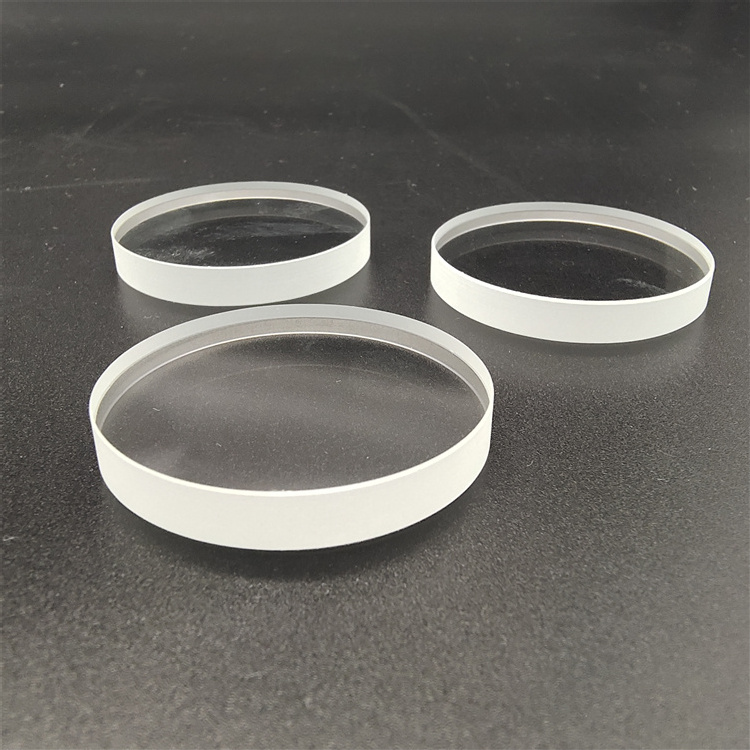
Full Tempered 30mm Diameter 3mm 4mm 5mm 6mm 8mm Thickness Ultra Clear Round Tempered Glass
Round glass covers for lamps, sensors, instrument windows and compact devices that require a polished circular edge and clear transmission.
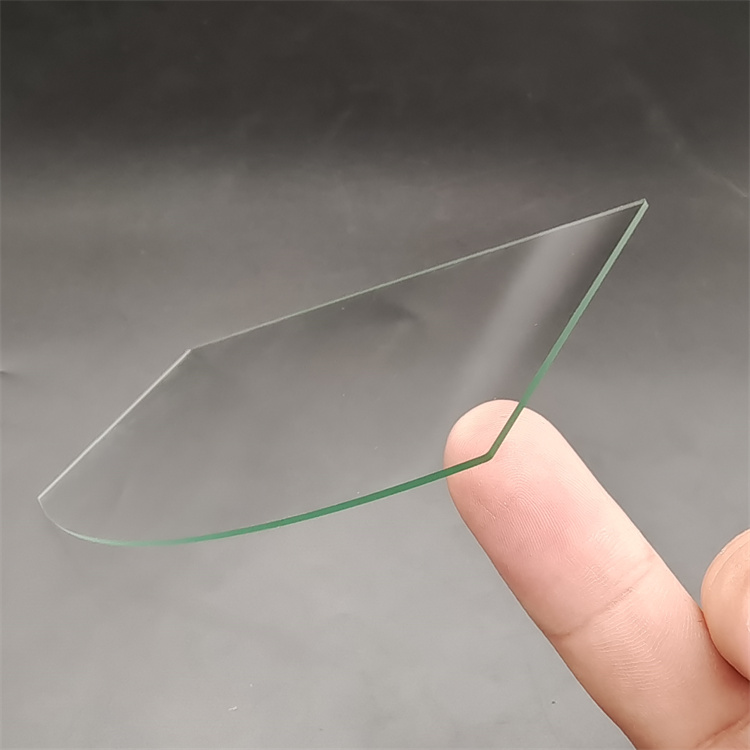
Any Size Custom 0.5/0.7/1/1.5/2/3mm Tempered Glass Screen Protector, Round Rectangle Triangle Customized Tempered Glass OEM ODM
A flexible platform for buyers who need different outlines, small openings or mixed thicknesses under one supplier quality system.
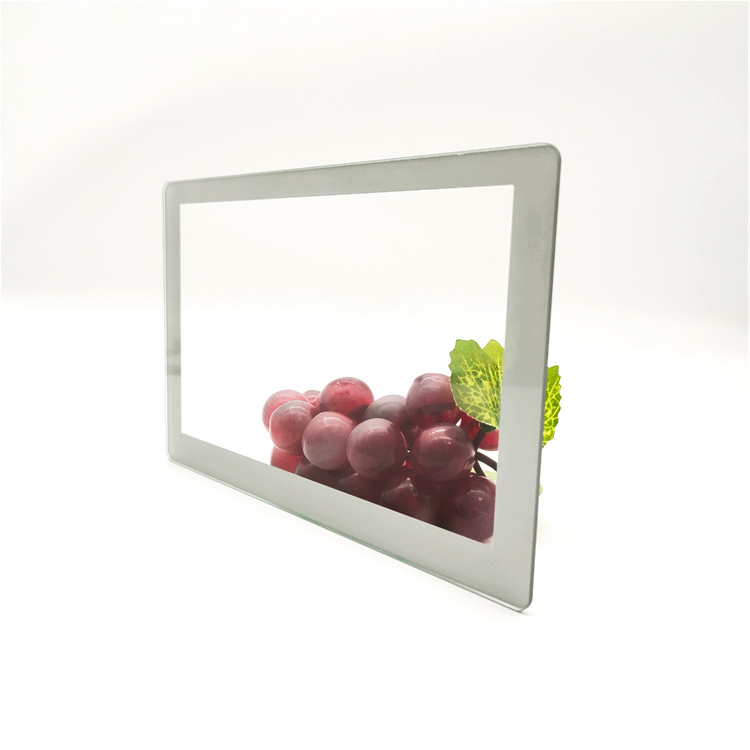
Customized High Strength Anti Glare Frosted Finish Tempered Glass LED/LCD Display Touch Panel for Monitor Screen Protector
Recommended for outdoor kiosks, factory HMIs and bright retail environments where reflected light reduces screen readability.
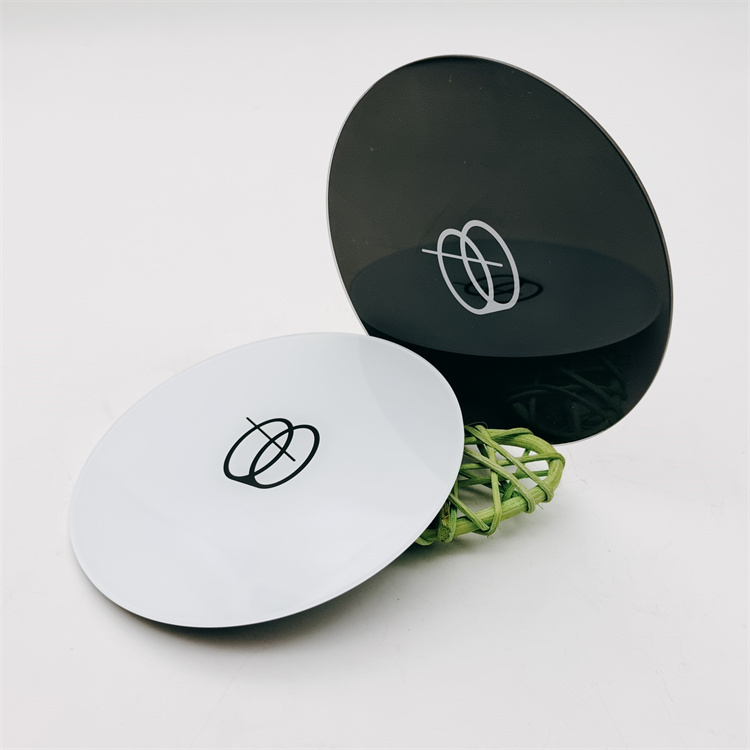
Black White Silk Screen Printing Toughened Glass Round Tempered Glass for Electric Appliance
Printed tempered panels for appliance controls, decorative covers and brand-facing interfaces that need durable ink and consistent color.
Why China Remains the Reference Market for Touch Panel Glass
China is not only a low-cost manufacturing location. It is an integrated glass-processing ecosystem where ultra-clear float glass, CNC equipment, tempering furnaces, ceramic inks, optical coating lines and export packing skills are available within a short supply radius.
For procurement teams researching China top touch panel glass factories & exporters, the useful question is not who has the largest catalogue. It is who can reproduce your drawing repeatedly, document the process, protect optical performance and keep dimensional variation inside your assembly tolerance. That distinction separates a price-only supplier from an export-grade engineering partner.
The strongest factories usually sit inside electronics clusters such as Guangdong. This proximity shortens the learning loop between glass processors, display integrators, coating specialists and packaging suppliers. It also makes problem-solving faster when a new project combines ultra-thin glass, printed windows, stepped edges, tapped holes, AR coating and a tight cosmetic standard in one part.
In 2025 and beyond, buyers are less willing to accept “sample good, mass production variable.” They want measurable control over flatness, edge quality, hole-to-edge distance, printing registration, transmission, haze, adhesion and transit damage. A credible exporter should be ready to discuss these parameters before quoting.
Experienced operators for cutting, edging, tempering, printing, coating and inspection.
Processing equipment including a tempering furnace and supporting inspection stations.
Monthly processed glass capacity for repeat export programs.
Engineering replies designed for overseas buyers working across time zones.
What buyers can verify before the first purchase order
Use these signals to structure your supplier scorecard. Ask for definitions, measurement methods and recent examples — not just headline numbers.
What Experienced Buyers Check Before Shortlisting a Chinese Factory
A touch panel glass supplier should be evaluated as a process partner. The checklist below reflects the capability areas that most often determine yield, lead time and total landed cost.
DFM & drawing review
Top suppliers flag impossible hole spacing, fragile corners, print registration conflicts and coating stack risks before sampling.
Precision cutting & CNC
Automatic cutting and CNC shaping should handle rounds, slots, notches and irregular outlines with repeatable tolerance.
Edge, hole & countersink quality
Ask for edge profile samples. Chipping, burn marks and micro-cracks can become field failures after tempering or thermal cycling.
Tempering & strength control
Understand furnace capability, fragment expectations, minimum hole-to-edge rules and how they avoid edge damage before tempering.
Silk screen & ceramic print
Color mastering, registration, transparent windows, gradient ink and fade resistance need documented approval workflows.
AR / AG / AF coating
Request transmittance, reflection, haze and abrasion data. The coating process should match the exact touch or outdoor use case.
Inspection & traceability
Look for inspection gates after cutting, edging, tempering, printing and coating, plus batch identification for exported lots.
Export packing discipline
Glass damage usually happens between final inspection and assembly. Interleaving, corner protection, moisture control and palletizing matter.
- Ask for a DFM response in writing: not just a quotation, but process route and risk notes.
- Compare control samples: evaluate transmission, haze, print color and edge quality against your own limit sample.
- Confirm testing ownership: clarify which checks are in-house and which rely on third-party labs.
- Review packing data: request carton drop, vibration and humidity protection details for sea freight.
Touch Panel Glass Trends Reshaping Product Design
These trends are useful when building a two- to three-year sourcing roadmap. Each has a direct effect on glass thickness, coating choice, print design and inspection criteria.
Ultra-thin, stronger cover glass
Demand continues for 0.2–0.7 mm electronic-grade glass. Buyers will ask for thinner stacks without sacrificing flatness, edge strength or optical clarity.
Combined AR + AG + AF stacks
Outdoor kiosks and interactive displays increasingly combine anti-reflection, anti-glare and anti-fingerprint layers on one glass cover.
More durable AG textures
Frosted and etched surfaces must resist cleaning chemicals and repeated wiping. Haze level will be specified by viewing distance and pixel density.
Printed glass as a brand surface
Ceramic ink, black borders, icons and transparent windows are moving from appliance controls into smart-home switches and equipment interfaces.
Larger covers, tighter flatness
Displays for EV chargers, medical devices and signage require larger glass with controlled warp so lamination and touch bonding stay reliable.
Sustainable low-iron materials
Low-iron glass and recyclable protective packaging are becoming part of buyer scorecards, especially for European and North American programs.
Future Procurement Trends: What to Put in Your Next RFQ
Price per piece remains important, but it is no longer enough. The strongest purchasing teams are changing their RFQs to capture risk, documentation and assembly yield.
Application-specific test protocols
Define transmittance, haze, adhesion, abrasion and humidity tests by end use. A medical display and an outdoor kiosk should not share one generic spec.
Total landed cost over unit price
Include breakage allowance, packing cost, rework risk and inspection time. A slightly higher piece price with lower damage can win the business case.
Dual-source qualification
Buyers are qualifying a second glass processor earlier, especially for optical coatings and printed panels with long tooling lead times.
Early supplier involvement
Factories that join during design can propose safer hole spacing, better print windows and more stable lamination stacks before tooling is committed.
Documentation & traceability
Material batch, coating lot, print color approval and inspection record help contain issues if a defect appears after assembly.
Packaging as a quality KPI
Track damage rate by shipment, not only incoming inspection pass rate. Packaging design should be reviewed together with the first production lot.
AR vs AG vs AF vs Ultra Clear: Which Glass Fits Your Product?
Use this matrix during design review. Surface treatments can be combined — for example, AG plus AF for an outdoor touch kiosk, or AR plus AF for a premium touch display.
| Glass type | What it solves | Typical applications | Engineering tip |
|---|---|---|---|
| Ultra clear / low-iron | Reduces the green tint of standard float glass so colors read more naturally. | Display covers, LED lighting glass, premium appliance panels. | Pair with white or light printed ink only after approving edge color under your final light source. |
| AR anti-reflective | Lowers surface reflection and increases light transmission and contrast. | Medical monitors, industrial displays, camera covers, optical windows. | Specify single- or double-sided coating. Double-sided coating usually delivers the larger optical gain. |
| AG anti-glare | Diffuses reflected light so screens remain readable under sunlight or bright overhead lighting. | Outdoor kiosks, vehicle HMIs, digital signage, factory control panels. | Match haze level to pixel density and viewing distance. Too much haze can soften fine text. |
| AF anti-fingerprint | Repels oil and sweat and makes touch surfaces easier to clean. | Capacitive touch panels, smart switches, POS terminals, interactive displays. | Apply as the final surface layer over AR or AG for touch products that receive frequent handling. |
| Printed tempered glass | Hides wiring, adds logos, icons and display windows, and protects the underlying display. | Switch plates, appliance controls, instrument panels, LED fixtures. | Send Pantone codes, window dimensions and tolerance expectations with your drawing. |
Final optical values depend on glass thickness, substrate, coating stack and measurement method. Sample testing is recommended before mass production, especially for AR/AG/AF combinations.
 Dongguan Jaswe Glass · custom processing


Inside the Factory Advantage: Dongguan Jaswe Glass Co., Ltd.
Dongguan Jaswe Glass Co., Ltd. is a glass processing and export supplier based in Dongguan, Guangdong, China. The company processes custom tempered glass, ultra-clear glass, display and touch screen cover glass, silk-screen printed glass, switch glass, AR/AG/AF coated glass, electrical equipment glass and LED lighting glass.
The practical advantage is process integration. Cutting, CNC shaping, edge polishing, hole drilling, tempering, silk screen and ceramic printing, AG processing and AR/AF coating are kept close together, which reduces handling risk and helps engineering catch conflicts before production. This matters most on parts that combine multiple features — for example, a printed appliance panel with a transparent window, a stepped edge and a taped backing.
“Scientific management, careful manufacture, high quality service, striving for excellence.”
For overseas buyers, this profile is most relevant when it is tested against your own acceptance criteria. Ask for a sample plan, measurement method, packaging standard and engineering response before placing volume. A reliable factory will welcome that level of scrutiny because it reduces surprises for both sides.
Five Steps from Drawing to Delivered Cover Glass
A transparent workflow is one of the strongest signals of export readiness. The process below can be adapted to prototypes, pilot lots and repeat production.
Send requirements
Drawing (DXF, DWG or PDF), thickness, edge type, holes, printing colors, coating requirement, application and annual volume.
Engineering review
Manufacturability check, process route, tolerance risks and questions that must be closed before sampling.
Sampling
Physical samples for fit, color, edge appearance, optical performance and assembly trial.
Mass production
Batch production with in-process inspection at cutting, edging, tempering, printing and coating stages.
Packing & shipping
Interleaved, edge-protected export packing designed to survive sea freight and multiple handling points.
Where Touch Panel Glass Creates Product Value
The same processing capability can support very different end markets, provided the acceptance criteria are defined correctly from the beginning.
Touch and display electronics
Cover lenses for LCD, TFT and capacitive touch modules, with options for AR, AG, AF and printed borders.
LED lighting fixtures
Round, rectangular and linear covers for downlights, panel lights, wall washers and decorative lamps.
Smart home and switches
Printed switch plates, touch-key windows and smart control panels with color matching and durable ceramic ink.
Home appliances
Control panels for kitchen appliances, cleaning equipment and household devices that require scratch resistance.
Industrial instruments
Meter windows, HMI covers and equipment display panels for electrical, medical and automation systems.
Security and camera devices
Printed lens covers, sensor windows and precision cut-outs for devices exposed to dust, cleaning or outdoor light.
Why Repeat Buyers Value Process Discipline
When a purchase order is repeated, the buyer is not only buying glass. They are buying predictable fit, stable color, optical consistency and a lower risk of line stoppage.
Inspection at every critical gate
Cutting, edging, tempering, printing and coating stages each need their own checkpoints before shipment.
Fast engineering replies
The project team reports an average response within 3 hours and a 96.61% response rate to buyer messages.
Repeat business across markets
A 26% buyer reorder rate reflects ongoing work with lighting, electronics and appliance customers across three continents.
Touch Panel Glass Buyer FAQ
These are the practical questions overseas buyers ask most often during sourcing, sampling and production ramp-up.
What glass thickness can Jaswe Glass process?
What is the minimum order quantity for custom glass?
What is the difference between AR, AG and AF glass?
Which processes are done in-house?
What is the production capacity?
How do I start a custom glass project?
How can I verify coating durability before mass production?
How can breakage be reduced during export shipping?
Have a Drawing Ready? Get an Engineering Review.
Share your touch panel glass specifications and receive process recommendations from the factory team. Include thickness, outline, printing, coating, application and estimated annual quantity so the response is useful from the first reply.