8 Touch Screen Glass Products for Custom Procurement
These product families cover the most common buying intents behind “China touch screen glass suppliers” searches: optical clarity, printed control panels, ultra-thin protection, instrument windows and high-strength tempered covers.
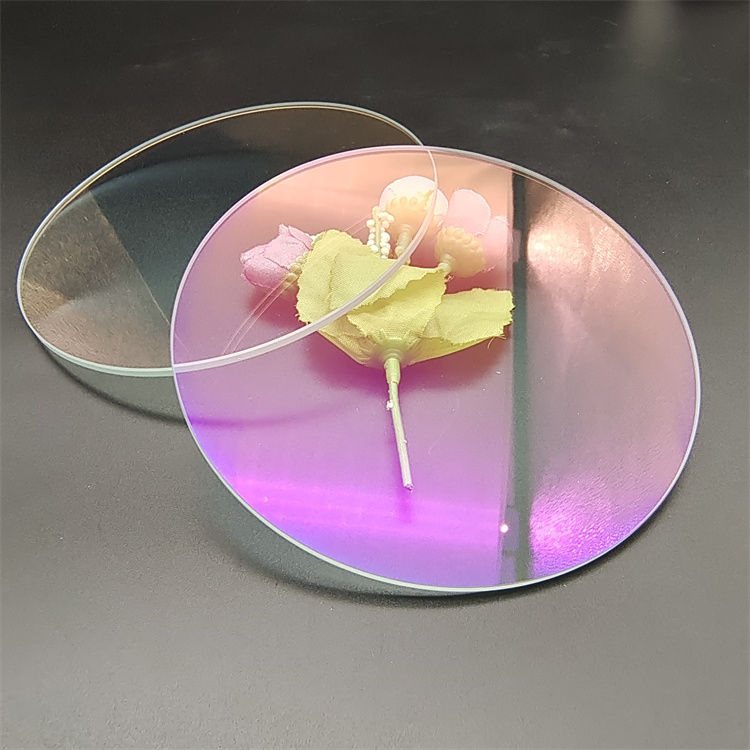
Premium Quality Ultra Clear Anti Reflective Solid High Strength 1mm 2mm 3mm 4mm 5mm 6mm Flat Tempered Glass Coating
Best-fit intent: high-contrast display windows, medical HMI, retail kiosks and premium touch panels where reflection control affects perceived quality.
View product specifications →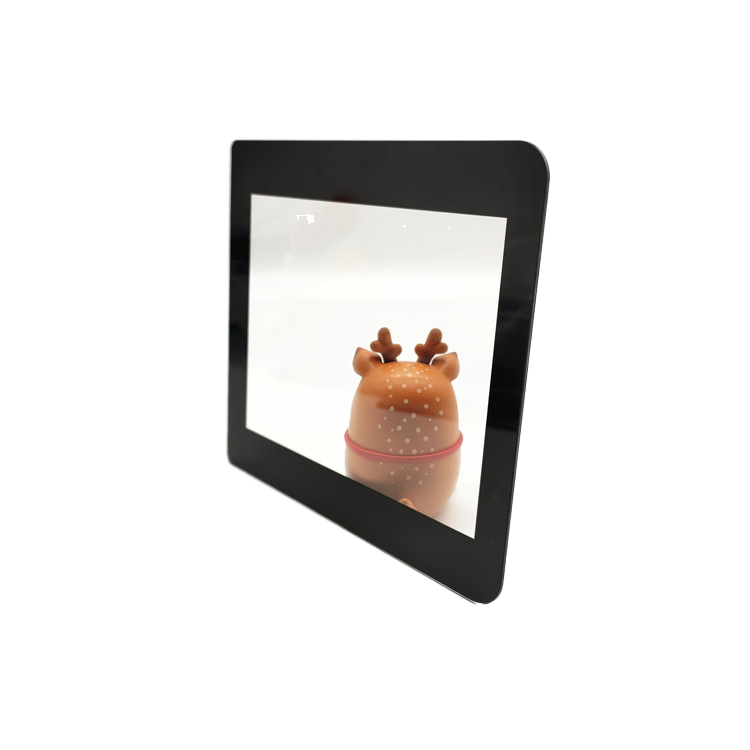
Industrial Use Electronic Glass 1mm/2mm/3mm/4mm Tempered Glass Display Screen Window Protection Cover
Best-fit intent: equipment windows, instrument covers and control displays that need scratch resistance, flatness and clean edge finishing.
View product specifications →
Custom Printed Tempered Glass Panel High Strength Decorative Cover with Hole for Card Reader Instrument
Best-fit intent: POS terminals, card readers and instrument panels that require printed graphics, transparent windows and precise cut-outs.
View product specifications →
Customized Small Size 3mm 4mm 5mm 6mm Beveled Edge Tempered Glass
Best-fit intent: small-format control panels, smart switches and sensor windows where edge appearance and safe handling matter.
View product specifications →
Small Size Ultra Thin 0.5mm 0.7mm 1mm Tempered Glass Panel With Adhesive Tape for Screen Protection
Best-fit intent: compact displays, portable instruments and space-constrained assemblies that need thin glass with assembly-ready adhesive.
View product specifications →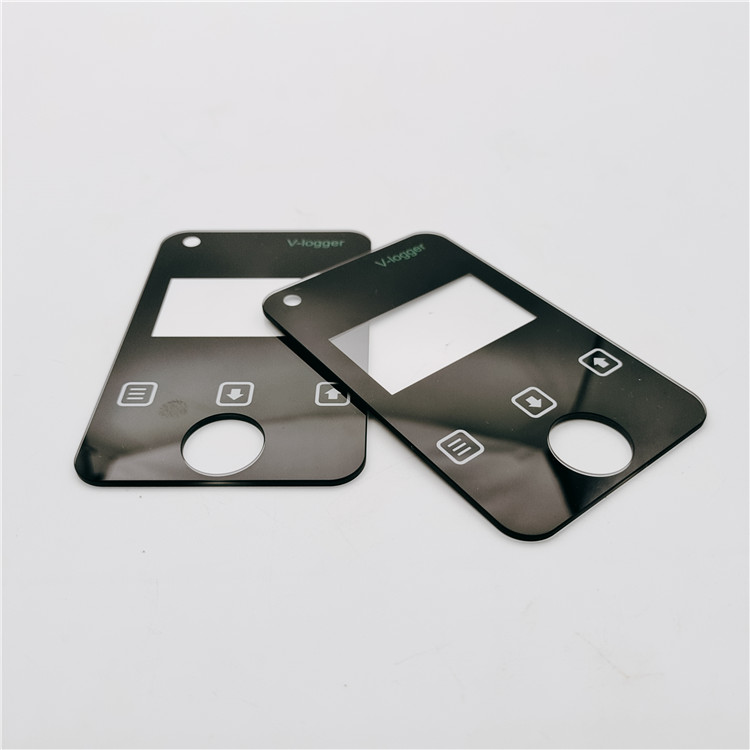
Customized Cut 1mm 2mm 3mm 4mm Instrument Printed Tempered Glass With Holes
Best-fit intent: meters, electrical equipment windows and printed control panels with drilled holes for buttons, shafts or sensors.
View product specifications →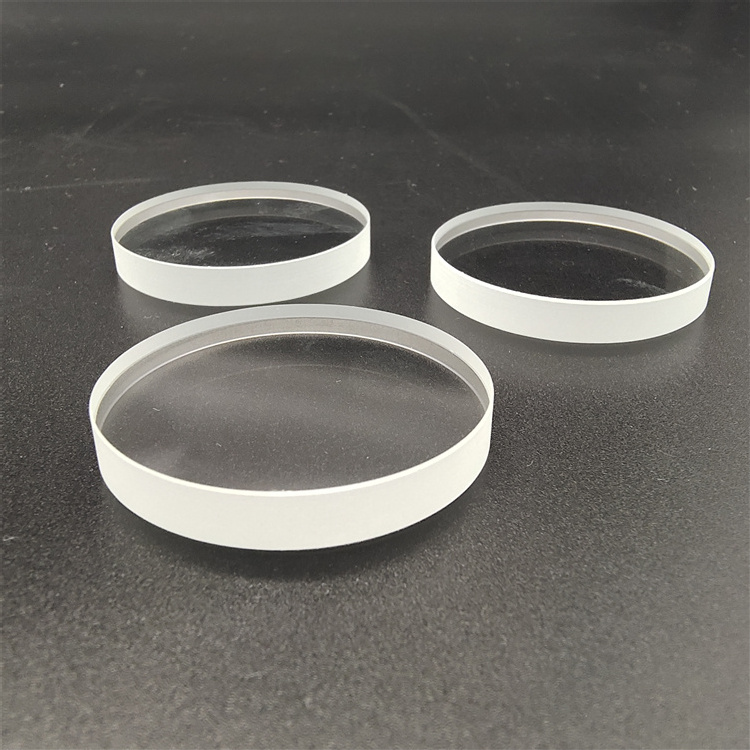
Full Tempered 30mm Diameter 3mm 4mm 5mm 6mm 8mm Thickness Ultra Clear Round Tempered Glass
Best-fit intent: LED optics, sensor windows and circular interface elements where low-iron clarity and edge consistency are critical.
View product specifications →
Both Sides Anti Reflective AR Coating 1mm 2mm 3mm 4mm Ultra Clear Tempered Glass
Best-fit intent: high-transmittance display covers, outdoor terminals and optical windows where single-sided AR is not enough.
View product specifications →What “Touch Screen Glass” Really Means in a Wholesale RFQ
In Google search, the phrase touch screen glass suppliers is used for several different purchase intents: a replacement cover lens for a capacitive module, a printed glass panel for a smart switch, a display window for an industrial HMI, an anti-reflective front glass for a medical monitor, or an ultra-thin protective glass with adhesive tape. A supplier page that only lists “tempered glass” misses the real buying question: which glass construction, surface treatment, edge geometry, print design and packaging method will make the finished device reliable in its installed environment?
For procurement teams, the most reliable way to compare China touch screen glass manufacturers is not to compare a single price per square metre. It is to compare the supplier’s ability to control the variables that become visible after assembly: optical transmission, reflection, flatness, print registration, edge chipping, hole quality, coating durability and transit protection. Those variables decide whether a wholesale order becomes a smooth production input or a costly rework cycle.
This guide is written from the perspective of a custom glass processor in Dongguan, China — Dongguan Jaswe Glass Co., Ltd. — where cutting, CNC shaping, edge polishing, hole drilling, tempering, silk-screen printing, AG processing and AR / AF coating can be coordinated under one quality system. The objective is information gain for serious buyers: what to specify, what to verify, which product families fit which applications, and how procurement patterns are changing for touch screen glass.
What to Specify Before Comparing Touch Screen Glass Suppliers
Use these six specification blocks to turn a vague inquiry into an engineering-ready RFQ. They also help Google and human buyers understand the technical depth behind the product range.
Substrate and thickness
State the base glass type, thickness and tolerance. Common display thicknesses are 0.5, 0.7, 1.0, 2.0, 3.0 and 4.0 mm. Ultra-clear low-iron glass is specified when color neutrality matters; 0.2–0.7 mm electronic-grade glass is used for thin covers and compact devices.
Edge and hole geometry
Define whether the edge should be pencil, flat, beveled, stepped or matte. Provide hole diameter, position, countersink depth and minimum edge distance. Edge quality is a visible quality signal and also affects safe handling during assembly.
Printing and display windows
Send Pantone codes, artwork in vector format, transparent window dimensions and the required print density. Silk-screen and ceramic printing can hide wiring, add icons, create borders and produce capacitive key windows on the same glass panel.
AR, AG and AF coatings
Specify whether reflection control, glare diffusion or fingerprint resistance is required. Double-sided AR gives the largest optical gain for display windows; AG suits outdoor kiosks and strong ambient light; AF is the final touch-surface layer for capacitive panels.
Mechanical strengthening
Clarify whether thermal tempering or another strengthening route is required for the application. Tempering affects impact resistance, breakage behavior and the allowable hole and edge design, so it should be reviewed before drawings are released.
Packing and traceability
For wholesale orders, request interleaved packing, edge protection, moisture control and carton labels that match your incoming inspection process. Batch traceability shortens root-cause analysis if an optical or dimensional issue appears.
Touch Screen Glass Procurement Trends: What Wholesale Buyers Are Changing
The supplier market is moving from simple catalogue purchasing to engineered, drawing-based procurement with documented quality and faster sampling.
From catalogue buying to drawing-based custom orders
Buyers increasingly expect suppliers to work from DXF, DWG or PDF drawings rather than basic size lists. The RFQ now includes thickness, edge type, hole positions, print colors, coating stacks and annual volume. Suppliers that can review manufacturability before sampling reduce late-stage changes.
Optical performance is now a line item
For display covers, transmission and reflection are no longer “nice to have” details. Anti-reflective glass, anti-glare treatment and anti-fingerprint layers are specified early because they affect readability, perceived premium quality and user comfort under different lighting conditions.
Supplier de-risking without leaving China
Overseas buyers continue to diversify suppliers, but China remains a deep process hub for glass cutting, tempering, printing, coating and export packing. The practical trend is dual qualification: keep a primary and a backup glass processor that both understand the same drawing and quality plan.
Lower MOQ with faster sampling
Product teams prefer to validate fit, color and optical performance on physical samples before committing to volume. Suppliers that can produce evaluation samples quickly, while keeping clear minimum order quantities for mass production, win more long-term projects.
Data-backed quality rather than verbal assurance
Procurement teams ask for inspection records, sample approval photos and batch traceability. A supplier’s response time, reorder rate and on-site verification history become useful screening signals before a factory visit or trial order.
Total landed cost and packaging optimization
Wholesale buyers now evaluate packing, breakage risk, carton configuration and unloading efficiency alongside unit price. Better export packing can lower total landed cost even when the quoted piece price is slightly higher.
Product Development Trends: Where Touch Screen Glass Is Heading
Design teams are asking for thinner glass, stronger surfaces, more integrated printing and optical treatments that work together rather than as separate features.
Ultra-thin and stronger
Portable and compact devices push demand for 0.5 mm, 0.7 mm and 1.0 mm glass, while assembled products still require enough strength for handling and touch pressure. The result is closer cooperation between glass thickness, edge design and strengthening route.
AR + AG + AF combinations
Single-function coatings are giving way to multi-layer stacks. An outdoor touch terminal may need AG to diffuse sunlight, AR to improve contrast and AF to reduce fingerprints. The coating stack must be specified as a system, not as three isolated requests.
Printed glass with integrated functions
Printed borders, icons, transparent display windows and capacitive key areas are increasingly combined on one glass cover. This reduces assembly steps and creates cleaner industrial design, but it requires tight print registration and color control.
Larger and more complex geometries
Touch interfaces are moving into larger equipment panels, smart-home controls and industrial HMIs. Suppliers need CNC shaping, hole drilling and edge polishing capability to match irregular outlines, notches, slots and stepped edges.
Low-iron ultra-clear glass for color-critical products
Standard float glass can introduce a green edge tint that becomes visible in LED lighting, premium appliance panels and high-end display covers. Low-iron ultra-clear glass is increasingly specified where color fidelity and edge appearance affect brand perception.
Lead-time transparency and process efficiency
Buyers want fewer surprises between sample approval and mass production. In-house cutting, tempering, printing and coating shorten the coordination chain and make it easier to keep lead times, inspection points and packaging requirements aligned.
Matching Touch Screen Glass Specifications to Real Products
A practical comparison for buyers who need to move from an application description to a purchase specification.
| Product family | Best-fit applications | Key specification decision | Buyer note |
|---|---|---|---|
| Ultra-clear AR tempered glass | Medical monitors, retail kiosks, premium display windows | Single-sided or double-sided AR; transmission target | Request a physical sample under your intended lighting. |
| Industrial electronic glass | Control panels, meters, equipment windows | Thickness, printable border, countersunk holes | Confirm flatness and edge quality for gasket sealing. |
| Printed card-reader cover glass | POS terminals, card readers, instrument fascias | Pantone color, transparent window, hole position | Approve print artwork and tolerance before tooling. |
| Small beveled-edge glass | Smart switches, sensor windows, compact controllers | Bevel width, edge polish, corner radius | Bevels improve appearance and reduce handling risk. |
| Ultra-thin adhesive-backed glass | Portable devices, compact displays, protective windows | 0.5–1.0 mm thickness, adhesive type, release liner | Validate adhesive with your housing material and cure process. |
| Printed instrument glass with holes | Electrical equipment, meters, industrial instruments | Print density, hole diameter, edge distance | Holes should be reviewed together with tempering limits. |
| Round ultra-clear tempered glass | LED optics, sensor windows, circular interfaces | Diameter, thickness, edge finish, transmission | Low-iron glass improves edge appearance in lighting products. |
| Double-sided AR glass | High-transmittance displays, optical windows, outdoor terminals | AR stack, substrate, coating durability requirement | Double-sided AR is usually worth sampling against single-sided AR. |
Final optical and mechanical values depend on thickness, substrate, printing, coating stack and the assembly method. Sample approval is recommended before mass production.
Inside Dongguan Jaswe Glass: Capability That Supports Wholesale Buyers
Supplier selection should be based on verifiable process depth. The following capabilities reflect the company profile of Dongguan Jaswe Glass Co., Ltd. and the production environment behind its custom glass range.
Dongguan Jaswe Glass Co., Ltd. is located in Dongguan, Guangdong, China — a manufacturing region with deep electronics, lighting and equipment supply chains. The company processes custom tempered glass, ultra-clear glass, display cover glass, touch screen glass, silk-screen printed glass, switch glass, AR / AG / AF coated glass, electrical equipment glass and LED lighting glass for buyers in America, Europe and Asia.
Most of the 80+ operators have more than eight years of hands-on glass processing experience. That matters for tight-tolerance work such as 0.2 mm ultra-thin cover glass, multi-color printing with transparent display windows and small-format control panels where handling marks or edge chips become visible defects. With 26 glass processing machines, including a tempering furnace, edge polishing equipment and silk-screen printing lines, monthly output exceeds 200,000 pieces of processed glass.
Commercial reliability is part of the supplier evaluation. The company reports an average response time of ≤3 hours, a 96.61% response rate to buyer messages and a 26% buyer reorder rate. Its supplier profile includes on-site verification for six years, 51–100 employees, annual revenue in the US$2.5M–US$5M range and export activity across North America, Europe and Asia.



Why Process Depth Matters in Touch Screen Glass Wholesaling
When multiple processes are coordinated under one roof, buyers get fewer quality gaps, clearer accountability and a faster route from drawing to sample to production.
Precision and CNC cutting
Automatic cutting plus CNC shaping for rounds, notches, slots and irregular outlines.
Edge polishing
Pencil, flat, beveled, stepped and matte edges for safe handling and clean appearance.
Hole drilling
Holes and countersinks for buttons, sensors, cameras, knobs and mounting screws.
Thermal tempering
Tempering strengthens glass for impact resistance and safer breakage behavior.
Silk-screen and ceramic printing
Multi-color logos, icons, borders and display windows with color matching.
AG anti-glare processing
Diffused matte surface that keeps screens readable under strong ambient light.
AR anti-reflective coating
Optical coating that lowers reflection and raises light transmission for brighter displays.
AF anti-fingerprint coating
Oleophobic layer for touch screens — smoother glide, fewer smudges and easier cleaning.
A Four-Step Route from Drawing to Production
Clear process stages help overseas buyers evaluate engineering support before placing a wholesale order.
Send requirements
Share drawing, thickness, edge type, holes, printing colors, coating requirement, application and estimated annual volume.
Engineering review
Review manufacturability, tolerance risk and process route before sampling. This is where AR, AG, AF and tempering decisions should be aligned.
Sample and approve
Validate fit, color, transparency, reflection and edge quality on physical samples. Approve the golden sample before mass production.
Produce and pack
Run batch production with in-process inspection, then use interleaved, edge-protected export packing for safer transit.
Engineering review weighting
An illustrative view of what deserves attention during sample validation for custom touch screen glass.
What to include in your RFQ
For a faster engineering response, send: (1) DXF, DWG or PDF drawing; (2) glass thickness and substrate preference; (3) edge and hole requirements; (4) print artwork with Pantone colors; (5) AR, AG or AF coating requirement; (6) application and annual quantity; (7) packing and labeling needs. These details reduce back-and-forth and allow the supplier to identify process risks early.
Where Custom Touch Screen Glass Goes to Work
Different applications place different demands on glass. The same supplier can support multiple product lines when the quality system is consistent.
Touch and display electronics
Cover lenses for LCD, TFT and capacitive touch modules, including printed borders and optical coatings.
LED lighting fixtures
Downlight, panel, linear and wall-washer covers where clarity, heat resistance and printing matter.
Smart home and switches
Printed switch plates, touch-key panels and smart control interfaces with scratch-resistant surfaces.
Home appliances
Control panels for kitchen and household devices, including printed windows and clear icons.
Industrial instruments
Meter windows and HMI covers for electrical equipment, with holes and countersinks where needed.
Security and camera devices
Printed lens covers and sensor windows with precision cut-outs and optical transmission requirements.
FAQ for Touch Screen Glass Wholesale Procurement
Direct answers to questions overseas buyers ask when comparing China touch screen glass suppliers and requesting quotations.
What glass thickness can Jaswe Glass process?
The current range covers ultra-thin electronic-grade glass from 0.2 mm up to 19 mm flat tempered glass. The most requested thicknesses for display and touch covers are 0.5, 0.7, 1, 2, 3 and 4 mm. The final choice depends on impact requirements, housing design, touch sensitivity and the need for coatings or printed windows.
What is the minimum order quantity for custom touch screen glass?
Most custom items start at 100 to 500 pieces, depending on size, printing and coating. Standard clear tempered pieces can be supplied in smaller sample quantities for evaluation. For coated or multi-color printed glass, sampling before mass production is strongly recommended so that optical and color requirements are aligned.
What is the difference between AR, AG and AF glass?
AR (anti-reflective) coating reduces surface reflection to increase light transmittance and contrast. AG (anti-glare) treatment diffuses reflected light so screens remain readable under strong ambient or outdoor light. AF (anti-fingerprint) coating is an oleophobic layer that resists smudges on touch surfaces. They can be combined on one cover glass, such as AG + AF for outdoor kiosks or AR + AF for premium touch displays.
Which processes are completed in-house?
Cutting, special-shaped and CNC cutting, edge polishing, hole drilling, tempering, silk-screen and ceramic printing, AG processing and AR / AF coating are coordinated in-house. This matters because each process can introduce visible defects if it is not aligned with the next step, especially when printing, coating and tempering are combined in one drawing.
What is your production capacity and equipment base?
With 26 glass processing machines and more than 80 workers, monthly output exceeds 200,000 pieces of processed glass. Equipment includes a tempering furnace, automatic cutting lines, edge polishing equipment and silk-screen printing capability. Capacity should be discussed against your specific size mix, print complexity and coating requirements rather than a single monthly number.
How do I start a custom glass project?
Send your drawing (DXF, DWG or PDF), thickness, edge type, printing colors, coating requirement, application and estimated annual quantity. The engineering team reviews manufacturability before samples are made. For fast review, include clear artwork, hole positions, transparent window dimensions and any handling or packaging requirements.
Can you support low-volume samples and later mass production?
Yes. Sampling is used to validate fit, color, transmission, reflection and edge quality before volume production. The sample stage is also the right time to confirm coating appearance, print registration and packing method. After approval, mass production follows the approved drawing and golden sample assumptions.
What does a good wholesale quotation need to show?
A useful quotation should clarify glass substrate, thickness, dimensions, edge type, holes, printing, coating, minimum order quantity, sample lead time, production lead time, packing method and whether tooling or setup costs apply. For touch screen glass, a price without these details is difficult to compare fairly across suppliers.
Ready to Compare a Drawing-Based Quote?
Share your drawing, target thickness, printing requirement and coating needs. The Jaswe Glass team can review manufacturability and recommend a practical process route for your touch screen glass project.
Get a Quote Email: info@jasweglass.com · Dongguan, Guangdong, China · Custom tempered, printed and AR / AG / AF coated glass