8 Custom Glass Products for Display, Lighting and Control Panel Buyers
These eight product families cover the most common ultra-thin and tempered glass sourcing paths: screen protectors, black decorative panels, industrial display windows, printed appliance glass, step-edge glass, fast-delivery clear sheets, LED wall-washer covers and double-step hole-drilled lighting glass.
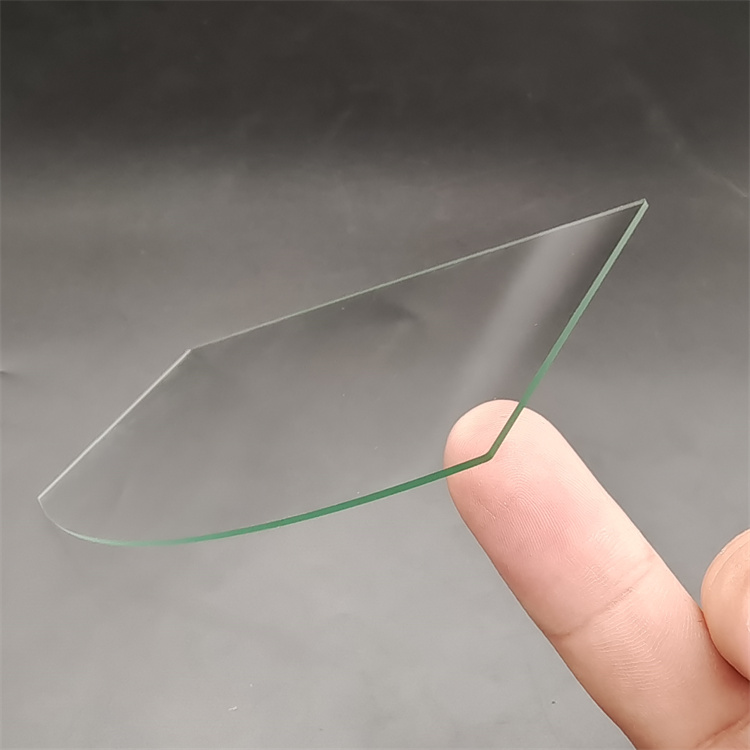
Any Size Custom 0.5/0.7/1/1.5/2/3mm Tempered Glass Screen Protector, Round Rectangle Triangle Customized Tempered Glass Oem Odm
A flexible OEM/ODM platform for screen protectors and display windows in round, rectangle, triangle and freeform outlines. Useful when multiple sizes and thin-glass thickness options must run under one quality plan.
View product details →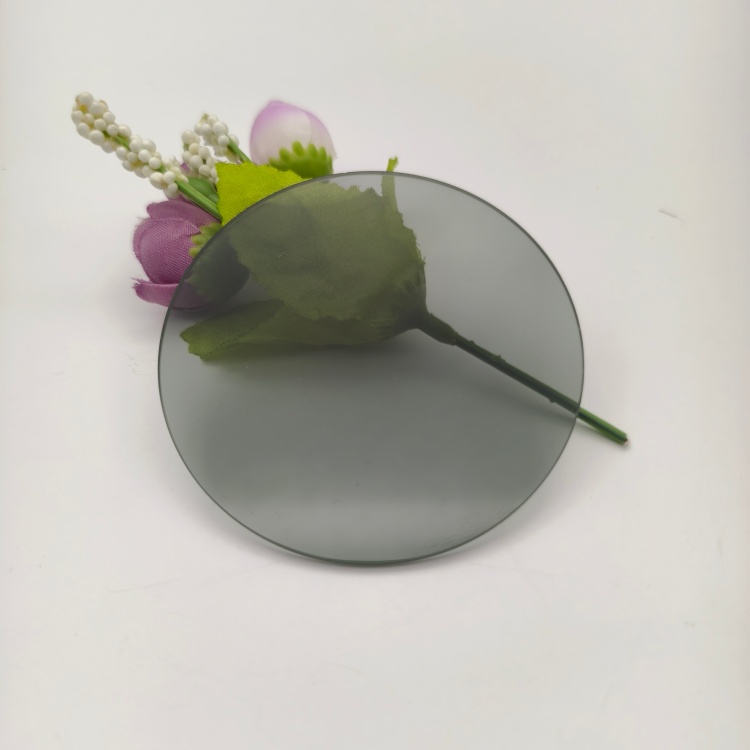
Factory Customized High Strength 2mm 3mm 4mm 5mm Tempered Black Glass Bulletproof & Decorative Flat Surface
Black tempered glass for appliance fronts, decorative flat surfaces and protective parts. High-strength 2–5 mm construction supports applications where appearance, impact resistance and clean edges matter together.
View product details →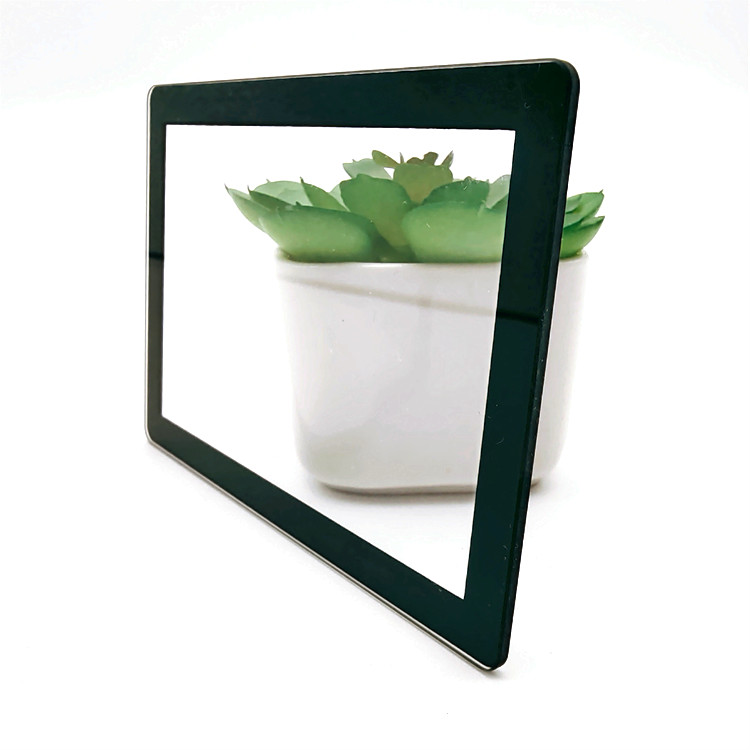
High Quality 0.5mm-6mm Solid Industrial Display Screen Tempered Glass with Printed Design High Strength & Bulletproof Protection
Printed tempered glass for industrial display windows, equipment screens and HMI covers. The combination of 0.5–6 mm thickness, high-strength treatment and printed design suits rugged instruments with visible graphic windows.
View product details →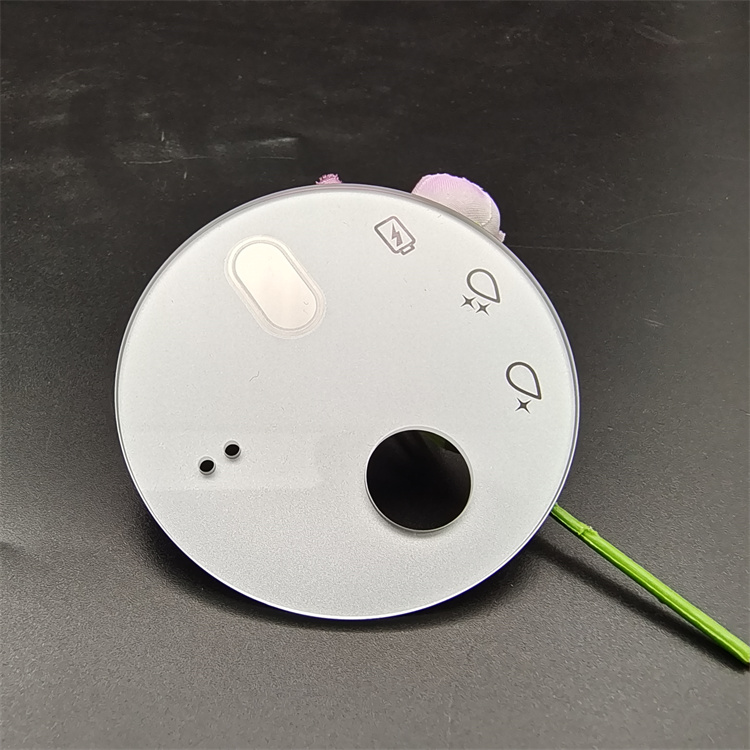
Customized 0.5mm 0.7mm 1mm 2mm 3mm 4mm 5mm 6mm Cut Holes Printed Round Tempered Glass Panels for Home Appliance
Round printed tempered panels with cut holes for home appliances. Buyers use these for control surrounds, display windows and decorative fascias that combine ceramic-ink graphics with precise cut-outs and durable edges.
View product details →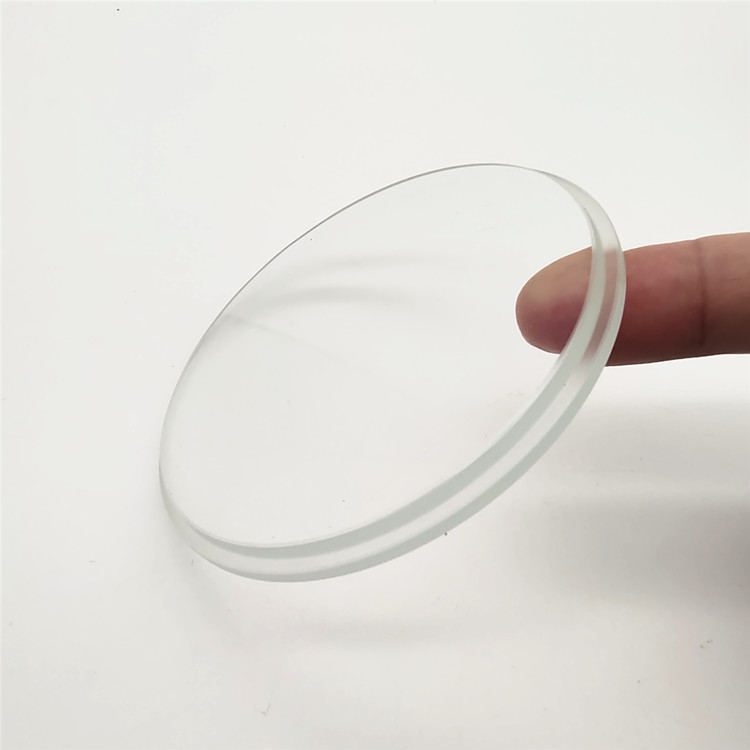
Factory Price 2mm 3mm 4mm 5mm 6mm 8mm 10mm Tempered Step Edge Glass
Step-edge tempered glass for enclosures, lighting and equipment covers. Step-edge geometry helps solve flush mounting, sealing and tolerance issues where a simple flat edge is difficult to assemble cleanly.
View product details →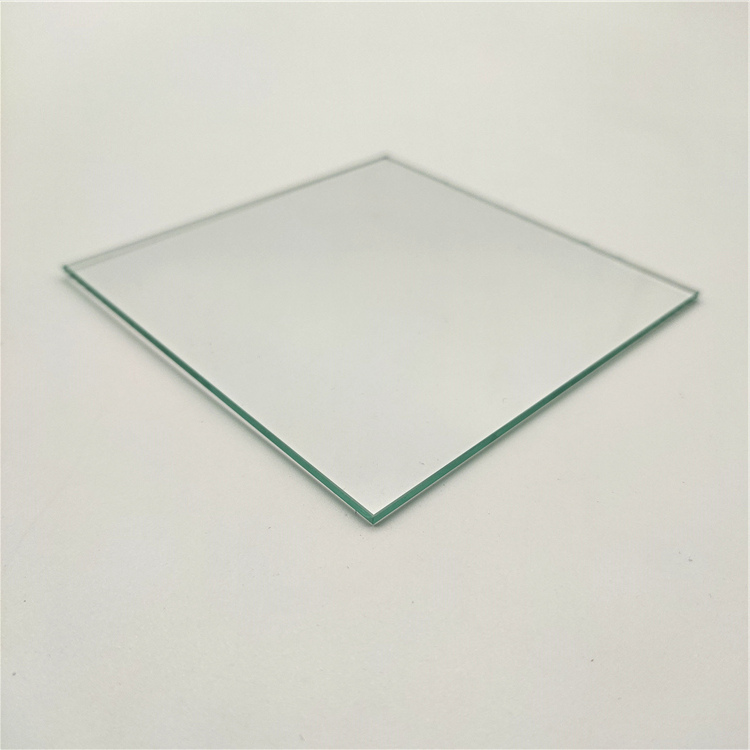
Fast Delivery Custom 1mm clear Glass Sheet
A practical route for prototyping, display windows and general cover glass when schedule risk is high. The 1 mm clear format helps buyers validate fit, appearance and packaging before committing to volume production.
View product details →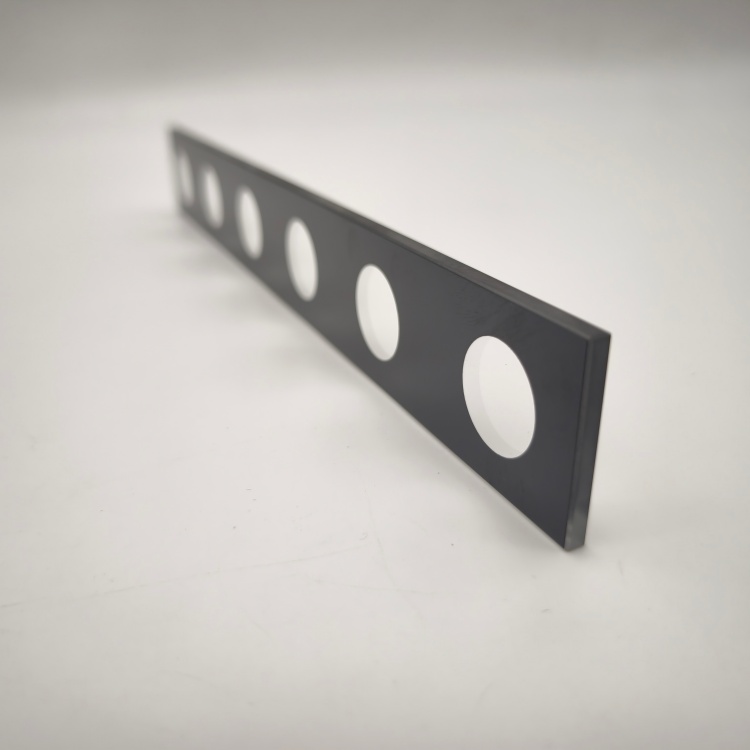
Black Printed Polished Smooth Matte Edge Linear Tempered Glass for LED Wall Washer Light
Linear tempered glass for LED wall washers. Controlled print opacity, consistent long-format appearance and matte or polished edge choices help lighting brands achieve uniform fixtures with clean visual edges.
View product details →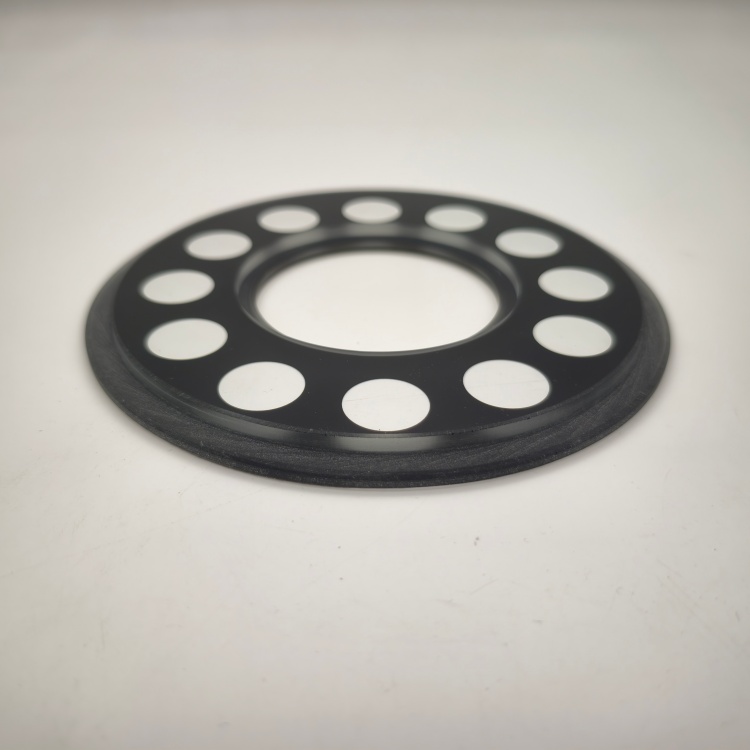
Factory Customized Round Hole Inner and Outer Double Step Edge Printed Tempered Glass for LED Lighting
Double-step round tempered glass with inner and outer holes for LED lighting. Multiple edge levels and printed graphics support compact optical assemblies, clean fixture integration and repeatable installation.
View product details →Capacity, Response and Process Depth Behind the Product Range
For overseas buyers, a glass supplier becomes valuable only when technical review, production capacity and export packing are aligned. These figures reflect the operating profile behind Dongguan Jaswe Glass Co., Ltd.
Ultra-Thin Glass Is No Longer a Commodity Purchase
Thin glass is easy to describe in a drawing and difficult to manufacture consistently. The difference between a viable supplier and a costly one usually appears in edge quality, coating uniformity, print registration, breakage control and documentation discipline.
Drawing-to-Process Discipline
Ultra-thin glass amplifies every tolerance mistake. A strong supplier reviews thickness, edge type, hole spacing, print window and coating stack before quoting.
Optical Performance on Final Stack
AR, AG and AF coatings should be evaluated after printing, tempering and lamination because reflection, haze and color shift interact with the complete display stack.
Strength Is a System, Not a Thickness
Tempering, edge polishing and hole placement determine practical breakage risk. Buyers should compare process capability, not only millimeter thickness or unit price.
Total Landed Cost Matters
Breakage, rework, delayed samples and inconsistent print color can outweigh a lower quotation. Reliable export packing and fast engineering feedback reduce hidden cost.
What Smart Glass Buyers Will Prioritize in the Next Buying Cycles
Procurement teams are shifting from lowest-price sourcing to supply resilience, engineering responsiveness and verified process control. For custom glass, that means the request-for-quote process is becoming more technical and more evidence-based.
Dual-Source Qualification
Buyers increasingly qualify a primary and backup supplier before launch. For ultra-thin glass, the backup source must prove comparable edge quality, print registration and coating performance, not just similar thickness.
Engineering Review Before Price
More RFQs now include DXF, DWG or PDF drawings, application photos and annual volume. Suppliers that can flag manufacturability risks early reduce expensive tooling and sampling loops.
Measured Optical Specifications
AR reflection, AG haze and AF durability are moving from marketing descriptions to measurable acceptance criteria. Purchasing teams want consistent optical appearance across production lots and product colors.
Traceability and Inspection Evidence
Custom glass is inspected at cutting, edging, drilling, tempering, printing and coating stages. Documented in-process checks are becoming part of supplier scorecards, especially for industrial and appliance programs.
Small Launch Batches, Faster Scale-Up
Brands often test with small batches before committing to volume. A supplier that can support sampling, stable MOQ and repeatable ramp-up reduces inventory risk for displays, switches and LED fixtures.
Packaging as Part of Quality
Thin glass can be damaged after inspection if export packing is weak. Interleaved, edge-protected and clearly labeled packing is now part of landing-cost analysis, not an afterthought.
Where Custom Glass Design Is Moving Next
The next generation of display, touch, appliance and lighting products is pushing glass suppliers toward thinner substrates, more complex edges, integrated optical coatings and printed graphics that hide components while improving appearance.
0.2–0.7 mm Ultra-Thin Strengthened Glass
Electronic-grade ultra-thin glass is increasingly requested for compact wearables, control interfaces and lightweight display covers. Handling, edge quality and flatness become critical as thickness decreases.
Step Edges and Complex Hole Geometry
Flush mounting and compact assemblies are driving demand for step edges, double-step edges, countersinks and precise holes. These features reduce gasket complexity and improve fit in lighting and instrument housings.
Combined AR + AG + AF Stacks
Instead of choosing one treatment, more products combine anti-reflective, anti-glare and anti-fingerprint performance. The right stack depends on viewing distance, ambient light, touch frequency and cleaning discipline.
Ceramic-Printed Graphic Windows
Printed glass with transparent windows, icons, borders and hidden wiring continues to replace multi-part plastic assemblies. Color matching and print registration are central to premium appliance and switch designs.
LED Lighting Glass with Black and Matte Edges
Lighting designers want glass covers that disappear into the fixture. Black printing, matte edges, low-iron clarity and clean step edges help wall washers, downlights and linear fixtures achieve a high-end finish.
Smart Switch and HMI Surfaces
Smart home switches, industrial HMIs and POS terminals are moving toward glass faces that resist fingerprints, diffuse glare and support capacitive touch. Glass becomes both a protective cover and a user-interface surface.
How to Match Glass Type, Coating and Edge Treatment to Your Product
Use this starting matrix during design review. Final optical values and tolerances should be confirmed by sample testing because performance depends on thickness, substrate, printing, coating stack and the final assembly.
| Buyer Requirement | Recommended Glass Approach | Common Starting Thickness | Why It Works | Procurement Note |
|---|---|---|---|---|
| Outdoor or high-glare readability | AG anti-glare + optional AF anti-fingerprint | 0.7–3.0 mm | AG diffuses reflected light; AF makes touch surfaces easier to clean. | Define haze level by viewing distance and display resolution. |
| High-contrast display window | Ultra clear low-iron glass with double-sided AR | 0.5–2.0 mm | AR reduces surface reflection and increases transmitted light. | Approve optical performance after printing and lamination. |
| Touch panel or smart switch surface | Tempered printed glass + AF over AR or AG | 0.5–3.0 mm | AF reduces smudges while printed windows hide electronics. | Send icon artwork, window size and Pantone color references. |
| Appliance control or decorative fascia | Silk screen or ceramic-printed tempered glass | 0.7–4.0 mm | Printed glass integrates graphics, cut-outs and protection in one part. | Confirm ink color, hole positions and edge style before sampling. |
| LED fixture cover | Ultra clear tempered glass with black print or matte edge | 1.0–5.0 mm | Low-iron glass preserves color; printed borders hide fixture details. | Check illumination uniformity and edge appearance under power. |
| Industrial instrument window | High-strength tempered display glass with printed design | 2.0–6.0 mm | Provides robust protection with clean graphic registration. | Share operating environment and cleaning method with engineering. |
For best results, include drawing, application, annual volume, surface treatment, edge requirement and target sample date in the first RFQ. This lets the manufacturer recommend the most efficient process route before quoting.
Why Dongguan Jaswe Glass Supports Custom Programs from Sample to Export
Dongguan Jaswe Glass Co., Ltd. is a glass processing manufacturer and exporter based in Dongguan, Guangdong, China — an electronics and manufacturing cluster that supports fast access to materials, tooling, logistics and technical talent. The company processes custom tempered glass, ultra clear glass, display cover glass, touch screen glass, silk screen printed glass, switch glass, AR / AG / AF coated glass, electrical equipment glass and LED lighting glass.
The advantage is not simply a catalog of thicknesses. It is the ability to keep cutting, CNC shaping, edge polishing, hole drilling, tempering, silk screen or ceramic printing, AG processing and AR / AF coating coordinated under one quality system. That coordination reduces the gaps that often appear when glass moves between multiple subcontractors.
With more than 80 workers, 26 glass processing machines and monthly output exceeding 200,000 pieces, Jaswe supports both custom project work and production-scale repeat orders. For buyers comparing China ultra-thin glass manufacturers and exporters, the practical question is whether the supplier can protect tolerance, optical appearance and schedule predictability at the same time.
“Scientific management, careful manufacture, high quality service, striving for excellence.”
The factory serves buyers in America, Europe and Asia, with on-site verified supplier status and trade-history transparency used by repeat buyers in lighting, electronics, appliances and electrical equipment. For engineering teams, the most useful early deliverable is a manufacturability review that catches edge, hole, print and coating risks before sample tooling begins.



Five Steps from Drawing to Export Delivery
A transparent workflow helps overseas buyers compare quotations on the same technical basis and avoid surprises after sample approval.
Send Requirements
Share drawing, thickness, edge type, holes, printing colors, coating requirement, application and estimated annual volume.
Engineering Review
The supplier checks manufacturability, tolerance risk, print registration and the most suitable production route.
Sampling
Physical samples support fit, color, edge, optical and assembly approval before mass production begins.
Mass Production
Cutting, CNC, polishing, drilling, tempering, printing and coating proceed with in-process checks.
Packing & Shipping
Interleaved, edge-protected export packing helps protect thin and printed glass during transit.
Questions Overseas Buyers Ask Most
These answers reflect common custom projects for display, appliance, switch, LED lighting and industrial equipment glass.
What glass thickness can be processed?
The current range covers ultra-thin electronic-grade glass from 0.2 mm up to 19 mm flat tempered glass. The most requested display and touch-cover thicknesses are 0.5, 0.7, 1, 2, 3 and 4 mm.
What is the minimum order quantity for custom glass?
Most custom items start at 100 to 500 pieces depending on size, printing and coating. Standard clear tempered pieces can often be supplied in smaller sample quantities for evaluation.
What is the difference between AR, AG and AF glass?
AR anti-reflective coating reduces surface reflection and improves transmittance. AG anti-glare treatment diffuses reflected light so screens stay readable under strong light. AF anti-fingerprint coating resists oil and smudges on touch surfaces.
Which processes are completed in-house?
Cutting, special-shaped and CNC cutting, edge polishing, hole drilling, tempering, silk screen and ceramic printing, AG processing and AR / AF coating are handled in one coordinated production flow.
How is thin glass controlled during production?
Thin and printed glass require careful handling at cutting, edging, drilling, tempering, printing, coating and packing. Inspection at these stages helps catch edge chips, print misregistration, coating defects and dimensional issues before shipment.
How do I start a custom glass project?
Send your drawing in DXF, DWG or PDF format, along with thickness, edge type, hole positions, printing colors, coating requirement, application and estimated annual quantity. The engineering team can then review manufacturability before samples are made.
Have a Drawing Ready? Get an Engineering Review Before You Lock the Specification
Share the drawing, target application and annual volume. The supplier can recommend the right glass thickness, edge type, print process, tempering route and AR / AG / AF coating stack for your display, switch, appliance or LED lighting project.
Email: info@jasweglass.com · Dongguan Jaswe Glass Co., Ltd. · Custom tempered, ultra clear, printed and AR / AG / AF coated glass for global B2B buyers.