Extra Clear Glass Is No Longer a Commodity — It Is an Engineered Interface
Buyers searching for China wholesale extra clear glass suppliers are usually not looking for a generic sheet price. They are comparing optical clarity, tempered strength, printing accuracy, coating durability, sampling speed and export reliability. The real question is which supplier can convert a drawing into a repeatable, inspection-ready component without creating hidden assembly costs.
This guide is written for display manufacturers, lighting brands, appliance OEMs, instrument makers and wholesale distributors. It treats extra clear glass as a specification-driven input, not a commodity. That distinction matters: a low-iron substrate may look identical in a photo, yet behave very differently after CNC cutting, tempering, ceramic printing and AR / AG / AF coating.
Use the product shortlist below to identify the closest starting point, then use the technical matrix, procurement trends and supplier checklist to structure an RFQ that produces comparable quotes instead of vague promises.
8 Extra Clear Glass Products for High-Intent Sourcing
The shortlist below preserves the original product URLs and image assets. Each item is a different manufacturing route — ultra-thin strengthening, AR coating, industrial lighting, printed appliance panels, LCD/LED covers, instrument windows, ceramic-print small formats and fast-delivery 1 mm sheets.
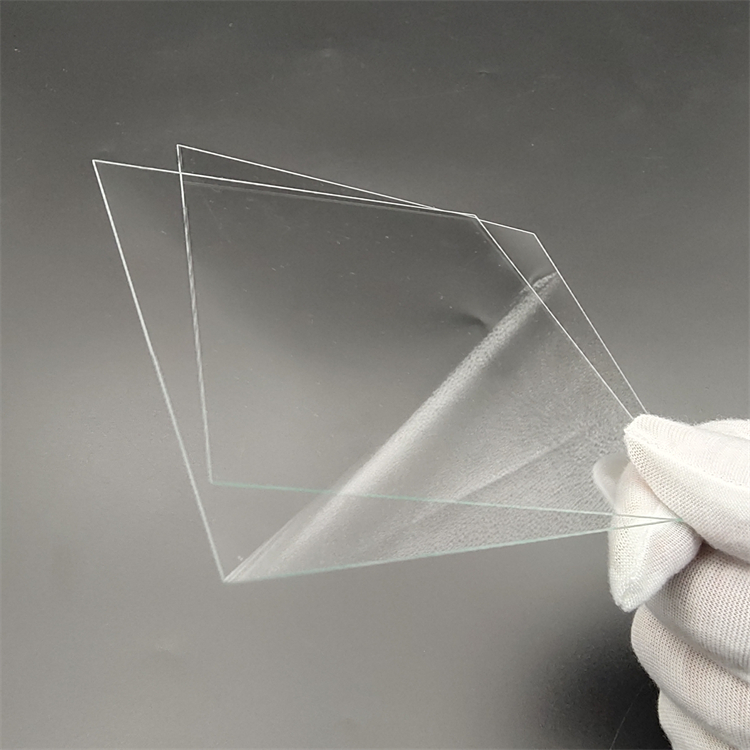
Customized Ultra Clear 0.5mm 0.7mm Thickness Ultra Thin Tempered Glass
A display-grade low-iron glass for capacitive touch sensors, OLED windows, wearables and compact HMI modules. The value is not only thickness; it is color neutrality, flatness, edge quality and strength after tempering. Specify strengthening method, bend/drop standards and AR or AF requirements before sampling.
View product specifications →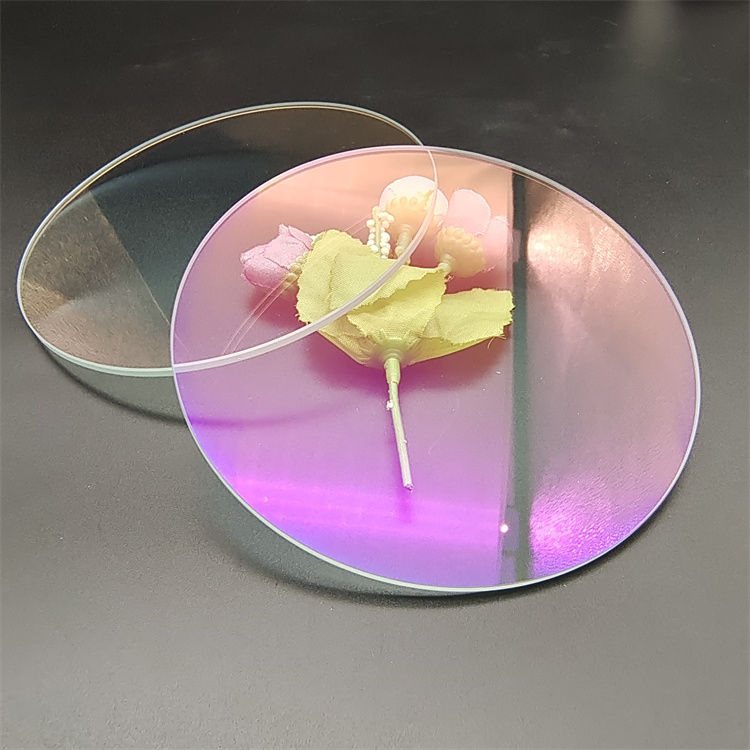
Premium Quality Ultra Clear Anti Reflective Solid High Strength 1mm 2mm 3mm 4mm 5mm 6mm Flat Tempered Glass Coating
Built for medical monitors, outdoor kiosks, camera windows and high-contrast displays. Double-sided AR can lower surface reflection and increase useful transmission, but buyers should request transmission curves, haze values, adhesion and abrasion test methods. For touch use, an AF top layer can be added.
View product specifications →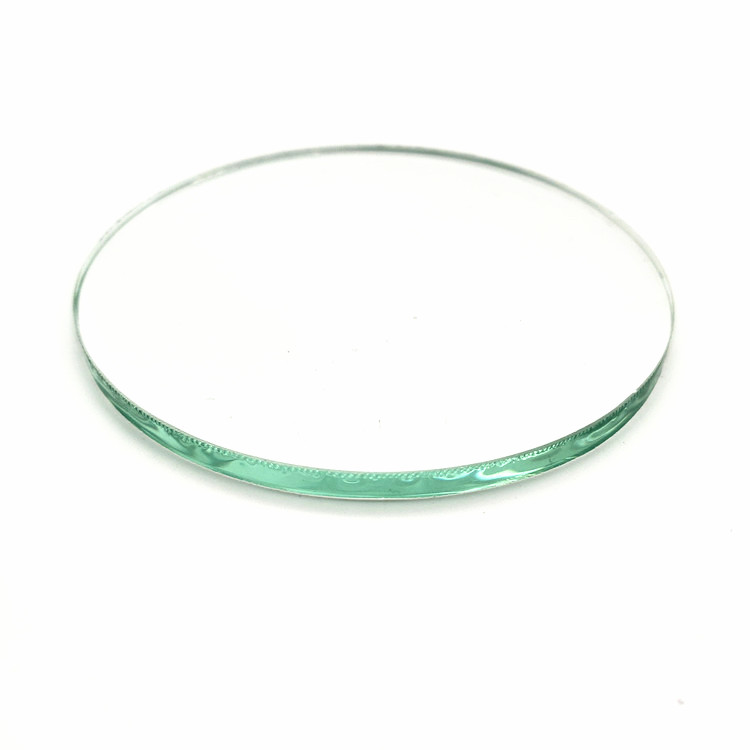
Customized Clear Flat Solid Tempered Glass Pieces 1mm-19mm for Industrial Lighting and Various Applications
A broad-thickness platform for industrial lighting, machine vision, electrical equipment and protective windows. The 1–19 mm range gives designers room to balance impact resistance, weight and thermal exposure. In-house CNC holes, edge polishing and ceramic printing reduce coordination between multiple vendors.
View product specifications →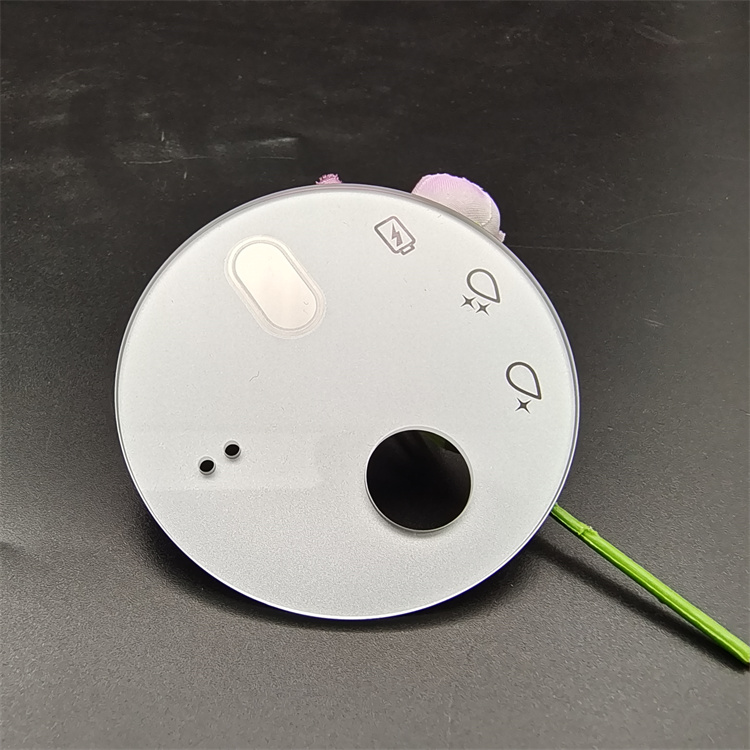
Customized 0.5mm 0.7mm 1mm 2mm 3mm 4mm 5mm 6mm Cut Holes Printed Round Tempered Glass Panels for Home Appliance
Printed round cover glass for home appliance controls, smart switches and small display windows. The critical variables are print alignment, color consistency and transparent-window edge definition. Provide Pantone references, window dimensions and adhesive requirements so the first article can be approved without repeated tooling adjustments.
View product specifications →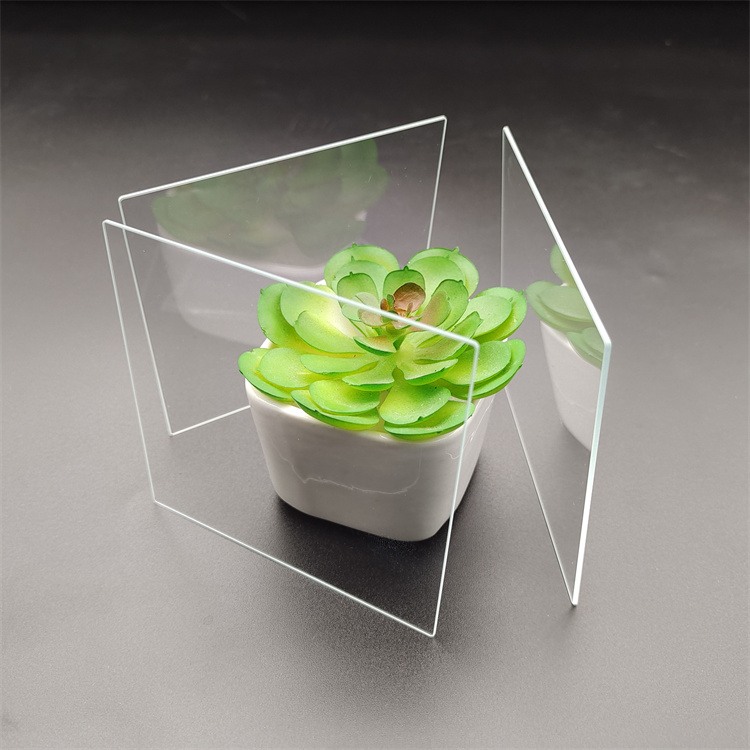
Custom 1mm 2mm 3mm 4mm 5mm Tempered Extra Clear Glass Panel for LCD Screen / LED Light /Electronic Appliance Cover
An extra clear panel for LCD screens, LED fixtures and electronic appliance covers where green tint and haze can damage perceived product quality. Specify flatness, window tolerance, scratch resistance and coating stack. AR, AG and AF options can be combined, but each added layer changes cost, lead time and inspection criteria.
View product specifications →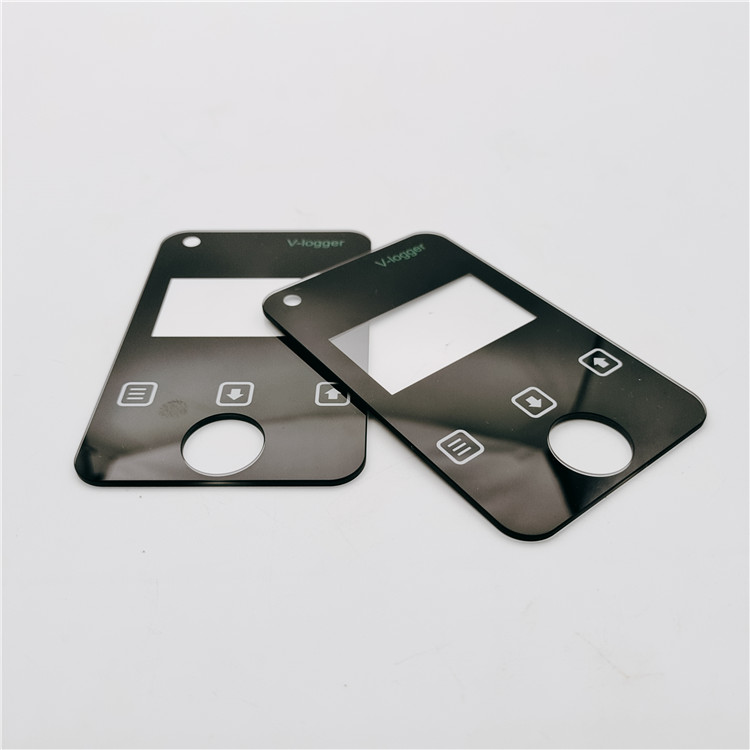
Customized Cut 1mm 2mm 3mm 4mm Instrument Printed Tempered Glass With Holes
For meters, industrial HMI panels and electrical equipment windows. Holes, countersinks and printed graphics must remain dimensionally stable after tempering, so hole-to-edge distance and stress concentration deserve engineering review before production. This is a strong candidate for buyers replacing separate glass, printing and assembly suppliers.
View product specifications →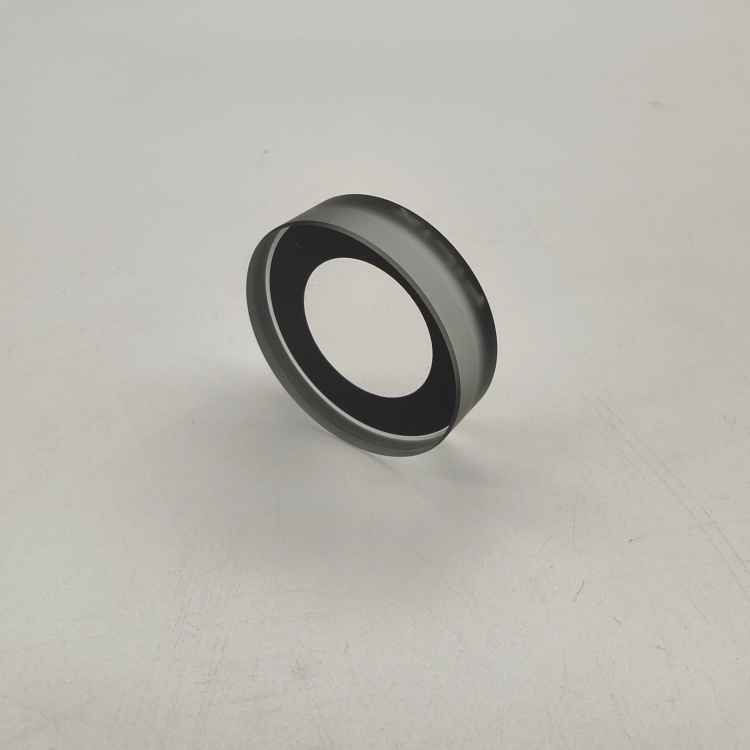
High Quality Small Diameter 10mm Thickness Round Tempered Glass with High Temperature Ceramic Printing
A specialist format for compact industrial windows, lighting fixtures and sensor covers. High-temperature ceramic printing provides heat and fade resistance, but small-diameter parts demand tight control of edge chipping, print registration and handling damage. Ask for a first-article layout and packaging plan before volume release.
View product specifications →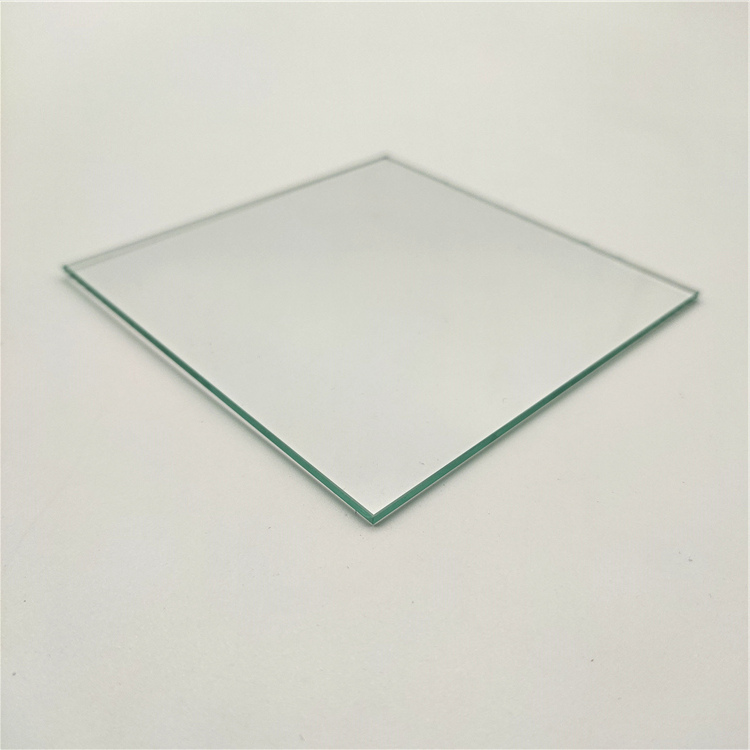
Fast Delivery Custom 1mm clear Glass Sheet
A practical option for prototypes, assembly trials and bridge production. Use 1 mm clear sheets to validate fit, edge handling and printed-window alignment before moving to extra clear, coated or tempered versions. Fast delivery shortens the NPI cycle, but the RFQ should still define tolerance, edge type and packing protection.
View product specifications →What “Extra Clear” Really Means — and Why Quotes Differ So Much
“Extra clear” usually means low-iron glass with reduced green edge color and higher visible-light transmission than standard float glass. But the phrase is not a complete specification. Two suppliers can quote the same thickness and still deliver very different optical, mechanical and assembly performance.
Ask for iron content, color coordinates, haze and transmission curves at the wavelength that matters for the display or lighting fixture. Photos cannot prove optical quality.
Define tempering or strengthening method, surface stress expectations, edge finish, hole-to-edge limits and the breakage pattern acceptable for the final product.
Compare sampling speed, first-article reporting, packaging method, batch traceability and the supplier’s ability to keep printing and coating in-house.
| Specification lever | What to ask in the RFQ | Why procurement should care | Risk if omitted |
|---|---|---|---|
| Iron content & color | Substrate type, iron content, edge color, color coordinates under agreed lighting | Protects brand color, white balance and perceived premium quality | Green tint, color mismatch and rejected assemblies after printing |
| Transmission & haze | Transmission curve, haze value, single- or double-sided coating | Determines readability, brightness and coating value | Paying for “AR” glass that delivers little visible gain |
| Tempering / strengthening | Tempering method, stress range, flatness limits, fragmentation requirement | Affects impact resistance and safe breakage behavior | Breakage during assembly or field use; unclear safety claims |
| Printing | Ink type, cure temperature, line width, Pantone references, window tolerances | Controls visual integration, light blocking and hidden circuitry | Color drift, pinholes, misaligned windows and scrap |
| Coating durability | Adhesion, abrasion, humidity, salt-spray and cleaning-chemical test methods | Predicts field life for outdoor, medical and touch applications | Delamination, haze increase or fingerprint resistance fading |
| Flatness & tolerances | Bow, warp, thickness tolerance, hole position, chamfer and edge finish | Directly affects fit, sealing, gasket compression and visual gaps | Assembly rework, higher reject rates and delayed launches |
How Extra Clear Glass Buying Will Change Through 2028
For wholesalers and OEM sourcing teams, the next competitive advantage is not simply finding a lower unit price. It is building a supplier network that can prove process capability, absorb high-mix demand and document quality before purchase orders are issued.
Verification-first sourcing
RFQs will increasingly require first-article reports, transmission data, coating durability records and batch traceability. Buyers are moving from “Can you make it?” to “Can you prove it consistently?”
High-mix, lower-volume orders
More SKUs, more thickness variants and more localized product versions are pushing suppliers to shorten setup time. A wholesaler that can consolidate custom glass items under one quality system will reduce total supply risk.
Dual sourcing and China+1
China remains strong for process depth, coating and printing integration. Many buyers now pair it with regional assembly or secondary sources. The winning RFQ package therefore includes documentation that can be transferred across sites.
Total landed cost focus
Yield loss, packing damage, coating failure and assembly rework often cost more than the quoted glass price. Procurement teams are comparing suppliers by total landed cost, not by square-meter rate alone.
Where Extra Clear Glass Technology Is Moving Next
Product roadmaps are converging on thinner formats, multifunctional surfaces and tighter visual integration. The glass is becoming part of the user interface, not just a protective cover.
Thinner but stronger
0.2–0.7 mm electronic-grade glass is expanding into wearables, sensors and compact touch modules. Buyers will ask for more than thickness; they will require strength retention after cutting, edge treatment and coating.
AR + AG + AF stacks
Single-function coatings are giving way to combined stacks for outdoor readability, touch cleanliness and high contrast. Each added layer increases the need for clearly defined inspection standards.
Printing as visual structure
Ceramic and silk-screen printing now hides circuitry, defines touch zones and integrates brand graphics. Future sourcing will evaluate print registration, ink durability and transparent-window clarity as core quality metrics.
Larger, flatter, heat-aware
Industrial lighting, EV equipment and outdoor displays are pushing larger formats and better thermal stability. Suppliers will need stronger process control for bow, warp and thermal shock.
Supplier Advantages Built Around Process Control, Not Promises
Dongguan Jaswe Glass Co., Ltd. operates in Dongguan, Guangdong — one of China’s deepest electronics and manufacturing ecosystems. The company processes and exports tempered glass, display glass, touch screen glass, silk screen printed glass, switch glass, AR / AG / AF coated glass, electrical equipment glass and LED lighting glass.
One-roof process control
Cutting, special-shaped and CNC cutting, edge polishing, hole drilling, tempering, silk screen and ceramic printing, AG processing and AR / AF coating are handled under one quality system. Fewer handoffs mean clearer accountability.
Export communication speed
With an average response target within three hours and a 96.61% recorded response rate, overseas buyers can move from initial drawing review to sample planning without long communication gaps.
Quality system and repeat orders
Inspection is built into cutting, edging, tempering, printing and coating stages. A 26% buyer reorder rate reflects repeat demand from lighting, electronics and appliance customers across America, Europe and Asia.
Verifiable supplier profile
On-site verified status for six years, supplier assessment, trade capacity, transaction level, trade history and credit index links give sourcing teams third-party reference points before an RFQ is released.



Where Wholesale Extra Clear Glass Creates the Most Value
Different applications tolerate different risks. A lighting cover may prioritize heat resistance and edge quality, while a touch panel prioritizes optical clarity and coating durability. Matching the right process route is more important than matching a generic glass grade.
Touch and display electronics
Cover glass for LCD, TFT and capacitive touch modules. Extra clear low-iron substrate improves color neutrality and optical efficiency.
LED lighting fixtures
Downlight, panel, linear and wall-washer covers need thermal stability, clean edges and consistent ceramic printing.
Smart home and appliance panels
Printed switch plates, appliance controls and smart-home interfaces benefit from scratch resistance and precise transparent windows.
Industrial instruments
Meter windows, HMI covers and electrical equipment glass require drilled holes, countersinks and dimensional stability after tempering.
Common Procurement Questions About Extra Clear Glass
These questions are designed for sourcing managers comparing China wholesale extra clear glass suppliers and custom processing partners.
What glass thickness can be processed for extra clear glass projects?
The current range covers ultra-thin electronic-grade glass from 0.2 mm up to 19 mm flat tempered glass. The most requested thicknesses for display and touch covers are 0.5, 0.7, 1, 2, 3 and 4 mm. For industrial windows and lighting covers, thicker options may be specified after considering impact, heat and weight requirements.
What is the minimum order quantity for custom extra clear glass?
Most custom items start at 100 to 500 pieces, depending on size, printing, coating and packing method. Standard clear tempered pieces can be supplied in smaller sample quantities for evaluation. For wholesale programs, confirmed annual volume often improves pricing and production planning.
What is the difference between AR, AG and AF glass?
AR anti-reflective coating reduces surface reflection and can increase useful light transmission. AG anti-glare treatment diffuses reflected light so screens remain readable under strong ambient or outdoor light. AF anti-fingerprint coating is an oleophobic top layer that resists smudges on touch surfaces. They can be combined on one cover glass, but the coating stack must be specified with test methods.
Which glass processes are completed in-house?
Cutting, special-shaped and CNC cutting, edge polishing, hole drilling, tempering, silk screen and ceramic printing, AG processing and AR / AF coating are completed under one roof. Keeping these steps together shortens lead time and reduces quality gaps that occur when glass moves between subcontractors.
What production capacity and response speed can buyers expect?
With 26 glass processing machines and more than 80 workers, monthly output exceeds 200,000 pieces of processed glass. Export inquiries are supported by an average response target within three hours and a recorded response rate of 96.61%, helping overseas buyers keep sampling and production schedules moving.
How do I start a custom extra clear glass project?
Send a drawing in DXF, DWG or PDF, together with thickness, edge type, printing colors, coating requirement, application, estimated annual quantity and any test standards. The engineering team reviews manufacturability before samples are made, so potential risks in hole placement, edge stress, print alignment and coating durability can be addressed early.
Turn Your Drawing Into a Production-Ready Extra Clear Glass Specification
Share your drawing, thickness, coating, printing colors and estimated annual demand. The team will respond with a process route, sample plan and quotation assumptions. Email: info@jasweglass.com.