What “China Wholesale Glass Substrate Factory & Suppliers” Really Means for Buyers
The search phrase China wholesale glass substrate factory & suppliers is usually not an early-stage research query. It is a commercial-intent search made by display, touch-panel, LED lighting, appliance, switch and industrial-instrument buyers who need a manufacturer that can convert raw glass sheets into finished cover glass, optical windows, control panels or lighting lenses. In this context, “glass substrate” refers less to a semiconductor wafer and more to a processed flat-glass component: the visible surface, protective window or optical layer that sits in front of a display, sensor, lighting source or control interface.
That distinction matters because substrate quality is not decided by thickness alone. A wholesale buyer must confirm the substrate base, edge condition, tempering status, printing durability, optical coating stack, hole and cut-out tolerances, cleaning process, inspection criteria and export packing. A supplier that only trades raw glass may quote a low unit price, but the true cost appears later as chipped edges, color mismatch, coating haze, delayed samples or field failures.
This guide is structured for procurement teams, hardware engineers, sourcing managers and product owners who need information gain before sending an RFQ. It combines technical selection criteria, eight factory-ready product recommendations, future procurement trends, product development trends, supplier-vetting questions, company credibility signals and an FAQ section based on the type of questions overseas buyers ask most often. The factory data referenced here comes from Dongguan Jaswe Glass Co., Ltd.: more than 80 skilled workers, 26 glass processing machines, monthly output above 200,000 pieces, an average engineering reply time within 3 hours, a 96.61% response rate and a 26% buyer reorder rate.
Eight Factory-Ready Glass Substrate Products for Wholesale Buyers
These product directions cover the most common wholesale sourcing intents: industrial lighting glass, AR-coated display glass, round ceramic-printed glass, ultra-thin taped cover glass, OEM/ODM screen protectors, step-edge tempered glass, LED wall-washer glass and extra-clear electronic panels. Every item is customizable by drawing, thickness, edge, printing and coating.

Customized Industrial Lighting Solid Flat Ultra Clear Frosted Tempered Glass with Beveled Step Edge
Best for high-end industrial lightingUltra-clear base, frosted finish, step edge and tempered strength for premium luminaires where appearance and safety both matter.

Both Sides Anti Reflective AR Coating 1mm 2mm 3mm 4mm Ultra Clear Tempered Glass
Best for display contrastDouble-sided AR coating reduces surface reflection and improves visual clarity for monitors, instrument windows and touch displays.
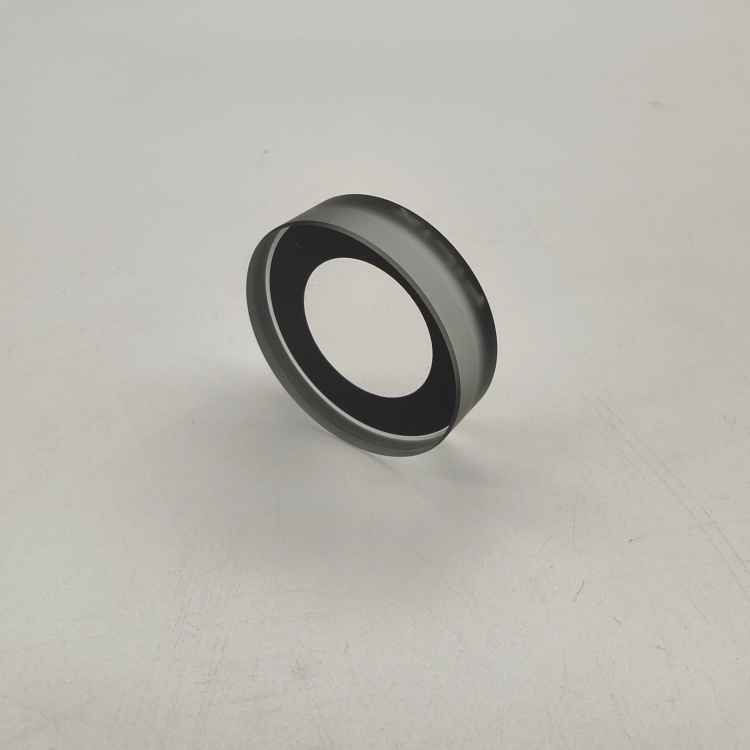
High Quality Small Diameter 10mm Thickness Round Tempered Glass with High Temperature Ceramic Printing
Best for durable printed roundsHigh-temperature ceramic ink resists fading and cleaning wear, making it suitable for lighting, appliances and control interfaces.
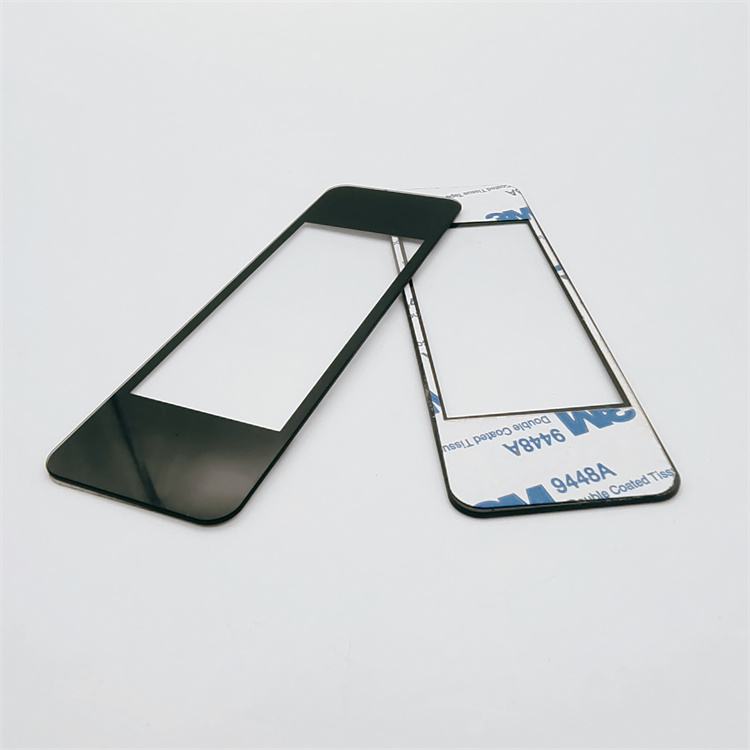
Ultra Thin 1mm Tempered Glass with 3M Tape for Screen Cover Glass
Best for thin touch covers1mm tempered glass with 3M adhesive backing supports fast assembly, clean bonding and compact electronic product design.
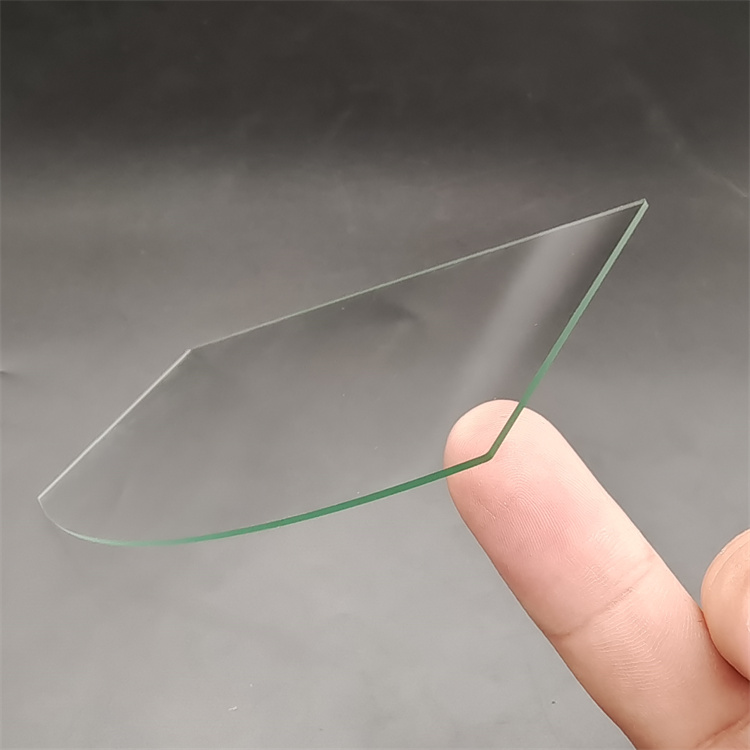
Any Size Custom 0.5/0.7/1/1.5/2/3mm Tempered Glass Screen Protector, Round Rectangle Triangle Customized Tempered Glass OEM ODM
Best for OEM/ODM programsCustom outlines, thickness options and OEM/ODM support for brands that need repeatable screen-cover glass at wholesale scale.
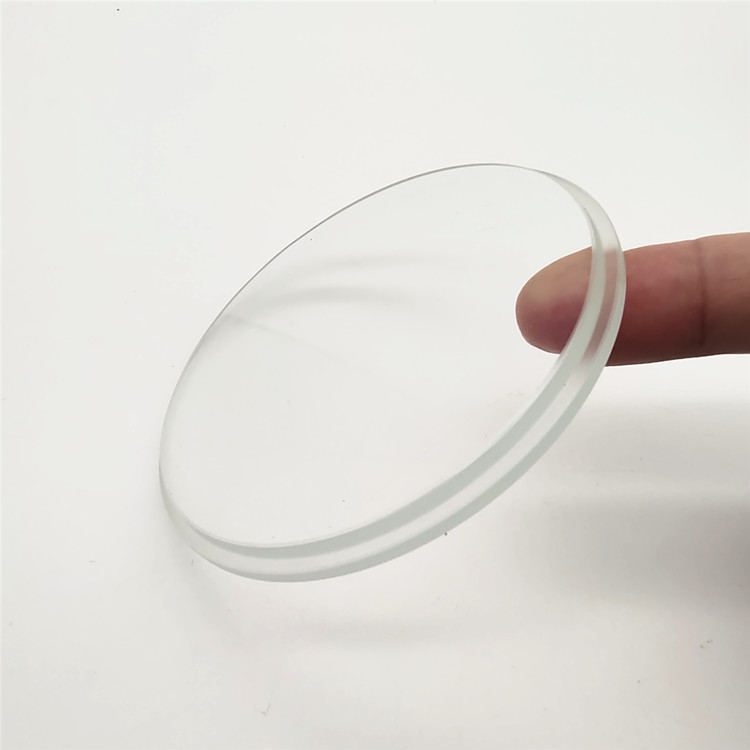
Factory Price 2mm 3mm 4mm 5mm 6mm 8mm 10mm Tempered Step Edge Glass
Best for value-driven projectsStep-edge tempered glass at factory pricing, suitable for covers and panels where a controlled profile and hardened surface are required.
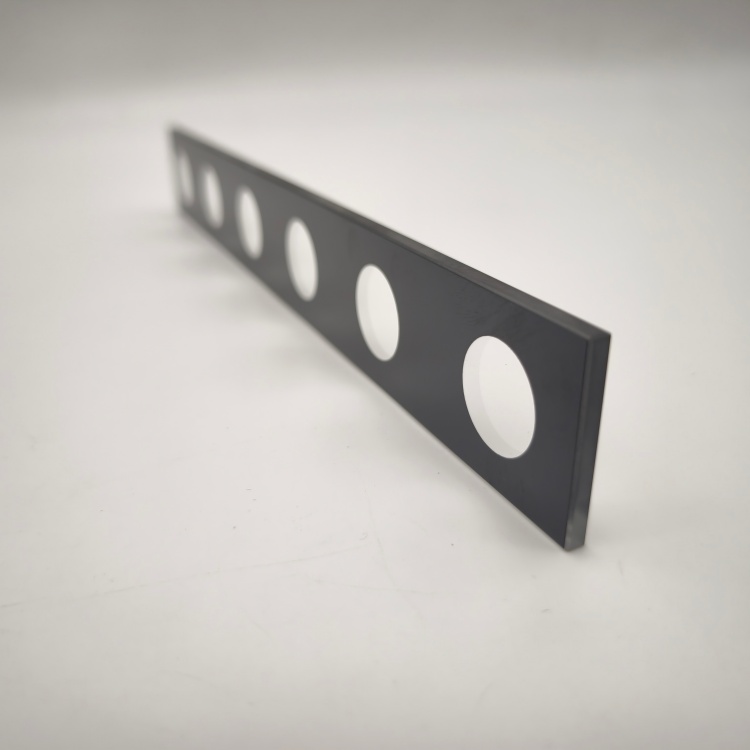
Black Printed Polished Smooth Matte Edge Linear Tempered Glass for LED Wall Washer Light
Best for linear LED fixturesBlack print, polished smooth edge and linear format make this glass a practical choice for architectural wall-washer lighting.
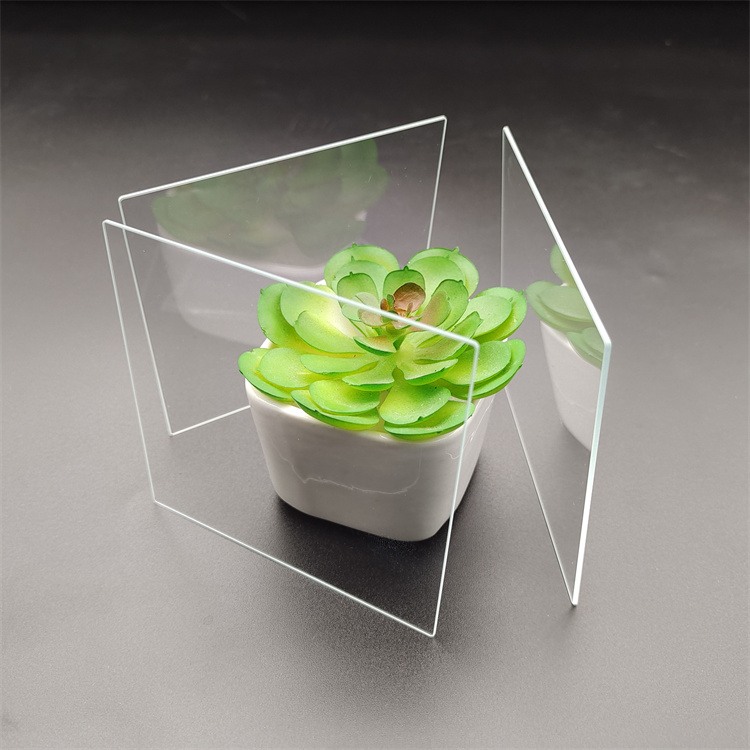
Custom 1mm 2mm 3mm 4mm 5mm Tempered Extra Clear Glass Panel for LCD Screen / LED Light / Electronic Appliance Cover
Best for multi-application panelsExtra-clear tempered panels for LCD screens, LED lighting and electronic appliance covers, with size and printing customization.
How Wholesale Buyers Will Source Glass Substrates Next
Price will remain important, but procurement teams are increasingly evaluating suppliers by traceability, engineering response, sample speed and process transparency.
Verified process traceability
Buyers will ask for batch-level records covering glass grade, cutting dimensions, edge inspection, tempering, printing color and coating results. A factory that can connect each process step to a batch is easier to audit and safer to scale.
Faster sampling and lower MOQ
Project cycles are shorter. Buyers want physical samples quickly, then a controlled ramp from 100–500 pieces to repeat production. Flexible MOQ is becoming a supplier-selection factor alongside unit price.
Optical specs tied to use case
AR, AG and AF are no longer decorative add-ons. Procurement teams now specify haze, reflection, transmittance, gloss and fingerprint resistance according to indoor display, outdoor kiosk, medical monitor or touch-panel conditions.
Supply resilience and dual sourcing
Overseas buyers are balancing cost with continuity. They want a primary China glass substrate factory plus documented QC, packing standards and backup capacity to reduce the risk of shipment delays or process bottlenecks.
Where Glass Substrate Technology Is Moving
The next generation of display, lighting and control products will demand thinner glass, smarter coatings, integrated printing and more visible quality control.
Ultra-thin strengthened glass
0.2mm to 1mm electronic-grade glass continues to gain ground in portable devices, touch modules and compact appliances. The challenge is not only making it thin, but cutting, edging, coating and packing it without micro-defects.
AR + AG + AF coating stacks
Single-function glass is giving way to combined optical stacks. AR improves contrast, AG controls glare, and AF helps keep touch surfaces clean. Multi-layer coating is especially important for outdoor kiosks and industrial HMIs.
Printed glass as a design interface
Silk-screen and ceramic printing now do more than hide wiring. They create brand colors, touch icons, transparent windows, borders and visual depth. Buyers should confirm Pantone matching, ink curing and abrasion resistance.
Large-format lighting and appliance glass
LED fixtures, architectural lighting and premium appliances are moving toward larger, cleaner glass surfaces. This raises the bar for flatness, edge polishing, printing consistency and protective packaging.
AR, AG, AF and Ultra Clear: Which Substrate Fits Your Product?
Use this matrix during design review. Treatments can be combined, for example AG + AF for outdoor touch kiosks or AR + AF for high-contrast touch displays.
Ultra Clear / Low-Iron
- Best when true color matters
- Reduces the green tint of ordinary float glass
- Used for display covers, LED lamps and premium panels
- Pair with light printing for a cleaner edge appearance
AR Anti-Reflective
- Lowers surface reflection
- Improves contrast and perceived transmittance
- Used for medical, industrial and camera display windows
- Specify single- or double-sided coating
AG Anti-Glare
- Diffuses reflected light
- Keeps screens readable under strong ambient light
- Used for outdoor kiosks, signage and HMI covers
- Choose haze level by viewing distance and resolution
AF Anti-Fingerprint
- Oleophobic top layer resists smudges
- Improves touch feel and cleaning
- Used for capacitive touch, switches and POS terminals
- Often applied over AR or AG
Final optical values depend on glass thickness, substrate grade and coating stack. Sample testing is recommended before mass production.
Inside Dongguan Jaswe Glass Co., Ltd.
Dongguan Jaswe Glass Co., Ltd. is a glass processing factory based in Dongguan, Guangdong, China — the center of China’s electronics and display supply chain. The company processes and exports tempered glass, ultra-clear glass, display cover glass, touch screen glass, silk-screen printed glass, switch glass, AR / AG / AF coated glass, electrical equipment glass and LED lighting glass.
The practical advantage is in-house process control. Cutting, special-shaped CNC cutting, edge polishing, hole drilling, tempering, silk-screen and ceramic printing, AG processing and AR / AF coating are handled under one roof. That reduces the quality gaps that appear when glass moves between multiple subcontractors, and it shortens the path from engineering review to sample to mass production.
Most of the company’s 80+ operators have more than 8 years of hands-on glass processing experience. That experience matters most on tight-tolerance jobs such as ultra-thin 0.2mm cover glass, multi-color printing with transparent windows and optical coatings that must look consistent under different lighting angles.



How to Vet China Wholesale Glass Substrate Suppliers
A supplier’s website can show beautiful products, but a serious procurement review should test whether the factory can prove process control and communicate engineering issues clearly.
1. Confirm real process integration
Ask which steps are completed in-house. Cutting, edge polishing, tempering, printing and coating should be traceable. If multiple steps are outsourced, ask how responsibility is managed when defects occur.
2. Send a drawing, not only a photo
Provide DXF, DWG or PDF drawings with thickness, outline, hole positions, edge type, printing colors, coating requirement, application and estimated annual volume. A factory that reviews manufacturability before quoting is usually safer.
3. Validate optical requirements
For AR, AG or AF glass, specify what the product must achieve: lower reflection, glare diffusion, fingerprint resistance or improved contrast. Ask for sample testing rather than relying on generic marketing claims.
4. Check QC at each station
Ask how inspection is performed after cutting, edging, tempering, printing and coating. Dimensional checks, visual defect standards, color verification and packing checks should be defined before mass production.
5. Review export packing
Glass damage often occurs after production, not during it. Confirm interleaving paper, edge protection, carton strength, pallet protection and labeling. For coated glass, ask about contamination control and moisture protection.
6. Measure engineering response
Response speed reveals support quality. Jaswe reports an average reply within 3 hours and a 96.61% response rate. Fast, specific engineering feedback reduces rework risk before the first sample is even made.
Four Steps from Drawing to Delivery
A clear process helps overseas buyers compare suppliers on more than price.
Send requirements
Share drawing, thickness, edge, printing, coating, application and annual volume.
Engineering review
Manufacturability check, process route and sample plan are confirmed.
Sampling and approval
Physical samples support fit, color, optical and surface approval.
Production and packing
Batch production, in-process inspection and export packing protect quality.
Questions Overseas Buyers Ask Most
These answers address the most common purchasing, engineering and quality questions when evaluating China glass substrate suppliers.
What glass thickness can a China wholesale glass substrate factory process?
Jaswe’s current range covers ultra-thin electronic-grade glass from 0.2mm up to 19mm flat tempered glass. The most requested thicknesses for display, touch and lighting covers are 0.5, 0.7, 1, 2, 3 and 4mm. Thickness should be selected by mechanical strength, weight, optical requirement and assembly method — not by catalogue habit.
What is the minimum order quantity for custom glass substrates?
Most custom items start at 100–500 pieces depending on size, printing, coating and edge process. Standard clear tempered pieces may be supplied in smaller sample quantities for evaluation. Buyers should confirm MOQ separately for each thickness, coating stack and printed color.
What is the difference between AR, AG and AF glass?
AR anti-reflective coating reduces surface reflection to increase transmittance and contrast. AG anti-glare treatment diffuses reflected light so screens remain readable under strong ambient or outdoor light. AF anti-fingerprint coating is an oleophobic layer that resists smudges on touch surfaces. All three can be combined on one cover glass, depending on the application.
Which processes are completed in-house?
Cutting, special-shaped and CNC cutting, edge polishing, hole drilling, tempering, silk-screen and ceramic printing, AG processing and AR / AF coating are handled in-house. This integrated model helps control dimensional consistency, color matching and coating quality.
What production capacity and response level can buyers expect?
With 26 glass processing machines and more than 80 workers, monthly output exceeds 200,000 pieces of processed glass. The factory reports an average engineering response within 3 hours, a 96.61% response rate and a 26% buyer reorder rate.
How should a new custom glass substrate project start?
Send your drawing in DXF, DWG or PDF format, together with thickness, edge type, hole positions, printing colors, coating requirement, application and estimated annual quantity. The engineering team reviews manufacturability before samples are made, which helps reduce repeated sampling and unexpected tooling costs.
Ready to Shortlist a China Wholesale Glass Substrate Factory?
Share your drawing and specifications for an engineering review covering thickness, edge profile, printing, AR / AG / AF coating, MOQ, sampling and production route. Jaswe’s team can recommend a practical process before you commit to tooling or mass production.
info@jasweglass.com