China Wholesale Step Tempered Glass Exporter & Wholesalers
A buyer-focused guide to custom tempered, printed and coated glass for displays, touch panels, LED lighting, smart switches and industrial instruments — with engineering review, sampling and production support from Dongguan Jaswe Glass Co., Ltd.
Custom Tempered Glass Products for Wholesale Buyers
These eight product families cover the most common sourcing requests for step tempered glass, printed cover glass, LED lighting glass, touch panels and smart switch panels. Each item is made to drawing — not a fixed retail SKU.
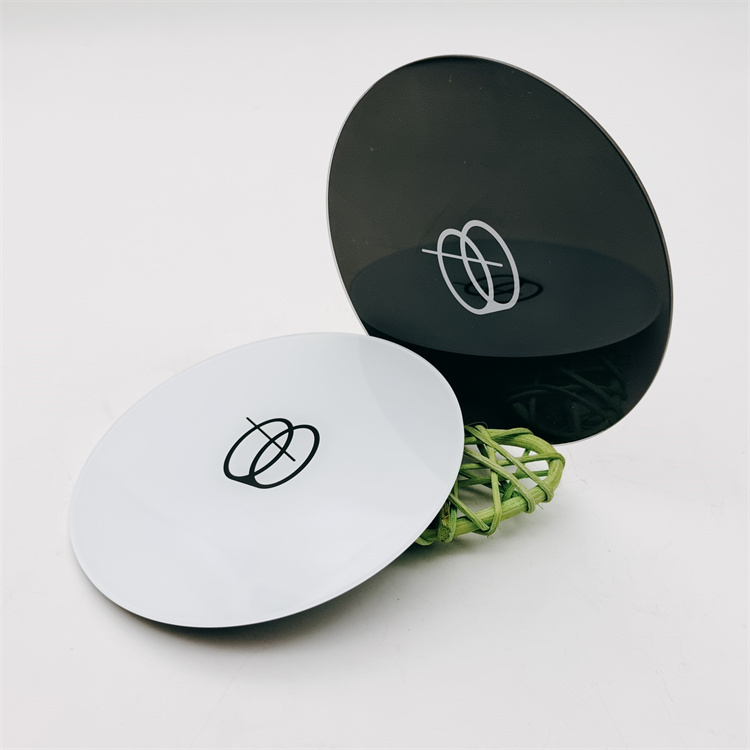
Black White Silk Screen Printing Toughened Glass Round Tempered Glass for Electric Appliance
Round appliance cover glass with multi-color silk-screen printing, clean edge polishing and optional ceramic ink for heat resistance.
View product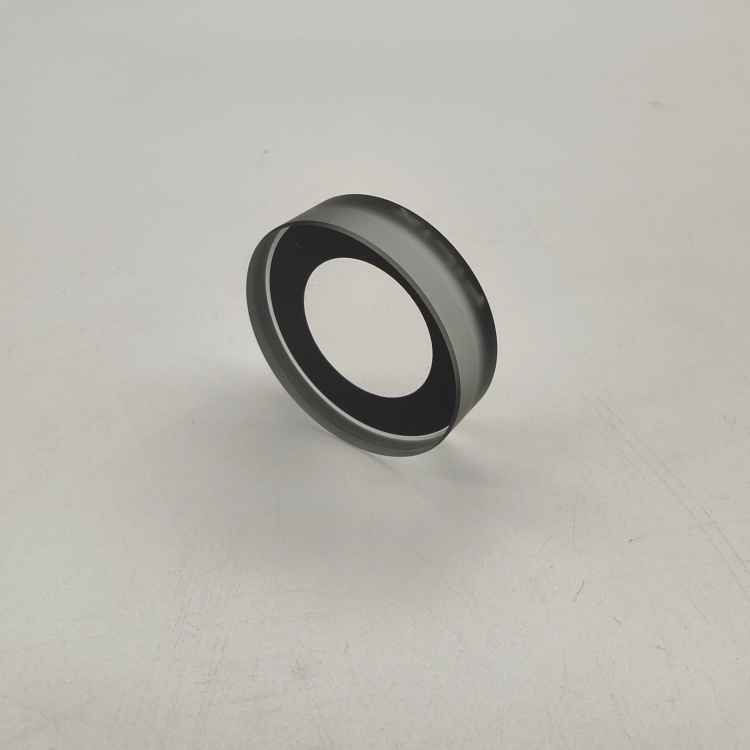
High Quality Small Diameter 10mm Thickness Round Tempered Glass with High Temperature Ceramic Printing
Small-diameter round glass for lighting, sensors and instruments where high-temperature ceramic ink and edge consistency matter.
View product
Customized Small Size 3mm 4mm 5mm 6mm Beveled Edge Tempered Glass
Small-format tempered glass with beveled edges for appliance windows, control panels, display covers and OEM housings.
View product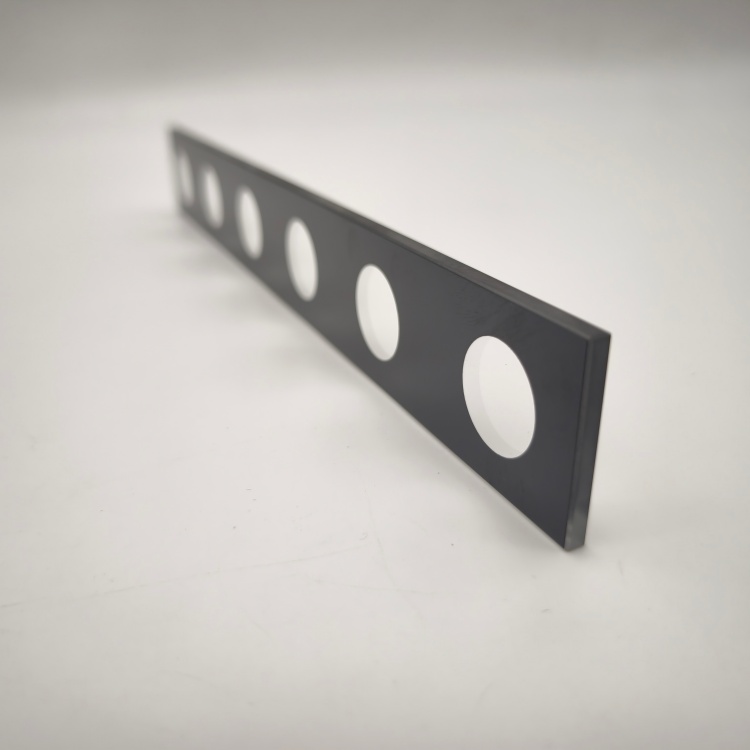
Black Printed Polished Smooth Matte Edge Linear Tempered Glass for LED Wall Washer Light
Linear lighting cover glass with black print, matte edge, flatness control and heat resistance for wall washer fixtures.
View product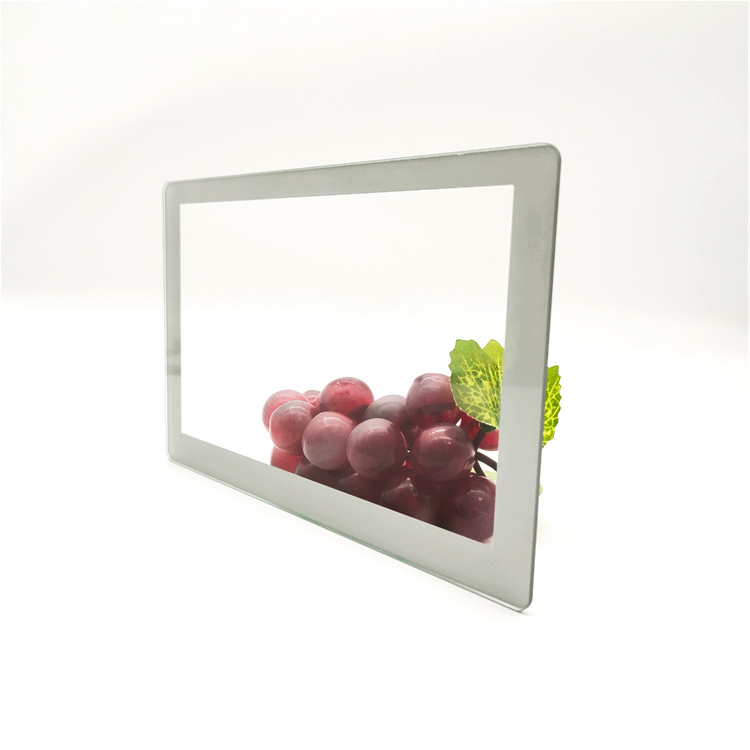
Customized High Strength Anti Glare Frosted Finish Tempered Glass LED/LCD Display Touch Panel for Monitor Screen Protector
Anti-glare frosted cover glass for touch displays that need outdoor readability, fingerprint resistance and scratch durability.
View product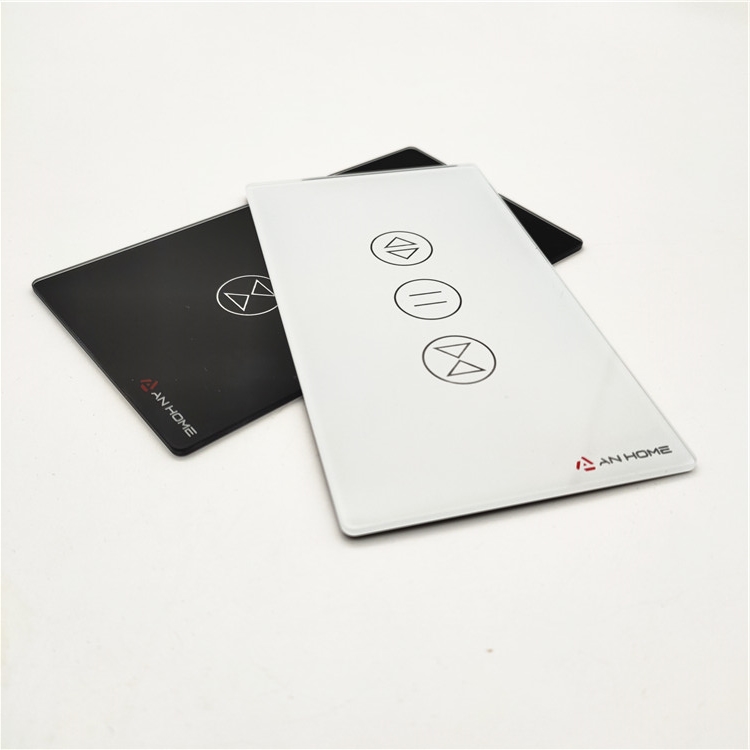
Home Smart WiFi Remote Control Touch Tempered Glass Screen-Printed Glass Switch Glass Panels Curtain Control Glass
Printed smart switch glass panels with touch windows, icon registration, backlight compatibility and clean edge finishing.
View product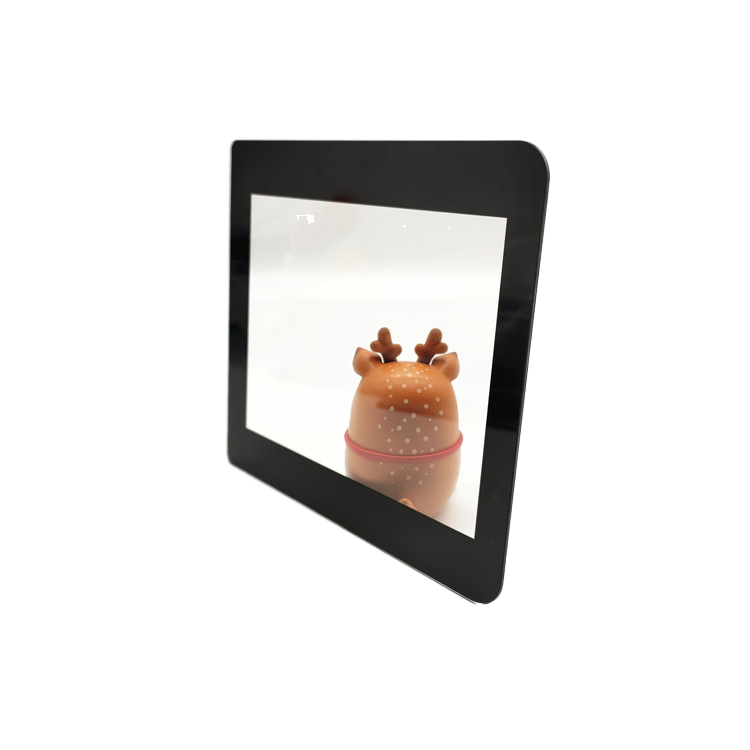
Industrial Use Electronic Glass 1mm/2mm/3mm/4mm Tempered Glass Display Screen Window Protection Cover
Protective display window glass for industrial equipment, instruments and HMI panels with CNC holes and print options.
View product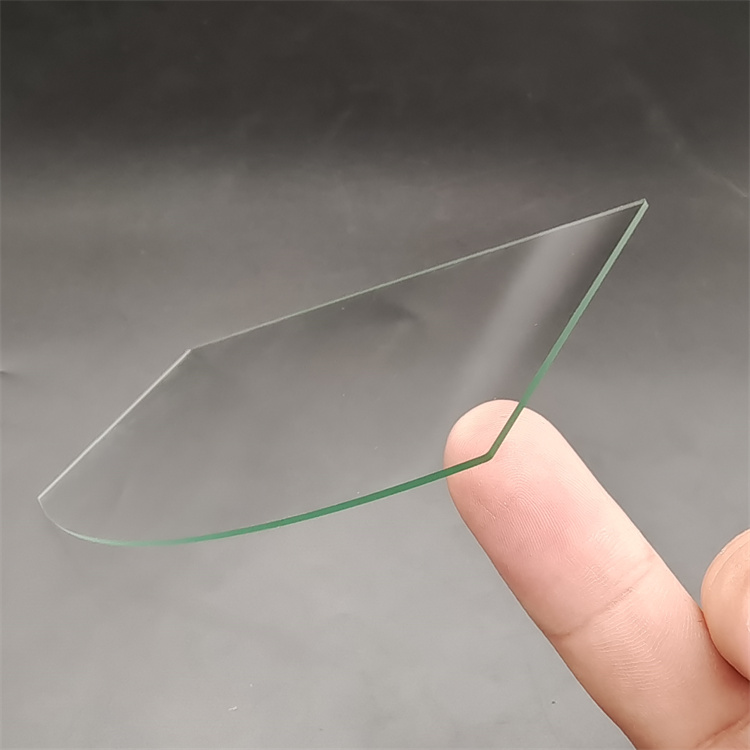
Any Size Custom 0.5/0.7/1/1.5/2/3mm Tempered Glass Screen Protector, Round Rectangle Triangle Customized Tempered Glass Oem Odm
Thin electronic glass screen protectors in round, rectangular, triangular and fully custom outlines for OEM/ODM programmes.
View productWhat “Step Tempered Glass” Means for China Wholesale Buyers
Search terms are not specifications. A professional RFQ turns the keyword into a drawing, an application and an acceptance standard.
In China wholesale catalogues, “step tempered glass” is not a single national standard grade. Some suppliers use the phrase for glass with a stepped edge profile or stepped shape. Others use it for tempered cover glass that goes through multiple fabrication steps: cutting, CNC shaping, drilling, edge polishing, silk-screen printing, tempering and optional AR / AG / AF coating. The keyword is useful for finding exporters and wholesalers, but it is not enough to place a purchase order.
For reliable sourcing, describe the function of the glass first. Is it a display window, a switch panel, an LED fixture cover, a touch protector or an appliance fascia? Then attach a DXF, DWG or PDF drawing and specify substrate, thickness, size tolerance, edge type, hole positions, print colors, coating stack, annual volume and packaging. This is the information gain that separates a market-price enquiry from a production-ready RFQ.
Drawing & Tolerance
Define outline, corner radii, stepped edge, bevel, hole diameter and print window. Ask how tolerance is measured and which dimensions are critical.
Substrate & Thickness
Choose clear, ultra-clear low-iron or printed glass. Confirm whether the application needs 0.5–1.1 mm thin glass, 2–6 mm cover glass or a heavier LED fixture cover.
Printing & Coating
Silk-screen ink, ceramic ink, AR anti-reflective, AG anti-glare and AF anti-fingerprint layers can be combined. Approve samples under the final viewing light.
Packing & Inspection
Export packing is part of the specification. Agree on interleaving, edge protection, moisture control, carton drop tests and cosmetic inspection criteria.
Match the Glass to the User Interface, Not Only to the Price
Best-fit recommendations for appliance brands, lighting OEMs, display integrators and smart-home suppliers.
Appliance & Switch Panels
Products 1 and 6 are strong starting points. Specify ink adhesion, icon registration, transparent touch windows and backlight bleed control. If the panel sits near heat, ask about ceramic ink rather than conventional print.
LED Lighting Fixtures
Products 2 and 4 suit downlights, lamps and wall washers. Check edge quality, light transmission, thermal cycling and color consistency. Low-iron glass helps when the fixture needs a neutral, clean appearance.
Display, Touch & HMI
Products 5, 7 and 8 fit touch modules, monitors and industrial HMIs. Choose AG for glare control, AR for contrast, AF for fingerprints, and validate optical performance with physical samples.
Custom OEM / ODM
Products 3, 7 and 8 cover small-format custom shapes, beveled edges, holes and thin screen protectors. Send annual volume early — it determines tooling, inspection level and packaging design.
| Buyer Intent | Recommended Product Family | Critical Specification | Supplier Question |
|---|---|---|---|
| Appliance fascia | Silk-screen printed round tempered glass | Ink color, window size, edge polish, scratch resistance | Which ink system is used, and how is print adhesion checked? |
| Smart switch panel | Printed switch glass / touch glass | Touch-window clarity, icon alignment, backlight compatibility | Can you provide first-article samples with the final LED module? |
| LED wall washer | Linear black-printed tempered glass | Flatness, edge profile, print density, heat exposure | How do you protect the printed surface during packing? |
| Outdoor touch display | AG frosted tempered glass | Haze level, gloss level, transmittance, AF option | Can we compare gloss and haze samples under daylight? |
| Industrial instrument | Display protection cover glass | Thickness, stepped edge, CNC holes, print window | What is the inspection plan for chips and edge cracks? |
| Thin screen protector | 0.5–3 mm custom tempered glass | Impact strength, flatness, corner radius, packing quantity | Which thickness is recommended for our drop-test target? |
Final specifications should be approved on physical samples. Optical values, print colors and impact performance depend on substrate, thickness, ink, coating and the final assembly.
Procurement Trends Reshaping China Step Tempered Glass Wholesale
Buyers are shifting from unit-price comparison to total landed risk. The winning supplier is the one that can hold the drawing, the print and the coating stack across repeat orders.
Engineering-Led RFQs
DXF files, application notes and annual forecasts are replacing text-only enquiries. Exporters that review manufacturability before quoting reduce sample loops and tooling surprises.
Low MOQ, High Mix
Brands want more variants, more colors and faster launches. Wholesale programmes increasingly combine 100–500 piece custom runs with repeat volume on proven panels.
AR / AG / AF Stack Adoption
Optical coating is moving from premium products into mainstream touch panels and industrial displays. Combined AG + AF and AR + AF stacks are common in outdoor and high-touch use.
Traceability & Batch Consistency
Buyers ask for batch records, first-article approval, print color targets and packaging photos. Consistency between the sample and mass production is a key reorder driver.
Packing as Risk Control
Thin glass and printed surfaces are vulnerable to transit damage. Interleaved paper, edge protectors, moisture barriers and drop-tested cartons are becoming part of the commercial specification.
Digital Verification & Dual Sourcing
Overseas buyers now check supplier profiles, trade history and response data before sampling. Many keep one China-based custom glass partner and a regional assembly source for resilience.
For purchasing teams, the practical lesson is to build a supplier scorecard that weighs engineering feedback, sample accuracy, packaging quality and repeat-order consistency — not only the quoted price per piece. A lower quotation can become expensive if the print color shifts, the edge chips during transit or the coating is not validated against the final viewing environment.
What Is Changing in Custom Tempered Cover Glass
Product development is moving toward integrated glass surfaces: the cover is no longer just protection; it carries the brand, the interface and the optical performance.
Ultra-Thin Electronic Glass
Demand continues for 0.2–1.1 mm thin glass in touch protectors, small displays and compact electronic devices. Handling, flatness and edge quality become more critical as thickness decreases.
Larger, Flatter Panels
Displays and HMI windows are becoming larger, so flatness, print registration and packing rigidity matter across the full panel area rather than only at the edges.
Print as the Interface
Smart switches and appliance panels use printed icons, borders, light windows and dead-front graphics. Print is now part of user experience, not only decoration.
Optical Coating Integration
AR, AG and AF layers are increasingly specified together with printing and tempering. Buyers expect one supplier to control the full optical stack and its interaction with touch modules.
Process Integration
One-roof cutting, CNC, edge polishing, drilling, tempering, printing and coating shortens coordination time and reduces quality gaps between subcontractors.
Energy & Material Efficiency
Better nesting, lower rework and recyclable packaging support both cost control and sustainability requirements from global OEM customers.
The best development strategy is application-first engineering. Define the viewing environment, the cleaning method, the touch frequency, the installation method and the mechanical risk before selecting thickness or coating. Over-specifying can add cost without improving the user experience; under-specifying often appears as glare, fingerprints, print fading or transit breakage after mass production begins.
Inside Dongguan Jaswe Glass: Built for Custom, Multi-Step Glass
A Dongguan-based glass processing partner for tempered, printed, coated and custom cover glass — with sampling and production under one quality system.
Dongguan Jaswe Glass Co., Ltd. is located in Dongguan, Guangdong, China, within the electronics and hardware supply chain of the Pearl River Delta. The company processes custom tempered glass, ultra-clear glass, display glass, touch screen glass, silk-screen printed glass, switch glass, AR / AG / AF coated glass, electrical equipment glass and LED lighting glass for buyers in America, Europe and Asia.
With more than 80 skilled workers and 26 glass processing machines — including tempering, edge polishing, printing, cutting and coating capability — the factory reports monthly output of more than 200,000 pieces. That combination of process breadth and repeat volume is valuable for buyers who need one supplier to handle multiple cover glass variants, not a broker who moves every step to a different workshop.
Most operators bring long hands-on experience to the line, which matters on tight-tolerance work such as ultra-thin 0.2 mm glass, stepped outlines, multi-color printing, transparent display windows and optical coating stacks. For overseas buyers, the practical advantage is fewer handoffs between cutting, printing, tempering and packing — and a clearer path from drawing to approved sample.
“Scientific management, careful manufacture, high quality service, striving for excellence.”
Reported performance data includes a 96.61% response rate, an average response time of ≤3 hours and a 26% buyer reorder rate. These indicators are useful context for supplier due diligence, but they should always be combined with a sample approval process and a factory audit.
Company Profile Snapshot
Precision & CNC Cutting
Automatic cutting and CNC shaping for rounds, notches, slots, stepped outlines and irregular cover glass shapes.
Edge Polishing
Pencil, flat, beveled, stepped and matte edges for safe handling, clean appearance and assembly fit.
Hole Drilling
Holes and countersinks for buttons, sensors, cameras, knobs, mounting screws and control interfaces.
Thermal Tempering
Tempering furnace processing for impact resistance and safer breakage behavior in cover glass applications.
Silk Screen & Ceramic Printing
Multi-color logos, icons, borders, display windows and appliance graphics with color matching support.
AG Anti-Glare Processing
Diffused matte surfaces for readable screens under strong ambient light, outdoor use and industrial lighting.
AR Anti-Reflective Coating
Optical coating to reduce surface reflection and improve light transmission for clearer display windows.
AF Anti-Fingerprint Coating
Oleophobic top layer for touch surfaces — smoother glide, fewer smudges and easier cleaning.
How to Verify a China Step Tempered Glass Exporter Before a PO
Use these checks to separate a real glass processing factory from a trading intermediary and to reduce mass-production risk.
Factory Identity & Equipment
Ask for a video walk-through of cutting, CNC, edge polishing, tempering, printing and coating. Match the equipment list to the processes in your RFQ.
Process Capability
Confirm thickness range, maximum size, edge type, hole tolerance, print colors, coating options and the inspection method used for each step.
Sample Qualification
Approve physical samples for fit, color, optical performance, edge quality and packaging. Keep the signed sample as the production reference.
Optical / Print / Edge Checks
Define acceptance criteria for chips, scratches, print registration, haze, gloss, transmittance and edge cracks before mass production starts.
Packaging Validation
Review the packing drawing, interleaving material, edge protection, carton strength and pallet configuration for export transit.
Commercial Stability
Check trade history, response data, reorder rate, payment terms and lead-time commitments. A reliable supplier communicates exceptions early.
For buyers sourcing China wholesale step tempered glass exporter and wholesaler services, the most efficient route is to combine desk research with a small paid sample order. A supplier that asks for the drawing, application, annual volume and acceptance standard before quoting is usually better prepared for a long-term custom glass programme.
Common Questions from Overseas Glass Buyers
Practical answers for purchasing managers, product engineers and sourcing teams.
What is “step tempered glass,” and how should I specify it?
“Step tempered glass” is used in different ways in wholesale catalogues. It can refer to tempered glass with a stepped edge or stepped outline, or to glass that has gone through multiple fabrication steps such as cutting, CNC, drilling, printing, tempering and coating. To avoid misunderstanding, specify the application and attach a drawing. Include outline dimensions, corner radii, edge profile, holes, print colors, transparent windows, coating requirement, thickness and annual volume.
What thicknesses can be processed for custom cover glass?
Common thicknesses range from ultra-thin electronic glass around 0.2–1.1 mm to 2–6 mm cover glass for panels, switches, instruments and lighting fixtures. Heavier flat tempered glass can be discussed for specific applications. The best thickness depends on impact requirements, flatness, display type, installation method and the final housing design.
What is the minimum order quantity for a custom wholesale order?
Most custom items start at 100–500 pieces, depending on size, printing, coating, tooling and packing requirements. Standard clear tempered pieces may be supplied in smaller sample quantities for evaluation. For planning, provide annual volume and launch schedule; suppliers can then recommend a practical MOQ and sampling plan.
AR, AG and AF — which coating should I choose?
AR anti-reflective coating reduces surface reflection and improves contrast. AG anti-glare processing diffuses reflected light for outdoor and bright-room readability. AF anti-fingerprint is an oleophobic surface layer for touch products. They can be combined: AG + AF is common for outdoor touch kiosks, while AR + AF suits high-contrast touch displays. Always compare physical samples in the final viewing environment.
Can printing, tempering and coating be combined on one panel?
Yes, but the process route matters. Print color, ink type, coating adhesion and tempering sequence must be reviewed by the factory. For high-temperature or outdoor applications, ceramic printing may be preferred. If an AR or AF coating is required over printed areas, clarify whether the coating is full-surface or window-only and approve a sample before production.
How are quality and packaging controlled for export?
Ask the supplier to define inspection points at cutting, edging, drilling, tempering, printing and coating. The final inspection should cover dimensions, edge chips, scratches, print color, window alignment, coating visual appearance and packaging condition. For export, use edge protection, interleaved paper or film, moisture protection, strong cartons and pallet protection suitable for the shipping method.
What is the typical workflow from drawing to delivery?
A practical workflow is: engineering review, quotation, sample making, sample approval, production, in-process inspection, final inspection, export packing and shipping. The sample stage should lock the drawing, print color, edge finish, coating and packaging standard. For repeat orders, keep the approved sample and inspection checklist as the reference.
What should I send to get an accurate quotation?
Send a DXF, DWG or PDF drawing, glass type, thickness, size and tolerance, edge type, hole requirement, printing colors, transparent window size, coating requirement, application, estimated annual quantity, destination country and any packaging or inspection standard. If you do not yet have a drawing, send a sketch with dimensions and a photo or sample of the current part.
Send Your Drawing for an Engineering Review
Share your custom tempered glass requirement with Dongguan Jaswe Glass Co., Ltd. Our team can review thickness, edge profile, printing, coating, inspection and packaging before sampling. For faster feedback, include your drawing, application, annual volume and target delivery date.
Get a QuoteProduct performance should be confirmed by sample approval and the latest drawing. Company performance figures are based on the supplied company profile and should be verified during supplier due diligence.