8 Custom Tempered Glass Products Wholesale Buyers Request Most
These products represent the practical middle ground between display-grade optics, decorative printing, thin-glass handling, protective adhesion and industrial durability. Each item can be customized by drawing, thickness, edge, hole, print and coating stack.
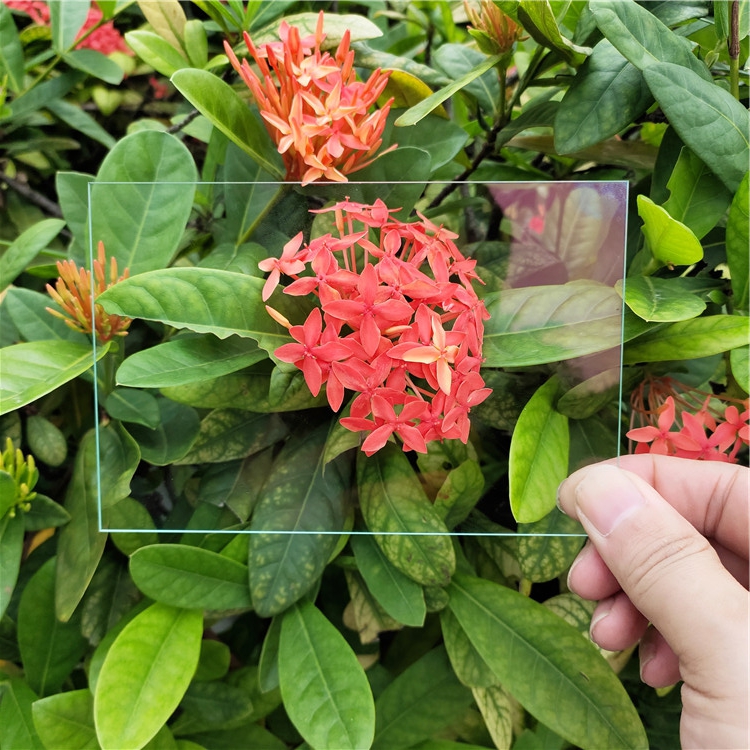
Factory Custom Optical Quality Nano Coating Tempered Anti Reflective AR Glass
For display windows, instrument covers and high-contrast interfaces where reflection control and clarity affect perceived quality.
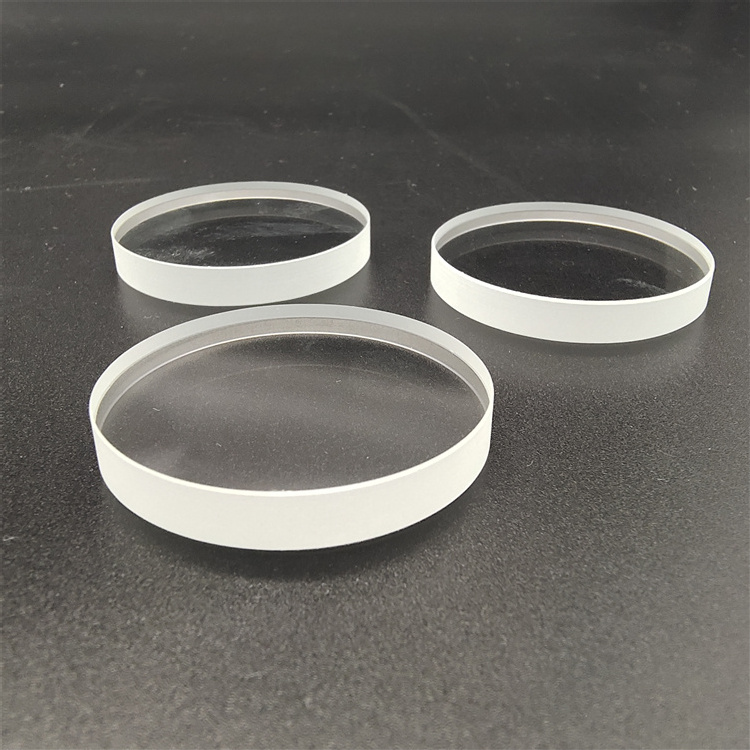
Full Tempered 30mm Diameter 3mm 4mm 5mm 6mm 8mm Thickness Ultra Clear Round Tempered Glass
Round ultra-clear blanks for lamps, sensors and optical assemblies; confirm diameter tolerance, edge profile and packing method.
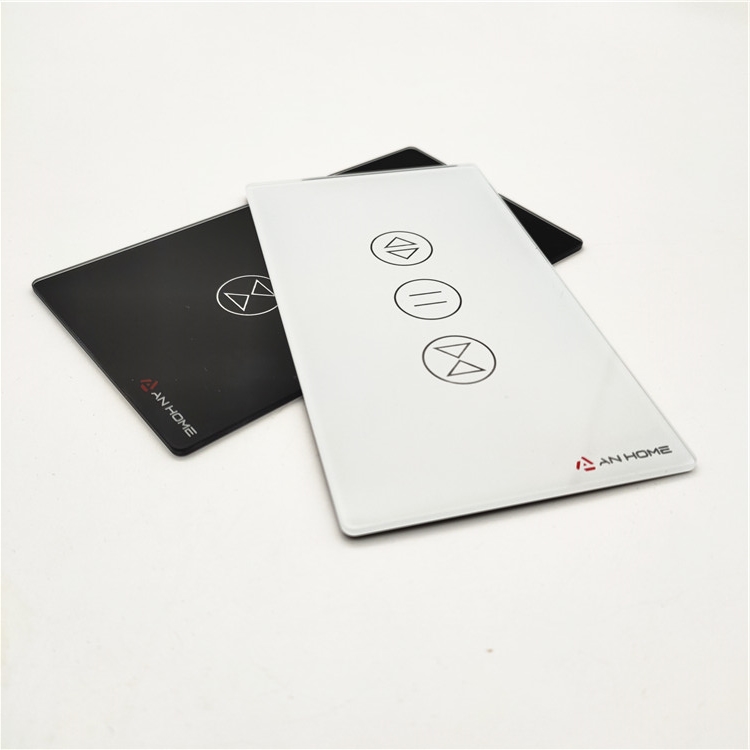
Home Smart WiFi Remote Control Touch Tempered Glass Screen-Printed Glass Switch Glass Panels Curtain Control Glass
Decorative touch-switch faceplates where icon registration, light-window alignment and adhesive compatibility define the user experience.
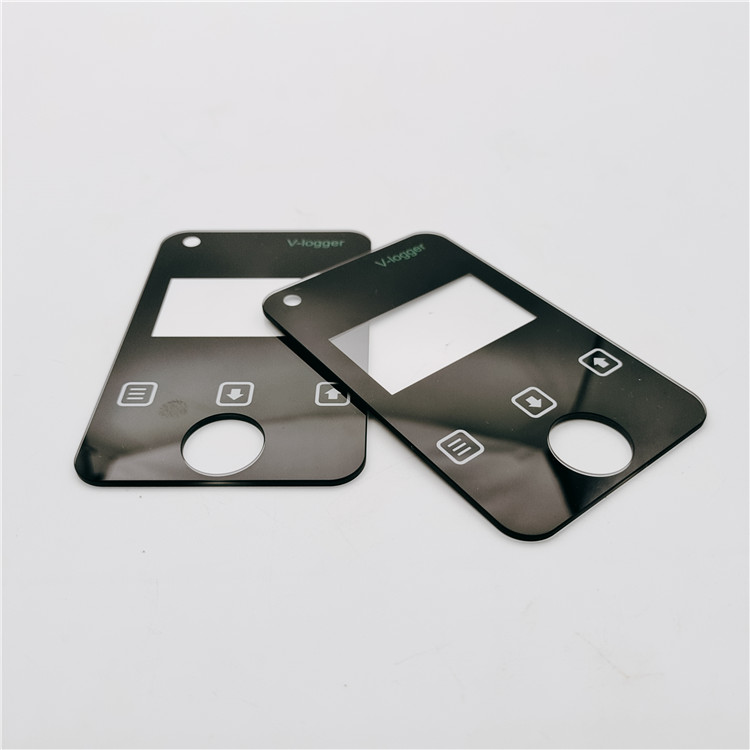
Customized Cut 1mm 2mm 3mm 4mm Instrument Printed Tempered Glass With Holes
Printed instrument cover glass with drillings for indicators, buttons and sensors; hole-to-edge distance should be reviewed before tempering.
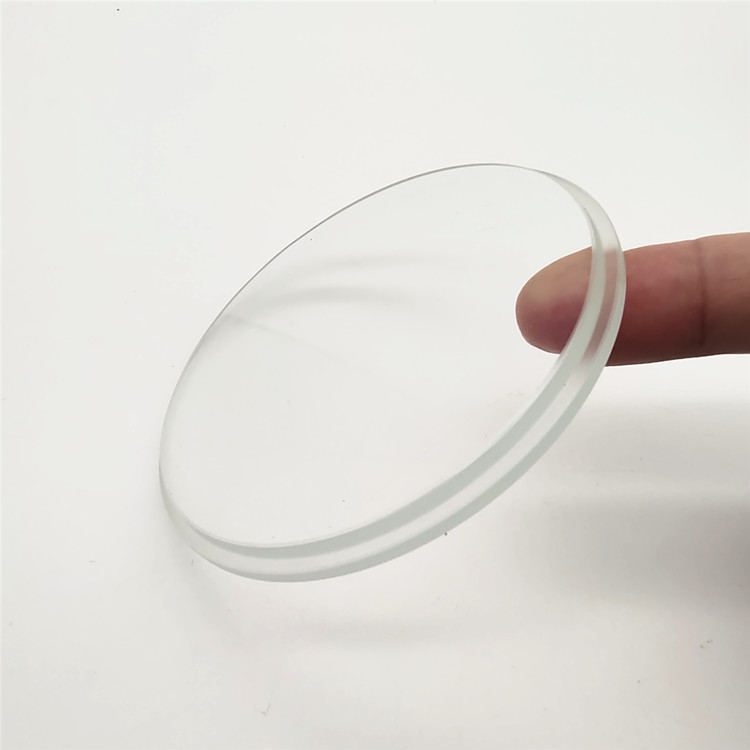
Factory Price 2mm 3mm 4mm 5mm 6mm 8mm 10mm Tempered Step Edge Glass
Step-edge geometries for flush-fit panels and equipment windows; clarify step width, polishing class and flatness expectations.
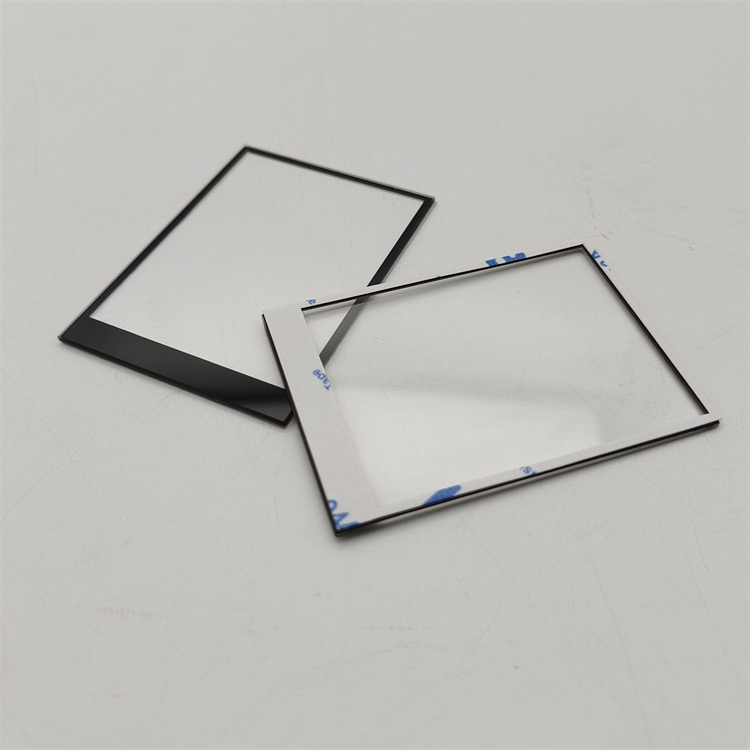
Small Size Ultra Thin 0.5mm 0.7mm 1mm Tempered Glass Panel With Adhesive Tape for Screen Protection
Thin bonded glass for compact devices; validate adhesive type, bubble control, handling yield and edge access before volume release.
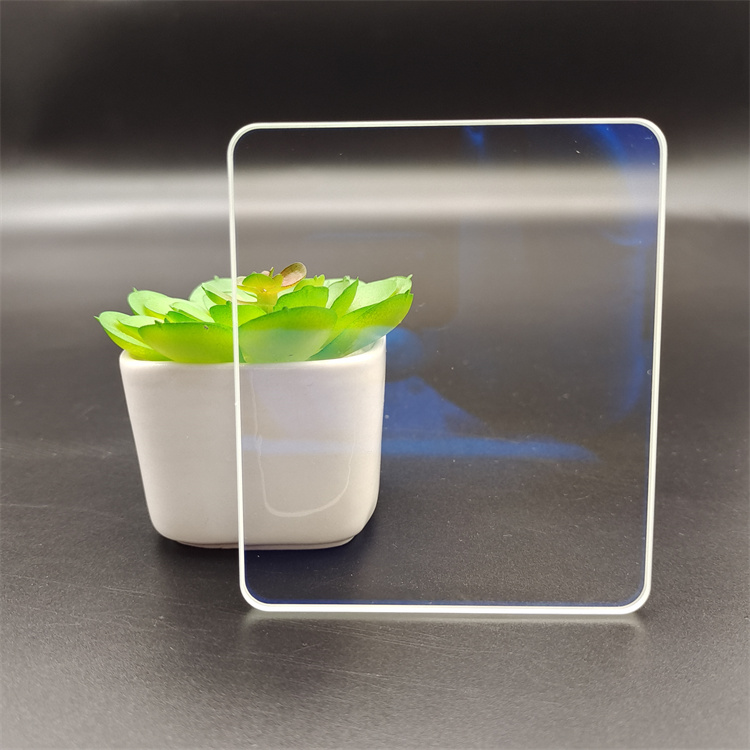
Both Sides Anti Reflective AR Coating 1mm 2mm 3mm 4mm Ultra Clear Tempered Glass
Double-sided AR for high-transmittance displays; define reflectance, transmittance, color neutrality and durability test methods.
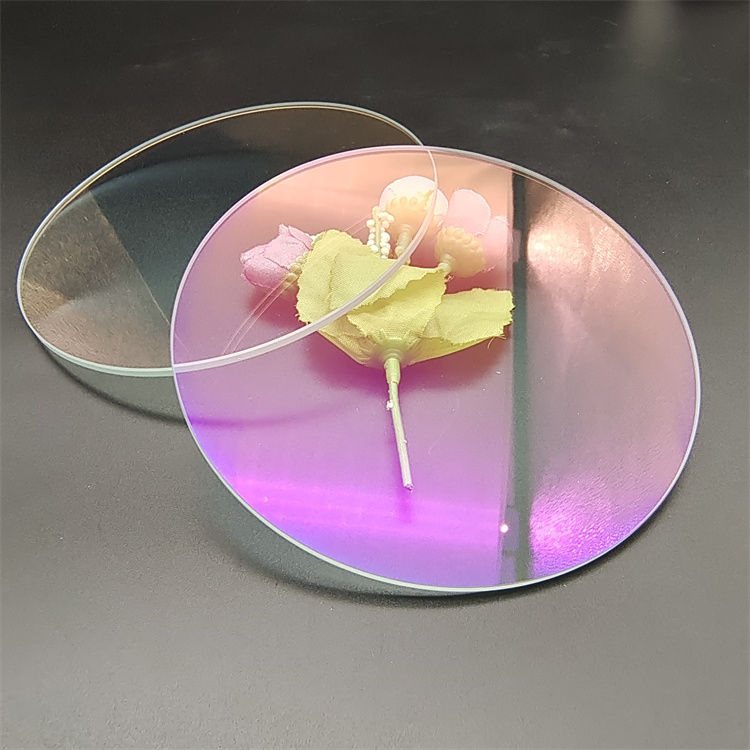
Premium Quality Ultra Clear Anti Reflective Solid High Strength 1mm 2mm 3mm 4mm 5mm 6mm Flat Tempered Glass Coating
Premium flat tempered cover glass for HMIs and appliances; combine AR, AG or AF treatments when the screen must perform in bright spaces.
Why “China Wholesale Tempered Glass Factory & Suppliers” Is a Technical Sourcing Question
Search demand around this phrase is rarely satisfied by a list of company names. The real buyer intent combines supplier discovery, feasibility review, price benchmarking, quality assurance and shipment risk.
A purchasing manager may be sourcing a display cover glass for a European HMI brand; an engineer may be redesigning a smart switch faceplate; a distributor may need repeatable round LED glass at a landed-cost target. Each scenario requires a different combination of thickness, edge work, printing, coating, tolerance and packing. That is why the phrase should be treated as a process capability question, not a directory category.
From a manufacturing perspective, tempered glass is not a single commodity. Two suppliers can quote the same 2 mm ultra-clear panel and still deliver very different results once the part includes a printed window, a drilled hole, a step edge, an AR coating and an adhesive backing. Defects are cumulative: an edge micro-chip can become a break during tempering; a screen-print misregistration can force touch-sensor rework; a coating haze level accepted in a lab can look unacceptable on an outdoor kiosk. The most useful comparison is therefore not “price per piece” but price per accepted, assembled, field-reliable piece.
Information gain for buyers: specify the full process route in the RFQ. Include substrate and thickness, outline and corner radii, hole diameter and hole-to-edge distance, edge polish class, print color and window tolerance, single- or double-sided AR/AG/AF, transmittance or haze targets, adhesive type, packing method, annual volume and change-management expectations. A supplier who reviews all these variables before sampling is more likely to protect your yield than one who only asks for a size.
What Wholesale Buyers Need to Specify Beyond Thickness
Thickness is only the first variable. The purchase should define the edge, printing, optical treatment and packing requirements that determine assembly yield.
| Product direction | Typical thickness | Surface treatment | Best-fit application | Purchasing note |
|---|---|---|---|---|
| Display & touch cover glass | 0.5–4 mm; up to 19 mm on request | AR / AG / AF; printed black mask | HMI, medical monitor, smart appliance | Specify reflectance, transmittance and haze; avoid sharp hole edges close to tempered zones. |
| Smart switch & control panel glass | 1–4 mm | Silk-screen or ceramic print; AF; adhesive | Wall switches, curtain controls, appliance panels | Treat icon registration and light-window alignment as critical-to-quality features. |
| LED lighting cover glass | 2–8 mm | Ultra-clear, frosted, ceramic border | Downlights, panels, wall washers | Confirm thermal shock, edge polish and color-temperature impact before production. |
| Instrument & equipment window | 1–6 mm | AR, printed, holes, step edge | Meters, industrial controls | Hole-to-edge distance and flatness matter more than a low piece price. |
| Ultra-thin protective cover | 0.5–1 mm | Adhesive, AF, AR | Screen protection, compact devices | Validate adhesive, bubble control and handling yield before mass production. |
| Round / optical glass | 0.2–10 mm | AR, ultra-clear | Sensors, lamps, optical assemblies | Diameter tolerance, concentricity and edge finish must be explicit in the drawing. |
Jaswe Glass currently processes ultra-thin electronic-grade glass from 0.2 mm up to 19 mm flat tempered glass. The most requested cover-glass thicknesses are 0.5, 0.7, 1, 2, 3 and 4 mm.
China Tempered Glass Procurement Trends Shaping 2025–2027
Buyers are moving away from transactional glass purchasing toward process-managed supply, especially when printed and coated glass is assembled into brand-facing products.
Process ownership beats catalogue breadth
A supplier that controls cutting, CNC, edge polishing, drilling, tempering, printing and coating can contain yield loss at the source. Trading intermediaries often discover process conflicts only after your assembly line does.
High-mix customization is becoming normal
Smart home, commercial display and industrial control product lines now carry more variants, smaller batches and faster color changes. Flexible CNC and print setup matter as much as monthly capacity.
Documentation is part of the product
Optical values, adhesion, pencil hardness, thermal shock and breakage pattern are increasingly requested during supplier qualification. A credible factory should define test methods, not only quote numbers.
Landed cost replaces unit price
Breakage, delamination, coating scrap, repacking and line stoppage can erase a low quotation. Wholesale buyers increasingly compare total landed cost and reorder stability across a full product cycle.
Product Trends in Tempered Glass for Displays, Switches and Lighting
The most important product developments are not cosmetic. They respond to thinner device architectures, brighter environments, touch reliability and stricter brand expectations.
Thinner strengthened glass
Devices continue to reduce stack height, pushing demand for 0.5 mm, 0.7 mm and 1 mm cover glass with controlled edge quality and handling plans.
Integrated optical stacks
AR reduces reflection, AG diffuses harsh light and AF resists fingerprints. Combined stacks are increasingly specified for outdoor kiosks and premium touch interfaces.
Edge-to-edge formats with cut-outs
Larger glass panels now combine decorative print, transparent windows, camera holes, step edges and sensor openings in a single part.
Decorative printing and sustainability
Buyers want color consistency, low-VOC inks and packaging that protects glass without excessive material. Low-iron glass also supports cleaner visual branding.


Dongguan Jaswe Glass Co., Ltd.: A Verified China Tempered Glass Factory
Dongguan Jaswe Glass Co., Ltd. is a custom glass processing factory in Dongguan, Guangdong, China — the center of China’s electronics supply chain. We process tempered glass, display glass, touch screen glass, silk screen printed glass, switch glass, AR / AG / AF coated glass, electrical equipment glass and LED lighting glass for buyers in America, Europe and Asia.
Our advantage is vertical process control. Cutting, special-shaped and CNC cutting, edge polishing, hole drilling, tempering, silk screen and ceramic printing, AG processing and AR / AF coating are handled under one quality system. That matters on tight-tolerance jobs such as ultra-thin 0.2 mm cover glass or multi-color printing with transparent display windows, where small handling errors become visible defects.
- LocationDongguan, Guangdong, China
- Employees51–100 people
- Annual revenueUS$2.5M – US$5M
- Main marketsAmerica · Europe · Asia
- Equipment26 machines incl. tempering furnace
- Supplier statusOn-site verified · 6 years
Most of our 80+ operators have more than 8 years of hands-on glass processing experience. Our current response performance includes average replies within 3 hours, a 96.61% response rate and a 26% buyer reorder rate. We encourage buyers to verify factory capability through samples, process audits, inspection records and packaging validation rather than relying on a sales brochure alone.
Contact UsA Process Stack Designed for Custom Cover Glass
Keeping every critical step under one roof shortens lead time and removes the quality gaps that appear when glass moves between subcontractors.
Precision & CNC cutting
Automatic cutting plus CNC shaping for rounds, notches, slots and irregular outlines.
Edge polishing
Pencil, flat, beveled, stepped and matte edges for safe handling and clean appearance.
Hole drilling
Holes and countersinks for buttons, sensors, cameras, knobs and mounting screws.
Thermal tempering
Tempering improves impact resistance and produces safer breakage behavior for cover glass.
Silk screen & ceramic printing
Multi-color logos, icons, borders and display windows with color-matching support.
AG anti-glare processing
Diffused surfaces keep screens readable under strong ambient or outdoor light.
AR anti-reflective coating
Optical coating lowers reflection and raises light transmission for brighter displays.
AF anti-fingerprint coating
Oleophobic layers create smoother touch, fewer smudges and easier cleaning.
From RFQ to Repeat Order: A Practical Workflow
A transparent process helps overseas buyers compare quotations on the same technical basis and reduces surprises between sample approval and mass production.
Send requirements
Share DXF, DWG or PDF drawings, thickness, edge, printing, coating and estimated annual volume.
Engineering review
Check manufacturability, hole-to-edge distances, print windows and coating compatibility before sampling.
Sampling & approval
Approve fit, color, edge quality and optical appearance using agreed inspection criteria.
Production & packing
Run batch production with in-process inspection and export packing matched to transport risk.
Before You Approve a Wholesale Tempered Glass Order
Use this checklist to compare suppliers on evidence rather than presentation. It is especially relevant for printed glass, coated glass and parts with holes or step edges.
Drawing and tolerance review
Confirm outline, corner radii, hole positions, edge class and critical dimensions before tooling or sampling.
Substrate and low-iron verification
Check glass source, color tone, thickness tolerance and whether ultra-clear or standard float glass is appropriate.
Edge quality and hole integrity
Inspect chips, micro-cracks, polishing consistency and hole quality, since edge condition directly affects breakage.
Tempering and breakage pattern
Review furnace control, flatness and fragmentation behavior for the specified thickness and part geometry.
Print and coating validation
Approve color, opacity, registration, adhesion, haze, reflectance and abrasion resistance using agreed test methods.
Packing and transport validation
Review interleaving, edge protection, moisture control and carton strength for LCL, FCL or air shipment.
Qualitative Sourcing-Risk Weighting for Custom Cover Glass
Based on common engineering-review priorities for custom tempered glass; useful for audit planning, not a statistical benchmark.
Questions Overseas Buyers Ask Most
Clear answers reduce quotation cycles and help engineering teams prepare a process-ready RFQ.
What glass thickness can Jaswe Glass process?
What is the minimum order quantity for custom tempered glass?
What is the difference between AR, AG and AF glass?
Can you manufacture glass to my drawing with holes, notches and step edges?
Which processes are done in-house?
What is your production capacity?
How should I pack tempered glass for export?
How do I start a custom glass project?
Have a Drawing Ready? Get an Engineering Review.
Share your specification and receive process recommendations for thickness, edge geometry, printing, AR / AG / AF coating and export packing. Our team supports buyers who need factory-direct tempered glass with verifiable process control.