Custom OEM Aluminosilicate Glass Suppliers & Exporters
A buyer-focused white paper on high-durability cover glass, supplier qualification, procurement trends, and export-ready custom processing for displays, appliances, and industrial controls.
8 Custom Glass Products for Aluminosilicate OEM Programs
The eight product formats below preserve the original product URLs and image paths supplied in the source material. Use them to benchmark thickness, edge finishing, hole quality, printing registration, and packing before finalizing an aluminosilicate glass specification.
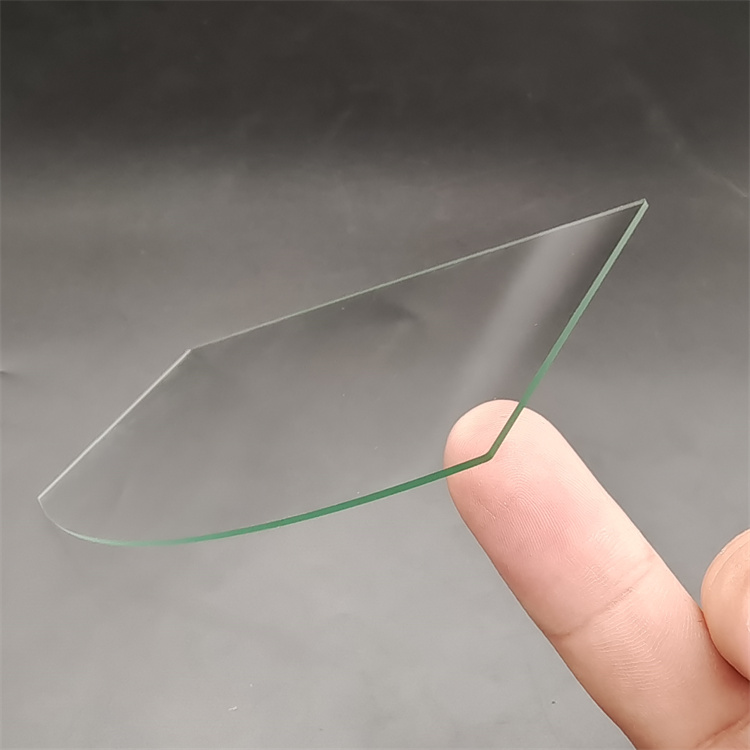
Any Size Custom 0.5/0.7/1/1.5/2/3 mm Tempered Glass Screen Protector, Round Rectangle Triangle Customized Tempered Glass OEM ODM
A flexible OEM/ODM cover-glass format for display protection. Specify thickness, outline, edge treatment, and packing by drawing.
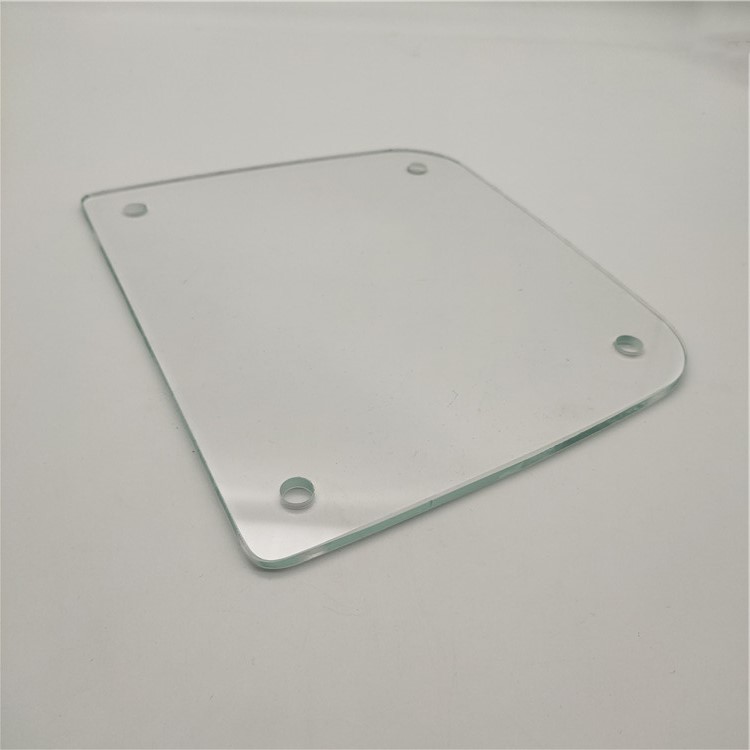
Ultra Clear Tempered Glass Customized Design with Cut Holes for Led Light Cover
Ultra-clear cover with CNC-cut holes for LED lighting. Optical clarity, hole position, and window geometry are confirmed at sample stage.
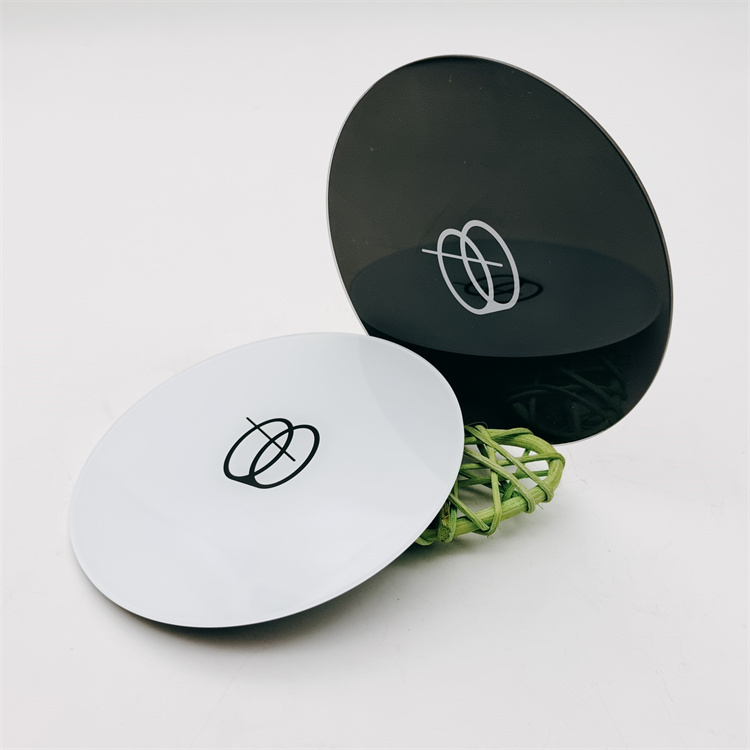
Black White Silk Screen Printing Toughened Glass Round Tempered Glass for Electric Appliance
Silk-screen printed toughened glass for appliances, with color matching for black, white, and custom Pantone references.
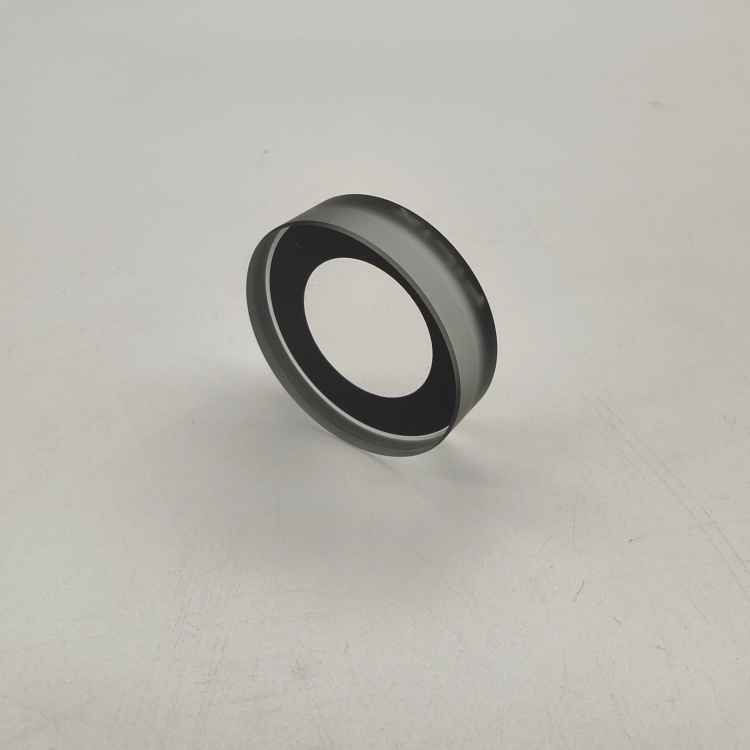
High Quality Small Diameter 10mm Thickness Round Tempered Glass with High Temperature Ceramic Printing
Small-diameter round glass with high-temperature ceramic printing. Edge quality and print durability are critical inspection points.
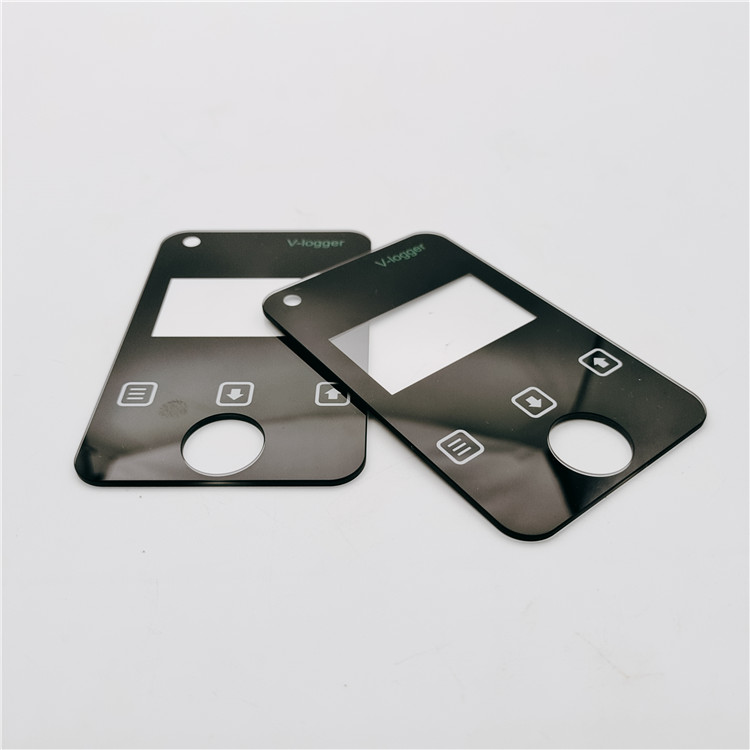
Customized Cut 1mm 2mm 3mm 4mm Instrument Printed Tempered Glass With Holes
Instrument glass with printed graphics and drilled holes. Hole-to-print registration should be agreed in the drawing and verified in FAI.
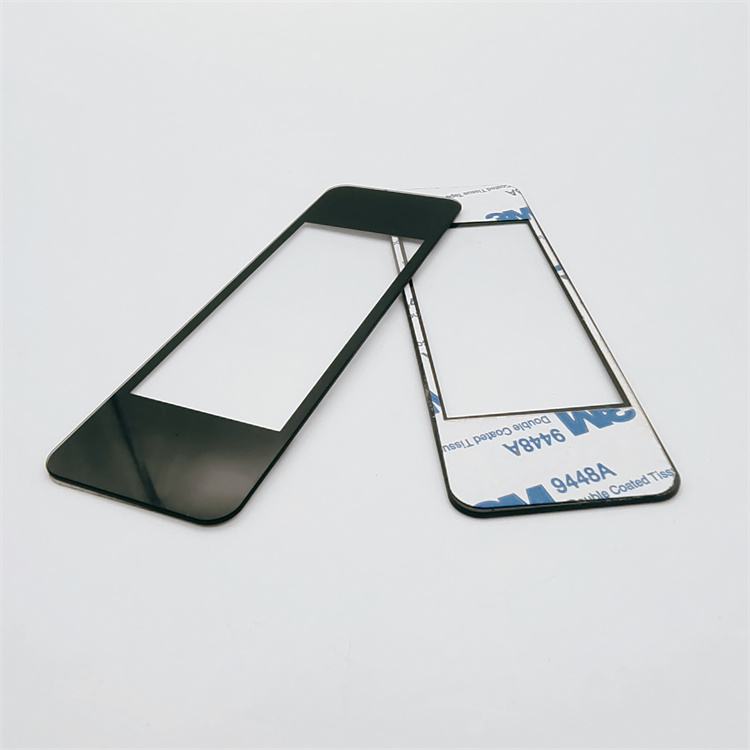
Ultra Thin 1mm Tempered Glass with 3M Tape for Screen Cover Glass
Ultra-thin 1 mm cover glass with 3M tape for assembly. Adhesive selection affects flatness, rework, and final bond-line reliability.

Custom Printed Tempered Glass Panel High Strength Decorative Cover with Hole for Card Reader Instrument
High-strength printed cover with a cut hole for card readers and instruments. Edge chip limits, print adhesion, and hole break-out are key checks.
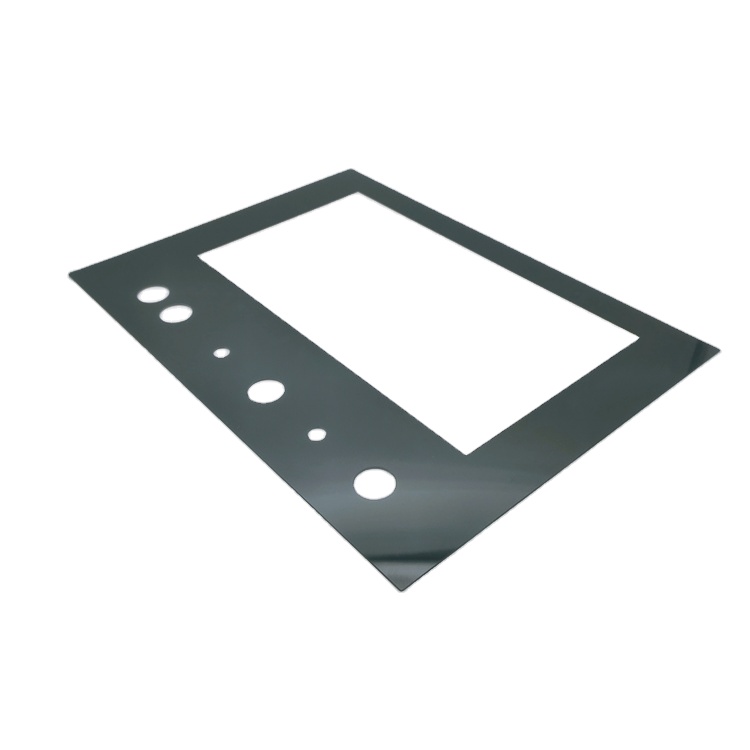
Customized Printed 0.5-6mm Thickness Flat Tempered Glass Screen Protector with Cut Holes
Printed flat glass from 0.5 to 6 mm with cut holes. A practical format for evaluating thickness, decoration, and flatness across a product family.
Need a material recommendation for a new aluminosilicate cover-glass project?
Contact UsWhat Aluminosilicate Glass Delivers to Custom OEM Programs
Aluminosilicate glass is an engineered glass family that contains aluminum oxide within its structure. For OEM buyers, the commercial value is not the name alone. The value is the package of properties it enables: higher strain resistance, improved scratch and impact performance after chemical strengthening, better thermal shock tolerance, and strong chemical durability when compared with conventional soda-lime cover glass.
That package matters in touch panels, appliance control surfaces, industrial HMIs, smart switches, card readers, LED fixtures, and display windows where the cover glass is expected to survive handling, cleaning agents, temperature cycling, and repeated touch. It also matters in thin formats, because a stronger substrate can allow designers to reduce thickness while maintaining perceived premium quality.
The decision should still be specification-led. Aluminosilicate glass usually costs more than soda-lime glass, and it demands disciplined cutting, edge finishing, strengthening, printing, and coating validation. A capable supplier will not simply quote a lower price per piece. It will ask for the drawing, application, annual volume, surface treatment requirements, and the failure mode the design team is trying to eliminate. That engineering conversation is where real information gain begins for a custom OEM sourcing program.
For export buyers, the strongest sourcing strategy is to treat aluminosilicate glass as a qualified material system, not as a commodity sheet. The substrate, edge condition, strengthening route, print stack, optical coating, adhesive, and packing method all interact. When one element changes, the approval status of the whole cover glass may need to be revisited.
When to Specify Aluminosilicate Instead of Soda-Lime or Borosilicate
Use this qualitative matrix during early design review. Final selection must be confirmed by application testing, supplier data, and sample validation.
| Material route | Best-fit requirement | Mechanical / thermal profile | Procurement note |
|---|---|---|---|
| Soda-lime glass | Cost-sensitive display covers, appliance panels, and decorative windows | Good optical clarity and workability; lower thermal and mechanical ceiling than aluminosilicate | Best when the design can tolerate standard strengthening and the annual volume is price-driven |
| Aluminosilicate glass | Premium touch surfaces, thin high-strength covers, industrial controls, and wear-resistant appliance glass | High strain resistance, strong chemical durability, and excellent response to chemical strengthening | Requires qualified edge finishing, strengthening control, and coating compatibility checks |
| Borosilicate glass | Heat-resistant windows, laboratory equipment, and specialty industrial sight glass | Very good thermal shock resistance; mechanical behavior depends on design and strengthening route | Often selected for thermal duty rather than touch-surface durability |
| AR / AG / AF coated glass | Displays requiring low reflection, glare diffusion, or fingerprint resistance | Optical performance depends on coating stack, substrate, and surface preparation | Validate coating adhesion, abrasion resistance, haze, gloss, and transmission by sample |
| Printed tempered glass | Switch plates, instrument windows, LED covers, and decorative control panels | Print durability depends on ink system, curing, and glass surface condition | Provide Pantone references, window dimensions, and hole-to-print tolerances in the RFQ |
Aluminosilicate is not automatically the right answer for every project. Match the material to the failure mode, cleaning regime, drop risk, optical target, and total landed cost.
How OEM Buyers Will Source Aluminosilicate Glass Differently
Price per piece remains important, but qualified supply, yield, documentation, and speed of engineering response are becoming the real differentiators.
Total landed cost replaces unit price
Buyers are calculating breakage, rework, coating yield, inspection labor, and freight damage into the award decision. A slightly higher piece price with stable yield often beats a low quote with inconsistent edges.
Dual sourcing without doubling qualification
Procurement teams want a second qualified source for raw aluminosilicate sheet or finished covers. The practical route is to standardize drawings, acceptance criteria, and sample approval so a backup supplier can be activated faster.
Traceability and change control
Raw glass lot, strengthening batch, print ink, coating run, and packing date are becoming part of the purchase record. Buyers want to know when a process change triggers re-validation rather than discovering it after assembly.
Earlier supplier involvement
The best aluminosilicate programs are specified before the industrial design is frozen. Suppliers can flag edge stresses, hole-to-edge clearance, print registration limits, and coating compatibility before tooling and assembly fixtures are committed.
ESG and compliance evidence
RoHS and REACH statements, ink and coating documentation, waste-glass handling, packaging recyclability, and energy practices are moving from marketing language into supplier scorecards and customer audits.
Smaller MOQs and faster sampling
Product teams are launching more variants with shorter lives. Suppliers that can produce 100–500 piece custom runs, return physical samples quickly, and hold stable quality across repeat orders will win more programs.
Design Features to Build Into the Next Aluminosilicate RFQ
These trends are already visible in display, appliance, lighting, and industrial-control programs. They should influence drawings, tolerances, and acceptance criteria now.
Thinner chemically strengthened covers
Wearables, compact HMIs, and premium appliance controls continue to push thinner designs. Buyers should specify not just thickness, but edge quality, warp, and the strengthening route that supports the final thickness.
AR, AG, and AF coating stacks
Anti-reflective, anti-glare, and anti-fingerprint treatments are increasingly combined. The RFQ should define transmission, reflection, haze, gloss, abrasion, and cleaning durability targets so the coaters can match the right stack.
Dead-front decoration and hidden windows
Smart appliances and control panels use printed glass that appears dark or uniform until icons or displays illuminate. This raises the bar for ink opacity, window edge sharpness, and color consistency across production lots.
Integrated touch and assembly-ready parts
Cover glass is arriving closer to the assembly line with 3M tape, alignment features, printed gaskets, and touch windows. Suppliers must co-plan tolerances for adhesive thickness, rework, and final stack-up.
Larger formats and tighter flatness
Display windows and appliance fronts are becoming larger while flatness expectations remain high. Buyers should define measurement method, allowable warp, edge profile, and visual inspection conditions in the drawing package.
Data-rich quality and export packaging
QR-coded batch records, FAI reports, packing photos, and breakage-resistant packaging are becoming part of the product. For export programs, packaging design is a quality-control step, not an afterthought.
Separate a Real Glass Processor from a Trading Desk
A credible aluminosilicate glass supplier should be able to explain how the raw sheet is inspected, how the edge is finished, how the strengthening route is controlled, and how the printed or coated surface is validated. If the answer is only “we can make it,” move to a more technical supplier conversation.
- Ask which processes are completed in-house and which are subcontracted.
- Request sample inspection data for thickness, warp, edge chips, holes, and print registration.
- Confirm whether the supplier can provide raw glass lot information and process traceability.
- Review how coating adhesion, abrasion, haze, gloss, and transmittance are tested.
- Check whether engineering drawings are reviewed before quotation rather than after order placement.
- Verify export packing with interleaving, edge protection, and moisture control for sea freight.
For buyers, the most useful qualification evidence is a controlled sample path: drawing review, material recommendation, physical sample, inspection report, packaging approval, and then mass production. This sequence lowers the risk of a costly mismatch between the glass on the drawing and the glass that reaches the assembly line.
Six Control Points from Drawing to Export Delivery
A repeatable custom glass program depends on checkpoints. These are the six gates that protect fit, finish, and schedule.
Drawing and application review
Confirm outline, thickness, edge profile, holes, print colors, coating requirement, adhesive, annual volume, and target failure modes.
Material and stack-up decision
Select substrate route, strengthening method, ink system, coating stack, and packing concept before sampling begins.
Sample and first-article approval
Inspect physical samples for fit, color, optical appearance, hole position, edge quality, and assembly compatibility.
In-process production control
Check cutting, CNC shaping, edging, drilling, tempering or strengthening, printing, coating, and handling at each station.
Final inspection and packing
Verify appearance, dimensions, print registration, coating condition, cleanliness, interleaving, and export carton protection.
Change control and repeat orders
Record material lots, process parameters, and inspection results so approved quality can be reproduced on future shipments.



Why Dongguan Jaswe Glass Fits a Custom OEM Aluminosilicate Program
Dongguan Jaswe Glass Co., Ltd. is a custom glass processing and export supplier based in Dongguan, Guangdong, China — a location inside one of the world’s densest electronics and appliance supply chains. The company supports OEM programs for tempered glass, ultra-clear display glass, silk-screen printed glass, switch glass, instrument glass, LED lighting glass, and AR / AG / AF coated glass.
For aluminosilicate glass sourcing, the practical advantage is integrated engineering and processing. The company’s in-house workflow covers cutting, CNC shaping, edge polishing, hole drilling, tempering, silk-screen and ceramic printing, AG processing, and AR / AF coating. Keeping these steps coordinated under one quality system reduces the hand-off risk that appears when a cover glass moves between unrelated subcontractors.
“Scientific management, careful manufacture, high quality service, striving for excellence.”
With 26 glass processing machines, 80+ skilled workers, and monthly output exceeding 200,000 pieces, the company is structured for repeat custom production rather than one-off trading. Buyers also value the response profile: average replies within three hours, a 96.61% response rate, and a 26% reorder rate from lighting, electronics, and appliance customers across America, Europe, and Asia.
Most custom items start at 100–500 pieces depending on size, printing, coating, and packing method. Engineering review is available before sampling, so buyers can confirm manufacturability, tolerance expectations, inspection criteria, and export packaging before committing to mass production.
Custom OEM Aluminosilicate Glass Sourcing Questions
What is aluminosilicate glass, and when should an OEM choose it?
Can one cover glass combine aluminosilicate substrate, silk printing, holes, and AR/AG/AF coating?
What is a realistic MOQ and sampling path for custom aluminosilicate glass?
How should thin aluminosilicate glass be protected from edge chipping and breakage?
Is thermal tempering the same as chemical strengthening for aluminosilicate glass?
What documentation should accompany an export order?
How do I start a custom aluminosilicate project with Jaswe Glass?
Ready to Qualify a Custom Aluminosilicate Glass Supplier?
Send your drawing, application, volume, and performance targets. The engineering review will clarify material fit, process route, sample requirements, and export packing before production begins.