Custom OEM Cover Glass Factory & Exporter
Engineered tempered, ultra-clear, printed and AR / AG / AF-coated cover glass for displays, touch panels, LED lighting, smart switches and industrial control panels — supported from drawing review and sampling to export-scale production.
8 OEM Cover Glass Products Ready for Specification
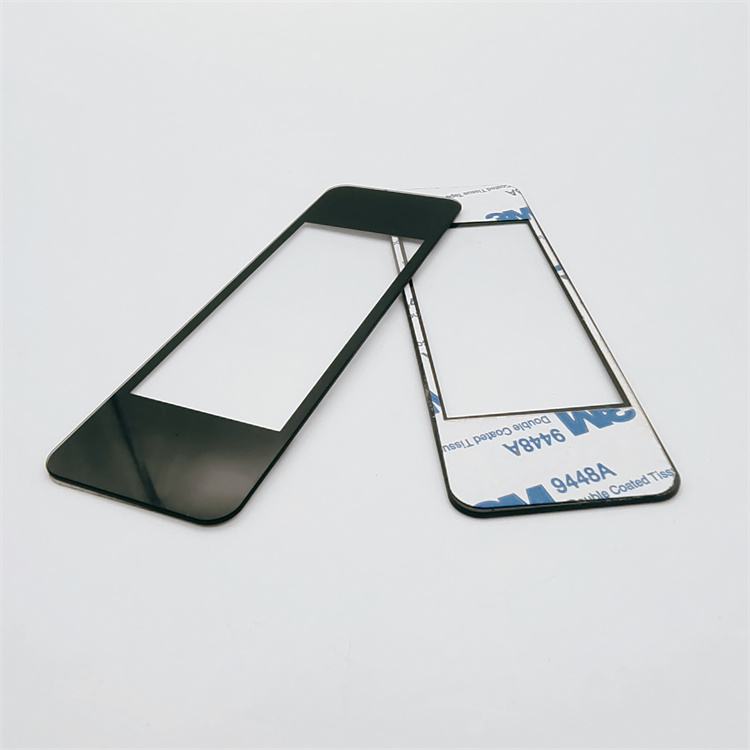
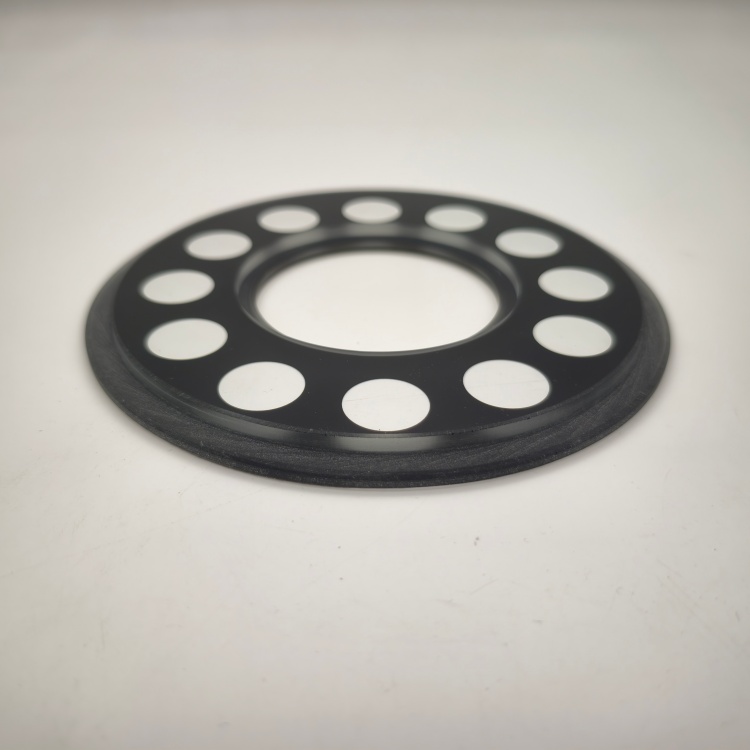
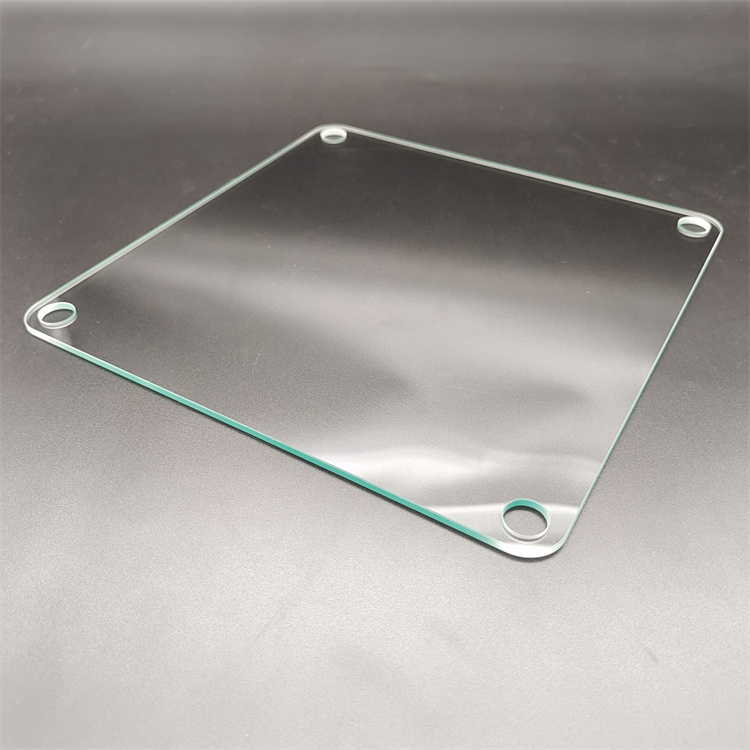
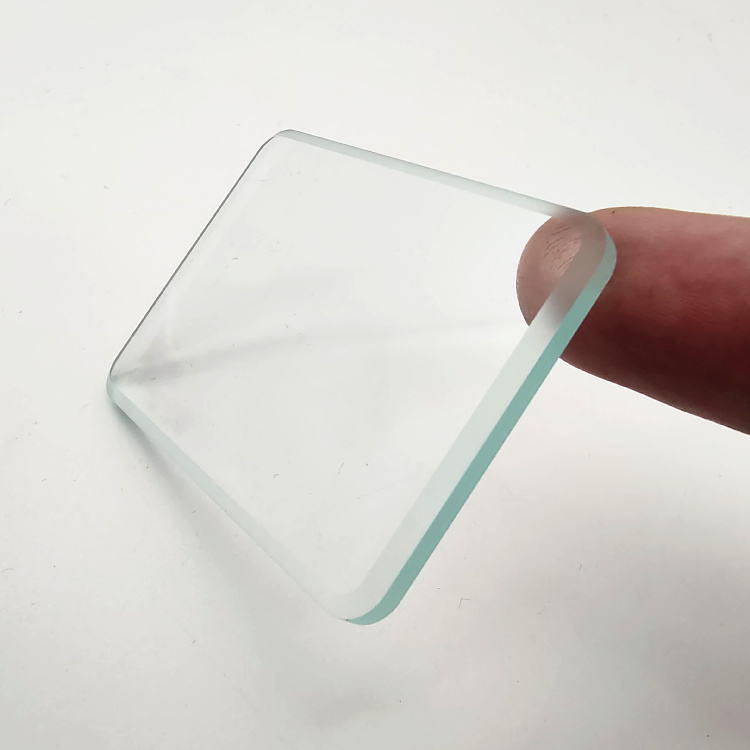
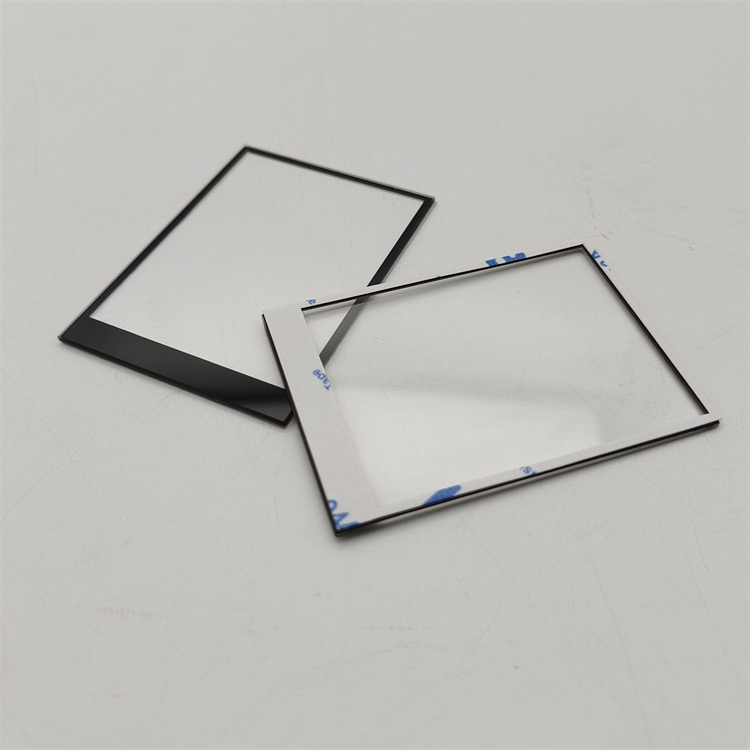
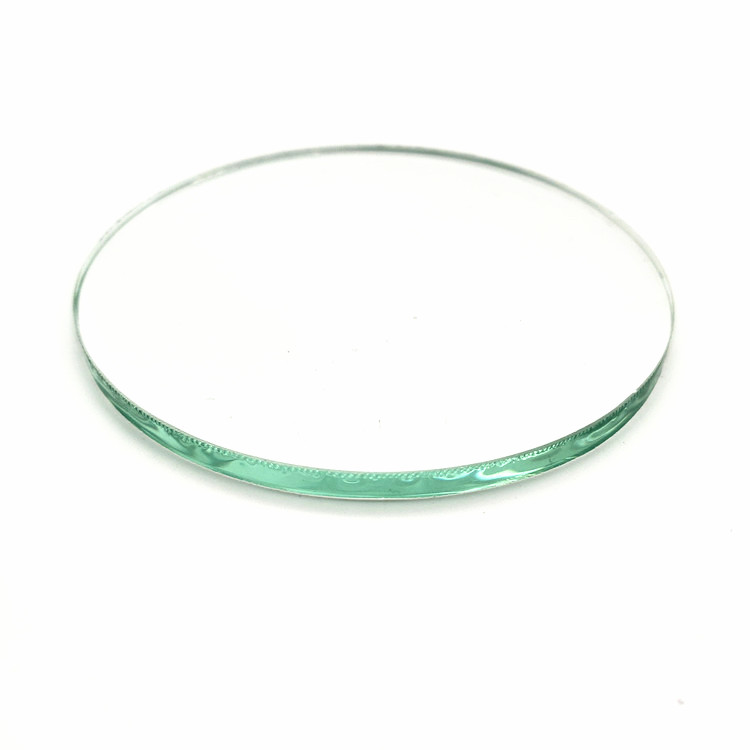
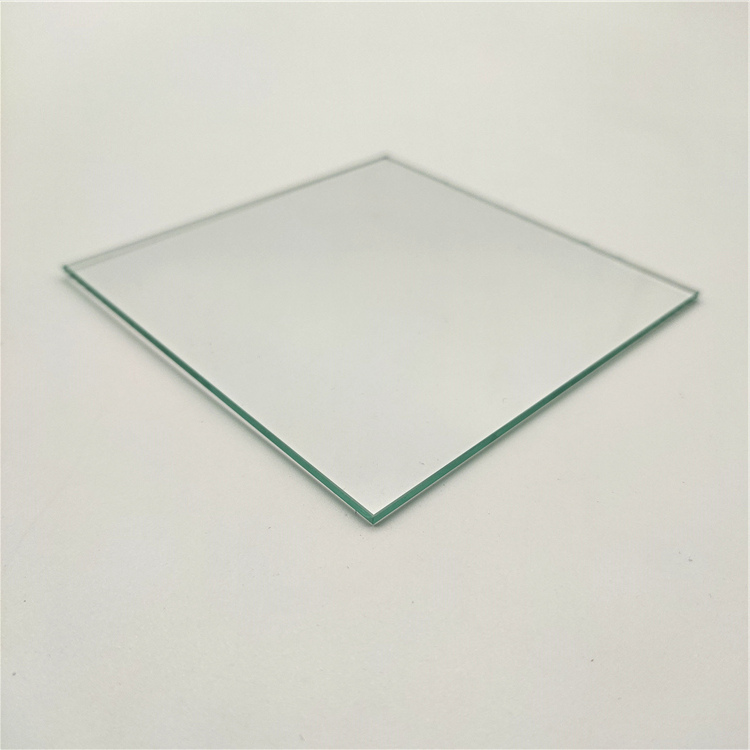
These product families cover the most frequent custom requests in the cover glass supply chain: ultra-thin screen protection, printed LED lighting glass, precision holes and step edges, small-format tempered panels, clear industrial glass and ultra-clear display covers.

Custom OEM Cover Glass Factory & Exporter: What Serious Buyers Should Verify
Cover glass is rarely a commodity purchase. It sits at the intersection of optics, mechanical protection, touch performance, printing, adhesion and export logistics — which is why supplier selection deserves an engineering-led process.
A genuine custom OEM cover glass factory and exporter should be evaluated less like a catalog seller and more like a manufacturing partner. The buyer’s real question is not “Who has the lowest price per piece?” but “Who can keep dimensional fit, optical clarity, printing color, edge quality and packaging protection consistent across the first sample, pilot run and repeat order?” That distinction matters for displays, touch panels, LED fixtures, smart switches, home appliances and industrial instruments.
Dongguan Jaswe Glass Co., Ltd. operates as a glass processing enterprise in Dongguan, Guangdong, China — a location inside one of the world’s most concentrated electronics and hardware supply chains. Our product scope covers tempered glass, ultra-clear glass, display cover glass, touch screen glass, silk-screen printed glass, switch glass, electrical equipment glass, LED lighting glass and AR / AG / AF coated glass. The advantage is not simply “we make glass.” It is that cutting, CNC shaping, edge polishing, hole drilling, tempering, printing and coating are controlled under one roof, so fewer defects are introduced between production stages.
For procurement teams, the most useful due diligence is specific. Ask for the manufacturing route behind the drawing, the inspection points after each operation, the method used to approve printing color, the glass substrate and thickness logic, and the export packing plan for thin or large-format pieces. A factory-exporter with deep process control can answer those questions with production detail rather than generic sales language.
- Process ownership: confirm which steps are in-house and which are outsourced before quoting.
- Design-for-manufacturing feedback: ask for comments on thickness, hole spacing, edge type and coating compatibility.
- Sample-to-production consistency: approve physical samples for fit, printing color, gloss and optical effect.
- Inspection discipline: require checks at cutting, edging, drilling, tempering, printing and final packing.
- Export protection: thin glass needs interleaving, edge protection and carton design that matches transit risk.
- Repeat-order stability: verify response speed, reorder rate and communication reliability, not only first-order pricing.
RFQ emphasis map for custom cover glass
-
Drawing completeness & tolerance alignmentVery high
-
Coating selection: AR / AG / AFHigh
-
Printing color & window clarityHigh
-
Packing protection for thin glassHigh
Visual emphasis reflects common engineering-review priorities in custom cover glass projects. It is a planning aid, not a market-size statistic.
2025–2026 Procurement Trends for OEM Cover Glass
Buyers are not only comparing unit price. They are comparing engineering response, process transparency, coating capability, reorder consistency and the cost of introducing a new glass part into a regulated production line.
DFM before quotation
Procurement teams increasingly expect manufacturing feedback before they finalize a price comparison. Thickness, hole placement, edge geometry, printing tolerance and coating stack all influence yield, so early DFM review reduces hidden cost later.
Consolidated coating stacks
Instead of sourcing glass, coating and printing from separate vendors, buyers prefer one process owner for AR, AG, AF and printed glass. This simplifies quality responsibility and shortens the feedback loop when optical performance needs adjustment.
Traceability and repeatability
The second order is the real test. Buyers ask whether the supplier can reproduce the same edge profile, printed color, adhesive presentation and packing protection after the sample has been approved. Process discipline matters more than a polished catalog.
Dual qualification, fewer surprises
Many OEMs keep a primary and backup supplier, but both must meet the same specification. A factory-exporter with in-house CNC, tempering, printing and coating is better positioned to support ramp-ups without splitting critical operations across unknown subcontractors.
Product Trends Shaping Custom Cover Glass
The direction of travel is clear: thinner glass with stronger performance, more integrated optical coatings, finer printing, more complex edge geometry and adhesive-ready assemblies that simplify the customer’s production line.
Ultra-thin, strengthened glass
0.5 mm, 0.7 mm and 1 mm glass continues to expand in display and touch applications. The challenge is not only thinness; it is handling, edge quality, flatness, strength and dimensional stability during bonding.
Integrated AR / AG / AF coatings
AR reduces reflection, AG diffuses glare and AF resists fingerprints. Buyers increasingly combine them on one cover glass so the display remains readable, touch remains smooth and the surface stays cleaner in real use.
Printed glass as a design feature
Silk-screen and ceramic printing are no longer just decorative. They hide wiring, define touch-key windows, improve contrast, carry brand marks and reduce the number of separate parts in an assembly.
Step edges and complex outlines
Rounded holes, countersinks, double-step edges and irregular contours are increasingly requested for LED lighting, sensor windows and control panels. CNC capability becomes a core selection criterion, not a secondary service.
Adhesive-ready glass assemblies
Cover glass supplied with 3M tape or adhesive backing reduces customer assembly time. The critical requirements are alignment accuracy, clean release and consistent adhesive performance after packing and transport.
Durability for outdoor and industrial use
Industrial HMIs, outdoor kiosks, lighting fixtures and smart-home panels need glass that withstands cleaning, temperature change and daily handling. Tempering, edge quality, printing adhesion and coating durability all contribute to product life.
Match Cover Glass to Your Application
Use this table as an early specification guide. Final thickness, coating and printing choices should be confirmed through sampling and application testing.
| Application | Recommended Glass | Typical Thickness | Key Process | Buyer Note |
|---|---|---|---|---|
| LCD / TV / display cover | Ultra-clear or AR-coated | 0.5–4 mm | Tempering, black-mask printing, AR coating | Confirm window clarity and reflection target before mass production. |
| Capacitive touch panel | Ultra-clear with AF coating | 0.5–3 mm | Tempering, printing, AF treatment | Surface smoothness and fingerprint resistance are critical for user experience. |
| LED lighting cover | Clear or ultra-clear tempered | 1–5 mm | Holes, step edge, ceramic or silk printing | Check thermal environment, border opacity and light transmission. |
| Smart switch / control panel | Printed tempered glass | 0.5–4 mm | Multi-color printing, touch-key windows | Approve Pantone colors and icon sharpness on the actual glass substrate. |
| Industrial instrument | AR or AG-coated glass | 1–6 mm | Tempering, printing, AR / AG coating | Choose AR for contrast or AG for glare diffusion in bright environments. |
| Home appliance panel | Clear, ultra-clear or printed | 1–5 mm | Printing, holes, edge polishing, tempering | Balance scratch resistance, design appearance and cleaning durability. |
Optical values depend on glass thickness, substrate and coating stack. Always validate with physical samples under the intended display, lighting and touch conditions.
Why Jaswe Glass Fits OEM Export Programs
Dongguan Jaswe Glass Co., Ltd. combines in-house processing, responsive engineering communication and production capacity for custom projects. The goal is predictable output from sample approval to repeat shipment.
Built around in-house glass processing
Our plant is based in Dongguan, Guangdong, China — Room 202, Building 1, No. 14 Weige Road, Shipai Town — within a manufacturing ecosystem that supports fast access to materials, tooling, equipment and export services. With 51–100 employees and an annual revenue range of US$2.5M–US$5M, we serve customers across America, Europe and Asia.
The production floor includes 26 glass processing machines, including a tempering furnace, edge polishing machines, silk-screen printers, CNC equipment and automatic cutting lines. This equipment base supports monthly output above 200,000 pieces of processed glass. Most of our 80+ operators have more than eight years of hands-on glass processing experience, which matters on tight-tolerance work such as ultra-thin 0.2 mm glass, multi-color printing with transparent windows and glass parts with drilled holes or step edges.
Because cutting, CNC shaping, edge polishing, drilling, tempering, silk-screen and ceramic printing, AG processing and AR / AF coating are handled in-house, quality responsibility stays clear. Buyers can discuss the full route with one team instead of coordinating several subcontractors.



Eight Processes That Support Custom Cover Glass Projects
Each capability below is relevant to how quickly a design can move from drawing to approval and then to repeat production.
Precision CNC cutting
Automatic cutting and CNC shaping for rounds, notches, slots and irregular outlines, supporting custom glass covers rather than fixed-size sheets.
Edge polishing
Pencil, flat, beveled, stepped and matte edges improve safe handling, fit and visual finish for display, appliance and industrial applications.
Hole drilling
Holes and countersinks for buttons, sensors, cameras, knobs and mounting screws, with production review for spacing and edge quality.
Thermal tempering
Tempering strengthens glass for impact resistance and safer breakage behavior, an important requirement for cover glass in daily-use products.
Silk-screen & ceramic printing
Multi-color logos, icons, borders and display windows with color matching supported by physical samples for buyer approval.
AG anti-glare processing
A diffused matte surface helps keep screens readable under strong ambient or outdoor light, useful for industrial and outdoor displays.
AR anti-reflective coating
Optical coating lowers surface reflection and raises light transmission, improving contrast for display windows and monitor covers.
AF anti-fingerprint coating
An oleophobic layer for touch surfaces supports smoother glide, fewer smudges and easier cleaning on interactive control panels.
From Drawing to Delivery: A Controlled Six-Stage Path
A transparent workflow helps overseas buyers understand where decisions are made, where samples are approved and where quality is checked before export.
Send requirements
Share the drawing in DXF, DWG or PDF, along with thickness, edge type, printing colors, coating requirement, application and estimated annual quantity.
Engineering review
Our team reviews manufacturability, process route, glass substrate and potential risks such as hole spacing, edge geometry or coating compatibility.
Sampling
Physical samples are produced for fit, color and optical approval. This is the critical checkpoint before mass production begins.
Mass production
Batch production follows the approved process route, with in-process inspection at key stations rather than a single end-of-line check.
Packing & protection
Thin and printed glass are interleaved and edge-protected according to size and transit risk, with export packing designed to reduce breakage.
Repeat orders
Approved samples, printing references and process records help maintain consistency when the customer returns for replenishment.
Comprehensive QC logic
Inspection is placed at cutting, edging, drilling, tempering, printing and coating stages before final packing.
Fast engineering replies
Average response within three hours and a 96.61% response rate help keep overseas projects moving across time zones.
26% reorder rate
Repeat business from lighting, electronics and appliance buyers is a practical signal of consistency after the first order.
Where Custom OEM Cover Glass Goes to Work
From touch electronics and LED lighting to smart-home switches and industrial instruments, cover glass is specified where appearance, protection and interaction meet.

Touch & display electronics
Cover glass for LCD, TFT and capacitive touch modules where clarity, flatness and edge finish affect the user experience.
LED lighting fixtures
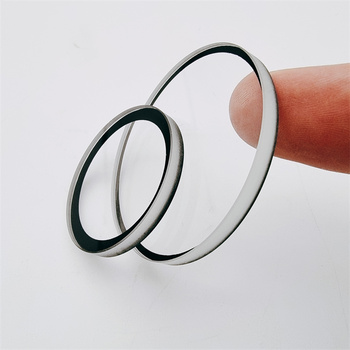
Downlight, panel, linear and wall-washer glass covers with printing, holes and edge profiles designed for fixture assembly.
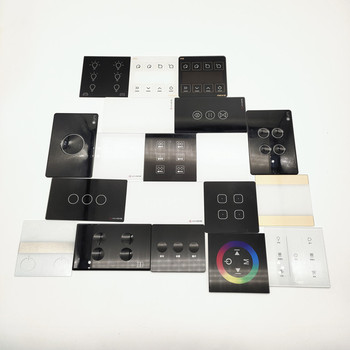
Smart home & switches
Printed switch plates and smart control panels that combine touch-key windows, icons and easy-clean glass surfaces.
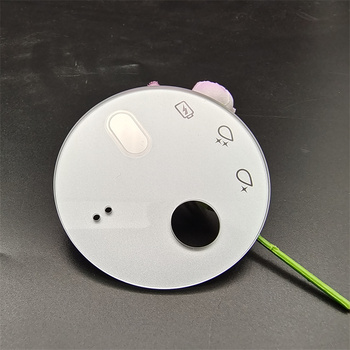
Home appliances
Control panel glass for kitchen and household devices, with scratch resistance, color consistency and clean design integration.

Industrial instruments
Meter windows and HMI covers for electrical equipment, where stable visibility and mechanical protection are essential.
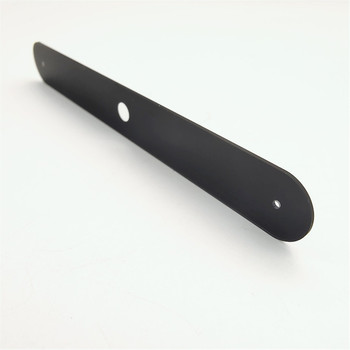
Security & camera devices
Printed lens covers and protective windows with precision cut-outs for sensors, cameras and security equipment.
Custom OEM Cover Glass FAQ for Procurement Teams
These are the questions that most often appear during supplier evaluation, sampling and repeat-order planning for custom glass parts.
What glass thickness can Jaswe Glass process?
Our current product range covers ultra-thin electronic-grade glass from 0.2 mm up to 19 mm flat tempered glass. The most requested thicknesses for display and touch covers are 0.5 mm, 0.7 mm, 1 mm, 2 mm, 3 mm and 4 mm. For industrial lighting and larger covers, thicker tempered glass can be reviewed based on the application, size and required impact resistance.
What is the minimum order quantity for custom cover glass?
Most custom items start at 100 to 500 pieces, depending on size, printing complexity and coating requirement. Standard clear tempered pieces can be supplied in smaller sample quantities for evaluation. If you are developing a new product, share your estimated annual volume and project stage so the quotation can reflect both sampling and mass-production needs.
What is the difference between AR, AG and AF glass?
AR — anti-reflective — coating reduces surface reflection to increase light transmission and display contrast. AG — anti-glare — treatment diffuses reflected light so the screen remains readable under strong ambient or outdoor light. AF — anti-fingerprint — is an oleophobic top layer that resists smudges on touch surfaces. The three can be combined on one cover glass, for example AG + AF for outdoor touch panels or AR + AF for high-contrast interactive displays.
Which processes are completed in-house?
Cutting, special-shaped and CNC cutting, edge polishing, hole drilling, tempering, silk-screen and ceramic printing, AG processing and AR / AF coating are handled under our production system. Keeping these processes coordinated in-house helps reduce handling defects, shorten communication loops and clarify quality responsibility between the sample and the mass-production order.
What is your production capacity?
With 26 glass processing machines and more than 80 workers, our monthly output exceeds 200,000 pieces of processed glass. Capacity is not the only consideration for custom projects; the production plan also depends on thickness, size, printing, coating and inspection requirements. For large programs, we recommend reviewing the annual forecast and shipment schedule during the quotation stage.
How do I start a custom glass project?
Email info@jasweglass.com with your drawing in DXF, DWG or PDF format, along with thickness, edge type, printing colors, coating requirement, application and estimated annual quantity. Our engineers review manufacturability before samples are made. If the drawing is incomplete, send the mechanical fit requirements, display window size, touch-key layout and any surface treatment target so the team can provide practical DFM feedback.
How do you control printing color and transparent windows?
Printing projects are reviewed against the drawing, Pantone references and the glass substrate to be used. The most reliable approval method is a physical sample on the same glass type and thickness, because color appearance can change with glass tint, backing, lighting and ink thickness. Transparent display windows, icon edges and border opacity should be confirmed on the sample before mass production.
Can you combine tempered glass with 3M tape or adhesive?
Yes. We produce adhesive-ready glass such as ultra-thin tempered glass with 3M tape for screen cover and protective panel assemblies. The key points to specify are adhesive type, tape width and placement, release liner preference, surface cleanliness and packing method. These details affect assembly efficiency and should be confirmed with samples before production.
What should overseas buyers include in an RFQ?
A useful RFQ includes the 2D drawing, 3D model if available, glass thickness, substrate preference, outline dimensions, hole and step-edge details, edge finish, printing colors, coating requirement, surface effect, application environment, annual quantity, sample deadline and target packaging method. Attaching photos of the current part or assembly can help our engineers identify risks earlier.
How is custom glass packed for export?
Thin glass, printed glass and large-format covers require appropriate interleaving, edge protection and carton or crate design. The packing plan should match the glass size, thickness, surface treatment and transit method. For high-value printed or coated parts, we recommend reviewing the packing sample and carton drop-test requirements before the first shipment, especially when parts will move through multiple handling points.
Request a Custom OEM Cover Glass Quotation
Send your drawing and application details for an engineering review. Include thickness, edge type, printing colors, coating needs, estimated annual quantity and packing requirements so the team can recommend a practical production route.
Get Catalog