8 Custom Low Iron Glass Products for OEM and Wholesale Buyers
Low iron glass is not a single SKU. The eight items below cover the thickness, edge, printing, coating and handling combinations most often requested by display, LED, appliance and control-panel OEMs. Each product link preserves the original specification page.

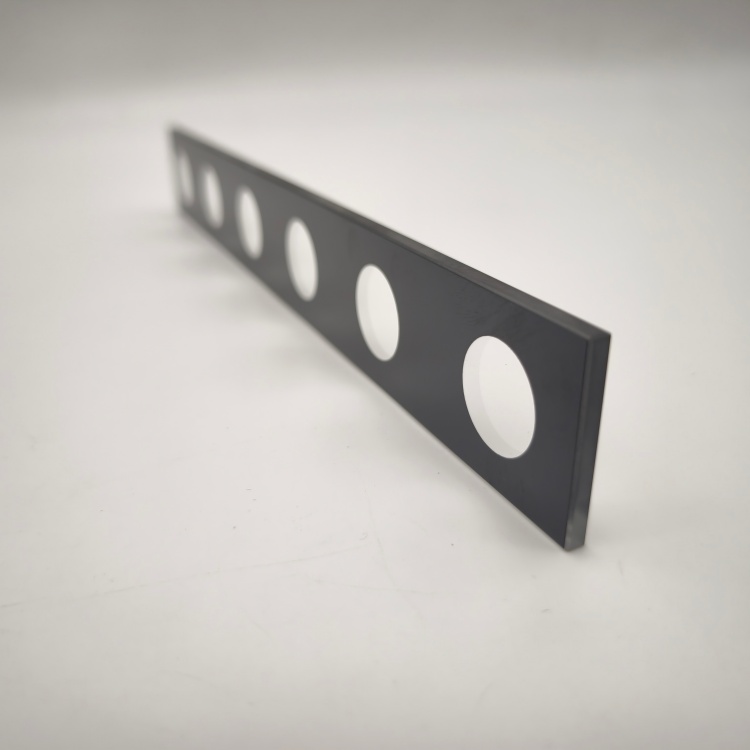
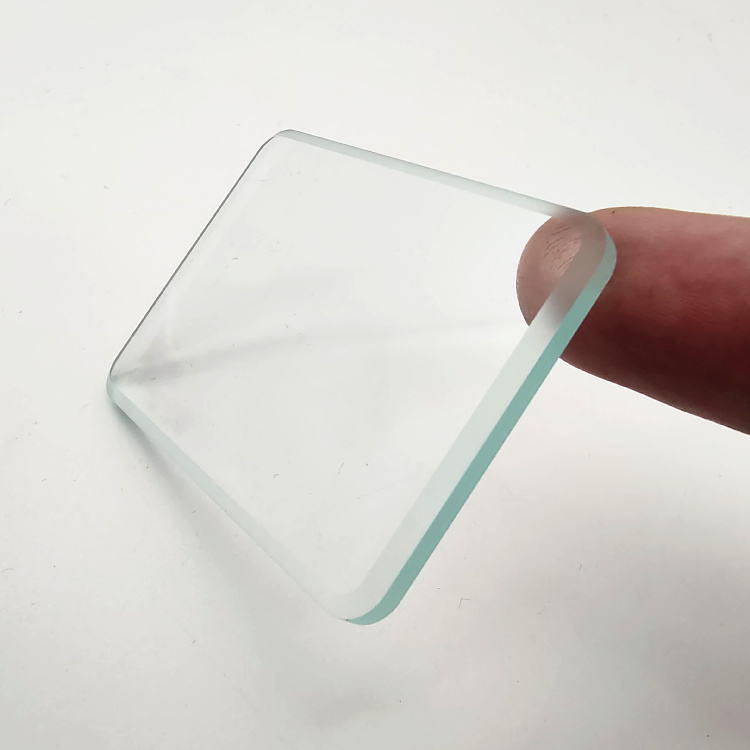
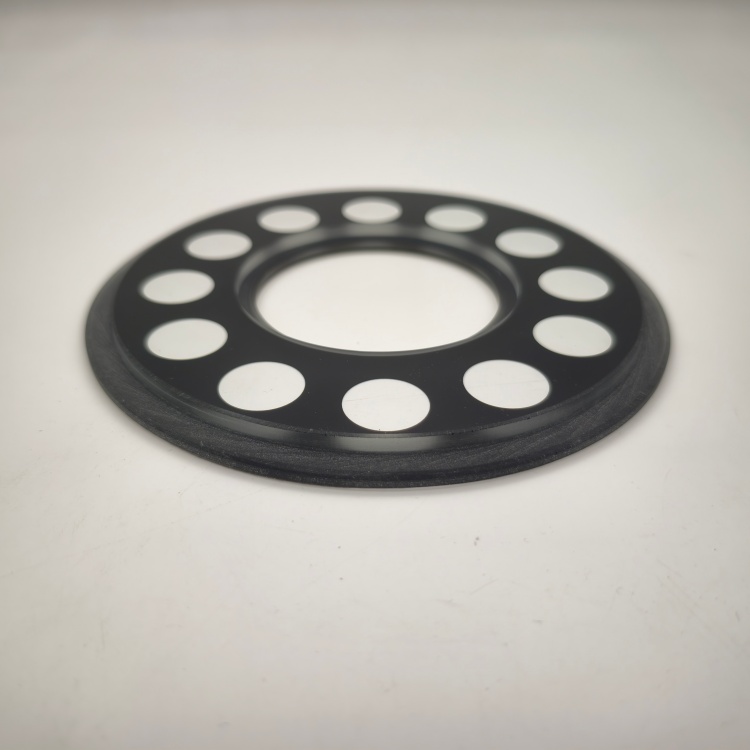
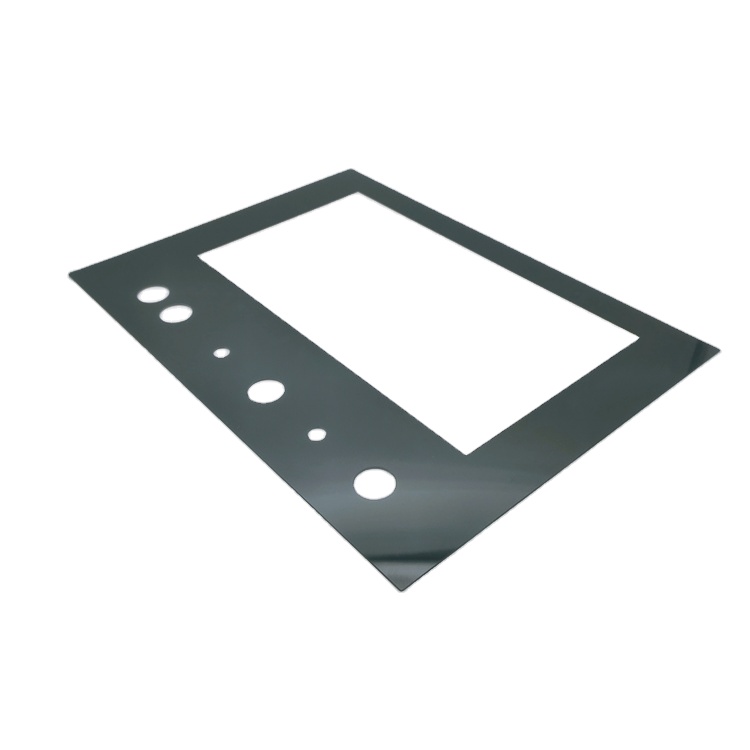
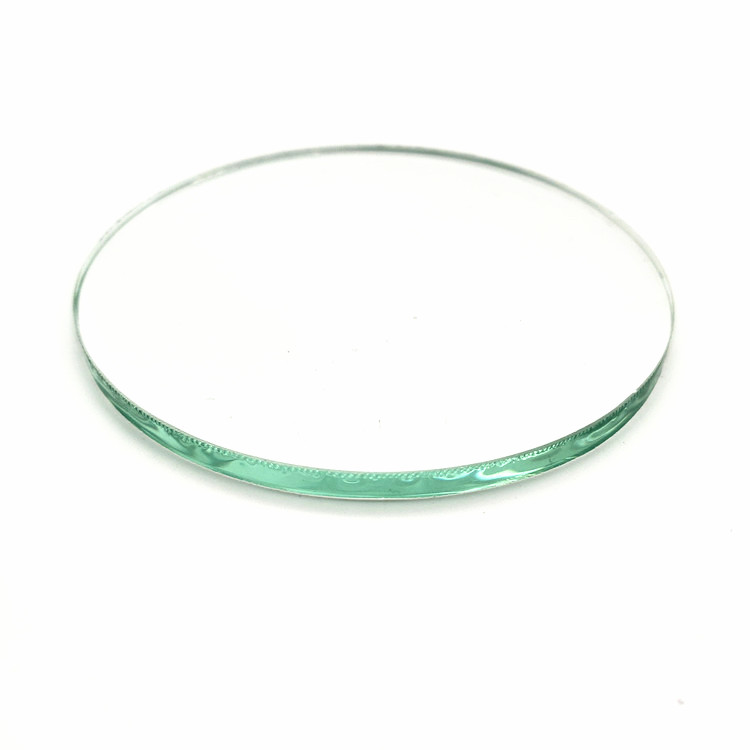
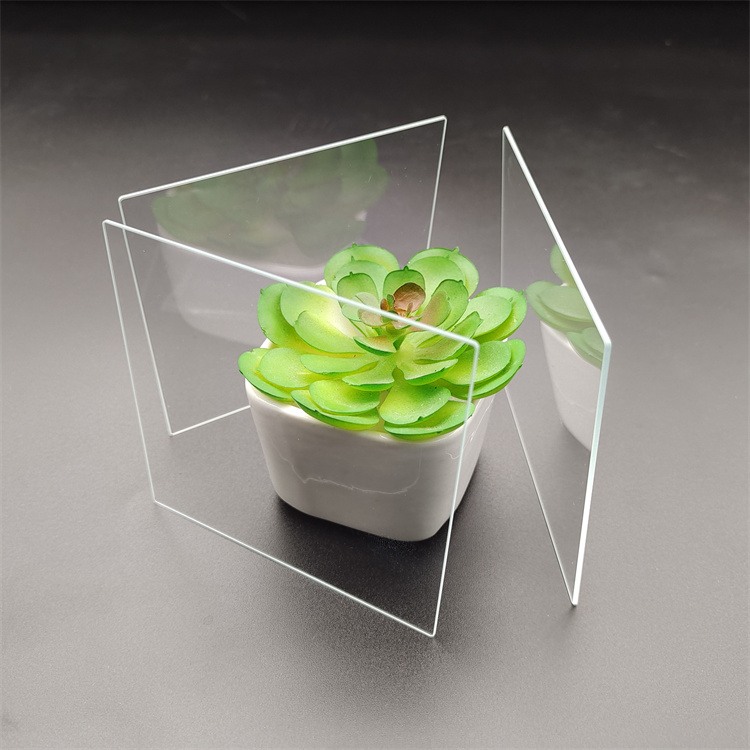
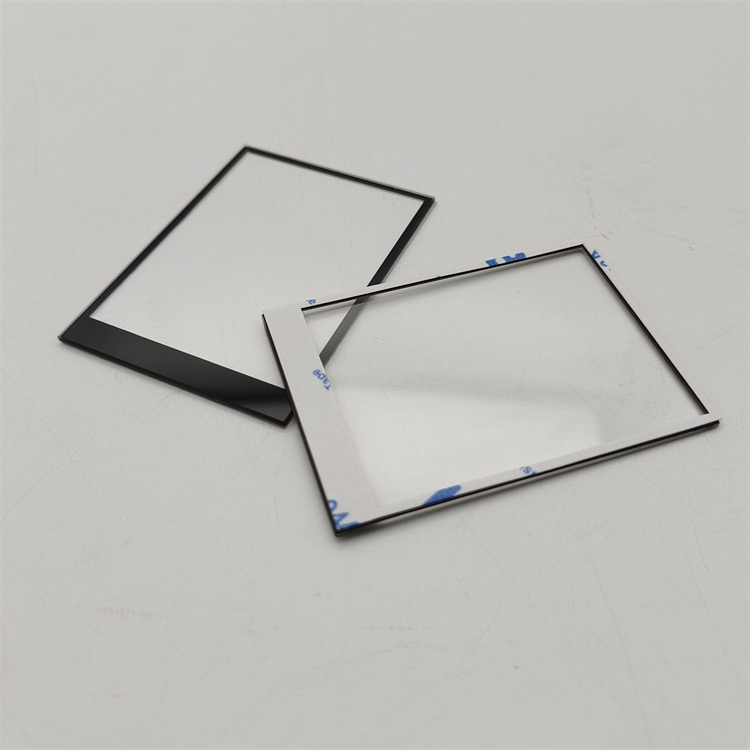
Need a low iron glass part that is not shown here? Send your drawing and target application. Our engineers will confirm the substrate, thickness, edge, printing and coating route before sampling.
What Custom OEM Low Iron Glass Exporters & Wholesalers Must Solve
The phrase “low iron glass” describes a substrate. The export program describes the real capability: keeping optical quality, dimensional accuracy and delivery repeatability intact from drawing to container loading.
Low iron glass, often marketed as ultra-clear glass or low-iron float glass, is produced with reduced ferrous oxide content — typically below 0.015% Fe₂O₃ rather than the roughly 0.08–0.10% found in conventional clear float. The visible benefit is a cooler, more neutral edge colour and higher luminous transmittance. That is why low iron glass has become a default cover material for high-brightness displays, white LED fixtures, smart switch panels and premium appliance interfaces.
For OEM buyers, however, the substrate is only the starting point. A capable custom OEM low iron glass exporter or wholesaler must control the optical result through cutting, CNC shaping, edge polishing, hole drilling, tempering, ceramic printing, AR/AG/AF coating, cleaning, inspection and export packaging. A lower glass price is irrelevant if the part loses 3–5% of yield at bonding, shows a green edge after lamination, or arrives with micro-chips that turn into breakage during assembly.
For wholesale and distributor buyers, the challenge is different but related. They need a repeatable SKU matrix, stable transmission and colour from lot to lot, mixed-container loading, neutral packaging, and a supplier who can quote the same item six months later without re-learning the drawing. Dongguan Jaswe Glass Co., Ltd. works on both sides of that equation: engineering-driven OEM projects and volume wholesale programs, with critical processes kept in-house. The result is fewer handoffs between cutting, printing and coating, and a shorter feedback loop when a specification needs adjustment.
Optical yield is the real unit cost
Procurement should compare the cost per accepted, optically compliant part — not the price per square metre of raw glass. Rework, bonding loss and edge rejection usually decide the program outcome.
Process integration beats brokerage
Cutting, CNC, edging, drilling, tempering, printing and coating under one roof reduce handling damage and make it easier to isolate the cause when an optical defect appears.
Audit-ready records shorten qualification
Drawings, first-article reports, print colour targets, coating tests and packing photos make it easier for engineering teams to approve a supplier without repeated trial shipments.
OEM vs Wholesale: Two Buying Motives, One Process Platform
The same low iron glass furnace, printing line and coating line can serve very different buyers. The quotation, documentation and packaging should reflect the buying motive.
OEM custom glass programs
Drawing-driven projects for display, appliance, lighting and control-panel manufacturers. The priority is manufacturability review, first-article approval and a stable process window for annual volumes.
Wholesale and distributor programs
Repeatable SKUs, mixed containers, stock replenishment and neutral packaging matter more than one-off custom shapes. Buyers need predictable lead time and consistent edge quality.
Private-label brand glass
Logo printing, custom cartons, colour matching and packaging presentation are part of the product. A supplier must protect both the glass surface and the brand experience.
Project sourcing and sample-first validation
New designs often start with small evaluation quantities. Fast samples, clear measurement reports and honest process feedback reduce the risk of scaling a fragile design.
2025–2030 Low Iron Glass Procurement Trends
Buyers are not simply shifting to lower-iron substrates. They are changing how they qualify suppliers, specify optical stacks and measure total landed cost.
Dual sourcing and “China + 1” qualification
More OEMs keep one experienced China process partner while adding regional assembly or a second source. The winning supplier must support identical drawings, colour targets and inspection standards across plants.
Thinner, stronger cover glass
Demand is rising for 0.5–1.1 mm low iron glass in touch modules, smart switches and compact displays. Buyers need strength data, flatness control and chip-free edges to protect yield.
Coatings specified as a system
AR, AG and AF are no longer afterthoughts. Procurement teams now request reflectance, haze, adhesion and abrasion targets as part of the cover glass drawing, not as loose verbal requirements.
More printed glass, fewer mechanical parts
Smart appliances and control panels use printed borders, icons and transparent windows to replace labels and separate plastic parts. Ceramic ink durability and colour consistency become purchasing criteria.
Traceability and lot-level records
Repeat buyers want lot identification, inspection images and coating batch references. When a display program scales, a supplier’s ability to trace a defect back to a process step is a commercial advantage.
Packaging and process waste under review
Lead-free inks, energy monitoring, recyclable interleaves and damage-reduction packaging are moving from marketing language into supplier scorecards. Freight damage is both a cost and a sustainability problem.
Product Trends That Change the Glass Drawing
Low iron glass is being pulled into new applications by display brightness, touch interfaces, LED design and smart-home aesthetics. These trends directly affect thickness, edge geometry and coating choice.
Mini/Micro LED and high-brightness windows
Higher brightness makes reflection and colour tint more visible. Low iron glass with AR coating improves contrast, while edge blackening or printed borders can reduce stray light and improve perceived quality.
Smart switch glass with hidden touch keys
Printed low iron glass panels are replacing plastic switch covers. Designs increasingly use 0.5–2 mm tempered glass, adhesive backing, anti-fingerprint coating and precise transparent windows for icons.
Optical and thermal demands in one cover
Linear wall washers, downlights and panel lights require heat-resistant printing, controlled diffusion and clean edges. Low iron glass helps maintain colour temperature and a premium fixture appearance.
HMI windows with stepped and sealed edges
Industrial IoT devices need display windows that fit gaskets, bezels and enclosures. Stepped edges, countersunk holes and printed masks are becoming common in equipment control panels.
Automotive and EV interior displays
Low reflection, anti-glare treatment and fingerprint resistance are increasingly expected in vehicle HMIs. Buyers should align optical targets with viewing distance and cabin lighting rather than copy a consumer-screen spec.
Decorative low iron glass for premium appliances
Kitchen and laundry appliances use black, white and gradient printed glass to create premium interfaces. Colour consistency, ink adhesion and edge quality matter as much as the substrate transmission.
Where Low Iron Glass Goes to Work
Different applications place different demands on transmission, print durability, coating performance and edge safety.

Touch & display electronics
Cover lenses for LCD, TFT and capacitive touch modules where optical clarity and flatness are critical.
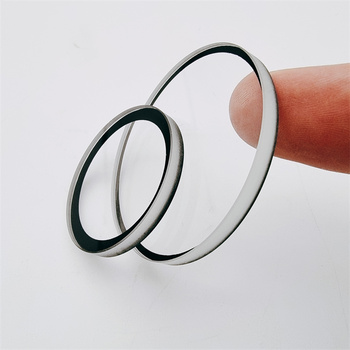
LED lighting fixtures
Downlight, panel, linear and wall-washer covers that combine light transmission with clean edges.
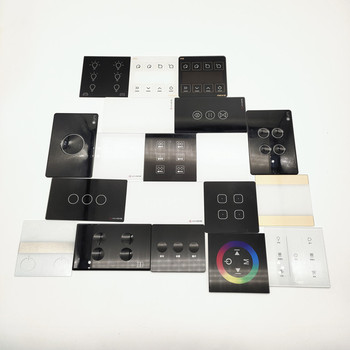
Smart home & switches
Printed switch plates and smart control panels with transparent touch windows and scratch-resistant surfaces.
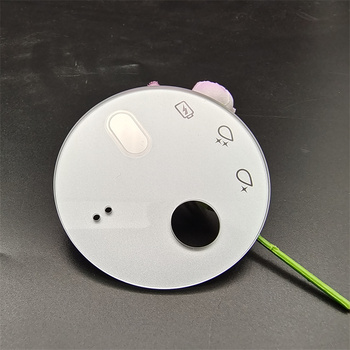
Home appliances
Control-panel glass for kitchen and household devices, including printed icons, masks and display windows.

Industrial instruments
Meter windows, HMI covers and electrical equipment glass with drilled holes and stepped edges.
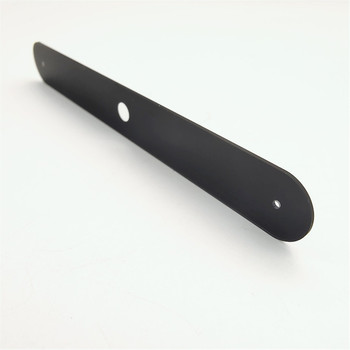
Security & camera devices
Printed lens covers and sensor windows with precision cut-outs, low reflection and reliable sealing surfaces.
Inside Dongguan Jaswe Glass: An Export-Ready Low Iron Glass Supply Base
Location matters, but process control matters more. Jaswe combines Dongguan’s electronics supply-chain access with an in-house glass process chain built for custom orders and repeat wholesale programs.
Dongguan Jaswe Glass Co., Ltd. is a glass processing and export company based in Shipai Town, Dongguan, Guangdong, China. The company serves buyers in America, Europe and Asia from a 51–100 person organisation, with annual revenue in the US$2.5M–US$5M range and on-site verified supplier status of six years. More than 80 skilled workers operate 26 glass processing machines, producing over 200,000 processed glass pieces per month.
That scale is not only capacity. It is the ability to keep a custom low iron glass program moving when a buyer needs 0.5 mm ultra-thin cover glass, 19 mm flat tempered panels, or a printed LED cover in the same quarter. The company’s public supplier profile records a 96.61% response rate, an average response time of three hours or less, and a 26% buyer reorder rate. For procurement teams, those figures are useful signals of communication discipline and repeatability. You can review the company profile, trade capacity and buyer ratings and reviews before requesting a quotation.
Most operators have years of hands-on experience with tight-tolerance jobs such as ultra-thin cover glass, multi-colour printing with transparent display windows, and coated glass where a small handling error becomes a visible defect. The company’s operating principle — scientific management, careful manufacture, high-quality service and continuous improvement — is reflected in the inspection steps placed between cutting, edging, tempering, printing, coating and packing.

Dongguan production base · custom glass export programs

In-house cutting, edging, drilling and inspection workflow

Tempering, silk-screen and ceramic printing equipment
Precision & CNC cutting
Automatic cutting plus CNC shaping for rounds, notches, slots and irregular outlines.
Edge polishing
Pencil, flat, beveled, stepped and matte edges for safe handling and clean appearance.
Hole drilling
Holes and countersinks for buttons, sensors, cameras, knobs and mounting screws.
Thermal tempering
Tempering furnace strengthens glass for impact resistance and safer breakage behaviour.
Silk screen & ceramic printing
Multi-colour logos, icons, borders and display windows with colour matching.
AG anti-glare processing
Diffused matte surface that keeps screens readable under strong ambient or outdoor light.
AR anti-reflective coating
Optical coating that lowers reflection and raises light transmission for brighter displays.
AF anti-fingerprint coating
Oleophobic layer for touch screens — smoother glide, fewer smudges and easier cleaning.
How to Specify and Audit Low Iron Glass for a Repeatable OEM Build
A low iron glass purchase order should read like a process contract. The drawing controls geometry; the specification below controls the optical and handling outcome.
| Specification Decision | Recommended Route | Why It Matters | Evidence to Request |
|---|---|---|---|
| Substrate | Low-iron / ultra-clear glass with an agreed Fe₂O₃ target | Neutral edge colour and higher luminous transmittance for bright displays and white LED fixtures | Batch transmission report; edge-colour photo under D65 lighting |
| Thickness | 0.5–1.1 mm for thin touch covers; 2–6 mm for appliances, LED and control panels; up to 19 mm flat tempered where the design allows | Balances strength, weight, flatness and compatibility with the downstream bonding process | Thickness tolerance, flatness check and tempering stress record |
| Edge Geometry | Polished flat, pencil, beveled, stepped or matte edge | Chip-free edges survive handling, assembly and drop testing; a visible edge defect can reject an otherwise good part | Edge-chip inspection standard and micro-photo of the approved edge |
| Printing | Ceramic ink; Pantone or RAL match; transparent display windows and hidden-circuit masks | Hides circuitry, creates icons and protects brand appearance after long-term exposure | Colour target under D65; ink curing record; adhesion and abrasion test result |
| Coating | AR, AG, AF or a combined optical stack | Controls reflection, glare and fingerprints on touch surfaces and high-brightness displays | Reflectance and haze targets; adhesion, abrasion and cleaning test method |
| Packaging | Interleaved, edge-protected, moisture-barrier export packing | Reduces transit damage, line stoppages and replacement shipments | Drop or compression test record; packing photo before shipment |
Final optical values depend on glass thickness, substrate, printing and coating stack. Sample testing is recommended before mass production.
Total Cost of Ownership: Where Low Iron Glass Programs Win
Professional buyers evaluate low iron glass by accepted-part cost. A slightly higher substrate price can be the cheaper route when it removes rework, improves bonding yield and reduces freight damage.
- Compare accepted optical part cost, not raw glass price per square metre.
- Include bonding, lamination and printing rework in the landed-cost model.
- Calculate freight damage and replacement shipment costs.
- Account for engineering time spent on re-qualification after a colour or coating drift.
- Require lot traceability so improvements can be measured over time.
Low Iron Glass Purchasing Questions Buyers Ask Most
These are the questions that most often appear during the first engineering review of a custom low iron glass project.
What is low iron glass, and how is it different from standard clear float?
Low iron glass has a lower ferrous oxide content, so it looks clearer at the edge and transmits more neutral light. It is preferred where green tint would affect display colour, white LED appearance or premium appliance design.
Are you a low iron glass exporter, a wholesaler, or both?
Dongguan Jaswe Glass supports both OEM custom projects and wholesale programs. OEM work is drawing-driven; wholesale work focuses on repeatable SKUs, packaging, mixed containers and consistent replenishment.
What thicknesses can be processed?
The current range covers ultra-thin electronic glass from 0.2 mm up to 19 mm flat tempered glass. The most requested cover-glass thicknesses are 0.5, 0.7, 1, 2, 3 and 4 mm.
What is the minimum order quantity for custom low iron glass?
Most custom items start at 100–500 pieces depending on size, printing and coating. Standard clear tempered pieces may be supplied in smaller sample quantities for evaluation before a production order.
Can low iron glass be tempered, printed and coated in one order?
Yes, when the process sequence is designed correctly. Printing, tempering and coating must be sequenced around ink cure temperatures, edge quality and coating adhesion requirements. The drawing review should confirm the route before sampling.
What files should I send for a quotation?
Send DXF, DWG, PDF or STEP files, plus thickness, edge type, hole positions, printing colours, transparent window sizes, coating targets, application, estimated annual volume and packaging requirements.
How do you keep optical colour consistent between batches?
Consistency starts with controlled substrate sourcing and agreed transmission targets. Production should then monitor printing colour under D65 light, coating appearance and edge colour against an approved golden sample.
What packaging is used for export?
Custom glass is normally interleaved, edge-protected and packed with moisture protection for export. The exact pack depends on size, coating sensitivity and shipping method; packing photos can be recorded before dispatch.
How fast can I receive a response or sample?
The public supplier profile records a three-hour average response time and a 96.61% response rate. Sample timing depends on whether the job needs new printing screens, CNC programming or coating runs, so it should be quoted after drawing review.
How do I start an OEM low iron glass project?
Share your drawing, application and annual quantity through the contact channel. Our engineers will review manufacturability, recommend the substrate and process route, and confirm sample requirements before mass production.
Send Your Drawing. Get a Low Iron Glass Process Route.
Share your specifications and receive process recommendations for substrate, thickness, edge, printing, coating and export packing. Early engineering review is the fastest way to avoid a costly sample loop.
- Send DXF, DWG, PDF or STEP drawings with tolerances.
- State the application, annual volume and target assembly method.
- Include print colours, transparent windows and coating targets.
- Confirm packing, labelling and destination requirements.
info@jasweglass.com
Start an OEM or wholesale low iron glass quotation.
Your drawing stays confidential during the engineering review.