Ultra Clear Glass Is a Specification, Not a Commodity
In a crowded supplier market, almost every page promises “ultra clear” low-iron glass. OEM engineers and sourcing teams need a more useful question: which process window will still perform after CNC cutting, tempering, printing, coating, bonding and field use?
What the buyer is really sourcing
A custom OEM ultra clear glass cover is a stack of decisions: iron content in the substrate, flatness after heat treatment, edge micro-chipping, hole quality, ceramic ink adhesion, transparent-window registration, AR/AG/AF coating durability, protective film, adhesive and export packing. A quotation can compare price per piece. It cannot compare the cost of a coating defect that appears after assembly, or a 0.2 mm warpage issue that stops an automated picking line.
For display, touch, LED, switch, appliance and industrial instrument programs, the most valuable supplier is not the one with the largest catalog. It is the one that can keep the same process window from sample to mass production, document deviations, and explain the trade-off between optical performance, strength, thickness and cost.
This is where a factory and supplier such as Dongguan Jaswe Glass Co., Ltd. can create real information gain. The company runs cutting, special-shaped and CNC cutting, edge polishing, hole drilling, tempering, silk screen and ceramic printing, AG processing and AR/AF coating in-house. For buyers, that integration reduces the number of vendors who can blame each other when a printed window is off-register or a coating fails after cleaning.
Semantic search has changed how buyers discover suppliers, but it has not changed how glass fails. The strongest procurement decision still comes from observable process knowledge, traceable factory data, realistic limitations and a sample plan that matches the final application environment.
Information gain for specifiers
- Confirm substrate, thickness and transmission target before comparing price per piece.
- Treat tempering, printing, coating and edge finish as one process window, not separate line items.
- Validate samples under the product’s actual light, touch and assembly conditions.
- Request in-process QC evidence at cutting, edging, tempering, printing and coating.
- Calculate landed cost including breakage, rework, adhesive failures and line downtime.
Eight OEM Ultra Clear Glass Products for High-Mix Programs
These platforms cover the requests seen most often in OEM programs: printed display glass, round ultra clear covers, stepped LED glass, industrial windows, thin adhesive-backed panels and customized ultra-thin covers. Each link is preserved so engineers can move directly from evaluation to specification confirmation.
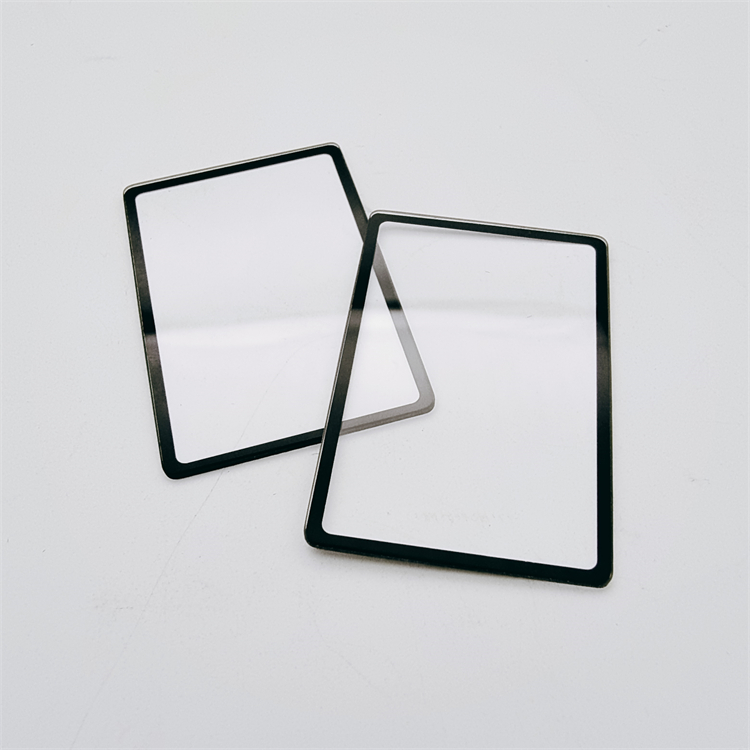
0.5mm 0.7mm 1mm 2mm 3mm OEM Wholesale Custom Premium Silk Screen Printing Tempered Glass Display Screen Industrial
Printed display glass for industrial screens, with multi-thickness options, transparent windows and tempered strength.
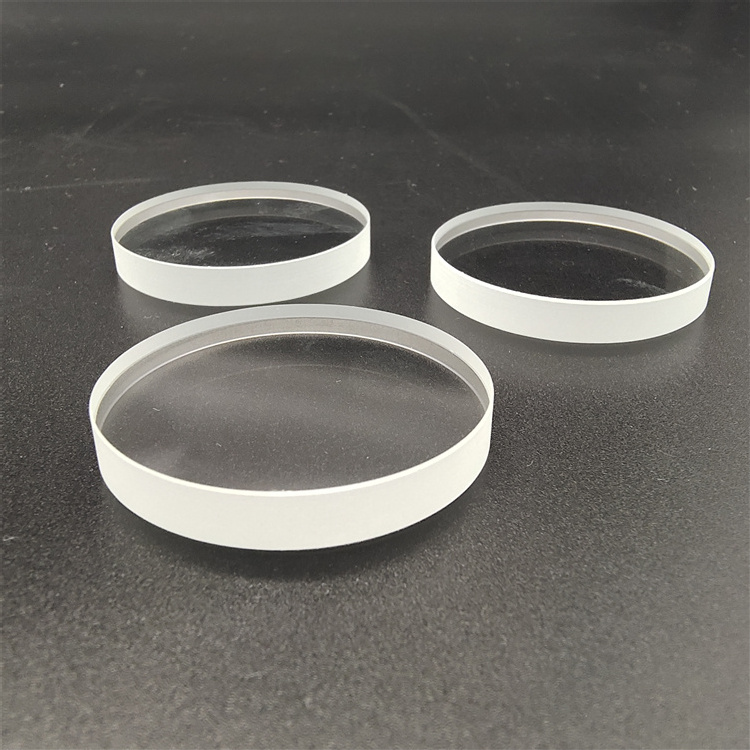
Full Tempered 30mm Diameter 3mm 4mm 5mm 6mm 8mm Thickness Ultra Clear Round Tempered Glass
Round ultra clear tempered glass for lighting and display modules, with polished edges and customized diameter.
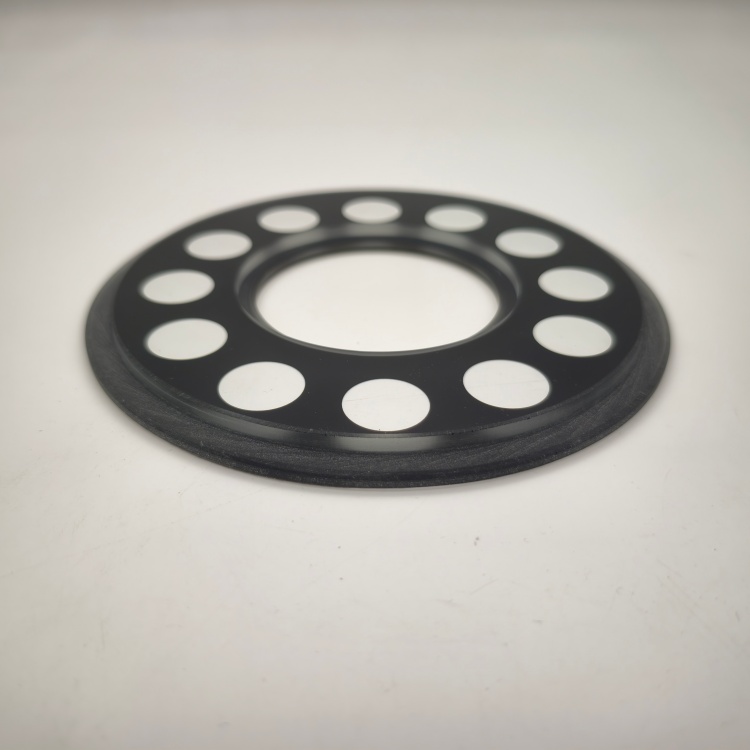
Factory Customized Round Hole Inner and Outer Double Step Edge Printed Tempered Glass for LED Lighting
Double-step edge LED lighting glass with round holes and printed graphics for flush fitting and light control.
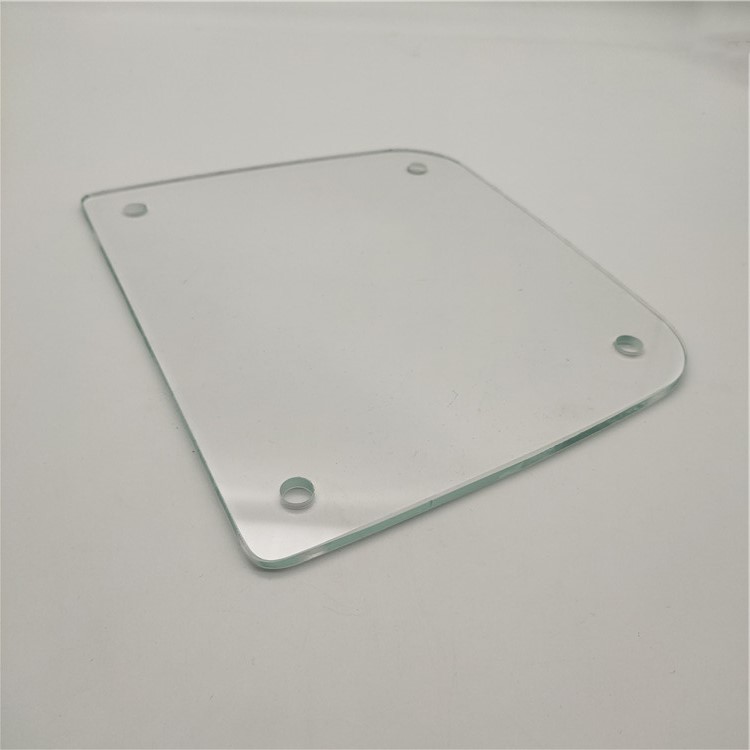
Ultra Clear Tempered Glass Customized Design with Cut Holes for LED Light Cover
Ultra clear LED cover with CNC-cut holes, printed borders and optional AR/AG/AF surface treatment.
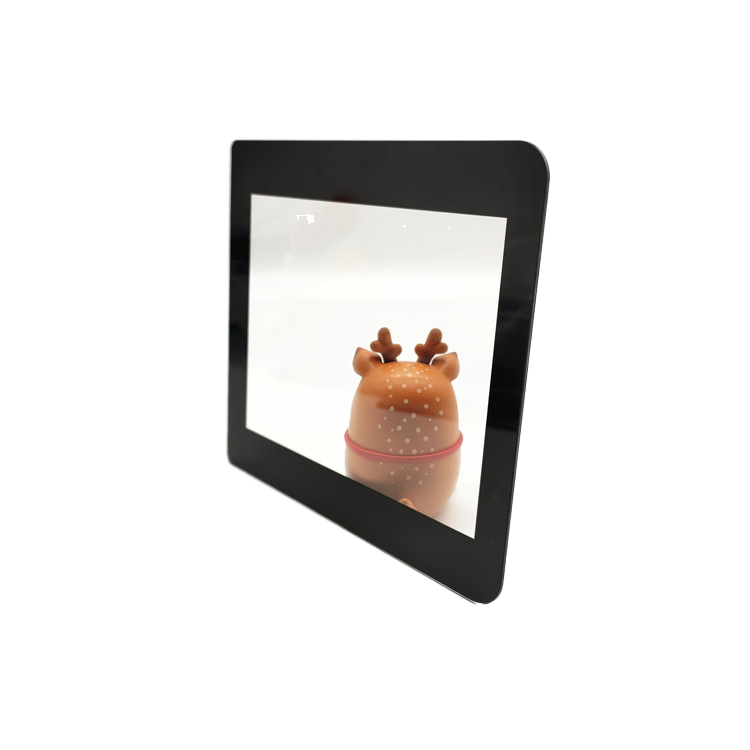
Industrial Use Electronic Glass 1mm/2mm/3mm/4mm Tempered Glass Display Screen Window Protection Cover
Industrial electronic glass window cover for displays, with 1–4 mm tempered protection and custom outline.
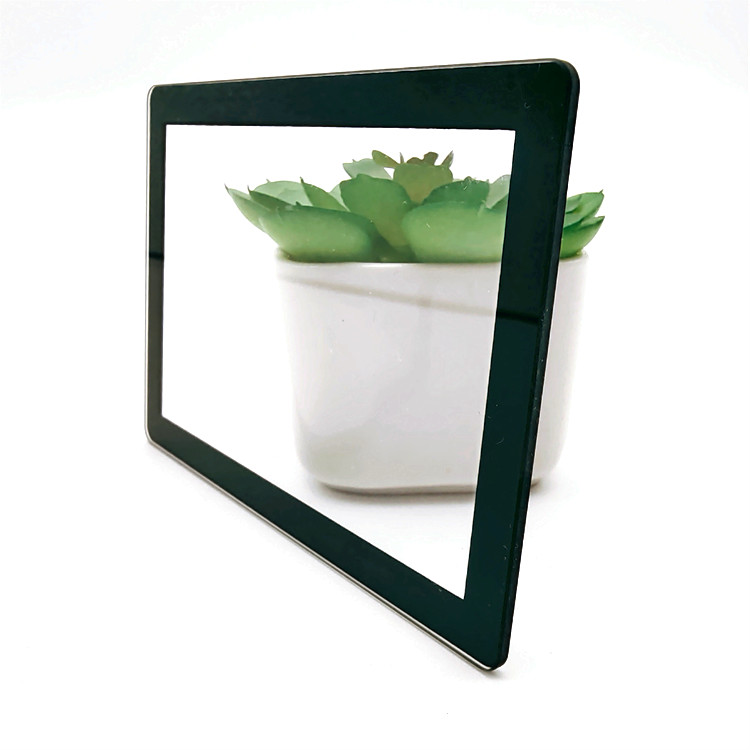
High Quality 0.5mm-6mm Solid Industrial Display Screen Tempered Glass with Printed Design High Strength & Bulletproof Protection
High-strength printed display glass with 0.5–6 mm options and enhanced protection for demanding equipment.
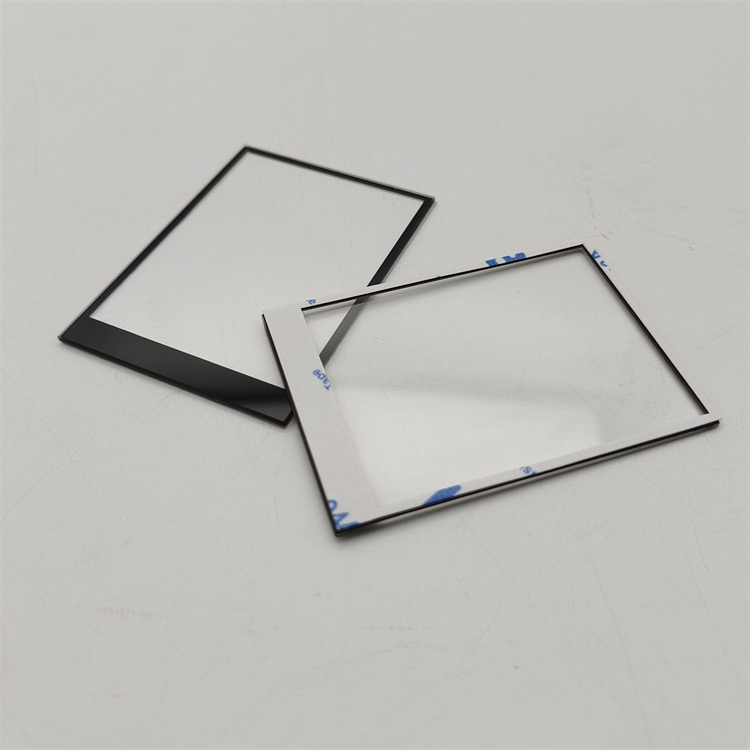
Small Size Ultra Thin 0.5mm 0.7mm 1mm Tempered Glass Panel With Adhesive Tape for Screen Protection
Ultra-thin 0.5/0.7/1 mm panel with adhesive tape for screen protection and streamlined assembly.

Customized Ultra Clear 0.5mm 0.7mm Thickness Ultra Thin Tempered Glass
Custom ultra clear 0.5/0.7 mm thin glass for compact displays, sensors and touch interfaces.



The Factory Behind the Glass: Dongguan Jaswe Glass Co., Ltd.
Dongguan Jaswe Glass Co., Ltd. is a glass processing company based in Shipai Town, Dongguan, Guangdong, China — one of the world’s most concentrated electronics manufacturing hubs. The company supplies custom tempered glass, ultra clear glass, silk screen printed glass, switch glass, LED lighting glass, touch screen cover glass, display window glass, and AR/AG/AF coated glass.
Inside the factory, 26 glass processing machines and 80+ skilled workers support a monthly output above 200,000 pieces. Capabilities include automatic cutting, special-shaped and CNC cutting, edge polishing, hole drilling, thermal tempering, silk screen and ceramic printing, AG processing, and AR/AF coating. Many operators have more than eight years of hands-on experience, which matters on thin glass, stepped edges, fine printed icons and transparent windows where small handling errors become visible defects.
Commercial data adds another layer of confidence: 51–100 employees, US$2.5M–US$5M annual revenue, main markets in America, Europe and Asia, six years of on-site verified supplier status, an average response time within three hours, a 96.61% buyer response rate and a 26% reorder rate. Reorder rate, in particular, indicates that buyers return after the sample and first mass-production cycle — the two moments when a glass supplier either earns trust or loses it.
“Scientific management, careful manufacture, high quality service, striving for excellence.”
- Location
- Dongguan, Guangdong, China
- Employees
- 51–100 people
- Annual revenue
- US$2.5M–US$5M
- Main markets
- America · Europe · Asia
- Equipment
- 26 machines incl. tempering furnace
- Supplier status
- On-site verified · 6 years
- Monthly output
- 200,000+ pieces
- Response profile
- ≤3h · 96.61% response rate
What “Factory-Supplied” Should Mean in an OEM Glass Program
Keeping critical steps under one roof shortens engineering loops and removes the quality gaps that appear when glass moves between subcontractors.
Precision & CNC Cutting
Automatic cutting plus CNC shaping for rounds, notches, slots and irregular outlines.
Edge Polishing
Pencil, flat, beveled, stepped and matte edges for safe handling and clean appearance.
Hole Drilling
Holes and countersinks for buttons, sensors, cameras, knobs and mounting screws.
Thermal Tempering
Furnace strengthening for impact resistance and safer breakage behavior.
Silk Screen & Ceramic Printing
Multi-color logos, icons, borders and display windows with color matching support.
AG Anti-Glare Processing
Diffused matte surface that keeps screens readable under strong light.
AR Anti-Reflective Coating
Optical coating that lowers reflection and raises light transmission for brighter displays.
AF Anti-Fingerprint Coating
Oleophobic layer for touch screens — smoother glide, fewer smudges and easier cleaning.
What OEM Buyers Will Specify in the Next Ultra Clear Glass Cycle
Ultra clear glass is moving from a simple cover part to an integrated optical and mechanical component. The direction is clear: thinner stacks, more coating functions, tighter printing and assembly-ready delivery.
Thinner cover glass, stronger process control
0.5 mm, 0.7 mm and 1.0 mm panels continue to replace thicker covers in touch modules, while 0.2–0.3 mm glass raises the bar for edge quality, warpage and bonding. The winning supplier is not simply the one that can cut thin glass, but the one that can handle it through printing, coating and packing without yield loss.
Combined AR + AG + AF coating stacks
Buyers increasingly ask for one part number that solves reflection, glare and fingerprint issues. Combined stacks are attractive, but the sequence and durability must be engineered together. A coating that improves transmission but fails after cleaning is not a cost saving; it is a field-return risk.
Fine-feature ceramic printing
Appliance panels, smart switches and instrument windows need sharper icons, hidden IR windows, dead-front effects and tighter registration. Ceramic ink systems must survive tempering, cleaning and handling while maintaining color consistency across production batches.
Step edges and precision cut-outs
Double-step edges, countersinks, camera apertures and sensor windows allow flush integration and simpler assembly. These features turn a flat glass panel into a toleranced mechanical part. Engineering review before sampling is essential because small deviations can create light leaks, fitment issues or stress concentration.
Larger panels with tighter flatness
Display windows and appliance control panels are getting larger, making flatness, coating uniformity and printing consistency more visible. Buyers should define flatness and optical acceptance criteria on the drawing rather than relying on visual judgment after delivery.
Ready-to-bond and assembly-friendly glass
Adhesive tape, protective film, cleaning protocols and packaging are becoming part of the product specification. A panel that is optically excellent but difficult to pick, align or bond can still create avoidable cost in the customer’s factory.
How OEM Purchasing Teams Will Compare Ultra Clear Glass Suppliers
Price per piece remains important, but professional buyers are broadening the comparison. The new evaluation model includes yield, engineering responsiveness, verifiable factory data and supply continuity.
Total landed cost replaces unit price
Breakage, rework, coating defects, adhesive failures and line downtime often cost more than the difference between two quotations. Buyers are asking for process capability evidence, not just a lower price.
Dual sourcing with one specification window
Supply resilience matters, but splitting a project between suppliers with different process windows can create optical or fit differences. The drawing, inspection criteria and sample approval record must travel with the project.
Lower MOQ, faster engineering loops
Many OEM programs launch with smaller batches and more variants. A factory that can review drawings quickly, produce samples efficiently and scale to mass production without changing the process is more valuable than a supplier that only competes on very large volume.
Verifiable supplier data becomes routine
Response rate, reorder rate, trade history, on-site verification and buyer reviews are now part of the pre-qualification file. These signals support E-E-A-T because they show observable behavior over time, not just marketing claims.
Fewer interfaces, more integrated glass
Buyers prefer suppliers that can handle cutting, tempering, printing and coating together. Integrating these steps reduces handling damage and makes one team accountable for the final optical and mechanical result.
Continuity planning and packaging resilience
Export packing, interleaving, edge protection and moisture control are part of procurement risk. A strong glass supplier should be able to explain how panels survive international transit and how packaging changes with size, thickness and coating sensitivity.
AR, AG, AF, Ultra Clear or Printed Tempered Glass?
Use this matrix during design review. Treatments can be combined — for example AG + AF for outdoor touch kiosks, or AR + AF for display windows that must stay clean and readable.
| Glass type | What it solves | Typical applications | Engineering tip |
|---|---|---|---|
| Ultra clear low-iron | Removes the green tint of standard float glass for truer color | Display covers, LED lamps, premium appliance panels | Pair with white or light-color printing to avoid a greenish edge tone |
| AR anti-reflective | Cuts surface reflection, boosts contrast and transmittance | Medical or industrial monitors, display windows, camera covers | Specify single- or double-sided coating; double-sided gives the largest gain |
| AG anti-glare | Diffuses glare from sunlight or overhead lighting | Outdoor kiosks, vehicle and industrial HMIs, digital signage | Choose gloss or haze level by viewing distance — finer haze for high-resolution screens |
| AF anti-fingerprint | Repels oil and sweat, keeps touch surfaces clean | Capacitive touch panels, smart switches, POS terminals | Apply as the final layer over AR or AG for touch products |
| Silk screen printed tempered | Hides wiring, adds logos, icons and display windows | Switch plates, appliance controls, instrument panels | Send Pantone codes and transparent window size with the drawing |
Final optical values depend on glass thickness, substrate and coating stack; sample testing is recommended before mass production.
Where Custom Ultra Clear Glass Creates Measurable Value
Touch & Display Electronics
Cover lenses for LCD, TFT and capacitive touch modules, with AR/AG/AF options and printed windows.
LED Lighting Fixtures
Downlight, panel, linear and wall washer covers made from ultra clear or printed tempered glass.
Smart Home & Switches
Printed switch plates and smart control panels with touch-key windows and scratch-resistant surfaces.
Home Appliances
Control panels for kitchen and household devices, with colored printing and durable tempered glass.
Industrial Instruments
Meter windows and HMI covers for electrical equipment, including holes, stepped edges and AR coatings.
Security & Camera Devices
Printed lens covers with precision cut-outs, low-reflection surfaces and custom adhesive options.
From Drawing to Delivery: A Five-Step Custom Glass Process
A transparent workflow for overseas buyers who need predictable quality, clear communication and a documented path from sample to mass production.
Send Requirements
Drawing, thickness, edge type, printing, coating, application and annual volume.
Engineering Review
Manufacturability check, risk notes and process route recommendation within hours.
Sampling
Physical samples for fit, color, optical performance and assembly approval.
Mass Production
Batch production with in-process inspection at cutting, edging, tempering, printing and coating.
Packing & Shipping
Interleaved, edge-protected export packing designed for safe international transit.
Frequently Asked Questions from OEM Buyers
What is ultra clear glass, and how is it different from standard clear glass?
Ultra clear glass is a low-iron glass substrate formulated to reduce the green tint common in standard float glass. In a finished OEM part, however, “ultra clear” must also be defined by thickness, transmission target, coating, printing colors, edge finish and tempering condition. For white LED lighting, transparent display windows and color-critical appliance panels, the substrate and printing must be evaluated together because the same low-iron glass can look different under different light sources.
Which glass thicknesses can Jaswe Glass process?
The working range covers ultra-thin electronic-grade glass from 0.2 mm up to 19 mm flat tempered glass. For display and touch covers, the most requested thicknesses are 0.5 mm, 0.7 mm, 1 mm, 2 mm, 3 mm and 4 mm. Thin glass below 1 mm requires engineering review for handling, edge quality, coating and bonding. Thicker glass may be specified for strength, flatness or equipment protection, but it is not automatically better; the application should drive the choice.
Can you combine tempered glass, silk screen printing, AR/AG/AF and cut holes in one part?
Yes, within one process route. Cutting, edge polishing, hole drilling, tempering, silk screen and ceramic printing, AG processing, and AR/AF coating are handled under one roof. Combining steps can reduce interfaces and improve accountability, but the sequence matters. For example, printing and coating must be engineered so that transparent windows, ink adhesion and optical performance survive tempering and cleaning. Send the application conditions so the process route can be reviewed.
What is the minimum order quantity for custom OEM ultra clear glass?
Most custom items start at 100 to 500 pieces, depending on size, printing, coating and packing. Standard clear tempered pieces may be supplied in smaller sample quantities for evaluation. MOQ should be confirmed against the drawing because a small panel with six printing colors and double-sided AR coating is a different manufacturing risk from a clear round panel.
What drawing files and details should I send?
Send a DXF, DWG or PDF drawing with the glass outline, thickness, hole positions, edge type, printing colors, Pantone references if available, transparent window dimensions, coating requirement, application, assembly method and estimated annual quantity. Photos of the housing or existing part also help. If a drawing is not finalized, send a sketch and performance requirements; engineering can recommend a manufacturable route.
How do you control quality from sample to mass production?
Quality control is built around inspection at cutting, edging, tempering, printing, coating and packing. For buyers, verification should not rely on a single statement. Ask for in-process records, sample approval criteria, packaging validation and third-party trade data. Jaswe Glass maintains a comprehensive QC system, and the public supplier profile includes six years of on-site verified status, response-rate and reorder data. These indicators are useful, but they do not replace drawing-level inspection criteria.
What is the difference between AR, AG and AF glass?
AR coating reduces surface reflection to raise light transmission and contrast. AG treatment diffuses reflected light so screens stay readable under strong ambient or outdoor light. AF coating is an oleophobic top layer that resists fingerprints and makes touch surfaces easier to clean. They solve different problems and can be combined. Choose based on the failure mode: reflection, glare or smudging. For outdoor kiosks, AG + AF is common; for optical instruments, AR may be the priority.
How do I start a custom glass project?
Email info@jasweglass.com with your drawing and requirements, or use the Send an Inquiry button on this page. The engineering team reviews manufacturability before samples are made, then confirms the sample and inspection plan. For urgent projects, include target annual volume, required compliance documents and the assembly environment because these details often change the recommended glass stack.
Have a Drawing Ready? Get an Engineering Review.
Share your drawing, thickness, edge type, printing colors, coating requirement, application and estimated annual quantity. The team will review manufacturability and recommend a process route before sampling.