8 OEM/ODM Beveled & Technical Glass Products for Buyer Review
These eight product families reflect the practical range of custom glass sourcing: ultra-thin screen protection, AR-coated ultra-clear display glass, fast-turn clear sheets, anti-glare frosted panels, silk-screen printed industrial glass, small-size beveled edge glass, lighting glass with beveled step edge, and stepped-round LED cover glass.
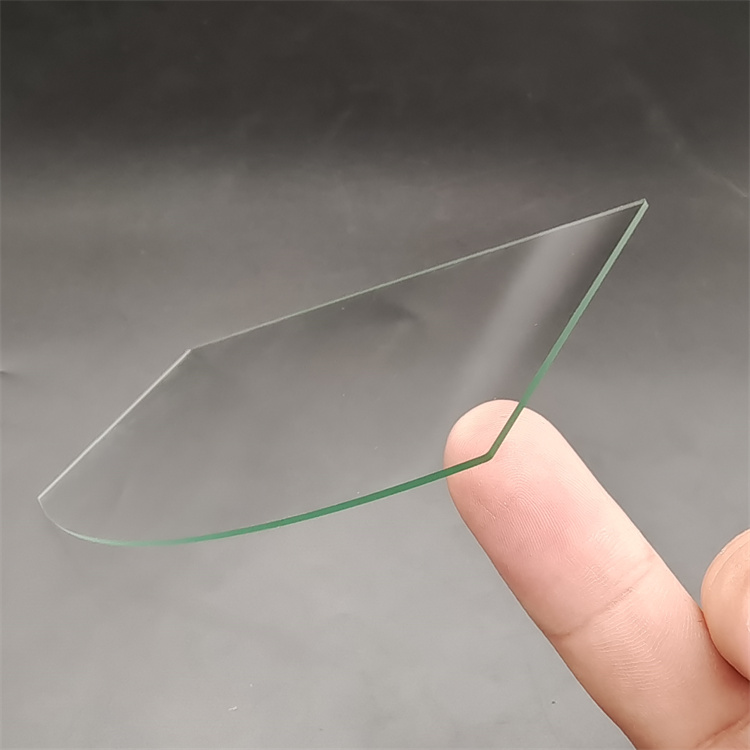
Any Size Custom 0.5/0.7/1/1.5/2/3 mm Tempered Glass Screen Protector, Round Rectangle Triangle Customized Tempered Glass OEM ODM
Ultra-thin OEM/ODM cover glass with custom outline, precision cutting and edge treatment for touch and display protection.
OEM / ODM View product page →
Both Sides Anti Reflective AR Coating 1mm 2mm 3mm 4mm Ultra Clear Tempered Glass
Low-reflection display cover glass for higher contrast, brighter screens and better optical clarity in demanding lighting.
AR Coated View product page →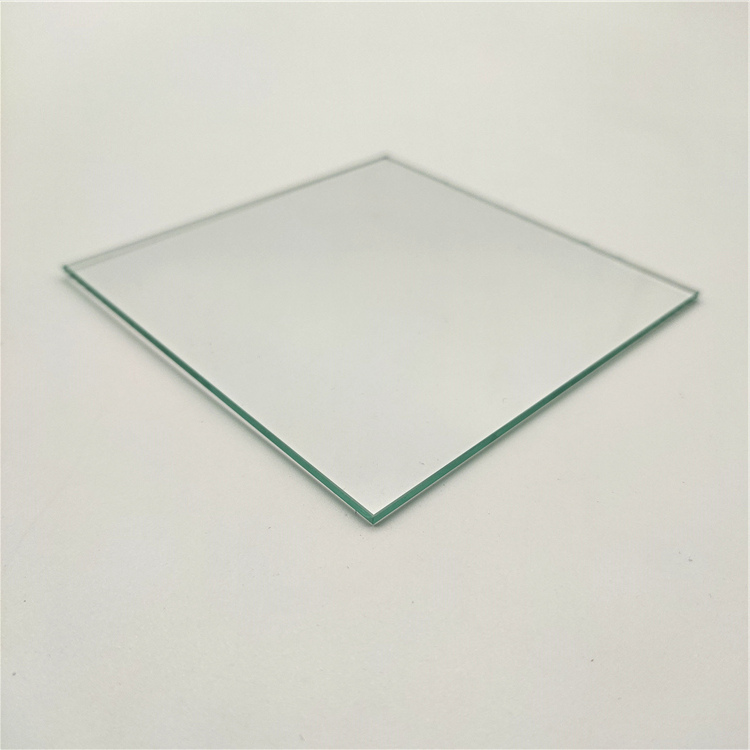
Fast Delivery Custom 1mm clear Glass Sheet
A flexible clear-glass platform for rapid sampling, engineering validation and smaller custom production runs.
Fast Turn View product page →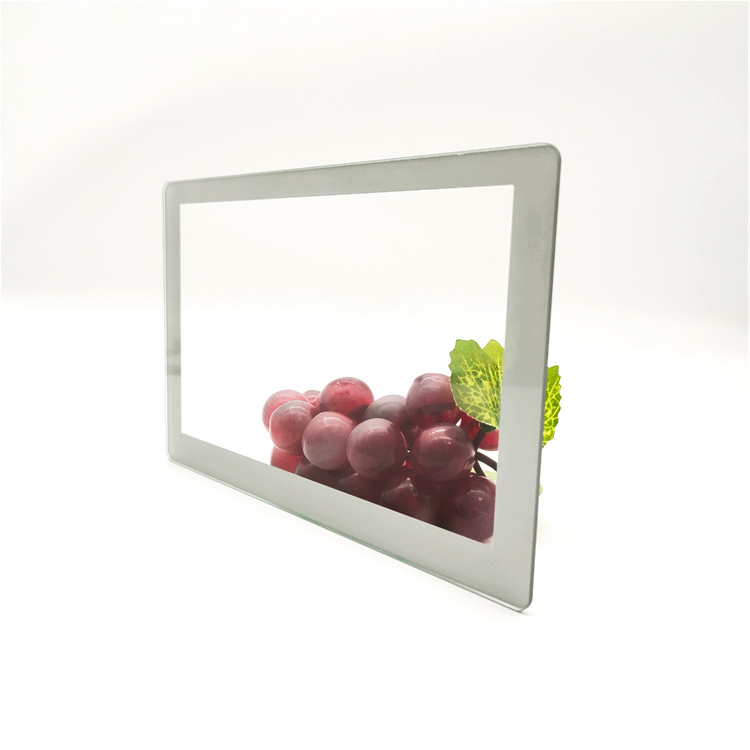
Customized High Strength Anti Glare Frosted Finish Tempered Glass LED/LCD Display Touch Panel for Monitor Screen Protector
Anti-glare frosted glass for outdoor, industrial and monitor applications where reflections reduce readability.
AG Finish View product page →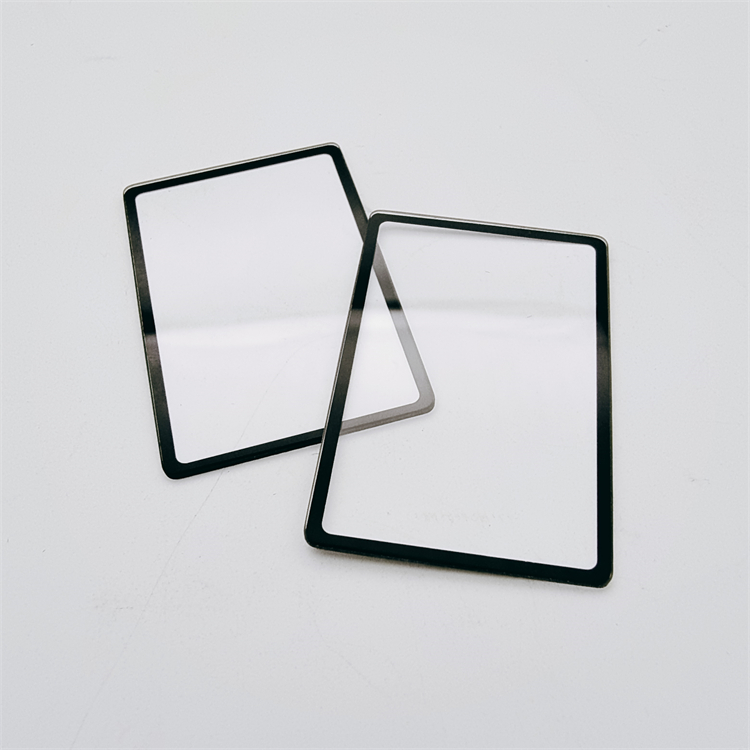
0.5mm 0.7mm 1mm 2mm 3mm Good Price OEM Wholesale Custom Premium Silk Screen Printing Tempered Glass Display Screen Industrial
Printed tempered display glass with custom windows, borders and brand graphics for appliance and instrument panels.
Silk Printed View product page →
Customized Small Size 3mm 4mm 5mm 6mm Beveled Edge Tempered Glass
Small-format beveled edge glass for switches, instruments and compact assemblies where edge quality is visible.
Beveled Edge View product page →
Customized Industrial Lighting Solid Flat Ultra Clear Frosted Tempered Glass with Beveled Step Edge
Optical lighting glass combining ultra-clear substrate, frosted finish and a beveled step edge for clean fixture integration.
Step Bevel View product page →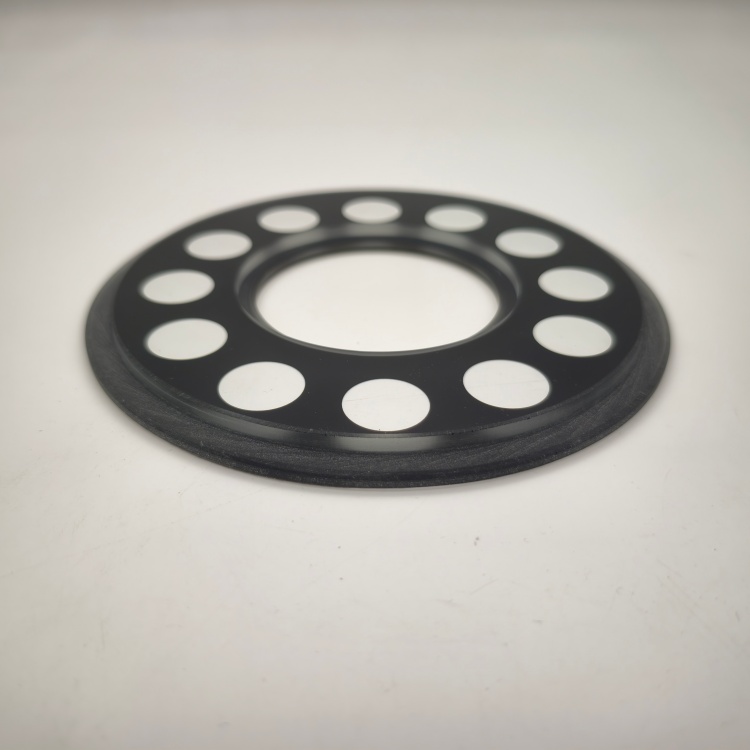
Factory Customized Round Hole Inner and Outer Double Step Edge Printed Tempered Glass for LED Lighting
Double-step printed glass for LED fixtures that require accurate hole positioning, edge aesthetics and assembly fit.
Double Step View product page →Beveled Glass Is a Functional Interface, Not a Cosmetic Extra
Beveled glass is often specified late in an industrial design review, after the housing, display stack and touch interface are already fixed. That is a costly time to discover that an edge profile cannot be polished consistently, that a step edge interferes with a gasket, or that a printed window shifts after tempering. In serious OEM/ODM programs, the bevel is part of the mechanical interface. It protects the glass edge, guides assembly, reduces the visual weight of thick panels and, in lighting and appliance applications, becomes part of the product language.
A controlled bevel also lowers the risk of chipping during packing, transit and end-user handling. For procurement teams, the question is not simply “Can you bevel glass?” It is “Can you control the bevel, the substrate, the tempering route, the print, the coating and the packing as one qualified process?” That is the standard behind the eight product families above and the reason why suppliers with in-house cutting, CNC, polishing, tempering, printing and coating capability usually provide shorter engineering loops and more predictable mass production.
Dongguan Jaswe Glass Co., Ltd. works from this process view. The company processes custom tempered glass, ultra-clear glass, silk-screen printed glass, AR / AG / AF coated glass, switch glass, LED lighting glass and electrical equipment glass for buyers in America, Europe and Asia. Edge quality, optical performance and assembly tolerance are reviewed together, not handed off between unrelated subcontractors.
Jaswe Glass at a Glance: Capacity Built for Repeat OEM/ODM Work
Capacity figures matter only when they connect to response speed, repeat orders and process control. The following indicators are useful when comparing a beveled glass manufacturer for a long-term program.
These figures are not abstract marketing numbers. They describe a factory rhythm: engineering questions answered quickly, samples reviewed against drawings, production batches inspected at multiple stations, and repeat orders supported by stable process documentation. For a buyer sourcing beveled glass, that rhythm reduces the hidden cost of expediting, rework and inconsistent edge appearance.
Purchasing Framework: How to Evaluate an OEM/ODM Beveled Glass Supplier
A beveled glass RFQ should be evaluated with a total process map. The lowest unit price can disappear quickly if the edge profile, print color or coating requires rework after assembly.
Edge Geometry Control
Define bevel width, angle, polish type, corner radius, step depth and whether the edge is flat, pencil, beveled, stepped or matte. Ask for a first-article report that compares the finished edge with the drawing, not only a visual photo.
Substrate and Thickness Logic
Common display and touch thicknesses include 0.5, 0.7, 1, 2, 3 and 4 mm, while ultra-thin electronic glass can start at 0.2 mm and flat tempered glass can extend to 19 mm. The substrate should be selected with tempering, printing and coating compatibility in mind.
Printing and Coating Compatibility
Beveled edges, printed borders and AR / AG / AF layers interact. A supplier should confirm the process route before sampling, especially when transparent windows, ceramic ink, anti-glare etching and anti-fingerprint top layers are combined on one part.
Tolerance and Assembly Stack-Up
Review outline tolerance, hole position, flatness, warpage, chamfer consistency and gasket clearance. Small deviations become expensive when the glass is bonded to a housing or dropped into a sealed control panel.
Quality Documentation and Traceability
Ask how incoming glass, in-process inspection, final inspection and sample retention are recorded. Batch traceability is especially important for multi-color printing, optical coating and beveled edges that must match across repeat releases.
Packaging and Total Landed Cost
Interleaved, edge-protected export packing is part of quality. A supplier that understands transit risk, moisture protection and carton strength can reduce damage claims and protect the total landed cost of a beveled glass program.
What Buyers Will Expect from Beveled Glass Manufacturers in the Next Procurement Cycle
Procurement is shifting from simple piece-part purchasing to process partnership. The most prepared suppliers will be the ones that can support smaller release quantities, richer documentation and multi-functional glass surfaces.
High-Mix, Low-Volume Releases
Buyers want fewer suppliers but more product variants. Fast changeover in CNC cutting, edge polishing, printing and sample preparation becomes a competitive advantage.
Digital Quality Files
DXF, DWG and PDF drawings are already standard. The next expectation is structured inspection data, batch IDs and clear deviation records for every production release.
Supply-Chain Resilience
Overseas buyers increasingly review lead-time stability, packing quality and communication speed alongside unit price, especially for custom glass that cannot be reworked locally.
Integrated Optical + Structural Glass
One part now often combines tempered strength, beveled edge aesthetics, silk-screen printing, anti-glare treatment and anti-fingerprint performance. Single-process suppliers struggle to optimize this stack.
How Beveled Glass Products Are Evolving
Designers are asking glass to do more than cover a display. It must protect, guide light, hide components, support touch interaction and communicate product quality.
Thinner Glass, Stronger Edges
Ultra-thin 0.5 mm, 0.7 mm and 1 mm glass is increasingly used in compact electronics. Edge polishing and handling control become critical because small chips are more visible and more damaging.
Beveled Step Edges for Lighting
LED fixtures use step bevels to seat glass into housings, control light spill and create clean transitions between clear, frosted and printed zones.
Smart Home and Appliance Interfaces
Printed switch glass, touch-key windows, anti-fingerprint surfaces and subtle bevels are becoming standard in smart switches, appliance panels and control interfaces.
Outdoor and Industrial HMI
Anti-glare and anti-reflective glass help human-machine interfaces remain readable under strong sunlight, factory lighting and harsh outdoor conditions.
Where OEM/ODM Beveled Glass Performs Best
Touch & Display Electronics
Cover glass for LCD, TFT and capacitive touch modules with custom edges, holes, printed masks and optional AR / AG / AF treatment.
LED Lighting Fixtures
Downlight, panel, linear and wall-washer covers using ultra-clear, frosted, printed or stepped-edge glass.
Smart Home & Switches
Printed wall-switch glass and smart control panels with consistent color, clean touch windows and durable tempering.
Home Appliances
Control-panel glass for kitchen and household devices where print quality, edge safety and chemical resistance matter.
Industrial Instruments
Meter windows, equipment display covers and HMI protection glass with holes, printed borders and precise assembly tolerances.
Security & Camera Devices
Printed lens covers and sensor windows with precision cut-outs, clean window clarity and small-format edge finishing.
From Drawing to Delivery: Four Controlled Stages
A transparent workflow protects both engineering intent and production consistency. Each stage should produce a record that the buyer and supplier can review together.
Engineering Review
Review drawing, thickness, bevel geometry, edge finish, holes, printing colors, coating requirement and annual volume. Confirm manufacturability before sampling.
Sampling
Produce physical samples for fit, color, edge appearance and optical performance. Approve the sample as the reference standard for mass production.
Production & In-Process Inspection
Inspect at cutting, edging, drilling, tempering, printing, coating and final packing stages. Record deviations before they become shipment-level problems.
Packing & Shipping
Use interleaved, edge-protected export packing designed for fragile custom glass. Clear carton labeling and batch identification support smooth receiving.
Why Dongguan Jaswe Glass Co., Ltd. Is Built for OEM/ODM Beveled Glass Programs
Dongguan Jaswe Glass Co., Ltd. is a glass processing company based in Dongguan, Guangdong, China. Its work covers cutting, special-shaped and CNC cutting, edge polishing, hole drilling, tempering, silk screen and ceramic printing, AG processing and AR / AF coating.

Glass Processing Expertise from Dongguan, China
Most of the company’s 80+ operators have over eight years of hands-on glass processing experience. That depth matters on tight-tolerance jobs such as ultra-thin 0.2 mm cover glass or multi-color printing with transparent display windows, where small handling errors become visible defects.
With 26 glass processing machines and monthly output exceeding 200,000 pieces, Jaswe Glass supports sample evaluation, repeat production and export packing for buyers in North America, Europe and Asia.
“Scientific management, careful manufacture, high quality service, striving for excellence.”
In-House Process Coverage
Cutting, CNC shaping, edge polishing, hole drilling, tempering, silk-screen and ceramic printing, AG processing and AR / AF coating are handled under one quality system.
Production Capacity
26 glass processing machines and 80+ workers support monthly output of more than 200,000 pieces, with flexibility for both sampling and repeat OEM/ODM orders.
Fast Buyer Response
Average response within three hours and a 96.61% response rate help overseas buyers keep design reviews, samples and production schedules moving.
Repeat-Order Confidence
A 26% buyer reorder rate reflects repeat business from lighting, electronics and appliance brands that value consistency across production batches.
Verified Supplier Profile
On-site verified supplier status, trade capacity data, transaction level and credit index are available for buyers who need third-party confidence before placing an order.
Export-Focused Location
Located at Room 202, Building 1, No. 14 Weige Road, Shipai Town, Dongguan, Guangdong, China, the company serves major markets including America, Europe and Asia.
Common Procurement Questions About OEM/ODM Beveled Glass
These are the questions overseas buyers ask most often when evaluating custom beveled glass suppliers, comparing coated glass options and preparing a production release.
What is the difference between beveled edge, polished edge and stepped edge?
A beveled edge cuts away the sharp corner at a defined angle and width for safety and visual refinement. A polished edge improves clarity and smoothness but may not create an angled profile. A stepped edge adds a machined shoulder or recess to locate the glass in a housing, hide a gasket or support assembly.
What thicknesses can be processed for custom glass?
Current product coverage includes ultra-thin electronic-grade glass from 0.2 mm up to 19 mm flat tempered glass. The most requested thicknesses for display and touch covers are 0.5, 0.7, 1, 2, 3 and 4 mm, while small-size switch and instrument glass often uses 3 mm, 4 mm, 5 mm or 6 mm.
Can beveled glass also be tempered, printed and coated?
Yes. Tempering, silk-screen or ceramic printing, AG processing and AR / AF coating can be combined with edge work, but the sequence must be reviewed by engineering. Coating and printing requirements can affect handling, inspection and the final optical target, so sample approval is recommended before mass production.
What is the minimum order quantity for custom beveled glass?
Most custom items start at 100 to 500 pieces, depending on size, printing, coating and edge complexity. Standard clear tempered pieces can sometimes be supplied in smaller sample quantities for evaluation. Final MOQ should be confirmed against the drawing and annual release plan.
How is edge chipping and optical quality controlled?
Control starts with incoming glass inspection, optimized cutting, CNC shaping, edge polishing and careful handling between processes. In-process inspection checks chips, scratches, edge profile, hole quality, print alignment and coating appearance before packing. Batch records help compare repeat orders against the approved sample.
How do I start an OEM/ODM beveled glass project?
Send a DXF, DWG or PDF drawing with thickness, outline, bevel width and angle, edge finish, hole positions, printing colors, coating request, application and estimated annual quantity. The engineering team can then review manufacturability, propose a sampling route and confirm the production process.
Send Your Beveled Glass Drawing for an Engineering Review
Share your thickness, bevel geometry, edge finish, printing colors, coating requirement, application and estimated annual volume. The team will review manufacturability and sampling before production.
Contact Us info@jasweglass.com