OEM/ODM Chemically Strengthened Glass Manufacturers & Exporters
Engineering-led custom supply for display covers, touch panels, LED lighting glass, instrument windows, smart switches and appliance control glass — with CNC cutting, printing, strengthening, AR / AG / AF coating and export packing under one roof.
Eight Custom Glass Programs for Display, Touch, LED and Instrument Buyers
These eight product families are recommended for 2025–2026 OEM/ODM sourcing reviews. Each item can be customized by drawing, thickness, edge type, hole position, printing colors, coating stack, adhesive and packaging requirement.
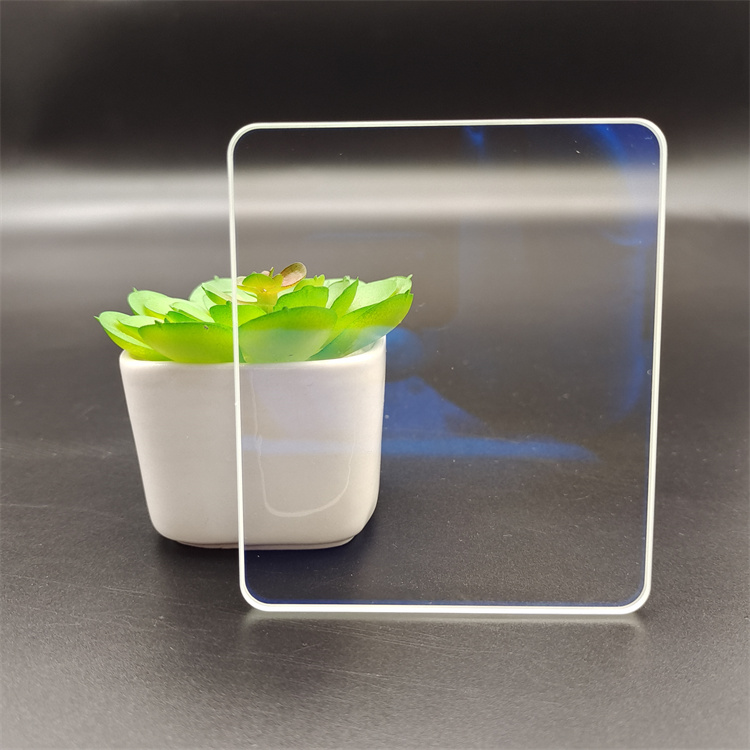
Both Sides Anti Reflective AR Coating 1mm 2mm 3mm 4mm Ultra Clear Tempered Glass
Recommended for display windows, industrial monitors and camera covers where reflection control and high transmission matter.
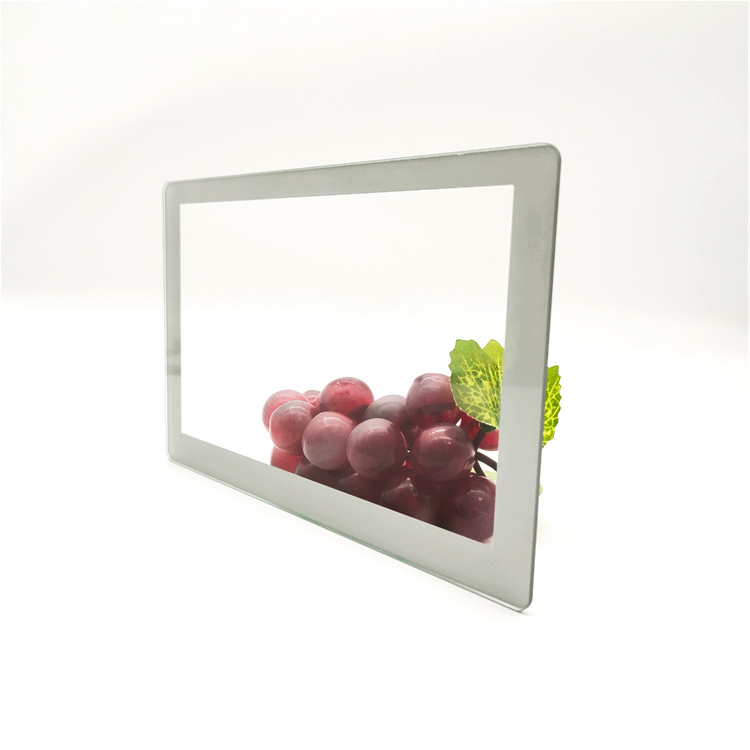
Customized High Strength Anti Glare Frosted Finish Tempered Glass LED/LCD Display Touch Panel for Monitor Screen Protector
A practical choice for outdoor kiosks, HMI panels and bright environments where diffused reflection improves readability.
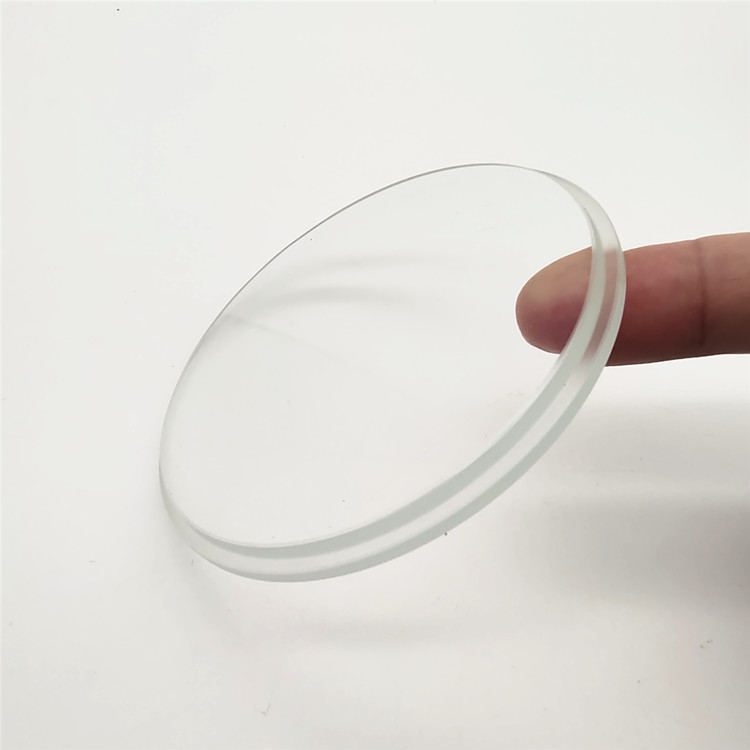
Factory Price 2mm 3mm 4mm 5mm 6mm 8mm 10mm Tempered Step Edge Glass
Suitable for equipment panels, decorative covers and assemblies that need a defined step edge and stable dimensional fit.
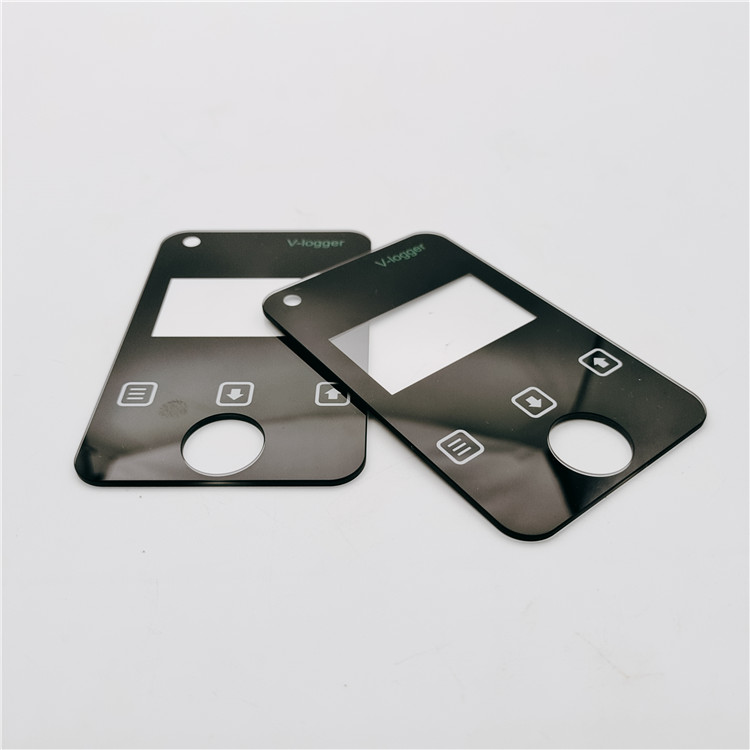
Customized Cut 1mm 2mm 3mm 4mm Instrument Printed Tempered Glass With Holes
Designed for instruments, control panels and sensor windows that require printed graphics plus precise drilled holes.
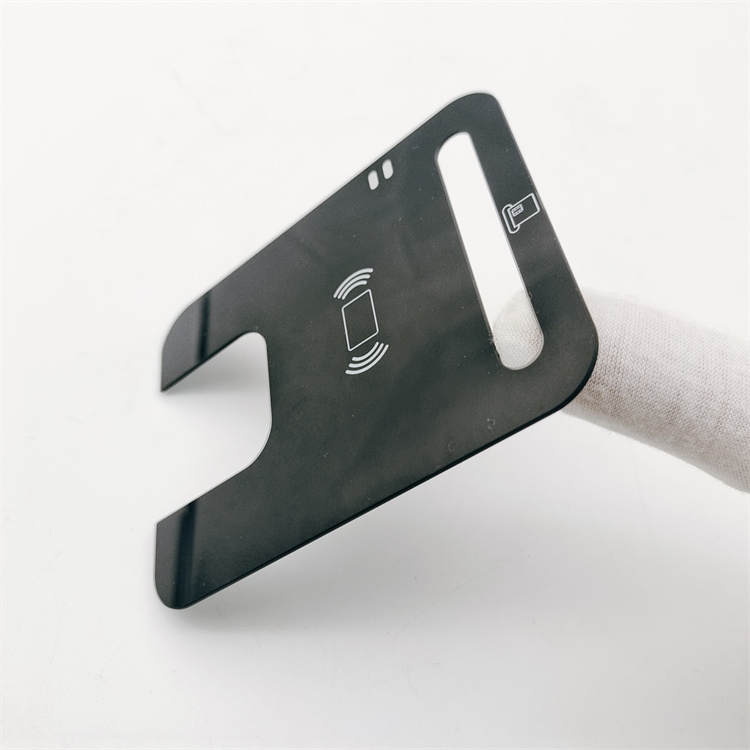
Custom Printed Tempered Glass Panel High Strength Decorative Cover with Hole for Card Reader Instrument
Recommended for POS terminals, card readers and compact instruments where brand graphics and a clean hole finish matter.
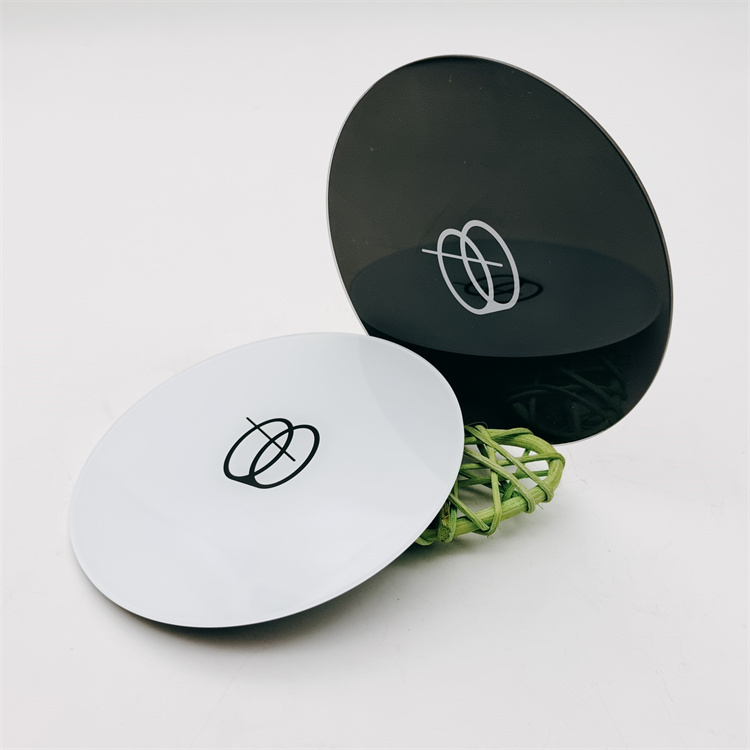
Black White Silk Screen Printing Toughened Glass Round Tempered Glass for Electric Appliance
A strong fit for appliance panels, switch plates and LED fixtures that need round outlines and durable ceramic or silk printing.
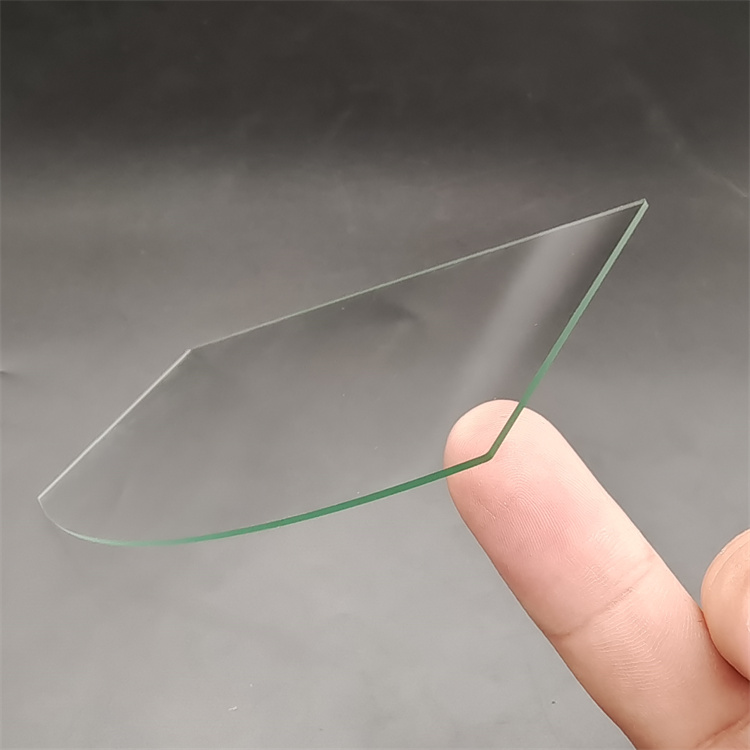
Any Size Custom 0.5/0.7/1/1.5/2/3mm Tempered Glass Screen Protector, Round Rectangle Triangle Customized Tempered Glass OEM ODM
Recommended for small electronics, wearables and custom screen protectors where outline, thickness and edge finish vary by model.
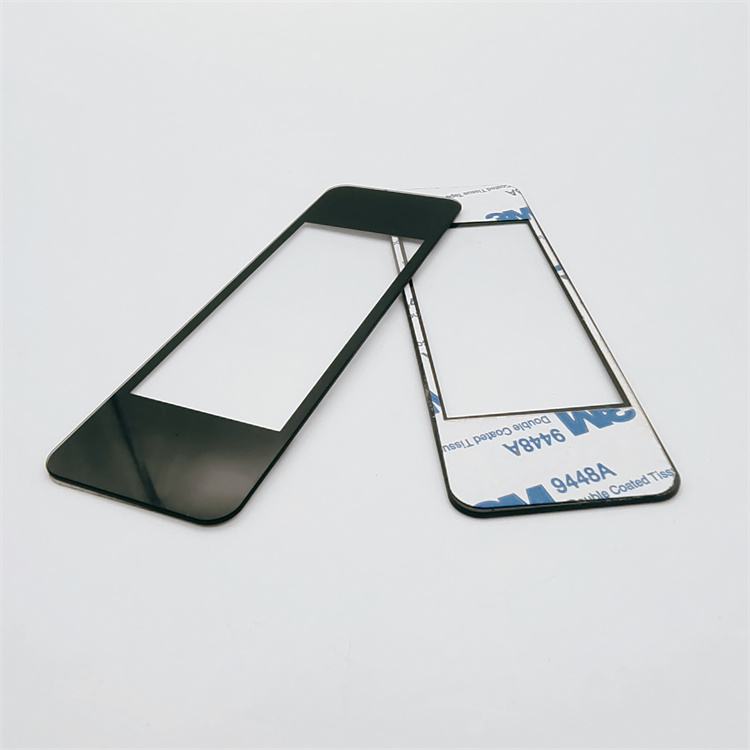
Ultra Thin 1mm Tempered Glass with 3M Tape for Screen Cover Glass
A production-ready option for brands that need simplified assembly, consistent adhesive placement and reduced line-side labor.
What Chemically Strengthened Glass Changes for OEM/ODM Buyers
Strength is only one part of a cover glass specification. The real cost of ownership is shaped by optical performance, edge quality, printing registration, coating durability and export packaging.
Chemically strengthened glass is not a single commodity. In an OEM/ODM program, it is a process window: glass composition, ion-exchange time and temperature, edge quality, hole-drilling sequence, printing cure profile and coating adhesion all interact. For thin cover glass — especially 0.2 mm to 1.1 mm electronic-grade substrates — chemical strengthening is often selected because it can raise surface compressive stress while limiting the optical distortion that may occur during thermal tempering.
For thicker flat panels, thermal tempering remains a proven and economical route. The right choice depends on thickness, outline complexity, hole density, expected impact load, operating temperature, cleaning chemicals and whether the part will be bonded with 3M tape or optically clear adhesive. A responsible manufacturer explains the trade-offs rather than quoting a strengthening method by name alone.
Information gain for buyers: a useful RFQ should state the application, drop or impact test, transmission and haze targets, surface roughness, printing colors, transparent window dimensions, adhesive type and annual volume. This allows the factory to select substrate, strengthening route, edge profile and coating stack before sampling. Incoming inspection should then verify dimensional Cpk, edge chip limits, hole-to-print registration, flatness, transmittance, haze, coating adhesion and abrasion resistance.
For exported projects, packaging is a quality process, not an afterthought. Interleaving, corner protection, moisture barrier and drop-tested cartons reduce hidden breakage and line-stoppage costs. Jaswe Glass reviews these points during engineering review so buyers can compare suppliers on total landed cost, not only unit price.
Engineering review checklist
- 2D / 3D drawing and critical tolerance zones
- Glass thickness, substrate and edge profile
- Hole, notch, step-edge and countersink limits
- AR / AG / AF targets: reflection, haze, roughness
- Printing colors, window clarity and alignment
- Adhesive, protective film and packing method
Ion Exchange Strength
Chemical strengthening creates surface compression that helps thin glass resist scratches and impact while keeping optical flatness under control.
Thermal Tempering Fit
For thicker panels, thermal tempering can deliver robust mechanical performance when geometry and hole design are properly reviewed.
Coating Stack Control
AR, AG and AF treatments must be matched to the viewing environment, touch interface and cleaning method — not simply added as a feature list.
Future Purchasing Trends for Custom Strengthened Glass
Buyers are shifting from price-only comparisons to supplier qualification based on process transparency, sampling speed, coating durability and export reliability.
Dual-Source Qualification
OEMs increasingly qualify a second glass supplier before launch. Documentation of cutting, tempering, printing and coating control becomes part of the sourcing decision.
Faster NPI Cycles
Smart-home, appliance and industrial HMI projects need quick sampling. Suppliers that combine engineering review and in-house processing shorten the loop from drawing to functional sample.
Coating Performance as a Line Item
AR, AG and AF are moving from marketing descriptors to measurable specifications: reflection, haze, roughness, adhesion and abrasion resistance.
Export Packaging as Risk Control
For international buyers, packaging failures create more disruption than small unit-price differences. Interleaved and edge-protected packing protects optical surfaces in transit.
Where buyer specifications are becoming more detailed
Directional project review indicator, not a statistical market forecast. It reflects the technical points that require earlier decisions in custom glass programs.
How Custom Glass Products Are Evolving
Product roadmaps increasingly combine strength, optical function, printed electronics aesthetics and assembly-ready features in one cover glass.
Thinner Strengthened Covers
0.2–1.1 mm electronic-grade glass continues to gain attention for compact devices, where weight, touch response and optical clarity overlap.
Combined AR + AG + AF
Displays for outdoor and interactive use increasingly require reduced reflection, glare diffusion and fingerprint resistance in a single stack.
Printed Glass with Clear Windows
Black borders, transparent windows, icons and hidden sensor zones demand tight print registration and clean window edges.
Larger One-Piece Covers
Appliance and equipment designs favor fewer seams, larger cover glass and step edges that simplify housing integration.
Adhesive-Ready Glass
Pre-applied 3M tape and controlled adhesive zones help assembly teams reduce labor, avoid misalignment and improve line throughput.
Smart Switch & HMI Glass
Smart home switches and industrial HMIs need scratch resistance, clean icon printing and stable touch performance after cleaning cycles.
Why Jaswe Glass Is a Practical OEM/ODM Partner
Dongguan Jaswe Glass Co., Ltd. combines an in-house process chain with export experience, documented trade history and responsive engineering review.
One In-House Process Chain
Cutting, CNC shaping, edge polishing, hole drilling, tempering, silk screen and ceramic printing, AG processing and AR / AF coating are coordinated under one quality system.
Production Capacity
26 glass processing machines and more than 80 workers support monthly output above 200,000 processed pieces for display, lighting and appliance projects.
Fast Engineering Response
Average response within 3 hours and a recorded response rate of 96.61% help overseas buyers keep sampling and launch schedules moving.
Dongguan Supply-Chain Location
Located in Dongguan, Guangdong, close to the electronics and appliance supply chain, with main markets in America, Europe and Asia.
Repeat Buyer Confidence
A 26% buyer reorder rate reflects repeat business from lighting, electronics and appliance customers who value consistent quality and communication.
Verifiable Trade Profile
Company profile, supplier assessment, trade capacity, transaction level and trade history are available for buyers who need supplier due diligence before sampling.
Company facts buyers often request
Location: Room 202, Building 1, No. 14 Weige Road, Shipai Town, Dongguan, Guangdong, China. Employees: 51–100. Annual revenue: US$2.5M–US$5M. Main markets: America, Europe and Asia. Supplier status: on-site verified, 6 years. Quality principle: “Scientific management, careful manufacture, high quality service, striving for excellence.”
For company due diligence, review the company profile, supplier assessment, trade capacity and trade history.
AR vs AG vs AF vs Ultra Clear: Which Glass Fits Your Product?
Use this engineering matrix during design review. Treatments can be combined — for example AG + AF for outdoor touch kiosks or AR + AF for high-transmission touch displays.
| Glass Type | What It Solves | Typical Applications | Engineering Tip |
|---|---|---|---|
| Ultra Clear / Low-Iron | Reduces the green tint of standard float glass for truer color reproduction | Display covers, LED lamps, premium appliance panels | Pair with white or light-color printing to avoid a green edge tone |
| AR Anti-Reflective | Cuts surface reflection and increases contrast and light transmission | Medical and industrial monitors, display windows, camera covers | Specify single- or double-sided coating; double-sided gives the largest optical gain |
| AG Anti-Glare | Diffuses reflected light so screens remain readable under strong ambient or outdoor light | Outdoor kiosks, vehicle HMIs, industrial displays, digital signage | Select haze and roughness by viewing distance and screen resolution |
| AF Anti-Fingerprint | Repels oil and sweat to keep touch surfaces cleaner and smoother | Capacitive touch panels, smart switches, POS terminals | Apply as the final layer over AR or AG for touch products |
| Silk Screen Printed Tempered | Hides wiring and adds logos, icons, borders and display windows | Switch plates, appliance controls, instrument panels | Send Pantone codes and the transparent window size with your drawing |
Final optical values depend on glass thickness, substrate and coating stack. Sample testing is recommended before mass production.
From Drawing to Production Release
A clear workflow helps overseas buyers compare quotations on the same technical basis and avoid late-stage changes.
Send Requirements
Drawing, thickness, edge type, holes, printing, coating, adhesive and annual volume.
Engineering Review
Manufacturability check, process route and risk points before quoting or sampling.
Sampling
Physical samples for fit, color, optical performance and assembly trial.
Production & Packing
Batch production with in-process inspection and export-safe packaging.
Questions Overseas Buyers Ask Most
Practical answers for OEM/ODM glass sourcing, sampling and production planning.
What glass thickness can Jaswe Glass process?
Our current range covers ultra-thin electronic-grade glass from 0.2 mm up to 19 mm flat tempered glass. The most requested thicknesses for display and touch covers are 0.5, 0.7, 1, 2, 3 and 4 mm. For chemically strengthened projects, the final recommendation depends on substrate, outline, hole density and impact requirement.
What is the minimum order quantity for custom glass?
Most custom items start at 100–500 pieces, depending on size, printing and coating. Standard clear tempered pieces can be supplied in smaller sample quantities for evaluation. For OEM/ODM projects, it is useful to share annual volume and launch schedule so the quotation can reflect realistic setup and inspection costs.
What is the difference between AR, AG and AF glass?
AR anti-reflective coating reduces surface reflection to increase light transmission and contrast. AG anti-glare treatment diffuses reflected light so screens stay readable under strong ambient or outdoor light. AF anti-fingerprint coating is an oleophobic top layer that resists smudges on touch surfaces. All three can be combined on one cover glass when the application justifies the optical stack.
Which processes are done in-house?
Cutting, special-shaped and CNC cutting, edge polishing, hole drilling, tempering, silk screen and ceramic printing, AG processing and AR / AF coating. Keeping these steps coordinated reduces handling risk and makes it easier to control print registration, edge quality and coating appearance.
What is your production capacity?
With 26 glass processing machines — including tempering, edge polishing, silk screen printing and automatic cutting equipment — and more than 80 workers, monthly output exceeds 200,000 pieces of processed glass. Capacity planning is reviewed against drawing complexity, coating steps and packing requirements.
How do I start a custom glass project?
Send your drawing in DXF, DWG or PDF with thickness, edge type, hole positions, printing colors, coating requirement, adhesive preference, application and estimated annual quantity. Our engineers review manufacturability before samples are made. You can also use the Contact Us button to start a live inquiry.
Have a Drawing Ready? Get an Engineering Review.
Share your specifications for chemically strengthened, tempered, printed or coated glass. Our team will review thickness, edge, hole, printing, optical coating and packaging requirements before sampling.
Email: info@jasweglass.com · Dongguan Jaswe Glass Co., Ltd. · Custom Tempered · Ultra Clear · AR / AG / AF Coated Glass