8 Touch Control Glass Products Recommended for OEM/ODM Buyers
The eight items below are drawn from the current Jaswe Glass product line. Each is a customizable starting point for drawing review: thickness, outline, edge profile, holes, printing colors, optical coating, adhesive and export packaging can be specified around the final device.
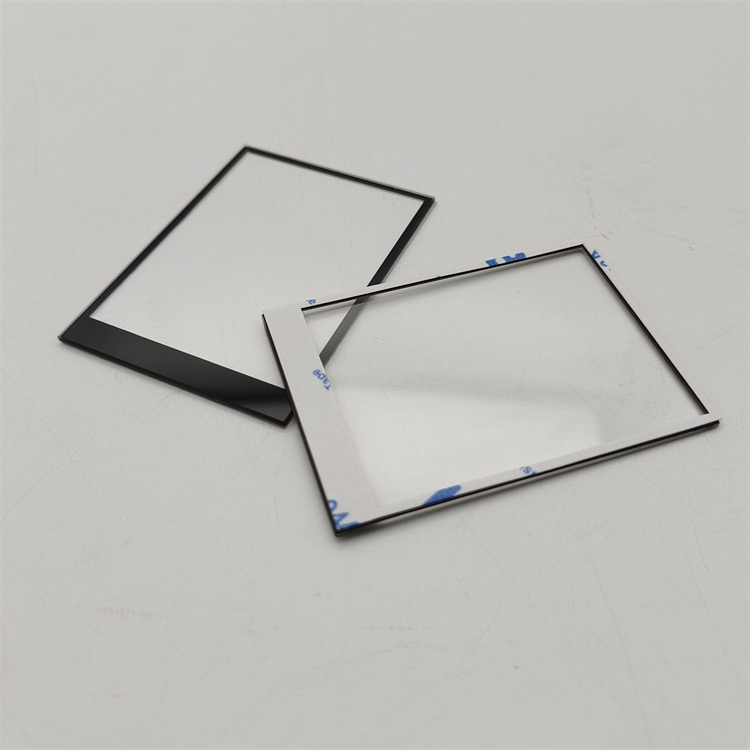
Small Size Ultra Thin 0.5mm 0.7mm 1mm Tempered Glass Panel With Adhesive Tape for Screen Protection
A practical option for compact touch keys, control windows and screen protection where a thin profile and repeatable adhesive bond matter.
View product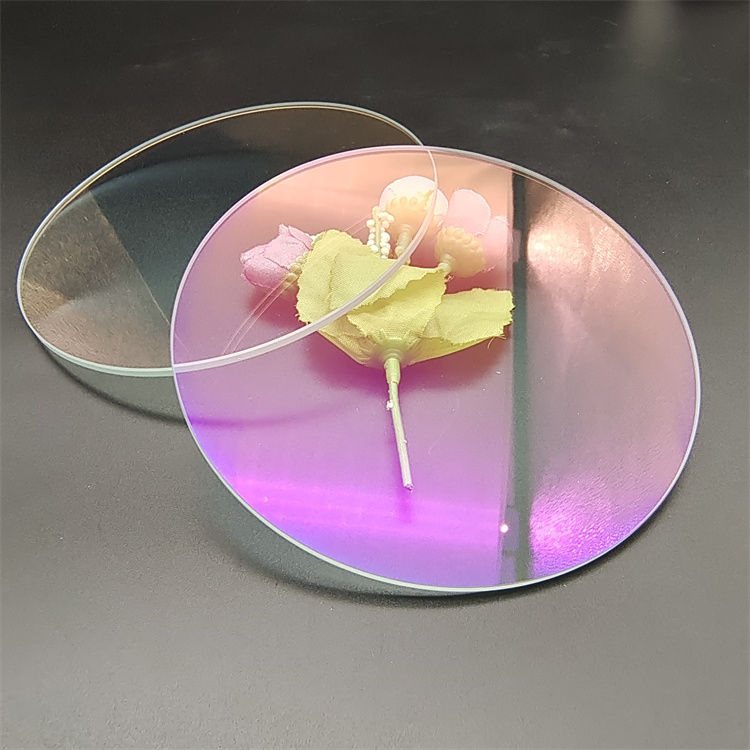
Premium Quality Ultra Clear Anti Reflective Solid High Strength 1mm 2mm 3mm 4mm 5mm 6mm Flat Tempered Glass Coating
For display windows and HMI covers that need lower surface reflection, stronger contrast and a cleaner optical appearance.
View product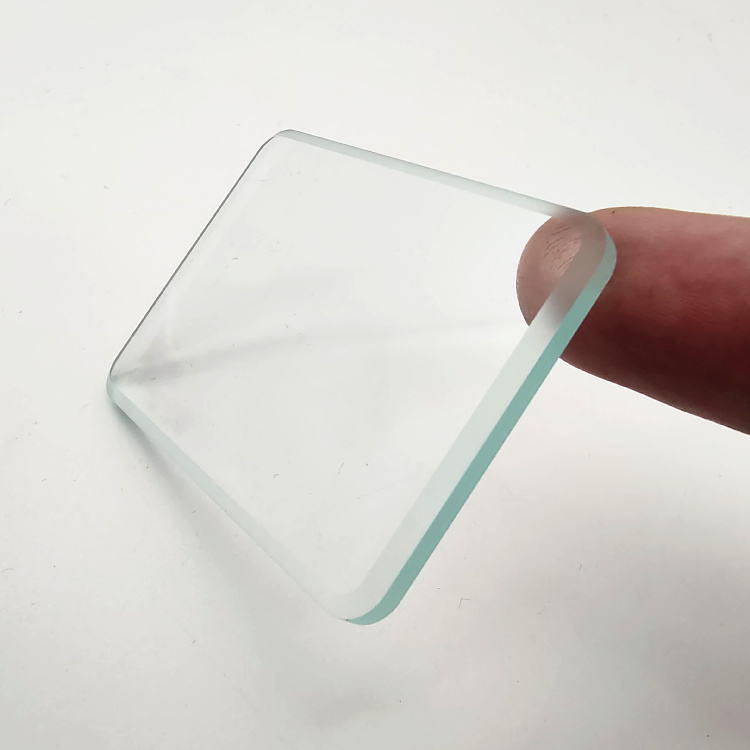
Custom Small Dimensions Tempered Beveled Edge Glass for Sale
Designed for small-format control plates and exposed-edge designs where edge appearance and safe handling are part of the specification.
View product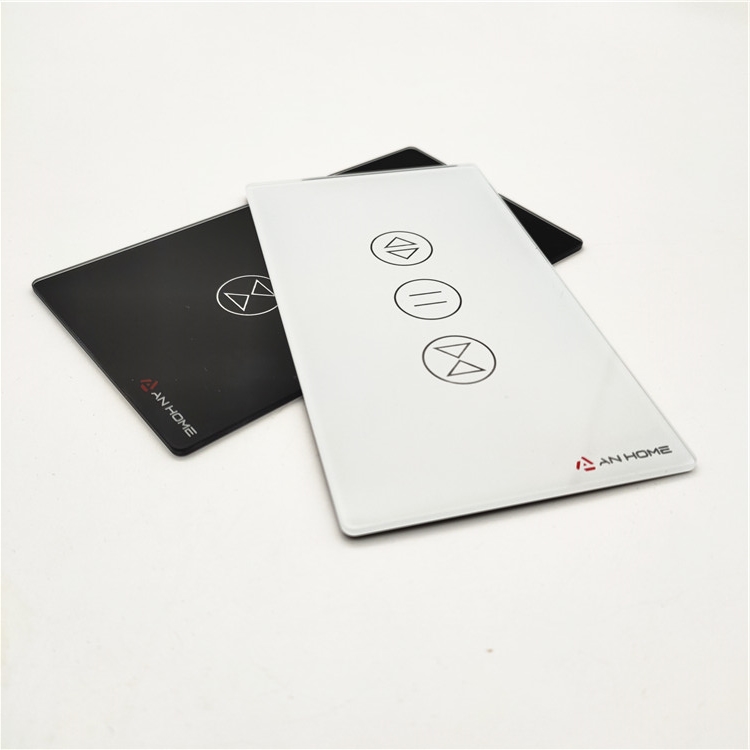
Home Smart WiFi Remote Control Touch Tempered Glass Screen-Printed Glass Switch Glass Panels Curtain Control Glass
A smart-home glass panel for WiFi curtain, lighting and scene control, with printed icons and touch windows aligned to the enclosure.
View product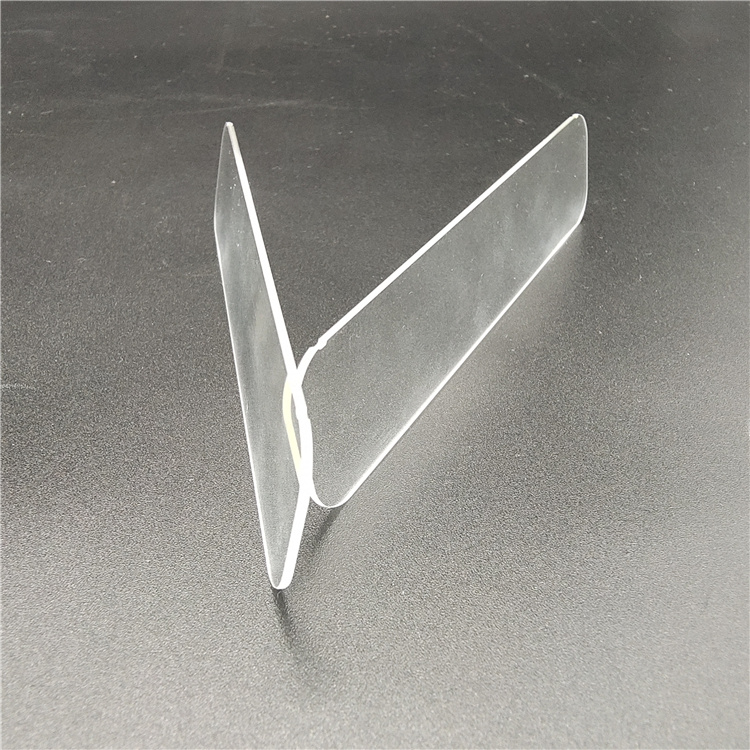
Custom Extra White 0.5mm 1mm 1.5mm 2mm Low Iron Tempered Glass Chemical Strengthened
Low-iron and chemical-strengthened glass for white appliances and color-critical displays where a green edge tone is unacceptable.
View product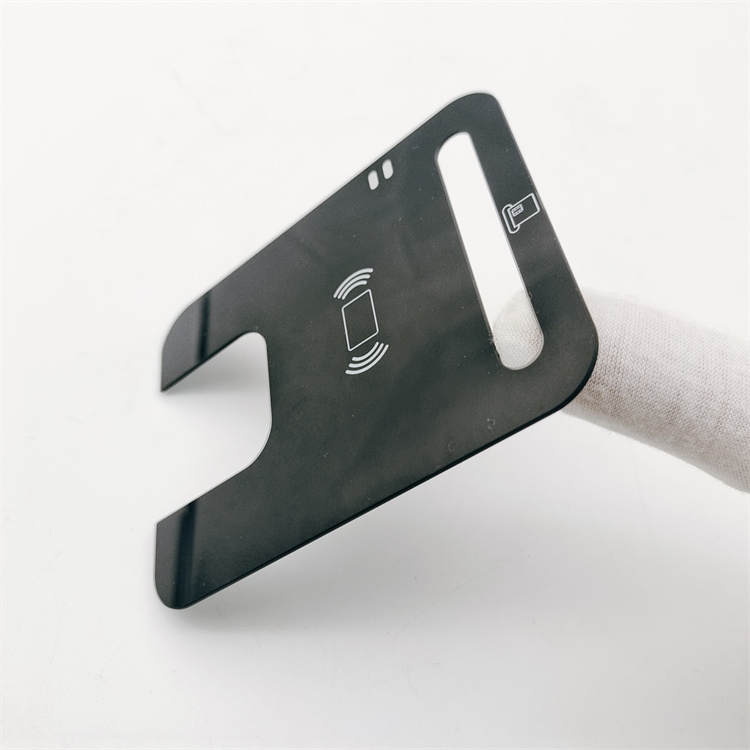
Custom Printed Tempered Glass Panel High Strength Decorative Cover with Hole for Card Reader Instrument
For card readers, payment instruments and kiosk modules, specified with hole position, print window and tolerance stack in mind.
View product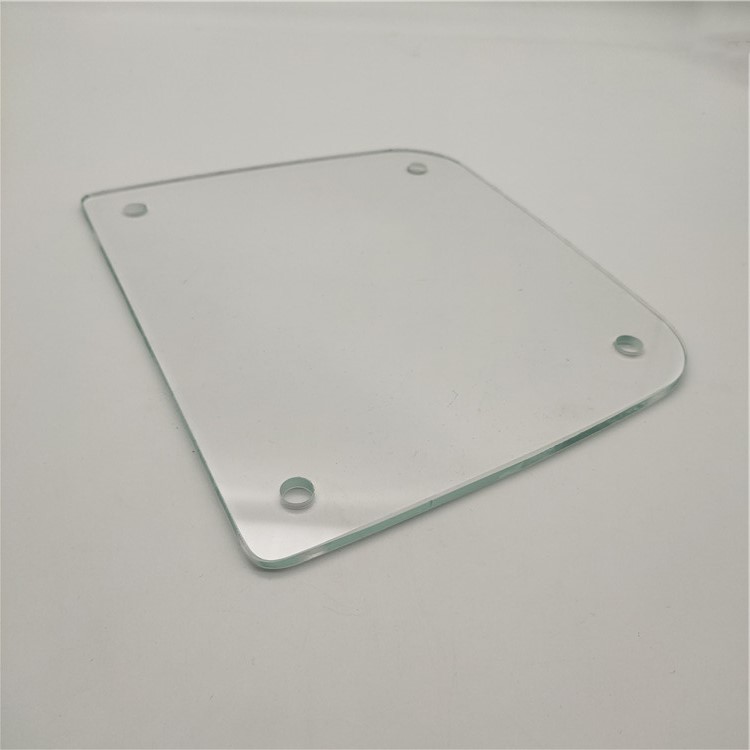
Ultra Clear Tempered Glass Customized Design with Cut Holes for Led Light Cover
Ultra clear cover glass with cut holes for lighting fixtures and decorative panels, available with ceramic printing for masking.
View product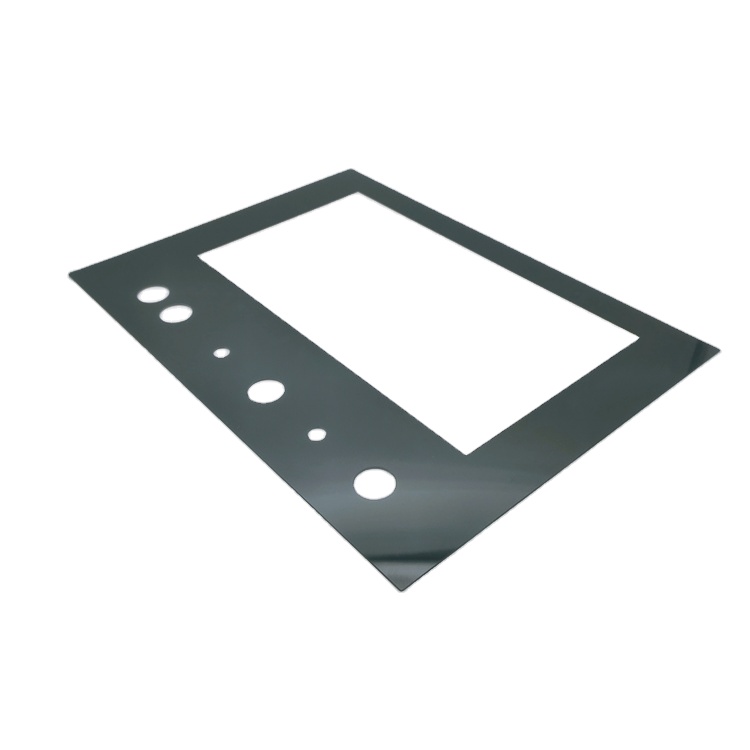
Customized Printed 0.5-6mm Thickness Flat Tempered Glass Screen Protector with Cut Holes
A flexible custom screen protector with printed graphics and cut holes for control panels that combine readability with abrasion resistance.
View productThe Real Specification Behind OEM/ODM Touch Control Glass
Touch control glass is often purchased as if it were a commodity defined only by thickness and outline. In production, the economics are driven by the interaction of substrate clarity, strengthening stress, print registration, coating haze, edge micro-chipping and adhesive bonding. Two 1 mm panels can look identical in a photograph and behave differently after 85°C/85% RH aging, repeated touch cleaning or an export carton drop.
Search intent in this category is unusually mixed. A smart-switch brand may need an OEM glass panel with printed icons and a hidden touch window. A wholesaler may be comparing MOQ, repeatability and breakage rate. An industrial buyer may need an AR/AG-coated cover for a control interface used under strong ambient light. A strong supplier page therefore has to answer engineering, procurement and risk questions together — not simply list sizes.
The most valuable procurement question is not “What is the price per square meter?” but “Which process window remains stable after printing, coating, bonding and transit?” That is where information gain begins: documenting the process chain, inspection points and qualification route before a purchase order is released.
For wholesale programs, landed cost is also shaped by yield. A lower quoted piece price can disappear quickly if print registration drifts, coating haze varies by batch, or packaging allows edge damage during international transport. Buyers should compare suppliers on process ownership, inspection discipline and reorder consistency — not on unit price alone.
What changes the landed cost?
- Yield at printing and coating, not the raw glass sheet price
- An inspection standard agreed before mass production
- Coating durability on the actual touch surface
- Edge protection and interleaving for export cartons
- Engineering response time when a drawing needs DFM review
Six Variables That Decide Touch-Control Glass Performance
Thickness is only the starting point. For touch control panels, the functional surface and the hidden process chain matter just as much as the drawing dimensions.
Substrate clarity
Low-iron and ultra clear glass reduce the green edge tint of standard float glass, which matters for white appliances, smart switches and premium display windows.
Strengthening route
Thermal tempering and chemical strengthening produce different stress profiles. The right route depends on thickness, hole density, edge geometry and impact requirements.
Print and window registration
Printed icons, black masks and transparent display windows must align with the housing and touch sensor. Artwork, ink color and window tolerance belong on the drawing.
Optical coating stack
AR lowers reflection, AG diffuses glare and AF resists fingerprints. Combined stacks must be qualified on the final glass thickness and surface finish.
Edges, holes and tolerance stack
Beveled, pencil-polished, stepped and matte edges affect handling safety and appearance. Hole position tolerance must be reviewed against the adhesive and enclosure.
Adhesive and assembly cleanliness
Optical bonding, OCA, adhesive tape and gasket design influence bubbles, touch sensitivity and reliability. Assembly cleanliness protects the print and coating.
OEM/ODM Touch Control Glass Procurement Trends
Buyers are moving from transactional glass purchasing toward qualified program supply. The shift changes how suppliers are selected and how samples are approved.
Program supply over spot buying
OEMs increasingly qualify a process rather than a single lot. They want documented thickness, print colors, coating type and inspection criteria repeated across reorders.
Smaller qualification batches
Brand teams prototype faster and need samples that represent production conditions. For custom items, typical starting quantities are often 100–500 pieces depending on size, printing and coating.
Traceability enters the specification
Buyers ask for inspection records, batch identification, packaging counts and consistent labels. Traceability shortens root-cause analysis when a defect appears after assembly.
Landed cost replaces piece price
Wholesalers now compare breakage rate, re-inspection cost, replacement cycle and engineering response time alongside the quoted unit price.
Touch Control Glass Development Trends Buyers Should Monitor
Glass is becoming a visible design element as well as a protective component. These trends influence tooling, sampling and supplier selection.
Thinner but stronger cover glass
Electronic-grade glass from 0.2 mm upward is used in compact devices, while chemical strengthening helps thin covers survive handling and touch loading.
AR + AG + AF combined
Outdoor kiosks, industrial HMIs and premium touch panels increasingly combine anti-reflective, anti-glare and anti-fingerprint functions on one cover.
Smart switch glass as a design surface
Curtain controls, scene switches and thermostat panels use printed tempered glass to create a seamless wall interface with hidden touch keys.
Hidden displays and black-print windows
Black masking and transparent windows create “display-off” aesthetics. Registration between printed graphics and the visible window becomes a key quality metric.
Sustainable export packaging
Reducing plastic while protecting glass edges requires redesigned interleaving, corner protection and carton testing — especially for wholesale sea freight.
Outdoor and industrial HMI durability
Machine control panels and outdoor terminals require covers that resist glare, cleaning agents and surface wear without compromising touch response.
AR vs AG vs AF vs Ultra Clear: Which Touch Control Glass Fits Your Product?
Treatments can be combined. For example, AG + AF is common for outdoor touch kiosks, while AR + AF suits high-contrast indoor displays that are frequently touched.
| Glass Type | What It Solves | Typical Touch-Control Uses | Engineering Note |
|---|---|---|---|
| Ultra Clear (Low-Iron) | Reduces the green tint of standard float glass for truer color | Smart switch plates, white appliance panels, display covers | Pair with white or light-color printing to avoid a greenish edge tone |
| AR Anti-Reflective | Cuts surface reflection and increases contrast and transmittance | Medical monitors, industrial HMIs, camera windows, display covers | Specify single- or double-sided coating; double-sided gives the larger optical gain |
| AG Anti-Glare | Diffuses glare from sunlight or overhead lighting | Outdoor kiosks, vehicle interfaces, industrial control panels | Select gloss or haze level by viewing distance and screen resolution |
| AF Anti-Fingerprint | Repels oil and sweat on frequently touched surfaces | Capacitive touch panels, smart switches, POS terminals | Apply as the final layer over AR or AG for touch products |
| Silk Screen / Ceramic Printed Tempered | Hides wiring and adds logos, icons and display windows | Switch plates, appliance controls, instrument panels | Send Pantone codes, artwork and transparent window dimensions with the drawing |
| Chemical Strengthened Thin Glass | Improves strength in thin sections where thermal tempering is limited | 0.5–2 mm touch covers, smart home panels, compact devices | Review hole density, edge quality and impact requirement before choosing the route |
Final optical values depend on glass thickness, substrate and coating stack. Sample testing under the actual lighting and cleaning conditions is recommended before mass production.



Why Dongguan Jaswe Glass Is a Practical OEM/ODM Touch Control Glass Partner
Dongguan Jaswe Glass Co., Ltd. is a glass processing company based in Shipai Town, Dongguan, Guangdong, China. It supplies custom tempered glass, ultra clear glass, silk screen printed glass, switch glass, AR/AG/AF coated glass, electrical equipment glass and LED lighting glass to buyers in America, Europe and Asia. The product range covers 0.2–19 mm flat tempered glass, with 0.5, 0.7, 1, 2, 3 and 4 mm among the most requested thicknesses for display and touch covers.
With 26 glass processing machines and more than 80 skilled workers, monthly output exceeds 200,000 processed glass pieces. Most of the 80+ operators have over eight years of hands-on glass processing experience. Cutting, special-shaped and CNC cutting, edge polishing, hole drilling, tempering, silk screen and ceramic printing, AG processing and AR/AF coating are kept in-house.
Trade data shown on the original website also includes 51–100 employees, annual revenue of US$2.5M–US$5M, on-site verified supplier status for six years, an average response time of ≤3 hours, a 96.61% response rate and a 26% buyer reorder rate. The company’s stated principle is “Scientific management, careful manufacture, high quality service, striving for excellence.”
For wholesale and OEM buyers, this structure matters because responsibility for outline accuracy, print registration, edge quality and coating performance stays with one process owner. When a defect appears, the cause can be traced through a single in-house route rather than split across several subcontractors.
One process owner
Cutting, CNC shaping, edging, drilling, tempering, printing and coating are coordinated under one quality system.
Inspection across stages
Checks at cutting, edging, tempering, printing and coating help catch defects before packing and export.
Fast engineering replies
The original website reports an average response within 3 hours and a 96.61% response rate to buyer messages.
How to Qualify a Touch Control Glass Supplier Before Mass Production
A disciplined qualification route is cheaper than discovering a print, coating or packaging problem after assembly.
Define the drawing
Provide DXF, DWG or PDF with thickness, outline, edge type, hole positions, print colors, transparent windows and coating requirement.
Review manufacturability
Confirm tolerance stack, glass stress risk around holes, print registration area and whether the selected coating works on the chosen substrate.
Approve physical samples
Check fit, color, icon clarity, haze, gloss, reflection and edge appearance under the actual lighting and housing conditions.
Lock inspection and packing
Agree cosmetic limits, functional tests, carton interleaving and reorder documentation before the first production batch.
Touch Control Glass Procurement FAQ
Common questions from OEM, ODM and wholesale buyers evaluating custom glass panels.
What is OEM/ODM touch control glass?
What glass thickness can Jaswe Glass process?
What is the minimum order quantity for custom touch control glass?
Can you print logos, icons, borders and transparent display windows?
What is the difference between AR, AG and AF glass?
Which processes are done in-house?
How do I start a custom glass project?
What production capacity and quality controls are available?
Ready to Turn Your Touch-Control Drawing Into a Qualified Glass Part?
Share your DXF/DWG/PDF, target thickness, edge type, print colors, coating requirement, application and estimated annual volume. The engineering team will review manufacturability and recommend a process route before sampling.
info@jasweglass.com