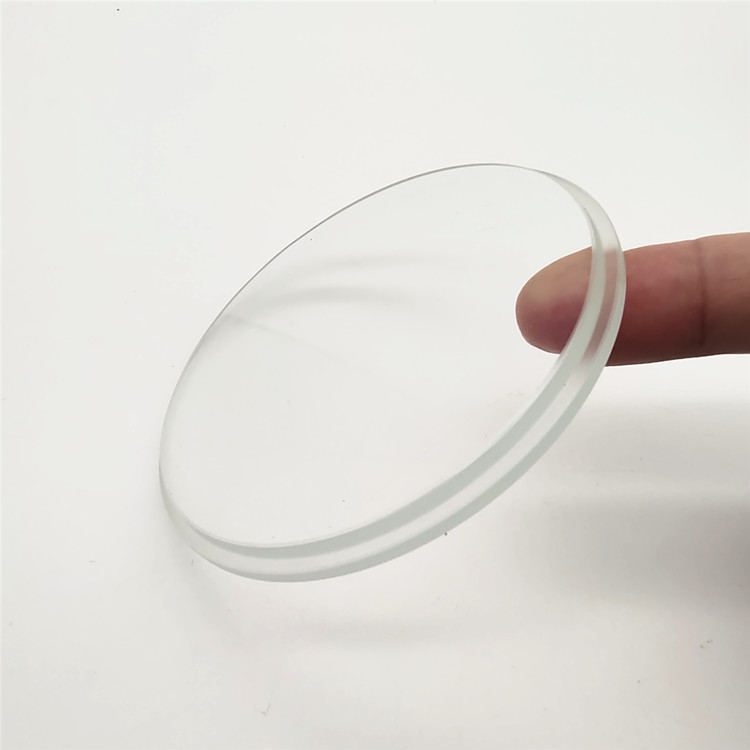
Curved Glass Sourcing Intelligence · 2025 Edition
Top 10 Curved Glass Factories & Wholesaler
A buyer-side white paper on curved, tempered and optically coated glass — how to shortlist a factory, what is genuinely changing in procurement, and which manufacturing signals predict a clean shipment instead of a costly claim.
Wholesale Catalogue · Curved-Ready & Flat
Tempered, Ultra Clear & Coated Glass Products for Custom Programs
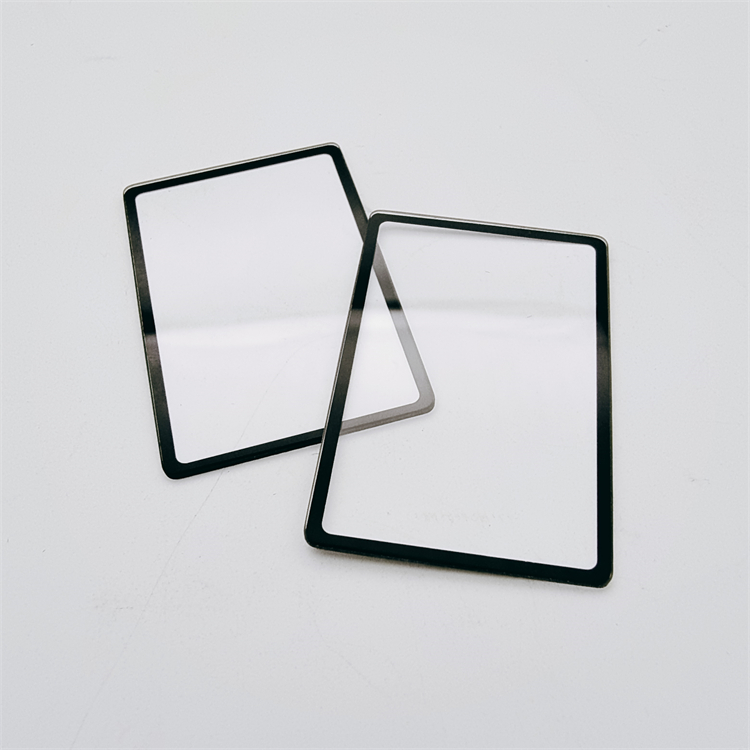
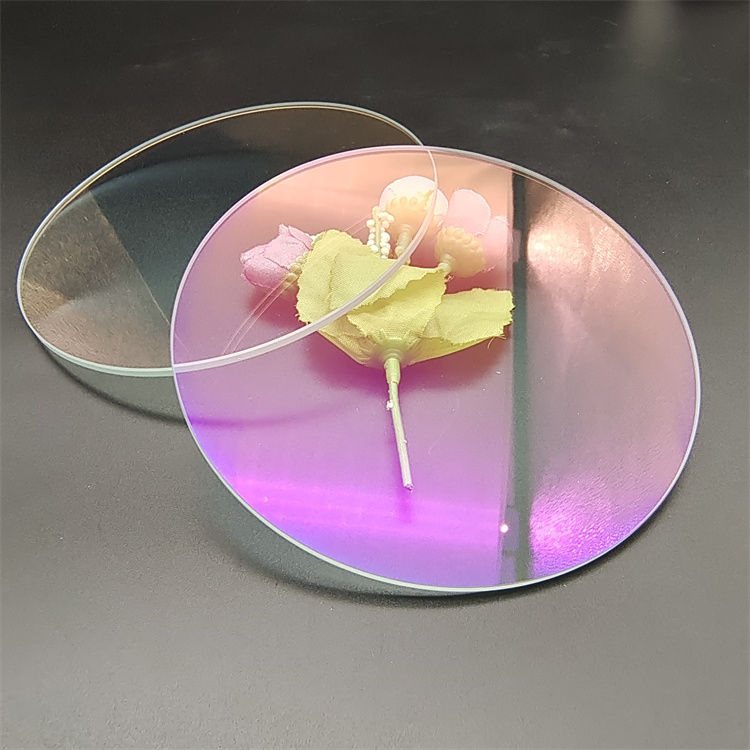
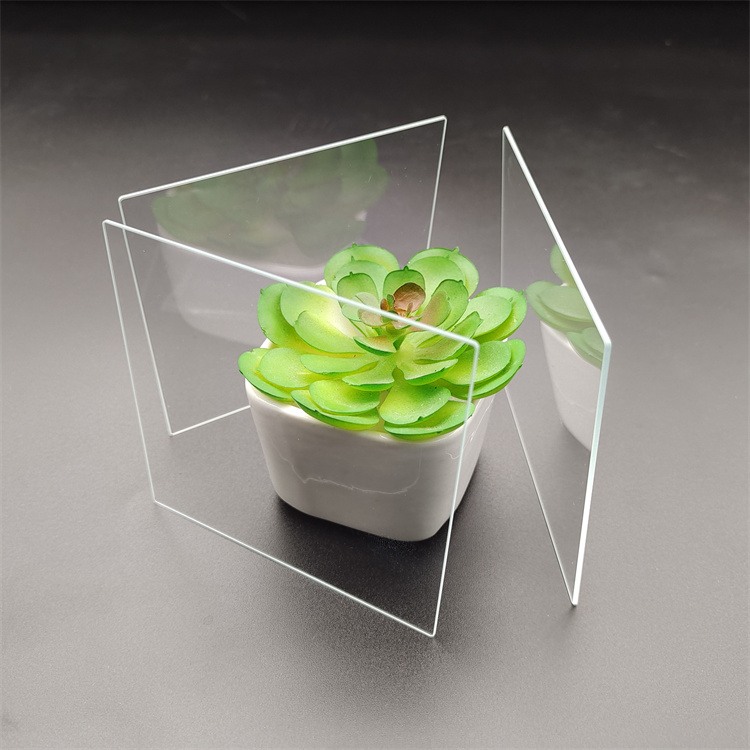
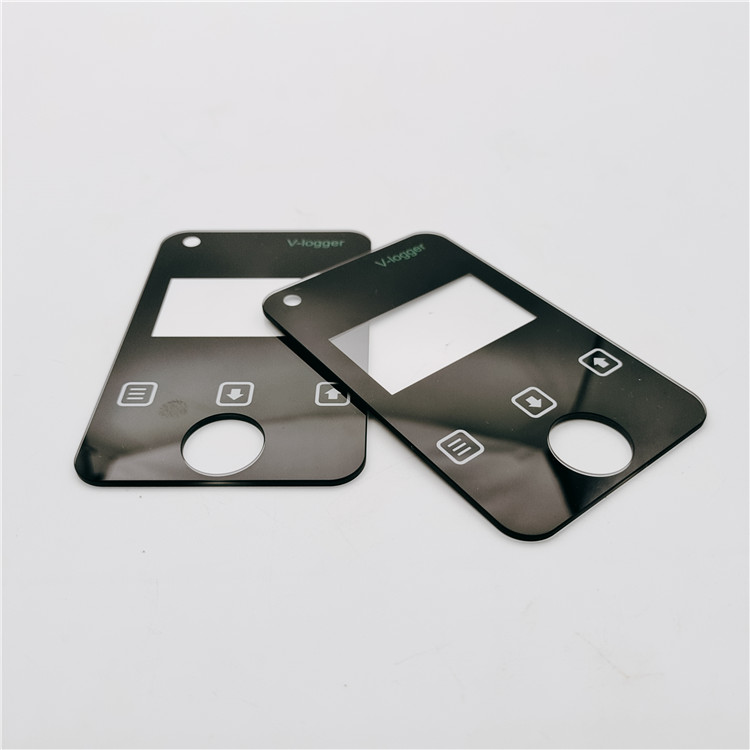
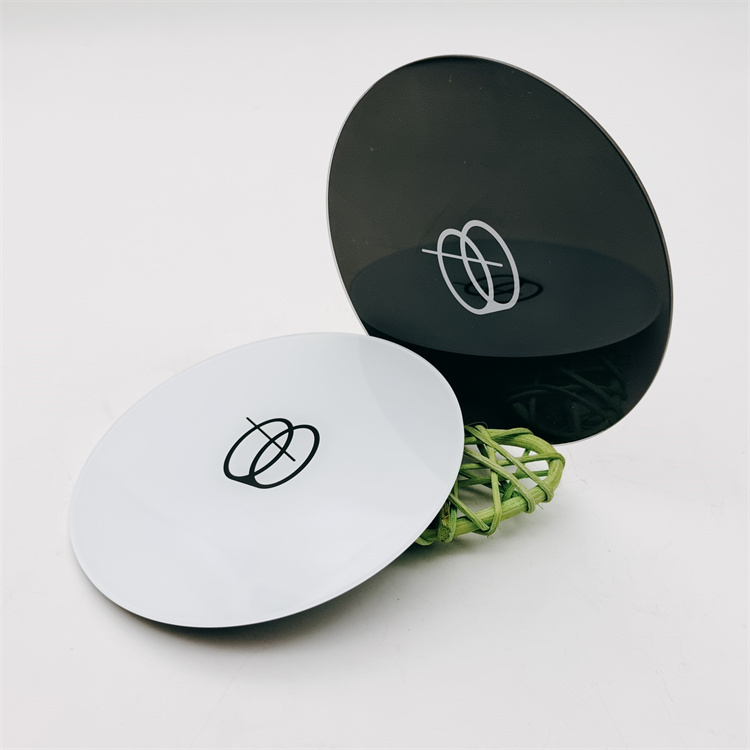
Every item below is fabricated to drawing — thickness, outline, drilled holes, ceramic printing and AR / AG / AF coating are specified per project. Minimum order quantities start at 100–500 pieces.


Supplier Capability Snapshot
What the Numbers Behind a Glass Factory Actually Tell You
Capacity claims are easy to print. These are the figures that can be verified against trade-platform records, on-site audits and repeat order history — the same figures we recommend you request from every factory on your shortlist.
80+Skilled glass operators
26Processing machines incl. tempering furnace
200K+Pieces of processed glass per month
96.61%Buyer inquiry response rate
≤3hAverage engineering reply time
26%Buyer reorder rate across markets
Procurement Trends 2025–2030
Six Shifts Reshaping How Curved Glass Is Bought
These are the changes our engineering team sees in incoming RFQs from North American, European and Asian buyers — not broad market commentary, but patterns repeated across dozens of drawings every quarter.
Curved Covers Move Beyond Phones
2.5D and 3D profiles are now specified for automotive HMI panels, smart thermostats, premium appliance fascias and wall switches. The practical consequence for buyers: drawings must now carry bend radius, profile tolerance and optical distortion limits, not just length, width and thickness.
AR / AG / AF Becomes the Default
Optical treatment used to be an upsell. Today designers pre-select it by environment: double-sided AR for medical and industrial monitors, diffuse AG for outdoor kiosks, AF for any capacitive touch surface. Keeping all three coating steps in-house removes the biggest hidden lead-time risk — outsourced optical processing.
Dual-Sourcing Becomes Standard
Buyers increasingly maintain one domestic finisher plus one Asian processor for each part number. Winning that second slot now depends less on unit price and more on whether a factory can produce documented capacity, a written deviation process and a first-article inspection report during the trial run.
Lower MOQs, Faster Sampling
Custom glass used to imply a 500–1,000 piece entry ticket. Today 100–200 pieces is common, and clear tempered standards can go lower for evaluation. Unit cost rises slightly at the sample stage, but scrap risk and tooling exposure fall sharply — a far better trade for small and mid-size brands.
Traceability Ships With the Carton
"We checked it" is no longer an acceptable quality statement. Buyers now request AOI reports, coating adhesion results, flatness readings, thickness logs and printed-color measurements with stated pass/fail thresholds against each batch, so a claim can be resolved with data rather than photographs.
Thinner, Stronger, Lighter
Chemically strengthened 0.2–1.1 mm glass is replacing thicker thermally tempered glass in lightweight stacks. This matters most when the design includes a bend, because thinner glass forms more predictably while retaining surface strength after the shaping step.
Manufacturing Roadmap
How Curved Glass Production Itself Is Evolving
Process changes matter to buyers because each one alters what you must specify on a drawing — and what you should demand in the inspection report.
| Process Trend | What It Changes | What to Ask the Factory |
|---|---|---|
| 3D hot bending + CNC finishing | Near-net-shape bending improves repeatability; CNC then completes bevels, notches and holes. | Profile report, radius tolerance, and stress-test data taken after the bend. |
| Chemical vs. thermal strengthening | Chemical strengthening suits thin glass and glass with drilled holes; thermal tempering is more economical on thicker flats. | Strength rationale by thickness and hole spacing; surface compression and ball-drop data. |
| Etched AG vs. sprayed AG | Etched anti-glare cannot delaminate or wear through; sprayed coatings are easier to tune for haze level. | Haze and gloss values plus an abrasion test (steel wool or eraser cycles). |
| Vacuum-deposited AR stacks | Multi-layer coatings push reflection well under 1%, but demand clean coating lines and ageing checks. | Single or double side; measured transmittance and reflectance curves, not just a headline percentage. |
| Laser cutting and fine grinding | Fewer micro-cracks at the cut edge and cleaner micro-holes in thin substrates. | Edge chipping limit, hole diameter tolerance, and whether edges are polished after cutting. |
| AOI automated optical inspection | Defect screening moves from sampling to full inspection, which changes how claims are negotiated. | The defect acceptance standard (AQL) and the actual defect imagery shipped with the batch. |
| Low-temperature and halogen-free inks | Printing is adjusted to meet RoHS and REACH requirements in North America and the EU. | Written ink compliance declarations and colour-fastness test results. |
Optical and strength values always depend on substrate, thickness and coating stack. Approve physical samples before releasing mass production.
Supplier Profiles
Top 10 Curved Glass Factories & Wholesaler Types — Ranked by Fit
Rather than printing a list of brand names that changes every quarter, we ranked the ten supplier models overseas buyers actually shortlist, in order of how well each handles a full custom program from drawing to repeat order.
Full-Service Custom Glass Processor (the Jaswe Glass model)
Cutting, CNC shaping, edge polishing, drilling, tempering, silk-screen and ceramic printing plus AR / AG / AF coating under one roof, covering 0.2–19 mm thickness with 200,000+ pieces per month.
Architectural Bent-Glass Specialists
Large-format curved tempered and laminated glass for facades, balustrades, canopies and retail interiors, usually working to structural engineering drawings.
Automotive Glass Forming Plants
Windshields, sunroofs and side glazing produced under automotive quality systems, with strict optical distortion and head-impact compliance requirements.
Appliance Control Panel Glass Factories
Black and white silk printing, transparent touch-key windows, ceramic inks and adhesive backing for hobs, ovens, range hoods and washing machines.
LED Lighting Glass Cover Manufacturers
Round, linear and rectangular covers for downlights, panel lights and wall washers, combining ceramic borders, drilled holes and matte or polished edges.
Ultra-Thin Electronic Glass Processors
0.2–1.1 mm chemically strengthened substrates for touch stacks, sensor covers and lightweight electronic enclosures, often paired with anti-fingerprint coating.
Optical Coating Houses
Specialists in vacuum AR stacks, anti-glare etching and oleophobic top layers, sometimes coating glass that other factories have already cut and printed.
Touch Screen Cover Glass Suppliers
CNC-shaped, chemically strengthened and printed cover lenses supplied to display-module integrators, frequently with ITO or sensor lamination in the same chain.
Regional Stocking Wholesalers
Distributors holding standard sizes and thicknesses ready to ship, offering short lead times and low minimums from local inventory.
Trading Companies with Partner Factories
Sourcing agents that coordinate several workshops, useful for multi-material projects or when a buyer has no on-the-ground presence in Asia.



Why This Factory Belongs on Your Shortlist
Dongguan Jaswe Glass Co., Ltd. — Custom Tempered, Printed and Coated Glass
Based in Dongguan, at the centre of China's electronics supply chain, Jaswe Glass designs, processes and exports tempered glass, display glass, touch screen glass, silk screen printed glass, switch glass, AR / AG / AF coated glass, electrical equipment glass and LED lighting glass.
Most of the 80-plus operators have more than eight years of hands-on processing experience. That depth matters on demanding jobs — 0.2 mm ultra-thin cover glass, multi-colour printing with transparent display windows, or a stepped edge that must remain optically clean after tempering — where small handling errors turn into visible defects.
"Scientific management, careful manufacture, high quality service, striving for excellence."
- Location
- Dongguan, Guangdong, China
- Employees
- 51–100 people
- Annual Revenue
- US$2.5M – US$5M
- Main Markets
- America · Europe · Asia
- Equipment
- 26 machines incl. tempering furnace
- Supplier Status
- On-site verified · 6 years
Buyer's Selection Matrix
AR vs AG vs AF vs Ultra Clear — Which Glass Fits Your Product?
Our engineers use this matrix during design review. Treatments combine: AG + AF is the usual answer for an outdoor touch kiosk, while AR + AF suits a high-contrast indoor touch display.
| Glass Type | What It Solves | Typical Applications | Engineering Tip |
|---|---|---|---|
| Ultra Clear (Low-Iron) | Removes the green tint of standard float glass for true colour reproduction. | Display covers, LED lamps, premium appliance panels. | Pair with white or light-colour printing to avoid a greenish edge tone. |
| AR Anti-Reflective | Cuts surface reflection and raises contrast and transmittance. | Medical and industrial monitors, display windows, camera covers. | Specify single or double side — double-sided coating delivers the largest gain. |
| AG Anti-Glare | Diffuses glare from sunlight or overhead lighting. | Outdoor kiosks, vehicle HMIs, industrial panels, digital signage. | Choose haze by viewing distance — finer haze for high-resolution screens. |
| AF Anti-Fingerprint | Repels oil and sweat and keeps touch surfaces clean. | Capacitive touch panels, smart switches, POS terminals. | Apply as the final layer over AR or AG on any touch product. |
| Silk Screen Printed Tempered | Hides wiring and adds logos, icons and display windows. | Switch plates, appliance controls, instrument panels. | Send Pantone codes and the transparent window dimensions with the drawing. |
Purchasing FAQ
Questions Overseas Buyers Ask Before Placing a Curved or Custom Glass Order
What thickness range can a curved and tempered glass factory process?
The current range covers ultra-thin electronic-grade glass from 0.2 mm up to 19 mm flat tempered glass. The most requested thicknesses for display, touch and control-panel covers are 0.5, 0.7, 1, 2, 3 and 4 mm. Above roughly 6 mm, thermal tempering becomes the more economical strengthening route; below 1.1 mm, chemical strengthening is normally specified because it can be applied to thin substrates and to glass with drilled holes.
What is the minimum order quantity for custom glass?
Most custom items start at 100 to 500 pieces, depending on size, printing complexity and coating requirement. Standard clear tempered pieces can be supplied in smaller sample quantities for evaluation. If your program is still at the design-validation stage, ask for a sample batch first — the unit cost is higher, but design risk drops substantially before you commit to volume.
What is the difference between AR, AG and AF glass?
AR (anti-reflective) coating reduces surface reflection to increase light transmittance and image contrast. AG (anti-glare) treatment diffuses reflected light so the screen stays readable under strong ambient or outdoor light. AF (anti-fingerprint) is an oleophobic top layer that resists smudges on touch surfaces. All three can be combined on a single cover glass, and the order of the layers matters for durability, so the coating stack should be fixed before sampling.
Which processes are completed in-house rather than subcontracted?
Cutting, special-shaped and CNC cutting, edge polishing, hole drilling, tempering, silk screen and ceramic printing, AG processing, and AR / AF coating. Keeping these steps under one roof shortens lead time and removes the quality gaps that appear when glass travels between subcontractors — particularly between printing and coating, where surface cleanliness is critical.
What production capacity and lead time should I expect?
With 26 glass processing machines — including a tempering furnace, edge polishing machines, silk screen printers and automatic cutting lines — and more than 80 workers, monthly output exceeds 200,000 pieces of processed glass. Typical lead time depends on whether new printing screens or coating setups are required; repeat orders on an approved drawing move significantly faster than first-run programs.
How is batch-to-batch consistency controlled?
Inspection is placed at each process stage rather than only at final packing: dimensional checks after cutting and CNC, edge inspection after polishing, visual and stress checks after tempering, colour verification after printing, and optical measurement after coating. Ask for the actual inspection record with the shipment — a supplier who can produce it consistently is usually the one worth keeping.
How should packing be specified for export shipping?
Glass should be interleaved, corner-protected and cartoned in edge-supported packs, with the print side identified so the receiving line does not handle the coated surface. For coated or printed parts, specify that the protective film be applied after the final inspection and that cartons carry a batch number traceable to the inspection record.
How do I start a custom glass project?
Send a drawing in DXF, DWG or PDF together with thickness, edge type, printing colours, coating requirement, application, and estimated annual quantity. Engineering reviews manufacturability before samples are produced, and any feature that cannot be held reliably — an overly tight bend radius, a hole too close to the edge, a very fine print line — is flagged before tooling is committed rather than after the first shipment.
Have a Drawing Ready? Get an Engineering Review First.
Share your specifications and receive process recommendations — the correct strengthening route, the coating stack that matches your viewing environment, and an honest assessment of what tolerances can be held in production.
info@jasweglass.com