Top 10 Custom Glass Factory & Wholesalers
A procurement framework for custom tempered, ultra-clear, printed, AR / AG / AF coated glass—written for buyers who need verifiable process capability, optical clarity and predictable wholesale supply.
Eight Custom Glass Products Buyers Evaluate First
Specifications are made to drawing. Product links and image assets are preserved for direct review of thickness, finish, printing, holes and coating options.
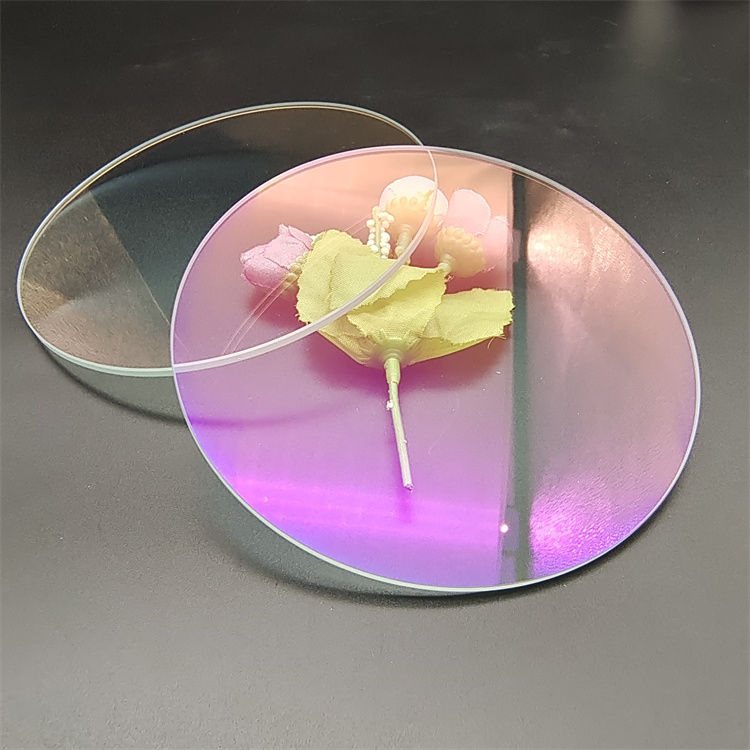
Premium Quality Ultra Clear Anti Reflective Solid High Strength 1mm 2mm 3mm 4mm 5mm 6mm Flat Tempered Glass Coating
Recommended for high-contrast display windows, medical monitors, camera covers and touch surfaces where reflection and green tint must be controlled. Confirm single- or double-sided AR coating and validate transmittance on your actual backlight.

Factory Customized High Strength 2mm 3mm 4mm 5mm Tempered Black Glass Bulletproof & Decorative Flat Surface
A suitable choice for black bezels, appliance fronts, smart switches and equipment panels. Discuss impact expectations, edge finish, opacity and cleaning-chemical exposure before sample approval.
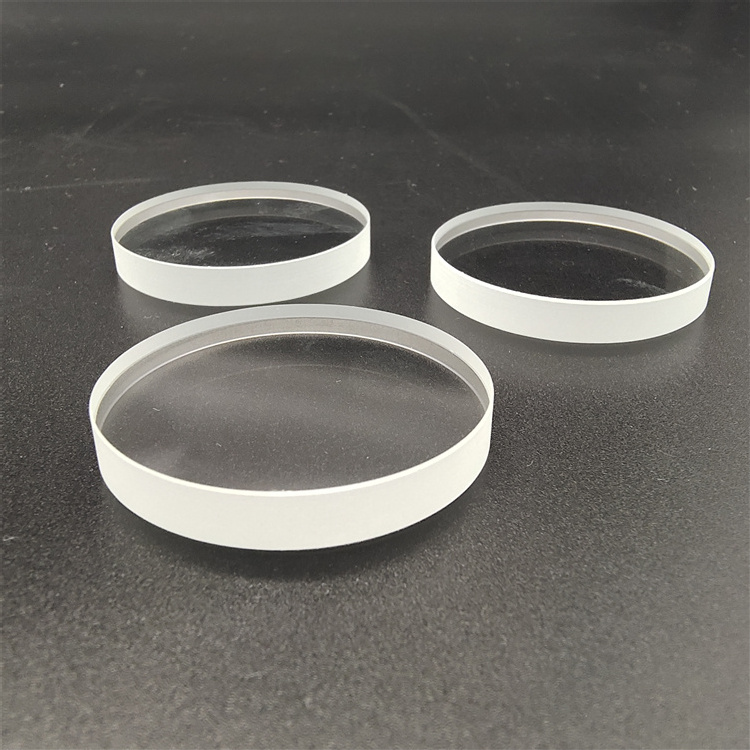
Full Tempered 30mm Diameter 3mm 4mm 5mm 6mm 8mm Thickness Ultra Clear Round Tempered Glass
Useful for circular control dials, LED downlights, sensor windows and small instrument lenses. Round outlines require disciplined CNC cutting and edge polishing to avoid visible diameter and edge variation.
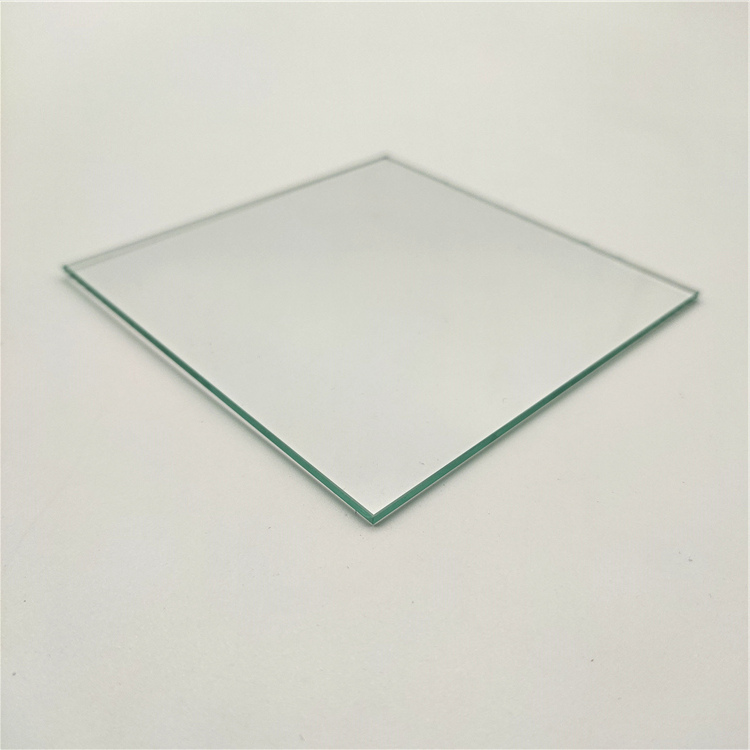
Fast Delivery Custom 1mm clear Glass Sheet
A practical sample and production item for 1 mm clear cover glass, spacers and protective windows. Clarify whether your application needs annealed, chemically strengthened or fully tempered glass before comparing quotations.
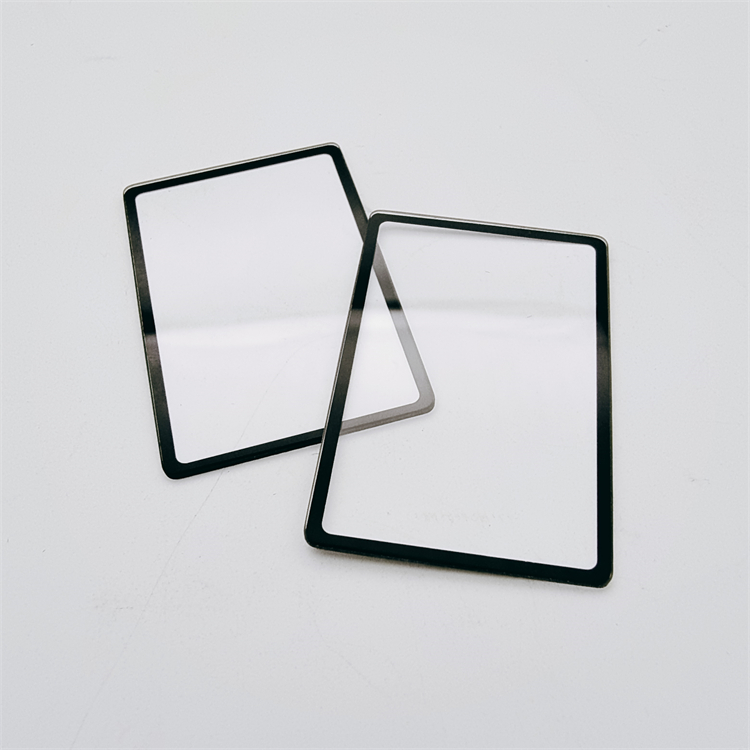
0.5mm 0.7mm 1mm 2mm 3mm Good Price OEM Wholesale Custom Premium Silk Screen Printing Tempered Glass Display Screen Industrial
Designed for control panels, POS displays and industrial instrument windows. Multi-color silk printing needs Pantone references, transparent-window tolerances, printing opacity and ink durability requirements stated in the RFQ.

Customized Ultra Clear 0.5mm 0.7mm Thickness Ultra Thin Tempered Glass
Suitable for wearables, compact HMI and ultra-thin touch assemblies. Ultra-thin glass reduces weight but increases handling risk; request flatness data, edge quality criteria and coating compatibility before mass production.
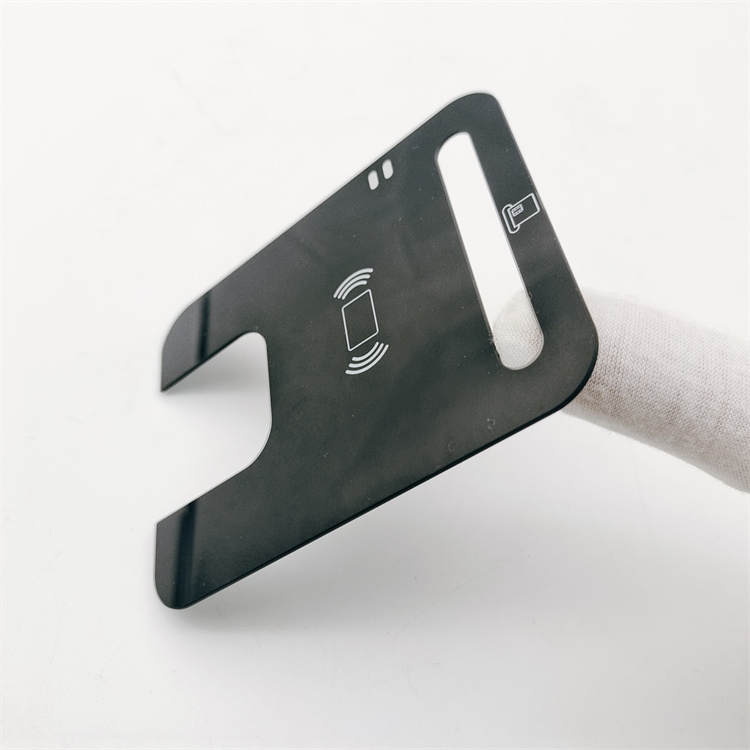
Custom Printed Tempered Glass Panel High Strength Decorative Cover with Hole for Card Reader Instrument
For card readers, payment terminals and instrument covers requiring a printed decorative surface plus drilled openings. Print-to-hole registration, hole diameter tolerance and edge-chip criteria should be defined on the drawing.
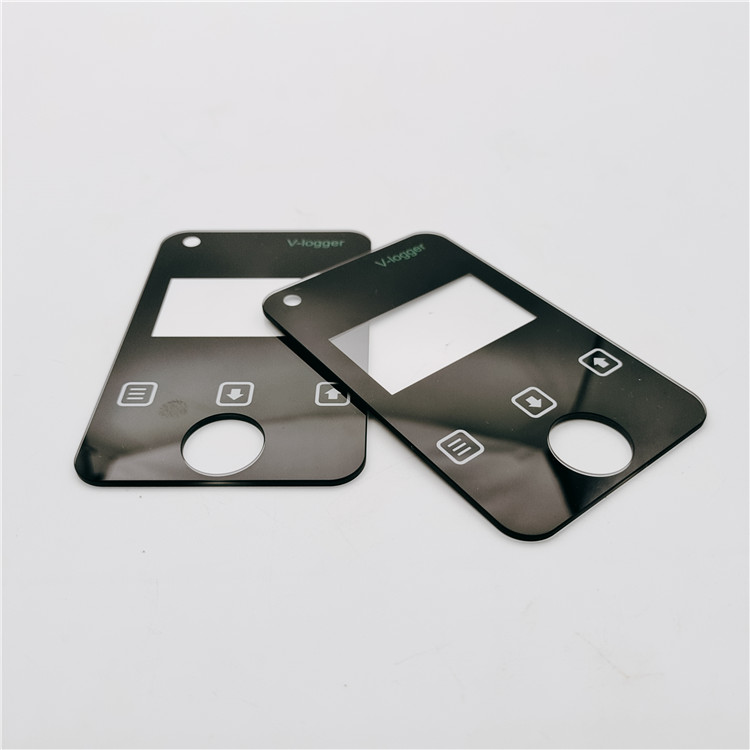
Customized Cut 1mm 2mm 3mm 4mm Instrument Printed Tempered Glass With Holes
For instruments, meters and equipment windows with cut-outs. Pair with AR or AG treatment when the display is used under strong light, outdoor enclosures or high-glare factory lighting.
Capability figures referenced from Dongguan Jaswe Glass Co., Ltd. published company and trade-profile information. Key tolerances should still be verified through drawings, samples and inspection criteria.
What “Top 10 Custom Glass Factory & Wholesalers” Should Mean to a Buyer
Search demand for “Top 10 Custom Glass Factory & Wholesalers” usually comes from three buyer intents: teams looking for a directory, engineers comparing process capability, and procurement managers validating supply risk. A list of names without evidence solves none of those jobs well. The more useful approach is to compare factories and wholesalers on the same evidence set.
A factory controls cutting, CNC shaping, polishing, drilling, tempering, printing and coating, which matters when tolerances interact. A wholesaler can be valuable for multi-category sourcing, but must disclose which processes are outsourced. For custom display cover glass, process ownership matters more than catalog breadth because every hand-off introduces dimensional, optical or cosmetic risk.
This white paper therefore treats “Top 10” as a ten-dimension scorecard, not an unverifiable paid ranking. It then uses Jaswe Glass as a capability benchmark: 0.2–19 mm processing range, in-house tempering, silk screen printing, AG processing, AR / AF coating, 26 machines and published capacity above 200,000 pieces per month.
To apply the model, weight each dimension to your own program. A medical HMI buyer should increase optical and traceability weight; a smart-switch brand should weight print color and low-MOQ changeover; an LED fixture maker should weight edge polish, ceramic ink durability and packing yield.
RFQ Weighting Model Used in This Guide
Use this weighting model as a starting point. Adjust the percentages to reflect application risk, annual volume, coating complexity and delivery exposure.
How to Compare Custom Glass Factories and Wholesalers
Use these ten dimensions during supplier discovery, RFQ review and pre-production audits.
In-House Process Coverage
Cutting, CNC, edge polishing, drilling, tempering, printing and coating under one roof reduce hand-offs. Ask which steps are outsourced; every hand-off adds tolerance risk and recovery time.
Thickness Range and Substrate Control
A supplier that handles 0.2 mm electronic glass through 19 mm flat tempered glass can support more of your roadmap. Confirm low-iron ultra-clear options, flatness limits and available sheet sizes.
Optical Coating Depth
AR, AG and AF are not interchangeable. Top suppliers define reflection targets, haze, transmission and coating sides, then validate on your display stack rather than quoting a generic coating name.
Printing and Color Management
Silk screen and ceramic printing require Pantone control, ink thickness discipline and print-to-hole registration. Request a lighting-specific sample because black ink and clear windows can look different on the final appliance.
Tempering and Strength Validation
For cover glass, strength is more than a furnace setting. Edge quality, hole quality, glass thickness and thermal history interact. Ask for breakage controls and inspection criteria for your drawing.
DFM Engineering Response
Fast feedback on a DXF, DWG or PDF drawing prevents expensive tooling loops. A strong factory flags fragile webs, sharp internal corners, hole-to-edge distances and coating conflicts before quoting.
Quality Traceability and Inspection Data
A credible custom glass wholesaler should tie each batch to incoming glass, process parameters and outgoing inspection. Dimensional reports, print color records and coating checks support faster containment.
Sampling and Low-MOQ Flexibility
Most custom items start around 100–500 pieces depending on size, printing and coating. Evaluate whether the supplier can sample first, then scale without changing process route or inspection standard.
Export Packing and Logistics Resilience
Glass fails at the last mile when packing is weak. Interleaved protection, edge guards, moisture control and carton testing matter as much as the factory’s polish line.
Commercial Transparency and Reorder Performance
Review response rate, reorder behavior, trade verification and quote assumptions. The best supplier is not the lowest quote; it is the one whose process produces a predictable yield at the agreed cost.
Match the Glass Treatment to the Visual Job
When comparing custom glass factory and wholesaler options, specify what the glass must do optically and mechanically—not only its size.
AR Anti-Reflective
Choose when reflection steals contrast: medical monitors, camera covers, instrument windows. Specify coating side, target reflectance and transmission; validate on the actual display stack.
AG Anti-Glare
Choose when glare is caused by strong ambient or outdoor light: kiosks, vehicle HMIs and industrial displays. Haze level must match viewing distance and pixel density.
AF Anti-Fingerprint
Choose for finger-driven surfaces: smart switches, POS terminals and touch panels. AF is an oleophobic top layer; evaluate it after printing and with the cleaning method your users will apply.
Ultra Clear Low-Iron
Choose when color fidelity matters: premium displays, LED fixtures and white appliance panels. Low-iron glass reduces green tint, but edge tone and printing color still need a physical sample.
Printed Tempered Glass
Choose when the glass must hide wiring, carry icons, create display windows or align holes. Require Pantone references, print-to-hole registration and ink durability tests.
Black Decorative Glass
Choose for bezels, appliance fronts and architectural controls. Confirm strength expectations, edge finish, opacity and whether the black surface will be exposed to cleaning chemicals.
What Custom Glass Buyers Will Demand Next
Procurement for custom glass is shifting from component price to process certainty, traceability and launch speed.
Total Landed Cost Becomes the Default Metric
Buyers are comparing quote, freight, duty, breakage, inspection and rework rather than unit price alone. Cost per good piece exposes hidden yield and packaging risk that a low quotation can conceal.
Dual Sourcing Needs One Control Plan
Supply-chain resilience encourages two qualified glass suppliers, but drawings, ink, coating specs and inspection standards must be harmonized. Otherwise part-to-part variation rises even when both suppliers are capable.
DFM Response Time Becomes a KPI
Engineering teams increasingly expect manufacturability feedback before a purchase order. Suppliers who flag fragile geometry, coating conflicts and sharp corners early reduce development loops and tooling rework.
Traceability Moves from Nice-to-Have to Requirement
Appliance, electronics and industrial buyers increasingly request lot identification, glass batch records, print color checks and coating run data. Traceability shortens root-cause analysis when field issues appear.
Low-MOQ Customization Coexists with Scale
Customization is no longer limited to high-volume OEM programs. Product teams want low-MOQ samples and small batch launches without losing tolerance control, coating consistency or print repeatability at scale.
Packaging and Sustainability Enter the RFQ
Right-sized protective packaging, recyclable materials, pack density and replacement-cover strategies are becoming procurement considerations. Better packing density can reduce freight cost and transport emissions.
Where Custom Display and Cover Glass Is Heading
Design trends shape the RFQ: thinner glass, multi-layer optical coatings, decorative printing and smarter control surfaces.
Ultra-Thin Electronic Glass Below 1 mm
0.2–0.7 mm glass supports compact wearables, instrument windows and thin touch assemblies. It demands tighter handling, edge quality, flatness control and coating compatibility checks.
AR + AG + AF Stacks Tuned by Application
Single-function coatings are giving way to combined optical stacks. Outdoor touch products often need AG for glare control, AF for fingerprint resistance and selected AR for contrast.
Ceramic-Printed Glass with Hidden Effects
Hidden-until-lit icons, decorative borders and display windows are moving into appliance, switch and instrument designs. Ceramic ink durability and print registration become differentiating process skills.
Larger, Stronger LED Lighting Glass
LED fixture designers want low-iron clarity, smooth matte edges, ceramic-printed borders and larger formats. Tempering and packing become decisive for downlights, panel lights and wall washers.
Smart Switch and Appliance Control Surfaces
Glass is becoming the visible interface for smart homes and appliances. Printing, AF coating, adhesive backing, touch-key windows and cleanability must be evaluated together—not as separate line items.
Low-Iron Ultra-Clear and Decorative Black Glass
Color fidelity remains critical for premium displays and LED products, while black tempered glass supports bezels, appliance fronts and control panels. Edge tone, opacity and surface finish need sample approval.



Jaswe Glass as a Dongguan Custom Glass Factory Benchmark
Dongguan Jaswe Glass Co., Ltd. is based in Dongguan, Guangdong, China—a location embedded in the electronics and appliance supply chain. The company processes custom tempered glass, display cover glass, touch screen glass, silk screen printed glass, switch glass, AR / AG / AF coated glass, electrical equipment glass and LED lighting glass.
Its published profile lists 51–100 employees, annual revenue of US$2.5M–US$5M, main markets in America, Europe and Asia, and on-site verified supplier status for 6 years. Operational signals include 80+ skilled workers, 26 glass processing machines, monthly output above 200,000 pieces, average response time within 3 hours, a 96.61% response rate and a 26% buyer reorder rate.
The company states that cutting, special-shaped and CNC cutting, edge polishing, hole drilling, tempering, silk screen and ceramic printing, AG processing and AR / AF coating are handled in-house. For custom cover glass, this matters because edge quality, holes, printing and coating interact and determine final yield.
Thickness coverage extends from 0.2 mm electronic-grade glass to 19 mm flat tempered glass, with frequent demand at 0.5, 0.7, 1, 2, 3 and 4 mm. This range supports display windows, touch panels, smart switch glass, LED lighting covers and industrial instrument glass.
For buyers, the next step is not simply accepting those claims. It is testing the process with a drawing, a sample requirement and a control plan. Request print-to-hole tolerances, AR / AG / AF targets, edge criteria and export packing details in the RFQ.
Inquire NowSix Process Gates from Drawing to Delivery
A disciplined workflow protects optical yield, print registration, dimensional fit and export survival.
Drawing and Application Brief
Provide DXF, DWG or PDF drawings with thickness, overall dimensions, edge type, holes, printing colors, coating requirement, application and estimated annual volume.
DFM and Process Routing
The factory should review fragile geometry, hole-to-edge distances, sharp internal corners, tempering constraints, printing windows and coating compatibility before final quotation.
Sampling and Optical Approval
Approve fit, edge appearance, glass tint, print color, window clarity, haze, gloss and transmittance on a physical sample—ideally assembled with your actual display or backlight.
In-Process Manufacturing
Cutting, CNC shaping, edge polishing, drilling, tempering, silk screen or ceramic printing, AG processing and AR / AF coating should have inspection points between operations.
Final Inspection and Data
Check dimensions, hole positions, edge chips, print color, coating appearance, surface defects and packaging. Retain batch data for traceability and future reorders.
Export Packing and Hand-Off
Interleaved protection, edge guards, moisture control and right-sized cartons reduce transit breakage. Packing should be validated before the first mass-production shipment.
Common Questions from Custom Glass Buyers
Clear answers shorten the path from inquiry to a manufacturable, inspectable glass specification.
What glass thickness can be processed?
The current range covers ultra-thin electronic-grade glass from 0.2 mm up to 19 mm flat tempered glass. The most requested display and touch thicknesses are 0.5, 0.7, 1, 2, 3 and 4 mm.
What is the minimum order quantity for custom glass?
Most custom items start at 100–500 pieces depending on size, printing and coating. Standard clear tempered pieces may be available in smaller sample quantities for evaluation.
What is the difference between AR, AG and AF glass?
AR reduces surface reflection to improve transmittance and contrast. AG diffuses reflected light so displays remain readable under strong ambient light. AF is an oleophobic layer that resists fingerprints on touch surfaces. They can be combined.
Which processes are handled in-house?
Cutting, special-shaped and CNC cutting, edge polishing, hole drilling, tempering, silk screen and ceramic printing, AG processing and AR / AF coating are listed as in-house processes.
Can printing and AR / AG / AF coating be combined?
Yes, but the layer order, coating side and printing window must be specified. Validate the combination on a physical sample because ink, coating and glass substrate can interact under different lighting.
How do I start a custom glass project?
Send your drawing with thickness, edge type, hole positions, printing colors, coating requirement, application and estimated annual quantity. The supplier should review manufacturability before quoting or sampling.
Send Your Drawing for an Engineering Review
Share your thickness, glass size, edge finish, printing, coating target and annual volume. Use the inquiry button to start a technical discussion without leaving this page.
info@jasweglass.com