8 Custom Glass Components with Proven Export Demand
Use this eight-item set as a practical RFQ basket. Each product reflects high-frequency demand from display integrators, LED fixture brands, appliance makers and industrial control panel builders. Product URLs are preserved from the original catalogue; images are shown in full without forced cropping so engineering teams can compare shape, edge and printing details.
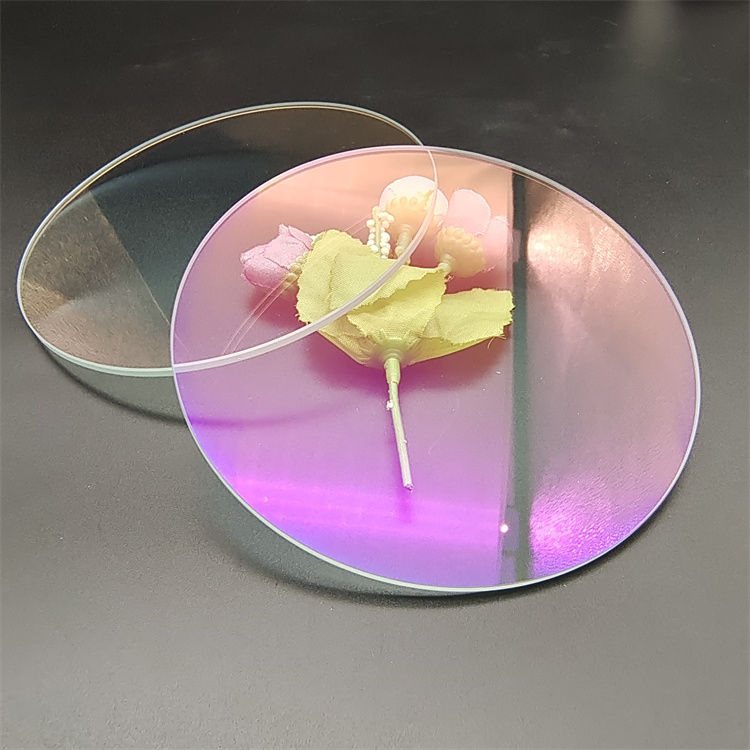
Premium Quality Ultra Clear Anti Reflective Solid High Strength 1mm 2mm 3mm 4mm 5mm 6mm Flat Tempered Glass Coating
Reflection control for high-brightness displays, medical monitors and outdoor HMI windows.
View product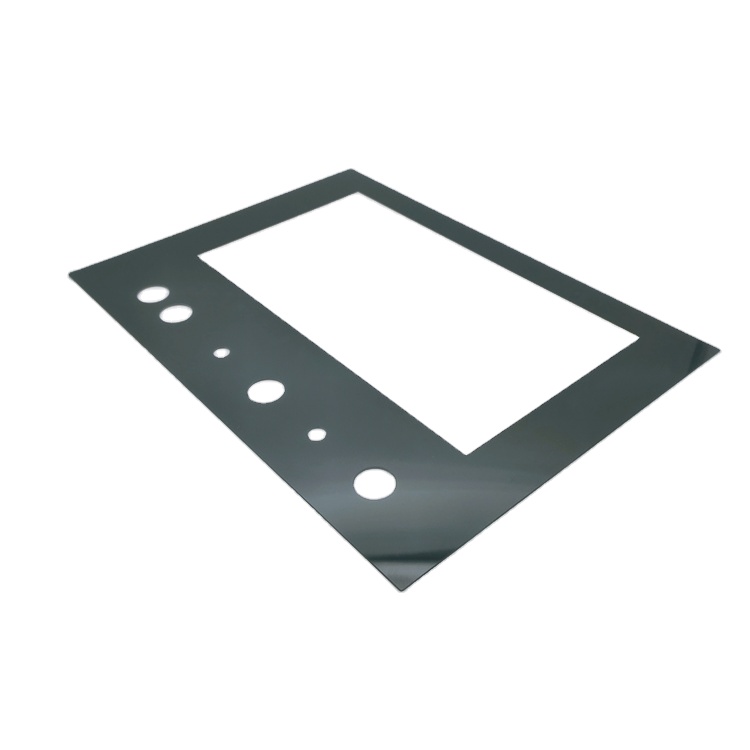
Customized Printed 0.5-6mm Thickness Flat Tempered Glass Screen Protector with Cut Holes
0.5–6 mm printed cover glass with cut holes for appliance panels, touch modules and instruments.
View product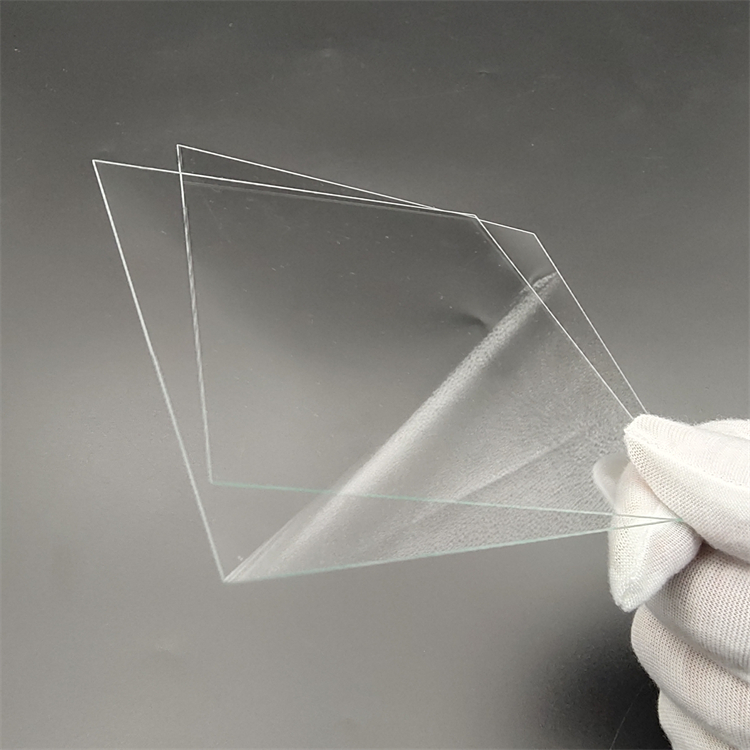
Customized Ultra Clear 0.5mm 0.7mm Thickness Ultra Thin Tempered Glass
Slim 0.5 mm and 0.7 mm ultra-clear tempered glass for compact touch stacks and electronic controls.
View product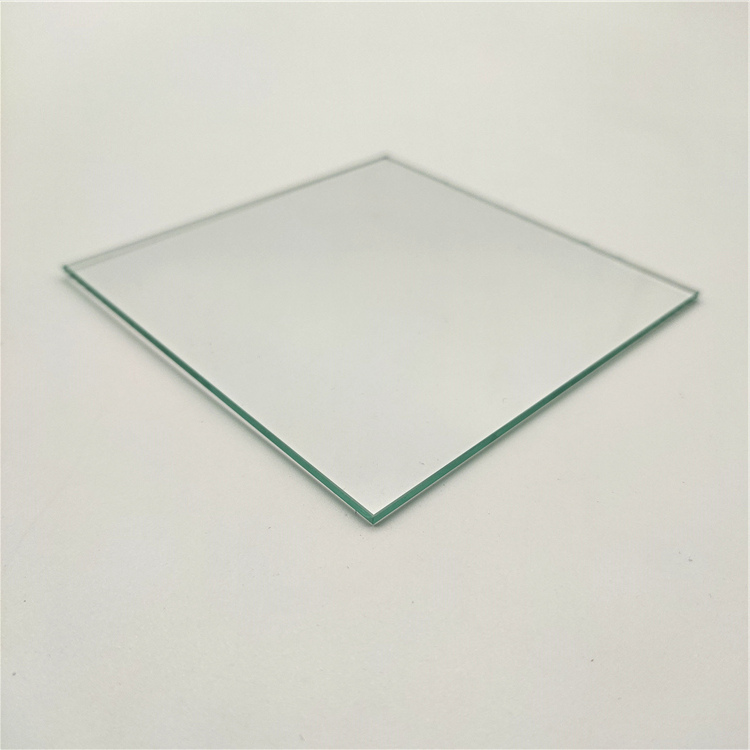
Fast Delivery Custom 1mm clear Glass Sheet
1 mm clear glass sheet for rapid sampling and replenishment runs where schedule risk matters.
View product
Customized Industrial Lighting Solid Flat Ultra Clear Frosted Tempered Glass with Beveled Step Edge
Frosted ultra-clear flat glass with beveled step edge for industrial lighting and fixtures.
View product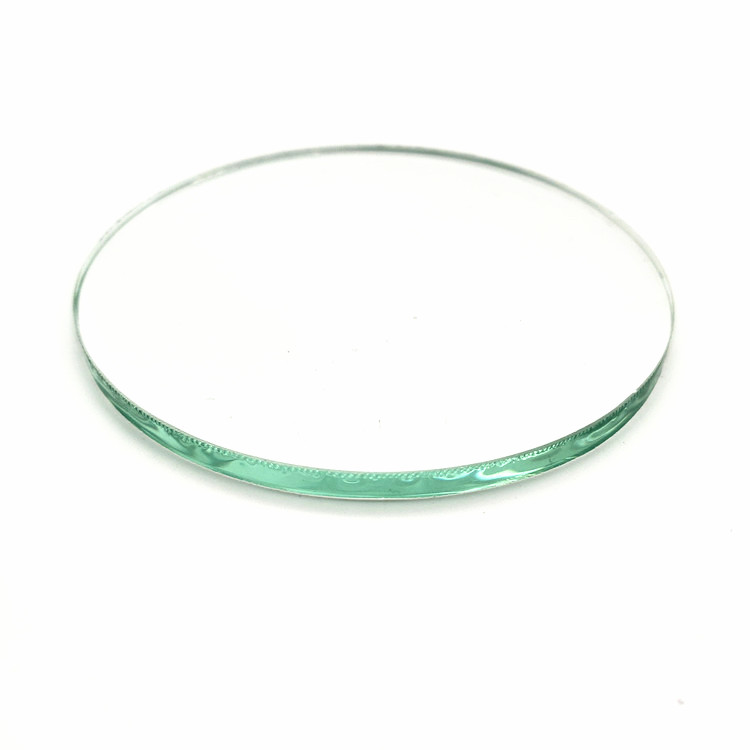
Customized Clear Flat Solid Tempered Glass Pieces 1mm-19mm for Industrial Lighting and Various Applications
Clear flat tempered glass pieces for lighting, equipment windows and multi-application fabrication.
View product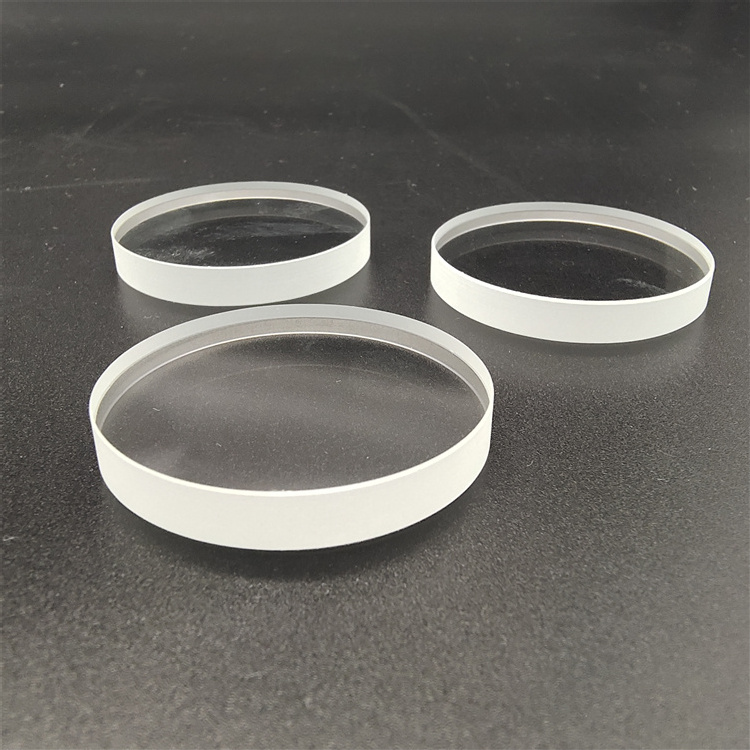
Full Tempered 30mm Diameter 3mm 4mm 5mm 6mm 8mm Thickness Ultra Clear Round Tempered Glass
30 mm diameter round tempered glass in 3–8 mm for lenses, sensors, gauges and displays.
View product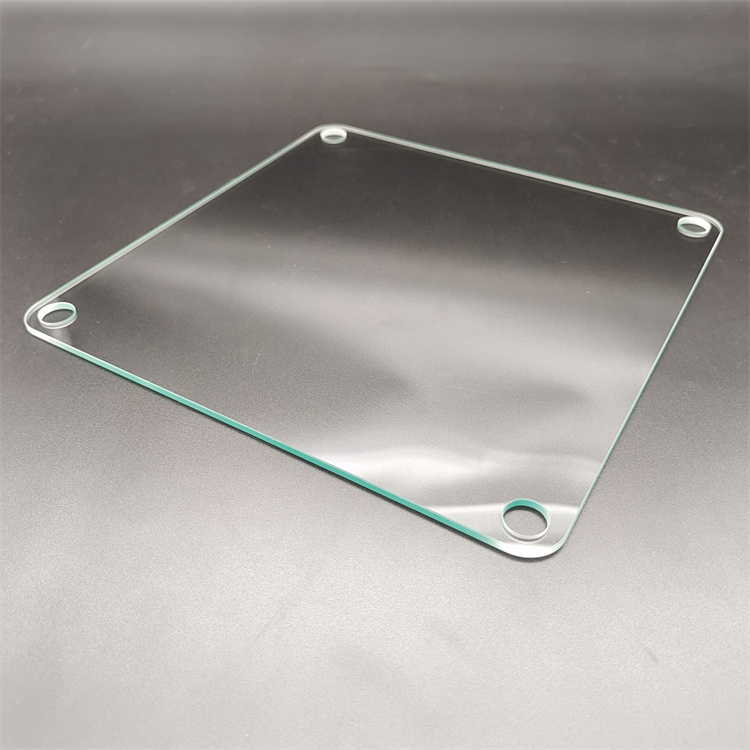
Factory Sale Customized Shape Decorative Glass Cover Hole Drilling Glass Panel Soda-lime Tempered Glass Sheet With Holes
Custom outline, drilled holes and decorative cover glass in soda-lime tempered sheet.
View productBenchmark the Factory Before You Compare the Price
Before a buyer compares quotations, benchmark the supplier on evidence that affects reject rate, rework and delivery. These figures reflect Jaswe Glass's published trade and production profile: 80+ skilled workers, 26 glass processing machines, 200,000+ pieces per month, average response within 3 hours, 96.61% response rate and a 26% buyer reorder rate. Treat them as the baseline for the 10-point scorecard later in this whitepaper.
2025 Procurement Trends Redefining Glass Component Supply
The buying pattern is clear: purchasers are moving away from anonymous catalogue sourcing toward suppliers that can document process ownership. When a cover glass fails at a coating, printing or tempering stage, the cost is rarely limited to the piece price. It appears as line-down time, extra freight, inspection labour and delayed launches. These four trends are changing how top 10 glass component factories and wholesalers are evaluated.
Verified process chain beats trading margin
Buyers now ask whether cutting, CNC shaping, edge polishing, drilling, tempering, silk-screen printing, AG treatment and AR/AF coating are performed under one roof. A short, auditable chain reduces hidden subcontracting risk and speeds up corrective action.
Total landed cost replaces unit price
A lower piece price can lose on breakage, double inspection, air freight or rework. Procurement teams are adding packaging quality, edge protection, sample approval speed and reorder consistency to the landed-cost model.
Optical performance enters mainstream RFQs
AR, AG and AF are no longer reserved for premium electronics. Outdoor kiosks, medical monitors, smart appliances and industrial HMIs specify reflection, haze, transmittance and fingerprint resistance in the first RFQ.
Small-batch sampling must connect to mass output
Design teams need 100–500 piece samples quickly, then a route to 200,000+ pieces per month. Suppliers that can scale without changing process, ink or coating recipe have a measurable advantage.
Where Custom Glass Components Are Heading Next
Product development in glass components is being pulled by thinner device stacks, brighter displays and more touch surfaces. The direction is not simply “more coating”; it is a tighter integration of substrate, printing, strengthening and optical treatment. Buyers who understand these shifts can specify a part that is easier to manufacture, inspect and assemble.
Thinner, stronger cover stacks
0.5 mm, 0.7 mm and 1 mm ultra-clear glass are increasingly common, with 0.2 mm electronic-grade glass for specialised ultra-thin applications. The practical limit is not only thickness; it is edge quality, flatness and handling discipline.
AR + AG + AF convergence
Displays often need anti-reflection, anti-glare and anti-fingerprint performance on one surface. Combined stacks demand careful layer order, cure control and sample validation under real lighting conditions.
Printed smart surfaces
Silk-screen and ceramic printing now hide wiring, create display windows, define touch-key areas and carry brand graphics. Registration and colour consistency are becoming design-critical, not cosmetic.
Repairability and packaging efficiency
Thinner devices increase the risk of edge chipping during transit. Buyers are specifying interleaved packing, edge protection, moisture barriers and smaller carton footprints to reduce breakage and freight emissions.
The 10-Point Scorecard for Top Glass Component Factories & Wholesalers
The phrase “top 10” is useful only when it is backed by a repeatable framework. Do not rank factories by homepage claims. Score each candidate on the ten items below using drawings, samples, inspection records and live communication. A supplier that scores well on unit price but poorly on process depth will usually create hidden cost later.
Engineering review
Can the supplier review DXF, DWG or PDF drawings and return manufacturability notes before quoting?
In-house processing
Are cutting, CNC shaping, edging, drilling, tempering, printing and coating controlled on site?
Thickness range
Does the factory cover the required band—0.2–19 mm for broad capability, or 0.5/0.7/1/2/3/4 mm for display work?
Coating validation
Can AR, AG and AF layers be verified for reflection, haze, adhesion and fingerprint resistance?
Printing control
Are Pantone matching, window registration, ink thickness and ceramic print durability checked?
QC checkpoints
Are inspections performed after cutting, edging, tempering, printing and coating—not only before packing?
Capacity & reorder rate
Does monthly capacity support your ramp-up, and does repeat buying show process stability?
Packaging & breakage
Are glass pieces interleaved, edge-protected and export-packed for the actual shipping route?
Response speed
Are engineering replies, quotations and corrective actions fast enough for your product timeline?
Documentation
Are material declarations, inspection reports and batch traceability available when your customer audits?
AR vs AG vs AF vs Ultra Clear: Which Glass Fits Your Product?
Glass selection should start with the viewing condition and the user’s hand. A bright outdoor kiosk, a medical monitor and a smart switch do not need the same surface. The matrix below is the same logic our engineers use during drawing review; treatments can also be combined.
Ultra Clear
- SolvesGreen tint and colour shift in standard float glass.
- Best forDisplay covers, LED fixtures and premium appliance panels.
- Spec noteUse low-iron substrate; check edge colour under final lighting.
AR Anti-Reflective
- SolvesSurface reflection that lowers contrast and washes out black levels.
- Best forMedical or industrial monitors, camera windows and high-transmittance displays.
- Spec noteDecide single- or double-sided coating; double-sided gives the largest gain.
AG Anti-Glare
- SolvesGlare from sunlight, overhead lights or outdoor environments.
- Best forOutdoor kiosks, vehicle HMIs, digital signage and industrial controls.
- Spec noteMatch haze to viewing distance; fine haze suits high-resolution screens.
AF Anti-Fingerprint
- SolvesFingerprints, oil and smudges on touch surfaces.
- Best forCapacitive touch panels, smart switches and POS terminals.
- Spec noteApply as a top layer over AR or AG; test abrasion and cleaning cycles.
Where Custom Glass Components Create Value
Custom glass is rarely a commodity when it reaches the assembly line. It is a visible interface, a protective window and sometimes part of the product’s safety envelope. These six application groups account for a large share of repeat demand because each requires a different balance of clarity, printing, strength and coating.
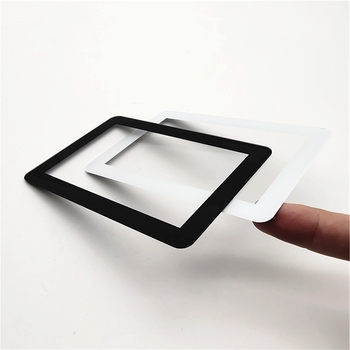
Touch & Display Electronics
Cover lenses for LCD, TFT and capacitive touch modules where flatness and optical clarity matter.
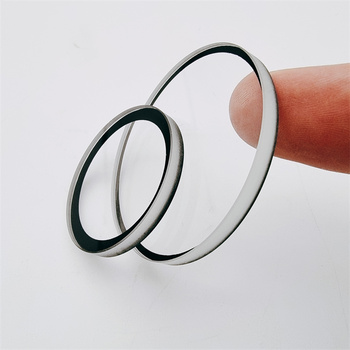
LED Lighting Fixtures
Downlight, panel, linear and wall-washer covers with heat resistance and clean edge finishing.
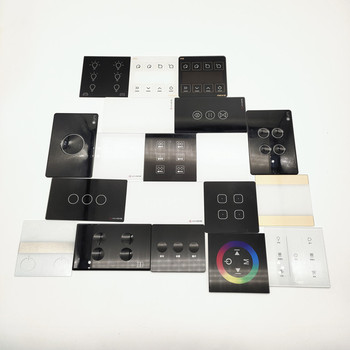
Smart Home & Switches
Printed switch plates and control panels that combine icons, touch windows and scratch resistance.
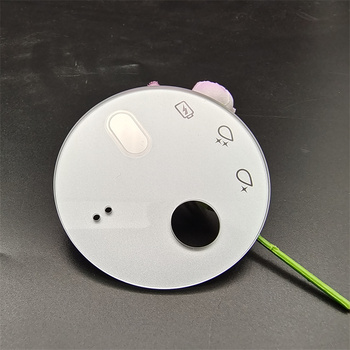
Home Appliances
Control panel glass for kitchen and household devices, including printed windows and adhesive-backed options.
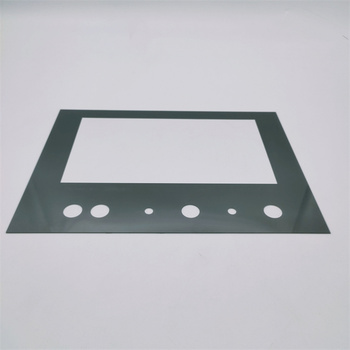
Industrial Instruments
Meter windows and HMI covers for electrical equipment, with drilled holes and robust printing.
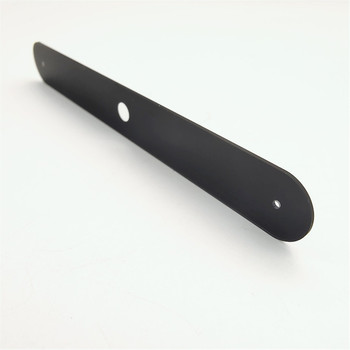
Security & Camera Devices
Printed lens covers and protective windows with precision cut-outs for sensors and cameras.
Why Jaswe Glass Is a Practical Benchmark for the Top 10 Shortlist
Dongguan Jaswe Glass Co., Ltd. is a glass processing company based in Dongguan, the centre of China’s electronics supply chain. The company processes and exports tempered glass, ultra-clear glass, silk-screen printed glass, switch glass, electrical equipment glass, LED lighting glass, touch screen glass and AR / AG / AF coated glass. Its work is not limited to one catalogue part: most orders are made to a drawing, with thickness, outline, holes, edge profile, printing colours and coating stack specified by the buyer.
Experience is visible in the process. More than 80 operators work with 26 glass processing machines, including a tempering furnace, edge polishing equipment, silk-screen printers and automatic cutting lines. Monthly output exceeds 200,000 pieces. The company reports an average response time within 3 hours, a 96.61% response rate and a 26% buyer reorder rate. For overseas buyers, those numbers matter because they point to communication discipline and repeatable production—not just a low quotation.
Quality control is structured around the route, not the final inspection alone. Checks are placed at cutting, edging, tempering, printing and coating stages, so defects are caught before they reach packing. The company’s stated principle is simple: “Scientific management, careful manufacture, high quality service, striving for excellence.” That is a useful lens for evaluating any top 10 factory or wholesaler: does the supplier’s management system make the promised quality repeatable?
- Location
- Dongguan, Guangdong, China
- Employees
- 51–100 people
- Annual Revenue
- US$2.5M – US$5M
- Main Markets
- America · Europe · Asia
- Equipment
- 26 machines incl. tempering furnace
- Supplier Status
- On-site Verified · 6 years



Eight In-House Processes That Protect Quality and Lead Time
Outsourcing a single step can look efficient on a quotation, but it adds handoffs where damage, contamination and specification drift occur. The following capabilities are handled in-house at Jaswe Glass and should be verified in any factory or wholesaler you consider.
Precision & CNC cutting
Automatic cutting plus CNC shaping for rounds, notches, slots and irregular outlines.
Edge polishing
Pencil, flat, beveled, stepped and matte edges for safe handling and clean appearance.
Hole drilling
Holes and countersinks for buttons, sensors, cameras, knobs and mounting screws.
Thermal tempering
Furnace strengthening for impact resistance and safer breakage behaviour.
Silk screen & ceramic printing
Multi-colour logos, icons, borders and transparent display windows with colour matching.
AG anti-glare processing
Diffused matte surface that keeps screens readable under strong ambient light.
AR anti-reflective coating
Optical coating that lowers reflection and raises light transmission for brighter displays.
AF anti-fingerprint coating
Oleophobic top layer for touch surfaces—smoother glide, fewer smudges and easier cleaning.
From Drawing to Delivery: A Five-Step Custom Glass Workflow
A transparent workflow reduces the two biggest risks in custom glass: an unclear specification and a late surprise at sampling. This is the sequence used for overseas projects.
Send requirements
Provide drawing, thickness, edge type, printing colours, coating requirement and annual volume.
Engineering review
Manufacturability check, tolerance review and process route, usually within hours.
Sampling
Physical samples for fit, colour, edge and optical approval before tooling or mass production.
Mass production
Batch production with in-process inspection at cutting, edging, tempering, printing and coating.
Packing & shipping
Interleaved, edge-protected export packing designed for the actual transit route.
Procurement FAQ for Custom Glass Components
These are the questions overseas buyers ask most often during supplier evaluation. Use the answers as a checklist when comparing quotations from multiple factories and wholesalers.
What glass thicknesses can Jaswe Glass process?
What is the minimum order quantity for custom tempered glass?
What is the difference between AR, AG and AF glass?
Which processes are done in-house?
What is the production capacity and typical lead time?
How do I start a custom glass project?
What quality checks are performed before shipment?
Can you support low-volume sampling and then scale up?
How should buyers compare the top 10 factories and wholesalers?
Have a Drawing Ready? Get an Engineering Review Before You Commit to Tooling
Share your drawing and target annual volume. We will review thickness, edge profile, printing, coating and packing risk, then recommend a sample route that matches production. For buyers benchmarking a top 10 shortlist, a clear engineering response is often the fastest way to separate a real factory from a catalogue trader.