8 Custom Glass Sheet Products Buyers Request Most
These product families cover the most common customization routes: thickness control, CNC cutting, edge polishing, hole drilling, tempered strengthening, silk-screen printing, ceramic printing and optical coating.
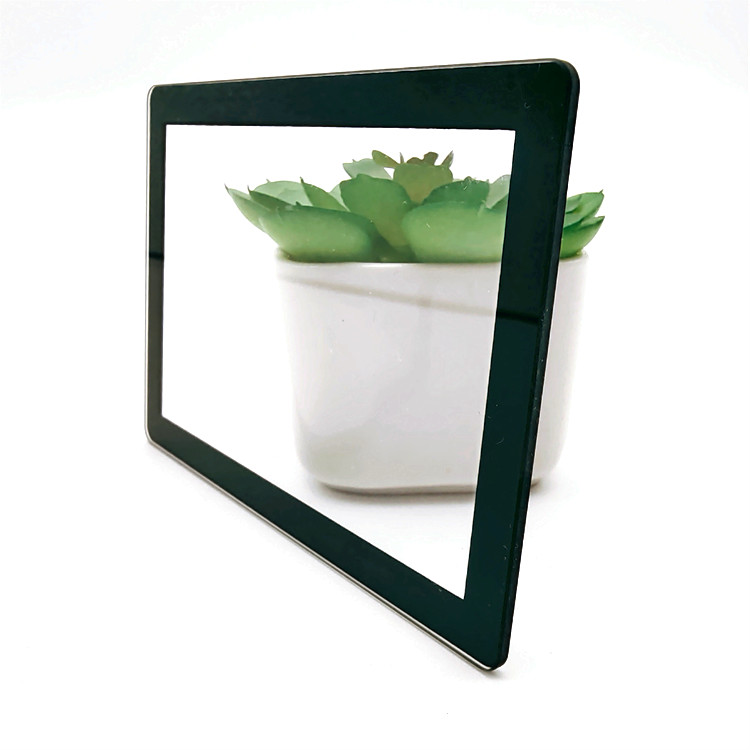
High Quality 0.5mm-6mm Solid Industrial Display Screen Tempered Glass with Printed Design High Strength & Bulletproof Protection
For industrial displays requiring printed borders, impact resistance and a clean optical window.
View product details →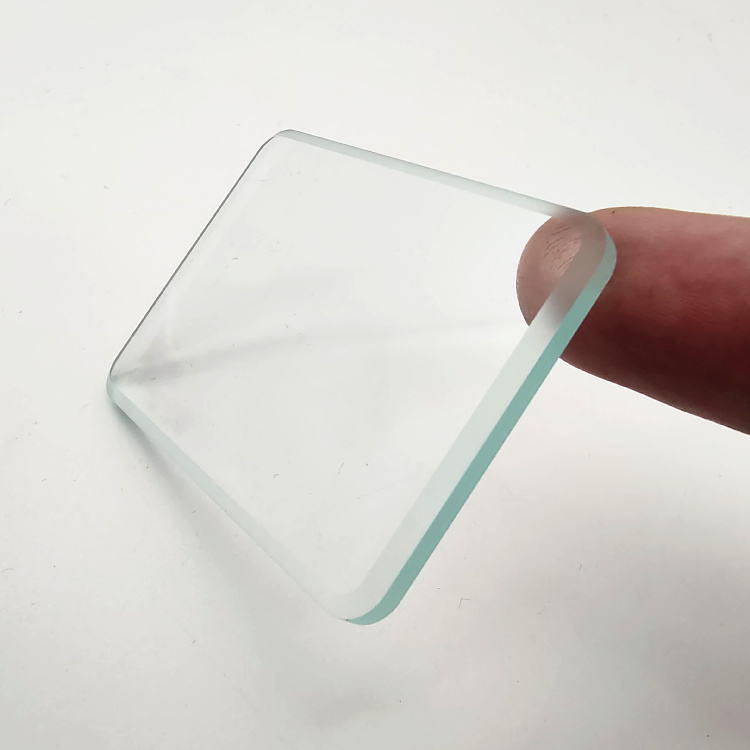
Custom Small Dimensions Tempered Beveled Edge Glass for Sale
A premium choice for small control windows, instrument covers and decorative electronic panels.
View product details →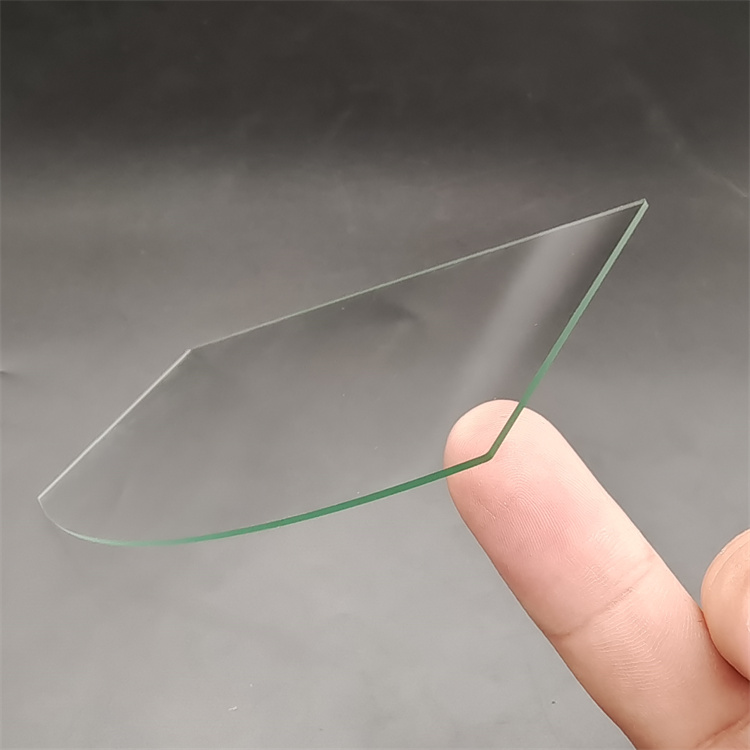
Any Size Custom 0.5/0.7/1/1.5/2/3mm Tempered Glass Screen Protector,Round Rectangle Triangle Customized Tempered Glass Oem Odm
Flexible outlines and thin glass options for touch devices, smart hardware and consumer electronics.
View product details →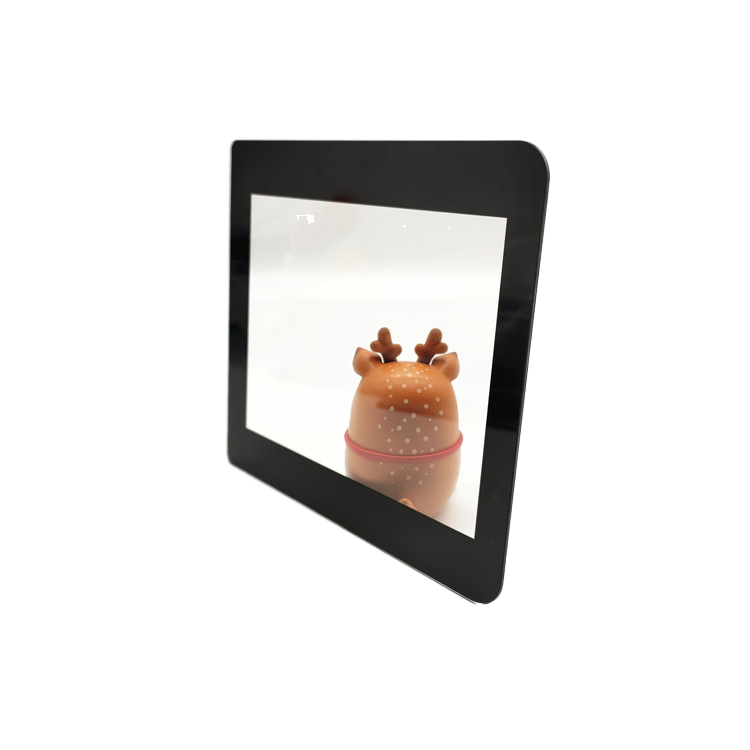
Industrial Use Electronic Glass 1mm/2mm/3mm/4mm Tempered Glass Display Screen Window Protection Cover
Protective windows for equipment displays, industrial HMIs and electronic control interfaces.
View product details →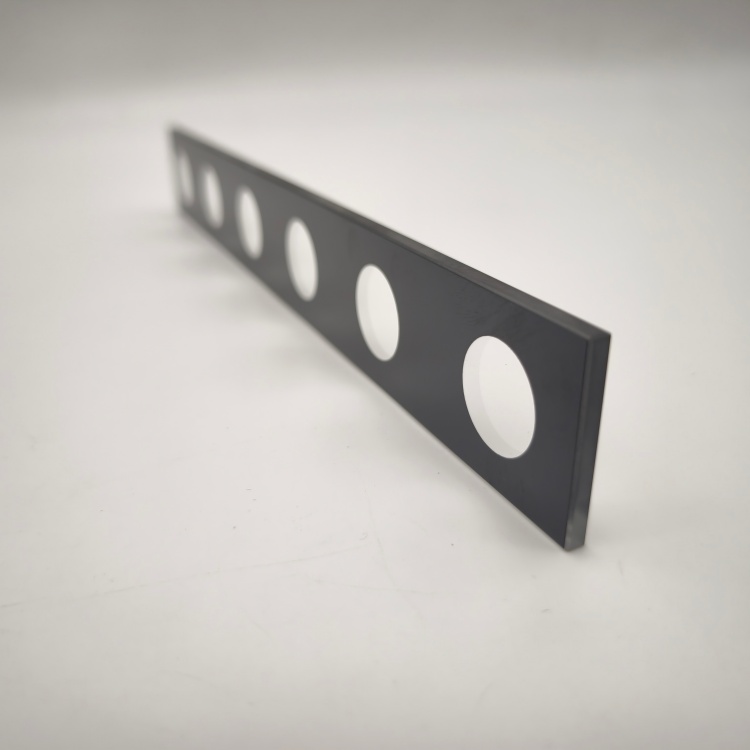
Black Printed Polished Smooth Matte Edge Linear Tempered Glass for LED Wall Washer Light
Linear glass covers that combine light control, black printing and clean edge aesthetics.
View product details →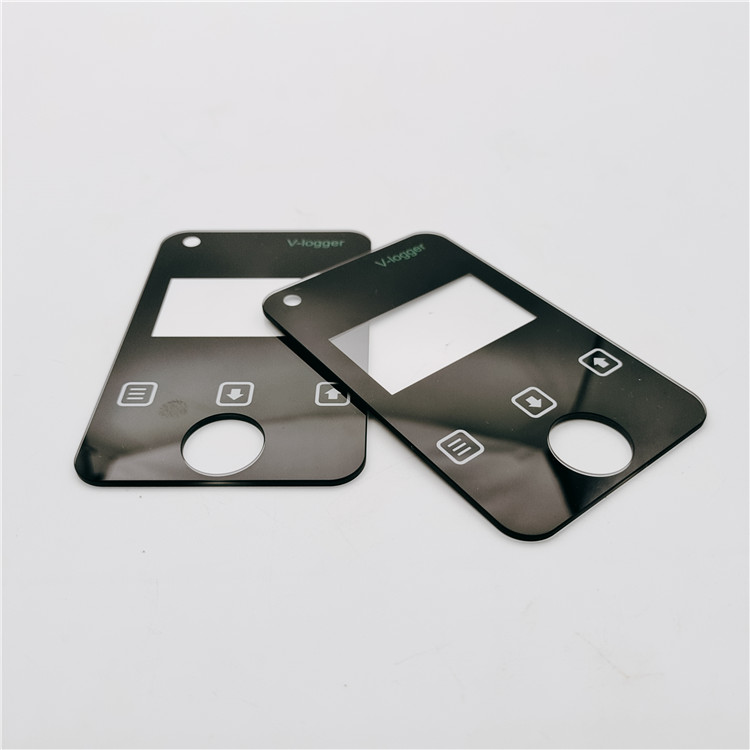
Customized Cut 1mm 2mm 3mm 4mm Instrument Printed Tempered Glass With Holes
Hole drilling plus printed graphics for meters, sensors, buttons and equipment windows.
View product details →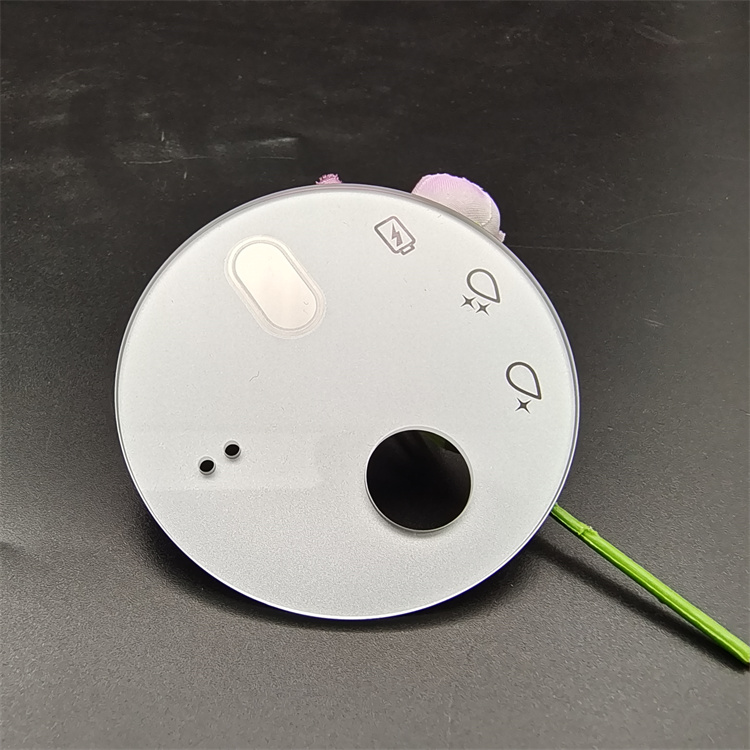
Customized 0.5mm 0.7mm 1mm 2mm 3mm 4mm 5mm 6mm Cut Holes Printed Round Tempered Glass Panels for Home Appliance
Printed control panels for home appliances, with cut-outs and multi-thickness options.
View product details →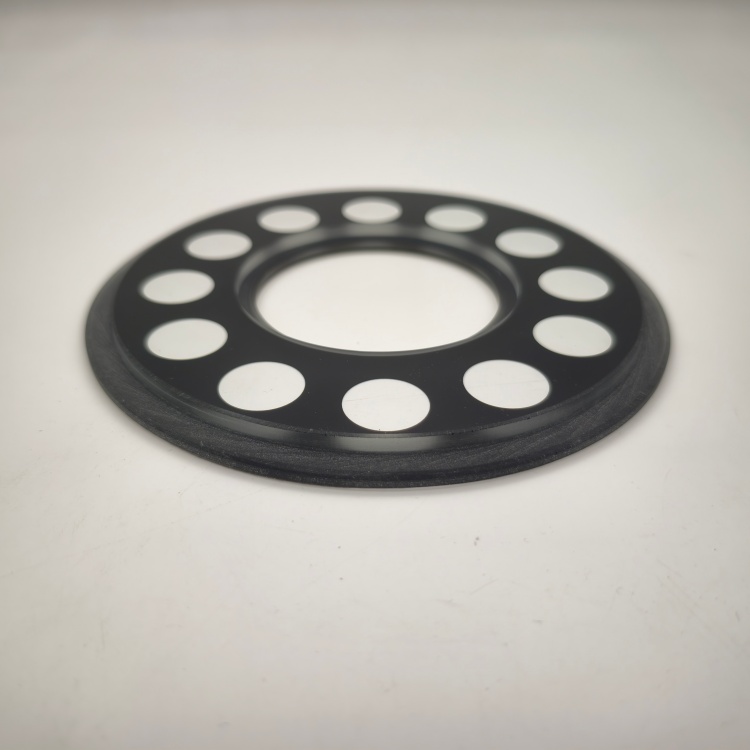
Factory Customized Round Hole Inner and Outer Double Step Edge Printed Tempered Glass for LED Lighting
Stepped edges and round holes designed for LED lighting assembly and clean fixture integration.
View product details →Performance Data Buyers Can Compare
In custom glass sourcing, capacity and response speed are not marketing extras; they are risk controls. These benchmark figures reflect the operational profile of Dongguan Jaswe Glass Co., Ltd.
What “Top 10 Glass Sheet Manufacturers & Exporters” Should Mean
The phrase Top 10 glass sheet manufacturers & exporters is often used as a search shortcut. A credible shortlist, however, should not be copied from a directory. Processed glass is a specification-driven product: a supplier may cut beautiful samples but fail on tempering bow, printed color consistency, coating durability, packing or repeat production. For procurement teams, the real question is not “who appears in a list?” but “which exporter can document and repeat the exact process route?”
This guide uses ten evidence-based capabilities to evaluate glass sheet suppliers. It also uses Dongguan Jaswe Glass Co., Ltd. as a documented reference benchmark, because its operations cover the exact steps buyers normally have to coordinate across several vendors: CNC cutting, edge polishing, hole drilling, tempering, silk-screen and ceramic printing, AG processing, and AR / AF coating. The result is a more useful form of information gain: a checklist you can take into a supplier audit, a sample review or a quotation comparison.
The Top 10 Capabilities That Define Leading Glass Sheet Manufacturers & Exporters
Use these ten criteria to compare quotations. A low piece price is not a saving if it hides rework, breakage, coating loss or late delivery.
1. In-House Process Control
Cutting, CNC, edging, drilling, tempering, printing and coating under one quality system reduce hidden subcontracting risk. Ask which steps are truly in-house.
2. Substrate & Thickness Range
Check whether the supplier can process 0.2–19 mm, including common display thicknesses such as 0.5, 0.7, 1, 2, 3 and 4 mm, and low-iron ultra-clear glass.
3. Custom Geometry & Edge Finish
Rounds, steps, slots, notches, triangles and drilled holes require CNC discipline. Edge options such as pencil, beveled, flat, stepped and matte affect assembly and safety.
4. Tempering & Break Safety
Tempered glass improves impact resistance and breaks into safer fragments. Verify furnace capability, fragment test records, bow limits and post-tempering inspection.
5. Printing & Ceramic Ink
Printed windows, icons, borders and logos must survive tempering and cleaning. Send Pantone codes, transparent window dimensions and surface requirements.
6. Optical Coating Stack
AR raises transmission and contrast; AG diffuses glare; AF repels fingerprints. Combined stacks are common, so request measured reflection, transmission and haze values.
7. Inspection & Traceability
Measurement is not a promise. Ask for dimension reports, transmittance checks, printing color verification, first-article approval and lot-level traceability.
8. DFM & Engineering Response
Early manufacturability review prevents expensive tooling changes. Fast, technically clear answers on drawings, tolerances and process sequence are leading indicators.
9. Capacity & Lead-Time Reliability
Monthly capacity must handle peak demand plus a buffer. Ask about shifts, machine redundancy, sample queues and peak-season scheduling before you commit.
10. Export Packing & After-Sales
Quality can be lost in transit. Interleaved paper, edge protection, moisture control, wooden crates and a clear claims process are part of product quality.
Product Future Procurement Trends in Glass Sheet Sourcing
Procurement is shifting from “buy a sheet” to “qualify a repeatable process.” These are the buying behaviors that will shape supplier shortlists over the next buying cycles.
Dual-Qualified Suppliers
Buyers will qualify a second glass processor earlier, not after a delay. For coated or printed parts, the second source must match the same drawing, coating stack and packing standard.
Engineering-Led RFQs
More procurement teams now include manufacturability review in the RFQ stage. Suppliers who can suggest edge, hole and printing changes early become more valuable than pure price bidders.
Thinner, Stronger Covers
Device weight and touch sensitivity push demand toward 0.2–1.1 mm chemically strengthened or ultra-thin tempered glass, with tighter flatness and edge-quality requirements.
Combined AR + AG + AF
Single-function coatings are no longer enough for outdoor and touch applications. Buyers increasingly ask for combined optical stacks with measured haze, reflection and abrasion performance.
Pilot Runs Before Scale
Low-MOQ sampling for fit, color and optical approval is becoming standard. Mass production should be preceded by a golden sample and a documented first-article inspection.
Digital Spec Packages
DXF, DWG and PDF drawings, Pantone codes, coating targets, packing photos and inspection reports will be exchanged as a controlled package rather than scattered messages.
Lot-Level Traceability
Buyers want to know which glass lot, ink batch and coating run produced a shipment. Traceability helps isolate defects and supports audits in regulated industrial supply chains.
Buffer Stock & Lead-Time Planning
Freight variability and peak-season capacity make buffer planning important. Suppliers that share realistic lead times and production slots reduce expediting cost for buyers.
Product Development Trends in Processed Glass Sheets
Glass is becoming a functional interface component, not only a protective cover. These development directions affect drawings, tolerances and supplier selection.
Ultra-Thin, Low-Iron & Large-Format
Displays are moving toward low-iron glass that preserves color accuracy, thinner substrates that reduce weight, and larger cover formats that demand flatness control. For suppliers, this means tighter handling discipline, cleaner cutting and better edge treatment. For buyers, it means specifying optical grade, thickness tolerance and allowable bow before sampling.
Surface Treatment Convergence
AR, AG and AF are increasingly combined into one coating stack. A display may need anti-reflective performance for contrast, anti-glare behavior for readability under strong light, and anti-fingerprint performance for touch. Buyers should test the finished stack, not separate coatings, because durability and optical interaction depend on the full layer sequence.
Printed Glass as a User Interface
Silk-screen and ceramic printing are used for icons, hidden windows, borders, capacitive touch keys and appliance controls. The trend is toward multi-color graphics, fine line width and transparent windows aligned to sensors. Color consistency, ink adhesion and fade resistance become purchasing criteria, not decoration details.
Precision Holes, Steps & Automation Fit
Assembly automation tolerates less variation. Stepped edges, countersinks, round holes and tight outline tolerances help glass fit into frames, sensors and lighting modules. Buyers should provide assembly constraints early so the glass processor can recommend a reliable process sequence for drilling, edging and tempering.
Why Jaswe Glass Is a Practical Benchmark for This Top 10 Evaluation
Based in Dongguan, China, Dongguan Jaswe Glass Co., Ltd. processes custom tempered, ultra-clear, silk-screen printed, AR / AG / AF coated glass for displays, touch panels, LED lighting, switches and electrical equipment.



Most of the company’s 80+ operators have hands-on glass processing experience, which matters on tight-tolerance jobs such as ultra-thin 0.2 mm cover glass or multi-color printing with transparent display windows. The factory profile includes 26 glass processing machines, in-house cutting, special-shaped and CNC cutting, edge polishing, hole drilling, tempering, silk-screen and ceramic printing, AG processing, and AR / AF coating.
Monthly output exceeds 200,000 pieces of processed glass. The company reports an average response time within 3 hours, a 96.61% buyer message response rate and a 26% buyer reorder rate. Its main markets are America, Europe and Asia, and its business profile lists 51–100 employees with annual revenue in the US$2.5M–US$5M range.
“Scientific management, careful manufacture, high quality service, striving for excellence.”
One-Stop Custom Processing
Cutting, CNC shaping, edge polishing, hole drilling, tempering, printing and coating are coordinated under one roof, shortening lead time and reducing transfer risk.
Display & Touch Experience
Cover glass for LCD, TFT and capacitive touch modules, including printed windows, AR / AG / AF finishes and precise cut-outs for sensors and buttons.
Printing & Coating Depth
Multi-color silk-screen and ceramic printing support logos, icons, borders and transparent windows. Optical coatings can be combined to match readability and touch requirements.
Production Scale
200,000+ pieces per month and 26 processing machines provide a practical base for repeat orders in lighting, electronics, appliances and industrial equipment.
Export Communication
Average response within 3 hours and a documented 96.61% response rate help overseas buyers resolve drawings, samples, packaging and production questions faster.
Repeat-Buyer Confidence
A 26% buyer reorder rate suggests that consistency, packing and communication are strong enough for customers to return for additional production runs.
Where Custom Glass Sheets Go to Work
Different applications demand different balances of thickness, strength, optical performance, print durability and edge quality.

Touch & Display Electronics
Cover lenses for LCD, TFT and capacitive touch modules, with printing and optical coating options.
LED Lighting Fixtures
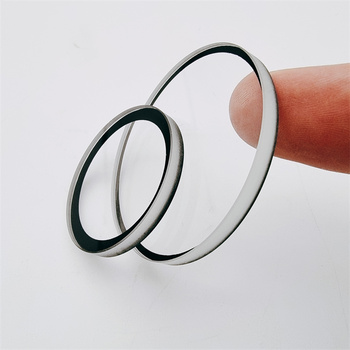
Covers for downlights, panels, linear lights and wall washers, including black printing and stepped edges.
Smart Home & Switches
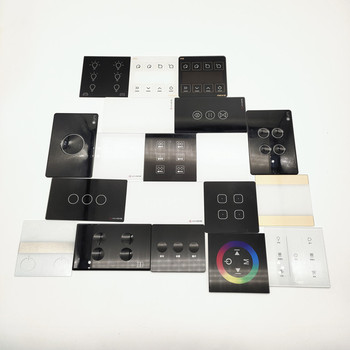
Printed switch plates and smart control panels with touch-key windows and durable surface finishes.
Home Appliances
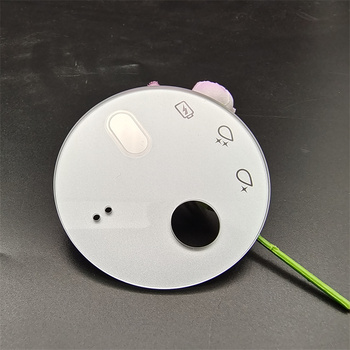
Control panels for kitchen and household devices, with custom printing, holes and thickness options.

Industrial Instruments
Meter windows and HMI covers for equipment that needs visibility, strength and clean graphics.

Security & Camera Devices
Printed lens covers with precision cut-outs for sensors, cameras and electronic security products.
Material Selection Matrix: Avoid Costly Specification Errors
Use this matrix during early design review. Final performance depends on thickness, substrate, coating stack and application environment, so sample testing is recommended.
| Glass Type | What It Solves | Buyer Trap | Best-Fit Applications |
|---|---|---|---|
| Ultra Clear Low-Iron | Removes the green tint of standard float glass for truer color. | Specifying “clear glass” without confirming iron content or edge color. | Display covers, LED lamps, premium appliance panels. |
| AR Anti-Reflective | Cuts surface reflection and improves contrast and transmission. | Comparing transmission without defining wavelength and measurement method. | Medical monitors, industrial displays, camera windows, instrument covers. |
| AG Anti-Glare | Diffuses reflected light so screens remain readable under strong light. | Choosing haze level without considering viewing distance and screen resolution. | Outdoor kiosks, industrial HMIs, vehicle displays, digital signage. |
| AF Anti-Fingerprint | Repels oil and sweat and makes touch surfaces easier to clean. | Assuming AF alone will solve glare or impact resistance. | Capacitive touch panels, smart switches, POS terminals, control interfaces. |
| Printed Tempered Glass | Hides wiring and adds icons, logos, borders and display windows. | Approving color under office light rather than final product lighting. | Switch plates, appliance controls, instrument panels, LED fixtures. |
For coated glass, request measured transmission, reflection, haze and adhesion data. For printed glass, approve a physical golden sample under the final viewing condition.
Glass Sheet Purchasing FAQ for Overseas Buyers
These are the questions that most often determine whether a custom glass project runs smoothly from drawing to delivery.
What is the minimum order quantity for custom glass sheets?
How should I choose between AR, AG and AF coated glass?
What glass thickness should I specify for a display cover or control panel?
Can printing, holes and tempering be combined in one glass part?
What files and details should I send for an accurate quotation?
What are typical lead times for samples and mass production?
How is glass protected during export shipping?
How can buyers verify repeatability before placing a large order?
What is the difference between tempered glass and chemically strengthened glass?
What future sourcing risks should procurement teams plan for?
Have a Drawing or BOM Ready?
Send your glass thickness, dimensions, edge finish, hole details, printing colors, coating requirement, application and estimated annual volume. Our engineering team can review manufacturability before samples are made.
Send an InquiryFor faster review, include DXF, DWG or PDF drawings and the final product application.