Top 10 Specialty Glass Manufacturers & Supplier
A buyer-focused guide to custom tempered, ultra-clear, silk-screen printed, AR, AG and AF coated cover glass for displays, touch panels, appliances, LED fixtures and industrial equipment.
8 Custom Glass Products That Reveal a Supplier's Real Capability
When building a top 10 specialty glass manufacturers & supplier shortlist, look beyond catalogue photos. These eight product formats expose process control in printing, drilling, tempering, edge finishing, coating and assembly-ready delivery.

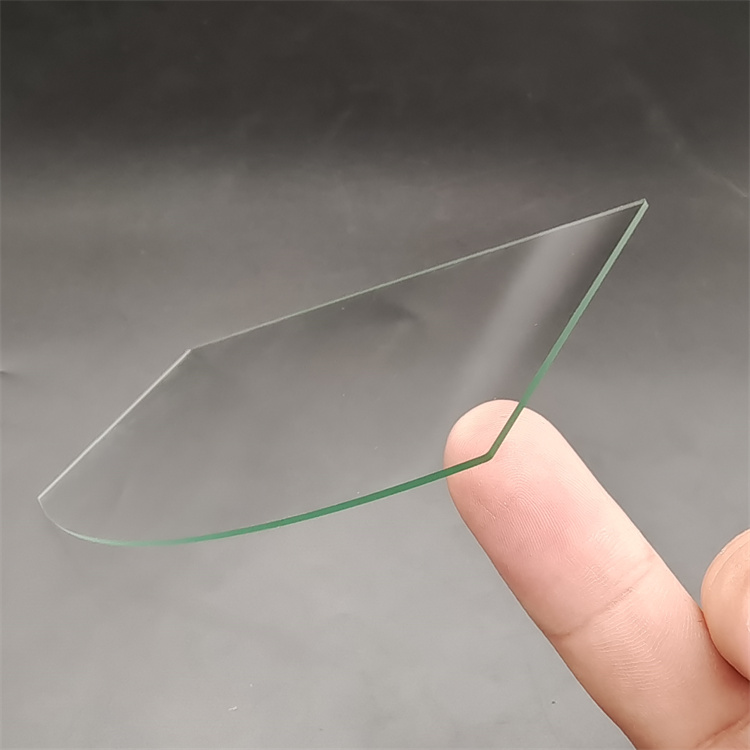
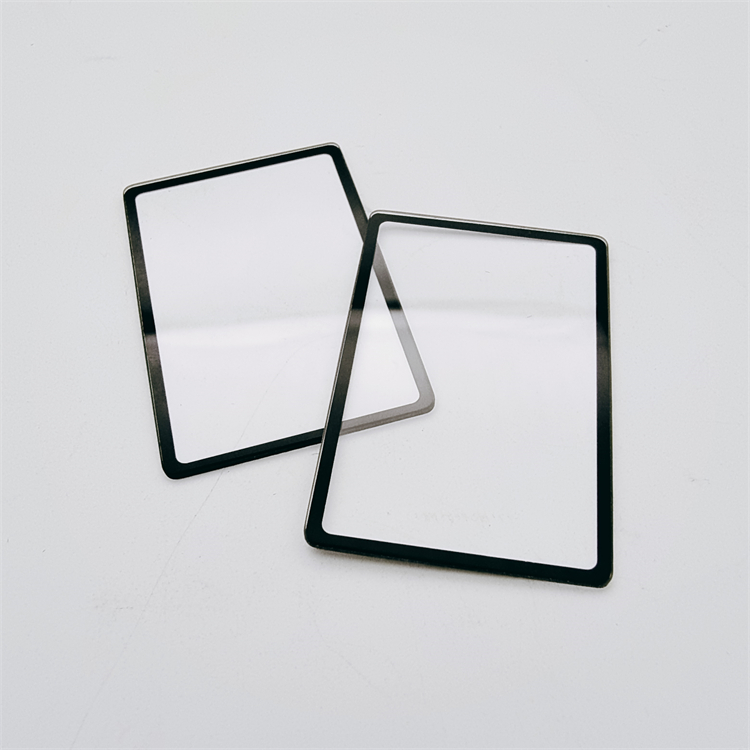
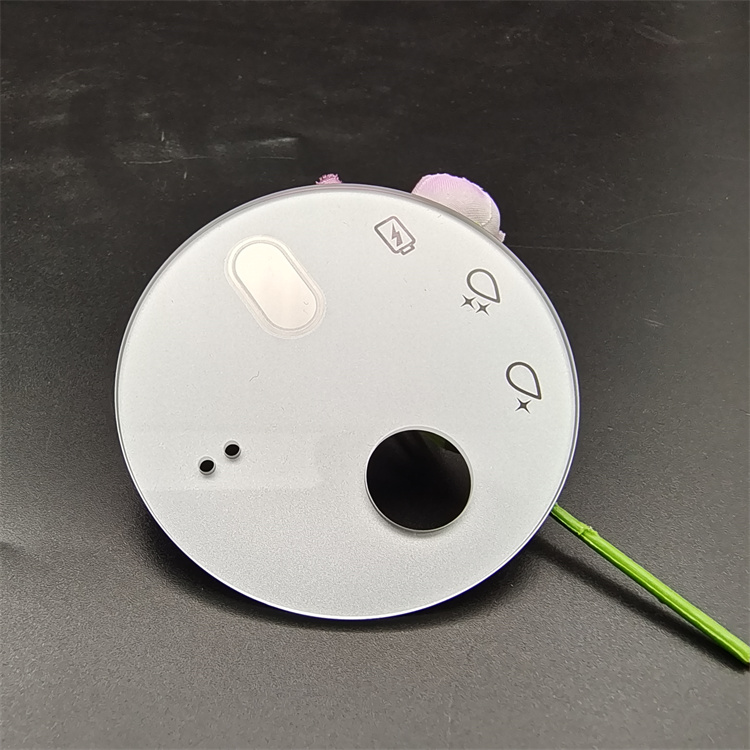
0.5mm 0.7mm 1mm 2mm 3mm Good Price OEM Wholesale Custom Premium Silk Screen Printing Tempered Glass Display Screen Industrial
- Silk screen
- Industrial display
- Custom size
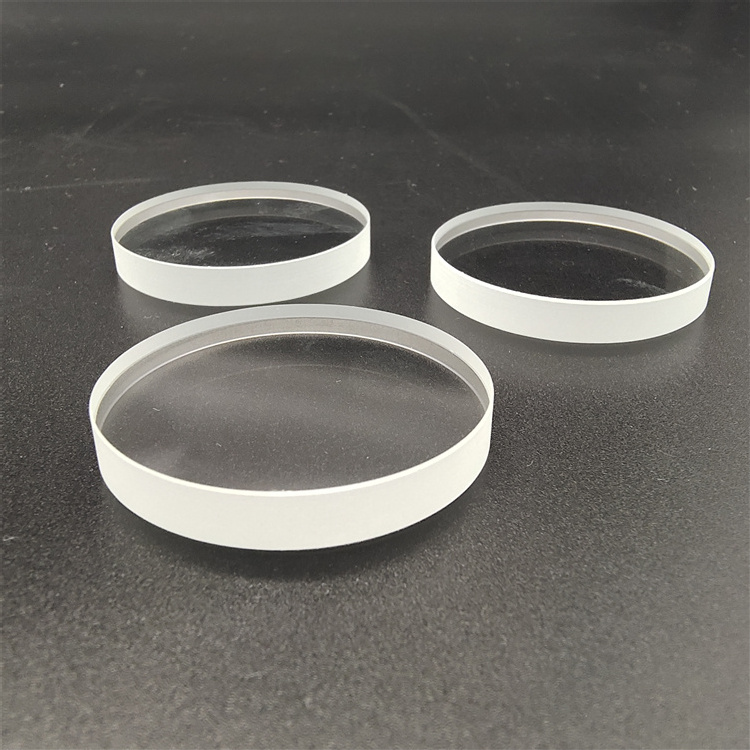
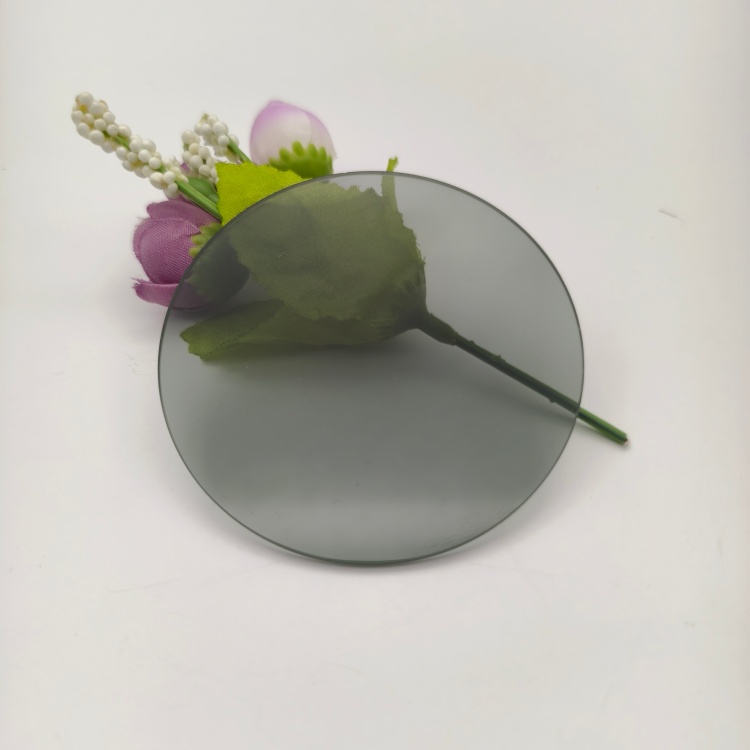
Factory Customized High Strength 2mm 3mm 4mm 5mm Tempered Black Glass Bulletproof & Decorative Flat Surface
- Black glass
- Decorative
- High strength
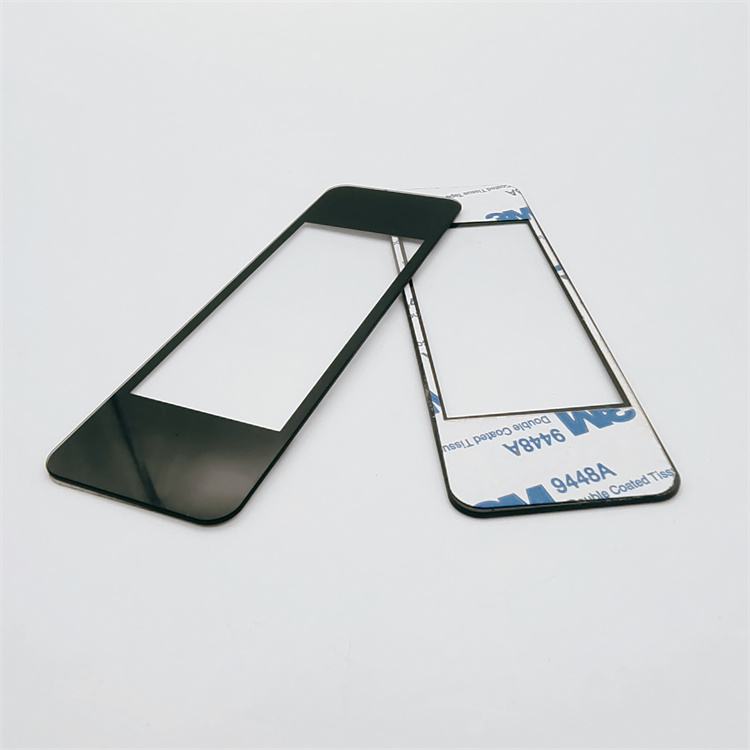
Ultra Thin 1mm Tempered Glass with 3M Tape for Screen Cover Glass
- 1 mm
- 3M tape
- Screen cover
What Makes a Top 10 Specialty Glass Manufacturers & Supplier Candidate in 2025?
A “top 10” list is only useful when it is built on verifiable capability rather than directory placement. For specialty glass, the real qualification question is whether one supplier can control cutting, CNC shaping, hole drilling, edge polishing, tempering, silk-screen printing, ceramic printing and optical coating inside a single quality system. Every handoff between subcontractors introduces dimensional variation, color drift, surface contamination and delivery risk.
This whitepaper treats the search for top 10 specialty glass manufacturers & supplier options as an engineering and procurement scorecard. Buyers should compare process integration, optical coating know-how, dimensional precision, printing consistency, engineering response time, packaging discipline and reorder stability. Those factors determine total landed cost far more than a low quoted price per piece.
Dongguan Jaswe Glass Co., Ltd. is presented here as a practical reference point: a Dongguan-based processor serving display, touch panel, LED lighting, switch, appliance and industrial instrument applications with custom tempered, ultra-clear, printed, AR, AG and AF coated glass. The operating data, process capabilities and application examples below show what buyers should verify before approving any specialty glass supplier.
Need an engineering review before you request samples?
Send a drawing, target thickness, printing requirement, coating specification and estimated annual quantity. A useful supplier should respond with manufacturability feedback, not just a price.
Contact UsExample procurement weighting model
Use this weighting as a starting point for your own scorecard. Adjust it for display glass, appliance panels or LED lighting covers.
Operating Data Buyers Can Compare, Not Just Marketing Claims
For E-E-A-T and supplier due diligence, look for numbers that can be checked against trade profiles, inspection reports and repeat-order history.
Top 10 Evaluation Criteria for Specialty Glass Manufacturers & Supplier Selection
Instead of ranking companies by unverifiable popularity, use these ten capability filters to separate production-ready specialists from trading intermediaries.
1. In-House Process Integration
A true specialty glass manufacturer controls cutting, CNC shaping, drilling, polishing, tempering, printing and coating under one roof. This reduces dimensional drift, scratches and schedule gaps between vendors.
2. AR, AG and AF Coating Capability
Optical performance is not a commodity add-on. Ask whether AR anti-reflective, AG anti-glare and AF anti-fingerprint layers can be specified separately or combined on one cover glass.
3. CNC Cutting, Holes and Step Edges
Round holes, countersinks, notches and inner/outer step edges reveal real tooling discipline. These features are common in LED lighting glass, appliance panels and instrument covers.
4. Tempering and Safety Performance
Tempering strengthens glass for impact resistance and safer breakage behavior. Buyers should confirm furnace capability, thickness range and inspection routines for edge chips and internal stress.
5. Silk-Screen and Ceramic Printing
Icons, borders, transparent windows and logo colors must survive handling, heat and cleaning. Multi-color printing consistency is one of the clearest signs of a capable specialty glass supplier.
6. Practical Thickness Range
Display and touch projects often need 0.5, 0.7, 1, 2, 3 or 4 mm glass, while industrial covers may use thicker formats. A broad range from ultra-thin electronic glass to flat tempered panels offers design flexibility.
7. Engineering Review Speed
Fast feedback on drawings prevents costly prototyping loops. A response within hours should clarify tolerances, edge type, print sequence, coating orientation and packing expectations.
8. In-Process Quality Gates
Inspection should occur at cutting, edging, tempering, printing and coating stages, not only at final packing. Stage-by-stage checks catch root causes before batches become expensive rework.
9. Export Packing for Fragile Parts
Printed and coated glass can look perfect at final inspection and fail in transit. Interleaving, edge protection, moisture control and carton drop resistance should be part of the quotation.
10. Capacity and Reorder Discipline
Monthly output, machine count and repeat-order data help predict whether a supplier can support ramp-up. A stable reorder rate is often more informative than a polished brochure.
Product Procurement Trends Buyers Are Already Pricing Into 2025–2027 Programs
Specialty glass sourcing is moving from “buy a panel” to “buy a validated interface material.” These five trends should shape your supplier questions and contract terms.
High-Mix, Low-Volume Customization
More product variants, smaller launch volumes and faster design refreshes are pushing buyers toward suppliers that can handle 100–500 piece custom runs without sacrificing print or edge quality.
Combined AR + AG + AF Stacks
Outdoor kiosks, industrial HMIs and touch panels increasingly specify a combined coating stack: AR for clarity, AG for glare diffusion and AF for fingerprint resistance.
Traceable, Audit-Ready Supply Chains
Procurement teams now ask for trade history, supplier assessments, inspection records and consistent batch traceability, especially for medical, automotive-adjacent and industrial electronics.
Assembly-Ready Cover Glass
3M tape, adhesive backing, protective film and printed alignment marks reduce assembly labor. Buyers increasingly treat these features as part of the glass specification, not packaging extras.
Total Landed Cost Focus
Low unit price can disappear after breakage, color rework, delayed samples and air freight. Buyers are comparing total landed cost, including yield, packing, engineering time and reorder risk.
Specialty Glass Product Trends Shaping the Next Generation of Devices
The best suppliers do not simply process drawings; they help engineers choose manufacturable constructions that protect appearance, optical performance and service life.
Ultra-Thin 0.2–1 mm Electronic Cover Glass
Thinner cover glass supports compact display stacks and lighter touch modules, but it demands careful handling, edge protection and contamination control during printing and coating.
Black Tempered Decorative Panels
Black glass is used for appliance fronts, control panels and premium industrial covers where appearance and strength must work together. Surface flatness and print opacity are critical.
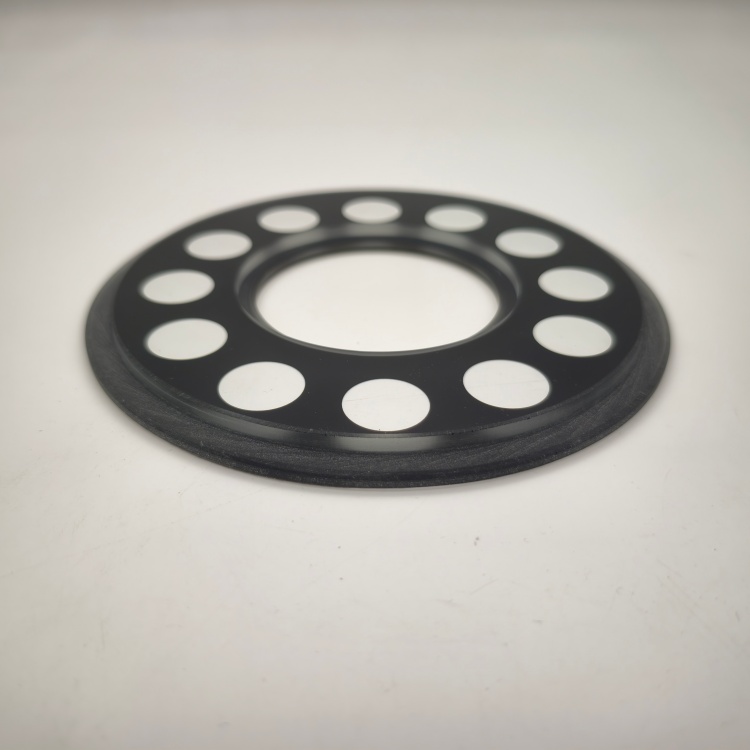
Stepped Edges and Multi-Level Holes
LED lighting and instrument housings increasingly use inner and outer step edges to flush-mount glass into metal or plastic structures without extra gaskets.
High-Temperature Ceramic Ink Printing
Ceramic inks resist fading, cleaning chemicals and heat better than ordinary decorative inks. They are valuable for appliance controls, lighting covers and industrial display windows.
Optical Coating Friendly Constructions
AR and AF coatings perform best when the base glass, edge quality and cleaning process are controlled. Product designs are moving toward coated covers that are ready for optical bonding.
Cleanability and Durability by Design
Touch surfaces now require easy-clean finishes, fingerprint resistance and scratch awareness. Buyers are specifying these attributes during design review, not after field complaints.
AR vs AG vs AF vs Ultra Clear vs Printed Tempered Glass
Use this comparison to align product requirements before asking for samples. Treatments can be combined, but each layer should have a clear purpose in the final device.
| Glass Type | What It Solves | Typical Applications | What to Specify Before Quoting |
|---|---|---|---|
| Ultra Clear (Low-Iron) | Reduces the green tint of standard float glass so colors and white graphics stay neutral. | Display covers, LED lamp covers, premium appliance panels. | Thickness, visible light transmission target, edge finish and printing color standard. |
| AR Anti-Reflective | Lowers surface reflection and improves contrast, especially on dark or high-brightness displays. | Industrial monitors, medical displays, camera windows, instrument covers. | Single-sided or double-sided coating, wavelength range and transmission target. |
| AG Anti-Glare | Diffuses reflected light from sunlight or overhead lighting so screens remain readable. | Outdoor kiosks, vehicle HMIs, digital signage, harsh lighting environments. | Haze or gloss level, viewing distance and whether the surface will be touch-operated. |
| AF Anti-Fingerprint | Adds an oleophobic top layer that resists skin oil, sweat and smudges on touch surfaces. | Capacitive touch panels, smart switches, POS terminals, appliance interfaces. | Touch frequency, cleaning method and compatibility with AR or AG underneath. |
| Silk-Screen Printed Tempered | Adds logos, icons, borders, light-blocking masks and transparent display windows. | Switch plates, control panels, appliance glass, meter windows. | Pantone colors, window dimensions, print side, ink type and transparent area tolerance. |
Final optical and durability values depend on glass thickness, substrate, coating stack and the cleaning process used by the assembly line. First-article samples remain the safest approval method.
Why Jaswe Glass Belongs on a Specialty Glass Supplier Shortlist
Dongguan Jaswe Glass Co., Ltd. provides a reference example of the capabilities buyers should verify when comparing top 10 specialty glass manufacturers & supplier options.



Process depth from the heart of China's electronics supply chain
Located in Dongguan, Guangdong, Jaswe Glass operates as a custom glass processing manufacturer for tempered glass, ultra-clear display glass, touch screen cover glass, silk-screen printed glass, switch glass, AR / AG / AF coated glass, electrical equipment glass and LED lighting glass. The company serves buyers in America, Europe and Asia from a 51–100 person operation with annual revenue in the US$2.5M–US$5M range.
Its in-house capability set covers cutting, special-shaped and CNC cutting, edge polishing, hole drilling, tempering, silk-screen and ceramic printing, AG processing and AR / AF coating. With 26 glass processing machines — including a tempering furnace, polishing machines, printers and automatic cutting equipment — monthly output exceeds 200,000 pieces, and average buyer response time is within three hours.
“Scientific management, careful manufacture, high quality service, striving for excellence.”
For high-tolerance projects such as 0.2 mm ultra-thin electronic glass, printed appliance panels with transparent windows or stepped-edge LED covers, experience matters. Most of the 80+ operators have more than eight years of hands-on glass processing experience, which supports stable handling, printing and inspection discipline.
From Drawing to Delivery: Five Steps for a Controlled Custom Glass Order
Predictable communication is part of product quality. A transparent workflow reduces sampling risk and helps procurement compare lead times realistically.
Send Requirements
Share DXF, DWG or PDF drawings, thickness, edge type, holes, printing colors, coating requirement, application and annual volume.
Engineering Review
The supplier should review manufacturability, tolerances, print sequence and packing risks before confirming price or sample timing.
Sampling
Approval samples should confirm fit, color, edge appearance, optical performance and any assembly-ready features such as 3M tape.
Mass Production
Batch production should include in-process checks at cutting, edging, tempering, printing and coating, with clear acceptance criteria.
Packing and Shipping
Interleaved, edge-protected export packing protects printed and coated surfaces from scratches, chips and moisture during transit.
Where Specialty Glass Creates Product Differentiation
Different applications demand different priorities. The same supplier may need to deliver optical clarity for a display, durability for an appliance and print precision for a control panel.
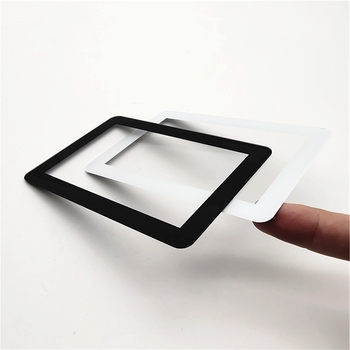
Touch & Display Electronics
Cover glass for LCD, TFT and capacitive touch modules where clarity, flatness and coating orientation matter.
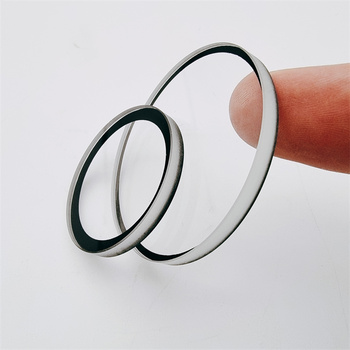
LED Lighting Fixtures
Round, linear, panel and wall-washer covers with printed borders, drilled holes or step edges for flush mounting.
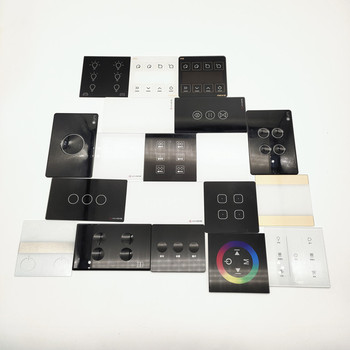
Smart Home & Switches
Printed switch plates and smart control panels that combine touch-key windows, icons and easy-clean surfaces.
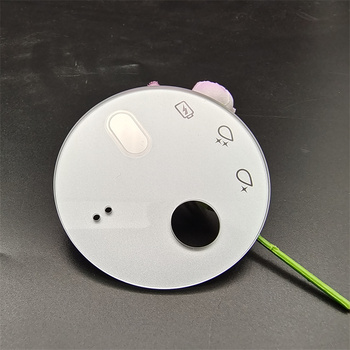
Home Appliances
Control panels for kitchen and household devices that require color consistency, heat resistance and clean edges.
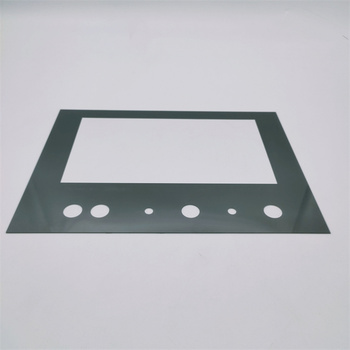
Industrial Instruments
Meter windows and HMI covers for electrical equipment where scratch resistance and optical clarity are essential.
Security & Camera Devices
Printed lens covers and sensor windows with precision cut-outs, black masking and custom outlines.
Specialty Glass Procurement Questions Overseas Buyers Ask Most
Use these answers as a checklist when comparing quotations, samples and factory responses.
What glass thickness can Jaswe Glass process?
The current range covers ultra-thin electronic-grade glass from 0.2 mm up to 19 mm flat tempered glass. The most requested thicknesses for display and touch covers are 0.5, 0.7, 1, 2, 3 and 4 mm. Thicker formats are used for industrial windows, appliance panels and decorative applications.
What is the minimum order quantity for custom glass?
Most custom items start at 100 to 500 pieces, depending on size, printing, coating and edge requirements. Standard clear tempered pieces can often be supplied in smaller sample quantities for evaluation. Always confirm MOQ together with tooling, sample fees and packaging.
What is the difference between AR, AG and AF glass?
AR (anti-reflective) coating reduces surface reflection to increase transmittance and contrast. AG (anti-glare) treatment diffuses reflected light so screens remain readable under strong ambient or outdoor light. AF (anti-fingerprint) is an oleophobic top layer that resists smudges on touch surfaces. They can be combined on one cover glass when the application needs clarity, glare control and easy cleaning.
Which processes are completed in-house?
Cutting, special-shaped and CNC cutting, edge polishing, hole drilling, tempering, silk-screen and ceramic printing, AG processing and AR / AF coating are handled inside the factory. In-house control shortens lead time and reduces quality gaps caused by moving glass between subcontractors.
What is the production capacity and reorder reliability?
With 26 glass processing machines and more than 80 workers, monthly output exceeds 200,000 pieces of processed glass. The recorded response rate is 96.61%, average response time is within three hours, and the buyer reorder rate is 26%. These figures are useful alongside sample results and factory audit records.
How do I start a custom glass project?
Send a drawing in DXF, DWG or PDF format with thickness, edge type, printing colors, coating requirement, application and estimated annual quantity. A complete request also includes tolerance expectations, sample timing, target market and packing requirements. Engineering review should happen before samples are made.
What should be included in a custom glass quotation?
A comparable quotation should separate unit price, tooling or setup, sampling cost, printing colors, coating type, tempering, edge treatment, packing, freight, payment terms and lead time. Ask whether rework, breakage allowance and replacement policy are defined so the total landed cost is transparent.
How do I compare a top 10 specialty glass manufacturers & supplier shortlist?
Score each candidate on process integration, optical coating experience, dimensional precision, printing consistency, engineering response time, quality gates, export packing and reorder stability. Request similar-application samples, check trade history and verify that critical processes are truly in-house. The best shortlist is the one that reduces technical and supply risk, not simply the one with the lowest piece price.
Have a Drawing, a Target Price or a Tough Optical Requirement?
Share your custom tempered, printed, ultra-clear, AR, AG or AF coated glass specification. Our engineering team can review manufacturability, sampling route and production feasibility before you commit to tooling.