8 Custom Glass Products Built for Displays, Lighting and Control Panels
A practical shortlist for buyers comparing a China electronic glass factory. Each item below is made to drawing, with thickness, outline, holes, edge treatment, printing and coating confirmed during engineering review.
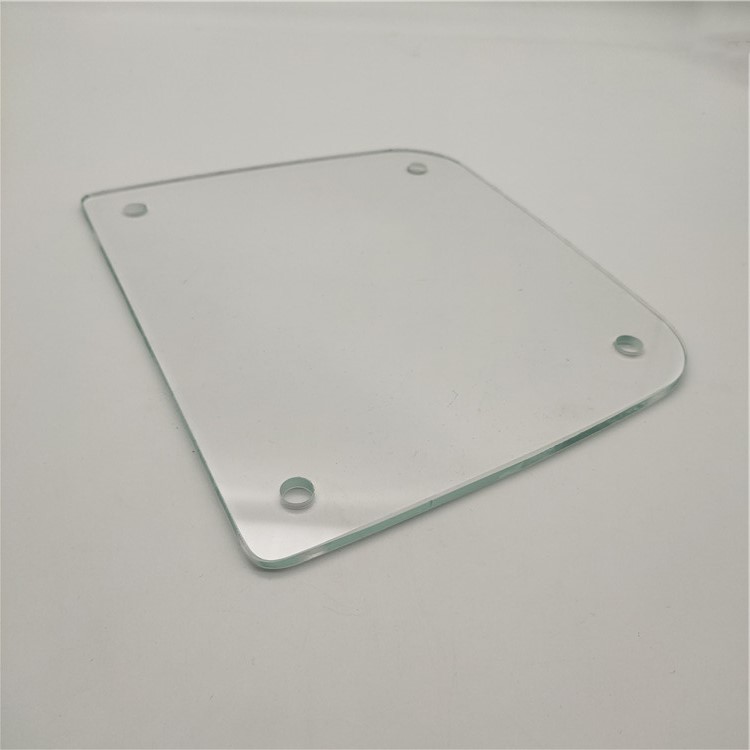
Ultra Clear Tempered Glass Customized Design with Cut Holes for Led Light Cover
Low-iron clarity · CNC cut holes · tempered strength · LED lighting covers and display windows.
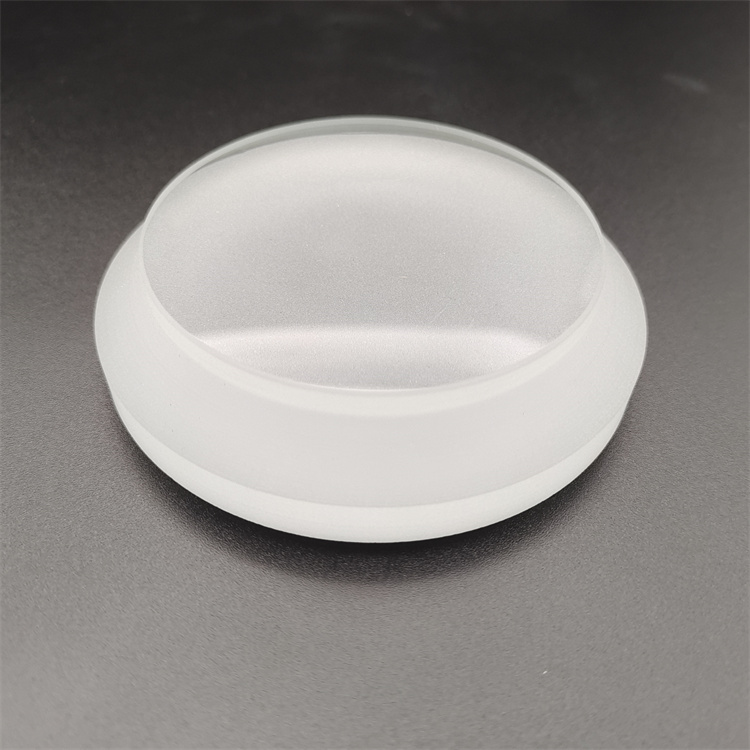
Customized Industrial Lighting Solid Flat Ultra Clear Frosted Tempered Glass with Beveled Step Edge
Frosted or clear options · beveled step edge · industrial lighting cover glass.
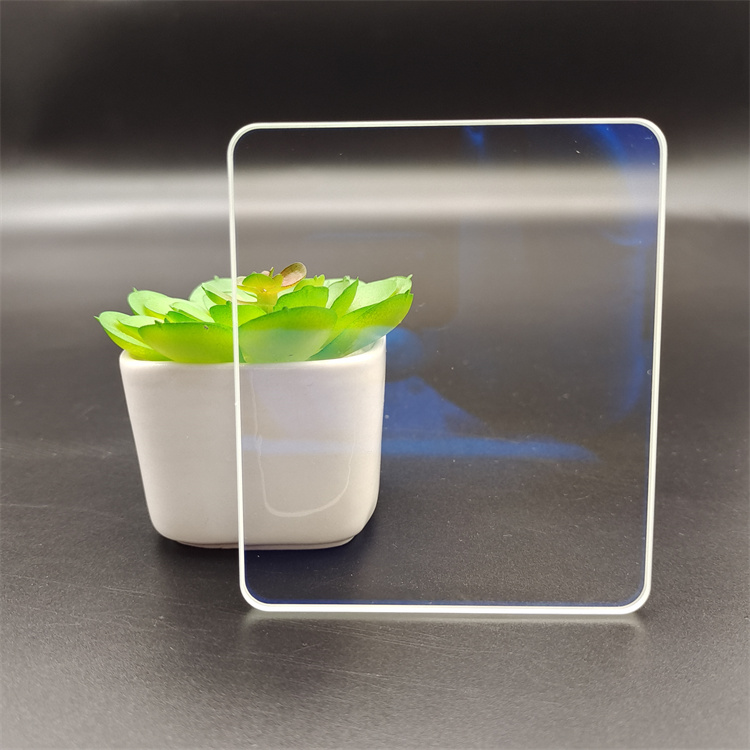
Both Sides Anti Reflective AR Coating 1mm 2mm 3mm 4mm Ultra Clear Tempered Glass
Double-sided AR coating · 1–4 mm · higher transmittance and lower surface reflection.
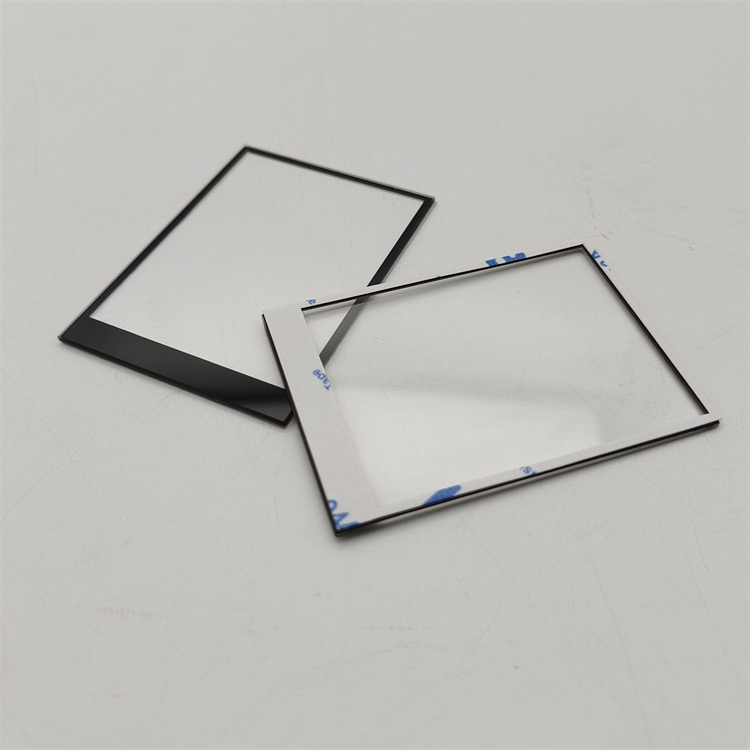
Small Size Ultra Thin 0.5mm 0.7mm 1mm Tempered Glass Panel With Adhesive Tape for Screen Protection
0.5 / 0.7 / 1 mm · adhesive backing · small-format protection and touch overlay.

Customized Ultra Clear 0.5mm 0.7mm Thickness Ultra Thin Tempered Glass
Ultra-thin profile · custom outline · edge treatment · optical display protection.
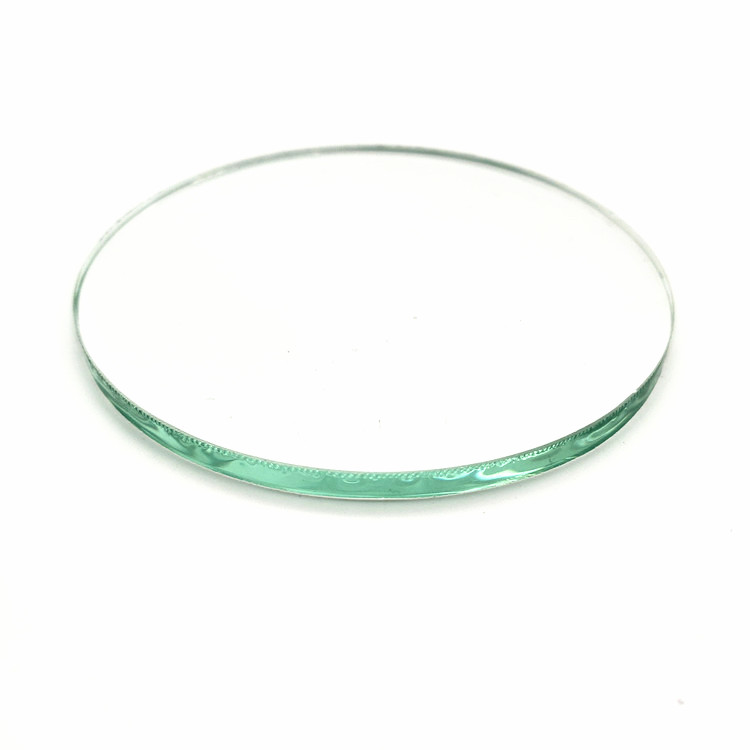
Customized Clear Flat Solid Tempered Glass Pieces 1mm-19mm for Industrial Lighting and Various Applications
1–19 mm flat solid glass · clear / ultra-clear · lighting and equipment covers.
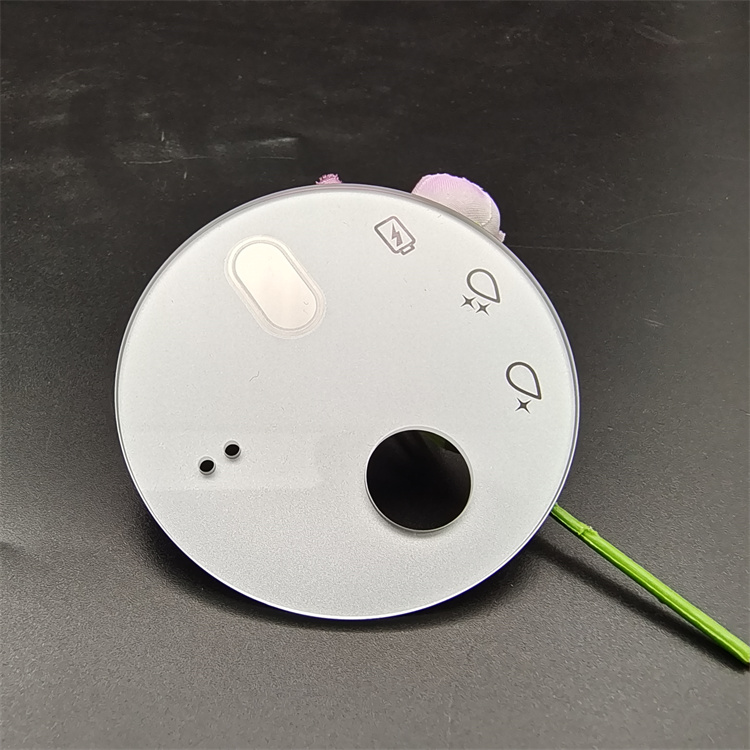
Customized 0.5mm 0.7mm 1mm 2mm 3mm 4mm 5mm 6mm Cut Holes Printed Round Tempered Glass Panels for Home Appliance
Round or shaped panels · cut holes · printed graphics · appliance control surfaces.
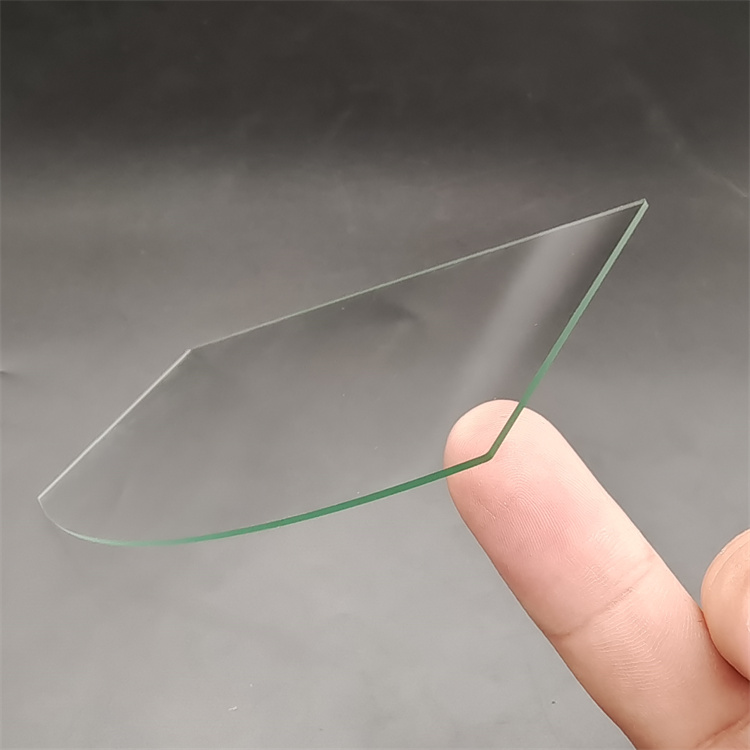
Any Size Custom 0.5/0.7/1/1.5/2/3mm Tempered Glass Screen Protector,Round Rectangle Triangle Customized Tempered Glass Oem Odm
OEM / ODM screen protectors · round, rectangle, triangle · any size from 0.5 to 3 mm.
Product images are shown without factory compression. Final dimensions, edge profiles, printing colors, coating targets and packing methods are confirmed against the approved drawing and sample.
Figures reflect the supplier and trade profile of Dongguan Jaswe Glass Co., Ltd. Buyers should validate current capacity, certifications, coating durability data and inspection reports against their own quality plan.
A Higher-Information Buyer’s View of China Electronic Glass Sourcing
The phrase “Top China Electronic Glass Factory & Exporter” is not a simple commodity search. Buyers using this phrase are usually trying to reduce risk: optical defects, dimensional drift, coating failure, printed-color mismatch, poor edge quality, late delivery or packaging damage. The useful question is therefore not “who sells glass?” but “which factory can control the full process from raw sheet to finished cover glass?”
Semantic search intent around electronic glass has become more specific. Buyers now search for 0.7 mm ultra-clear cover glass with AR coating, printed switch glass with drilled holes, LED lighting glass with ceramic ink, or a supplier able to support both sample evaluation and stable mass production. That shift rewards factories with visible process depth, documented quality data and engineering communication — not just a catalog of sizes.
Information gain comes from details that help a buyer qualify a supplier faster: a 0.2–19 mm processing range, in-house CNC cutting, edge polishing, hole drilling, thermal tempering, silk-screen and ceramic printing, AG processing and AR / AF coating. When those steps sit under one roof, the buyer avoids the hidden risk of fingerprints, rework and responsibility gaps between subcontractors.
For overseas procurement teams, the strongest supplier is the one that can translate an application into a manufacturable glass stack. A medical monitor cover, an outdoor touch kiosk, a smart wall switch and an LED downlight cover do not need the same glass. They need different thicknesses, optical treatments, edge profiles, print layers and packing methods. That is the practical meaning of expertise in this category.
Illustrative RFQ weighting for custom electronic glass
Glass Specifications Are Becoming More Integrated
Electronic glass is moving from a passive protective part to an engineered interface component. The trends below matter for buyers planning 2025–2030 product roadmaps.
Ultra-Thin Glass Moves into Mainstream Covers
Thicknesses from 0.2 mm to 1 mm are increasingly specified for compact displays, touch overlays and screen protection. The gain is product thinness and design freedom; the risk is handling, edge quality and flatness control. Buyers should ask for sample flatness, edge inspection and breakage data.
Coatings Are Specified as a Stack
AR, AG and AF are no longer isolated features. Outdoor kiosks may need AG plus AF, while high-end display windows may combine double-sided AR with an anti-fingerprint top layer. Optical performance, abrasion resistance and cleaning method should be agreed as one coating stack, not three separate line items.
Printed Glass Becomes Part of the UI
Switch plates, appliance panels, instrument windows and LED covers increasingly rely on printed borders, icons, gradients and transparent windows. Print alignment must be tied to the touch sensor, LED position and housing tolerance. Buyers should supply Pantone references, window dimensions and surface-finish expectations.
Traceability and Reliability Become Inputs
Procurement teams are asking for more than visual inspection. They want batch traceability, coating test records, thermal shock data, packing validation and clear handling instructions. These details reduce field failures and make repeat orders more predictable, especially for industrial and outdoor applications.
What Overseas Buyers Are Likely to Prioritize through 2030
Price pressure remains real, but the purchase decision is shifting toward qualification speed, supply resilience and total landed cost. These four procurement patterns are already visible in custom glass RFQs.
Dual Sourcing Without Duplicating Risk
Buyers want a primary factory with full process control and a backup source for continuity. The most efficient approach is to standardize drawings, coating targets and inspection criteria so both suppliers work from the same specification. A factory that provides clear process records makes this transition easier.
Smaller Qualification Batches, Faster Learning
Teams increasingly prefer 100–500 piece evaluation batches before committing to mass production. This is especially common for printed control panels and coated display covers. Fast sampling reduces the cost of design iterations and exposes process limits before tooling or assembly lines are committed.
Total Landed Cost Replaces Piece Price
Cheap glass becomes expensive when breakage, rework or fit failures appear at the assembly line. Procurement models now include edge quality, optical yield, print alignment, packing protection and average response time. These factors are more predictive of total cost than a quotation per square meter.
Documentation and Packaging Evidence
Export buyers want evidence that the packing method is designed for long-distance transit: interleaved surfaces, edge protection, moisture control and labeled cartons. Material declarations, coating durability notes and batch identification are becoming normal parts of the supplier scorecard.
- Qualification checklist: thickness range, substrate type, coating stack, print colors, edge profile, hole tolerance, inspection method, sample lead time, MOQ and export packing.
- Risk-control checklist: in-house process coverage, batch traceability, response speed, reorder rate, packing validation and verified trade history.
Match the Glass Construction to the Real Working Environment
Use this matrix to align glass type, coating, printing and edge treatment before requesting a quotation.
| Application | Recommended Construction | Key Process Control | Buyer Outcome |
|---|---|---|---|
| LED lighting fixtures | Ultra-clear tempered glass, 1–5 mm, ceramic-printed border, drilled holes | Color consistency, edge smoothness, heat resistance, hole position | Stable appearance and reliable assembly |
| Smart switches and appliance panels | Tempered glass 0.5–4 mm, silk-screen or ceramic print, AR / AF top layer, adhesive option | Icon alignment, window transparency, surface hardness, adhesive flatness | Scratch-resistant, clean touch surface |
| Touch panels and display covers | Low-iron ultra-clear glass, 0.5–3 mm, double-sided AR, optional AG / AF, CNC holes | Transmittance, reflection, flatness, edge quality, coating durability | Clearer reading and smoother touch feel |
| Industrial instruments and HMIs | Soda-lime or ultra-clear tempered glass, 1.5–6 mm, printed window, AR coating, stepped edge | Dimensional tolerance, print opacity, chemical resistance, sealing compatibility | Robust display protection in factory environments |
| Security and camera devices | Printed tempered glass, 1–4 mm, AR coating, precision cut-outs, black mask printing | Cut-out alignment, reflection control, ink coverage, edge finish | Concealment, glare reduction and durable protection |
| Consumer electronics and screen protectors | Ultra-thin tempered glass, 0.5–1 mm, AF coating, adhesive tape, custom outline | Thickness tolerance, flatness, adhesive performance, packaging cleanliness | Thin, optical-grade protection with fewer smudges |

Touch & Display Electronics
Cover lenses for LCD, TFT and capacitive touch modules.
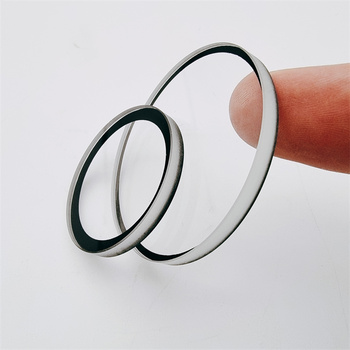
LED Lighting Fixtures
Downlight, panel, linear and wall-washer cover glass.
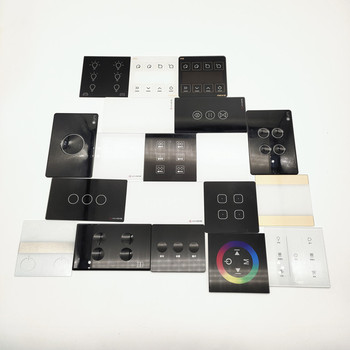
Smart Home & Switches
Printed switch plates and smart control panels.
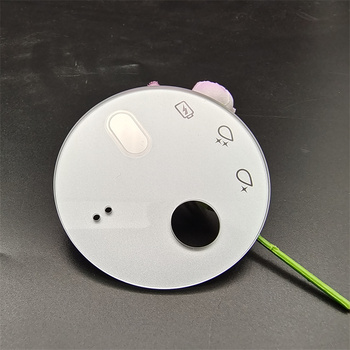
Home Appliances
Control panels for kitchen and household devices.

Industrial Instruments
Meter windows and HMI covers for electrical equipment.
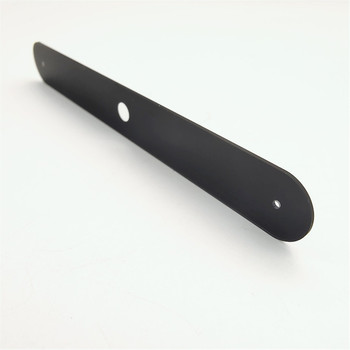
Security & Camera Devices
Printed lens covers with precision cut-outs.



Inside Dongguan Jaswe Glass Co., Ltd.
Based in Dongguan, Guangdong — at the center of China’s electronics and lighting supply chain — Dongguan Jaswe Glass Co., Ltd. processes and exports tempered glass, ultra-clear display glass, touch screen cover glass, silk-screen printed glass, switch glass, AR / AG / AF coated glass, electrical equipment glass and LED lighting glass.
Experience is practical here. More than 80 skilled operators work with 26 glass processing machines, including cutting, CNC shaping, edge polishing, drilling, tempering, printing and coating equipment. Monthly output exceeds 200,000 pieces, and the factory profile lists 51–100 employees with annual revenue in the US$2.5M–US$5M range.
Authority and trust should be verifiable. The supplier profile records a 96.61% response rate, an average response time of three hours or less, a 26% buyer reorder rate and a six-year on-site verified supplier status. These data points do not replace buyer audits, but they help procurement teams shortlist a factory for serious engineering discussion.
“Scientific management, careful manufacture, high quality service, striving for excellence.”
- Location
- Dongguan, Guangdong, China
- Employees
- 51–100 people
- Annual revenue
- US$2.5M–US$5M
- Main markets
- America · Europe · Asia
- Equipment
- 26 machines incl. tempering furnace
- Supplier status
- On-site verified · 6 years
From Raw Sheet to Finished Cover Glass: 8 In-House Capability Modules
Keeping critical steps under one roof shortens lead time and removes the quality gaps that appear when glass moves between subcontractors.
Precision & CNC Cutting
Automatic cutting plus CNC shaping for rounds, notches, slots and irregular outlines.
Edge Polishing
Pencil, flat, beveled, stepped and matte edges for safe handling and clean appearance.
Hole Drilling
Holes and countersinks for buttons, sensors, cameras, knobs and mounting screws.
Thermal Tempering
Tempering furnace strengthening for impact resistance and safer breakage behavior.
Silk Screen & Ceramic Printing
Multi-color logos, icons, borders and display windows with color matching.
AG Anti-Glare Processing
Diffused matte surface that keeps screens readable under strong ambient light.
AR Anti-Reflective Coating
Optical coating that lowers reflection and raises light transmission for brighter displays.
AF Anti-Fingerprint Coating
Oleophobic top layer for touch screens: smoother glide, fewer smudges, easier cleaning.
A Four-Step Qualification Path from Drawing to Delivery
Clear communication at each stage reduces sample cycles and protects mass-production consistency.
Send Requirements
Share the drawing, thickness, edge type, printing colors, coating target, application and annual volume for engineering review.
Review & Sample
Manufacturability is checked, then physical samples are produced for fit, color, edge and optical approval.
Mass Production
Batch production with in-process checks at cutting, edging, drilling, tempering, printing and coating stages.
Pack & Ship
Interleaved, edge-protected export packing with labels and shipment verification for long-distance transit.
Frequently Asked Questions from Electronic Glass Buyers
The questions below reflect the technical and commercial details buyers ask most often during supplier qualification.
What electronic glass products can this factory process?
What thicknesses and sizes are available?
What is the difference between AR, AG and AF glass?
What is the minimum order quantity and sample process?
How is quality controlled across cutting, printing and coating?
How do I start an RFQ for custom electronic glass?
Ready to Qualify a China Electronic Glass Factory?
Share your drawing and application details to receive a manufacturability review, recommended glass construction, sample path and production estimate from the engineering team.
Inquire NowEmail: info@jasweglass.com · Dongguan Jaswe Glass Co., Ltd. · Custom tempered, ultra-clear, printed and AR / AG / AF coated electronic glass.