Product recommendations for heat-critical sourcing

8 Export-Ready Heat-Resistant and Thermal-Processed Glass Products

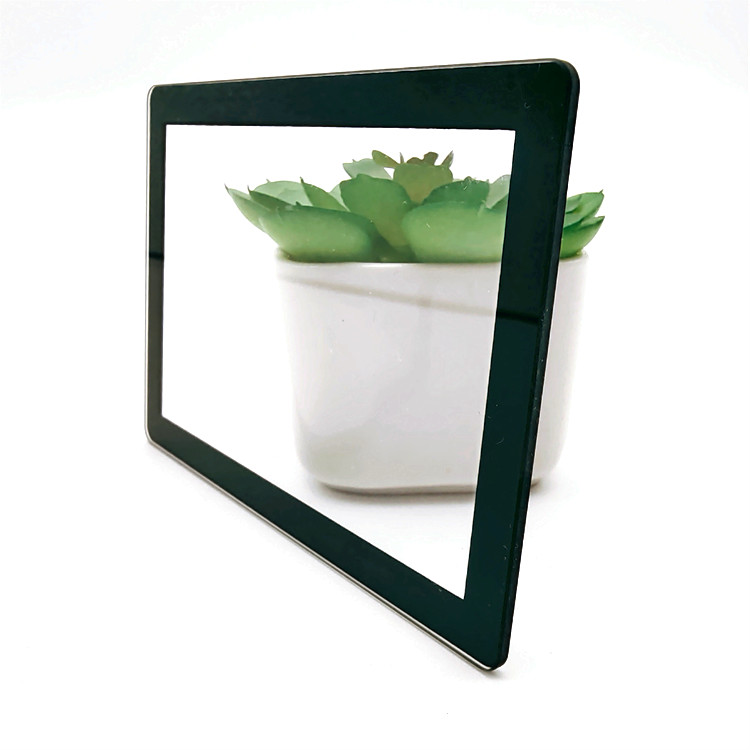
These products cover the most common buyer intents behind the query “top China heat resistant glass exporter & wholesalers”: industrial display protection, silk-screen appliance panels, anti-glare touch protection, AR optical glass, ultra-thin adhesive panels, step-edge tempered glass, printed card-reader covers and ultra-clear LED lighting glass.

Need a fast product match? Send your drawing, thickness, coating requirement and estimated annual quantity. The engineering team can recommend a heat-resistant glass construction before sampling begins.

Search intent decoded

What “Top China Heat Resistant Glass Exporter & Wholesalers” Really Means for B2B Buyers

A broad query like this usually hides six different intents: finding a qualified exporter, comparing wholesale pricing, checking thermal stability, sourcing custom cover glass, verifying quality systems and reducing supply risk. The information below turns those intents into a procurement checklist.

From broad keyword to engineering brief

China's display, appliance, lighting and industrial-control supply chains have made heat-resistant glass a specification-led purchase rather than a commodity buy. For a display cover, the real questions are not only “What is the price per piece?” but also “How does the glass behave under thermal shock, what optical coating is required, can the printed window align precisely, and how will the parts be protected during export?” Buyers searching for top China heat resistant glass exporters and wholesalers should therefore evaluate process depth, not just price lists.

Information gain comes from combining engineering criteria with sourcing criteria. A reliable heat-resistant glass supplier should be able to discuss tempering, edge polishing, CNC drilling, silk-screen or ceramic printing, AR/AG/AF coating, sample approval, packing and export documentation in one conversation. That is the difference between a glass trader and a custom glass processor capable of supporting repeat production.

  • Exporter verification: company profile, factory location, machine list, production capacity and third-party trade records.
  • Thermal process capability: tempered glass route, high-temperature printing, annealing control and breakage-pattern expectations.
  • Wholesale readiness: MOQ guidance, repeat-order consistency, packaging method, sample workflow and engineering response time.
  • Application fit: display window, LED cover, smart switch, appliance panel, touch panel or industrial instrument cover.

Buyer intent snapshot

01Find a qualified China exporter
02Compare wholesale customization
03Check heat and tempering capability
04Select AR, AG or AF coating
05Request samples before volume
06Reduce quality and delivery risk
Engineering selection guide

Heat-Resistant Glass Selection Matrix for Displays, Lighting, Switches and Instruments

Use this technical framework to convert a product idea into a manufacturable specification. It is written for buyers who want more than a generic quotation: it shows which glass construction fits which operating environment.

Thermal stability first

Tempering improves mechanical strength and helps glass tolerate temperature differentials. For heat-resistant sourcing, specify the operating environment, cleaning temperature, printing process and any thermal-shock test expected during validation.

Optical stack second

Ultra-clear substrate removes the green tint of ordinary float glass. AR coating lowers surface reflection; AG treatment diffuses glare; AF coating resists fingerprints. These treatments can be combined, but each addition must be balanced against cost and durability.

Print, shape and assembly third

Printed glass is now a functional interface. Send artwork, Pantone colors, transparent window size, hole positions, edge profile and adhesive preference. DFM review before sampling prevents costly tolerances that cannot be held in mass production.

Buyer requirement Recommended glass / process Why it matters Specification to send
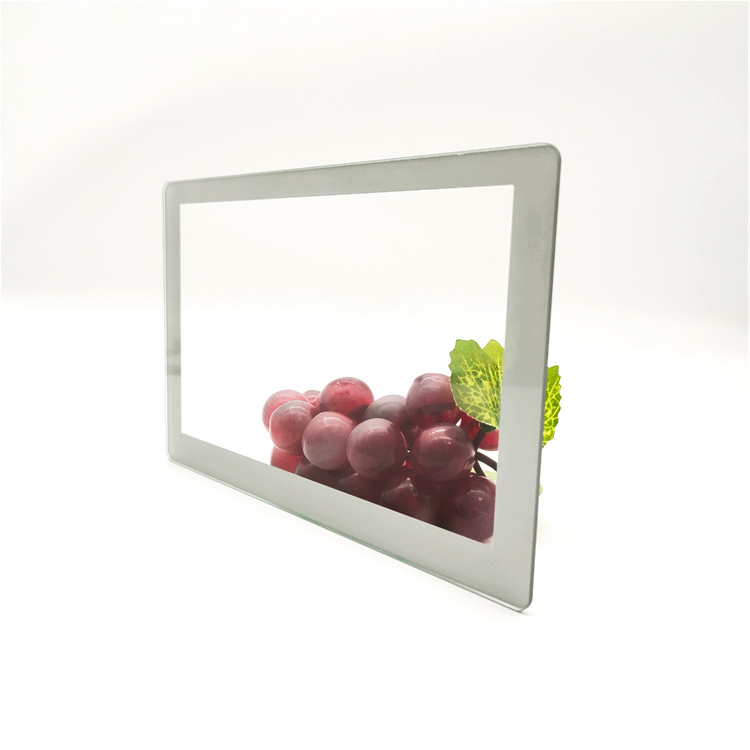
High-brightness industrial display Ultra-clear tempered glass with double-sided AR coating Improves contrast by reducing surface reflection and raising light transmission. Thickness, transmittance target, outline drawing, coating sides.
Outdoor or strong-light HMI AG frosted glass or AG + AF combined treatment Diffuses glare from sunlight or overhead lighting and keeps touch surfaces cleaner. Haze / gloss level, viewing distance, touch requirement, cleaning method.
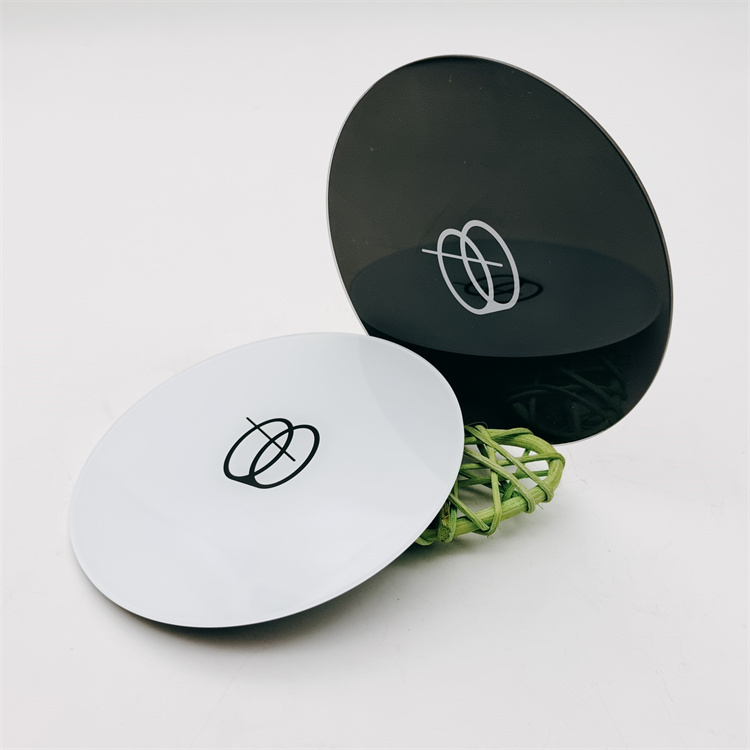
Smart switch / appliance panel Black or white silk-screen printed tempered glass; ceramic print optional Hides circuitry, integrates icons and creates a durable decorative front panel. Pantone colors, icon artwork, transparent windows, hole and step-edge positions.
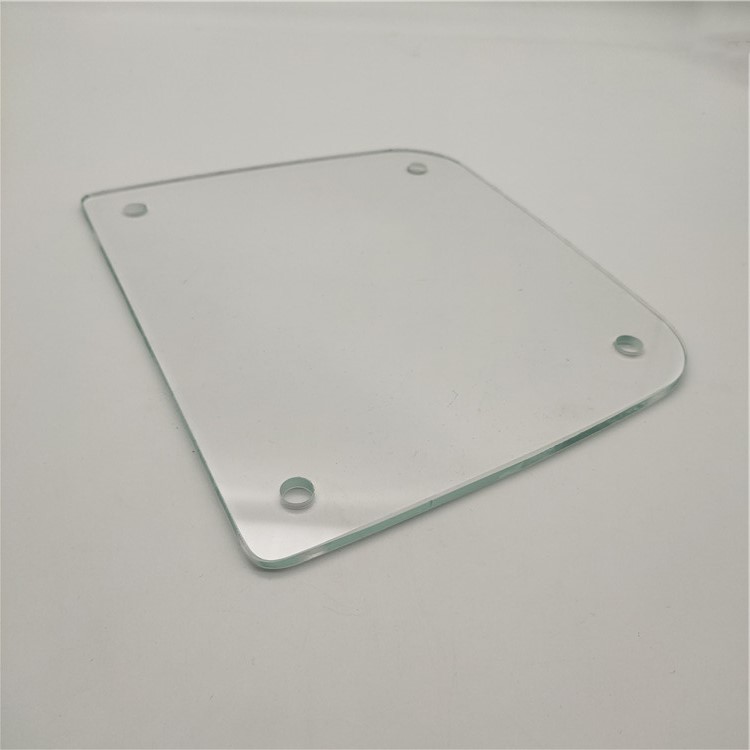
LED cover / lighting fixture Ultra-clear tempered or heat-treated glass with cut holes Maintains light output while providing mechanical protection and design flexibility. Thickness, edge type, light transmission, cut-hole drawing, operating temperature range.
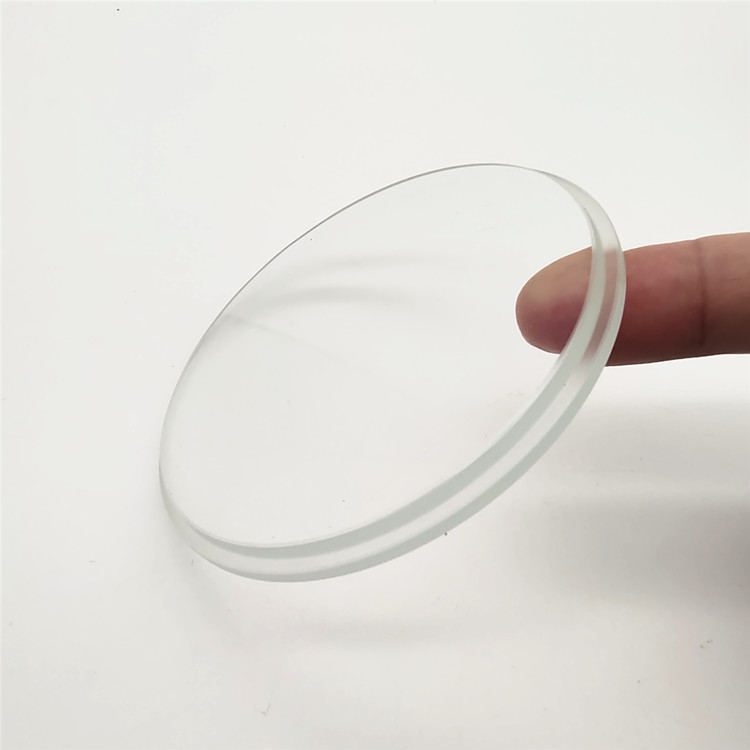
Instrument window / card reader Printed tempered glass with high-strength panel and drilled holes Balances visibility, robustness, mounting accuracy and decorative integration. Hole diameter, step-edge dimensions, impact requirement, annual quantity.

Heat resistance and optical performance depend on thickness, substrate, printing ink, coating stack and application conditions. Sample testing is recommended before mass production.

Future procurement trends

Future Procurement Trends: How B2B Buyers Will Source Heat-Resistant Glass

Wholesale sourcing from China is moving away from simple price comparison. The next buying cycle will reward exporters that can document process control, support lower-volume customization and co-engineer optical performance.

Specification-driven RFQs

Buyers increasingly send drawings, DXF files, optical targets and annual forecasts instead of asking for “best price.” Exporters with engineering review capability will win more qualified inquiries.

Dual-source risk planning

Procurement teams are balancing China's process depth with regional backup suppliers. A transparent factory can support vendor audits, sample archives and repeat-order documentation.

Traceability and audit packs

Inspection records, material sheets, process route cards, packing photos and sample approvals are becoming part of the supplier scorecard, especially for display and appliance programs.

Lower-carbon process planning

Energy-efficient tempering, optimized yield, reusable packaging and reduced breakage are becoming measurable cost factors. Buyers should ask how the supplier controls scrap and transport damage.

Small-batch customization

Smart-home, medical and industrial device brands need more variants with lower volumes. Flexible sampling, printing setup and CNC changeover become commercial advantages.

Integrated optical stacks

The market is shifting from single-feature glass to combined AR/AG/AF and printed tempered glass. One supplier that controls the full stack reduces coordination risk between coating and printing vendors.

RFQs with drawings or CAD filesHigh priority
Optical coating integrationRising demand
Sample approval before volumeExpected
Traceable quality recordsGrowing weight

The bars above are an illustrative procurement-priority index for planning discussion, not a third-party market forecast.

Product development trends

Product Development Trends: What the Next Generation of Heat-Resistant Glass Will Look Like

Display, lighting and appliance products are becoming thinner, more integrated and more demanding on optical clarity. Glass is no longer a passive cover; it is part of the user interface and the thermal design.

Thinner but stronger covers

Ultra-thin tempered glass around 0.5 mm, 0.7 mm and 1 mm continues to expand in compact electronics. Buyers will ask for strength, flatness and edge quality at lower weight.

Combined AR / AG / AF surfaces

Single-purpose glass is giving way to multilayer optical designs. Outdoor touch terminals may require AG for glare control plus AF for fingerprint resistance, while display windows may need double-sided AR.

Printed glass as a UI layer

Ceramic and silk-screen printing are becoming more precise for icons, transparent windows, borders and sensor areas. Glass panels increasingly combine decoration, masking and touch-interface functions.

Complex shapes and step edges

CNC shaping allows rounds, slots, notches and stepped edges that fit modern industrial designs. Buyers will expect suppliers to review manufacturability before quoting a complex outline.

LED lighting thermal integration

LED covers must balance light transmission, heat exposure, cut-hole precision and visual purity. High-temperature printing and ultra-clear low-iron glass will remain key development directions.

Yield, packaging and sustainability

Future differentiation will come from lower breakage, better pallet protection and cleaner packaging. A well-packed heat-resistant glass shipment protects both product quality and brand reputation.

Company advantages

Dongguan Jaswe Glass Co., Ltd.: A China Glass Processing Partner for Export Buyers

Based in Dongguan, Guangdong, China, Dongguan Jaswe Glass Co., Ltd. processes and exports custom tempered glass, ultra-clear glass, silk-screen printed glass, switch glass, AR/AG/AF coated glass and LED lighting glass for overseas B2B buyers.

Dongguan Jaswe Glass factory video cover showing glass processing capability Glass processing workshop at Dongguan Jaswe Glass Tempering and printing equipment at Jaswe Glass

Engineering depth inside one factory

The company's strength is process integration: cutting, CNC shaping, edge polishing, hole drilling, tempering, silk-screen printing, ceramic printing, AG processing and AR/AF coating can be coordinated under one quality system. For buyers comparing China heat-resistant glass exporters and wholesalers, this reduces the risk created when glass moves between multiple subcontractors.

Most of the 80+ operators have more than eight years of hands-on glass processing experience. That matters on tight-tolerance jobs such as 0.2 mm ultra-thin cover glass, multi-color printing with transparent display windows, step-edge covers and coated touch panels. The factory profile lists 26 glass processing machines, production capacity above 200,000 pieces per month, markets across America, Europe and Asia, and a supplier status verified by a third-party trade platform.

The company’s trade profile also lists an annual revenue range of US$2.5M–US$5M, 51–100 employees and a six-year on-site verified supplier record. Buyers can review ratings, transaction level, trade capacity and supplier assessment through the platform links, which supports a more evidence-based vendor selection process.

“Scientific management, careful manufacture, high quality service, striving for excellence.”
80+Skilled workers
26Glass processing machines
200K+Pieces per month
≤3hAverage response time

96.61% response rate and a 26% buyer reorder rate are recorded in the company's third-party trade profile — useful signals for overseas buyers who need predictable communication and repeat-order consistency.

Custom order workflow

From Drawing to Container: A Five-Step Heat-Resistant Glass Order Workflow

A controlled workflow protects both the buyer and the production team. The goal is to remove ambiguity before samples are made and to keep the approved standard visible during mass production.

Send requirements

Share drawing, thickness, edge profile, printing colors, coating requirement, application and estimated annual volume.

Engineering review

Manufacturability is checked for glass strength, hole position, step edges, printing tolerance and coating compatibility.

Sample approval

Physical samples verify fit, color, optical appearance, transparency windows and edge quality before volume production.

Mass production

Batch production with in-process inspection across cutting, CNC, tempering, printing and coating stages.

Packing & shipping

Interleaved, edge-protected export packing with clear labeling to reduce transit breakage and receiving errors.

FAQ for overseas buyers

Heat-Resistant Glass Sourcing FAQ

These are the questions procurement teams, product engineers and buyers ask most often when evaluating China heat-resistant glass exporters and wholesale suppliers.

What makes glass heat resistant, and is tempered glass the same as heat-resistant glass?

Tempered glass is strengthened through a controlled heating and cooling process. It offers improved mechanical strength and safer breakage behavior, and it can be suitable for many heat-exposed display, lighting and appliance applications. However, “tempered” and “heat resistant” are not automatically identical for every use. The right specification depends on operating temperature, thermal cycling, mounting method, thickness, printing and coating. For critical applications, buyers should define the thermal-shock test and approve samples before mass production.

What glass thicknesses can be processed for wholesale custom orders?

The relevant range for custom display and industrial glass can include ultra-thin electronic-grade glass from 0.2 mm up to thicker flat tempered glass in the 10 mm–19 mm class, depending on the product route. The most requested display and touch-cover thicknesses are often 0.5 mm, 0.7 mm, 1 mm, 2 mm, 3 mm and 4 mm. For a reliable quotation, send drawings, target application, edge requirement and annual volume rather than thickness alone.

What is a typical MOQ for custom heat-resistant glass from China?

For many custom printed, coated or specially shaped glass items, a practical MOQ may start around 100–500 pieces depending on size, printing colors, coating type and tooling requirements. Standard clear tempered pieces may be available in smaller quantities for sample evaluation. MOQ should always be confirmed against the drawing and process route, because a large panel with multiple holes, step edges and AR coating may require a different production setup from a small printed switch panel.

How do I choose between AR, AG, AF and ultra-clear glass?

Ultra-clear low-iron glass improves color neutrality and light transmission. AR anti-reflective coating reduces surface reflection and improves display contrast. AG anti-glare treatment diffuses reflected light, making screens more readable in bright environments. AF anti-fingerprint coating is an oleophobic surface layer that helps resist smudges on touch products. These features can be combined, such as AG + AF for outdoor touch kiosks or double-sided AR for high-contrast monitor windows.

Can silk-screen printing, holes, step edges and coatings be combined in one glass part?

Yes, depending on the design and process sequence. A single part can include CNC cut-outs, drilled holes, step edges, silk-screen or ceramic printing, and an optical coating. The key is early DFM review. Hole-to-print alignment, coating over transparent windows, edge polishing and tempering order must be planned carefully so that the final part is both functional and manufacturable at the required volume.

How should buyers validate thermal, optical and mechanical performance before ordering?

Start with a detailed drawing and application brief, then request a physical sample. Validate fit, printed color, surface appearance, edge quality, hole positions and any coating requirement. If the product will be exposed to heat, cleaning agents or repeated touch, confirm the test method with the supplier and keep the approved sample as the production reference. Mass-production inspection should follow the approved sample and agreed drawing, not a verbal description.

What packaging and export preparation should a wholesale buyer expect?

Good export packing usually includes interleaving, edge protection, foam or cushioning, moisture protection and clearly labeled cartons. For coated or printed glass, surface protection is especially important because scratches can reject the entire part. Buyers should discuss pallet configuration, carton strength, labeling, quantity per carton and shipping method before the order is released. A supplier experienced with overseas markets should also support document preparation and shipment photos.

How do I start an RFQ with a China heat-resistant glass exporter?

Send a DXF, DWG or PDF drawing together with thickness, outline size, edge type, hole details, printing colors, coating requirement, application, estimate of annual volume and required delivery date. If artwork is available, include Pantone codes or color references. The engineering team can then review manufacturability, recommend a process route and clarify sampling before a production quotation is finalized. Fast, complete RFQs usually receive faster and more accurate replies.

Have a Drawing Ready? Get an Engineering Review for Your Heat-Resistant Glass Project

Share your thickness, outline, printing, coating, application and annual volume. The team can help confirm the process route, sampling plan and wholesale order structure before production begins.