8 Shaped Glass Products Buyers Request Most
These eight product families are practical starting points for a shaped glass RFQ. They combine non-rectangular outlines, holes, edge polishing, tempering, printing and optional optical coatings. Use the product links for specification detail, or open the inquiry dialog for a drawing-based engineering review.
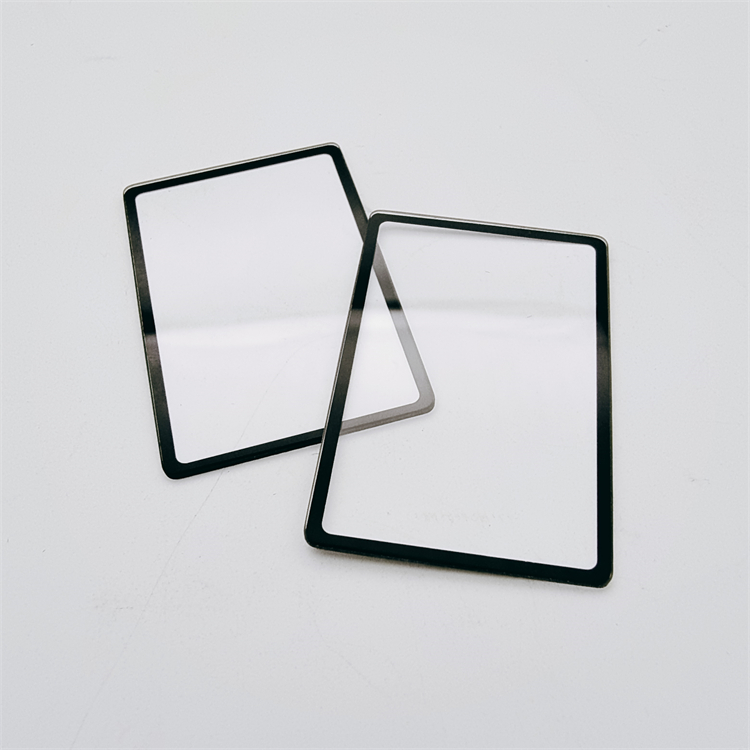
0.5–3 mm Silk Screen Printed Tempered Glass Display
Black borders, icon windows and transparent apertures on tempered glass. Built for HMI, appliance and instrument displays where print registration and edge quality affect fit.
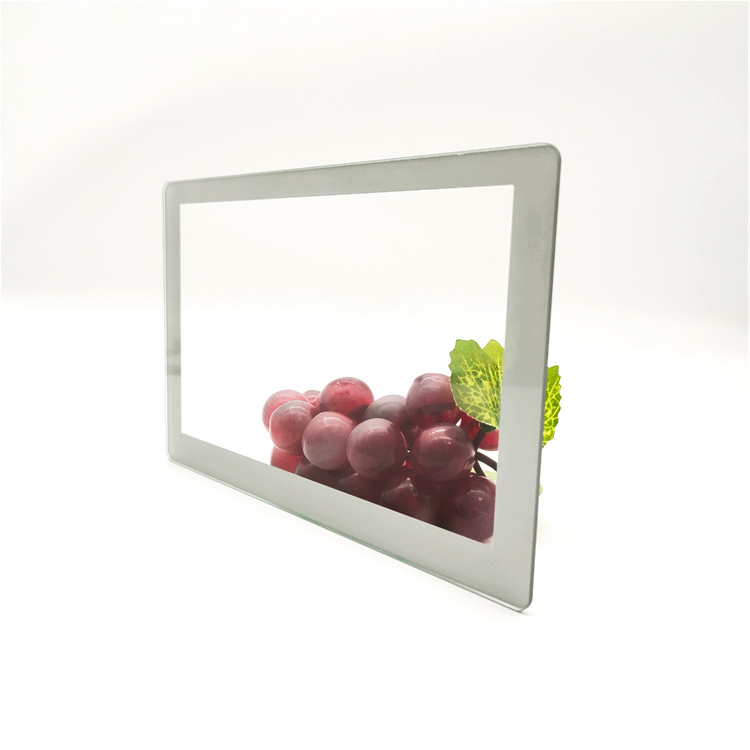
Anti-Glare Frosted Tempered Glass Touch Protector
Diffused matte surface for glare control in outdoor or high-brightness settings. Combine with AF treatment for touch panels that must resist fingerprints and daily cleaning.
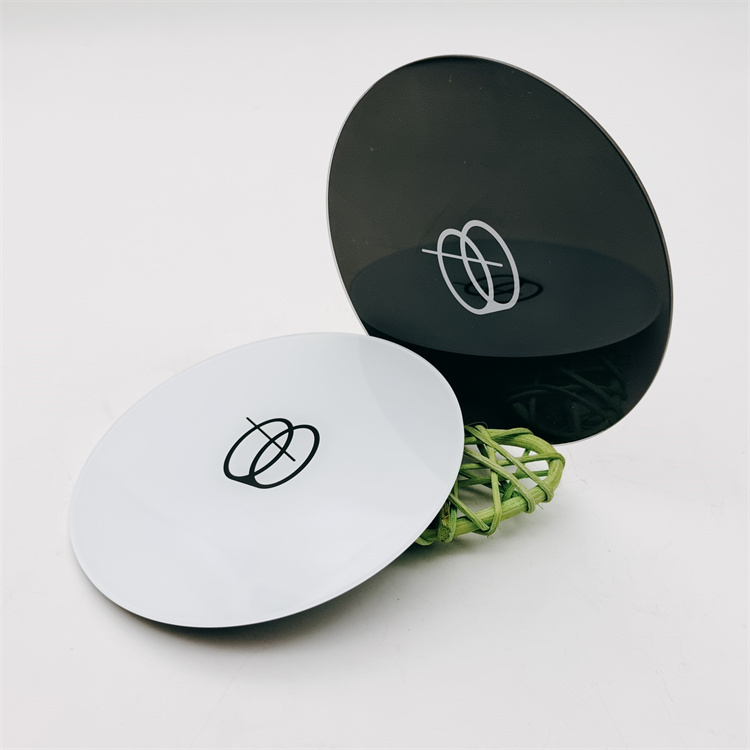
Black & White Silk Screen Round Tempered Glass
Round outlines, symmetrical printing and durable ceramic ink for control rings, appliance surfaces and electrical equipment panels.
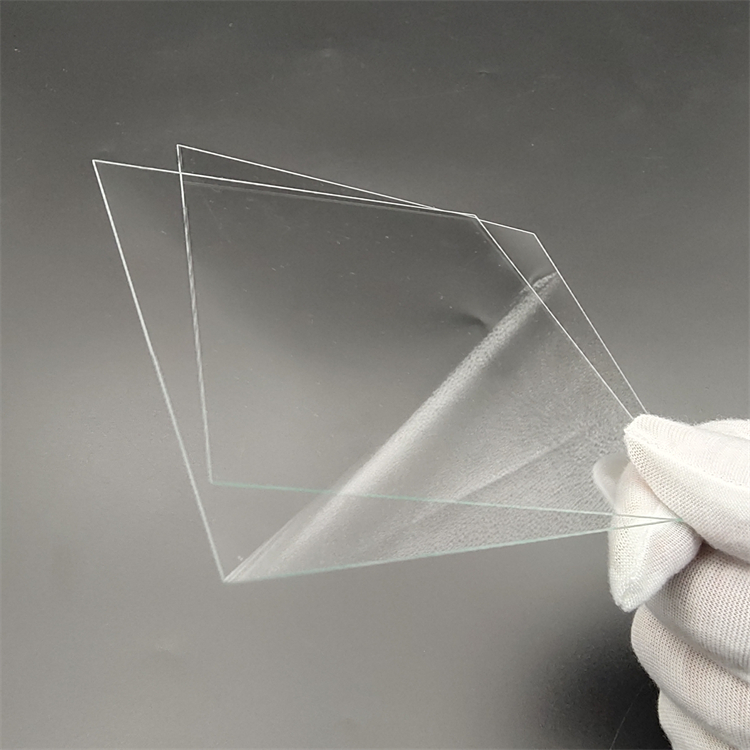
Ultra-Clear 0.5 mm / 0.7 mm Ultra-Thin Tempered Glass
Low-iron substrate for true color transmission in compact electronics. Suitable where weight, optical clarity and thin-device integration are critical.
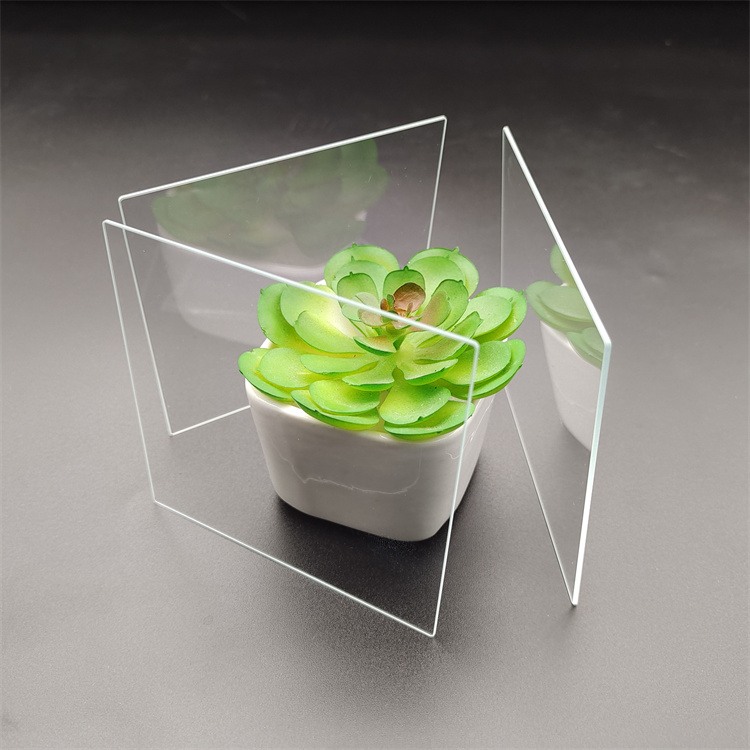
1–5 mm Extra Clear Tempered Glass for LCD, LED & Appliance Covers
A flexible product family for flat display windows, lighting covers and appliance panels. Thickness, edge type and coating are selected by application.
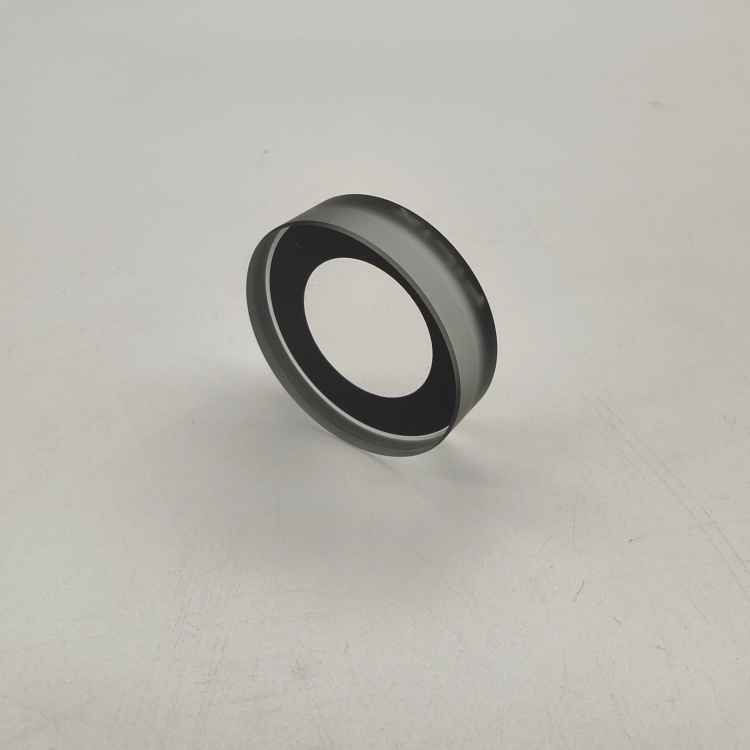
10 mm Round Tempered Glass with Ceramic Printing
High-thickness shaped glass for robust lamp covers and equipment windows. Ceramic printing provides durable borders and light masking.
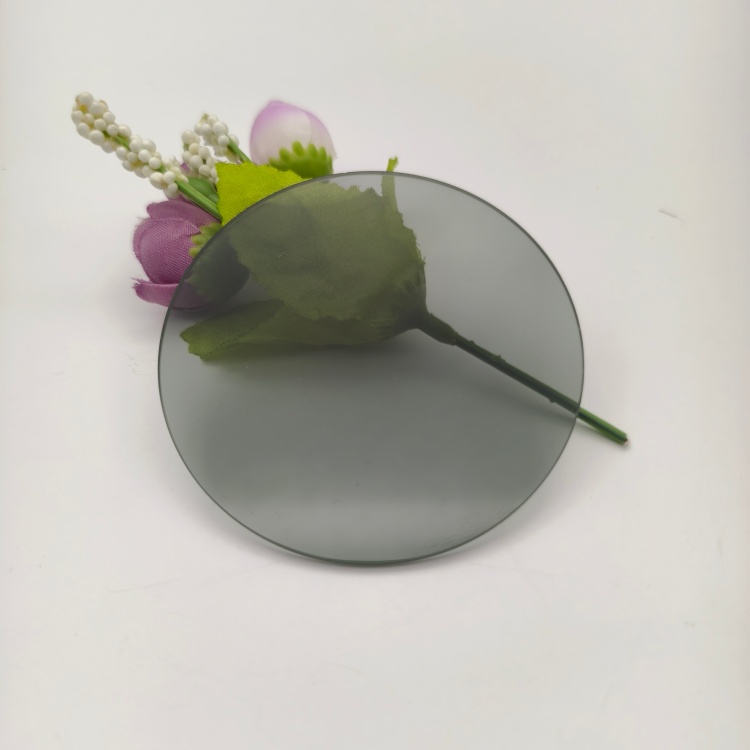
High-Strength Black Tempered Glass Panels, 2–5 mm
Decorative and functional black glass for appliances and electronic covers. Custom cutouts, edge profiles and printing can be added.
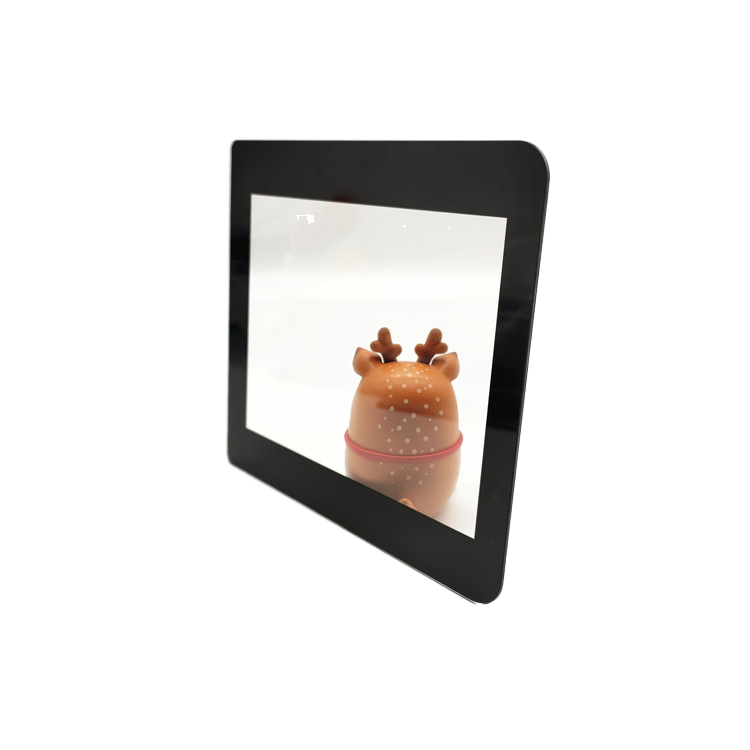
Industrial Tempered Glass Display Window Cover, 1–4 mm
Protective display windows with holes, stepped edges and optional AG / AR treatment for industrial HMI and equipment enclosures.
What a Top China Shaped Glass Factory Must Prove
Shaped glass is rarely a commodity purchase. It is a specification-sensitive component where the drawing, glass substrate, CNC program, edge profile, hole layout, tempering cycle, print registration and coating stack must work as one system.
Drawing & DFM Logic
Ask for drawing review before quoting. A capable factory will flag fragile corners, minimum hole-to-edge distances, print clearances, warpage risk, and tempering constraints before samples are made.
In-House Process Stack
Cutting, CNC shaping, edge polishing, drilling, tempering, printing, AG and AR / AF coating under one roof reduce cross-supplier variance. Jaswe runs 26 glass machines with 80+ workers.
Optical & Print Control
For display and touch cover glass, transmittance, haze, gloss, print opacity, window alignment and cosmetic limits must be specified. Judge defects under defined lighting, not only by eye.
Export Packaging & Communication
Chipped edges and surface scratches often appear after final inspection. Interleaved, edge-protected export packing and a documented first-article approval are part of quality.
The lowest piece price is not the lowest delivered cost if first-pass yield, rework, assembly downtime or field returns rise after the first container.
Match Shaped Glass to the Use Environment
The most effective sourcing decision is not simply selecting a thickness. It is matching the glass construction to the light source, touch interface, enclosure, cleaning method and expected service life.
Displays & Touch Panels
Specify ultra-clear glass, generally 0.5–3 mm, with AR for reflection control, AG for strong ambient light, and AF for touch surfaces. Validate the optical stack on the final display brightness and viewing angle.
Appliance & Smart Switch Panels
Printed tempered glass in 1–4 mm is widely used for appliance controls and smart switches. Define icon colors, dead-front windows, print registration and flatness before sampling.
LED Lighting & Decorative Covers
Round, rectangular and custom outlines can be produced with clear or frosted surfaces, ceramic borders, holes and masking. Consider thermal exposure, light diffusion and breakage behavior.
Industrial HMI & Instrument Windows
Industrial covers often need 1–6 mm glass with holes, notches, AG / AR treatment and controlled flatness for gasket sealing. Define cutout positions, edge quality and mounting tolerances.
RFQ data that prevents expensive revisions: substrate, thickness, finished outline, edge profile, hole and slot positions, print Pantone references, transparent window sizes, coating type, application environment, annual volume, packing method and first-article approval criteria.
2026 Procurement Trends for Shaped Glass Buyers
Buyers are moving away from a single “price per piece” comparison toward a more complete evaluation of process capability, optical performance, delivery reliability and total cost of ownership.
Yield-Adjusted Landed Cost Replaces FOB Price
Procurement teams now compare first-pass yield, rework rate, packing loss and assembly-line compatibility. A shaped glass part that saves seconds during assembly can be more valuable than a lower quotation with higher cosmetic rejects.
China Remains the Process-Engineering Hub
Even as buyers add regional assembly or secondary suppliers, China remains a deep source for CNC glass shaping, printing and optical coating. The strongest suppliers support forecast visibility, samples and engineering changes without long communication chains.
Optical Stacks Become Mandatory
AR, AG and AF are no longer premium add-ons only for high-end products. Outdoor kiosks, industrial HMIs, smart appliances and high-brightness displays increasingly require multi-functional glass surfaces as part of the base specification.
High-Mix, Lower-Volume NPI Is Rising
Product lifecycles are shorter and customization is broader. Suppliers that can handle 100–500 piece trial batches, flexible CNC programs and fast sample iterations are increasingly preferred over suppliers optimized only for long runs.
Traceability & First-Article Discipline
Purchase teams increasingly request batch identification, inspection records, sample retention and approval criteria. For shaped glass, first-article approval should include dimensions, edge condition, print alignment and optical appearance.
Packaging & Sustainability Enter Scorecards
Export packing is a quality variable, not a logistics afterthought. Buyers are asking for interleaving, edge protection, moisture control and right-sized cartons that reduce damage while lowering packaging waste.
Product Development Trends in Shaped Glass
Shaped glass is becoming more functional and more integrated. The next procurement cycles will reward suppliers who can solve optical, mechanical and printing challenges together.
Ultra-Thin Shaped Glass for Slimmer Devices
Electronic-grade 0.2–0.7 mm glass continues to expand into compact displays, sensors and portable devices. Handling, edge quality and flatness become more critical as thickness decreases.
Dead-Front Printing & Integrated Windows
Appliance and smart-switch designs increasingly hide icons until backlit. This requires consistent print opacity, precise transparent windows and close control of ink thickness and curing.
AR + AG + AF Hybrid Surfaces
Combined treatments allow a single cover glass to reduce reflection, diffuse glare and resist fingerprints. Buyers should test haze, gloss and touch feel on the final product, not only review coating names on a datasheet.
Complex Geometry with Cosmetic Edges
Notches, narrow slots, countersinks and stepped edges are increasingly visible design features. Edge polishing and drill quality must satisfy both safety and appearance requirements.
Larger Formats & Better Flatness
High-brightness displays, miniLED backlights and large equipment windows demand consistent transmission and flatness. Thicker or low-iron substrates may be required to control visual uniformity.
Outdoor HMI, EV Charging & Smart Home
New interfaces in outdoor kiosks, EV chargers and smart-home control panels require glass that balances durability, readability, touch feel and decorative integration. Application testing should precede volume release.
Optical performance must be validated in the final enclosure and lighting condition. Lab transmittance alone does not guarantee perceived clarity, glare control or touch quality after assembly.



Inside Dongguan Jaswe Glass Co., Ltd.
Based in Dongguan, Guangdong, China — one of the world’s most concentrated electronics and appliance manufacturing regions — Dongguan Jaswe Glass Co., Ltd. processes custom tempered glass, ultra-clear glass, silk-screen printed glass, display cover glass, touch screen glass, switch glass, AR / AG / AF coated glass, LED lighting glass and electrical equipment glass.
The company’s strength is process depth under one roof: cutting, special-shaped and CNC cutting, edge polishing, hole drilling, tempering, silk screen and ceramic printing, AG processing and AR / AF coating. With 26 glass processing machines and more than 80 workers, monthly output exceeds 200,000 pieces of processed glass.
Many operators have over eight years of hands-on glass processing experience. That matters on tight-tolerance jobs such as ultra-thin 0.5 mm / 0.7 mm cover glass, multi-color printing with transparent display windows, and 10 mm thick round glass with high-temperature ceramic printing.
Enterprise Advantages That Reduce Buyer Risk
For overseas buyers, a shaped glass supplier must be more than a production line. It must provide engineering feedback, process control, export packing and a documented quality record that supports repeat orders.
In-House Processing from Cutting to Coating
Keeping critical steps under one roof shortens lead time and removes the quality gaps that appear when glass moves between subcontractors. Cutting, CNC shaping, polishing, drilling, tempering and printing are coordinated as one route.
Ultra-Thin to Thick Glass Capability
The current product range covers electronic-grade glass from 0.2 mm up to 19 mm flat tempered glass. Display and touch covers commonly use 0.5, 0.7, 1, 2, 3 and 4 mm substrates.
Printing & Coating Integration
Silk screen printing, ceramic printing, AG processing and AR / AF coating can be combined with tempered shaped glass. This helps maintain consistent optical and cosmetic performance across the finished part.
Stage-by-Stage Quality Inspection
Inspection is applied at cutting, edging, tempering, printing and coating stages before packing. For sensitive programs, buyers can define measurement points, lighting conditions and first-article approval standards.
Fast Engineering Response
The supplier profile records an average response time within 3 hours and a 96.61% response rate. Fast feedback matters when drawings are being revised, samples are under review, or production needs a process clarification.
Repeat-Buyer Validation
A 26% buyer reorder rate reflects repeat business from lighting, electronics and appliance customers. For procurement teams, reorders are a practical signal of stable communication, acceptable quality and consistent delivery.
Six Process Gates from Drawing to Delivery
A shaped glass project succeeds when each gate is reviewed before the next one begins. The goal is not to inspect defects at the end, but to prevent them during process routing and sampling.
Drawing & DFM Review
Check outline, holes, edge profiles, print windows, coating areas, fragile geometry and handling risk. Confirm the drawing revision and application requirements.
Process Route & Material Selection
Select substrate, thickness, cutting method, edge finish, drilling sequence, tempering route, printing colors and coating stack based on the final use environment.
Sampling & First Article
Produce physical samples for fit, color, optical appearance and assembly trials. Approve a golden sample and define cosmetic limits under agreed lighting.
Cutting, CNC, Edging & Tempering
Control dimensions, hole positions, edge quality and tempering parameters. These steps determine fit, strength and downstream printing or coating yield.
Printing, Coating & Final Inspection
Verify print alignment, opacity, window clarity, coating appearance and surface quality. Inspect against the approved first article before packing.
Export Packing & Delivery
Use interleaved, edge-protected export packing suitable for the part size and shipping mode. Label batches clearly to support incoming inspection and future reorders.
Shaped Glass Buying Questions That Decide Project Success
These are the questions overseas buyers ask most often when comparing a China shaped glass factory, wholesaler or custom processor.
What is shaped glass, and how is it different from standard tempered glass?
Shaped glass is custom-cut to a drawing, often with round corners, notches, slots, drilled holes, stepped edges, printed icons or display windows. Standard tempered glass may be rectangular, while shaped glass requires coordinated CNC programming, edge polishing and often printing or coating before tempering or after processing.
Which thicknesses can Jaswe Glass process?
The product range covers ultra-thin electronic-grade glass from 0.2 mm up to 19 mm flat tempered glass. The most requested thicknesses for display, touch, appliance and control-panel covers are 0.5, 0.7, 1, 2, 3 and 4 mm. Thicker options such as 10 mm can be used for robust lamp covers and specialty windows.
What is the minimum order quantity for custom shaped glass?
Most custom items start at 100 to 500 pieces, depending on size, printing, coating, packing and material. Standard clear tempered pieces can sometimes be supplied in smaller sample quantities for evaluation. The final MOQ should be confirmed after the drawing and process route are reviewed.
What should be included in an RFQ drawing?
Send DXF, DWG or PDF drawings with finished outline, thickness, corner radii, hole and slot positions, edge profile, print colors or Pantone references, transparent window sizes, coating requirement, application, annual quantity and packing method. If available, include tolerance requirements and first-article approval criteria.
What is the difference between AR, AG and AF glass?
AR anti-reflective coating reduces surface reflection and can improve contrast and transmittance. AG anti-glare treatment diffuses reflected light so screens remain readable under strong ambient or outdoor light. AF anti-fingerprint coating is an oleophobic top layer that resists smudges on touch surfaces. These treatments can be combined on one cover glass.
Which processes are done in-house?
Cutting, special-shaped and CNC cutting, edge polishing, hole drilling, tempering, silk screen and ceramic printing, AG processing and AR / AF coating are handled within the process chain. Keeping these steps coordinated helps control dimensional fit, print alignment and final optical appearance.
How can buyers reduce risk with a new shaped glass supplier?
Request a drawing review before quoting, approve a physical first article, define cosmetic inspection lighting, confirm packing protection and review the supplier’s process ownership. For optical glass, test samples in the final enclosure because perceived clarity and glare depend on the display, lighting and viewing angle.
How do I compare a shaped glass factory and a trading wholesaler?
Ask who owns the cutting, CNC, edging, drilling, tempering, printing and coating processes; how engineering feedback is handled; how first articles are approved; and what packaging standard is used. A factory with documented capability, trade history, supplier assessment and repeat-buyer data is usually easier to qualify for long-term OEM programs.
Send a Drawing, Get an Engineering-Led Quote
For a faster review, include DXF, DWG or PDF drawing, target thickness, edge profile, printing colors, coating requirement, application, annual quantity and packing requirement. Jaswe’s team reviews manufacturability before samples are made.
Direct email: info@jasweglass.com