Top China Stepped Cover Glass Factory & Exporter
Engineering-led production of step-edge, beveled, drilled, printed and AR/AG/AF-coated cover glass for industrial displays, touch panels, smart switches, LED fixtures and instrument windows — from drawing review to export packing under one quality system in Dongguan, China.
Eight Stepped Cover Glass Products Built Around Real Industrial Requirements
These eight product families reflect the most repeated requests from overseas buyers: step-edge tempered glass, beveled small-format glass, printed covers, drilled holes, adhesive-ready 1 mm glass, industrial lighting glass and ceramic-printed round glass. Thickness, outline, step depth, corner radius, print color, coating and packaging are confirmed against an approved drawing and sample.
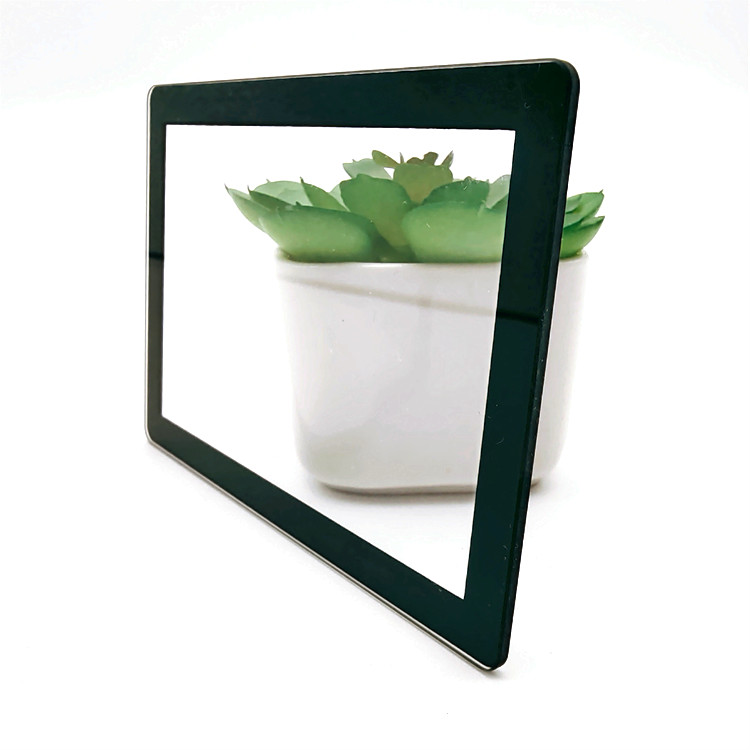
High Quality 0.5mm–6mm Solid Industrial Display Screen Tempered Glass with Printed Design and High Strength Protection
For rugged equipment windows and industrial display covers that need print masking, flatness and impact resistance. Print registration, edge quality and tempering route are reviewed before tooling.
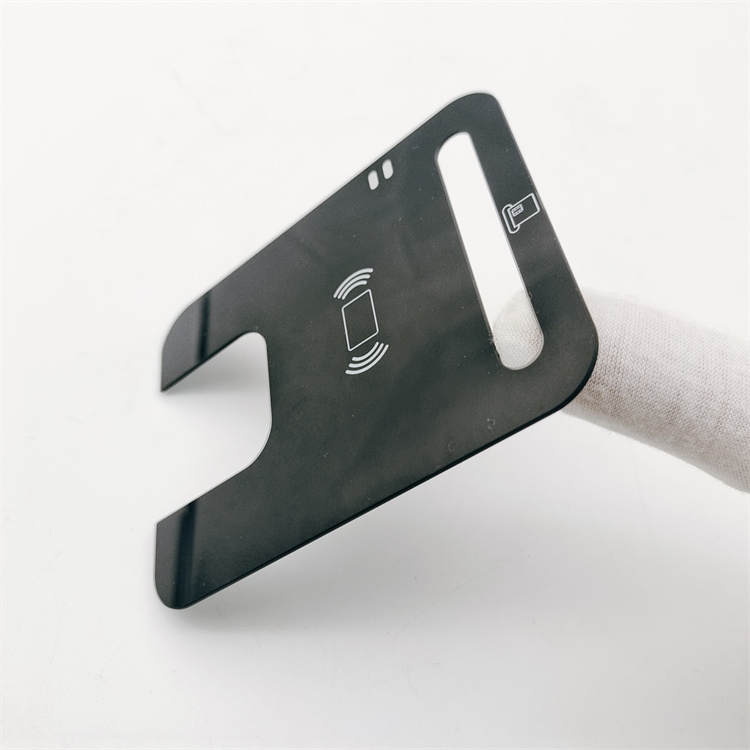
Custom Printed Tempered Glass Panel High Strength Decorative Cover with Hole for Card Reader Instrument
A decorative printed cover with a precision drilled aperture for card readers, payment terminals, meters and control instruments. Print color, hole position and edge polish are matched to the housing.
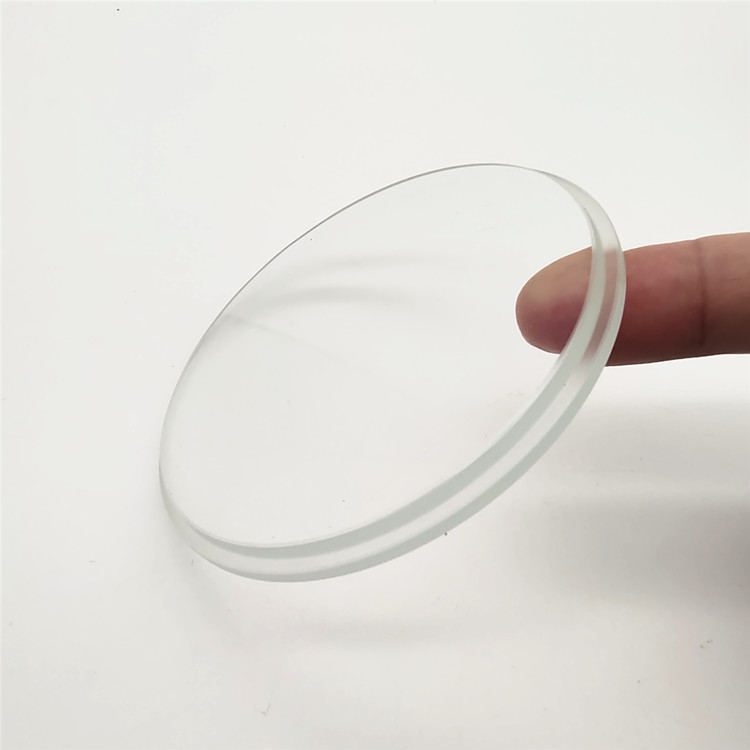
Factory Price 2mm 3mm 4mm 5mm 6mm 8mm 10mm Tempered Step Edge Glass
The core stepped cover glass family for buyers who need a recessed fit, a clean transition to the bezel and reliable edge strength. Step width and depth are machined to the approved drawing.
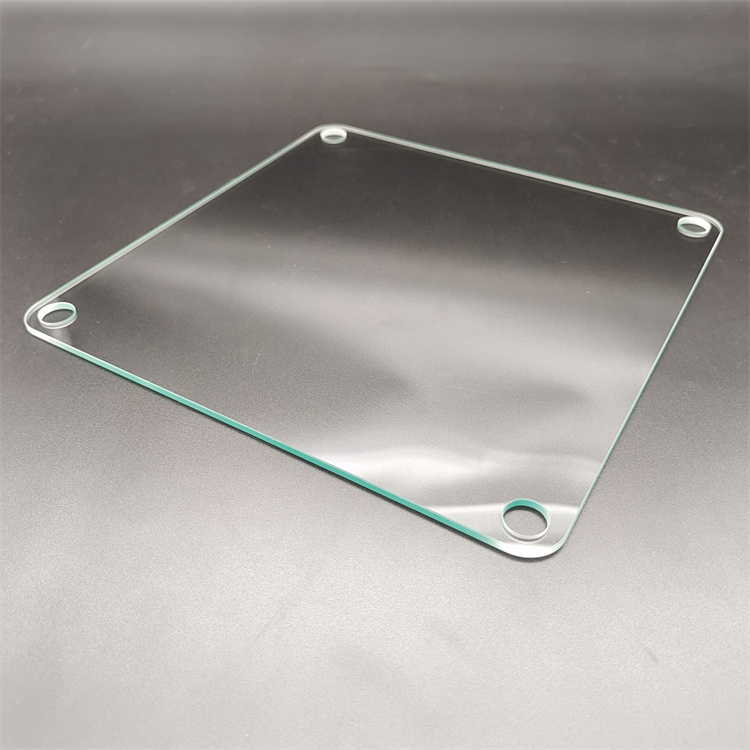
Factory Sale Customized Shape Decorative Glass Cover Hole Drilling Glass Panel Soda-lime Tempered Glass Sheet with Holes
For non-rectangular industrial designs that combine decoration, holes and soda-lime tempered glass. Complex outlines are CNC cut and checked for edge stress before tempering.
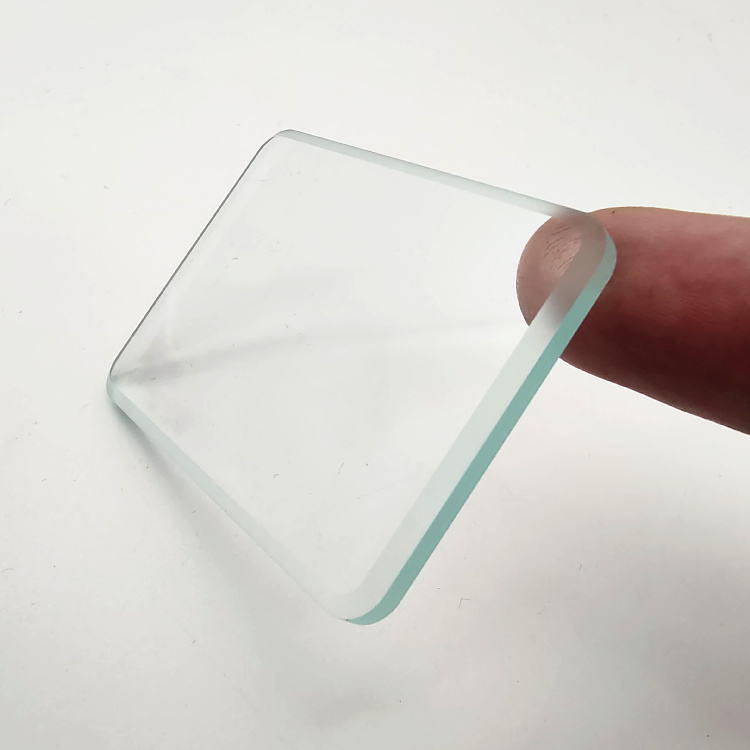
Custom Small Dimensions Tempered Beveled Edge Glass for Sale
Small formats can be the hardest to handle consistently. Beveled edges improve touch feel, reduce chipping risk during assembly and create a premium transition on compact devices.
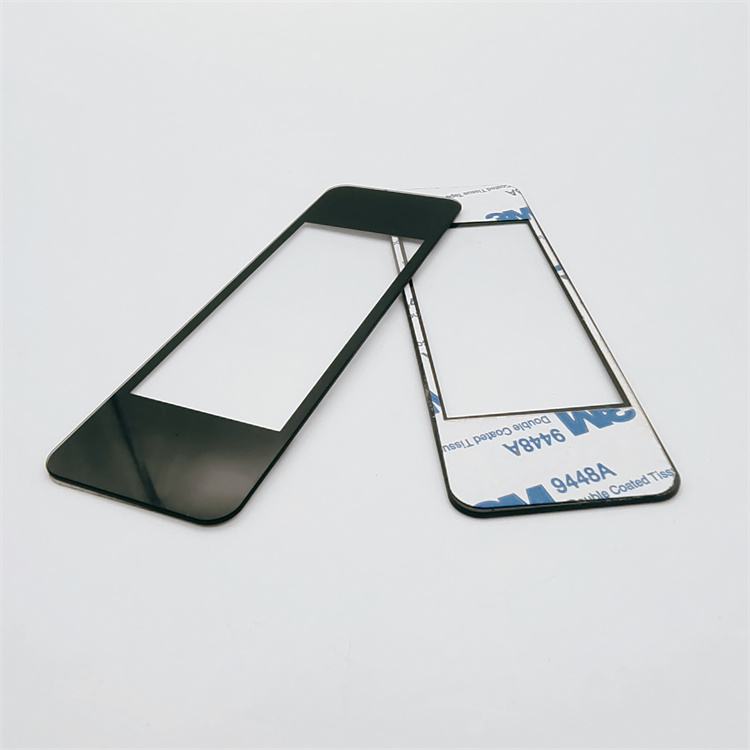
Ultra Thin 1mm Tempered Glass with 3M Tape for Screen Cover Glass
An adhesive-ready cover glass for displays where thickness and assembly time matter. The 3M tape option supports cleaner bonding and faster line assembly; tape grade is confirmed for the surface and service environment.
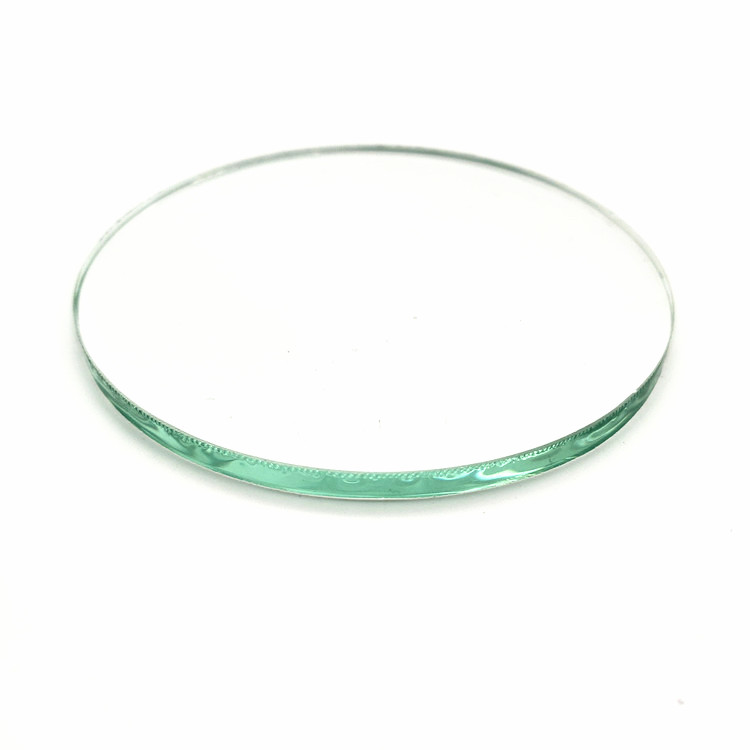
Customized Clear Flat Solid Tempered Glass Pieces 1mm–19mm for Industrial Lighting and Various Applications
Clear flat glass for lighting, appliances and general industrial windows. Thickness from 1 mm to 19 mm supports different strength, insulation and fixture design needs.
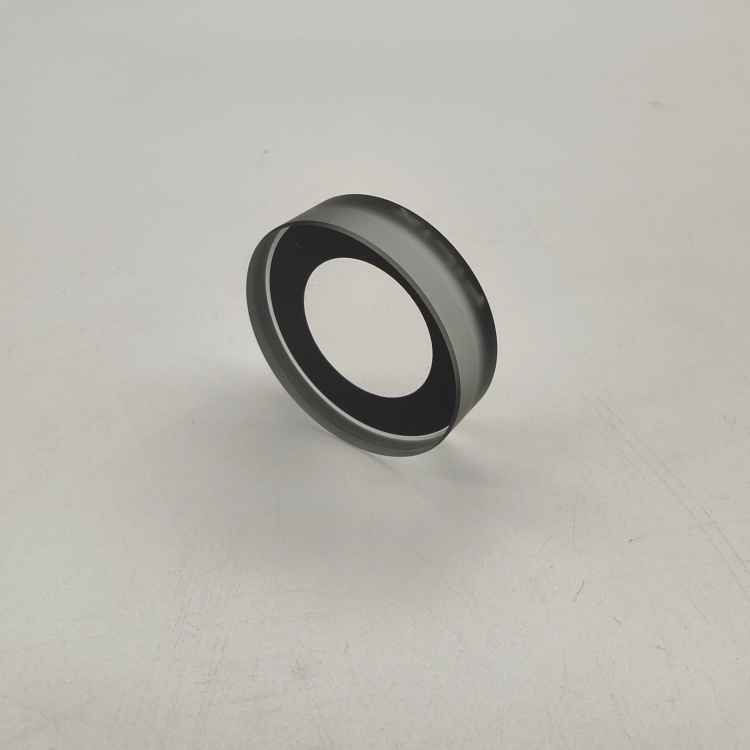
High Quality Small Diameter 10mm Thickness Round Tempered Glass with High Temperature Ceramic Printing
A round cover glass with high-temperature ceramic print for durable markings and strong visual contrast. Small diameters are checked for print alignment, chip-free edges and clean packing.
Product URLs are preserved from the original catalog. Final specification, tolerances and packaging must be confirmed through drawing review and sample approval before mass production.
What Is a Stepped Cover Glass, and Why Specify One Early?
A stepped cover glass is not simply a tempered glass panel with polished edges. The machined shoulder or step profile allows the glass to sit into a bezel, overlap a housing, create a controlled reveal around a display, or hide a gasket and adhesive zone. For industrial control panels, smart switches, medical instruments, kiosks and LED fixtures, the step is a functional interface between the glass, the enclosure and the user. If the step is specified late, the housing, sealing and assembly sequence may need revision.
In a well-controlled project, the step geometry is reviewed together with glass thickness, edge profile, print registration, coating stack and bonding method. The reason is practical: tempering, edge polishing and printing all interact with the step. A sharp internal corner can concentrate stress, a poorly defined print window can expose adhesive, and a coating selected without considering the viewing environment may create another problem instead of solving glare or reflection.
Buyers should treat the step drawing as assembly data, not only as a glass drawing. The supplier needs to know where the part touches the housing, where the display window must remain clear, how the adhesive is applied, how the glass is retained and how the finished unit is cleaned. This is where an experienced factory can add information gain: identifying unnecessary tolerances, suggesting a safer corner radius, or recommending a print and coating sequence that will survive production and use.
| Design Variable | What It Controls | Detail to Supply in the RFQ |
|---|---|---|
| Step width and depth | Reveal to the bezel, gasket clearance, adhesive zone and visual flushness. | Housing gap, target reveal, adhesive area and a section view if available. |
| Glass thickness | Stiffness, weight, optical path, edge profile feasibility and tempering route. | Required thickness range, maximum size, support points and impact expectation. |
| Edge profile | Handling safety, chipping risk, fit feel and premium appearance. | Flat polish, beveled, stepped, pencil edge or matte edge; send a 2D section. |
| Printing | Conductor hiding, icons, black borders, display windows and brand appearance. | Pantone or color reference, window tolerance, ink opacity and print side. |
| Optical coating | AR reduces reflection, AG diffuses glare and AF resists fingerprints. | Viewing environment, gloss or haze target, touch exposure and coating side. |
| Adhesive / tape | Assembly speed, bond reliability, rework method and stack height. | Tape width, 3M tape preference, mating surface and service temperature. |
Stepped Cover Glass Procurement Trends Smart Buyers Are Acting On
Procurement decisions for cover glass are moving away from piece-price comparison alone. Buyers are evaluating how the glass affects assembly yield, cleaning time, coating durability, packaging damage and supply continuity. The following trends are especially relevant for buyers sourcing from China in 2025 and beyond.
Total landed cost replaces unit price
A low piece price is not useful if the step edge chips in transit, the print window is off-register or the coating fails after cleaning. Smart buyers compare cost after inspection, rework, packaging and assembly yield are included.
Integrated processing reduces handoffs
Cutting, CNC, polishing, drilling, printing, tempering and coating under one roof create fewer handling steps and clearer accountability. This matters most for stepped and printed parts where a small handling error becomes a visible defect.
Optical specifications become baseline
AR, AG and AF treatments are no longer reserved for premium displays. Outdoor kiosks, medical monitors, POS terminals and smart switches increasingly request anti-glare, anti-reflective or easy-clean surfaces as standard features.
Documentation and repeatability are quoted
RFQs now ask for inspection methods, packaging drawings, material declarations and sample approval records. A factory that can discuss these requirements before tooling is usually better prepared for repeat production.
| Traditional Buying Question | Better Strategic Question | Why It Matters |
|---|---|---|
| What is the price per piece? | What is the expected yield after assembly and cleaning? | Edge quality and coating durability can change the real cost more than a small unit-price difference. |
| Can you make this drawing? | Which dimensions are critical, and which tolerances can be relaxed safely? | Good engineering review reduces unnecessary scrap and prevents over-specification. |
| Can you print a logo? | Which print, coating and window sequence will survive tempering and cleaning? | Process order affects appearance, adhesion and long-term reliability. |
| How fast can you ship? | How will samples, mass production and export packing be controlled? | Predictable delivery depends on process control, not only machine speed. |
| Do you have a second source? | Can the process be documented so a second source can ramp up? | Dual sourcing works only when specifications and inspection criteria are clear. |
Product Development Trends Reshaping Stepped Cover Glass
Cover glass is being asked to do more than protect a screen. It hides components, defines the user interface, supports touch performance, improves outdoor readability and simplifies assembly. These are the development directions buyers should anticipate in new product platforms.
Thinner glass with stronger reinforcement
Ultra-thin covers from 0.5 mm to 1 mm continue to grow in touch and display assemblies. The design challenge is balancing weight reduction with stiffness, edge strength and handling yield.
Complex step, bevel and hole combinations
New industrial designs often combine a stepped mounting shoulder, beveled touch edge and drilled holes in one part. Manufacturing feasibility must be reviewed before the housing is finalized.
AR, AG and AF stacks on one cover
Buyers increasingly request anti-reflective, anti-glare and anti-fingerprint performance together. The correct stack depends on viewing distance, lighting conditions, touch use and cleaning method.
High-temperature ceramic printing
Ceramic ink creates durable black borders, icons and instrument markings that resist fading. Print registration becomes even more important when the glass also has a transparent display window.
Adhesive-ready covers for faster assembly
3M tape and pre-applied adhesive options can reduce assembly steps, but the tape grade must match the surface, cleaning process and operating temperature. Sample testing is recommended.
Larger formats with tighter flatness needs
HMI panels, digital signage and appliance fronts are becoming larger while still requiring clean reflection, uniform print and stable fit. Flatness and support during tempering become critical process variables.
What this means for buyers: involve the glass supplier during industrial design, not after the housing is released. A short drawing review can prevent a costly change in step depth, print sequence or coating choice.
Inside the Jaswe Glass Advantage: One Roof, Fewer Quality Gaps
Dongguan Jaswe Glass Co., Ltd. is a glass processing company in Dongguan, Guangdong, China, supplying custom tempered, ultra-clear, silk-screen printed, AR, AG and AF coated glass for displays, touch panels, LED lighting, switches and electrical equipment. The advantage is not simply a list of machines; it is the ability to keep critical process steps under one quality system and review the drawing before production begins.




A process stack built for stepped cover glass
Most of the 80+ operators have hands-on glass processing experience. That depth matters on tight-tolerance jobs such as ultra-thin 0.2 mm cover glass, multi-color printing with transparent display windows, or stepped parts that must survive handling, tempering, coating and export packing.
The company is based in Dongguan, the center of China’s electronics supply chain, and serves buyers in America, Europe and Asia. Its listed employee range is 51–100 people, with annual revenue in the US$2.5M–US$5M range. Its trade profile has been on-site verified for six years, and the main markets are America, Europe and Asia.
“Scientific management, careful manufacture, high quality service, striving for excellence.”
Where Stepped Cover Glass Creates the Most Value
Stepped cover glass is most valuable where the glass must fit a housing, protect a display and still deliver a clean visual finish. These applications repeatedly benefit from early supplier involvement and drawing-based customization.
Industrial displays and HMI panels
Stepped covers create a flush front, protect the display stack and hide gaskets or adhesive zones. Printed windows, AR coating and AG finishing can be combined for factory-floor readability.
Smart switches and appliance controls
Printed icons, touch-key windows and ceramic ink help define the user interface. A stepped edge allows the cover to sit cleanly into wall plates, frames and appliance housings.
Card readers and POS terminals
Decorative printed covers with drilled holes require clean edges and accurate hole location. AF coating can improve touch feel, while AR or AG treatment supports screen visibility in retail environments.
LED lighting and fixtures
Tempered glass covers improve durability and appearance in downlights, panels and wall washers. Black borders, ceramic print and clear or frosted surfaces are common customization points.
Medical and laboratory instruments
Optical clarity, consistent print and easy-clean surfaces are important in instrument windows. Buyers should specify cleaning agents and viewing conditions before selecting AR, AG or AF treatment.
Outdoor kiosks and digital signage
AG treatment diffuses strong ambient light, while AR coating improves contrast. A stepped edge can support sealing, gasket compression and a secure fit into outdoor enclosures.
A Six-Step RFQ Path from Drawing to Export Carton
A clear RFQ reduces back-and-forth and helps the factory identify manufacturability risks before sampling. The same workflow supports first orders and repeat production.
Share the drawing and use case
Send DXF, DWG, PDF or a clear sketch with thickness, step dimensions, holes, print colors and estimated annual volume.
Engineering review
The team reviews edge geometry, step depth, print registration, coating compatibility and handling risk before quoting.
Material and process recommendation
Ultra-clear, standard clear, tempered thickness, ceramic ink, AR/AG/AF and adhesive options are matched to the application.
Sampling and approval
Samples are checked for fit, color, coating appearance, edge quality and print window before mass production.
Production and in-process inspection
Inspection is applied throughout cutting, polishing, drilling, printing, tempering and coating rather than only at final packing.
Export packing and handoff
Parts are interleaved, edge-protected and packed for export transit, with labels and packaging confirmed before shipment.
Frequently Asked Questions About Stepped Cover Glass Sourcing
These are the questions overseas buyers ask most often when evaluating a China stepped cover glass factory, exporter or custom glass processing partner.
What exactly makes a cover glass “stepped”?
A stepped cover glass has a machined shoulder or step profile, usually along one or more edges. The step allows the glass to sit into a bezel, overlap a housing, create a controlled gap around a display, or hide adhesive and gasket zones. It is a function-driven feature rather than a decorative option, so the step depth, width, corner radius and edge quality should be agreed with the housing design.
Which thicknesses, step depths and tolerances should I specify?
Jaswe processes glass from ultra-thin electronic grade 0.2 mm up to 19 mm flat tempered glass, with common display and touch cover thicknesses around 0.5, 0.7, 1, 2, 3 and 4 mm. Step depth and width depend on the housing, adhesive and edge strength requirement. Buyers should mark critical tolerances instead of tightening every dimension, because the factory can then propose a practical manufacturing route.
Can you combine a step edge, beveling, holes and printing in one part?
In many projects, yes, but the combination must be reviewed before tooling. Drilled holes, beveled edges, printed borders and stepped mounting shoulders all interact with glass strength and handling. A drawing review can confirm whether the design should be adjusted, for example by increasing a corner radius, changing hole position or moving the print sequence. Sampling is the appropriate next step for complex combinations.
What is the difference between stepped, beveled and flat edge glass?
A flat edge is the most economical option for simple covers. A beveled edge adds a sloped polished profile that improves touch feel and visual appearance. A stepped edge has a machined shoulder intended to fit a housing or create a recess. Buyers should choose based on assembly design, not appearance alone. A bevel can improve handling, while a step can solve fit and sealing problems that a flat edge cannot.
How are AR, AG and AF coatings selected for stepped covers?
AR anti-reflective coating reduces surface reflection and can improve contrast and light transmission. AG anti-glare treatment diffuses reflected light, which is useful under strong ambient or outdoor lighting. AF anti-fingerprint coating creates an oleophobic surface that resists smudges on touch panels. They can be combined, but the final stack should be chosen according to the viewing environment, touch frequency, cleaning method and appearance requirement.
What is the minimum order quantity, and how do samples work?
Most custom items start at 100 to 500 pieces, depending on size, printing, coating and processing complexity. Standard clear tempered pieces can sometimes be supplied in smaller sample quantities for evaluation. For new stepped or printed designs, sample approval is strongly recommended before mass production so that fit, print color, coating appearance and edge quality can be confirmed.
How are step edges protected during tempering, coating and shipping?
Edge quality is controlled from cutting and polishing through tempering and final inspection. Chipped or stressed edges can become weak points, so the process route is reviewed before production. For export packing, parts are interleaved and edge-protected to reduce transit damage. If the cover includes adhesive tape or a special coating, packaging and handling instructions should be confirmed with the sample approval record.
What should I include in an RFQ to get an accurate quote?
Send a drawing in DXF, DWG or PDF, the intended application, glass thickness, step dimensions, edge type, hole positions, print colors or Pantone references, transparent window dimensions, coating requirement, adhesive or 3M tape preference, estimated annual quantity and packaging expectation. If a housing or gasket is involved, include a section view or a photo of the assembly. That information helps the factory quote the correct process rather than only a glass size.
Send Your Stepped Cover Glass Drawing for an Engineering Review
Share DXF, DWG, PDF or a clear hand sketch with thickness, step dimensions, print colors, coating requirement and annual volume. Our team will flag manufacturability issues before sampling and recommend a practical process route for tempered, printed, drilled, beveled or coated cover glass.