8 Recommended Tempered Glass Plate Products for B2B Buyers
These eight custom glass product families are suitable for display covers, LED lighting, smart switches, appliance panels, instrument windows and industrial equipment. Each item is made to drawing, with thickness, outline, holes, edge finish, printing and coating specified by the buyer.
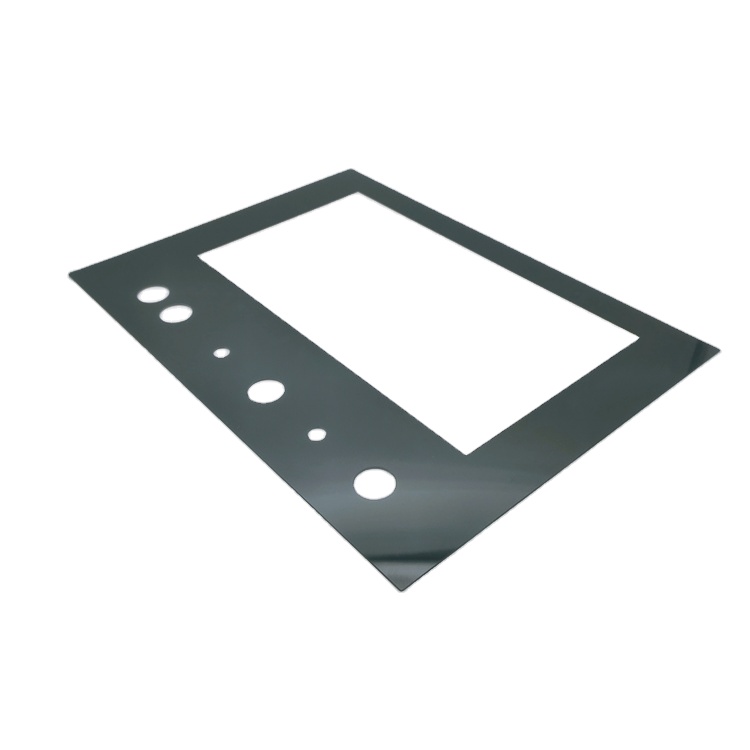
Customized Printed 0.5-6mm Thickness Flat Tempered Glass Screen Protector with Cut Holes
Printed flat tempered glass with precision cut-outs for display protection, control windows and electronic equipment covers.
View Product Details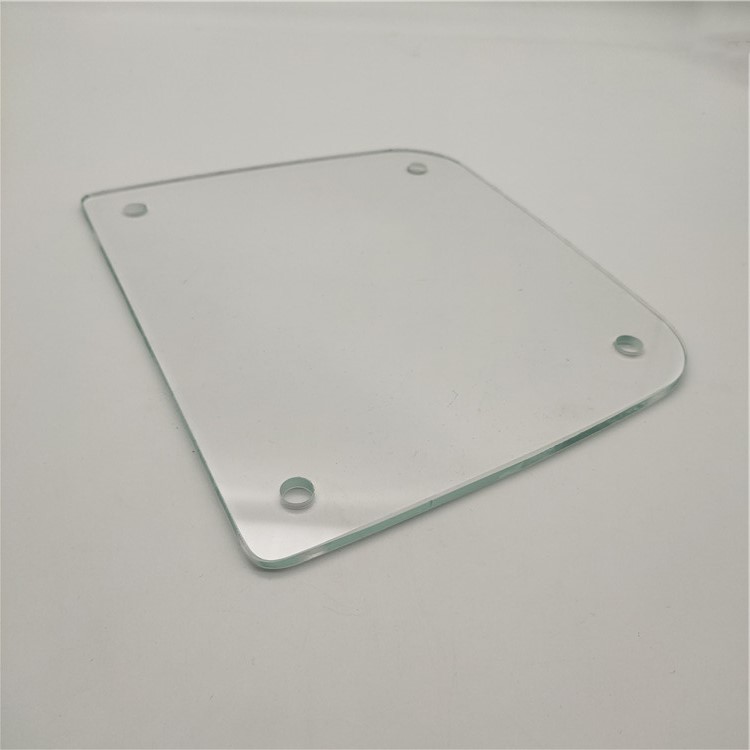
Ultra Clear Tempered Glass Customized Design with Cut Holes for Led Light Cover
Low-iron ultra clear glass with custom holes for LED light covers requiring high transparency and clean appearance.
View Product Details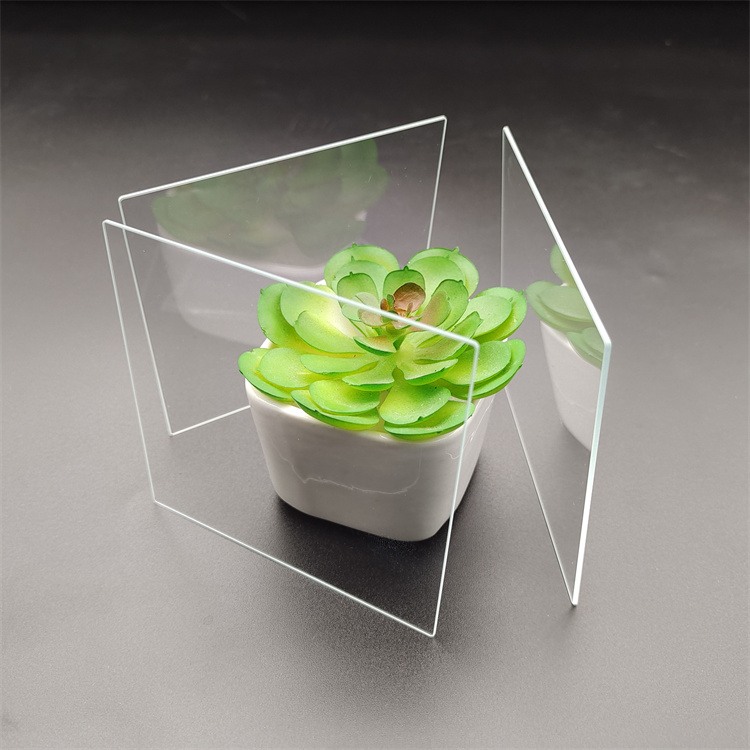
Custom 1mm 2mm 3mm 4mm 5mm Tempered Extra Clear Glass Panel for LCD Screen / LED Light / Electronic Appliance Cover
Extra clear tempered panel for LCD screens, LED lighting and electronic appliance covers with custom size and edge finish.
View Product Details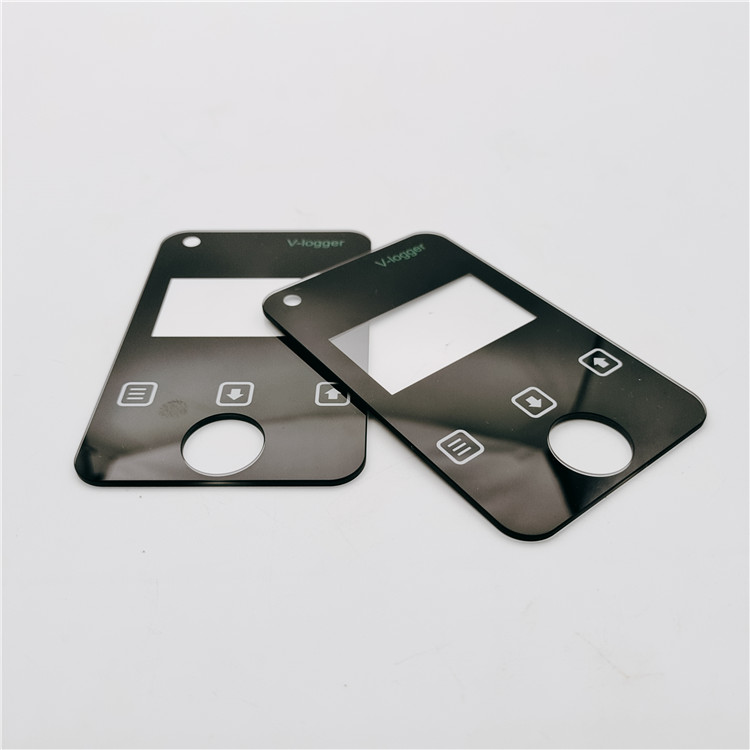
Customized Cut 1mm 2mm 3mm 4mm Instrument Printed Tempered Glass With Holes
Printed instrument glass with drilled holes for buttons, sensors, knobs and mounting points in industrial control equipment.
View Product Details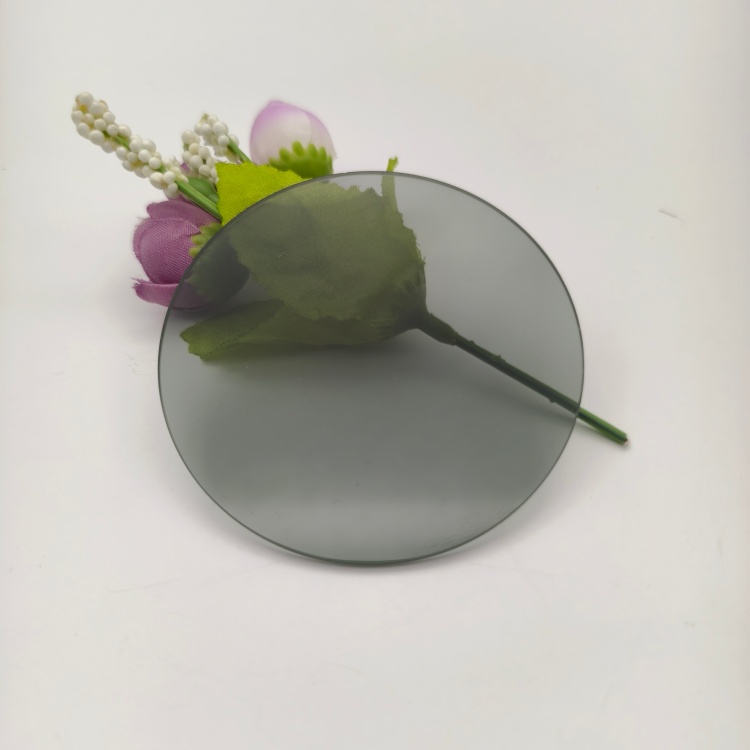
Factory Customized High Strength 2mm 3mm 4mm 5mm Tempered Black Glass Bulletproof & Decorative Flat Surface
High-strength black tempered glass with a flat decorative surface for appliance panels, control plates and equipment covers.
View Product Details
Small Size Ultra Thin 0.5mm 0.7mm 1mm Tempered Glass Panel With Adhesive Tape for Screen Protection
Ultra-thin glass panel with adhesive backing for compact screen protection, touch interfaces and space-constrained assemblies.
View Product Details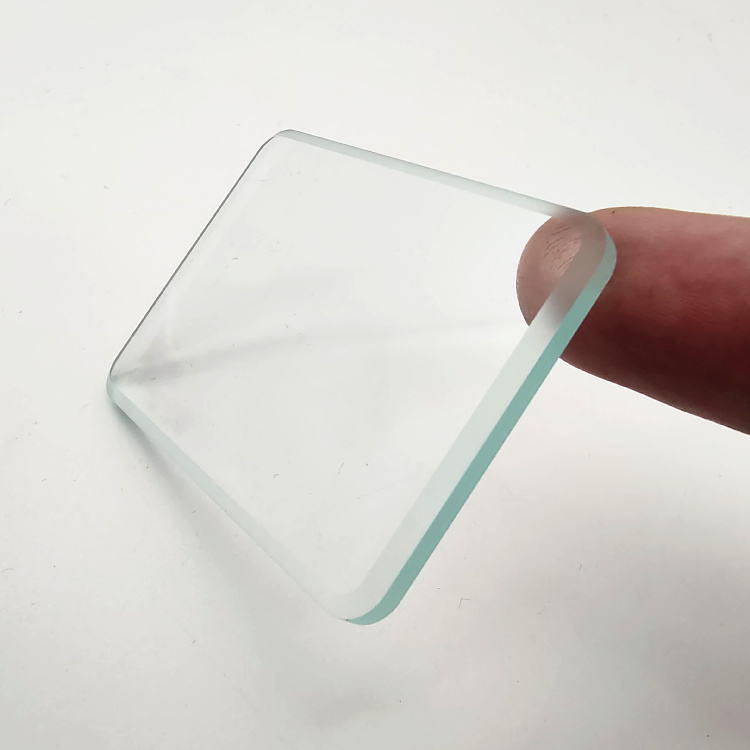
Custom Small Dimensions Tempered Beveled Edge Glass for Sale
Small-format tempered glass with beveled edges for a premium finish, safer handling and precise fit in compact devices.
View Product Details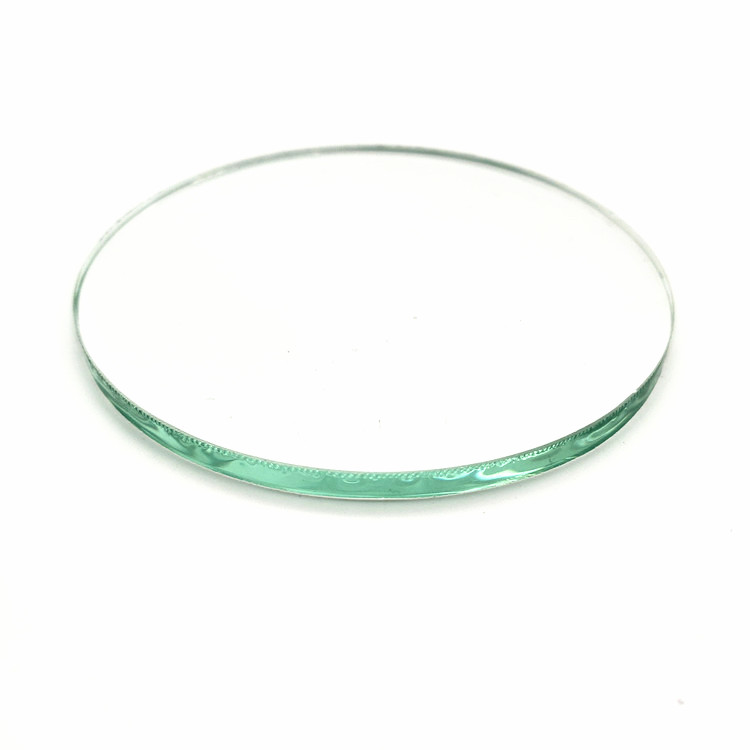
Customized Clear Flat Solid Tempered Glass Pieces 1mm-19mm for Industrial Lighting and Various Applications
Clear flat solid tempered glass pieces for industrial lighting, equipment windows and other custom applications up to 19 mm.
View Product DetailsWhy Tempered Glass Plates Are a Strategic Sourcing Category
Tempered glass plates are no longer simple protective parts. In displays, appliances, industrial instruments, LED fixtures and smart switches, the glass plate is part of the user interface, the optical stack and the brand experience. For buyers sourcing from China, supplier selection should be treated as a technical risk-management decision rather than a price-only comparison.
A qualified China tempered glass plate manufacturer must control substrate quality, CNC tolerance, edge condition, tempering stress, printing registration and coating durability under one quality system. When these steps are split among multiple vendors, variation usually appears first at holes, slots, bevel edges and coated windows — exactly where assembly tolerances are tightest.
The most reliable sourcing strategy is to verify whether the supplier can review a drawing for manufacturability, produce a sample that matches the final optical and mechanical requirements, and repeat that result at mass-production volume. That is the standard behind this white-paper style buyer guide from Dongguan Jaswe Glass Co., Ltd.
Substrate Discipline
Clear float, low-iron ultra clear and black glass behave differently under tempering, printing and coating. Thickness, color consistency and surface quality should be agreed before sampling.
CNC and Edge Quality
Rounded corners, slots, cut-outs and beveled edges affect fit, strength and handling safety. Tight CNC capability reduces chipping and assembly rework.
Tempering Reliability
Thermal tempering raises impact resistance and creates safer breakage behavior. Buyers should confirm the furnace process, glass thickness range and inspection criteria.
Printing Registration
Silk-screen and ceramic printing control logos, icons, borders and transparent windows. Color matching and window alignment are critical for appliance and switch panels.
AR / AG / AF Coating
AR reduces reflection, AG diffuses glare and AF helps resist fingerprints. These treatments can be combined on one glass plate for touch and outdoor display use.
Export Packing and QC
Inspection at cutting, edging, tempering, printing and coating stages protects yield. Interleaved, edge-protected export packing reduces breakage during transit.
Product Recommendations by Application
Tempered glass plate selection should start with the application environment, not the glass thickness alone. Use this matrix to align optical requirements, mechanical requirements and assembly method before requesting samples.
| Application | Recommended Construction | Buying Question to Confirm |
|---|---|---|
| Touch and display cover | 0.5–2 mm ultra clear tempered glass, optional AR + AF coating, printed black border and cut-outs | What transmittance, haze, scratch resistance and reflectance targets must the sample meet? |
| LED lighting cover | 2–5 mm clear or ultra clear tempered glass, ceramic printed or black border, holes as required | Will the glass sit close to the light source, and does thermal exposure affect color stability? |
| Smart switch and appliance panel | 0.5–4 mm printed tempered glass, multi-color icons, transparent windows, adhesive backing | Which Pantone colors, window sizes and touch-key positions must be matched? |
| Industrial instrument window | 1–6 mm printed tempered glass with drilled holes and custom outline | What tolerances apply to holes, slots, bevel edges and surface flatness? |
| Decorative black glass | 2–5 mm black tempered glass with flat decorative surface and custom dimensions | Does the product require a glossy, matte or anti-fingerprint finish? |
Final optical and mechanical values depend on thickness, substrate, printing and coating stack. Sample approval is recommended before mass production.
Procurement Trends Reshaping Tempered Glass Sourcing from China
The next procurement cycle will reward buyers who compare suppliers through engineering evidence, total landed cost and repeatable quality — not simply the quoted unit price.
Total Landed Cost Becomes the KPI
Breakage, rework, delayed assembly and inconsistent printing can erase a low unit price. Experienced buyers now evaluate unit cost together with packing quality, sample lead time, reorder performance and defect risk.
Engineering-Led RFQ
Drawings are being reviewed earlier for manufacturability. Suppliers that can advise on edge type, hole spacing, glass thickness and coating compatibility reduce development loops before tooling or mass production begins.
Traceability and Audit Readiness
Supplier assessment, trade capacity, response rate and transaction history are increasingly used as screening criteria. Buyers want documented process control, not verbal assurances.
Faster Replenishment, Lower Risk
Brands are balancing lower inventory with fast replenishment. A manufacturer with 26 machines, 80+ skilled workers and 200,000+ pieces monthly can support repeat orders without sacrificing process control.
Product Development Trends for Tempered Glass Plates
Glass is becoming thinner, larger, more printed and more functional. The product roadmap is moving toward integrated surfaces that combine protection, optics, decoration and touch interaction.
Ultra-Thin and Large-Format Together
Portable electronics and compact control interfaces need thin glass, while display signage and appliance fronts need larger formats. Suppliers must manage handling, warpage, edge quality and tempering stability across both directions.
Coating Integration as Standard
AR, AG and AF are moving from premium options to standard requirements in displays and touch panels. Combined coating stacks allow clearer screens, reduced glare and easier cleaning on the same cover glass.
Printed Glass as Product Design
Silk-screen and ceramic printing now hide wiring, define touch icons, create transparent windows and support brand identity. Print quality has become a visible product feature, not a secondary process.
Sustainability Through Yield
For glass processing, sustainability starts with yield. Fewer breakages, optimized packing, durable coated surfaces and right-first-time production reduce waste and improve the environmental profile of the whole supply chain.
Company Advantages: Dongguan Jaswe Glass Co., Ltd.
Based in Dongguan, Guangdong, China, Jaswe Glass processes custom tempered glass, ultra clear glass, silk-screen printed glass, switch glass, LED lighting glass, display cover glass and AR / AG / AF coated glass. The company serves buyers in America, Europe and Asia from the center of China’s electronics and appliance supply chain.
For international buyers, the advantage is not only machining capacity. It is the combination of engineering review, controlled in-house processing and export experience. Most operators have over eight years of hands-on glass processing experience, which matters on tight-tolerance work such as 0.2 mm ultra-thin cover glass, multi-color printing with transparent windows and coated display glass with visible cosmetic requirements.
In-House One-Stop Processing
Cutting, special-shaped CNC cutting, edge polishing, hole drilling, tempering, silk-screen printing, ceramic printing, AG processing and AR / AF coating are kept close together for shorter lead times and clearer quality ownership.
Engineering Support
Send a DXF, DWG or PDF drawing and the team can review thickness, edge type, printing colors, coating requirement, application and estimated annual quantity before samples are produced.
Quality Controlled at Each Stage
Inspection at cutting, edging, tempering, printing and coating stages helps catch chips, print misalignment and surface defects before packing and shipment.
Export Packing Discipline
Interleaved, edge-protected export packing is used to reduce breakage during long-distance transport. Packing method is matched to glass size, thickness and sensitivity of the coated surface.
Supplier Assessment and Trade Capacity
Trade capacity, transaction level, trade history, credit index and supplier assessment information are available for buyers who need third-party context before starting a project.
Repeat Business Focus
A 26% buyer reorder rate reflects repeat demand from lighting, electronics and appliance brands. Repeat orders depend on consistency, not a single impressive sample.


“Scientific management, careful manufacture, high quality service, striving for excellence.”
Four Steps from Drawing to Delivery
Send Requirements
Share drawing, thickness, edge type, printing colors, coating requirement, application and estimated annual quantity.
Engineering Review
Manufacturability is checked, questions are clarified and a process route is recommended before sampling.
Sample Approval
Physical samples allow the buyer to confirm fit, color, holes, edge finish and optical appearance.
Production and Packing
Batch production follows the approved sample, with inspection and edge-protected export packing before shipment.
Procurement FAQ for Tempered Glass Plate Buyers
These are the questions overseas buyers ask most when evaluating a China tempered glass plate manufacturer for display, lighting, appliance and industrial applications.
What glass thickness can Jaswe Glass process?
The current range covers ultra-thin electronic grade glass from 0.2 mm up to 19 mm flat tempered glass. The most requested thicknesses for display and touch covers are 0.5 mm, 0.7 mm, 1 mm, 2 mm, 3 mm and 4 mm.
What is the minimum order quantity for custom glass?
Most custom items start at 100 to 500 pieces depending on size, printing and coating. Standard clear tempered pieces can be supplied in smaller sample quantities for evaluation before mass production.
What is the difference between AR, AG and AF glass?
AR anti-reflective coating reduces surface reflection to increase light transmittance and contrast. AG anti-glare treatment diffuses reflected light so screens remain readable under strong ambient or outdoor light. AF anti-fingerprint coating is an oleophobic layer that resists smudges on touch surfaces. These treatments can be combined on one cover glass.
Which processes are completed in-house?
Cutting, special-shaped and CNC cutting, edge polishing, hole drilling, tempering, silk-screen and ceramic printing, AG processing and AR / AF coating are handled as part of the controlled production flow.
What is the production capacity?
With 26 glass processing machines and more than 80 workers, monthly output exceeds 200,000 pieces of processed glass. Capacity can support repeat orders for lighting, electronics, appliance and industrial customers.
What information is needed for an accurate quotation?
Send a DXF, DWG or PDF drawing with thickness, outline dimensions, holes, edge type, printing colors, coating requirement, application and estimated annual quantity. A photo or assembly reference also helps the engineering review.
How is quality controlled before shipment?
Inspection takes place at key stages: cutting, edge polishing, hole drilling, tempering, printing and coating. Final checks focus on dimensions, edge condition, print alignment, surface defects and packing protection.
How should buyers compare China tempered glass suppliers?
Compare engineering response, sample accuracy, process control, packing method, reorder rate, audit information and total landed cost. A supplier that reviews the drawing before quoting is usually better prepared for mass-production consistency.
Turn Your Drawing into a Production-Ready Tempered Glass Plate
Share your drawing, thickness, edge requirement, printing details, coating specification and estimated annual quantity. The engineering team will review manufacturability and recommend the right glass construction before samples are made.