8 Thermally Tempered Glass Products That Fit Wholesale RFQs
These eight product families cover recurring sourcing intents: optical AR glass, electronic display protection, ultra-clear round glass, ultra-thin cover glass, stepped and printed LED glass, screen protector glass, beveled-edge glass and linear LED wall-washer glass. Each item below is custom-processed to drawing, not sold as a one-size commodity sheet.
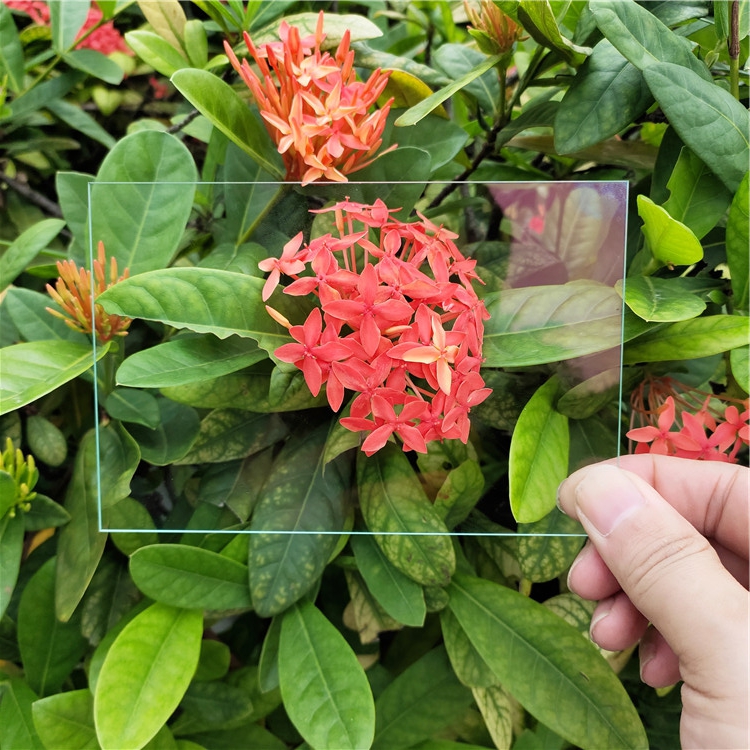
Factory Custom Optical Quality Nano Coating Tempered Anti Reflective AR Glass
For display windows that need low reflection, high transmittance and coating durability. Suitable for medical monitors, industrial HMIs and optical instruments.
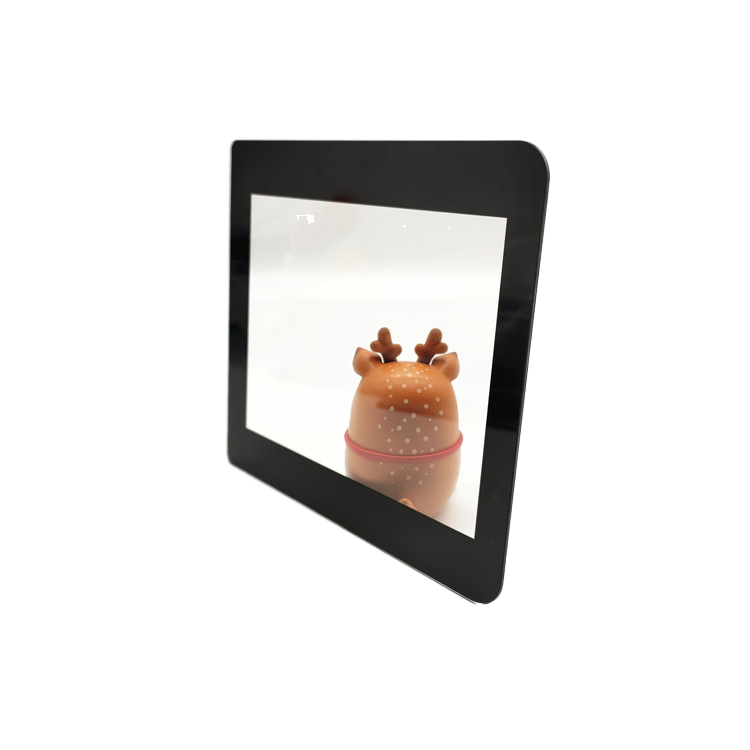
Industrial Use Electronic Glass 1mm/2mm/3mm/4mm Tempered Glass Display Screen Window Protection Cover
Electronic-grade cover glass from 1 mm to 4 mm for display windows, touch interfaces, protective covers and equipment-facing HMI panels.
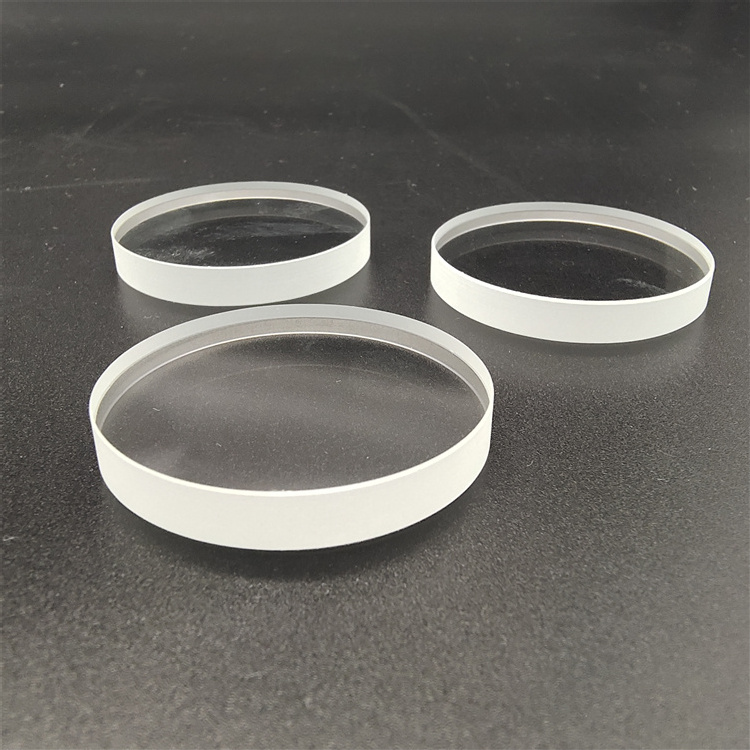
Full Tempered 30mm Diameter 3mm 4mm 5mm 6mm 8mm Thickness Ultra Clear Round Tempered Glass
Round ultra-clear tempered glass for lighting, sensor windows and precision circular covers, with diameter and thickness customized to the assembly.
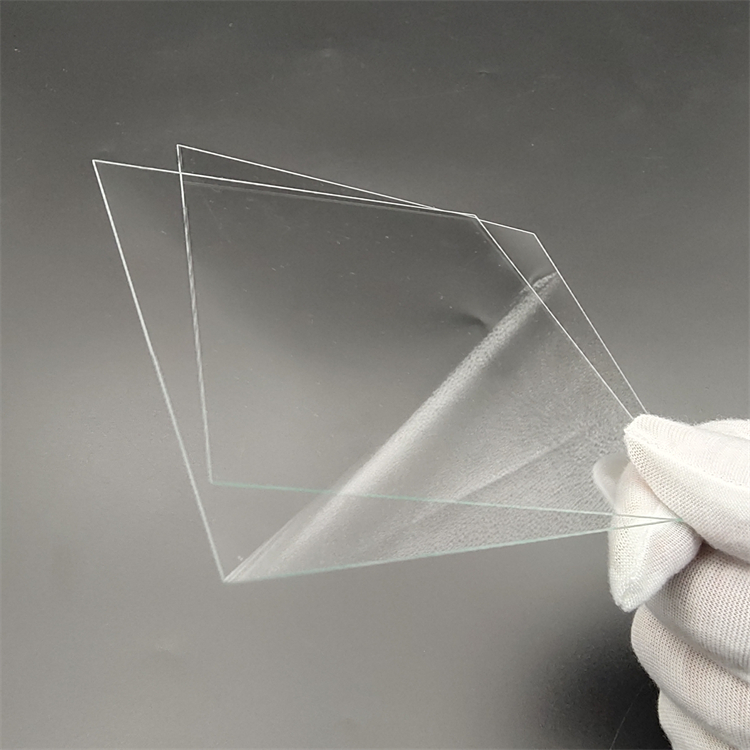
Customized Ultra Clear 0.5mm 0.7mm Thickness Ultra Thin Tempered Glass
Ultra-thin 0.5 mm and 0.7 mm glass for compact electronics, wearable-style devices, control panels and lightweight display stacks.
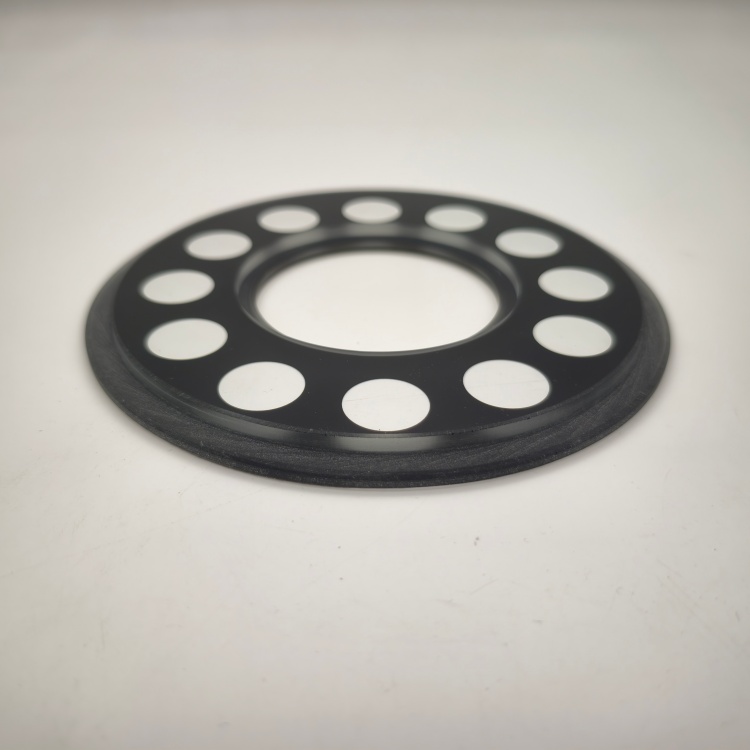
Factory Customized Round Hole Inner and Outer Double Step Edge Printed Tempered Glass for LED Lighting
Stepped-edge printed glass with inner and outer round holes for LED lighting, optical alignment and clean fixture assembly.
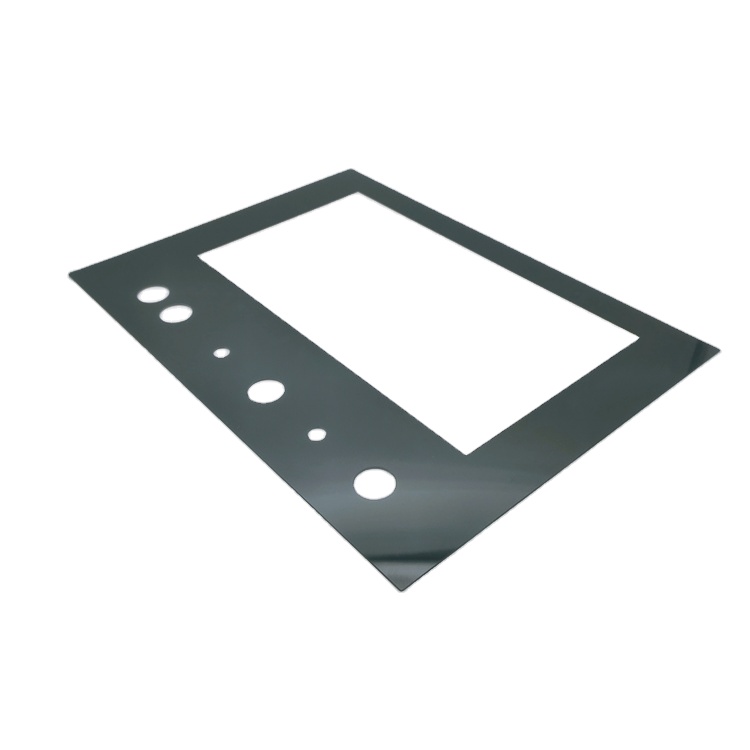
Customized Printed 0.5-6mm Thickness Flat Tempered Glass Screen Protector with Cut Holes
Flat printed screen protector with cut holes, available in 0.5–6 mm, for control panels, instrumentation and appliance displays.
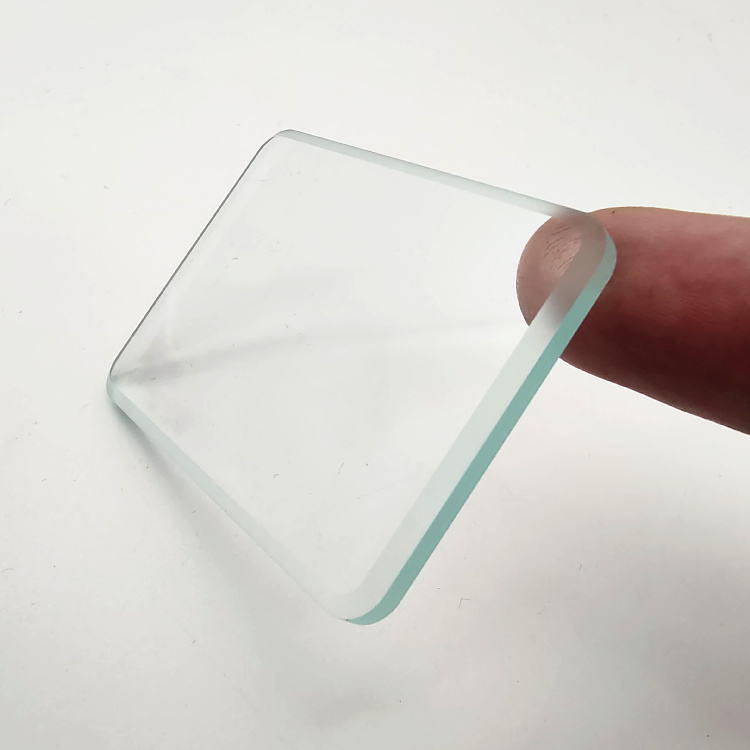
Custom Small Dimensions Tempered Beveled Edge Glass for Sale
Small-format beveled-edge glass for premium switch panels, decorative covers, instruments and compact electronic assemblies.
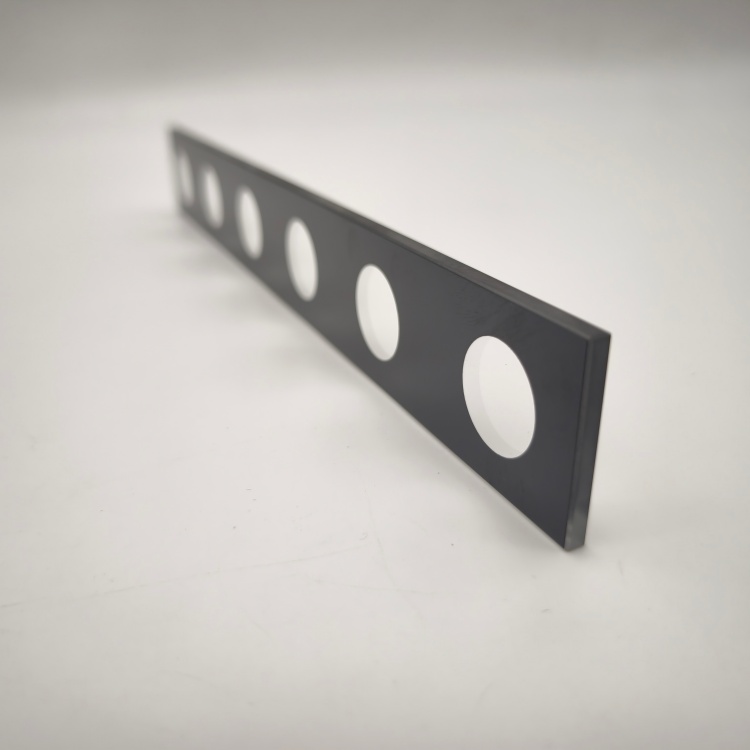
Black Printed Polished Smooth Matte Edge Linear Tempered Glass for LED Wall Washer Light
Linear black-printed glass with polished matte edges for LED wall washers, linear lighting and architectural luminaires.
Wholesale Thermally Tempered Glass from China: What the Search Intent Really Means
The query “Top China Thermally Tempered Glass Factories & Wholesaler” signals a procurement journey, not a casual product lookup. A serious buyer is usually comparing process control, drawing review, sample speed, coating capability, printing accuracy, packing quality and export communication. The strongest factories are therefore assessed as manufacturing partners, not as catalogue pages.
Factory-direct buyers
They want in-house cutting, CNC shaping, edge polishing, drilling, tempering, silk-screen printing and coating under one quality system. A trader can quote, but a factory must prove that critical steps are controlled rather than outsourced.
Wholesale partners
They need repeatable quality across batches, stable packing, responsive engineering and a clear path from sample approval to mass production. Unit price alone is a weak predictor of total landed cost when breakage, rework or color drift appears later.
Optical and printed glass
They search for AR, AG, AF, ultra-clear, printed and stepped-edge glass because the cover is part of the product experience. The real question is whether the supplier can hold optical values, print registration and edge geometry together.
Thermal tempering heats glass close to its softening point and then quenches it quickly. This creates compressive stress at the surface and tensile stress in the core. Fully tempered glass is generally much stronger than annealed glass of the same thickness and breaks into smaller fragments, which is why it is common in safety-related and impact-exposed applications. Heat-strengthened glass is stronger than annealed glass but is not intended to deliver the same fragmentation pattern as fully tempered glass. For displays, switch panels, LED fixtures and industrial instruments, tempering is usually combined with CNC cutting, edge polishing, hole drilling, ceramic printing and AR/AG/AF coating. The process sequence matters: holes, cut-outs, edge work and printing normally happen before tempering, while optical coating follows after the glass has been strengthened and cleaned.
This is why a simple query can hide a high engineering risk. If a hole is too close to the edge, if a step edge is unsupported, if printing is trapped under the wrong coating stack, or if a 0.5 mm panel is packed without sufficient interleaving, the buyer may pay for a low unit price and still lose money through scrap, delayed assembly and repeated sampling. A credible China thermally tempered glass factory will ask for the drawing, application, annual demand, target thickness, edge type, printing colors, coating specification and packing expectation before quoting. That RFQ discipline is the first sign of a supplier that understands wholesale production rather than one-off sales.
Information gain for buyers: request a process route, not only a price. A process route reveals whether cutting, edging, drilling, tempering, printing, coating and inspection are performed in-house, and whether the supplier has identified the critical tolerances before sampling begins.
A Practical Supplier Selection Scorecard for China Tempered Glass Wholesalers
Use a weighted RFQ scorecard so that the cheapest quote does not automatically win. The model below is a recommended starting point for custom display, lighting and switch glass projects; adjust the weights for your risk profile and end-market requirements.
Dimensional & edge quality
Tolerance, flatness, edge chips, hole position and breakage risk after tempering.
Suggested weight: 30%
Optical & coating verification
Transmittance, reflection, haze, adhesion, abrasion resistance and color stability.
Suggested weight: 25%
Print & color consistency
Registration, ink thickness, window clarity, Pantone matching and batch-to-batch control.
Suggested weight: 20%
Engineering response & traceability
Drawing review speed, inspection records, lot traceability and packaging discipline.
Suggested weight: 25%
In-house process ownership
Ask whether tempering, printing and coating are completed internally. Each handoff between subcontractors adds handling risk and weakens accountability.
Sample-first engineering
Approve fit, color, edge appearance and optical performance on physical samples before mass production. Do not approve from renderings alone.
Inspection records
Request dimensional reports, edge inspection criteria, coating test methods and packing checks. Data beats verbal assurance in export projects.
Response speed
Engineering questions should come back with a manufacturability note, not a generic sales reply. Speed matters most when tolerances or coating stacks are complex.
Traceability and reorder fit
Wholesale buyers should know how lots are identified, how printing colors are archived and how a repeat order is protected from drift.
Export packing
Interleaving, edge protection, carton strength and pallet stability are part of quality. Fragile glass should never be packed like general hardware.
Where Thermally Tempered Glass Is Heading Next
Product development is moving toward thinner stacks, larger visible areas, integrated touch interfaces, better outdoor readability and more decorative printing. Buyers who understand these trends can plan tooling, sampling and supplier qualification earlier.
Thinner electronic cover glass
0.2 mm to 0.7 mm glass is increasingly common in compact electronics. Handling, edge quality and strengthening control become more important as thickness drops.
Combined AR + AG + AF stacks
Outdoor kiosks and industrial HMIs need low reflection, glare diffusion and fingerprint resistance together. The coating stack must be specified as a system.
Large-format and narrow-bezel covers
Larger display windows and slim borders demand flatness control, printing registration and edge consistency across the full panel.
Smart switch and tactile glass
Printed glass switch plates are becoming design features. Icons, backlit windows, touch zones and matte/beveled edges need close color and registration control.
Architectural LED lighting glass
Black printing, polished matte edges, stepped holes and linear formats support wall washers, downlights and premium luminaires.
Industrial HMI integration
Equipment makers want a single front panel that combines protection, printed information, sensor windows and ruggedized optical treatment.
How Wholesale Buyers Will Source Tempered Glass More Intelligently
Future procurement will reward buyers who compare total landed cost, coating performance, traceability and supply resilience rather than a single FOB price. The following shifts are already visible in custom glass RFQs for displays, appliances, lighting and control panels.
Factory-direct due diligence
Buyers will request process routes, equipment lists, inspection records and sample reports before placing volume orders. “We can do it” is no longer enough; the factory must show how.
Coating-inclusive RFQs
AR, AG and AF will be specified together with transmittance, haze and adhesion targets. Coating suppliers will be qualified as part of the glass supply chain, not as an afterthought.
Dual sourcing and buffer stock
Overseas assembly lines need protection from transport variation and demand spikes. Buyers will split volume or hold approved stock for critical display and control-panel glass.
Traceability and ESG data
Lot identification, material declarations, packaging data and documented inspection will become standard buyer requests, especially for European and North American programs.
Total landed cost reminder: a lower glass price can disappear quickly when breakage, coating rework, color rejection, delayed samples or emergency air freight are included. Compare quotations with the same drawing, edge standard, print colors, coating stack, packing method and Incoterm. Ask each supplier to state what is excluded, because exclusions are where hidden cost lives.
Why Dongguan Jaswe Glass Fits the Profile of a Reliable China Factory
Dongguan Jaswe Glass Co., Ltd. is a glass processing company based in Dongguan, Guangdong, China — a location inside the electronics supply chain that supports fast tooling, material access and export communication. The company processes custom tempered glass, ultra-clear glass, silk-screen printed glass, switch glass, AR/AG/AF coated glass, electrical equipment glass and LED lighting glass.
Most of the 80+ operators have more than eight years of hands-on glass processing experience. That depth matters on tight-tolerance jobs such as ultra-thin 0.2 mm cover glass, multi-color printing with transparent display windows, stepped LED holes and optical coating stacks where small handling errors become visible defects. The company describes its operating philosophy as “Scientific management, careful manufacture, high quality service, striving for excellence.” In practical sourcing terms, that means engineering review before sampling, in-process inspection during production and export packing that protects finished glass from edge chips and surface marks.
In-house processing covers cutting, special-shaped and CNC cutting, edge polishing, hole drilling, thermal tempering, silk-screen and ceramic printing, AG processing and AR/AF coating. With 26 glass processing machines, more than 80 workers and monthly output exceeding 200,000 pieces, Jaswe Glass supports custom items that start at 100–500 pieces depending on size, printing and coating. Standard clear tempered pieces can also be supplied in smaller sample quantities for evaluation. The company serves buyers in America, Europe and Asia and has an on-site verified supplier status of six years, making it a relevant reference point when comparing China thermally tempered glass factories and wholesale suppliers.



Factory evidence should be part of supplier evaluation: workshop conditions, equipment, packing discipline and engineering communication all influence wholesale glass quality.
Questions Overseas Buyers Ask Before Ordering Tempered Glass
These answers address the most common procurement and engineering questions for custom thermally tempered glass sourced from China.
What is thermally tempered glass, and when should I specify it?
Which thickness is best for display, touch or lighting covers?
What is the difference between AR, AG and AF glass?
Can printing, holes, stepped edges and coatings be combined on one panel?
What is the minimum order quantity and sample process?
How can I verify quality before shipment?
What information should an RFQ include?
How should custom glass be packed for export?
Have a Drawing Ready? Start with an Engineering Review.
Share your thickness, edge type, printing colors, hole positions, coating requirement, application and estimated annual quantity. The right factory will respond with a manufacturability route, sampling plan and wholesale quotation structure — not just a price per piece.
Inquire Now