Top Trusted Glass Cover Lens Factories & Suppliers
How procurement teams evaluate tempered, ultra-clear, printed, AR/AG/AF and smart-control cover glass factories — plus a practical shortlist of eight custom glass products and the enterprise advantages behind Dongguan Jaswe Glass.
Eight Cover Lens & Custom Glass Products Buyers Should Review First
This is not a blind catalogue list. Each product below maps to a practical sourcing need in LED lighting, displays, touch panels, appliances, industrial instruments or smart switches. Product URLs are preserved so engineering teams can move from supplier research to specification review without losing context.
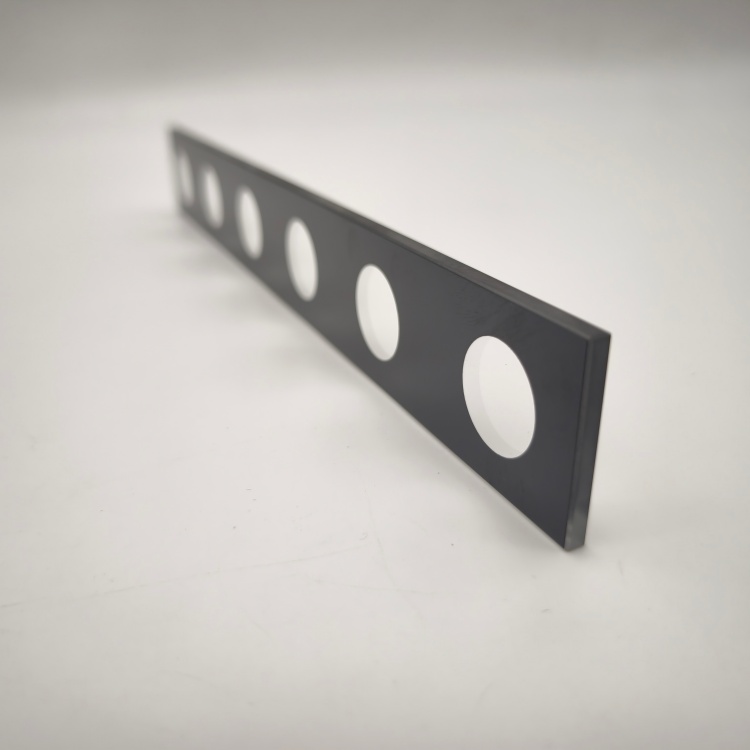
Black Printed Polished Smooth Matte Edge Linear Tempered Glass for LED Wall Washer Light
For linear wall-washer fixtures, the cover glass is both an optical window and a visible design surface. This black printed tempered option can help hide internal hardware, control the light aperture and deliver a polished matte edge for premium architectural lighting.
- Edge focus: polished / smooth matte
- Print: black border with custom apertures
- Review point: print registration and edge uniformity
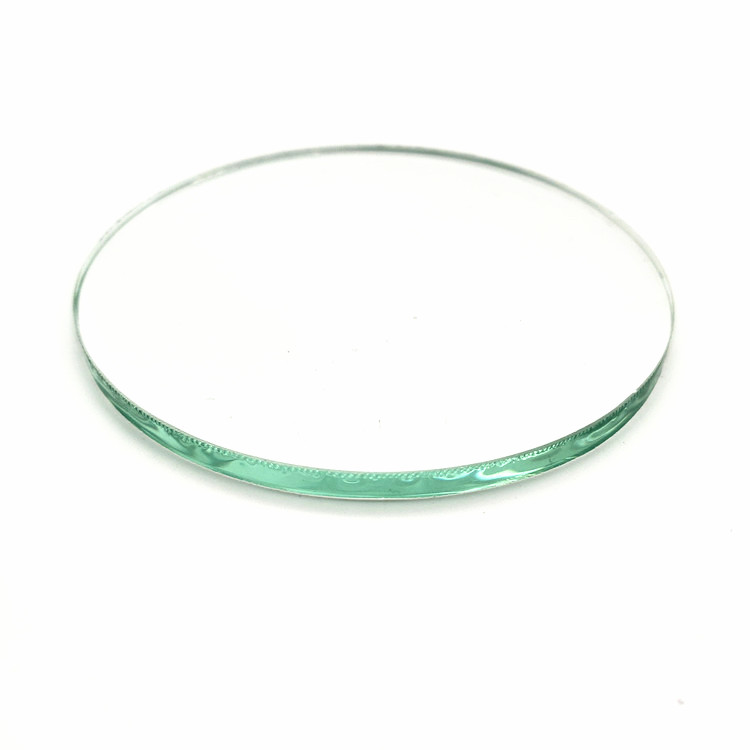
Customized Clear Flat Solid Tempered Glass Pieces 1mm-19mm for Industrial Lighting and Various Applications
A flexible platform for clear flat tempered glass used across industrial lighting, equipment windows and general custom applications. Buyers choose this type when they need stable flatness, safer breakage behaviour and a straightforward path from drawing to repeat production.
- Thickness range: 1mm to 19mm
- Form: flat solid shapes, cut to drawing
- Review point: tolerance stack and tempering limits
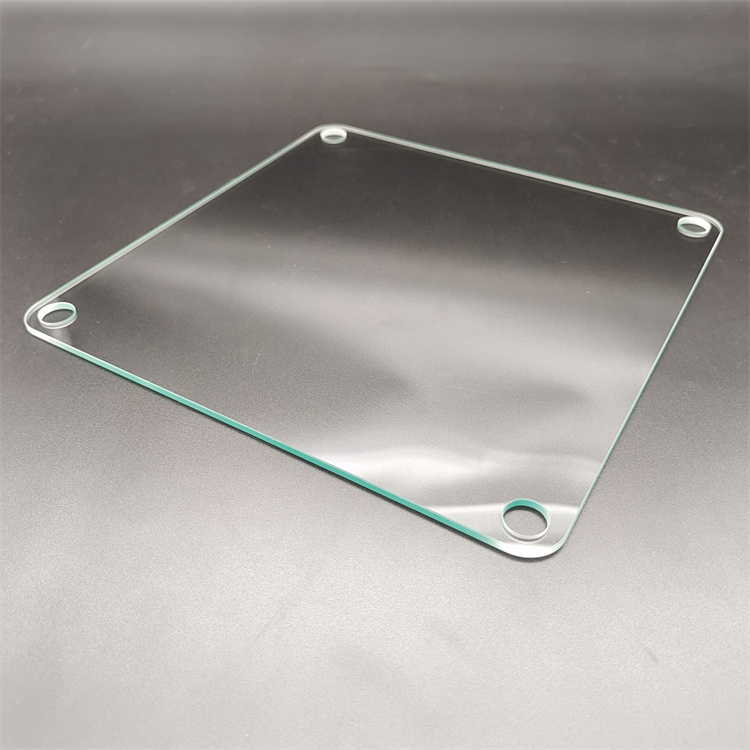
Factory Sale Customized Shape Decorative Glass Cover Hole Drilling Glass Panel Soda-lime Tempered Glass Sheet With Holes
For decorative covers and control windows with mounting holes, this soda-lime tempered glass option combines custom shape cutting with hole drilling. The manufacturing review should confirm hole-to-edge distance, chamfer requirements and print alignment before sampling.
- Process: shape cutting and hole drilling
- Material: soda-lime tempered glass sheet
- Review point: hole position and edge stress
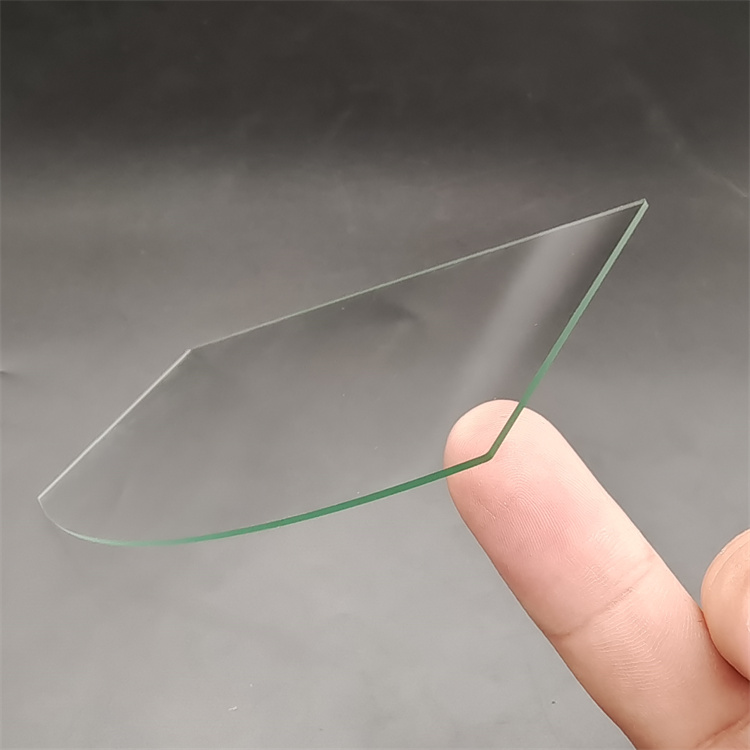
Any Size Custom 0.5/0.7/1/1.5/2/3mm Tempered Glass Screen Protector, Round Rectangle Triangle Customized Tempered Glass OEM ODM
A small-thickness cover lens family for screens and control surfaces from 0.5mm to 3mm. Round, rectangular, triangular and fully custom outlines can be quoted; the real sourcing decision is aligning thickness, surface finish and touch sensitivity.
- Thickness: 0.5 / 0.7 / 1 / 1.5 / 2 / 3mm
- Shapes: round, rectangle, triangle, custom
- Review point: flatness and touch response
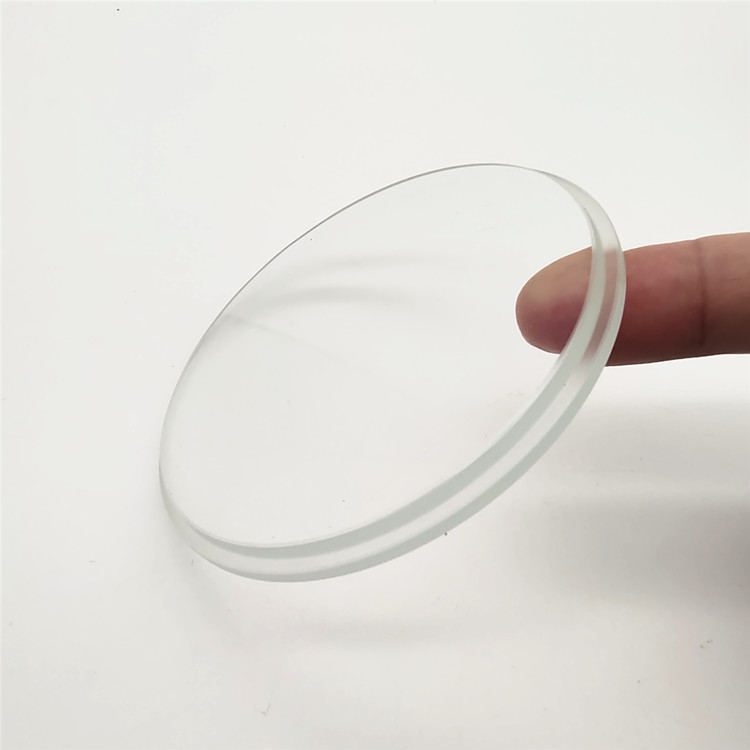
Factory Price 2mm 3mm 4mm 5mm 6mm 8mm 10mm Tempered Step Edge Glass
Step-edge tempered glass is used where the cover needs a controlled recess or seating profile. It is a practical fit for fixtures and panels that demand clean assembly, reduced light leakage and repeatable dimensions across production lots.
- Thickness range: 2mm to 10mm
- Profile: step edge for controlled seating
- Review point: step depth and edge polish quality
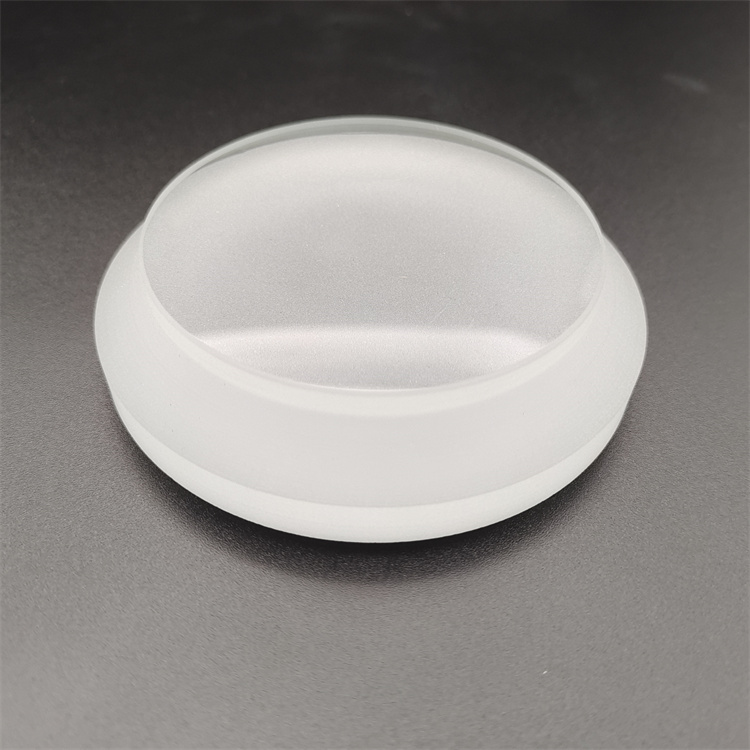
Customized Industrial Lighting Solid Flat Ultra Clear Frosted Tempered Glass with Beveled Step Edge
Ultra-clear frosted tempered glass with a beveled step edge balances high light transmission with controlled diffusion. It suits industrial lighting and display windows where a softer appearance, reduced glare and refined edge detail are required.
- Finish: ultra-clear frosted surface
- Edge: beveled step edge
- Review point: haze level and light transmission
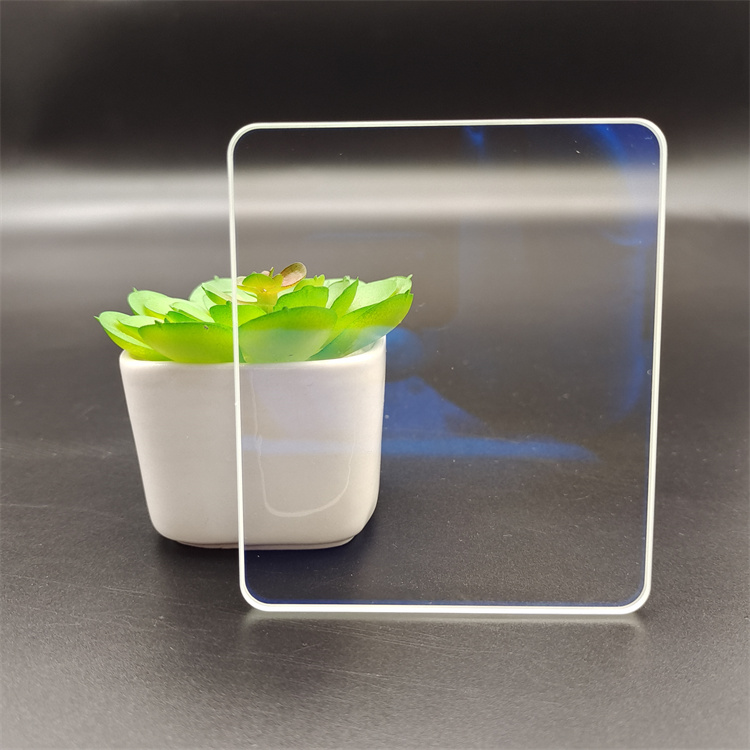
Both Sides Anti Reflective AR Coating 1mm 2mm 3mm 4mm Ultra Clear Tempered Glass
Double-sided AR coating is used to reduce surface reflection and improve display contrast. For high-transmission interface products, double-sided treatment often gives a larger optical gain than single-side coating, but durability and cleaning performance must also be validated.
- Coating: anti-reflective on both sides
- Thickness: 1mm, 2mm, 3mm, 4mm
- Review point: reflectance target and coating durability
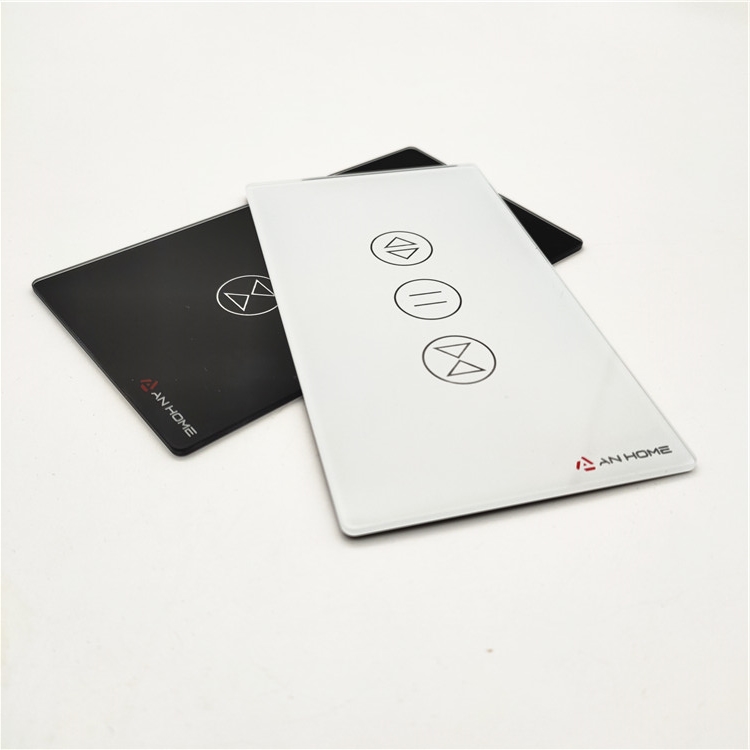
Home Smart WiFi Remote Control Touch Tempered Glass Screen-Printed Glass Switch Glass Panels Curtain Control Glass
A printed tempered glass panel for smart WiFi touch curtains and switch controls. The glass must combine decorative printing, transparent touch windows, precise icon alignment and a finish that resists daily cleaning in residential and hospitality environments.
- Application: smart switch / touch control panel
- Decoration: screen-printed icons and borders
- Review point: icon alignment and touch-window clarity
What Trusted Glass Cover Lens Factories Must Control In-House
Trust in this category is rarely built by a logo or a one-page certificate. It is built by knowing where the glass is cut, how the edge is finished, who controls the tempering curve and whether the printed or coated surface is validated before packing. These are the practical control points buyers should audit.
Precision & CNC Cutting
Automatic cutting plus CNC shaping for rounds, notches, slots and irregular outlines. The real test is dimensional repeatability and controlling micro-cracks before tempering.
Edge Polishing
Pencil, flat, beveled, stepped and matte edges influence safety, appearance and breakage risk. Edge chips are one of the largest hidden yield losses in cover glass.
Hole Drilling
Holes and countersinks for buttons, sensors, cameras, knobs and mounting screws. Hole-to-edge distance and stress control must be reviewed before mass production.
Thermal Tempering
A tempering furnace strengthens glass for impact resistance and safer breakage behaviour. Buyers should confirm that process parameters are matched to thickness and part size.
Silk Screen & Ceramic Printing
Multi-colour logos, icons, borders and display windows require colour matching and print registration. Transparent windows must remain clean while printed areas stay durable.
AG Anti-Glare Processing
A diffused matte surface keeps screens readable under strong light. Haze and gloss should be selected according to viewing distance and display resolution.
AR Anti-Reflective Coating
Optical coating lowers reflection and raises light transmission for brighter, higher-contrast displays. Single- and double-sided coatings should be compared by application.
AF Anti-Fingerprint Coating
An oleophobic top layer improves touch glide, reduces smudges and makes cleaning easier. On high-use interfaces, coating durability matters as much as initial performance.


Dongguan Jaswe Glass Co., Ltd.: A Production Partner Built Around Process Control
Jaswe Glass operates from Dongguan, Guangdong, China, inside the electronics and lighting supply chain of the Pearl River Delta. The company processes custom tempered glass, ultra-clear glass, silk-screen printed glass, switch glass, AR/AG/AF coated glass, display cover glass, touch screen glass, LED lighting glass and electrical equipment glass.
For procurement teams, the advantage is not simply a machine list. It is the ability to keep cutting, CNC shaping, edge polishing, hole drilling, tempering, printing, AG processing and AR/AF coating close enough for fast problem-solving. Most of the 80+ operators have more than eight years of hands-on glass processing experience, which matters when a 0.2 mm ultra-thin cover or a multi-colour printed panel leaves little room for handling error.
Reported operating data includes 26 glass processing machines, more than 80 skilled workers and monthly output exceeding 200,000 pieces. The company serves buyers in America, Europe and Asia, with an average response time of three hours or less, a 96.61% response rate and a 26% buyer reorder rate.
Operating signals that matter during supplier selection
A factory is more trustworthy when capacity, process depth, response speed and repeat business are reviewed together rather than as isolated claims.
How Glass Cover Lens Sourcing Is Changing Into the Late 2020s
Buying behaviour is shifting from lowest piece price toward resilience, optical specification, process transparency and engineering response. These trends are especially relevant for OEMs sourcing tempered cover glass, display glass, printed switch panels and LED lighting glass.
Dual Qualification and Supply-Chain De-Risking
Procurement teams increasingly qualify more than one glass cover lens supplier and look for clear process ownership. A factory that performs cutting, tempering, printing and coating in-house reduces handoff risk and shortens corrective-action loops when a sample or production lot needs adjustment.
Total Landed Cost and Yield Economics
Scratches, edge chips, colour mismatch and coating defects create hidden costs far beyond the quoted piece price. Trusted suppliers document first-pass yield, packing protection, rework policy and change control so buyers can compare total landed cost rather than unit price alone.
Small-Batch Customisation With Mass-Production Consistency
Custom programmes often begin at 100 to 500 pieces before scaling. The supplier must keep the same DFM review, print colour control and edge standard as volume rises. This is where factories with stable process documentation outperform trading intermediaries.
Optical Specifications Move Into the RFQ
AR, AG, AF and ultra-clear low-iron glass are becoming line items with transmission, haze, gloss, reflection and cleaning-durability targets. Generic “clear tempered glass” is no longer sufficient for touch panels, outdoor displays or premium smart switches.
Traceability, Documentation and Audit Readiness
Buyers expect drawing revision control, material lot tracking, inspection records, sample retention and export packing validation. These records reduce disputes and make supplier audits faster, especially when multiple decorative or coated variants run in one production line.
Co-Development and Faster Sampling
Engineering response time is now part of commercial competitiveness. A supplier that reviews DXF, DWG or PDF drawings and returns manufacturability notes within hours becomes a development partner rather than a cutter. This reduces prototype cycles for displays, lighting and smart-home controls.
Where Tempered Cover Glass Is Moving Next
Product design trends directly affect how buyers should specify thickness, edge profile, printing, coating and sampling criteria for glass cover lens projects.
Thinner and Larger Format Covers
Displays and touch interfaces continue to demand thin glass with larger visible areas. Handling, flatness and edge quality become more critical as thickness drops toward 0.2mm to 1mm or as large-format panels reduce design tolerances.
Integrated Printing and Functional Coatings
Decorated glass is increasingly expected to combine silk-screen printing with AR, AG or AF performance. This requires precise masking, compatible coating stacks and validation of both appearance and function after cleaning and touch use.
Smart-Home Switch Glass and Touch Panels
Smart switches, curtain controls and wall panels need durable printed surfaces, clear touch windows and consistent icon alignment. Designers increasingly use glass because it offers a premium feel and easy cleaning compared with many plastics.
Outdoor-Readable Industrial Displays
Industrial HMI panels and outdoor kiosks demand glare control, fingerprint resistance and robust tempered substrates. AG plus AF treatments are becoming more common where readability and maintenance cost matter.
Premium Edge and Decorative Finishing
Step edges, bevels, matte edges and thin printed borders are being used to reduce visible seams, improve assembly and create a refined look. Buyers should approve edge samples because small reflections and chips are magnified on finished products.
Durability and Long-Service Design
Tempered glass supports longer service life because it resists impact and maintains surface appearance. As buyers review environmental impact, a durable, repairable and cleanable cover lens can be more valuable than a low-cost part replaced frequently.
AR vs AG vs AF vs Ultra Clear: Which Glass Fits Your Product?
These treatments can be combined. For example, AG plus AF is common for outdoor touch kiosks, while AR plus AF suits high-transmission touch displays where reflections and fingerprints both matter.
| Glass Type | What It Solves | Typical Applications | Engineering Tip |
|---|---|---|---|
| Ultra Clear Low-Iron | Removes the green tint of standard float glass for truer colour reproduction. | Display covers, LED lamps, premium appliance panels. | Pair with white or light-colour printing to avoid a greenish edge tone. |
| AR Anti-Reflective | Cuts surface reflection, boosts contrast and increases light transmission. | Medical and industrial monitors, display windows, camera covers. | Specify single- or double-sided coating; double-sided often gives the largest optical gain. |
| AG Anti-Glare | Diffuses glare from sunlight or overhead lighting so screens remain readable. | Outdoor kiosks, vehicle HMIs, industrial displays, digital signage. | Choose gloss and haze level by viewing distance; finer haze suits high-resolution screens. |
| AF Anti-Fingerprint | Repels oil and sweat to keep touch surfaces cleaner for longer. | Capacitive touch panels, smart switches, POS terminals. | Apply as the final layer over AR or AG for touch products, then test cleaning durability. |
| Silk-Screen Printed Tempered | Hides wiring, adds logos, icons and display windows. | Switch plates, appliance controls, instrument panels. | Send Pantone codes, transparent window size and artwork revision with your drawing. |
Final optical values depend on glass thickness, substrate and coating stack. Sample testing is recommended before mass production, especially when AR, AG, AF or multi-colour printing are combined.
Four Criteria That Separate a Trusted Factory From a Trading Middleman
Price is easy to compare. Process control, engineering response, sample discipline and export packing are the areas where quotation differences become visible after production begins.
Process Ownership
Ask which steps are completed in-house. Cutting, edging, drilling, tempering, printing and coating done under one roof reduce handoff defects and make corrective action faster.
Engineering Response
Send a real drawing and measure the quality of the response. A useful reply should discuss thickness, edge profile, hole spacing, print tolerance and coating compatibility — not just price and lead time.
Sample Discipline
Approve physical samples for fit, colour, edge finish and optical performance. Retain signed samples so mass production can be judged against a shared reference instead of memory or screen colour.
Export Packing
Glass quality can be lost in transit. Review interleaving, edge protection, corner guards, moisture control and carton strength, especially for thin covers and printed panels with visible surfaces.
From Drawing to Production in Four Practical Steps
A transparent workflow helps overseas buyers predict quality, communication and lead time before committing to tooling or material.
Share the Drawing
Provide DXF, DWG or PDF files with thickness, outline, edge type, hole positions, printing colours, coating requirement, application and estimated annual quantity.
Review Manufacturing
Engineering checks tempering limits, hole-to-edge distance, edge profile, print registration and coating compatibility before a sample is scheduled.
Approve the Sample
Evaluate fit, colour, surface finish, optical behaviour and touch-window clarity. Keep a signed reference sample for mass-production comparison.
Produce and Pack
Run batch production with inspection at key stations, then use interleaved, edge-protected export packing for safe transit and easier receiving inspection.
Common Questions From Overseas Glass Cover Lens Buyers
These answers reflect the specifications and operating information most frequently discussed during custom glass sourcing.
What glass thickness can Jaswe Glass process?
The current range covers ultra-thin electronic-grade glass from 0.2mm up to 19mm flat tempered glass. The most requested thicknesses for display and touch covers are 0.5, 0.7, 1, 2, 3 and 4mm.
What is the minimum order quantity for custom glass?
Most custom items start at 100 to 500 pieces depending on size, printing and coating. Standard clear tempered pieces can be supplied in smaller sample quantities for evaluation.
What is the difference between AR, AG and AF glass?
AR anti-reflective coating reduces surface reflection to increase transmittance and contrast. AG anti-glare treatment diffuses reflected light so screens stay readable under strong light. AF anti-fingerprint is an oleophobic top layer that resists smudges. They can be combined on one cover glass.
Which processes are done in-house?
Cutting, special-shaped and CNC cutting, edge polishing, hole drilling, tempering, silk-screen and ceramic printing, AG processing and AR/AF coating are completed in-house to keep quality feedback loops short.
What production capacity can buyers rely on?
With 26 glass processing machines and more than 80 workers, monthly output exceeds 200,000 pieces of processed glass. Capacity should still be validated against your specific thickness, print colours, coating route and packing method.
How do I start a custom glass project?
Send a drawing in DXF, DWG or PDF format with thickness, edge type, printing colours, coating requirement, application and estimated annual quantity. Email info@jasweglass.com and our engineers will review manufacturability before samples are made.
Send Your Drawing. Get a Manufacturability Review.
Share your cover glass application, thickness, edge profile, printing colours, coating requirement and estimated annual volume. The right supplier should tell you what can be made reliably before quoting a price.
info@jasweglass.com