Recommended Glass Cover Panels for Project Sourcing
These eight product platforms cover the most common display, control-panel, smart-home and lighting requirements. Each can be customized by drawing, thickness, edge, print, holes, adhesive and optical coating.
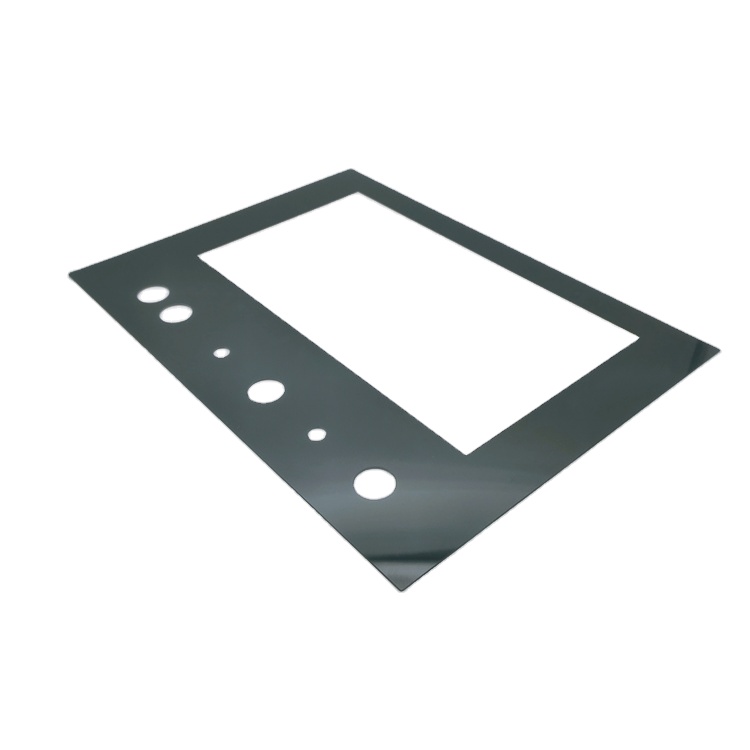
Customized Printed 0.5–6 mm Flat Tempered Glass Screen Protector with Cut Holes
A strong fit for appliance fronts and touch interfaces where print colour, cut-outs and thickness must work together.
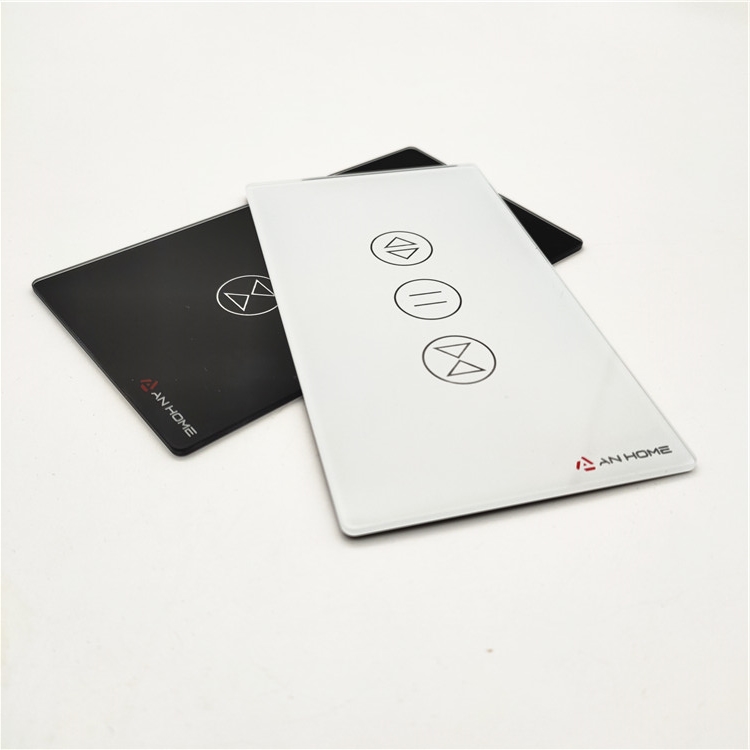
Home Smart WiFi Remote Control Touch Tempered Glass Switch Glass Panel for Curtain Control
Touch-friendly front glass for smart-home stacks, with options for anti-fingerprint and printed icon windows.
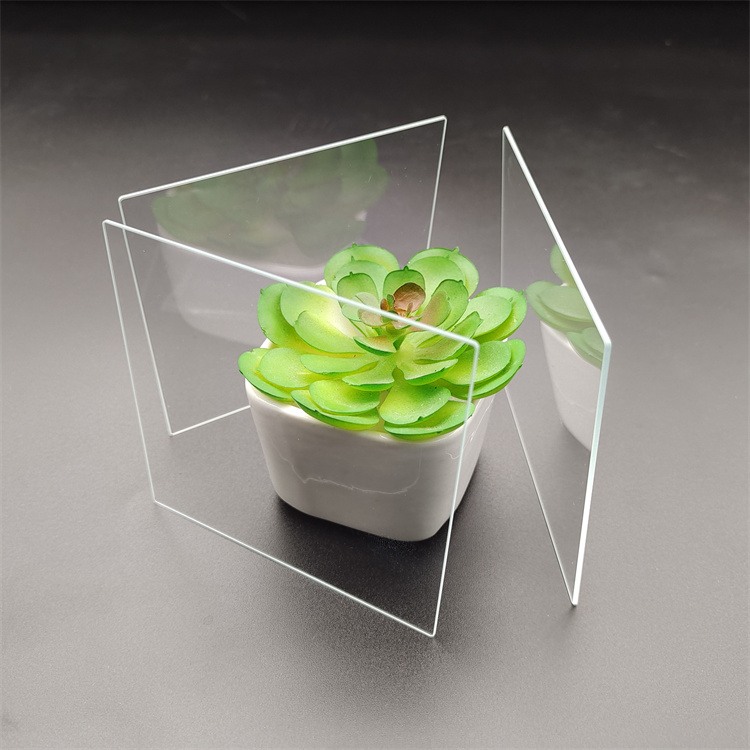
Custom 1–5 mm Tempered Extra Clear Glass Panel for LCD Screen, LED Light and Electronic Appliance Cover
Extra clear cover glass for applications where colour fidelity, brightness and visual clarity are purchase criteria.
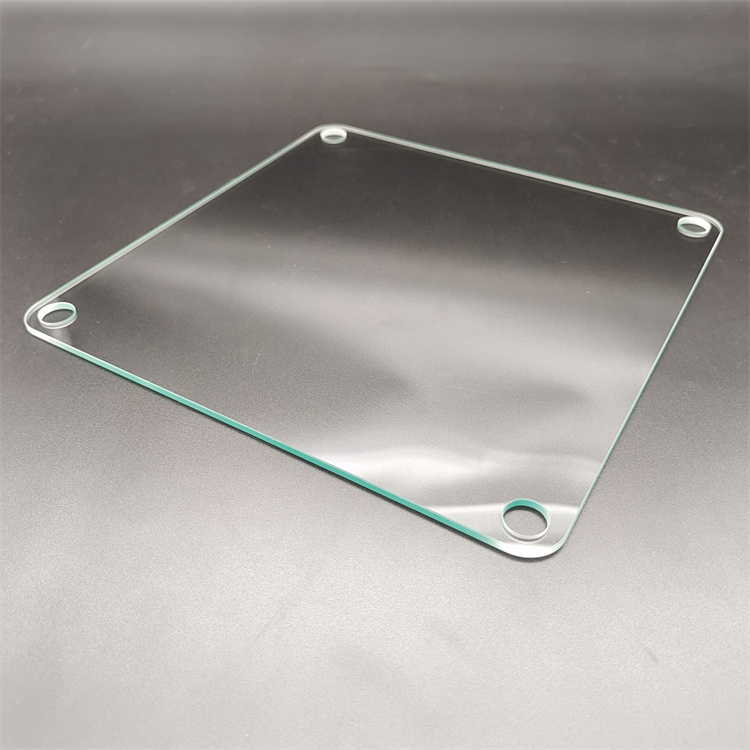
Factory Sale Customized Shape Decorative Glass Cover with Drilled Holes — Soda-Lime Tempered Glass Sheet
A practical platform for holes, notches, slots and non-rectangular outlines that must survive tempering.

Small Size Ultra Thin 0.5 mm / 0.7 mm / 1 mm Tempered Glass Panel with Adhesive Tape for Screen Protection
Adhesive-backed thin glass for compact displays, sensors and product protection where weight and fit matter.
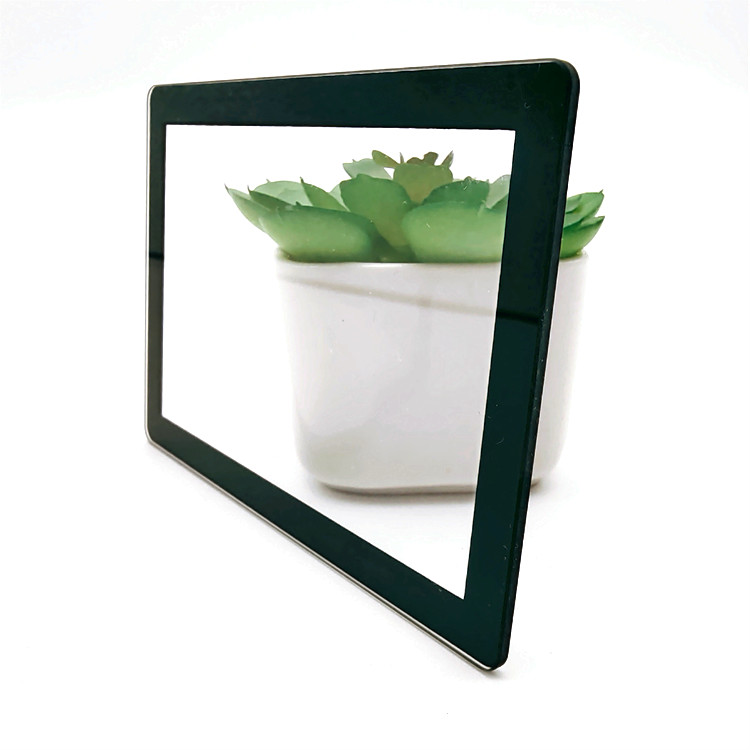
High Quality 0.5–6 mm Solid Industrial Display Screen Tempered Glass with Printed Design and High-Strength Protection
Built for demanding instrument windows, HMI covers and industrial displays that need print plus physical strength.

Custom Printed Tempered Glass Panel — High Strength Decorative Cover with Hole for Card Reader Instruments
Printed cover glass with a precise hole for card readers, terminals and instrument interfaces.

Customized Industrial Lighting Solid Flat Ultra Clear Frosted Tempered Glass with Beveled Step Edge
A decorative and functional cover for lighting fixtures that need frosted diffusion and a clean beveled edge.
What “Trusted” Means for Glass Cover Panel Exporters and Wholesalers
The phrase top trusted glass cover panel exporters and wholesalers is often used as a search shortcut. In practice, trust is not created by a badge or a broad product catalogue. It is created by the ability to repeat a controlled process: the right glass substrate, the right cut-out, the right edge, the right print, the right coating and the right packing — order after order. For buyers in North America, Europe and Asia, the real question is not whether a supplier can show one attractive sample, but whether that supplier can translate a drawing into a stable production route without hiding cost, tolerance or schedule risk.
Dongguan Jaswe Glass Co., Ltd. operates as a glass processing exporter in Dongguan, Guangdong, China, serving display, touch-panel, appliance, switch, electrical-equipment and LED-lighting applications. The company’s published profile describes 51–100 employees, 26 glass processing machines, more than 80 skilled workers, a monthly output above 200,000 pieces, an average response time within three hours, a 96.61% response rate and a 26% buyer reorder signal. Those figures matter because they point to a practical advantage: engineering communication and repeatable processing capacity sit in the same operation.
This guide is written for sourcing managers, hardware engineers, product managers and wholesale buyers who need more than a product list. It explains which glass cover panel formats are gaining demand, which specifications cause avoidable rework, how AR, AG and AF treatments differ, what procurement teams should request in a supplier audit and how to compare quotations on total cost of use rather than unit price alone.
A low quotation can hide the most expensive risks: edge-chip rejects, inconsistent print colour, coating adhesion failure, poor hole quality, inadequate interleaving or mismatched packing for automated assembly. The most reliable comparison is not “price per piece” but price per accepted piece after incoming inspection. Ask every exporter or wholesaler to quote the same drawing, the same acceptance criteria and the same packaging standard.
Glass Cover Panel Buying Trends Reshaping 2025–2026 Supply Chains
Demand is moving away from generic cover glass and toward application-specific specifications, faster engineering loops and verified process capability.
Specification-led sourcing
Buyers increasingly specify transmittance, haze, adhesion, print colour, edge profile and breakage behaviour instead of simply ordering a thickness. The drawing becomes a mini contract.
Dual sourcing without double tooling
Overseas buyers want a primary and a backup supplier, but they do not want two different fit outcomes. Drawings, fixtures and inspection standards must be portable between suppliers.
Low-MOQ validation, then scale
Programmes often start with samples or 100–500 pieces before moving to repeat volume. A supplier that can protect quality during the transition from sampling to mass production is more valuable than one that only competes on large-volume pricing.
Early supplier involvement
More buyers involve the glass processor during industrial design. This reduces risky holes near edges, unrealistic print windows and coating choices that conflict with the touch-stack requirement.
Traceability and audit evidence
Inspection records, incoming-material control, batch identification and packing photos are becoming normal expectations. A verbal “we check every piece” is not enough.
Total cost of use
Freight damage, line stoppage, colour rework and field returns can outweigh a small unit-price difference. Buyers are comparing landed quality cost, not just FOB or EXW price.
Where Glass Cover Panel Technology Is Heading
The next wave of cover glass is not just thinner or stronger. It combines decoration, protection, optical function and assembly readiness in one part.
Ultra-thin electronic glass
0.2 mm to 1.0 mm glass continues to replace thicker plastic and glass combinations in compact sensors, wearables, instruments and portable display windows.
Integrated optical coatings
AR, AG and AF layers are increasingly combined on one cover panel. A single part can reduce reflection, diffuse glare and resist fingerprints without a separate film.
Decorative glass as a brand surface
Silk-screen and ceramic printing now carry logos, icons, display windows and colour systems. The cover glass is no longer just protection; it is part of the product identity.
Edge architecture
Beveled, stepped, pencil-polished and matte edges are being used to improve touch feel, simplify assembly and create visual separation in appliances and lighting.
Assembly-ready cover glass
Adhesive tape, protective film, orientation marks and clean-room-compatible packing reduce steps at the customer’s assembly line.
Smart-home and lighting demand
Glass switch plates, curtain-control panels, LED covers and instrument windows are converging around premium touch feel, low glare and easy cleaning.
How to Specify a Glass Cover Panel Without Creating Rework
These are the decisions our engineers review first. Each one can change cost, lead time, breakage risk and final optical performance.
| Design decision | What to specify | Why it matters | Common failure to prevent |
|---|---|---|---|
| Thickness | 0.5, 0.7, 1, 2, 3, 4 or 6 mm, plus tolerance and flatness expectation. | Thickness affects strength, weight, optical distance, touch sensitivity and housing fit. | Choosing a thickness that cannot survive the specified hole or edge geometry. |
| Substrate | Standard soda-lime or low-iron ultra-clear glass; state the colour target. | Low-iron glass reduces green tint and improves brightness and colour fidelity. | Using standard float glass behind white printed areas and accepting an unwanted green edge tone. |
| Edge profile | Flat, pencil, beveled, stepped or matte edge, with polishing requirement. | Edge quality affects safety, appearance, assembly, gasket contact and impact resistance. | Sharp edges, micro-chips or uneven polishing that cause rejects after tempering. |
| Printing | Pantone or RAL colour, icon artwork, transparent window size, white or black masking, tolerance. | Printing hides wiring and defines brand appearance, indicators and display windows. | Artwork supplied without bleed, window tolerance or colour reference. |
| Coating | AR, AG, AF or a combined stack; single- or double-sided; haze and reflection targets. | Coating controls readability, glare, fingerprint visibility and light transmission. | Choosing AG haze by appearance rather than viewing distance, or adding AF without testing adhesion. |
| Packing | Interleaving, edge protection, cleaning level, orientation marks and carton drop standard. | Many glass defects are introduced after production by poor transit and handling. | Bulk stacking, insufficient separators or no protection for printed and coated surfaces. |
For high-risk projects, approve a physical sample under the same lighting and cleaning conditions used on your assembly line. Final optical values depend on glass thickness, substrate and coating stack.
 Dongguan manufacturing base
 In-house cutting, edging and inspection
Why Dongguan Jaswe Glass Fits the Profile of a Trusted Exporter and Wholesaler
Dongguan Jaswe Glass Co., Ltd. is located in Dongguan, Guangdong, China — a region with deep electronics and appliance supply-chain density. The company processes custom tempered glass, ultra-clear glass, display glass, touch-screen glass, silk-screen printed glass, switch glass, AR / AG / AF coated glass, electrical-equipment glass and LED lighting glass. Its stated production route covers cutting, special-shaped and CNC cutting, edge polishing, hole drilling, thermal tempering, silk-screen and ceramic printing, AG processing and AR / AF coating.
For a buyer, the advantage of keeping these processes under one roof is not simply convenience. It shortens the engineering loop when a print window, hole position or coating requirement needs adjustment. It also reduces the quality gaps that can appear when glass moves between unrelated subcontractors. Most of the company’s 80+ operators are described as having more than eight years of hands-on glass processing experience — valuable on tight-tolerance work such as ultra-thin 0.2 mm cover glass or multi-colour printed panels with transparent display windows.
“Scientific management, careful manufacture, high quality service, striving for excellence.”
That operating philosophy is only credible if buyers can verify it. The company publishes trade-capacity, transaction-level, trade-history, credit-index, ratings-and-reviews and supplier-assessment pages. For procurement teams building a shortlist, these records are not decoration: they are a starting point for checking whether the supplier has the systems, equipment and export discipline required for repeat cover-glass orders.
From Drawing to Export Packing: Five Control Points
A transparent workflow gives overseas buyers a way to judge communication speed and process discipline before placing a production order.
Send requirements
Provide DXF, DWG or PDF drawings, thickness, edge type, print colours, coating requirement, application and estimated annual volume.
Engineering review
Review hole-to-edge clearance, print tolerance, tempering feasibility, coating stack and packing method before quoting.
Sampling
Approve fit, colour, edge feel, optical performance and cleaning behaviour on physical samples, not screen images alone.
Mass production
Control cutting, CNC, drilling, tempering, printing and coating with inspection at each stage before final packing.
Packing and shipping
Use interleaving, edge protection and export packing designed for the agreed shipping method and handling environment.
Common Questions from Glass Cover Panel Buyers
What glass thickness can Jaswe Glass process?
The current product range covers ultra-thin electronic-grade glass from 0.2 mm up to 19 mm flat tempered glass. The most requested thicknesses for display and touch covers are 0.5, 0.7, 1, 2, 3 and 4 mm. For a new project, specify nominal thickness plus the tolerance that matters for your housing, gasket and touch stack.
What is the minimum order quantity for custom glass?
Many custom items start at 100 to 500 pieces depending on size, printing and coating. Standard clear tempered pieces can be supplied in smaller sample quantities for evaluation. Ask for a sampling plan and a mass-production plan at the same time so the approved sample and the production batch follow the same process route.
What is the difference between AR, AG and AF glass?
AR, or anti-reflective coating, reduces surface reflection to increase transmittance and contrast. AG, or anti-glare treatment, diffuses reflected light so screens stay readable under strong ambient or outdoor light. AF, or anti-fingerprint coating, is an oleophobic top layer that resists smudges on touch surfaces. They can be combined on one cover glass, but the final stack should be tested for adhesion, durability and optical targets.
Which processes are completed in-house?
The stated in-house scope includes cutting, special-shaped and CNC cutting, edge polishing, hole drilling, tempering, silk-screen and ceramic printing, AG processing and AR / AF coating. Keeping these steps coordinated is especially useful when a printed display window must align precisely with a hole, sensor window or touch-key area.
What is the production capacity?
With 26 glass processing machines and more than 80 workers, monthly output exceeds 200,000 pieces of processed glass. Capacity should still be checked against your specific thickness, size, print colours, coating and packing method, because a mixed-process cover panel consumes more production time than a plain clear sheet.
How should a buyer start a custom glass cover panel project?
Send a drawing in DXF, DWG or PDF format, plus thickness, edge type, printing colours, coating requirement, application and estimated annual quantity. Include the transparent window size, hole diameter and tolerance, surface finish and any cleaning or packing requirement. Engineering review before sampling usually prevents the most expensive delays.
Can printed glass also be AR, AG or AF coated?
Yes, printed glass can be combined with optical coatings, but the sequence and masking must be defined. Print colour, window clarity and coating adhesion need to be reviewed together. For touch products, AF is often added as the final surface layer; for outdoor displays, AG plus AF is a common combination.
How do I compare quotations from exporters and wholesalers fairly?
Compare the same drawing, substrate, thickness tolerance, edge profile, print colours, coating specification, acceptance criteria and packing standard. Ask for the price per accepted piece after incoming inspection, not just the unit price. A slightly higher quotation can be lower-cost overall if it avoids colour rework, transit breakage or assembly-line stoppage.
Have a Drawing or Target Specification?
Share your glass cover panel requirements with the Jaswe Glass engineering team. Include thickness, application, coating, printing, hole details and estimated annual volume so the review can move directly into manufacturability and sampling. You can also reach the team at info@jasweglass.com.