Recommended Precision Glass Products for Export Buyers
The eight formats below are practical entry points for buyers comparing precision glass factories and exporters: round tempered glass, printed decorative covers, ultra-clear display panels, ODM screen protectors, drilled glass, anti-reflective glass and smart-home switch glass.
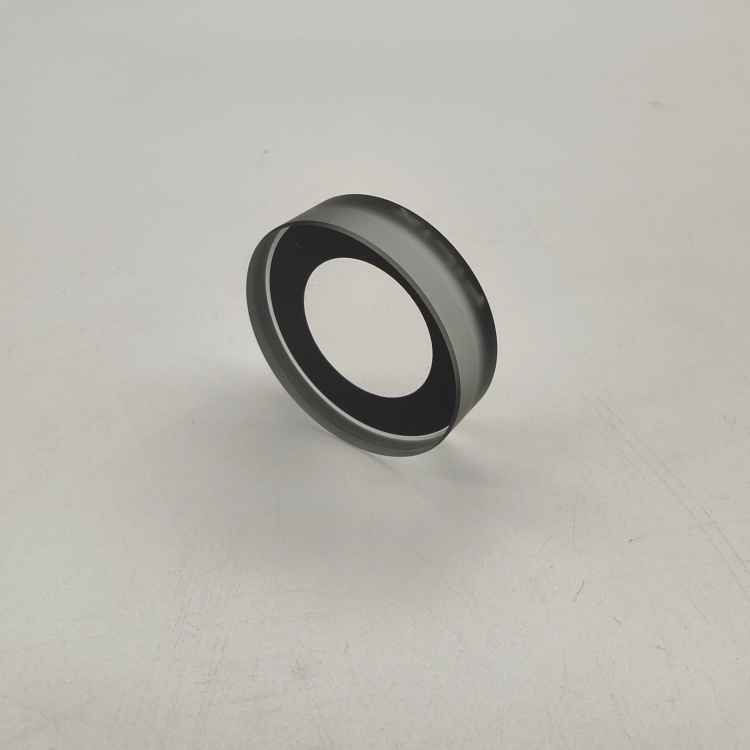
High Quality Small Diameter 10mm Thickness Round Tempered Glass with High Temperature Ceramic Printing
Best for indicator windows, control dials and decorative hard-wearing glass where a high-temperature ceramic print must survive thermal processing.
View Product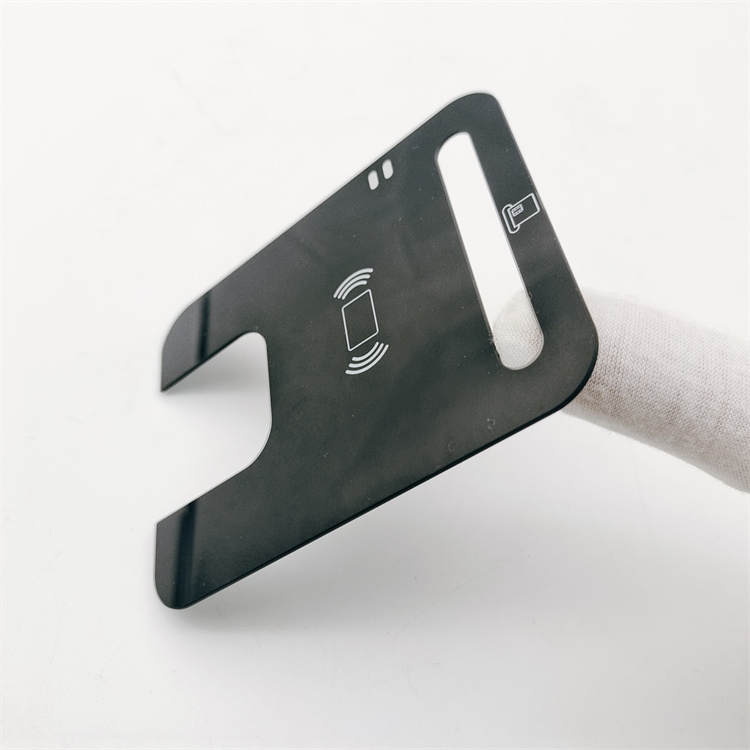
Custom Printed Tempered Glass Panel High Strength Decorative Cover with Hole for Card Reader Instrument
Printed decorative cover with a drilled aperture for card-reader instruments; suitable where branding, toughness and a clean assembly interface matter.
View Product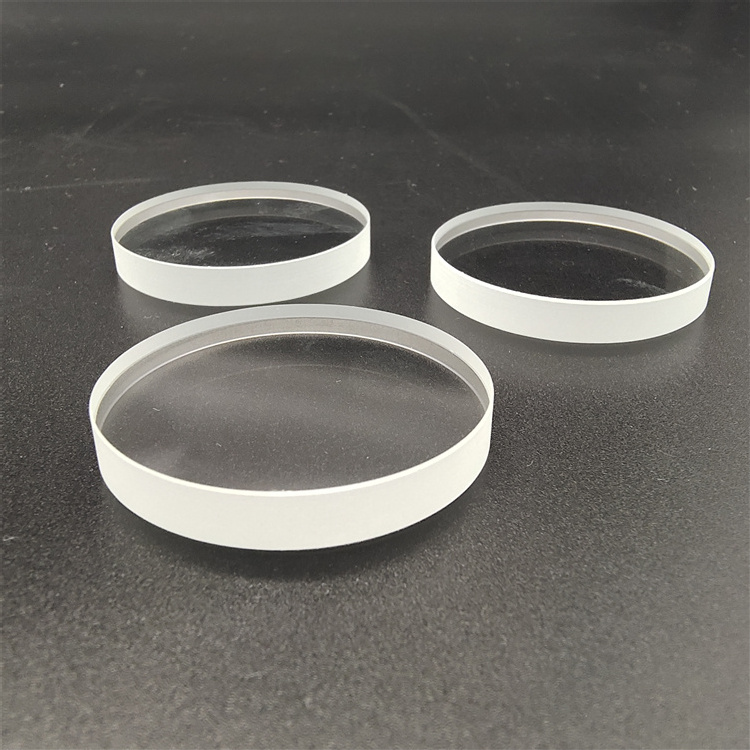
Full Tempered 30mm Diameter 3mm 4mm 5mm 6mm 8mm Thickness Ultra Clear Round Tempered Glass
Ultra-clear round covers in multiple thicknesses for lenses, dials, lighting and compact display windows where edge clarity is important.
View Product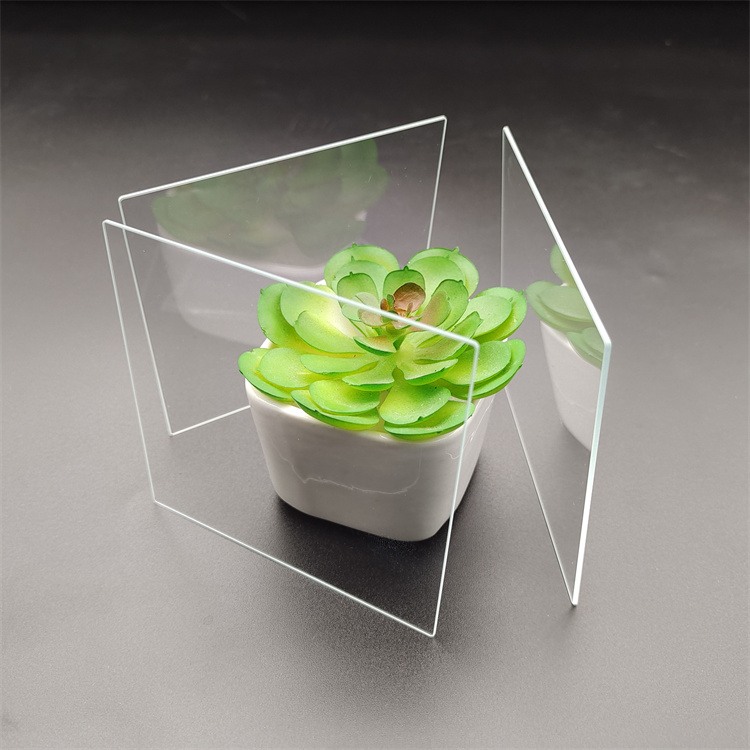
Custom 1mm 2mm 3mm 4mm 5mm Tempered Extra Clear Glass Panel for LCD Screen / LED Light / Electronic Appliance Cover
A versatile extra-clear panel for LCD screens, LED light covers and electronic appliance fronts; specify printing, holes and edge treatment to drawing.
View Product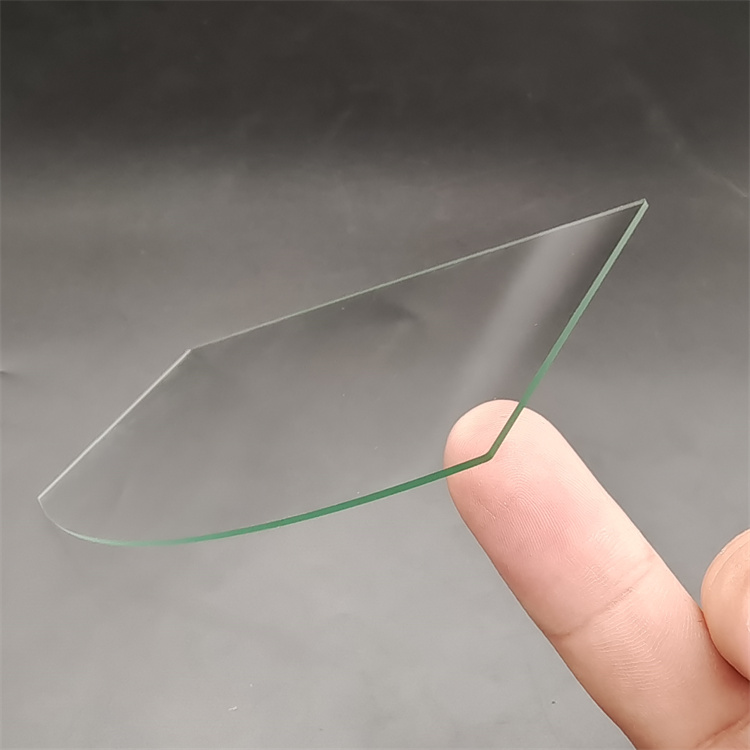
Any Size Custom 0.5/0.7/1/1.5/2/3mm Tempered Glass Screen Protector, Round Rectangle Triangle Customized Tempered Glass OEM ODM
OEM/ODM screen-protector formats from 0.5 mm to 3 mm, including round, rectangular and triangular outlines for touch and display assemblies.
View Product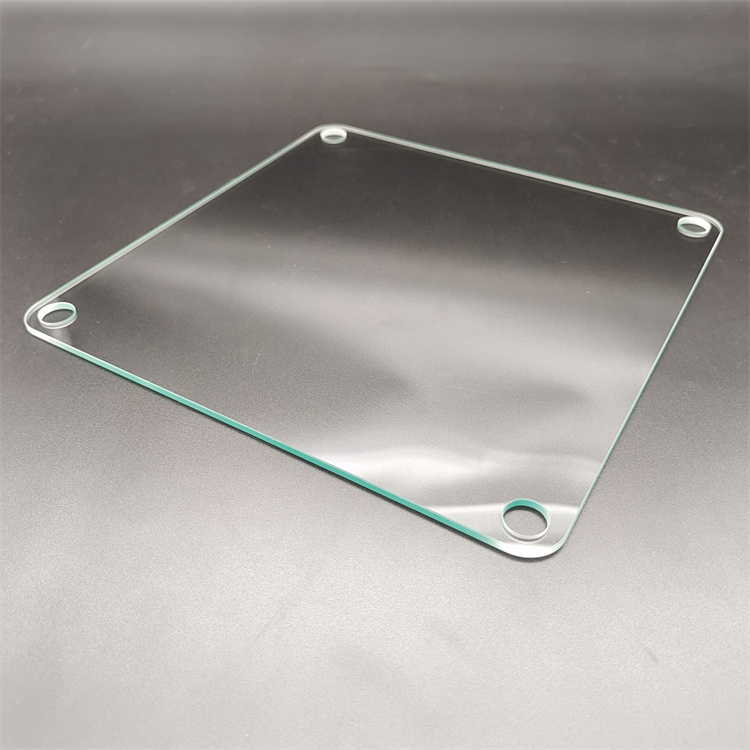
Factory Sale Customized Shape Decorative Glass Cover Hole Drilling Glass Panel Soda-lime Tempered Glass Sheet With Holes
Soda-lime tempered glass sheets with drilled holes and customized outlines for decorative covers, mounting points and instrument windows.
View Product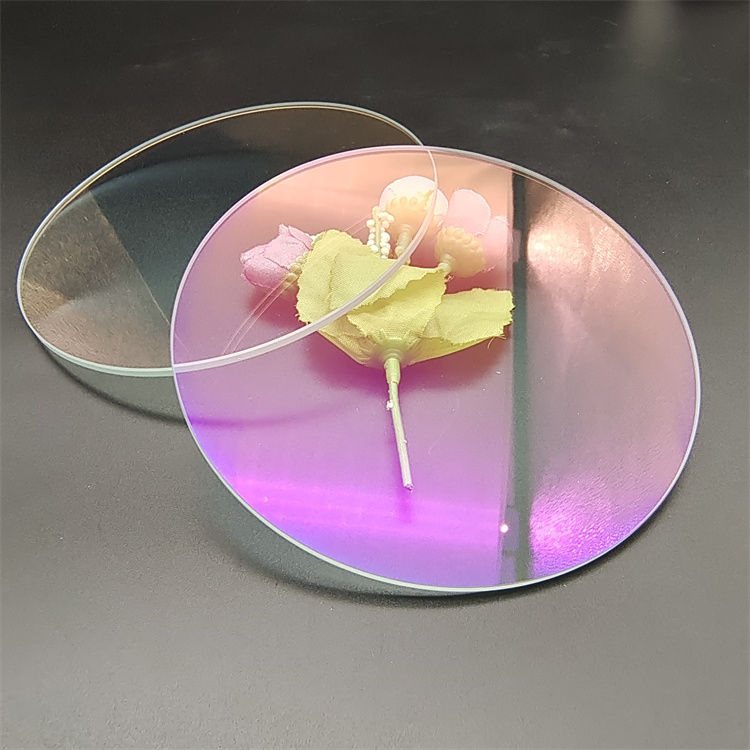
Premium Quality Ultra Clear Anti Reflective Solid High Strength 1mm 2mm 3mm 4mm 5mm 6mm Flat Tempered Glass Coating
Anti-reflective flat tempered glass for high-transmittance display windows where reflection control, clarity and strength must be balanced.
View Product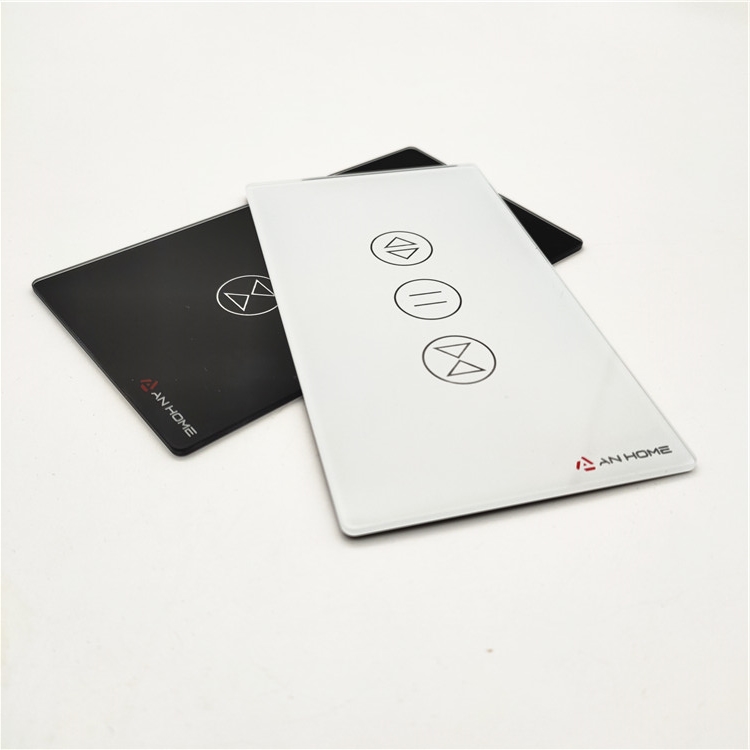
Home Smart WiFi Remote Control Touch Tempered Glass Screen-Printed Glass Switch Glass Panels Curtain Control Glass
Screen-printed touch glass for smart WiFi curtain-control switches; a representative format for smart-home and appliance HMI panels.
View ProductWhy Factory Trust Is Now a Technical Question
Precision glass is no longer a commodity sheet. It is an engineered interface that controls optical clarity, touch feel, breakage risk, brand perception and assembly yield.
In a modern device, the glass is often the first surface the user sees, touches or trusts. It protects a display, carries printed icons, defines the fit of a switch, reduces reflection and influences how the final product is perceived. A low piece price cannot compensate for coating inconsistency, edge chips, colour drift or late delivery. For this reason, leading importers now shortlist precision glass factories and exporters against a process-based scorecard rather than a price list alone.
An export-oriented factory should be able to explain how it controls the entire chain: incoming substrate, cutting, CNC shaping, edge polishing, hole drilling, tempering, printing, coating, inspection and packing. Dongguan Jaswe Glass Co., Ltd., an export-focused processor based in Dongguan, China, illustrates the level of integration buyers should look for. The company reports more than 80 workers, 26 glass processing machines, in-house tempering, silk-screen and ceramic printing, AG processing, and AR/AF coating, with monthly output above 200,000 pieces. These claims are most useful when verified through samples, audit evidence and batch-level inspection records.
Use the metrics below as questions, not as decoration. Ask every candidate exporter how the numbers are measured, which processes are in-house, what happens when a colour or coating check fails, and how corrective action is documented. The central insight is simple: trust in glass sourcing is built at the specification stage. A factory that has engineering review, a golden sample and a written inspection plan is usually a lower-risk partner than a factory that merely offers the fastest quote.
Data points reflect a company-provided performance summary and general trade-profile information. Buyers should re-verify current figures, certification scope and audit evidence during supplier qualification.
Precision Glass Procurement Trends B2B Buyers Should Prepare For
Buyers are moving from transactional sourcing to qualification-led sourcing. The shift changes how factories are scored, how drawings are released and how total cost is calculated.
Dual Qualification
Buyers are qualifying two factories for the same drawing while placing volume where yield, responsiveness and risk are best. This protects assembly schedules from single-site disruption and creates a factual basis for renegotiation. Both suppliers should measure the same dimensions, optical values and colour targets.
Landed Cost and Yield
Purchase teams are replacing piece-price comparisons with landed-cost models that include breakage, rework, inspection labour, replacement freight and assembly downtime. A supplier with slightly higher unit pricing but a stable yield can be cheaper at the final assembly line. Include replacement policy and packing standards in the RFQ.
Application-Specific Optics
AR, AG and AF treatments are now specified by use case. Outdoor HMI covers need glare control; high-brightness displays need anti-reflective stacks; touch panels need an oleophobic surface. Buyers increasingly request target reflection, transmittance, haze, gloss and abrasion performance instead of accepting vague marketing descriptions.
Export-Ready Documentation
Traceability is becoming part of the deliverable. A trusted exporter should supply consistent drawings, material descriptions, batch labels, inspection records, packaging specifications and export documentation. This reduces disputes and makes approval repeatable when a product is re-ordered or transferred to another project.
From Cover Glass to Functional Interface
Precision glass development is being driven by optical integration, thinner formats, printed branding and the growing role of glass as a human-machine interface.
Integrated Optical Stacks
Customers ask one part to combine tempered glass, printed borders, AR coating, AG treatment and an AF top layer. The advantage is fewer assembly steps and better optical alignment; the risk is that each added process affects yield, so the factory must build inspection gates between layers.
Thinner, Larger and More Precise
Electronic-grade glass at 0.5, 0.7 and 1.0 mm continues to replace thicker constructions in compact devices, while industrial buyers use larger panels for HMIs and signage. The specification should define flatness, bow, edge-chip limits and handling method, not only thickness.
Decorative Printing as Brand Function
Ceramic and silk-screen printing now hides wiring, defines windows, carries icons and reinforces brand identity. Fade resistance and colour consistency are central. Pantone matching, glass-side printing choice and curing control can prevent costly colour drift between batches.
HMI and Smart Switch Surfaces
Smart-home switches, appliance panels and touch-control surfaces use glass as the human-machine interface. Printed capacitive windows, black borders, matte surfaces and AF coatings are converging into one component, so procurement should involve design, process engineering and quality early.
Choosing the Right Precision Glass Surface
A technical guide should convert vague terms into measurable requirements. Use this matrix as a practical discussion framework for RFQs, design reviews and supplier comparisons.
| Glass Construction | Buyer Problem Solved | Typical Applications | Procurement Question to Ask | Main Risk to Control |
|---|---|---|---|---|
| Low-iron ultra-clear tempered glass | Green tint and lost colour fidelity | Display covers, LED fixtures, appliance fronts | Iron content, visible light transmittance and colour target under agreed lighting | Colour shift after printing; approve lit and unlit golden samples |
| AR anti-reflective coated glass | Surface reflections and low contrast | Medical monitors, industrial displays, camera windows | Single- or double-sided coating? target reflectance and transmittance? abrasion durability? | Coating wear from cleaning; validate with tape, rub and environmental testing |
| AG anti-glare glass | Solar glare or strong ceiling-light reflection | Outdoor kiosks, vehicle HMIs, digital signage | Haze, gloss, sparkle level, pencil hardness and cleaning method | Haze mismatch with pixel pitch; approve sample on a live display |
| AF anti-fingerprint glass | Smudges, friction and cleaning marks | Touch panels, smart switches, POS terminals | Water contact angle, rub cycles and compatibility with AR or AG layers | Wear over product life; specify cleaning and replacement criteria |
| Silk-screen or ceramic printed tempered glass | Visible wiring, logos, window frames and icons | Switch panels, appliances, instrument windows | Pantone codes, transparent window tolerance, firing temperature and print surface | Pinholes and colour drift; maintain a golden sample and batch reports |
| CNC-shaped and drilled glass | Buttons, sensors, mounting points and irregular outlines | Card readers, equipment windows, smart surfaces | Hole position, edge-chip allowance, corner radius, bow and strengthening after drilling | Cracks from edge damage; control edge maps, handling and export packing |
What a Verified Export-Focused Glass Factory Should Demonstrate
The following advantages reflect the processing profile and trade data presented by Dongguan Jaswe Glass Co., Ltd. They also form a useful checklist for evaluating any precision glass exporter.
Single-Roof Process Integration
Cutting, CNC shaping, edge polishing, drilling, tempering, printing and AR/AG/AF coating are managed together. Fewer hand-offs mean shorter lead times and fewer quality gaps between sub-suppliers.
Engineering-Led Sampling
A manufacturability review confirms glass thickness, edge condition, hole spacing, print layering and coating sequence before samples are produced. This is where avoidable defects and over-specification are removed.
Production Scale with Custom Flexibility
More than 80 workers and 26 machines support 200,000+ pieces per month, while custom shapes, print layouts and coating combinations remain available. Buyers can evaluate small lots without losing sight of mass-production feasibility.
QC at Each Critical Gate
Inspection is applied at cutting, edging, tempering, printing and coating stages before final packing. The right question is not only “do you inspect?” but “what is the acceptance standard, the measurement method and the reaction plan?”
Responsive Export Communication
A reported average response of ≤3 hours, 96.61% response rate and 26% reorder rate are useful signals, provided they are verified in the buyer’s own samples, quotations and follow-up. Export transactions depend on clear drawing feedback and prompt corrective action.
Application Knowledge in Dongguan
Operating from Dongguan, Guangdong, places the factory close to electronics, appliances, LED lighting and smart-home supply chains. This helps reduce friction in material sourcing, tooling coordination and prototype iteration.
Company profile information also indicates 51–100 employees, a stated annual revenue range of US$2.5M–US$5M, main markets in America, Europe and Asia, and six years of on-site verified supplier status. Buyers should confirm current certificates, audit scope and trade references before placing a production order.
A Practical Verification Framework for Importers
Do not begin by asking for the best price. Begin by asking for a manufacturability review. A competent exporter will ask for your drawing, application, annual volume, printing colours, coating requirement and target market before quoting.
RFQ data pack that prevents misunderstandings
- 2D drawing in DXF, DWG or PDF, with critical dimensions, tolerances and the datum used for measurement.
- Glass substrate, thickness, colour target and acceptable bow or flatness limits.
- Edge style: flat polished, pencil, bevelled, stepped, matte or as-drawn, plus acceptable chip criteria.
- Holes, cut-outs, countersinks, corner radii and any stress or strengthening requirements after machining.
- Print artwork with Pantone references, first- or second-surface printing, window tolerance and icon detail.
- Coating requirement: AR, AG or AF; single or double side; target reflection, transmittance, haze or contact angle.
- Application environment, cleaning method, product life expectation and any safety or compliance documentation.
- Estimated annual quantity, launch schedule, packaging specification, labelling and destination.
Before mass production, approve a golden sample under the same lighting and viewing conditions used by the final customer. Photographs alone are not sufficient for colour, coating or touch-feel approval. Define who signs the sample, how long it is retained, and what constitutes a deviation.
Use a simple total-cost-of-ownership expression: landed piece cost = unit price + inspection + expected breakage or rework + assembly downtime + freight and packaging + replacement risk. A 5% price saving is easily erased by one inconsistent print batch or one coating failure.
Suggested factory scorecard weights
Adjust weights by product risk. Medical, industrial display and safety-related applications should increase optical verification, traceability and incoming inspection requirements.
Precision Glass Sourcing FAQ for Overseas Buyers
These are the questions that most often determine whether a custom glass project moves smoothly from drawing to production.
What thickness range should a precision glass factory be able to process?
What is the difference between AR, AG and AF glass?
What is a realistic minimum order quantity for custom glass?
Which files and specifications should be sent in an RFQ?
How can I verify that a factory or exporter is trusted?
What tolerances and edge conditions should be specified?
How should tempered glass be packed for export?
What lead times should a buyer expect?
How can a buyer reduce total project risk?
Have a Drawing Ready? Turn It Into a Manufacturable Glass Specification.
Share your drawing, application, thickness, printing colours, coating requirement and annual volume. The review should reveal the right substrate, process route, sample plan and inspection criteria before mass production begins.
Custom tempered · Ultra-clear · AR/AG/AF · Printed glass · CNC shaped