Top Trusted Safety Glass Manufacturer & Suppliers
Custom tempered, ultra-clear, printed and AR / AG / AF coated safety glass for touch panels, appliances, LED lighting, instruments and control interfaces — engineered in Dongguan, China and supplied to buyers in America, Europe and Asia.
Custom Safety Glass Products for B2B Programs
These eight product families reflect the most common RFQ patterns we see from overseas buyers: ultra-thin protective windows, round LED and appliance lenses, beveled decorative safety glass, printed instrument panels and drilled glass covers. Every item is made to drawing; product URLs lead to the existing specification pages.
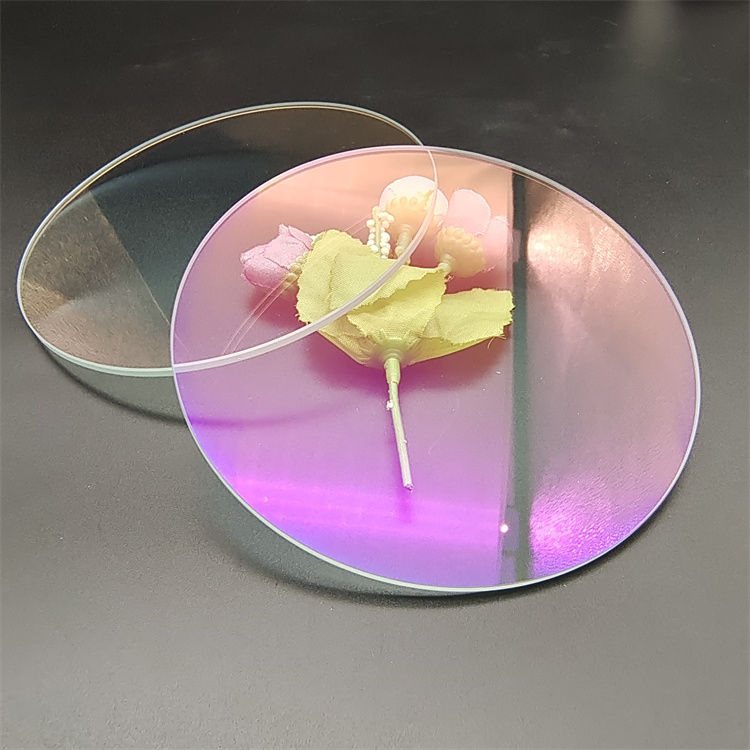
Premium Quality Ultra Clear Anti Reflective Solid High Strength 1mm 2mm 3mm 4mm 5mm 6mm Flat Tempered Glass Coating
For display windows that need high transmission and low reflection, this ultra-clear AR tempered family combines 1–6 mm thickness flexibility with flatness and coating control.
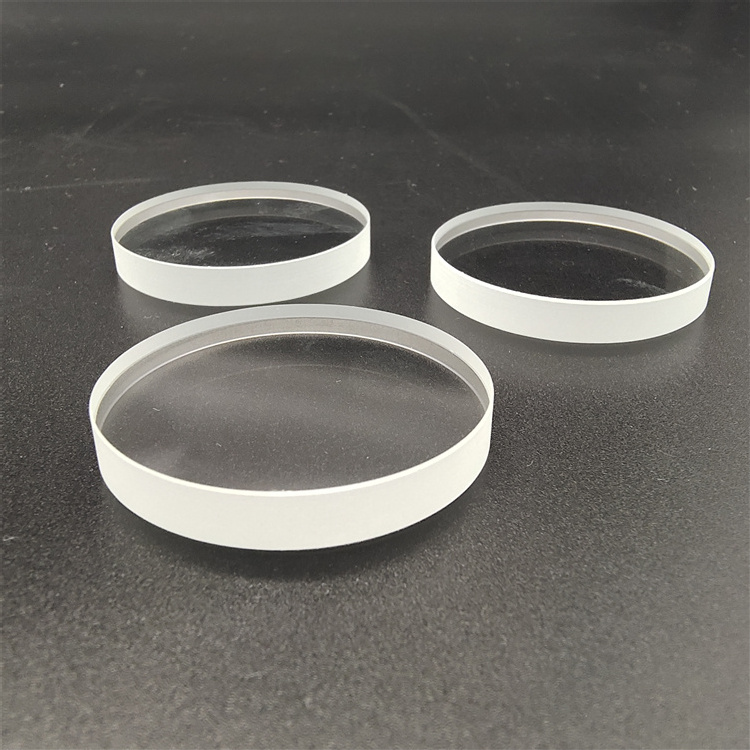
Full Tempered 30mm Diameter 3mm 4mm 5mm 6mm 8mm Thickness Ultra Clear Round Tempered Glass
A round safety glass format for LED optics, small appliance lenses and sensor windows where diameter, thickness and edge polish work together.

Custom Printed Tempered Glass Panel High Strength Decorative Cover with Hole for Card Reader Instrument
Decorative printed cover glass with a drilled aperture for card readers and instrument interfaces. Print registration, hole position and tempering are reviewed together.
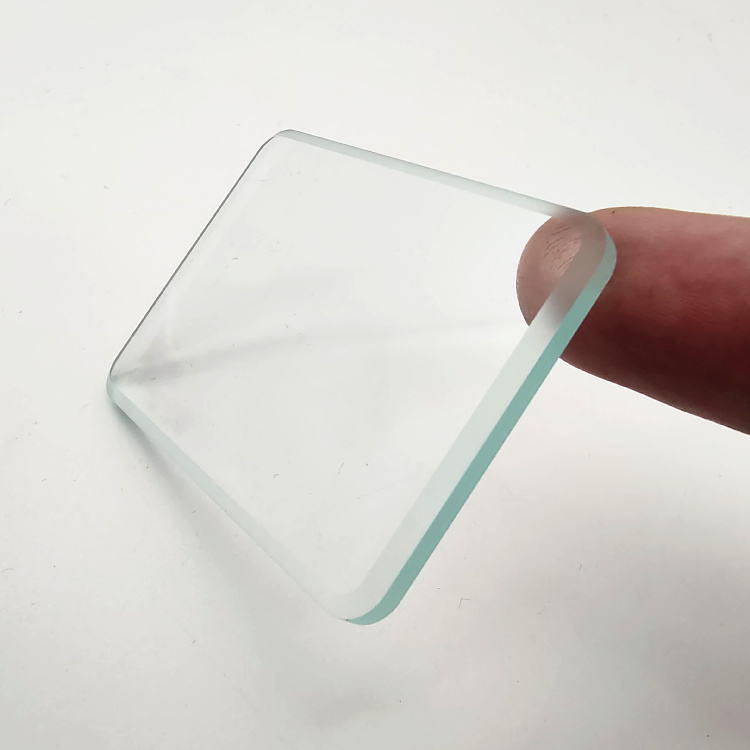
Custom Small Dimensions Tempered Beveled Edge Glass for Sale
Small-format tempered glass with beveled edges for control panels and decorative trim. Bevel width, arris quality and breakage risk should be defined on the drawing.
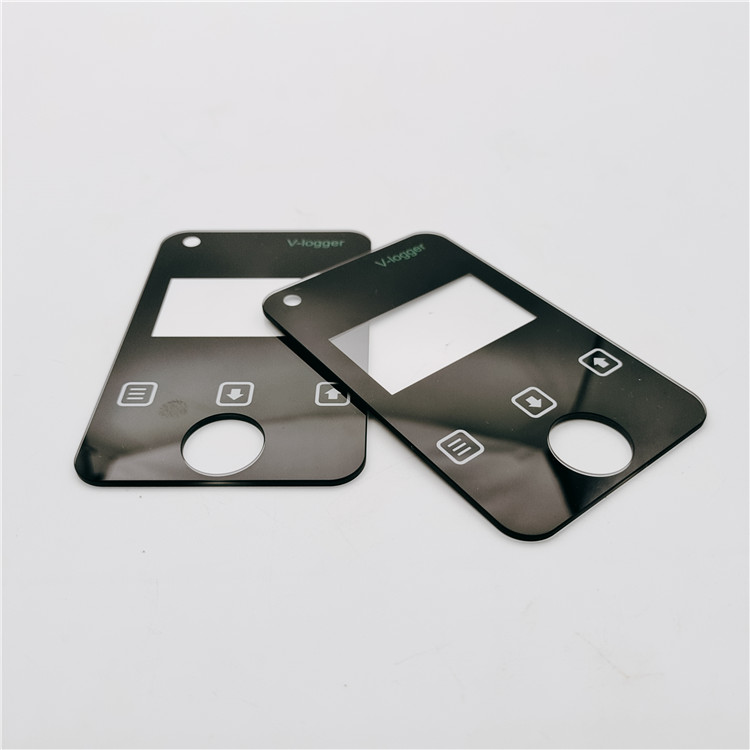
Customized Cut 1mm 2mm 3mm 4mm Instrument Printed Tempered Glass With Holes
Instrument cover glass with cut-outs, structural holes and printed graphics, intended for equipment windows where dimensional stack-up matters.
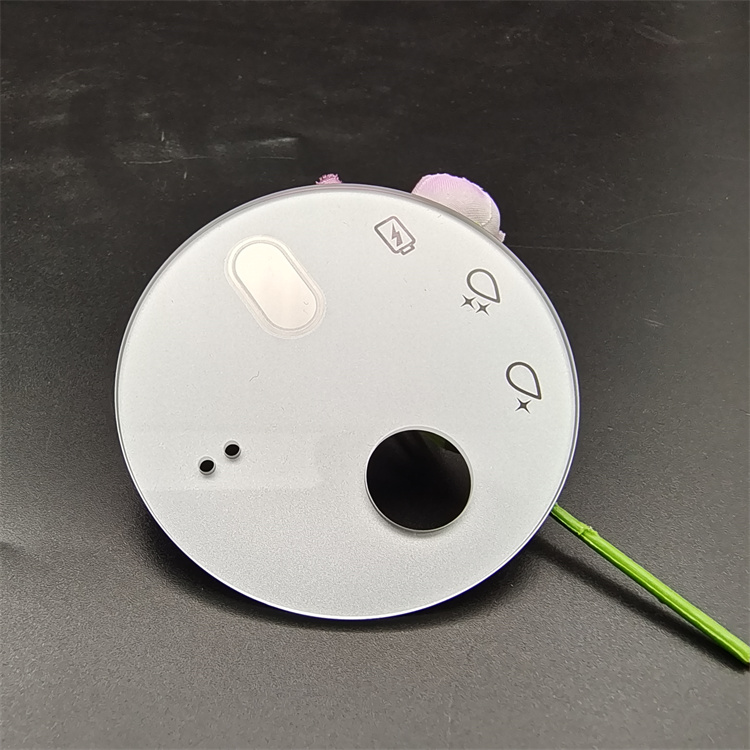
Customized 0.5mm 0.7mm 1mm 2mm 3mm 4mm 5mm 6mm Cut Holes Printed Round Tempered Glass Panels for Home Appliance
Appliance glass panels in round or shaped formats, including thin 0.5 mm to 1 mm options and printed windows for home appliance interfaces.

Small Size Ultra Thin 0.5mm 0.7mm 1mm Tempered Glass Panel With Adhesive Tape for Screen Protection
Ultra-thin protective glass with adhesive tape for screen windows and small electronics. Clean handling and adhesive selection are critical to optical yield.
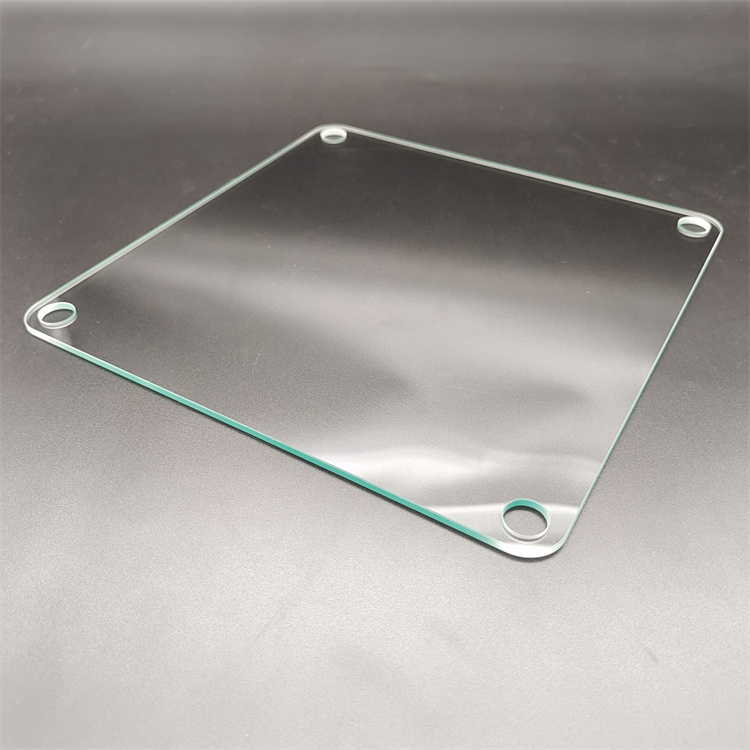
Factory Sale Customized Shape Decorative Glass Cover Hole Drilling Glass Panel Soda-lime Tempered Glass Sheet With Holes
A flexible decorative and functional glass cover for equipment, with shape cutting, hole drilling and soda-lime tempered construction.
A Safety Glass Supplier Should Be Measured by Repeat Performance
Trust is not a slogan. For B2B safety glass programs, the useful proof points are process depth, engineering response, output capacity and the percentage of buyers who come back with another order.
What “Safety Glass Manufacturer & Suppliers” Means in a Real B2B RFQ
Buyers using this phrase are not only looking for a catalog. They are trying to qualify a supplier, match a drawing to a manufacturable process, and reduce risk before placing a purchase order.
Qualification Intent
Can the supplier prove in-house tempering, CNC cutting, edge polishing, printing and coating? Does it have enough operators, machines and monthly output to protect a production schedule?
Specification Intent
The drawing must translate into thickness, outline, holes, edge profile, print color, coating stack and packing. A genuine safety glass manufacturer will flag tolerance conflicts before sampling.
Total-Cost Intent
Experienced buyers compare landed cost, breakage rate, optical yield and reorder consistency — not only piece price. Packaging and process discipline often decide the real cost.
The strongest supplier match is a manufacturer with process control under one roof, because every extra subcontracting step increases handling, lead time and the risk of invisible defects.
How to Choose the Right Custom Safety Glass Construction
Safety glass is a system, not a single material specification. Thermal tempering, ultra-clear substrate, printing and optical coatings solve different problems; the best route depends on the application and the acceptance test.
| Glass Construction | Primary Benefit | Best-Fit Applications | Procurement Check |
|---|---|---|---|
| Thermally Tempered Ultra-Clear Glass | Controlled strength plus neutral color and high clarity | Display windows, appliance panels, LED covers, control interfaces | Confirm thickness, edge quality, hole-to-edge distance and expected fragmentation behavior |
| AR Anti-Reflective Coated Tempered Glass | Lower surface reflection and higher contrast for readable screens | Medical monitors, industrial HMI, camera windows, premium display covers | Specify single- or double-sided coating and agree on transmission / reflection targets |
| AG Anti-Glare Treated Glass | Diffuses reflected light so content remains readable under strong light | Outdoor kiosks, vehicle displays, instrumentation, digital signage | Select haze level by viewing distance and ambient light; validate with a physical sample |
| AF Anti-Fingerprint Coated Glass | Oleophobic top layer resists smudges and improves touch feel | Capacitive touch panels, smart switches, POS terminals, control glass | Agree on abrasion, chemical and cleaning test methods before mass production |
| Silk-Screen / Ceramic Printed Tempered Glass | Hides wiring and adds icons, borders, windows and brand graphics | Switch plates, appliance controls, LED lighting, instrument covers | Provide Pantone colors, transparent window dimensions and print-side orientation |
| Beveled or Drilled Small-Format Safety Glass | Combines decorative edge finishing with mounting or sensor holes | Card readers, small instruments, decorative covers, equipment windows | Review bevel width, hole diameter, polishing method and minimum edge distance |
Final optical and safety values depend on substrate, thickness, coating stack, print coverage and the agreed acceptance standard. Project-specific standards such as EN 12150, ANSI Z97.1 or GB 15763.2 should be stated on the drawing or purchase order and validated by sample or third-party test where required.
Safety Glass Product Trends and Procurement Trends to Plan For
Product development is moving toward thinner, clearer, more functional glass surfaces. At the same time, procurement teams are asking for more evidence, faster engineering loops and better supply continuity.
Product Development Trends
What design teams are asking safety glass manufacturers to solve
Thinner Strengthened Glass
0.2–1 mm electronic glass continues to grow in wearables, sensors and compact appliances, requiring careful handling and route selection.
Combined Optical Stacks
AR + AG + AF combinations are increasingly specified for touch products that must remain readable, clear and easy to clean.
Printed Glass as Interface
Silk-screen and ceramic printing now carry brand identity, icons, light windows and hidden-wiring effects, not just decoration.
Traceable Functional Glass
Buyers want batch records, packing integrity and repeatable coating performance across multiple purchase orders.
Procurement Trends
How professional buyers are changing supplier evaluation in 2026 and beyond
Spec-Based RFQs
RFQs now include drawings, standard references, acceptance criteria, packaging requirements and annual volume forecasts.
Dual-Source Qualification
Brands qualify backup suppliers earlier to reduce disruption risk, especially for custom printed or coated glass.
Yield and Landed Cost
Purchase teams compare total landed cost after breakage, rework, inspection and line stoppage — not just unit price.
Faster Engineering Feedback
Suppliers that review manufacturability within hours gain an advantage over those that only quote a price.



A Safety Glass Manufacturer Built for Repeat Programs, Not One-Off Transactions
Dongguan Jaswe Glass Co., Ltd. is a custom glass processing company based in Dongguan, Guangdong, China — a location inside the electronics and appliance supply chain. The company processes tempered glass, display glass, touch screen glass, silk-screen printed glass, switch glass, AR / AG / AF coated glass, electrical equipment glass and LED lighting glass.
Most of the 80+ operators bring years of hands-on experience. That matters on tight-tolerance work such as ultra-thin 0.2 mm cover glass, small-format beveled safety glass, multi-color printing and transparent display windows, where small handling errors can become visible or functional defects.
“Scientific management, careful manufacture, high quality service, striving for excellence.”
In-House Process Control
Cutting, CNC shaping, edge polishing, hole drilling, tempering, silk-screen or ceramic printing, AG processing and AR / AF coating stay under one quality system.
Fast Engineering Replies
Average response within 3 hours and a 96.61% response rate help overseas buyers keep sample and production timelines moving.
Output That Supports Scale
With 26 processing machines and 80+ workers, monthly output exceeds 200,000 pieces — enough capacity for repeat appliance, lighting and electronics programs.
Quality Checkpoints
Inspection is built into cutting, edging, tempering, printing and coating stages before export packing, reducing defect escape risk.
Reorder Confidence
A 26% buyer reorder rate from lighting, electronics and appliance brands is a practical indicator of consistency across batches.
Export-Oriented Service
Experienced with buyers in America, Europe and Asia, including drawing review, samples, packaging protection and communication discipline.
Where Custom Safety Glass Improves the Product Experience
Safety glass is often the visible surface that customers touch, clean and judge every day. The right construction improves durability, optical comfort and perceived quality.
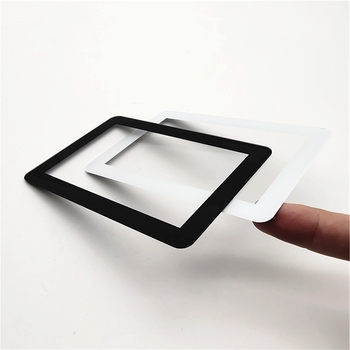
Touch & Display Electronics
Cover glass for LCD, TFT and capacitive touch modules, with optional AR, AG and AF treatments.
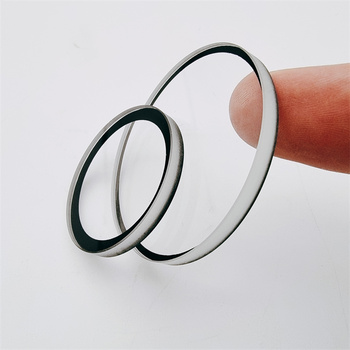
LED Lighting Fixtures
Downlight, panel, linear and wall-washer covers with printed borders, holes and edge finishing.
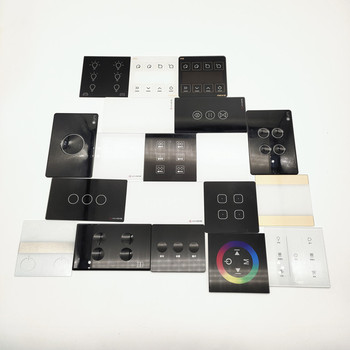
Smart Home & Switches
Printed switch plates and smart control glass with touch-key windows and durable surface treatment.
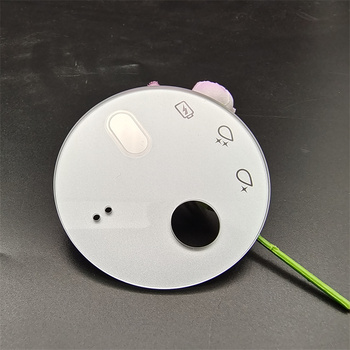
Home Appliances
Control panels and decorative covers for kitchen and household devices, including thin 0.5 mm to 2 mm options.
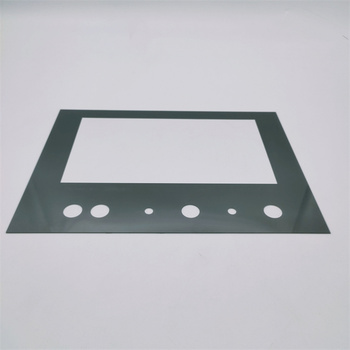
Industrial Instruments
Meter windows, HMI covers and equipment display glass with holes, print and optical coatings.
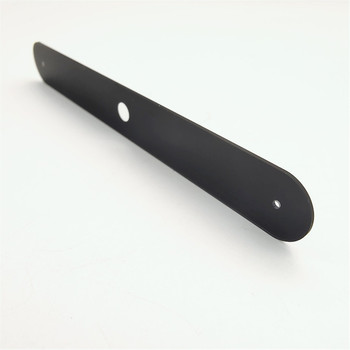
Security & Camera Devices
Printed lens covers and protective windows with precision cut-outs for sensors, cameras and access control.
Quality, Traceability and Compliance: What Good Safety Glass Suppliers Prove
For a trusted safety glass manufacturer, quality is not only a final inspection result. It is a chain of checks that starts with substrate selection and ends with export packing that protects optical surfaces and edges.
Incoming Glass Review
Thickness, size, visual defects and substrate type are checked before cutting to reduce downstream loss.
In-Process Inspection
Hole position, edge quality, print registration, coating appearance and dimensional consistency are monitored at each stage.
Tempering Discipline
Heating, quenching and handling parameters must match thickness and hole geometry to reduce breakage risk.
Optical & Coating Checks
Reflection, transmission, haze and cleanability targets should be agreed with samples and measurable test methods.
Standard Alignment
Safety glass standards such as EN 12150, ANSI Z97.1 or GB 15763.2 can be referenced when stated in the RFQ; acceptance criteria must be documented.
Export Packing
Interleaved protection, edge guards and carton design matter for thin or coated glass shipped across continents.
This page is a buyer briefing, not a blanket certificate. Any compliance claim should be confirmed for the exact product, thickness, coating, print and destination market before purchase.
From Drawing to Delivery: A Four-Stage Custom Safety Glass Route
A predictable process gives overseas buyers fewer surprises. The most important stage is often the first: engineering review before a sample is made.
Send Requirements
Share DXF, DWG or PDF drawings, thickness, edge type, hole positions, print colors, coating requirement, application and annual volume.
Engineering Review
Manufacturability is checked for tolerance, breakage risk, print registration, coating stack and packing. Open issues are clarified early.
Sampling & Approval
Physical samples help confirm fit, color, optical behavior and surface feel. Approval criteria should be written before mass production.
Production, QC & Packing
Batch production follows with in-process inspection, final visual check and export packing designed to protect edges and coated surfaces.
Safety Glass Sourcing Questions Buyers Ask Most
These are the questions that come up repeatedly when buyers compare safety glass manufacturers and suppliers.
Are tempered glass and safety glass the same thing?
Tempered glass is one common type of safety glass. Thermal tempering strengthens the glass so that, when it breaks, it is designed to break into smaller granular pieces rather than large sharp shards. The exact breakage behavior and acceptance criteria should be confirmed for the specific thickness, hole pattern and standard required by your market.
What glass thickness can Jaswe Glass process?
The current product range covers ultra-thin electronic-grade glass from 0.2 mm up to 19 mm flat tempered glass. The most requested thicknesses for display and touch covers are 0.5, 0.7, 1, 2, 3 and 4 mm. Very thin glass may require a chemically strengthened or specially handled route depending on the drawing and application.
What is the minimum order quantity for custom safety glass?
Most custom items start at 100 to 500 pieces, depending on size, printing, coating and packing. Standard clear tempered pieces may be available in smaller sample quantities for evaluation before a production order.
What is the difference between AR, AG and AF glass?
AR anti-reflective coating reduces surface reflection to raise light transmission and contrast. AG anti-glare treatment diffuses reflected light so screens remain readable under strong ambient or outdoor light. AF anti-fingerprint coating is an oleophobic top layer that resists smudges on touch surfaces. These treatments can be combined on one cover glass when the application requires it.
Which processes are done in-house?
Cutting, special-shaped and CNC cutting, edge polishing, hole drilling, tempering, silk-screen and ceramic printing, AG processing and AR / AF coating are handled in-house. Keeping these steps together shortens lead time and removes quality gaps caused by moving glass between subcontractors.
Can you support EN 12150, ANSI Z97.1 or GB 15763.2 requirements?
These standards are commonly referenced by safety glass buyers. The required standard, acceptance criteria and test method should be stated in the RFQ and confirmed on the purchase order. Where third-party test reports are required, the test plan should be agreed before production. A general web page cannot replace project-specific compliance documentation.
How fast can I receive an engineering response?
The average response time is within 3 hours, with a recorded 96.61% response rate. Sampling and production lead times depend on thickness, printing, coating, quantity and current capacity; they should be confirmed after drawing review.
How do I start a custom safety glass project?
Email info@jasweglass.com with your drawing in DXF, DWG or PDF, thickness, edge type, printing colors, coating requirement, application and estimated annual quantity. Our engineers review manufacturability before samples are made. You can also use the catalog request button to begin the inquiry.
Send a Drawing. Get a Manufacturability Review.
Share your safety glass specifications and receive process recommendations from our glass engineers — including thickness route, edge and hole review, printing guidance, coating options and packing considerations.
For the fastest quotation, include your drawing, glass thickness, edge profile, hole positions, print colors or Pantone references, coating requirement, application, estimated annual quantity and destination country.