Screen cover glass is no longer a commodity accessory. It is a visual interface, a durability layer, a touch surface and a brand-facing component that influences display clarity, user safety, assembly yield and after-sales cost. For buyers sourcing from overseas factories and exporters, the strongest supplier is not simply the one with the lowest quotation — it is the one with verifiable process control, engineering feedback, consistent optical performance and dependable export experience. Jaswe Glass, based in Dongguan, Guangdong, combines in-house cutting, CNC shaping, edge polishing, hole drilling, tempering, silk-screen printing, ceramic printing, AG processing and AR / AF coating under one roof.

80+Skilled Operators
26Glass Processing Machines
200K+Pieces Per Month
96.61%Buyer Response Rate
Recommended Product Portfolio

Eight Custom Screen Cover Glass Products for High-Value Assembly

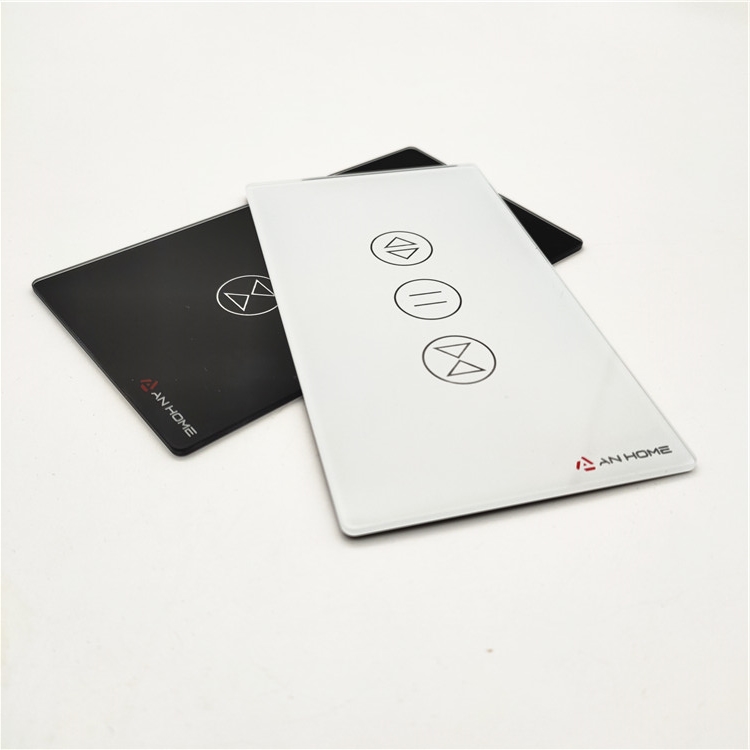
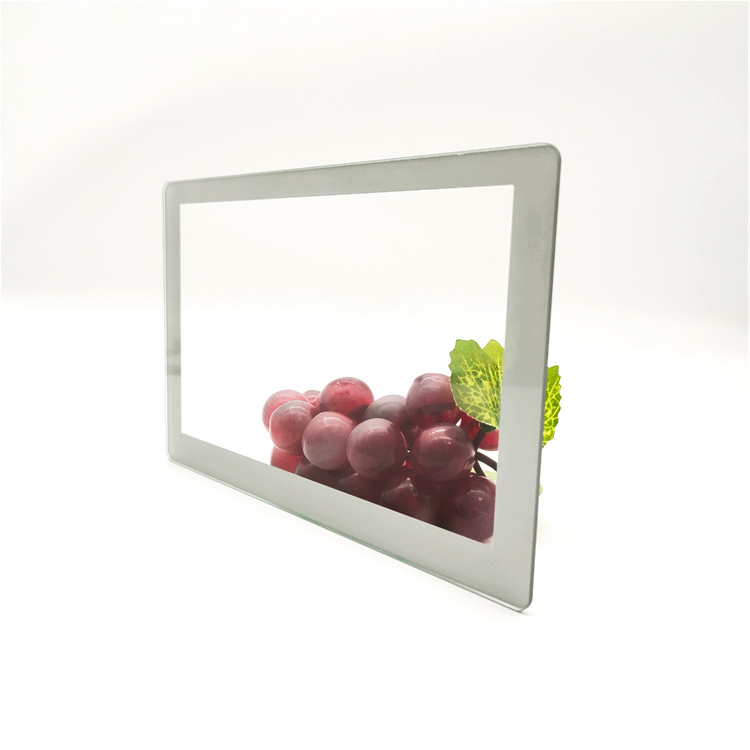
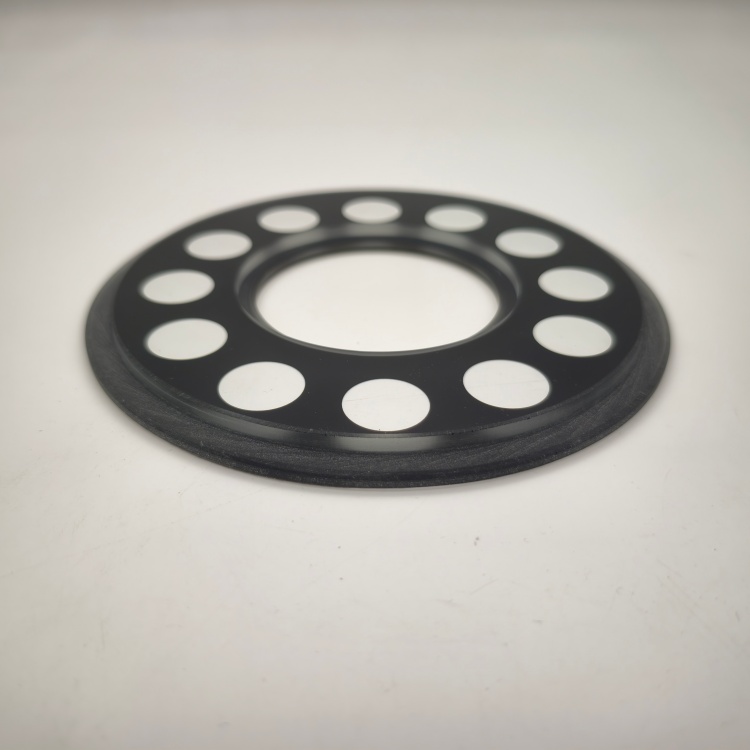
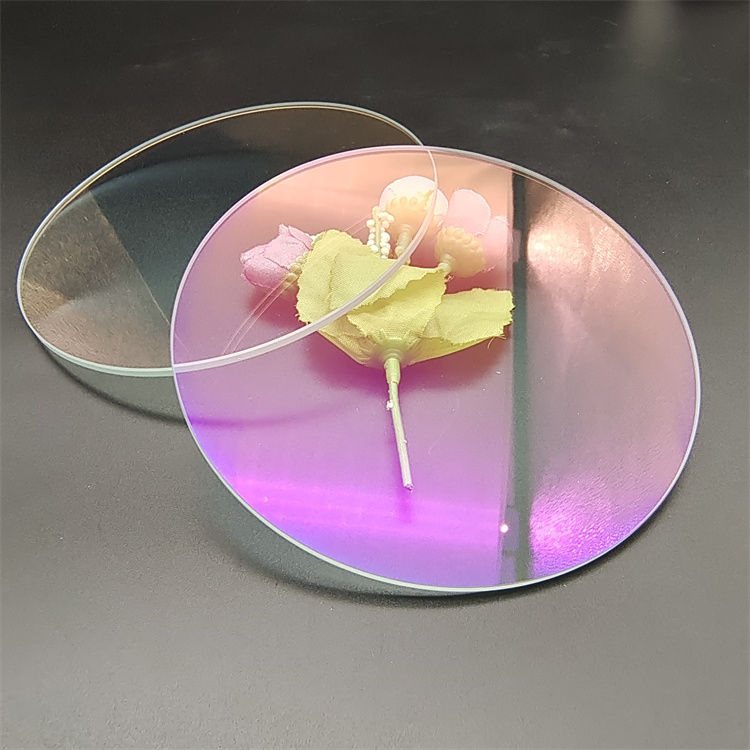
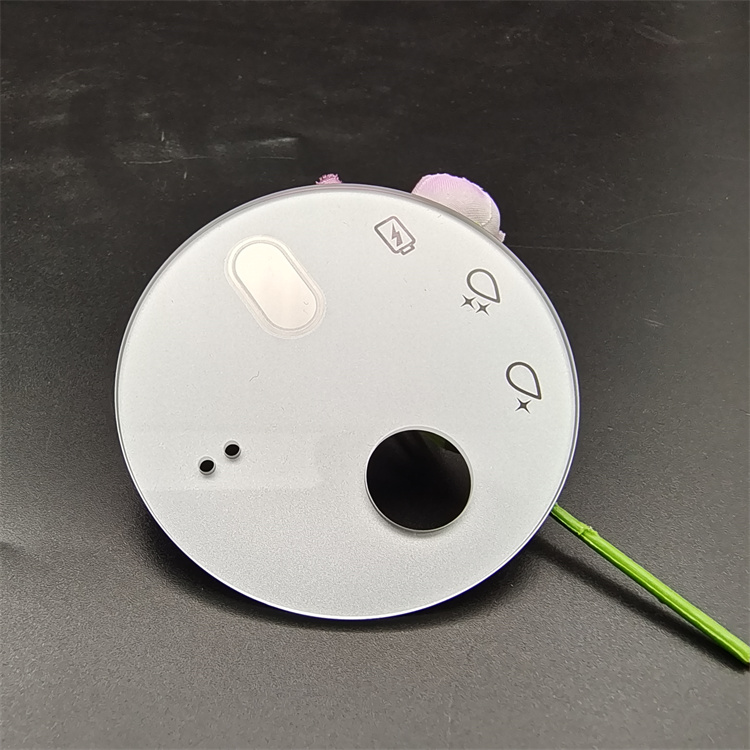
The product set below covers appliance panels, smart switch glass, industrial lighting glass, anti-glare display protectors, stepped-edge LED glass, anti-reflective coated glass, low-iron chemically strengthened glass and ultra-thin adhesive-backed cover glass.

Executive Buyer Brief

Why Screen Cover Glass Procurement Has Become a Strategic Decision

When display glass fails, the cost is rarely limited to the glass itself. It appears as rework, line stoppage, rejected finished goods, warranty claims and delayed product launches.

For electronics, appliance, lighting, smart-home and industrial equipment brands, screen cover glass sits at the intersection of optics, mechanical reliability and industrial design. A 0.5 mm thickness difference can affect touch sensitivity and housing fit. A small printing misalignment can make a control panel look low quality. An unstable anti-glare finish can cause display readability complaints after installation. A missing edge treatment can create micro-cracks that only appear during drop testing or after shipment.

This is why experienced buyers evaluate a screen cover glass factory through a wider lens than price per piece. They review substrate selection, cutting tolerance, edge quality, hole-drilling control, tempering capability, printing registration, optical coating consistency, packaging protection and engineering response time. The most reliable exporters are those that can document these controls and translate a drawing into a manufacturable process route before mass production begins.

Jaswe Glass operates as a custom processing partner rather than a catalogue-only seller. The company processes tempered glass, ultra-clear glass, screen-printed glass, switch glass, LED lighting glass, display cover glass and AR / AG / AF coated glass. Its manufacturing platform includes 26 glass processing machines, more than 80 workers and a monthly output capacity exceeding 200,000 pieces. For procurement teams, this combination matters because it supports both sampling feedback and repeatable volume production.

“Scientific management, careful manufacture, high quality service, striving for excellence.” This principle is reflected in the company’s emphasis on process control from incoming glass sheets to final export packing.

Company Advantages at a Glance

Dongguan Jaswe Glass Co., Ltd. is a glass processing exporter located in Dongguan, Guangdong, China, within one of the world’s densest electronics and appliance supply chains.

LocationDongguan, Guangdong, China
Employees51–100 People
Monthly Output200,000+ Pieces
Average Response≤3 Hours
Buyer Response Rate96.61%
Reorder Rate26%
Main MarketsAmerica · Europe · Asia
AddressRoom 202, Building 1, No. 14 Weige Road, Shipai Town, Dongguan, China
Supplier Selection Criteria

What Makes a Top Trusted Screen Cover Glass Factory?

Use these six evaluation dimensions to separate true manufacturing capability from trading-only offers and to reduce risk before tooling, sampling and mass production.

In-House Cutting and CNC Shaping

Automatic cutting and CNC shaping support rounds, slots, notches, irregular outlines and precision holes. In-house control reduces dimensional drift when multiple operations are needed on one glass part.

Edge Polishing and Strength Control

Pencil, flat, beveled, stepped and matte edges are not only cosmetic. Correct edge geometry helps reduce stress concentration, improves handling safety and supports reliable tempering and installation.

Hole Drilling and Step-Edge Machining

Buttons, sensors, cameras and mounting screws require controlled drilling and countersinks. Double-step edges and round holes are especially important for LED lighting and instrument display glass.

Tempering and Chemical Strengthening

Tempering improves mechanical strength and safer breakage behavior. For thin glass, chemical strengthening can be appropriate. The right route depends on thickness, outline, printing and application environment.

Silk Screen and Ceramic Printing

Multi-color logos, icons, borders, display windows and touch-key graphics require stable registration and ink durability. Printing quality directly affects perceived product value and brand consistency.

AR, AG and AF Coating Integration

Anti-reflective, anti-glare and anti-fingerprint treatments can be combined to meet optical and touch requirements. Coating consistency is best verified through samples under the buyer’s actual lighting and viewing conditions.

Selection Matrix

AR vs AG vs AF vs Ultra Clear: Matching the Glass to the User Experience

This buyer-oriented comparison helps procurement and engineering teams align optical performance, touch feel and cost before requesting a sample.

Glass Solution Problem It Solves Best-Fit Applications Procurement Guidance
Ultra Clear Low-Iron Glass Reduces the green tint common in standard float glass and supports accurate color reproduction. Premium display covers, LED lighting, appliance panels, camera windows. Specify low-iron substrate when brand color, white printing or high visual clarity is critical.
AR Anti-Reflective Glass Lowers surface reflection and improves transmittance and contrast. Medical monitors, industrial HMIs, camera covers, high-end display windows. Confirm single-sided or double-sided coating and test the final viewing angle on samples.
AG Anti-Glare Glass Diffuses reflected light so the display remains readable under strong lighting. Outdoor kiosks, factory control panels, vehicle interfaces, digital signage. Choose haze level according to viewing distance and pixel density; finer haze suits high-resolution screens.
AF Anti-Fingerprint Glass Repels oil and sweat and improves cleaning performance on touch surfaces. Capacitive touch panels, smart switches, POS terminals, appliance touch controls. Apply as a top functional layer over AR or AG when both optical and touch requirements exist.
Silk-Screen Printed Tempered Glass Adds logos, icons, borders and display windows while hiding internal structures. Switch plates, appliance controls, instrument panels, card readers. Provide Pantone references, transparent window dimensions and print layering details with the drawing.
Product Development Trends

Where Screen Cover Glass Technology Is Moving Next

Product development is being shaped by thinner device architectures, stronger optical requirements, more printed functionality and higher expectations for touch cleanliness and durability.

Thinner Glass, Higher Process Discipline

Demand for 0.5 mm, 0.7 mm and 1 mm cover glass continues in compact electronics and touch interfaces. Thin glass increases the importance of handling, edge protection, flatness control and packaging design.

Combined Optical Coatings

AR + AF and AG + AF combinations are becoming more common because users want both readability and a clean touch surface. Buyers increasingly evaluate coating performance as a complete user experience, not a single laboratory metric.

Printed Glass as a Brand Surface

Screen-printed and ceramic-printed glass panels are used to express brand identity, hide wiring and create touch-key interfaces. This turns cover glass into a design component that must be controlled visually, not only mechanically.

Smart Home and Touch Control Growth

Smart switches, curtain controls, thermostat interfaces and appliance touch panels are expanding the use of glass in residential and commercial interiors. Printable icons, backlight windows and anti-fingerprint surfaces are key differentiators.

Traceability and Batch Consistency

As glass becomes part of higher-value assemblies, buyers expect batch traceability, sample retention and documented inspection. Suppliers that can link processing parameters to finished-part quality have a clear advantage.

Quality Data as a Purchasing Tool

Optical transmission, haze, flatness, dimensional reports and packaging validation are moving from optional documents to routine purchasing requirements. Data-backed quality reduces disputes and speeds up supplier approval.

Future Procurement Trends

What Buyers Should Expect from Screen Cover Glass Exporters

Procurement strategy is shifting from spot purchasing toward total landed quality, supplier consolidation and engineering collaboration.

Dual-Source Without Duplicating Risk

Buyers want a primary partner with full process control and a qualified backup for continuity. However, splitting identical printed glass across factories can create color, thickness and coating variation. A better model is to consolidate complex parts and reserve simpler, standard items for second-source programs.

Earlier Engineering Involvement

The best time to involve a glass factory is before the housing, touch stack and display window are frozen. Manufacturing reviews can reveal whether a hole is too close to an edge, whether a step edge is practical, or whether a coating should be applied before or after printing.

Total Landed Quality Focus

Savings from a low unit price can disappear quickly if breakage rates rise, assembly rework increases or cosmetic rejects slow the line. Procurement teams are placing greater weight on packaging design, inspection criteria and supplier response speed.

Small-Batch Sampling and Fast Feedback

New product launches increasingly require rapid sample iteration before volume commitment. Exporters with in-house cutting, printing and coating can shorten the feedback loop and reduce the risk of approving a part that cannot be mass-produced consistently.

Compliance and Documentation

As products enter more regulated or brand-sensitive markets, buyers request material information, inspection records and packaging specifications. Clear documentation supports compliance reviews and after-sales traceability.

Supplier Consolidation Around Capability

Rather than managing many disconnected processors for cutting, printing, tempering and coating, buyers prefer partners that coordinate multiple process steps. This reduces handling, shortens lead time and creates a single point of accountability for quality.

Procurement Workflow

From Drawing to Export Delivery: A Practical Four-Step Model

A disciplined workflow improves sampling accuracy and reduces the chance of mass-production surprises.

Send the Drawing

Provide DXF, DWG or PDF drawings with thickness, outline, holes, edge type, printing colors, coating needs and annual volume.

Engineering Review

The supplier checks manufacturability, process route, edge stress risks, print registration requirements and packaging considerations.

Sample Approval

Approve physical fit, color, transparency, haze, touch feel and edge appearance. Optical samples should be tested under actual lighting.

Production and Packing

Mass production follows approved samples, in-process inspection and export packing designed to protect edges and surfaces during transit.

Buyer Checklist

What to Verify Before Placing a Screen Cover Glass Order

Verification Area Question to Ask Why It Matters
Process Ownership Are cutting, CNC, polishing, drilling, tempering, printing and coating performed in-house or coordinated across verified partners? More in-house steps usually mean fewer handling transitions and clearer accountability.
Thickness and Tolerance What thickness range is supported, and how are critical dimensions checked? Fit, touch performance and assembly yield depend on dimensional consistency.
Edge and Hole Quality Can the supplier provide edge polishing options, step edges and controlled hole geometry? Edge chips and micro-cracks can cause breakage during tempering, shipping or end use.
Printing Control How are Pantone colors, transparent windows, icon alignment and ink durability verified? Printed glass is visually inspected by end users; small deviations can affect brand perception.
Coating Validation Can AR, AG or AF samples be tested under the final product lighting and handling conditions? Optical performance depends on substrate, coating stack, thickness and viewing environment.
Export Packaging How are edges protected, parts interleaved and cartons reinforced for international transport? Packaging quality is a direct driver of delivered yield and claim risk.
Procurement FAQ

Common Questions from Overseas Screen Cover Glass Buyers

These answers help sourcing managers, hardware engineers and product teams prepare a more accurate inquiry.

What thickness range can be processed for screen cover glass?

Jaswe Glass processes ultra-thin electronic-grade glass from 0.2 mm up to 19 mm flat tempered glass. The most common thicknesses requested for display covers, touch panels and control panels are 0.5 mm, 0.7 mm, 1 mm, 2 mm, 3 mm and 4 mm. For thin glass, chemical strengthening may be considered; for thicker parts, thermal tempering may be appropriate depending on the drawing and application.

What is the minimum order quantity for custom tempered glass?

Most custom items start at 100 to 500 pieces, depending on size, printing complexity and coating requirement. Standard clear tempered pieces can sometimes be supplied in smaller sample quantities for evaluation. The most accurate MOQ is confirmed after reviewing the drawing, material, process route and estimated annual demand.

What is the difference between AR, AG and AF glass?

AR, or anti-reflective coating, reduces surface reflection to improve light transmission and contrast. AG, or anti-glare treatment, diffuses reflected light so screens remain readable under strong ambient or outdoor light. AF, or anti-fingerprint coating, is an oleophobic layer that resists smudges on touch surfaces. These treatments can be combined on one cover glass, such as AR + AF for touch displays or AG + AF for outdoor control interfaces.

Which processes are completed in-house?

The manufacturing scope includes cutting, special-shaped and CNC cutting, edge polishing, hole drilling, thermal tempering, silk-screen printing, ceramic printing, AG processing and AR / AF coating. Controlling multiple process steps in one production system helps reduce handling risk, shorten communication loops and maintain consistency from sample to mass production.

What is the production capacity and export experience?

With 26 glass processing machines - including tempering, edge polishing, silk-screen printing and automatic cutting equipment - and more than 80 workers, monthly output exceeds 200,000 pieces. The company serves buyers in America, Europe and Asia, and reports a 96.61% response rate, average response time of three hours or less and a 26% buyer reorder rate.

How should I start a custom glass project?

Send your drawing in DXF, DWG or PDF format with thickness, edge type, hole positions, printing colors, coating requirement, application and estimated annual quantity. The engineering team reviews manufacturability before samples are made. Including target assembly conditions and any optical or packaging requirements will help the factory recommend the most suitable process route.

Engineering Review and Quotation

Have a Drawing Ready? Let Our Glass Engineers Review It.

Share your thickness, outline, edge treatment, printing colors, optical coating requirement and estimated annual volume. Our team will recommend a practical process route and support your sampling plan.

Email: info@jasweglass.com · Dongguan Jaswe Glass Co., Ltd.

Send an Inquiry Custom tempered, printed, AR / AG / AF coated and ultra-clear glass solutions.