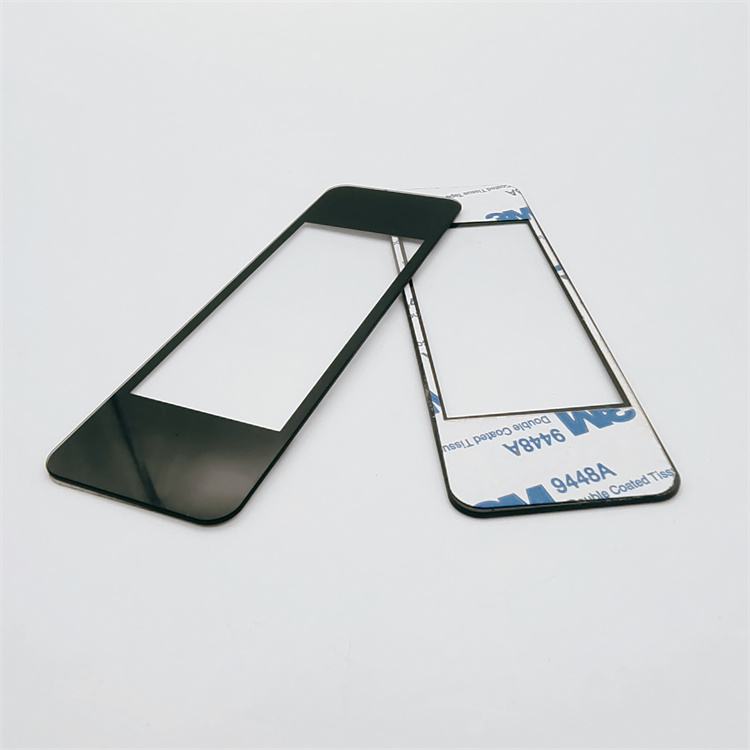
1 mm · 3M tape
Ultra Thin 1mm Tempered Glass with 3M Tape for Screen Cover Glass
A practical starting point for framed assemblies, retrofit touch overlays and smaller kiosk runs where direct bonding is not yet fixed.
Humidity-ready, oleophobic tempered cover glass for Bangkok kiosks, POS, HMI, medical and smart-building touch interfaces.
These are practical starting points, not a fixed catalogue. For Bangkok projects, thickness, outline, printing, edge, holes, coating stack and adhesive are reviewed against your drawing before sampling.
A practical starting point for framed assemblies, retrofit touch overlays and smaller kiosk runs where direct bonding is not yet fixed.

Ultra-clear 0.5 mm and 0.7 mm substrate for slim POS, hospitality and switch interfaces, with AF top treatment after drawing review.
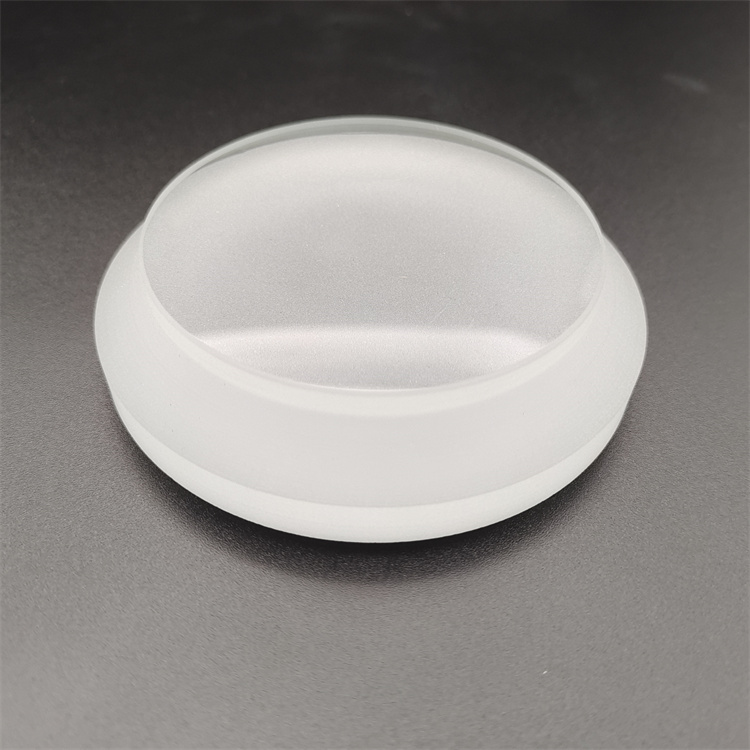
Frosted industrial glass with beveled step edge for fixtures and display windows where glare control and edge safety matter.
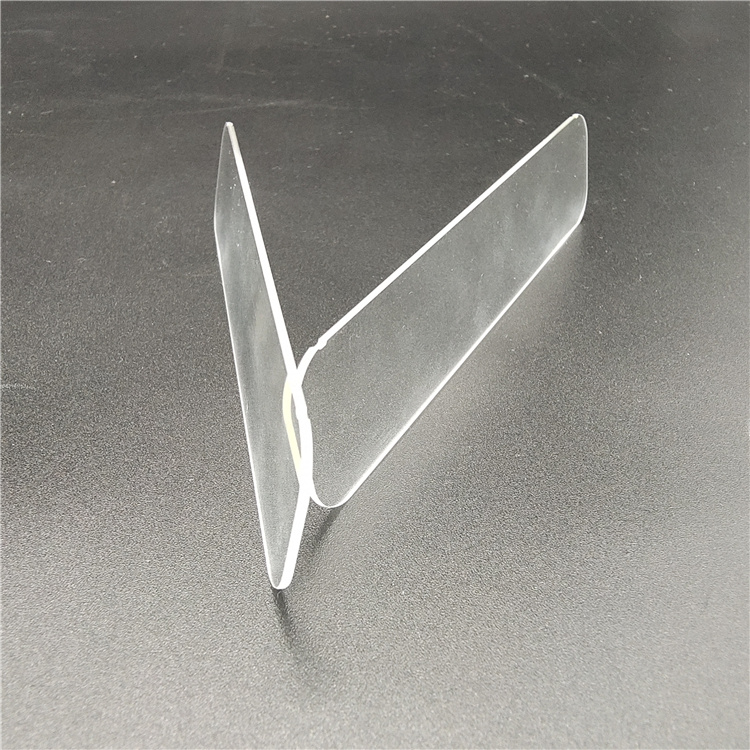
Low-iron, chemically strengthened glass for white-color accuracy and slim touch stacks in smart-home, clinic and condo panels.
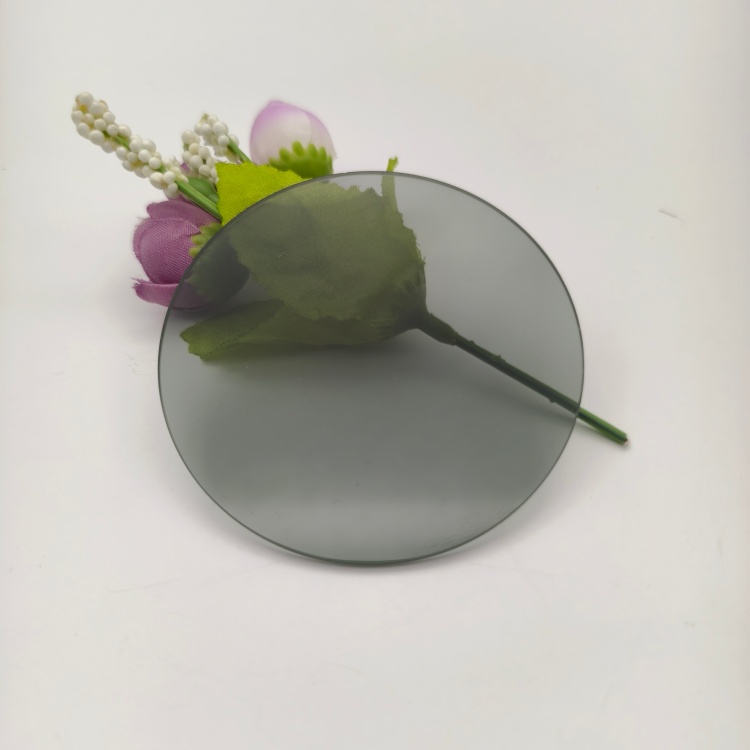
High-strength black tempered glass for printed HMI, decorative control surfaces and ruggedized touch interfaces. Black printing hides circuitry.
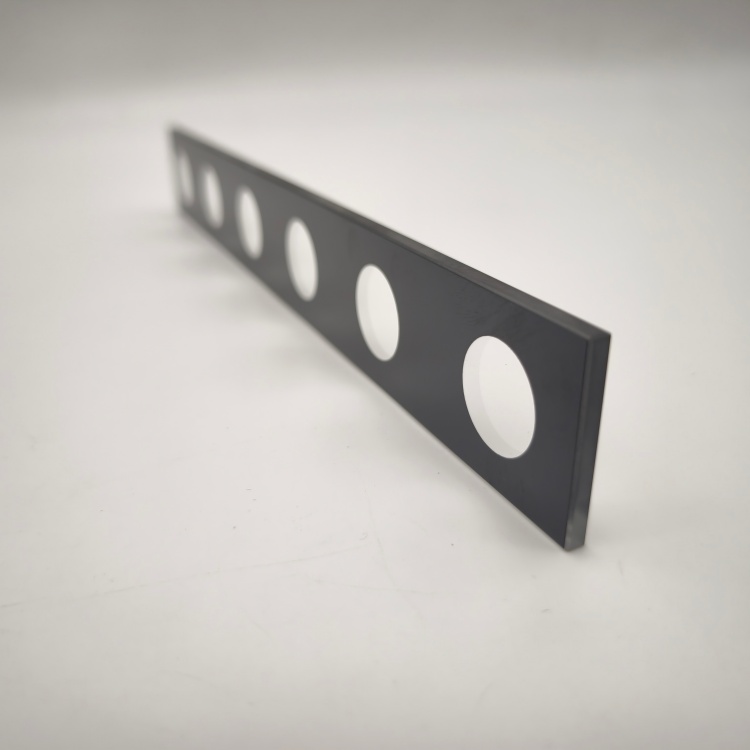
Linear black-printed glass for LED wall washers and architectural fixtures. Specify AF only on touch-access zones; other areas can use AG.
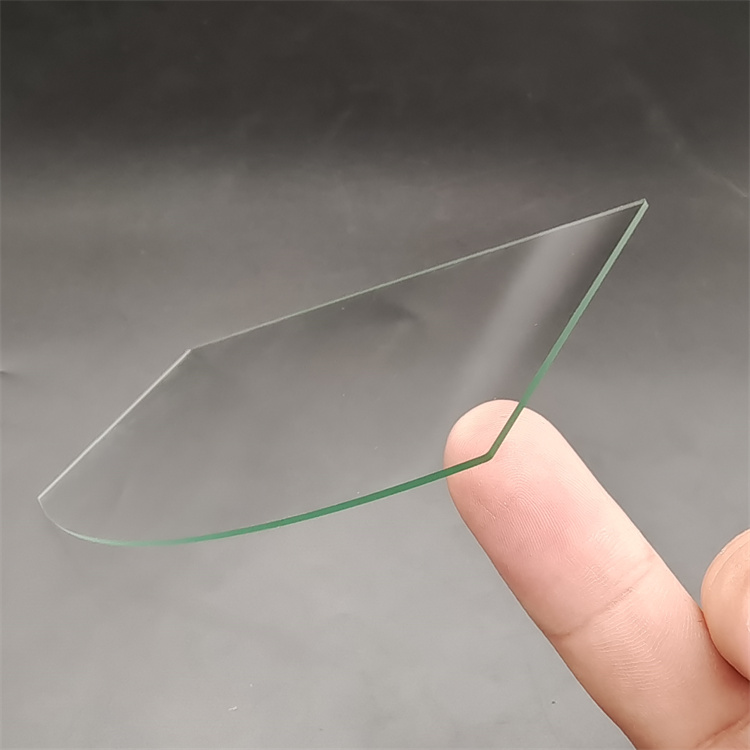
Custom round, rectangle, triangle and enclosure-matched outlines for Bangkok distributors supplying kiosk, POS and appliance controls.
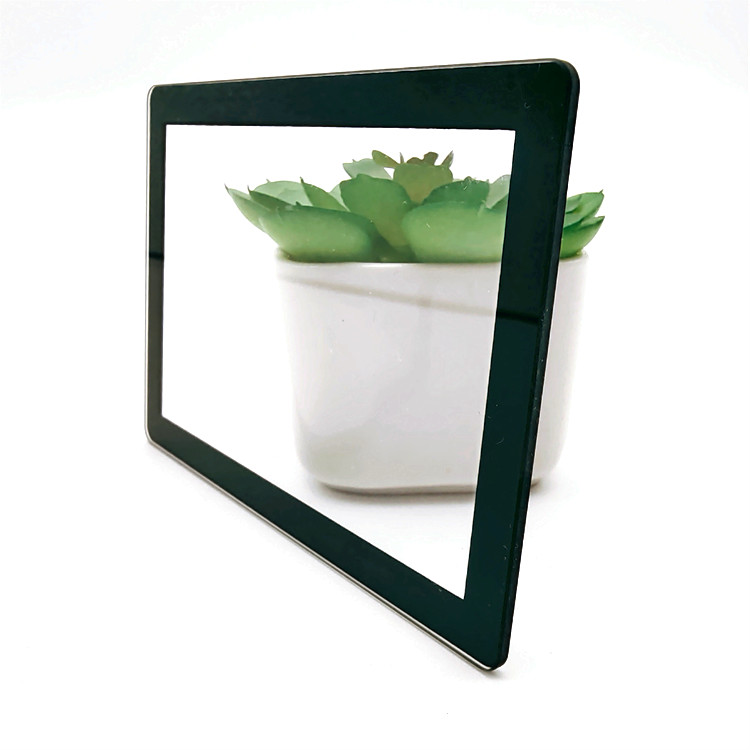
0.5 mm to 6 mm industrial display glass for factory HMI, wayfinding kiosks and rugged touch monitors. Printed design plus AG+AF is common.
Anti-fingerprint glass is a cover-glass system, not a single chemical spray. Substrate, strengthening, printing, edge quality, optical treatment and the oleophobic top layer must work together.
In Bangkok’s high-touch, humid environment, the AF layer matters because it lowers surface energy so sweat, sunscreen, cooking oil and cleaning residue do not anchor into the glass. The practical result is fewer visible smears, smoother finger glide and faster wipe-down between users. For an owner of a public kiosk, that difference can reduce cleaning labour and improve the perceived hygiene of the interface.
For factory and wholesale buyers, the purchasing decision should be framed around total touch experience and operational uptime, not only price per piece. A low-cost AF coating that degrades after aggressive disinfectant wipes can create rework, brand risk and replacement cost. A well-specified AF plus tempered cover glass can support public kiosks, hospital check-in, hotel concierge screens, smart condo control panels and industrial HMI.
Our engineering view at Dongguan Jaswe Glass Co., Ltd. is to validate the stack, not just the coating: glass thickness, tempering, printing ink, AR/AG process, AF curing, adhesive and packaging all interact. This page is written for Bangkok procurement teams, distributors, OEM/ODM buyers and project contractors who need to compare anti-fingerprint touch glass factory options and wholesale supply paths before an RFQ is issued.
For specification work, define the touch surface first. A public-facing panel in a mall needs different abrasion and cleaning resistance from a private smart-home switch. A medical check-in screen may need chemical compatibility with hospital wipes, while an outdoor wayfinding panel may need AG glare control plus AF cleanability. Treating these as one generic “AF glass” request usually leads to sample iterations and avoidable delays.
Bangkok combines tropical humidity, intense mall lighting, high passenger volume and heavy food-delivery culture. Each touch point creates a different fingerprint and cleaning challenge.
BTS, MRT, Airport Rail Link and mall wayfinding screens face high passenger turnover, dust and alternating hot outdoor and cold indoor air. AF-coated tempered glass with a printed mask is easier to clean between shifts and reduces the smeared look that makes public maps feel unhygienic.
Self-order kiosks, payment terminals and queue-ticket screens are touched by customers with sunscreen, food oil and hand sanitiser. AF top glass improves glide and wipe-down speed, while anti-glare treatment helps under bright mall lighting and glass façades.
Private hospitals, dental clinics and medical-tourism check-in areas use touch screens in high-frequency cleaning zones. Specify AF with a cleaning-agent validation plan; the coating should be tested with the operator’s actual disinfectant routine, not only clean water.
Lobby intercoms, lift control panels and smart switches in Bangkok condos often show condensation and finger marks. AF plus low-iron tempered glass maintains a premium look; edge sealing and adhesive selection are critical for humid lobbies and pool-adjacent areas.
Factories around Chonburi, Rayong and Laem Chabang need HMI covers that resist oil mist, gloved contact and repeated wiping. AG+AF on 2–6 mm tempered glass can improve readability while keeping the touch window serviceable.
Shopping malls, airports and experience stores use touch signage in bright light. Fine anti-glare combined with AF reduces glare and fingerprints; high-transmittance ultra-clear glass protects colour, contrast and brand presentation.
A coating that performs in a dry laboratory can behave differently in a Bangkok lobby, hospital or factory. Build the validation plan around the real operating envelope.
| Factor | Bangkok design context | AF glass response | What to specify and validate |
|---|---|---|---|
| Humidity & condensation | Frequent transitions between air-conditioned interiors and hot, humid outdoor areas; lobby and pool-adjacent panels may show condensation. | AF supports easier wiping, but the edge seal, adhesive and lamination interface determine long-term reliability. | Request damp-heat testing and adhesive compatibility review; inspect for haze, delamination or edge ingress after the trial. |
| Heat & sunlight | Exterior kiosks and glazed façades can create high surface temperatures and strong UV exposure. | Tempered glass and UV-stable printing protect appearance; coating cure quality affects resistance. | Review thermal shock, colour stability of printing and coating cure parameters for the chosen stack. |
| Oils, sweat & sunscreen | Public touch devices collect cosmetics, food oil and hand cream throughout the day. | Oleophobic AF lowers smear retention and improves finger glide. | Use oleic-acid or artificial-sweat wiping tests plus abrasion or wipe cycles agreed with the supplier. |
| Cleaning chemicals | Hospitals, hotels and retail chains may use alcohol, quaternary ammonium or neutral cleaners at different frequencies. | Chemical resistance depends on the AF chemistry and the full coating stack, not on the term “AF” alone. | Test with the actual cleaning agent, concentration and wipe method; document the approved cleaning procedure. |
| Dust & particulate film | Construction dust, traffic film and mall cleaning residue can make glossy touch surfaces look tired quickly. | Fine AG can hide micro-scratches; AF makes daily wipe-down faster without aggressive polishing. | Set gloss/haze targets with the optical team and check cleanability under the proposed lighting conditions. |
The most common field issue is not the AF surface alone; it is the interface between cover glass, adhesive, printing and coating. A 48–96 hour damp-heat trial plus a cleaning-agent challenge is recommended before mass production.
Use this matrix during design review. The final stack should be confirmed with a physical sample, because glass thickness, printing and coating order can change the optical result.
| Configuration | Best for Bangkok use | Trade-off to understand | Engineering recommendation |
|---|---|---|---|
| AF on ultra-clear tempered glass | Indoor POS, hotel check-in, smart condo switches, clinic reception screens. | Excellent clarity and easy cleaning; strong reflections may still appear under direct downlights. | Use as the default for high-transparency touch covers where glare is controlled by interior lighting. |
| AG + AF | Outdoor kiosks, mall signage, sunlit windows and industrial HMI. | Anti-glare diffusion slightly reduces image sharpness and may add haze. | Select a fine haze level for high-resolution displays; confirm with a sample under real viewing distance. |
| AR + AF | Premium indoor displays, medical monitors, showroom touch walls and high-contrast interfaces. | Optical coating adds cost and requires careful handling and cleaning guidance. | Specify single- or double-sided AR based on the display stack; double-sided AR gives the largest reflection reduction. |
| Printed + AF tempered glass | Control panels, black borders, icon windows, appliance and equipment HMI. | Printing and coating order must be engineered so the touch window remains optical-grade. | Send Pantone references, window dimensions and the required AF area on the drawing. |
| Low-iron chemically strengthened + AF | Slim switch glass, lightweight touch overlays and thin luxury control surfaces. | Thin glass needs careful edge handling and packaging to protect against chipping. | Use for 0.5–1.1 mm designs where colour neutrality and low weight are more important than impact resistance. |
For wholesale buyers comparing anti-fingerprint glass factories, ask for the coating stack drawing, sample report and recommended cleaning method. A supplier who can explain these three items is usually better prepared for Bangkok field conditions.
Dongguan Jaswe Glass Co., Ltd. is a custom processed-glass manufacturer, not a trading desk. In-house processing shortens iteration and keeps critical steps under one quality system.
Based in Shipai Town, Dongguan, Guangdong, the company processes tempered glass, ultra-clear glass, touch screen cover glass, silk screen printed glass, switch glass, electrical equipment glass, LED lighting glass, and AR / AG / AF coated glass for customers in America, Europe and Asia.
In-house capabilities include cutting, special-shaped and CNC cutting, edge polishing, hole drilling, tempering, silk screen and ceramic printing, AG processing, and AR / AF coating. With 80+ skilled workers and 26 glass processing machines, monthly output exceeds 200,000 pieces. For a Bangkok distributor, that means one technical contact can review glass thickness, printing and coating before a local customer sees a sample.
Supplier profile indicators are useful for procurement due diligence: average response time within about three hours, a 96.61% response rate, a 26% buyer reorder rate, 51–100 employees, annual revenue in the US$2.5M–US$5M range, and on-site verified supplier status for six years. The stated quality philosophy is “Scientific management, careful manufacture, high quality service, striving for excellence.”
Automatic cutting and CNC shaping for rounds, notches, slots and irregular outlines.
Pencil, flat, beveled, stepped and matte edges for safe handling and clean appearance.
Holes and countersinks for buttons, sensors, cameras, knobs and mounting screws.
Furnace strengthening for impact resistance and safer breakage behaviour.
Multi-colour logos, icons, borders and display windows with colour matching.
Diffused matte surface that keeps screens readable under strong light.
Optical coating that lowers reflection and raises light transmission for brighter displays.
Oleophobic layer for touch screens — smoother glide, fewer smudges and easier cleaning.
A clear workflow reduces sample loops. The same steps apply whether you are a distributor ordering for local kiosk builders or an OEM buyer sourcing a full touch-panel programme.
DXF, DWG or PDF with thickness, glass type, outline, edge, holes, printing colours, coating stack, adhesive and annual volume.
Manufacturability check for coating masks, print windows, hole-to-edge distance, edge type and packing approach.
Samples for fit, colour, gloss or haze, transmission, edge quality and the actual AF touch feel.
Test with local cleaning agents, humidity exposure and wipe cycles. Approve packing and labelling before mass production.
In-process inspection at cutting, edging, tempering, printing, coating and final packing stages.
Interleaved, edge-protected, moisture-barrier packing with export documents for Bangkok consignees.
Bangkok wholesale buyers usually need a repeatable supply route, not only a low first-order price. Packaging and documentation quality protect the coating and the delivery schedule.
Samples and urgent replenishment often move by air express. Bulk wholesale orders normally use sea freight to Laem Chabang or Bangkok ICD. Confirm Incoterm, cargo-ready date and customs broker early so production and vessel schedules align.
AF-coated glass should be interleaved, edge-protected and sealed against moisture. Label cartons by SKU, thickness, coating batch and quantity so Bangkok distributors can receive and re-ship without opening every pack.
Typical documents include commercial invoice, packing list, bill of lading or air waybill and certificate of origin when requested. The Thai importer should confirm HS code, duty treatment and any product compliance documents needed for the final application.
These answers are written for importers, distributors, project contractors and OEM buyers who need a practical route from sample to wholesale supply.
It is a cover-glass system with an oleophobic AF top layer that lowers surface energy, so sweat, oil and sunscreen are less likely to anchor to the surface. It is usually combined with tempered or chemically strengthened glass, edge finishing, printing and optional AG or AR treatment. AF does not make fingerprints disappear completely; it makes them less visible and easier to remove.
Test the actual cleaning routine. Provide the supplier with the disinfectant, concentration and wipe method used at the site, then request a sample trial with damp-heat exposure and repeated wipe cycles. Check for changes in contact angle, haze, colour, coating appearance and cleanability. A coating that passes a water-wipe test but fails under hospital disinfectant is not suitable for that project.
Yes. Custom sizes, outlines, holes, printing, edge profiles, adhesive and coating combinations can be reviewed against your drawing. OEM/ODM buyers should provide the final enclosure drawing, target annual volume and any packaging or labelling requirements. Wholesale pricing depends on thickness, glass type, CNC work, number of print colours, coating stack and packing method.
Most custom projects start from roughly 100 to 500 pieces, depending on size, printing, coating and material. Standard clear pieces may be available in smaller sample quantities for evaluation. For a Bangkok distributor, it is often better to approve a sample in the final stack first, then place a pilot order before annual-volume pricing is finalised.
Use thin 0.5–0.7 mm glass for slim overlays, lightweight smart switches and high-transparency indoor interfaces. Use about 1–2 mm for public kiosks, POS and hotel or hospital touch points where impact and cleaning frequency are higher. Use 3–6 mm for rugged industrial HMI, outdoor enclosures and larger panels. The final choice also depends on bonding method and bezel support.
Yes, but the stack must be engineered. Printing, AG etching, AR coating, AF coating, holes and adhesive all affect handling and optical performance. The drawing should show the transparent touch window, printed area, AF area and any masked zones. For high-volume programmes, the supplier should confirm the process order and inspection points before sampling.
Samples are made after drawing review so fit, colour and surface feel can be checked. After approval, mass production follows the agreed inspection plan. Air freight is common for samples and urgent runs; sea freight is common for bulk orders to Laem Chabang or Bangkok ICD. Transit time varies by sailing schedule, customs clearance and final delivery address.
Ask for commercial invoice, packing list, bill of lading or air waybill, certificate of origin when applicable, and the product inspection or coating test reports available for the project. The Thai importer should confirm HS classification, duty treatment and any local compliance requirements. For repeat wholesale orders, keep approved samples and golden-sample records at both ends.
Share your DXF, DWG or PDF with thickness, outline, printing, edge, holes, AF / AG / AR requirement and target quantity. Our team will review the process route and sample plan for Bangkok delivery.
Inquire NowFactory-direct custom glass · Dongguan, China · AF / AG / AR / tempered / printed / CNC processing